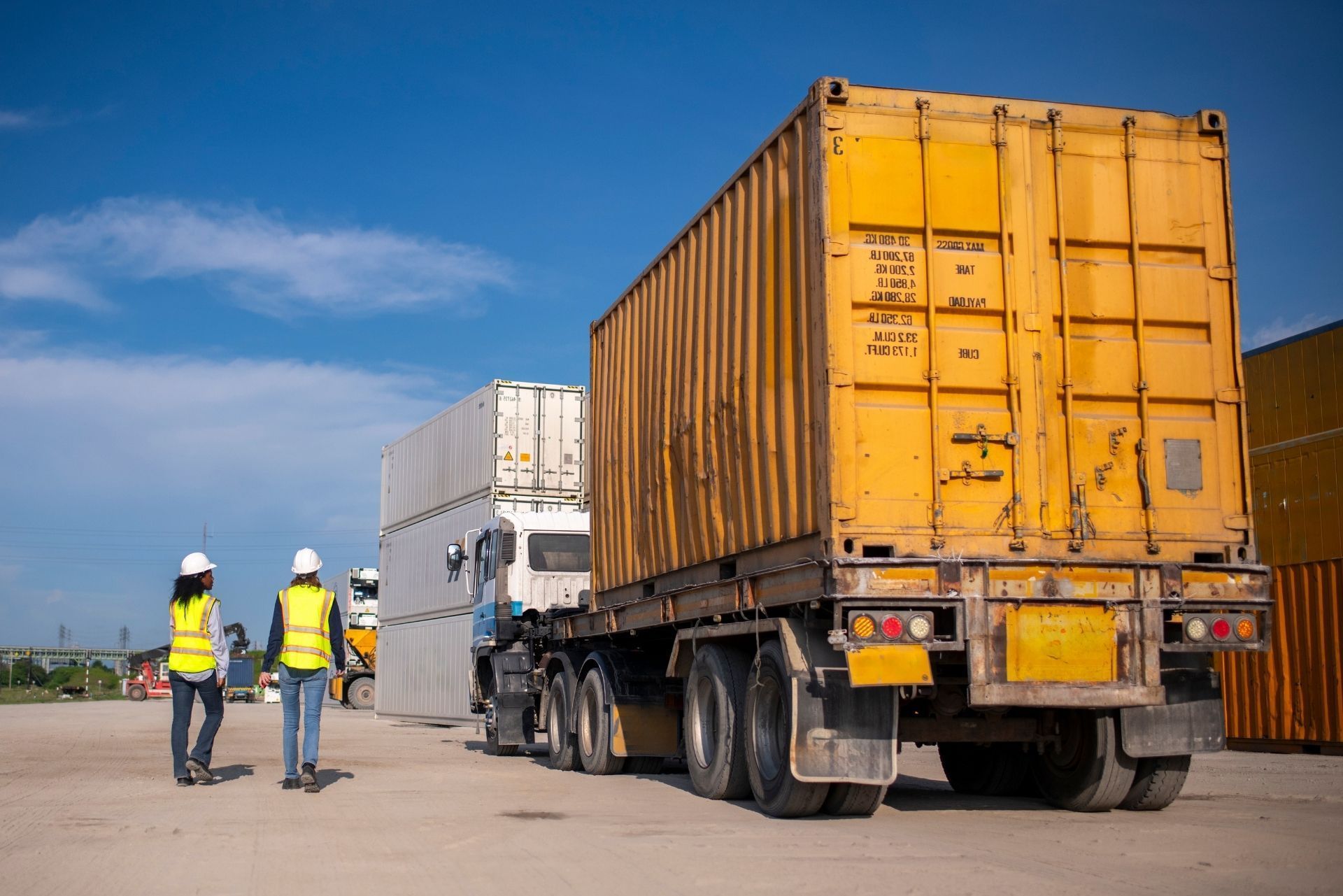
Michigan sits at the crossroads of North American commerce. With 37% of the $526 billion in annual U.S.-Canada trade flowing through Michigan border crossings, the state's transportation and logistics companies face unique exposures that generic insurance programs simply cannot address. Whether you're running a fleet of semis hauling auto parts from Detroit to Windsor or operating a warehouse in Grand Rapids that handles freight for multiple carriers, understanding your insurance requirements isn't optional: it's the difference between surviving a major claim and watching your business collapse under legal liability.
The reality is that transportation insurance in Michigan carries complexity most business owners don't anticipate. The state's no-fault auto reform, specific workers' compensation rules for trucking operations, and the sheer volume of cross-border commerce create a regulatory environment unlike anywhere else in the country. Approximately 12,950 active interstate motor-carrier companies list Michigan as their principal place of business, which means insurers have plenty of claims data from this market, and they price policies accordingly.
Here's what you need to know about coverage types, costs, and state requirements to protect your logistics operation properly.
Essential Insurance Coverages for Michigan Logistics Companies
Commercial Auto and Fleet Liability
Every truck on Michigan roads needs commercial auto coverage, but the minimums vary based on what you're hauling and where you're operating. Michigan requires intrastate truckers with vehicles over 10,001 pounds GVW to maintain minimum liability coverage of $750,000 for general freight. That number jumps significantly if you're transporting hazardous materials or operating interstate routes under federal authority.
The average cost of commercial car insurance in Michigan runs about $73 monthly for minimum coverage, but that figure applies to basic commercial vehicles. A tractor-trailer hauling freight will cost substantially more, often $8,000 to $15,000 annually per unit depending on driver experience, cargo type, and operational radius.
Fleet liability becomes more complex as you add vehicles. Insurers typically offer fleet discounts starting at five units, but they'll scrutinize your safety protocols, driver training programs, and maintenance records before extending favorable rates.
Motor Truck Cargo and Freight Broker Liability
Cargo insurance protects the goods you're hauling, not your truck. Standard policies cover theft, collision damage, and weather-related losses, but exclusions matter enormously. Temperature-controlled freight requires refrigeration breakdown coverage. High-value electronics need higher limits than general commodities.
Freight broker liability is separate and often misunderstood. If you're arranging transportation without actually hauling freight yourself, you need contingent cargo coverage that kicks in when a carrier's policy fails to pay a claim. Many brokers learn this lesson the hard way when a carrier they dispatched causes a loss and their own insurance denies the claim.
Champion Risk works with logistics companies to structure cargo programs that match actual exposure rather than relying on off-the-shelf policies that leave gaps.
Warehouse Legal Liability and Property Protection
Operating a warehouse creates bailment exposure, meaning you're legally responsible for goods in your care, custody, and control. Standard property insurance covers your building and equipment, but warehouse legal liability covers customer freight stored on your premises.
The distinction matters because property policies typically exclude goods you don't own. A fire that destroys $2 million in customer inventory could bankrupt your operation if you're carrying only building coverage. Warehouse legal liability limits should reflect the maximum value of goods you might store at any given time, with seasonal adjustments if your inventory fluctuates.

By: Mark Raby
Chief Executive Officer at Champion Risk & Insurance Services
Michigan-Specific Regulatory Requirements
Understanding Michigan No-Fault Reform and PIP Choice
Michigan's 2020 no-fault reform changed how Personal Injury Protection works for commercial vehicles. Drivers can now choose PIP coverage levels ranging from unlimited down to $50,000, or opt out entirely if they have qualifying health insurance. This flexibility reduces premiums but creates coverage gaps that commercial operators must understand.
For fleet managers, the challenge is tracking which coverage level each driver selected and ensuring your liability policy adequately covers scenarios where a driver's PIP election leaves them underinsured after an accident.
Workers' Compensation Laws for Trucking Businesses
Michigan requires workers' compensation for all employees, including drivers classified as W-2 workers. The trucking industry's experience modification rate, which adjusts premiums based on claims history, tends to run high because of the inherent risks involved in over-the-road operations.
Owner-operators working as independent contractors present classification challenges. Misclassifying employees as contractors to avoid workers' comp premiums is a common mistake that triggers expensive audits and penalties. The state looks at actual working relationships, not just contract language, when determining classification.
State-Mandated Minimum Liability Limits
| Operation Type | Michigan Minimum | Federal Minimum |
|---|---|---|
| General Freight (intrastate) | $750,000 | N/A |
| General Freight (interstate) | $750,000 | $750,000 |
| Hazardous Materials | $1,000,000 | $1,000,000-$5,000,000 |
| Passenger Carriers (1-15 passengers) | $1,500,000 | $1,500,000 |
| Passenger Carriers (16+ passengers) | $5,000,000 | $5,000,000 |
Experts argue that the current minimums, particularly the $750,000 federal requirement, are often insufficient to cover damages in serious accidents. Many shippers and brokers require carriers to maintain $1 million or higher limits regardless of legal minimums.

Factors Influencing Transportation Insurance Costs
Driver Safety Records and CSA Scores
The Federal Motor Carrier Safety Administration's Compliance, Safety, Accountability scores directly impact your insurance costs. Insurers pull CSA data during underwriting, and poor scores in categories like unsafe driving or hours-of-service compliance can increase premiums by 20% to 40%.
Individual driver MVRs matter too. A single driver with a DUI or multiple speeding violations can make your entire fleet harder to insure. Some carriers implement policies requiring drivers to maintain clean records as a condition of employment.
Operational Radius and Cargo Classification
Local operations within a 100-mile radius typically cost less to insure than regional or long-haul routes. The logic is straightforward: more miles driven means more exposure to accidents.
Cargo classification affects both cargo insurance and liability costs. Hauling hazardous materials, oversized loads, or high-value commodities increases premiums substantially.
Commercial auto insurance has been unprofitable for insurers for 12 of the last 13 years, which means underwriters are especially cautious about higher-risk cargo types.
Specialized Coverage for Modern Logistics Challenges
Cyber Liability for Supply Chain Disruptions
Ransomware attacks targeting logistics companies have increased dramatically. A compromised transportation management system can halt operations, expose customer data, and trigger regulatory penalties. Cyber liability coverage addresses breach notification costs, business interruption losses, and ransom payments.
Most general liability policies exclude cyber events entirely. Champion Risk recommends standalone cyber policies for logistics companies managing sensitive shipping data or relying heavily on connected systems for dispatch and tracking.
Intermodal and Trailer Interchange Insurance
Companies using rail, port, or air connections alongside trucking need intermodal coverage that addresses handoff points where liability becomes murky. Trailer interchange agreements, where you pull trailers owned by other parties, require specific insurance endorsements.
Standard auto policies often exclude non-owned trailers. Without trailer interchange coverage, you're personally liable for damage to equipment you're pulling under contract, even if the damage wasn't your fault.
Implementing Telematics and Dashcam Technology
Telematics systems that monitor speed, braking, and hours of service provide data insurers reward with premium discounts. Expect 5% to 15% savings for fleets using approved telematics platforms with active driver coaching programs.
Dashcams serve a different purpose: claim defense. When accidents happen, video evidence often determines fault. Fleets with forward-facing and driver-facing cameras resolve claims faster and avoid fraudulent lawsuits that plague the trucking industry.
Annual Policy Audits and Risk Assessment
Insurance needs change as operations evolve. Adding new routes, changing cargo types, or acquiring equipment should trigger policy reviews rather than waiting for renewal. Annual audits with your broker identify coverage gaps before they become claim denials.
Champion Risk conducts comprehensive risk assessments for transportation clients, examining everything from contract language with shippers to driver hiring practices. Small operational changes often yield meaningful premium reductions.
Frequently Asked Questions
What happens if my cargo insurance limit is too low for a shipment? You're personally liable for the difference. Shippers can sue you directly for losses exceeding your coverage, and many broker contracts include indemnification clauses that compound your exposure.
Can I use personal auto insurance for occasional business deliveries? No. Personal policies exclude commercial use. Even a single delivery can void your coverage and leave you uninsured if an accident occurs.
How often should I update my fleet's driver list with my insurer? Immediately when adding or removing drivers. Operating with unlisted drivers can result in claim denials.
Do I need separate insurance for leased versus owned equipment? Leased equipment typically requires specific coverage forms. Your lease agreement will specify insurance requirements, and failing to meet them can trigger default provisions.
What's the difference between occurrence and claims-made liability policies?
Occurrence policies cover incidents that happen during the policy period regardless of when claims are filed. Claims-made policies only cover claims filed while the policy is active, creating potential gaps if you switch insurers.
Building proper coverage for a Michigan logistics operation requires understanding both state-specific regulations and the practical realities of your daily operations. The stakes are high: a single uninsured claim can eliminate years of profits and threaten your company's survival.
Start by reviewing your current policies against the coverage types outlined here. Identify gaps in cargo coverage, verify your liability limits meet shipper requirements, and confirm your workers' compensation classifications are accurate. Then work with a broker who specializes in transportation risks rather than a generalist who treats trucking like any other commercial account. The complexity of this industry demands expertise that general agents simply don't possess.
About the Author:
Mark Raby
I am a seasoned insurance professional with over 30 years of experience in the industry. I lead Champion Risk & Insurance Services, a San Diego-based brokerage with nationwide reach and strong influence in the insurance marketplace. My core competencies include insurance agency M&A deals, captives and alternative risk structures, and commercial property and casualty insurance for clients in the transportation and logistics industries. I am a former president of IIAB San Diego and hold a Bachelor of Science in Finance from Western Michigan University’s Haworth College of Business.
Protection for Transportation Operations
Business Insurance for Transportation & Logistics Companies
Coverage designed specifically for transportation businesses
Commercial Auto & Trucking
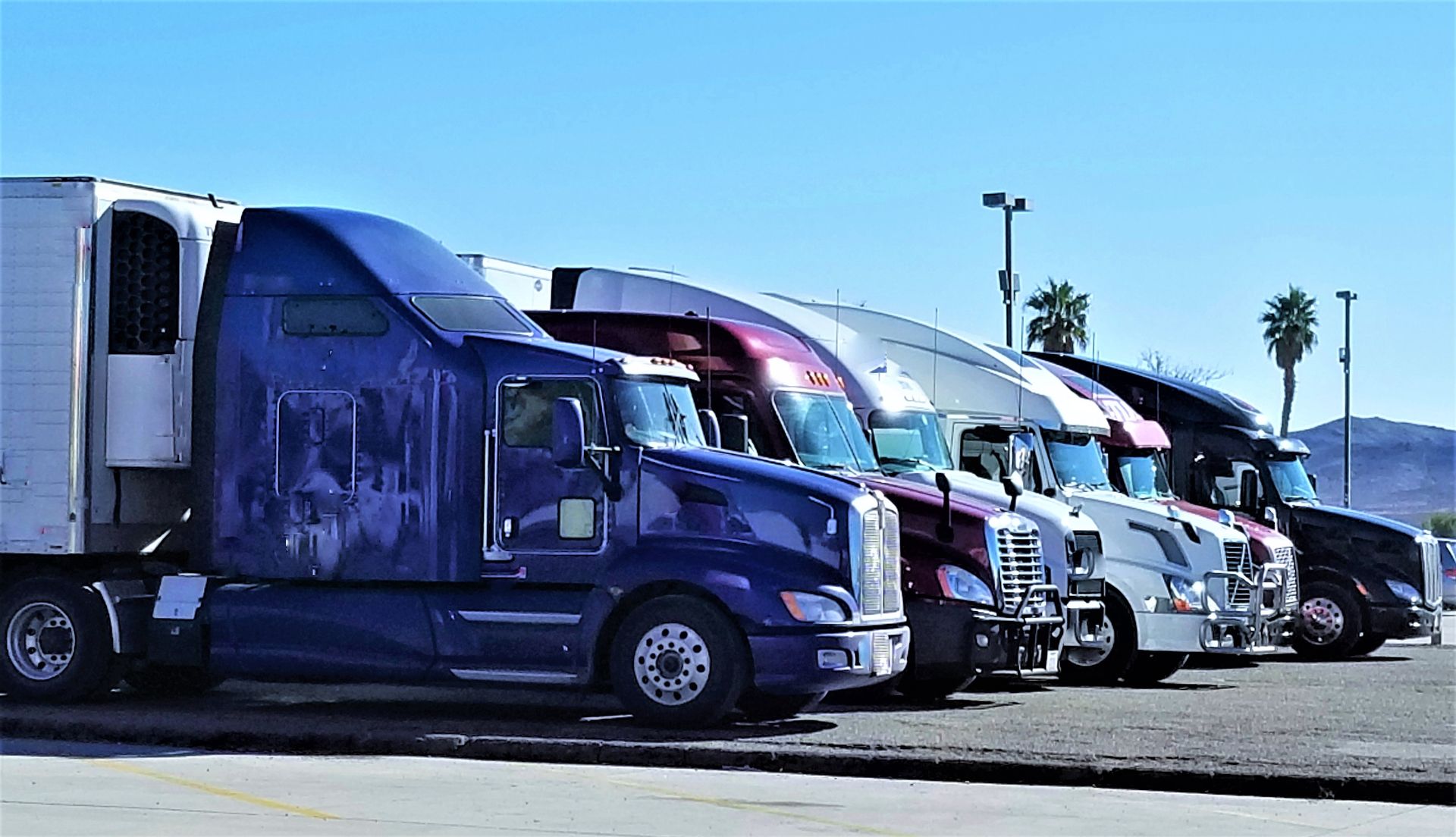
Protection for your fleet including box trucks, moving vans, and trailers. Covers liability, collision, physical damage, and hired or non-owned vehicles used in your operations.
Motor Truck Cargo
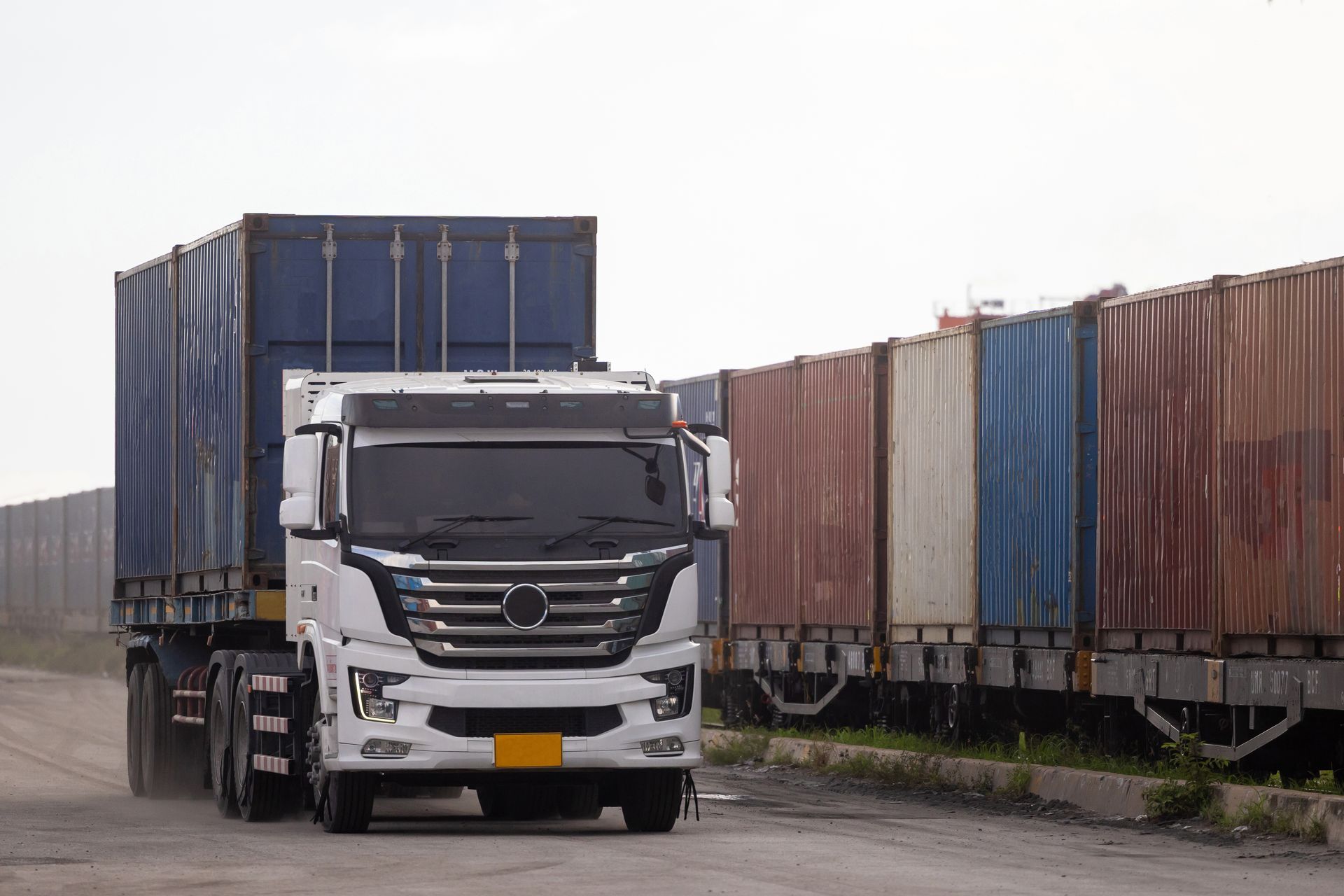
Covers household goods and freight during transport from pickup to delivery. Protects against damage, theft, mysterious disappearance, and weather-related losses while cargo is in your care.

General Liability
Protection from third-party claims for bodily injury and property damage at customer homes, job sites, and your own facility. Essential coverage for every transportation operation

Warehouse Legal Liability
Coverage for customer property while stored in your facility. Protects against damage, theft, fire, and water damage to goods in your care, custody, or control.

Workers' Compensation
Medical care and wage replacement for employees injured on the job. Required in most states for transportation and warehouse work where physical labor creates higher injury risk.

Umbrella & Excess Liability
Higher liability limits stacked on top of your primary policies. Helps meet large contract requirements and protects your business assets against major claims and lawsuits.
Specialized Knowledge
Industries We Protect
Focused coverage for transportation and logistics businesses

Simple and Clear
How Our Process Works
Our process to get you covered
Connect With Us
Reach out through our form or by phone to share your business needs and current coverage situation.
Get Coverage Options
We review your risks, compare carriers, and present clear quotes with plain-language explanations.
Stay Protected
You choose your plan, and we provide ongoing support for certificates, claims, and renewals.
Trusted by Businesses
Feedback That Reflects Service and Reliability
What our clients say about working with Champion Risk
Answers You Need
Frequently Asked Questions
Common questions about transportation and logistics insurance



What insurance does a transportation company need to operate legally?
Motor carriers that cross state lines must meet FMCSA requirements. You need a minimum of $750,000 in liability coverage, plus a BMC-91 filing that proves your insurance to the federal government. Cargo coverage is also required, with minimums that depend on the type of goods you transport.
Intrastate operators follow state-specific rules. California, Texas, and Florida each have different requirements. Champion Risk handles both federal and state filings. We make sure your coverage meets legal minimums and your certificates reach the right agencies.
How much does commercial transportation insurance cost?
Premiums depend on your fleet size, driving records, cargo values, and claims history. A small operation with two trucks might pay $8,000 to $15,000 per year. A larger carrier with ten trucks could pay $50,000 to $100,000 or more.
The best way to control costs is working with a broker who knows transportation insurance. We find carriers that specialize in your exact operation type. This often results in better rates than going direct or using a general agent who doesn't understand the industry.
What is a BMC-91 filing and why do I need one?
A BMC-91 is a form your insurance company files with the FMCSA. It proves you carry the required liability coverage to operate as a for-hire motor carrier. Without an active BMC-91, your operating authority can be revoked.
Champion Risk works with carriers who file electronically. Your BMC-91 typically posts within 24 to 48 hours of binding coverage. We monitor your filing status and alert you if anything needs attention.
Does my warehouse or storage facility need different insurance than a trucking operation?
Yes. Storage facilities need warehouse legal liability coverage. This protects you when customer property is damaged or stolen while in your care. Standard general liability policies exclude this exposure.
You may also need property coverage for your building, equipment breakdown protection, and business income coverage if a fire or disaster shuts down operations. Champion Risk builds storage facility programs that address all these risks in one package.
Can you insure last-mile delivery drivers who use their own vehicles?
Yes. We offer hired and non-owned auto coverage for delivery operations that use independent contractors or employees driving personal vehicles. This fills gaps that personal auto policies don't cover during commercial use.
We also provide occupational accident coverage for 1099 drivers who aren't eligible for workers' comp. This protects your drivers and limits your liability exposure when accidents happen.
How fast can I get proof of insurance for a new contract?
Same day in most cases. Once we bind your policy, we issue certificates of insurance within hours. If your contract requires specific additional insured language or special endorsements, we coordinate directly with the carrier.
Rush requests happen often in this industry. General contractors and corporate clients demand certificates before they let you on site. Champion Risk prioritizes fast turnaround because we know your revenue depends on it.

Answers You Need
Transportation & Logistics Insurance Resources
Articles designed to inform and support your business
Contact Us
Phone Number:
Email Address:
Location:
12264 El Camino Real, Suite 350
San Diego, CA 92130
Hours:
Monday – Friday: 8:00 AM – 6:00 PM PT