Running a trucking or logistics operation in Colorado means dealing with challenges most business owners never consider. You're navigating Eisenhower Tunnel at 11,000 feet during a February snowstorm, hauling cargo across the Continental Divide, and managing a workforce that's increasingly difficult to find and keep. The stakes are high, and a single accident on I-70 can generate claims that dwarf what you'd see on flat Midwestern highways.
Colorado's transportation insurance requirements reflect these realities. The state mandates minimum liability coverage of
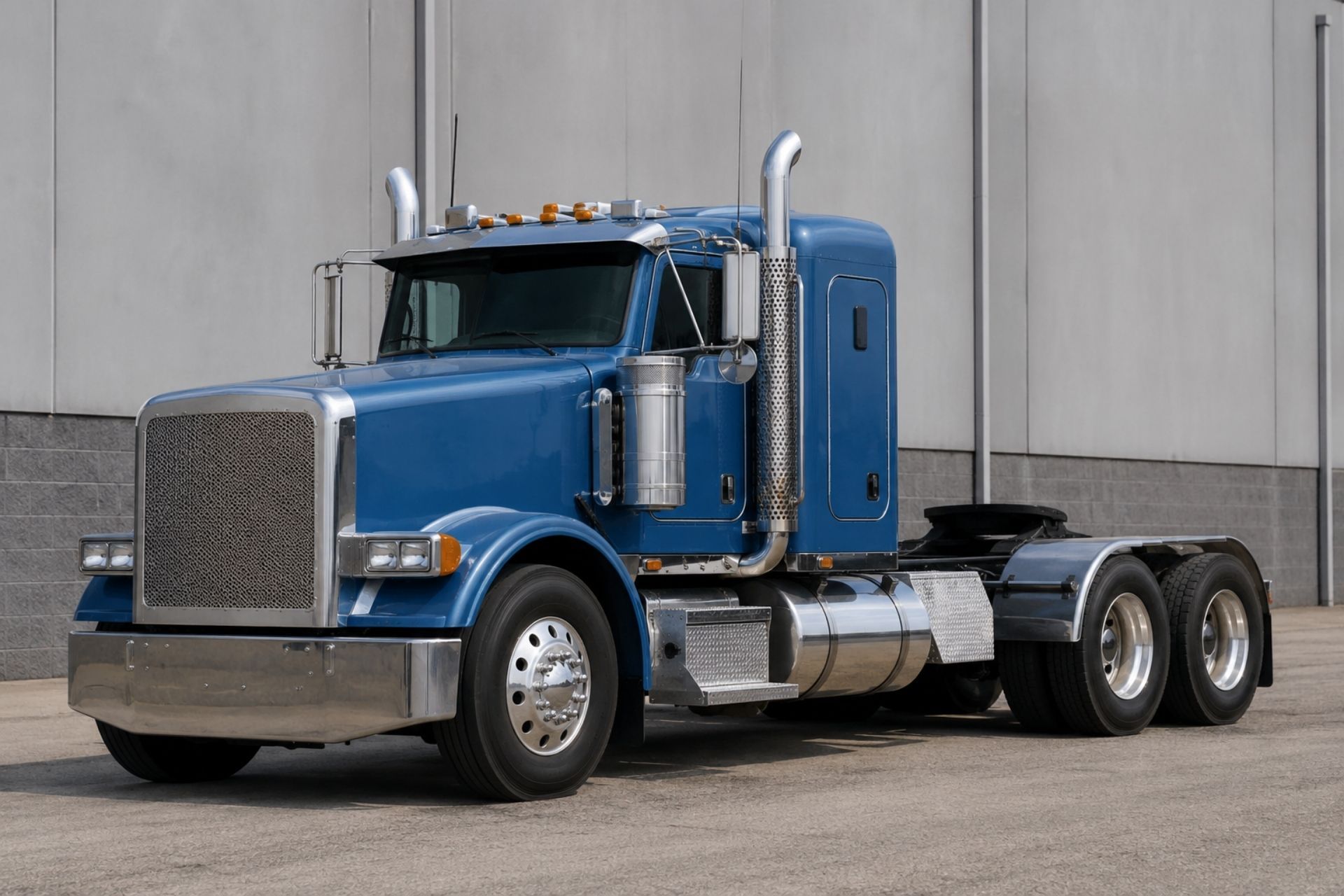
$750,000 for most commercial trucks, jumping to $5 million when hazardous materials enter the picture. These aren't arbitrary numbers. They're based on decades of claims data showing what mountain driving, unpredictable weather, and high-value cargo can cost when things go wrong. Understanding transportation and logistics insurance coverage, costs, and state requirements specific to Colorado isn't optional for carriers operating here. It's the difference between building a sustainable business and watching one catastrophic claim wipe out everything you've built.
The Landscape of Transportation and Logistics in Colorado
Colorado's position as a Western logistics hub creates both opportunity and complexity for carriers. The state sits at the crossroads of major freight corridors, with Denver serving as a distribution center for the entire Rocky Mountain region.
Key Industries Driving Demand
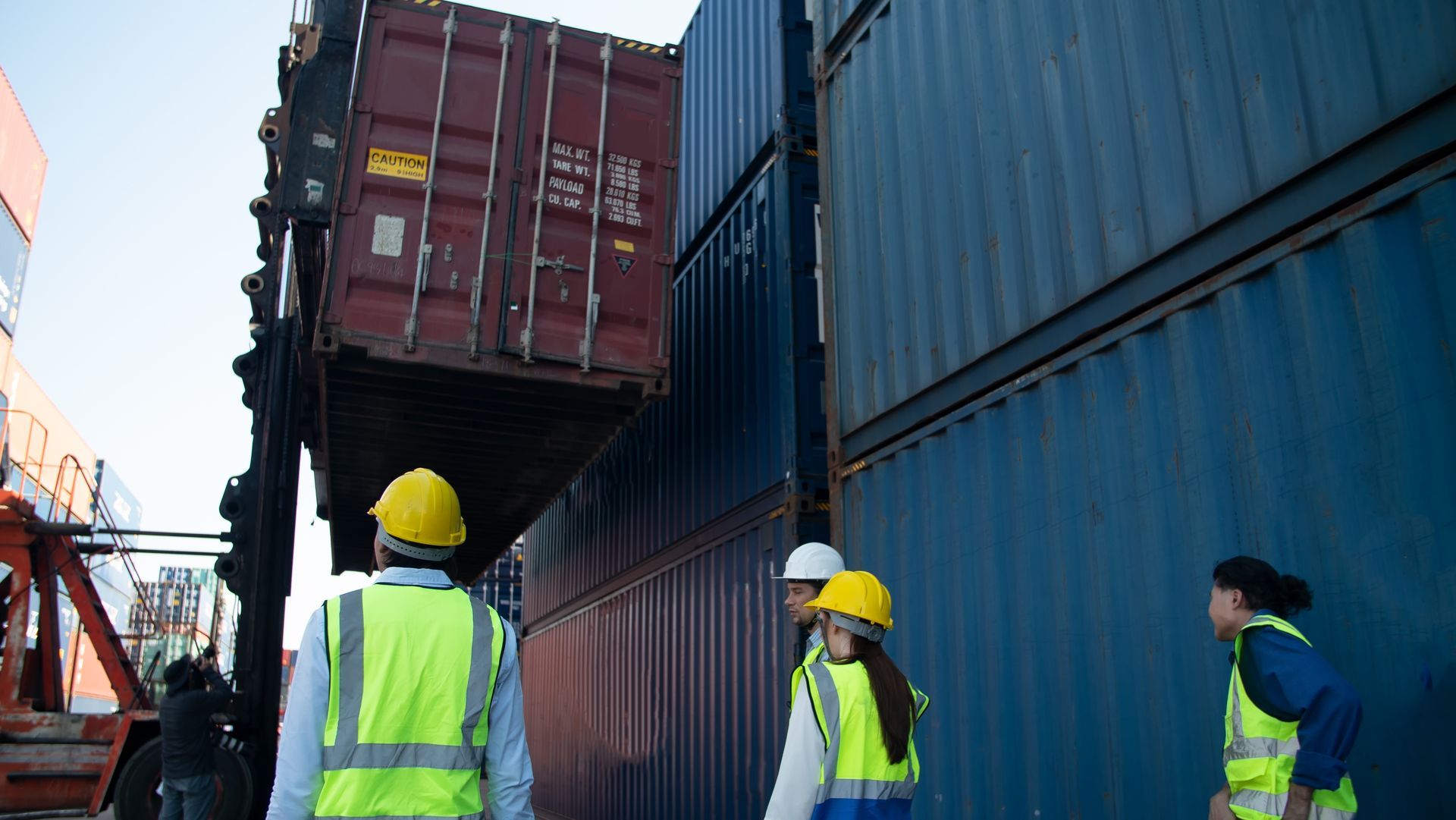
Energy sector freight dominates much of Colorado's trucking demand, from oil field equipment heading to the Western Slope to wind turbine components destined for plains installations. Agricultural hauling peaks seasonally, with produce from the San Luis Valley and livestock from Eastern Colorado ranches requiring specialized transport. The cannabis industry has created an entirely new category of high-value, heavily regulated cargo that demands specific insurance considerations most carriers didn't anticipate five years ago.
E-commerce fulfillment centers clustered around Denver International Airport generate constant last-mile delivery demand. Construction materials move constantly to support the Front Range's ongoing development boom. Each industry brings distinct insurance needs, from temperature-controlled cargo requirements for food transport to the enhanced security provisions cannabis haulers must carry.
Navigating Colorado's Unique Geographic Risks
Mountain driving fundamentally changes risk calculations. Grades exceeding 7% on I-70 west of Denver create brake failure scenarios that simply don't exist in flatland trucking. Winter closures, chain requirements, and sudden weather changes add unpredictability that insurers factor into every premium calculation.
Altitude affects vehicle performance and driver fatigue. The stretch between Georgetown and the Eisenhower Tunnel has claimed countless trailers from inexperienced drivers who didn't understand mountain braking. Underwriters know this history, and it shapes how they price Colorado policies compared to neighboring states with gentler terrain.


By: Mark Raby
Chief Executive Officer at Champion Risk & Insurance Services
Essential Coverage Types for Logistics Businesses
Building the right insurance stack requires understanding how different coverages interact and where gaps commonly appear.
Motor Truck Cargo and Inland Marine Insurance
Cargo coverage protects the freight you're hauling, but the details matter enormously. Standard policies typically cover $100,000 per occurrence, though high-value loads often require excess limits. Exclusions for temperature-controlled cargo, live animals, or hazardous materials catch many carriers off guard when claims arise.
Inland marine insurance extends protection to goods in transit that traditional property policies won't cover. For logistics companies managing warehousing alongside transportation, this coverage bridges critical gaps. Champion Risk works with carriers to identify where standard cargo policies fall short and what supplemental coverage actually makes sense for their specific operations.
Primary Liability and Physical Damage
Primary liability covers injuries and property damage you cause to others. Colorado's $750,000 minimum sounds substantial until you consider that a single serious accident can generate claims exceeding $2 million. Many experienced carriers carry $1 million or higher limits because they've seen how quickly medical costs and property damage add up.
Physical damage coverage protects your own equipment. Collision coverage handles accident damage, while comprehensive covers theft, vandalism, and weather events. Given average commercial truck insurance costs in Colorado running around $12,213 annually, understanding what you're actually getting for that premium matters.
Contingent Cargo and Professional Liability
Freight brokers and third-party logistics providers need contingent cargo coverage. When a carrier you've contracted fails to deliver or damages freight, this coverage responds when the primary carrier's insurance falls short. It's the safety net that protects your customer relationships.
Professional liability, sometimes called errors and omissions coverage, protects against claims arising from mistakes in your logistics services. Missed delivery windows, incorrect routing, or documentation errors can generate substantial claims that general liability won't touch.
Colorado State Requirements and Federal Compliance
Operating legally requires satisfying both state and federal regulators, and the requirements don't always align neatly.
CDOT and FMCSA Filing Requirements
The Colorado Department of Transportation requires proof of insurance before issuing operating authority. For interstate carriers, FMCSA filings must show active coverage meeting federal minimums. Lapses trigger immediate authority suspension, and reinstating after a lapse creates complications that take weeks to resolve.
Transportation Network Companies like Uber and Lyft face their own requirements, including $1 million per occurrence liability coverage during active rides. Traditional trucking operations face different filing requirements, but the principle remains: regulators want proof of coverage before you move freight.
Workers' Compensation Laws for Colorado Carriers
Colorado requires
workers' compensation coverage for all employees, with limited exceptions for sole proprietors. The construction and transportation industries face enhanced scrutiny because injury rates run higher than average. Misclassifying drivers as independent contractors to avoid workers' comp obligations creates significant legal exposure that's increasingly difficult to sustain.
| Coverage Type | Minimum Required | Recommended Level |
|---|---|---|
| Primary Liability | $750,000 | $1,000,000+ |
| Hazmat Liability | $5,000,000 | $5,000,000 |
| Cargo Coverage | Varies by contract | $100,000-$250,000 |
| Workers' Comp | Statutory | Statutory |

Premium calculations aren't arbitrary. Understanding what drives costs helps you manage them effectively.
The Impact of Safety Scores and Driver History
Your CSA scores directly influence what underwriters charge. Carriers with clean inspection histories and low violation rates access preferred pricing that can save thousands annually. A single serious violation, particularly for hours of service or vehicle maintenance issues, ripples through renewal pricing for years.
Driver MVR histories matter equally. Hiring drivers with recent accidents or moving violations increases premiums immediately. Industry experts note that nuclear verdicts, rising physical damage costs, and driver shortages all contribute to rising insurance costs across the sector.
Route Risks: Mountain Driving and Weather Hazards
Underwriters analyze your operating radius carefully. Carriers running exclusively on Front Range highways face different risk profiles than those regularly crossing mountain passes. Winter operations through Vail Pass or over Wolf Creek carry premium implications that summer-only operations avoid.
Driver wages have increased approximately 15.5%, reaching $0.724 per mile due to ongoing shortages. This pressure to hire quickly sometimes leads to compromises on driver quality that insurers penalize through higher premiums.
Strategies for Reducing Logistics Insurance Costs
Smart operators find ways to demonstrate lower risk and capture corresponding premium savings.
Implementing Telematics and Safety Programs
Electronic logging devices and telematics platforms generate data that proves your operation runs safely. Carriers who share this data with insurers often qualify for discounts ranging from 5% to 15%. The investment in technology pays for itself through premium reductions and reduced accident frequency.
Formal safety programs with documented training, regular vehicle inspections, and clear policies around hours of service demonstrate professionalism that underwriters reward. Champion Risk helps carriers structure these programs to maximize both safety outcomes and insurance savings.
Choosing Optimal Deductibles and Limits
Higher deductibles reduce premiums, but only if you can actually absorb those costs when claims occur. A $5,000 deductible saves money monthly until you face three claims in a year and suddenly owe $15,000 out of pocket.
Limits require similar analysis. Carrying $750,000 liability meets minimums but leaves you personally exposed when a serious accident generates $1.5 million in claims. Commercial auto insurance in Colorado averages $214 monthly, but that figure varies dramatically based on coverage selections.
Selecting the Right Colorado Insurance Partner
The right insurance relationship goes beyond finding the lowest quote. You need a partner who understands Colorado's specific challenges and can advocate effectively when claims arise. Champion Risk specializes in transportation coverage and brings market access that helps carriers find appropriate coverage at competitive rates.
Look for agents who ask detailed questions about your operations before quoting. Generic applications miss nuances that affect both pricing and coverage adequacy. An agent who doesn't ask about your mountain driving frequency or cargo types probably isn't building a policy that actually protects your business.
Frequently Asked Questions
What's the minimum insurance required to operate a trucking company in Colorado? Most commercial trucks need $750,000 in liability coverage. Hazmat carriers must carry $5 million. Additional cargo and physical damage requirements depend on your operating authority and contracts.
How much does commercial truck insurance typically cost in Colorado? One-truck operations needing liability, cargo, and physical damage coverage typically pay between $10,832 and $13,162 annually. Your specific costs depend on driving records, equipment age, and operating radius.
Does Colorado require workers' compensation for truck drivers? Yes. Colorado mandates workers' compensation coverage for employees, including drivers. Sole proprietors can sometimes opt out, but misclassifying employees as contractors creates serious legal exposure.
How do mountain driving routes affect insurance premiums? Carriers operating regularly through mountain passes face higher premiums due to increased accident risk from grades, weather, and altitude. Underwriters analyze your specific routes when calculating rates.
Can telematics actually reduce my insurance costs? Yes. Many insurers offer 5% to 15% discounts for carriers who share telematics data demonstrating safe operations. The technology investment typically pays for itself through premium savings.
Making the Right Choice for Your Operation
Colorado's transportation insurance requirements demand more than checking boxes on a compliance form. The combination of mountain terrain, variable weather, and high-value cargo creates risk profiles that require thoughtful coverage design. Understanding what you're buying, why it costs what it does, and where gaps might exist protects your business when claims inevitably arise.
Take time to review your current coverage against your actual operations. If your policy was written three years ago but your routes or cargo types have changed, you may have gaps you don't know about. Contact Champion Risk for a coverage review that identifies exposures and finds competitive pricing for the protection your operation actually needs.
About the Author:
Mark Raby
I am a seasoned insurance professional with over 30 years of experience in the industry. I lead Champion Risk & Insurance Services, a San Diego-based brokerage with nationwide reach and strong influence in the insurance marketplace. My core competencies include insurance agency M&A deals, captives and alternative risk structures, and commercial property and casualty insurance for clients in the transportation and logistics industries. I am a former president of IIAB San Diego and hold a Bachelor of Science in Finance from Western Michigan University’s Haworth College of Business.
Protection for Transportation Operations
Business Insurance for Transportation & Logistics Companies
Coverage designed specifically for transportation businesses
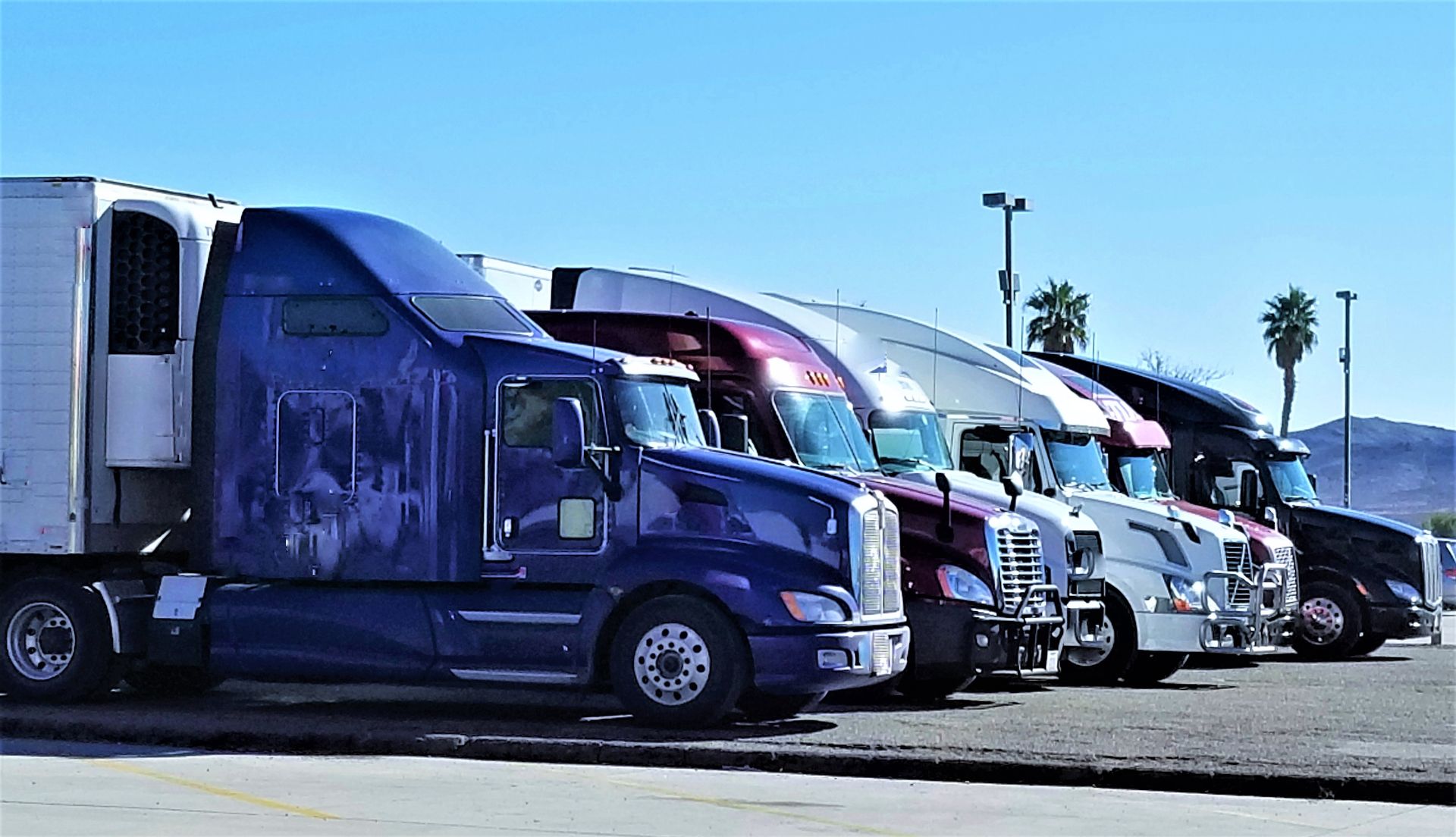
Commercial Auto & Trucking
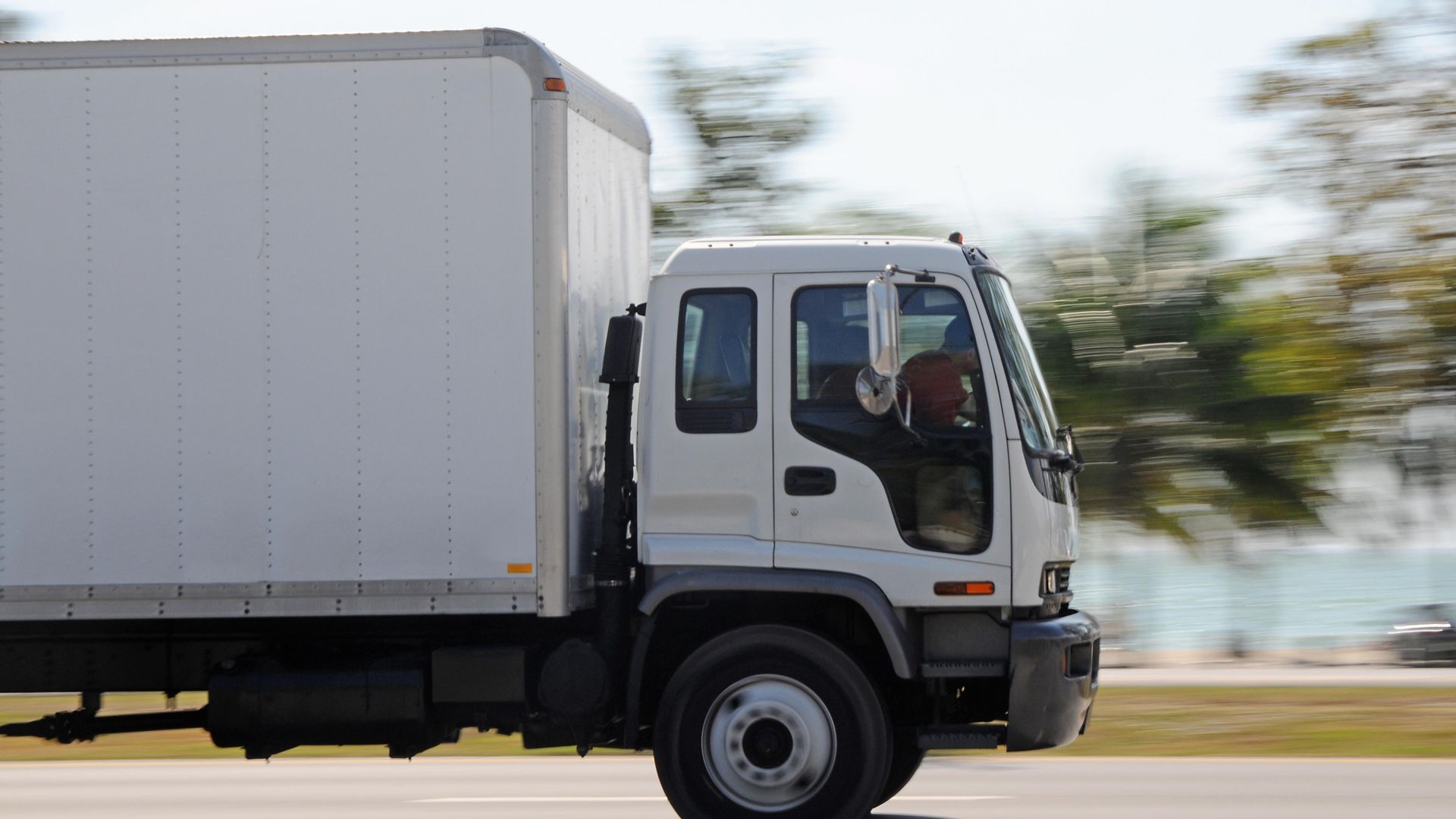
Protection for your fleet including box trucks, moving vans, and trailers. Covers liability, collision, physical damage, and hired or non-owned vehicles used in your operations.
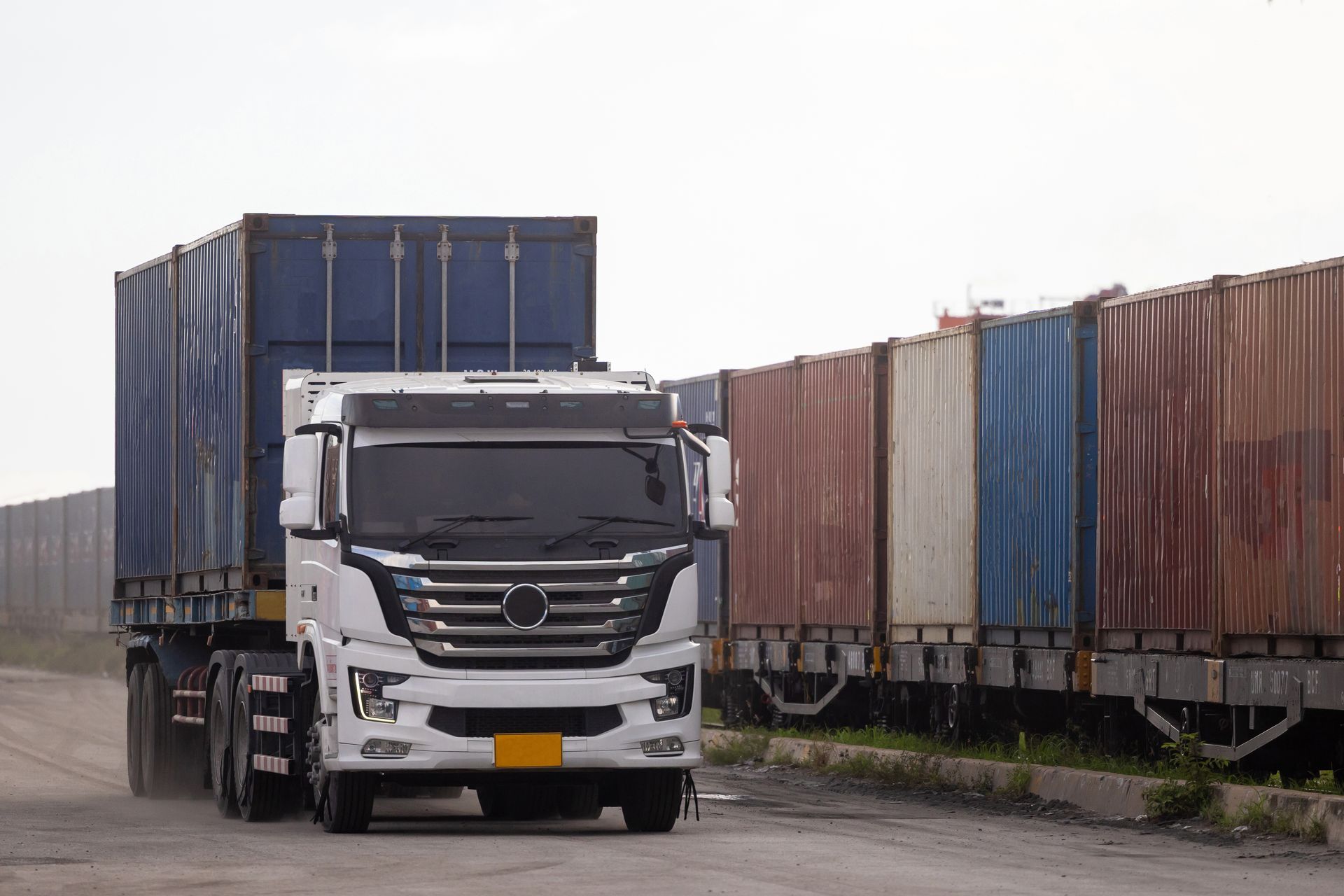
Motor Truck Cargo
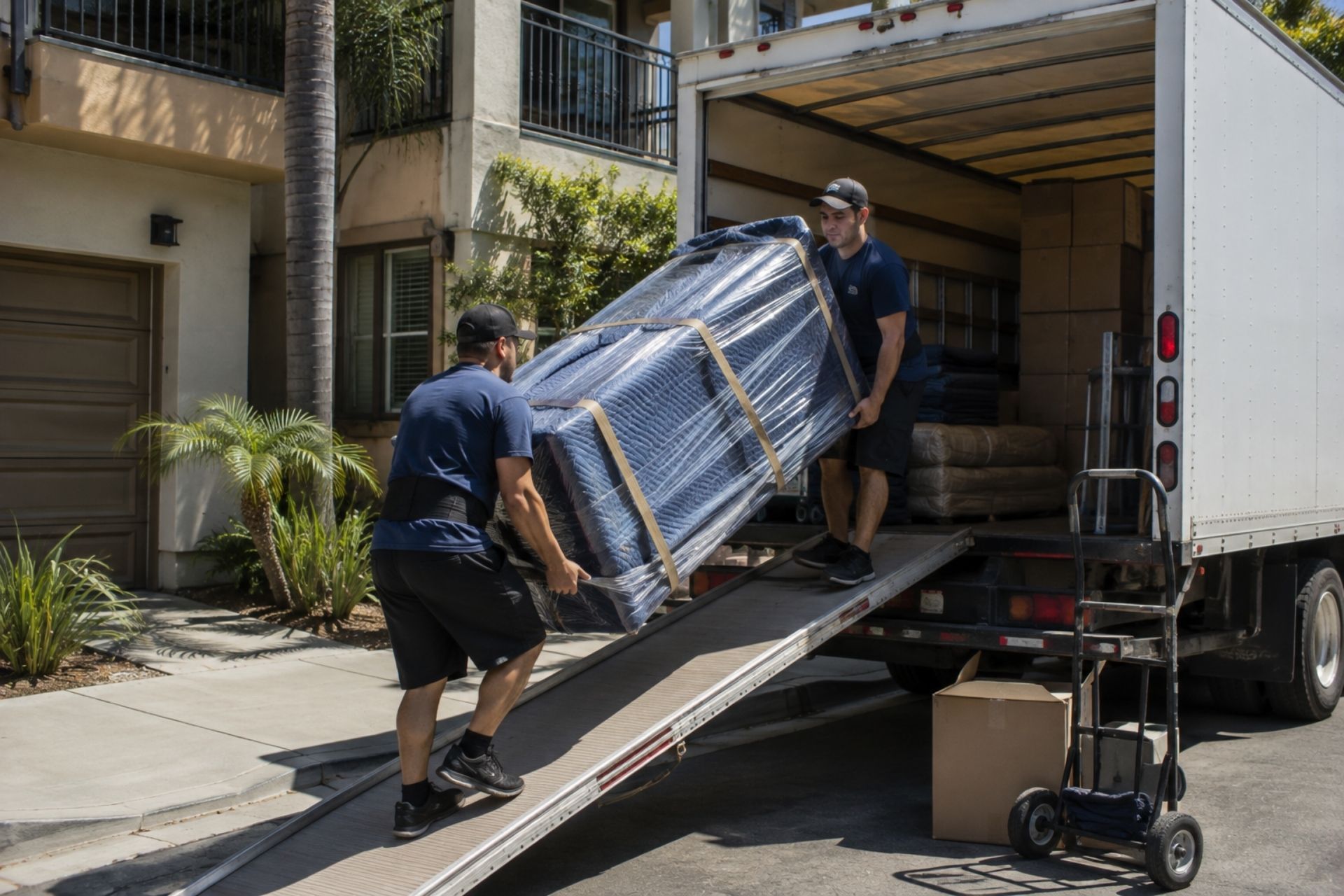
Covers household goods and freight during transport from pickup to delivery. Protects against damage, theft, mysterious disappearance, and weather-related losses while cargo is in your care.

General Liability
Protection from third-party claims for bodily injury and property damage at customer homes, job sites, and your own facility. Essential coverage for every transportation operation

Warehouse Legal Liability
Coverage for customer property while stored in your facility. Protects against damage, theft, fire, and water damage to goods in your care, custody, or control.

Workers' Compensation
Medical care and wage replacement for employees injured on the job. Required in most states for transportation and warehouse work where physical labor creates higher injury risk.

Umbrella & Excess Liability
Higher liability limits stacked on top of your primary policies. Helps meet large contract requirements and protects your business assets against major claims and lawsuits.
Specialized Knowledge
Industries We Protect
Focused coverage for transportation and logistics businesses

Simple and Clear
How Our Process Works
Our process to get you covered
Connect With Us
Reach out through our form or by phone to share your business needs and current coverage situation.
Get Coverage Options
We review your risks, compare carriers, and present clear quotes with plain-language explanations.
Stay Protected
You choose your plan, and we provide ongoing support for certificates, claims, and renewals.
Trusted by Businesses
Feedback That Reflects Service and Reliability
What our clients say about working with Champion Risk
Answers You Need
Frequently Asked Questions
Common questions about transportation and logistics insurance



What insurance does a transportation company need to operate legally?
Motor carriers that cross state lines must meet FMCSA requirements. You need a minimum of $750,000 in liability coverage, plus a BMC-91 filing that proves your insurance to the federal government. Cargo coverage is also required, with minimums that depend on the type of goods you transport.
Intrastate operators follow state-specific rules. California, Texas, and Florida each have different requirements. Champion Risk handles both federal and state filings. We make sure your coverage meets legal minimums and your certificates reach the right agencies.
How much does commercial transportation insurance cost?
Premiums depend on your fleet size, driving records, cargo values, and claims history. A small operation with two trucks might pay $8,000 to $15,000 per year. A larger carrier with ten trucks could pay $50,000 to $100,000 or more.
The best way to control costs is working with a broker who knows transportation insurance. We find carriers that specialize in your exact operation type. This often results in better rates than going direct or using a general agent who doesn't understand the industry.
What is a BMC-91 filing and why do I need one?
A BMC-91 is a form your insurance company files with the FMCSA. It proves you carry the required liability coverage to operate as a for-hire motor carrier. Without an active BMC-91, your operating authority can be revoked.
Champion Risk works with carriers who file electronically. Your BMC-91 typically posts within 24 to 48 hours of binding coverage. We monitor your filing status and alert you if anything needs attention.
Does my warehouse or storage facility need different insurance than a trucking operation?
Yes. Storage facilities need warehouse legal liability coverage. This protects you when customer property is damaged or stolen while in your care. Standard general liability policies exclude this exposure.
You may also need property coverage for your building, equipment breakdown protection, and business income coverage if a fire or disaster shuts down operations. Champion Risk builds storage facility programs that address all these risks in one package.
Can you insure last-mile delivery drivers who use their own vehicles?
Yes. We offer hired and non-owned auto coverage for delivery operations that use independent contractors or employees driving personal vehicles. This fills gaps that personal auto policies don't cover during commercial use.
We also provide occupational accident coverage for 1099 drivers who aren't eligible for workers' comp. This protects your drivers and limits your liability exposure when accidents happen.
How fast can I get proof of insurance for a new contract?
Same day in most cases. Once we bind your policy, we issue certificates of insurance within hours. If your contract requires specific additional insured language or special endorsements, we coordinate directly with the carrier.
Rush requests happen often in this industry. General contractors and corporate clients demand certificates before they let you on site. Champion Risk prioritizes fast turnaround because we know your revenue depends on it.

Answers You Need
Transportation & Logistics Insurance Resources
Articles designed to inform and support your business
Contact Us
Phone Number:
Email Address:
Location:
12264 El Camino Real, Suite 350
San Diego, CA 92130
Hours:
Monday – Friday: 8:00 AM – 6:00 PM PT