
Motor Carrier Bonds for Transportation & Logistics Company
Or Call Us:
(800) 829-0807
Running a trucking company or freight brokerage without proper bonding is like driving a semi without insurance: technically possible until something goes wrong, and then catastrophically expensive. The federal government requires motor carrier bonds for transportation and logistics companies, and the requirements aren't optional. Miss them, and you lose your operating authority. Get the wrong coverage, and you're exposed to claims that could sink your business.
The bond requirement exists because shippers need protection. When a freight broker collects payment but fails to pay the carrier, or when a carrier damages cargo and disappears, someone has to make the injured party whole. That's where surety bonds come in. They're not insurance for your company: they're a financial guarantee to the people you do business with.
Here's what most articles won't tell you: the $75,000 bond requirement that took effect in 2013 hasn't kept pace with inflation or the scale of modern freight operations. A single disputed shipment can easily exceed that amount. Understanding exactly what your bond covers, what it costs, and how to maintain compliance isn't just regulatory box-checking. It's fundamental risk management for any transportation business that wants to stay operational.
The Role of BMC-84 Bonds in the Transportation Industry
BMC-84 bonds serve as the primary financial responsibility mechanism for freight brokers operating in interstate commerce. When the FMCSA mandates that all interstate motor carriers acting as freight brokers maintain a $75,000 surety bond, they're establishing a minimum safety net for the entire supply chain.
The bond works as a three-party agreement. Your company (the principal) purchases the bond from a surety company. If you fail to pay carriers or shippers as agreed, the injured party can file a claim against your bond. The surety pays valid claims up to the bond amount, then comes after you for reimbursement. This isn't free money: it's a credit arrangement where you're ultimately liable.
The Difference Between BMC-84 Bonds and BMC-85 Trusts
Freight brokers have two options for meeting financial responsibility requirements: a BMC-84 surety bond or a BMC-85 trust fund agreement. The trust fund option requires depositing $75,000 with an approved financial institution, which holds the funds for potential claims.
The trust fund approach ties up significant capital. Most brokers choose the BMC-84 bond because it requires only an annual premium rather than a full cash deposit. That said, the FMCSA has tightened trust fund requirements significantly. Effective January 16, 2026, BMC-85 trust funds must consist only of cash or assets convertible to cash within seven days: no more illiquid investments or creative accounting.
FMCSA Regulations and Financial Responsibility Standards
The FMCSA doesn't mess around with compliance. Brokers face immediate suspension of operating authority if their bond or trust fund falls below the $75,000 minimum and isn't restored within seven business days. That's not a grace period for negotiation: it's a hard deadline.
The agency maintains a public database where shippers and carriers can verify your bond status. A lapsed bond doesn't just create legal liability: it destroys your credibility with every potential customer who checks your credentials.

By: Mark Raby
Chief Executive Officer at Champion Risk & Insurance Services
Mandatory Requirements for Freight Brokers and Carriers
Not every transportation company needs the same bonding. The requirements depend on what services you provide and who you're working with.
The $75,000 Minimum Bond Requirement
The $75,000 bond requirement applies to all freight brokers arranging transportation of property in interstate commerce. This applies whether you're moving one load per month or thousands. There's no small broker exemption.
Motor carriers operating their own trucks have different requirements. If you're only hauling freight with your own equipment, you need cargo insurance and liability coverage, but not necessarily the broker bond. The moment you start arranging loads for other carriers, even occasionally, you need the BMC-84.
Special situations exist for government work. The Department of Defense requires personal property carrier bonds with different amounts: domestic bonds fixed at $50,000 and international at $150,000. Military household goods moves operate under their own regulatory framework.
Licensing and Operating Authority (MC Number) Prerequisites
Before you can obtain a motor carrier bond, you need operating authority from the FMCSA. The MC number (Motor Carrier number) identifies your company in federal databases and serves as your license to operate.
The application process through the Unified Registration System requires:
- A completed OP-1 form for broker authority
- A BOC-3 designation of process agents (someone in each state to receive legal documents)
- Payment of the $300 registration fee
- Your surety bond or trust fund agreement filed within 90 days
Champion Risk works with transportation companies throughout this process, helping coordinate the timing between your authority application and bond procurement. Getting these pieces aligned prevents delays in starting operations.
Factors Influencing Motor Carrier Bond Costs
Your bond premium isn't a fixed number: it varies based on your company's financial profile and the surety's assessment of risk.
Credit Scores and Financial History Impact
The premium for a surety bond typically ranges between 1% and 10% of the $75,000 bond amount annually. That's anywhere from $750 to $7,500 per year for the same coverage.
The primary factor driving that range is your personal credit score (for new businesses) or your company's financial statements (for established operations). A broker with excellent credit might pay 1-3% annually. Someone with a bankruptcy in their history or minimal business track record could pay 8-10% or face difficulty finding coverage at all.
| Credit Profile | Typical Annual Premium | Annual Premium Range |
|---|---|---|
| Excellent (720+) | 1-2% | $750-$1,500 |
| Good (680-719) | 2-4% | $1,500-$3,000 |
| Fair (620-679) | 4-7% | $3,000-$5,250 |
| Poor (below 620) | 7-10% | $5,250-$7,500 |
Annual Premium Rates and Renewal Processes
Motor carrier bonds require annual renewal. Your premium can change at renewal based on claims history, changes in your credit profile, and market conditions in the surety industry.
A clean claims history helps at renewal time. If shippers or carriers have filed claims against your bond, expect your premium to increase or your surety to decline renewal entirely. Champion Risk helps clients understand how operational practices affect their long-term bonding costs.
Some sureties offer multi-year bonds at locked rates. This can provide budget predictability, though you'll typically pay slightly more upfront for that certainty.
Coverage Scope and Claims Protection
Understanding what your bond actually covers prevents nasty surprises when disputes arise.
Protecting Shippers and Motor Carriers from Non-Payment
The BMC-84 bond protects shippers and motor carriers who suffer financial loss due to a broker's failure to meet payment obligations. If you arrange a load, the carrier delivers successfully, and you don't pay the carrier, they can file a claim against your bond.
The bond doesn't cover:
- Cargo damage claims (that's what cargo insurance handles)
- Personal injury from accidents
- Contract disputes about rate negotiations
- Losses exceeding the $75,000 bond amount
One common misconception: the bond doesn't make you judgment-proof. If claims exceed $75,000, claimants can still pursue your company directly. The bond is a minimum guarantee, not a liability cap.
The Legal Process of Filing and Resolving a Bond Claim
When someone files a claim against your bond, the surety investigates before paying. They'll request documentation from both parties: proof of the agreement, evidence of non-payment, and your response to the allegations.
Valid claims get paid from the bond. The surety then exercises its right of indemnity against you, meaning you owe them back every dollar they paid plus legal costs. This is where many new brokers get caught off guard: the bond isn't insurance that absorbs losses. It's essentially a credit line you're required to maintain.
Disputed claims can drag on for months. During that time, your bond capacity may be reduced, affecting your ability to take on new business.
Steps to Secure a Motor Carrier Bond
Getting bonded isn't complicated, but doing it right saves time and money.
Selecting a Reputable Surety Provider
Not all surety companies specialize in transportation bonds. Working with a provider who understands FMCSA requirements prevents filing errors that delay your operating authority.
Look for sureties that offer:
- Direct filing with the FMCSA
- Competitive rates based on your actual credit profile
- Clear communication about renewal terms
- Experience with the transportation industry
Champion Risk maintains relationships with multiple surety companies, which allows matching your specific situation with the best available rates. A broker with poor credit might get declined by one surety but approved by another that specializes in higher-risk accounts.
Documentation and Application Checklist
Prepare these items before applying:
- Personal financial statements for business owners
- Business financial statements if operating more than two years
- Your MC number or pending application confirmation
- Articles of incorporation or LLC documents
- Valid identification for all principals
The application typically takes 24-72 hours for approval with good credit. Complicated situations or poor credit may require additional underwriting, extending the timeline to one or two weeks.
Making Your Bond Work for Your Business
The $75,000 motor carrier bond requirement isn't going away, and the FMCSA continues tightening enforcement. Treating your bond as a strategic business asset rather than a regulatory burden changes how you approach compliance.
Build relationships with your surety provider before you need them. Keep your credit profile clean. Maintain documentation that proves you pay carriers promptly. These practices keep your premiums low and your operating authority secure.
If you're starting a brokerage or need to replace an existing bond, get quotes from multiple sources. The difference between a 2% and 5% premium is $2,250 annually: real money that affects your competitiveness. Champion Risk can help you navigate these decisions and find coverage that fits your operation.
Frequently Asked Questions
How long does it take to get a motor carrier bond? With good credit and complete documentation, most bonds are approved within 24-72 hours. Complex situations may take one to two weeks.
Can I operate while my bond application is pending? No. Your operating authority isn't active until the FMCSA confirms your bond is in place. Operating without proper bonding can result in fines and permanent authority revocation.
What happens if a claim is filed against my bond? The surety investigates the claim. If valid, they pay the claimant and then seek reimbursement from you. Your premium will likely increase at renewal.
Do I need a bond if I only broker loads occasionally? Yes. There's no minimum volume threshold. Any interstate freight brokerage activity requires the $75,000 bond.
Can my bond be cancelled mid-term? Sureties can cancel with 30 days notice to the FMCSA. You must secure replacement coverage before the cancellation takes effect or lose your operating authority.
About the Author:
Mark Raby
I am a seasoned insurance professional with over 30 years of experience in the industry. I lead Champion Risk & Insurance Services, a San Diego-based brokerage with nationwide reach and strong influence in the insurance marketplace. My core competencies include insurance agency M&A deals, captives and alternative risk structures, and commercial property and casualty insurance for clients in the transportation and logistics industries. I am a former president of IIAB San Diego and hold a Bachelor of Science in Finance from Western Michigan University’s Haworth College of Business.
Protection for Transportation Operations
Business Insurance for Transportation & Logistics Companies
Coverage designed specifically for transportation businesses
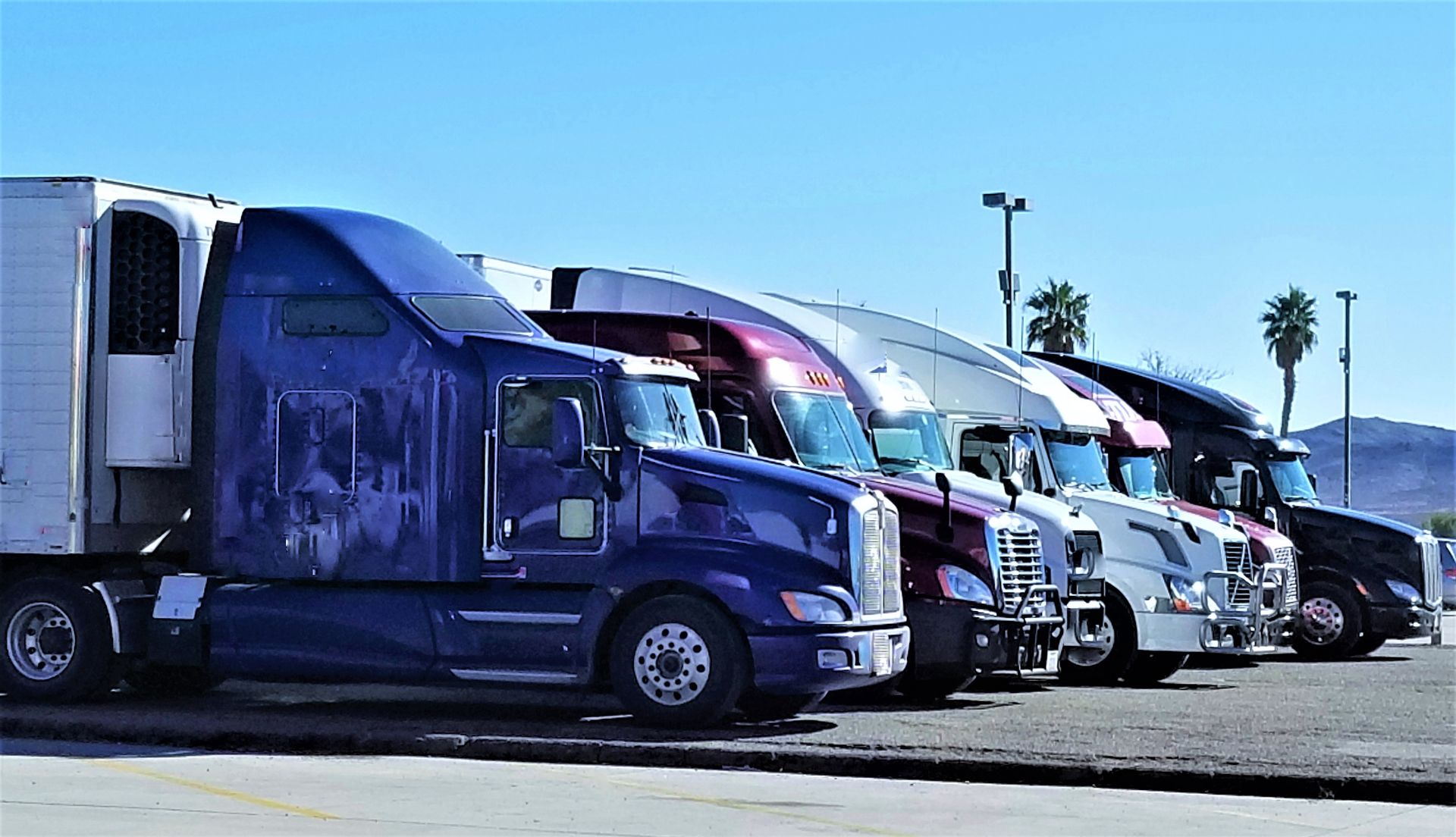
Commercial Auto & Trucking
Protection for your fleet including box trucks, moving vans, and trailers. Covers liability, collision, physical damage, and hired or non-owned vehicles used in your operations.
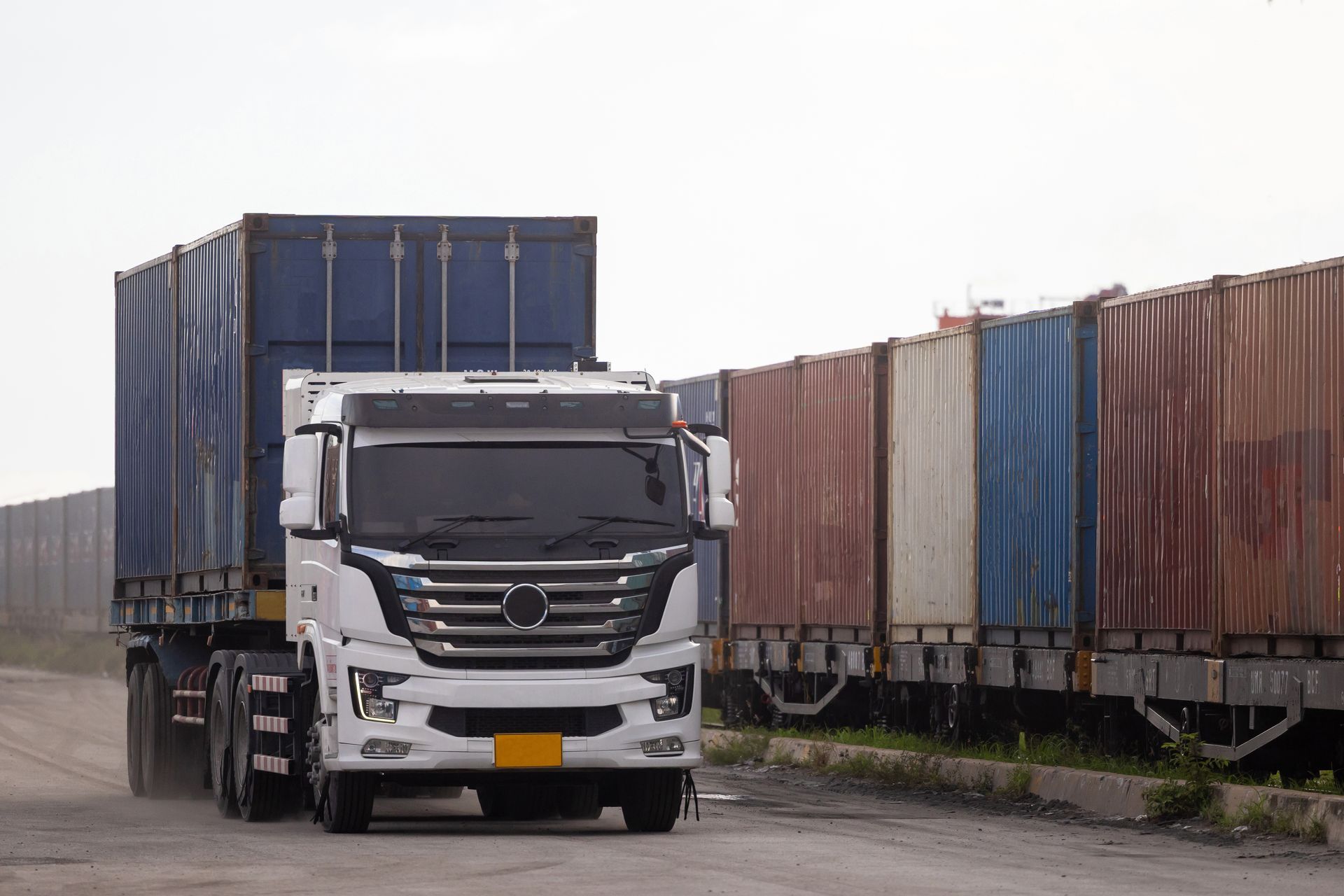
Motor Truck Cargo
Covers household goods and freight during transport from pickup to delivery. Protects against damage, theft, mysterious disappearance, and weather-related losses while cargo is in your care.

General Liability
Protection from third-party claims for bodily injury and property damage at customer homes, job sites, and your own facility. Essential coverage for every transportation operation

Warehouse Legal Liability
Coverage for customer property while stored in your facility. Protects against damage, theft, fire, and water damage to goods in your care, custody, or control.

Workers' Compensation
Medical care and wage replacement for employees injured on the job. Required in most states for transportation and warehouse work where physical labor creates higher injury risk.

Umbrella & Excess Liability
Higher liability limits stacked on top of your primary policies. Helps meet large contract requirements and protects your business assets against major claims and lawsuits.
Specialized Knowledge
Industries We Protect
Focused coverage for transportation and logistics businesses



Simple and Clear
How Our Process Works
Our process to get you covered
Connect With Us
Reach out through our form or by phone to share your business needs and current coverage situation.
Get Coverage Options
We review your risks, compare carriers, and present clear quotes with plain-language explanations.
Stay Protected
You choose your plan, and we provide ongoing support for certificates, claims, and renewals.
Trusted by Businesses
Feedback That Reflects Service and Reliability
What our clients say about working with Champion Risk
Answers You Need
Frequently Asked Questions
Common questions about transportation and logistics insurance




What insurance does a transportation company need to operate legally?
Motor carriers that cross state lines must meet FMCSA requirements. You need a minimum of $750,000 in liability coverage, plus a BMC-91 filing that proves your insurance to the federal government. Cargo coverage is also required, with minimums that depend on the type of goods you transport.
Intrastate operators follow state-specific rules. California, Texas, and Florida each have different requirements. Champion Risk handles both federal and state filings. We make sure your coverage meets legal minimums and your certificates reach the right agencies.
How much does commercial transportation insurance cost?
Premiums depend on your fleet size, driving records, cargo values, and claims history. A small operation with two trucks might pay $8,000 to $15,000 per year. A larger carrier with ten trucks could pay $50,000 to $100,000 or more.
The best way to control costs is working with a broker who knows transportation insurance. We find carriers that specialize in your exact operation type. This often results in better rates than going direct or using a general agent who doesn't understand the industry.
What is a BMC-91 filing and why do I need one?
A BMC-91 is a form your insurance company files with the FMCSA. It proves you carry the required liability coverage to operate as a for-hire motor carrier. Without an active BMC-91, your operating authority can be revoked.
Champion Risk works with carriers who file electronically. Your BMC-91 typically posts within 24 to 48 hours of binding coverage. We monitor your filing status and alert you if anything needs attention.
Does my warehouse or storage facility need different insurance than a trucking operation?
Yes. Storage facilities need warehouse legal liability coverage. This protects you when customer property is damaged or stolen while in your care. Standard general liability policies exclude this exposure.
You may also need property coverage for your building, equipment breakdown protection, and business income coverage if a fire or disaster shuts down operations. Champion Risk builds storage facility programs that address all these risks in one package.
Can you insure last-mile delivery drivers who use their own vehicles?
Yes. We offer hired and non-owned auto coverage for delivery operations that use independent contractors or employees driving personal vehicles. This fills gaps that personal auto policies don't cover during commercial use.
We also provide occupational accident coverage for 1099 drivers who aren't eligible for workers' comp. This protects your drivers and limits your liability exposure when accidents happen.
How fast can I get proof of insurance for a new contract?
Same day in most cases. Once we bind your policy, we issue certificates of insurance within hours. If your contract requires specific additional insured language or special endorsements, we coordinate directly with the carrier.
Rush requests happen often in this industry. General contractors and corporate clients demand certificates before they let you on site. Champion Risk prioritizes fast turnaround because we know your revenue depends on it.



Answers You Need
Transportation & Logistics Insurance Resources
Articles designed to inform and support your business
Contact Us
Phone Number:
Email Address:
Location:
12264 El Camino Real, Suite 350
San Diego, CA 92130
Hours:
Monday – Friday: 8:00 AM – 6:00 PM PT