Cross-border freight operations come with a paperwork burden that can make even experienced logistics managers wince. Among the most critical documents in your compliance toolkit is the customs bond, a financial guarantee that stands between your company and serious regulatory trouble. For transportation and logistics companies moving goods across U.S. borders, understanding customs bond requirements isn't optional: it's fundamental to staying operational.
Here's the reality: a customs bond is a financial guarantee ensuring that importers comply with customs regulations and pay all associated duties, taxes, and fees to U.S. Customs and Border Protection (CBP). Without one, your cargo sits at the port while competitors move their freight. The coverage, cost, and requirements for these bonds vary significantly based on your business activities, and getting the details wrong can result in delayed shipments, financial penalties, or worse.
Whether you're a freight forwarder, carrier, or customs broker, the bond you need depends on how you interact with imported goods. Some companies need multiple bond types to cover different activities. The annual costs can range from a few hundred dollars to several thousand, depending on your import volume and risk profile. This guide breaks down exactly what transportation and logistics companies need to know about securing the right customs bond coverage at the right price.
Understanding Customs Bonds in the Logistics Industry
Customs bonds function as insurance policies for the federal government, not for your company. They guarantee that CBP will receive payment for duties, taxes, and fees even if an importer defaults. For logistics companies, this creates both an obligation and an opportunity: compliance opens doors to efficient border crossings, while violations can shut down operations entirely.
The bond system exists because CBP processes millions of shipments annually and cannot collect payment upfront for every transaction. Instead, they allow goods to enter the country based on the financial guarantee a surety company provides. Your bond essentially tells CBP that a financially stable third party will cover any obligations you fail to meet.
The Role of Customs and Border Protection (CBP)
CBP serves as the obligee in every customs bond arrangement, meaning they're the party protected by the bond. Their role extends beyond simple duty collection. They enforce trade agreements, protect against counterfeit goods, and ensure compliance with hundreds of regulations affecting imported products.
When CBP identifies a violation, they can file a claim against your bond. Common triggers include undervalued shipments, misclassified goods, missing documentation, and late duty payments. The surety company pays the claim, then comes after your company for reimbursement. This arrangement motivates compliance far more effectively than simple fines.
Three-Party Agreement: Principal, Surety, and Obligee
Every customs bond involves three parties with distinct roles. The principal is your company: the entity responsible for complying with customs regulations. The surety is the insurance company backing the bond financially. CBP is the obligee receiving the guarantee.
This three-party structure means your relationship with the surety matters significantly. A surety that understands transportation and logistics operations can provide faster approvals and better rates. Champion Risk works with specialized sureties who understand the unique risk profiles of freight companies, which often translates to smoother underwriting processes.


By: Mark Raby
Chief Executive Officer at Champion Risk & Insurance Services
Common Types of Bonds for Transportation Companies
Not all customs bonds serve the same purpose. CBP uses activity codes to categorize bond types based on what your company actually does with imported goods. Most transportation and logistics companies need at least one of these three common bond types, and many require multiple bonds to cover all their activities.
Activity Code 1: Import Bonds
Import bonds cover the basic obligation to pay duties, taxes, and fees on goods entering the United States. Customs bonds are generally required for commercial imports valued at $2,500 or more. If your company acts as the importer of record on any shipments, you need this bond.
The bond amount typically equals the greater of $50,000 or 10% of your total annual duties paid. Companies with high-value imports or significant duty obligations may need substantially higher bond amounts. CBP can also require increased bond amounts if your compliance history raises concerns.
Activity Code 2: Custodian of Bonded Merchandise
Companies operating bonded warehouses, container freight stations, or foreign trade zones need Activity Code 2 bonds. These bonds guarantee that merchandise stored under customs supervision remains secure and accounted for until proper release.
The custodian bond amount depends on the value of goods you typically hold. Losing track of bonded merchandise or allowing unauthorized access can trigger substantial claims. Warehouse operators and freight consolidators should pay particular attention to the security requirements attached to this bond type.
Activity Code 3: International Carrier Bonds
Trucking companies, ocean carriers, and airlines moving goods across borders need international carrier bonds. This bond type guarantees that carriers will deliver goods to authorized destinations and comply with all transportation requirements.
Carrier bonds typically require $50,000 minimum coverage, though CBP can mandate higher amounts based on your operations. Cross-border trucking companies operating between the U.S., Canada, and Mexico frequently need this bond type in addition to any import bonds they carry.
Coverage Scope and Financial Guarantees
Understanding what your customs bond actually covers helps you avoid gaps that could expose your company to significant liability. The coverage scope extends beyond simple duty payment to include a range of compliance obligations.
Payment of Duties, Taxes, and Fees
The primary coverage element guarantees payment of import duties, merchandise processing fees, and harbor maintenance fees. When CBP assesses these charges, your bond backs the payment obligation. Late payments can trigger interest charges and potential bond claims.
Your bond amount should reflect your actual duty exposure. A company paying $300,000 in annual duties needs a bond substantially larger than the $50,000 minimum. Underestimating your bond amount can result in CBP requiring immediate increases, sometimes at inconvenient times.
Compliance with Entry Requirements and Regulations
Beyond payment obligations, your bond guarantees compliance with entry documentation requirements, country of origin marking, and product safety regulations. Violations in any of these areas can generate claims against your bond.
Misclassification of goods represents one of the most common compliance failures. Using incorrect tariff codes can result in underpaid duties and potential fraud allegations. Your bond covers these deficiencies, but repeated violations can make your company uninsurable in the surety market.

Factors Influencing Customs Bond Costs
Bond costs vary significantly based on your company's import volume, financial strength, and compliance history. Understanding these factors helps you budget appropriately and identify ways to reduce your bond expenses.
Single Transaction vs. Continuous Bonds
Companies making occasional imports can use single-entry bonds, which cover one shipment. Single-entry bonds cost approximately $5 to $10 per $1,000 of the shipment's value. For a $50,000 shipment, expect to pay $250 to $500 per bond.
Continuous customs bonds typically range in cost from $500 to $2,000 annually. These bonds cover unlimited entries for one year. Continuous bonds can potentially save importers 20 to 30% in the long term compared to using single-entry bonds for frequent shipments. If you import more than two or three times per year, continuous bonds almost always make financial sense.
Bond Amount Calculation and Underwriting Risk
The minimum continuous bond amount is generally $50,000, covering $500,000 in duty over one year. Your premium rate depends on your financial statements, credit history, and compliance record.
Companies with strong financials and clean compliance histories typically pay 0.5% to 2% of the bond amount annually. A $100,000 bond might cost between $500 and $2,000 depending on your risk profile. Champion Risk can help identify sureties offering competitive rates for transportation companies with solid track records.
Requirements for Securing a Customs Bond
Getting approved for a customs bond requires documentation that demonstrates your company's legitimacy and financial capability. Preparing these materials in advance speeds up the approval process significantly.
Necessary Documentation and Business Identification
You'll need your Employer Identification Number, articles of incorporation, and a completed bond application. CBP also requires your importer number, which you obtain through the Automated Commercial Environment system.
Surety companies typically request two to three years of financial statements, including balance sheets and income statements. Newer companies may need to provide personal guarantees from owners or additional collateral to secure approval.
Financial Stability and Creditworthiness Standards
Sureties evaluate your debt-to-equity ratio, working capital, and overall liquidity. They want assurance that you can reimburse them if they pay a claim on your behalf. Companies with negative net worth or significant outstanding liabilities face higher premiums or potential denial.
Credit scores matter, particularly for smaller companies where personal and business finances overlap. A principal with poor personal credit may need to demonstrate stronger business financials or provide additional security.
Maintaining Compliance and Avoiding Bond Claims
Securing a bond is just the beginning. Maintaining compliance throughout the bond period protects your company from claims that can increase future premiums or make obtaining bonds difficult.
Document everything. Keep records of all entry filings, duty payments, and correspondence with CBP. When discrepancies arise, voluntary disclosure often results in reduced penalties compared to waiting for CBP to discover problems.
Work with experienced customs brokers who understand current regulations. The rules change frequently, and staying current requires dedicated attention. Regular internal audits of your import processes can identify potential compliance gaps before they become claims.
| Bond Type | Typical Minimum | Annual Premium Range | Best For |
|---|---|---|---|
| Single Entry | Varies by shipment | $50-$500 per entry | Occasional importers |
| Continuous Import | $50,000 | $500-$2,000 | Regular importers |
| Carrier Bond | $50,000 | $400-$1,500 | Cross-border trucking |
| Custodian Bond | Varies by inventory | $500-$3,000 | Bonded warehouses |
Frequently Asked Questions
How long does it take to get a customs bond approved? Most continuous bonds can be approved within one to three business days if your documentation is complete. Single-entry bonds often process within hours.
Can my customs bond be cancelled? Yes, but cancellation requires written notice and typically takes effect 30 days later. Outstanding liabilities remain covered under the original bond terms.
What happens if CBP files a claim against my bond? The surety pays CBP, then seeks reimbursement from your company. Unpaid claims can result in legal action and difficulty obtaining future bonds.
Do I need separate bonds for different activities? Yes. A company that imports goods and operates a bonded warehouse needs both an import bond and a custodian bond.
How often do I need to renew my continuous bond? Continuous bonds automatically renew annually unless cancelled. Premium payments are typically due each year on the anniversary date.
Getting customs bond coverage right protects your company from regulatory headaches and keeps freight moving. The specific bond types, amounts, and costs depend on your operations, but the fundamentals remain consistent: work with knowledgeable partners, maintain strong compliance practices, and budget appropriately for your actual risk exposure.
Transportation and logistics companies benefit from working with specialists who understand the industry's unique requirements. Champion Risk helps freight companies navigate customs bond requirements efficiently, matching you with sureties that offer competitive rates for your specific situation. Contact us to discuss your bond needs and get a quote tailored to your operations.
About the Author:
Mark Raby
I am a seasoned insurance professional with over 30 years of experience in the industry. I lead Champion Risk & Insurance Services, a San Diego-based brokerage with nationwide reach and strong influence in the insurance marketplace. My core competencies include insurance agency M&A deals, captives and alternative risk structures, and commercial property and casualty insurance for clients in the transportation and logistics industries. I am a former president of IIAB San Diego and hold a Bachelor of Science in Finance from Western Michigan University’s Haworth College of Business.
Protection for Transportation Operations
Business Insurance for Transportation & Logistics Companies
Coverage designed specifically for transportation businesses
Commercial Auto & Trucking
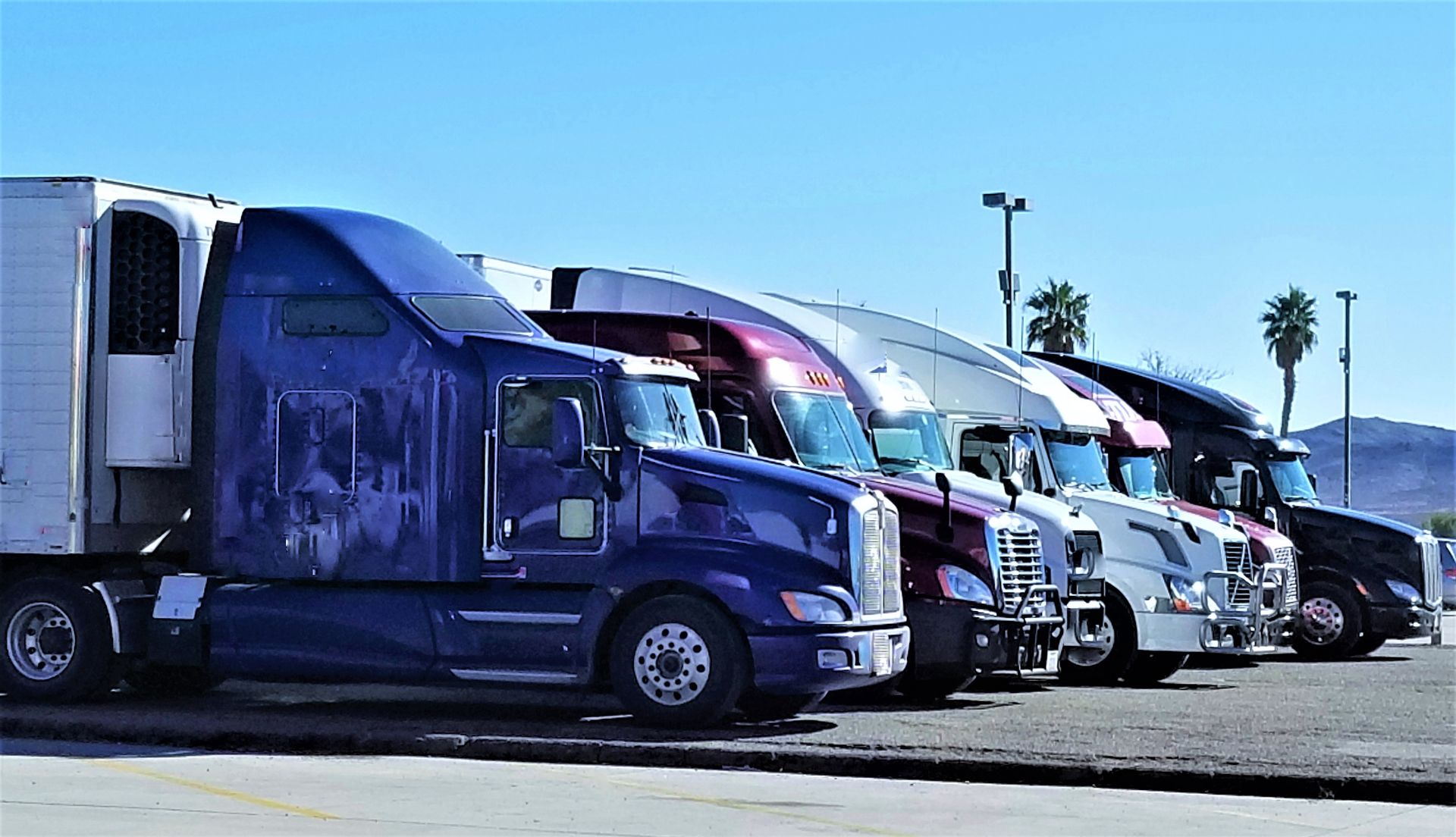
Protection for your fleet including box trucks, moving vans, and trailers. Covers liability, collision, physical damage, and hired or non-owned vehicles used in your operations.
Motor Truck Cargo
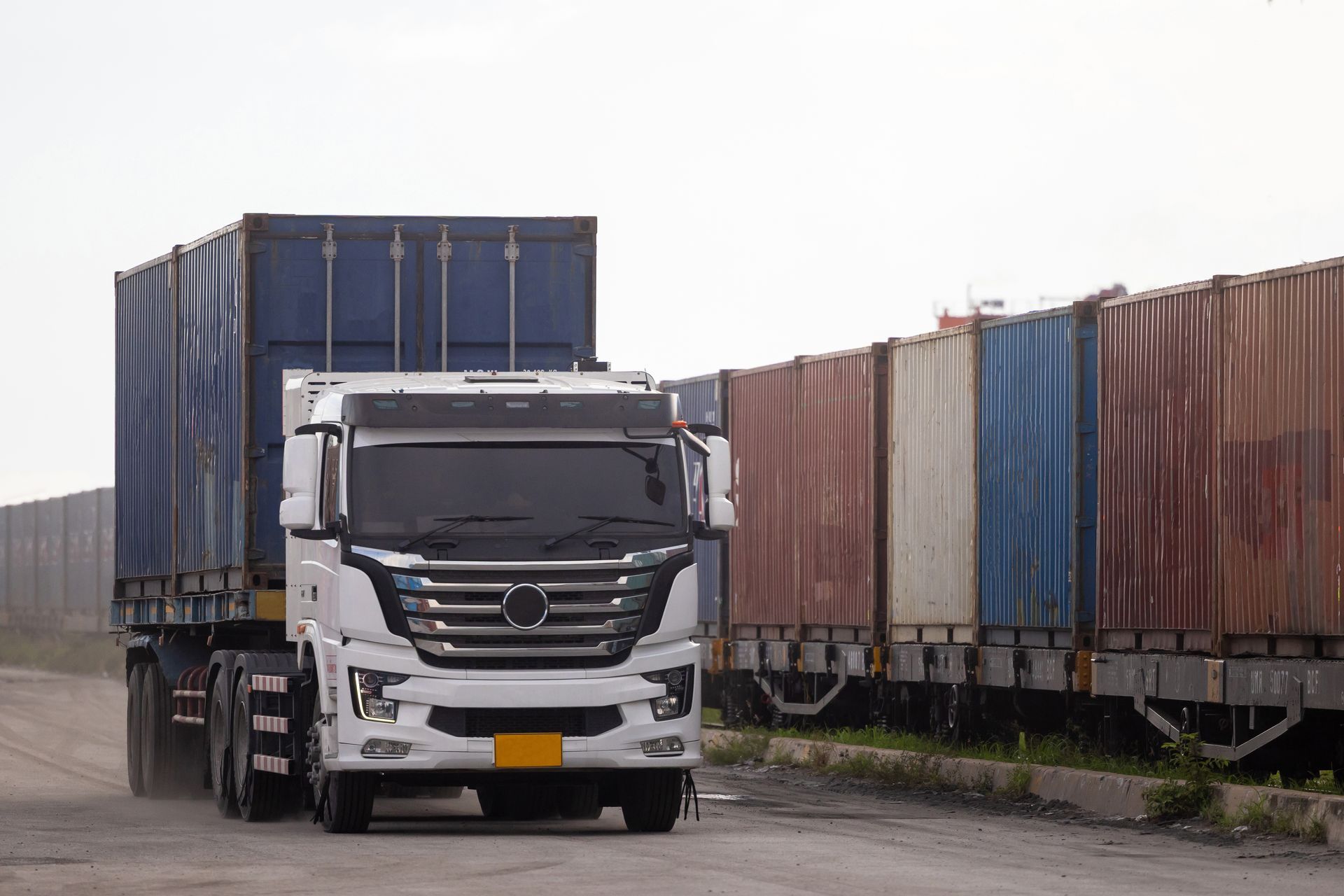
Covers household goods and freight during transport from pickup to delivery. Protects against damage, theft, mysterious disappearance, and weather-related losses while cargo is in your care.

General Liability
Protection from third-party claims for bodily injury and property damage at customer homes, job sites, and your own facility. Essential coverage for every transportation operation
Warehouse Legal Liability
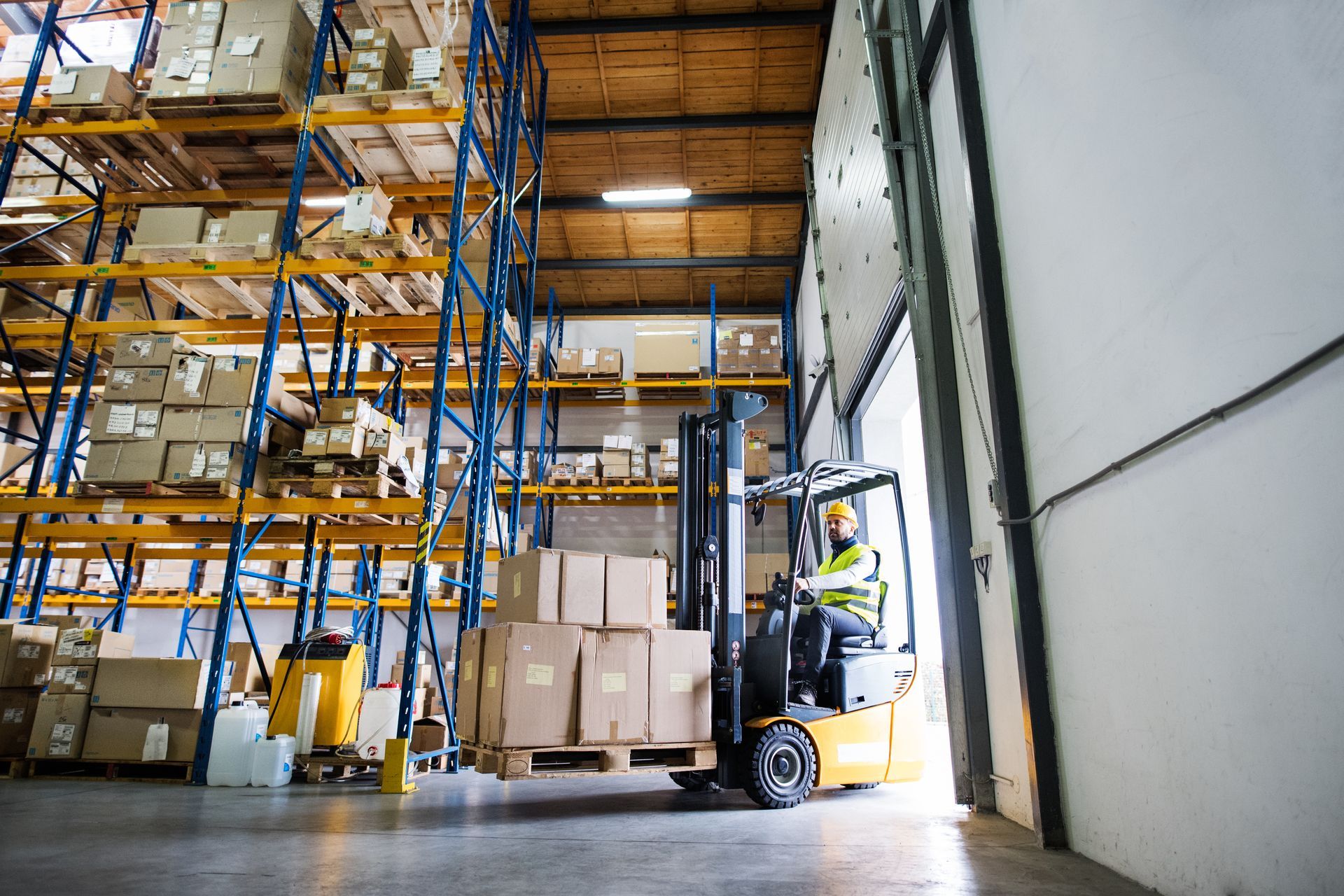
Coverage for customer property while stored in your facility. Protects against damage, theft, fire, and water damage to goods in your care, custody, or control.

Workers' Compensation
Medical care and wage replacement for employees injured on the job. Required in most states for transportation and warehouse work where physical labor creates higher injury risk.

Umbrella & Excess Liability
Higher liability limits stacked on top of your primary policies. Helps meet large contract requirements and protects your business assets against major claims and lawsuits.
Specialized Knowledge
Industries We Protect
Focused coverage for transportation and logistics businesses


Simple and Clear
How Our Process Works
Our process to get you covered
Connect With Us
Reach out through our form or by phone to share your business needs and current coverage situation.
Get Coverage Options
We review your risks, compare carriers, and present clear quotes with plain-language explanations.
Stay Protected
You choose your plan, and we provide ongoing support for certificates, claims, and renewals.
Trusted by Businesses
Feedback That Reflects Service and Reliability
What our clients say about working with Champion Risk
Answers You Need
Frequently Asked Questions
Common questions about transportation and logistics insurance



What insurance does a transportation company need to operate legally?
Motor carriers that cross state lines must meet FMCSA requirements. You need a minimum of $750,000 in liability coverage, plus a BMC-91 filing that proves your insurance to the federal government. Cargo coverage is also required, with minimums that depend on the type of goods you transport.
Intrastate operators follow state-specific rules. California, Texas, and Florida each have different requirements. Champion Risk handles both federal and state filings. We make sure your coverage meets legal minimums and your certificates reach the right agencies.
How much does commercial transportation insurance cost?
Premiums depend on your fleet size, driving records, cargo values, and claims history. A small operation with two trucks might pay $8,000 to $15,000 per year. A larger carrier with ten trucks could pay $50,000 to $100,000 or more.
The best way to control costs is working with a broker who knows transportation insurance. We find carriers that specialize in your exact operation type. This often results in better rates than going direct or using a general agent who doesn't understand the industry.
What is a BMC-91 filing and why do I need one?
A BMC-91 is a form your insurance company files with the FMCSA. It proves you carry the required liability coverage to operate as a for-hire motor carrier. Without an active BMC-91, your operating authority can be revoked.
Champion Risk works with carriers who file electronically. Your BMC-91 typically posts within 24 to 48 hours of binding coverage. We monitor your filing status and alert you if anything needs attention.
Does my warehouse or storage facility need different insurance than a trucking operation?
Yes. Storage facilities need warehouse legal liability coverage. This protects you when customer property is damaged or stolen while in your care. Standard general liability policies exclude this exposure.
You may also need property coverage for your building, equipment breakdown protection, and business income coverage if a fire or disaster shuts down operations. Champion Risk builds storage facility programs that address all these risks in one package.
Can you insure last-mile delivery drivers who use their own vehicles?
Yes. We offer hired and non-owned auto coverage for delivery operations that use independent contractors or employees driving personal vehicles. This fills gaps that personal auto policies don't cover during commercial use.
We also provide occupational accident coverage for 1099 drivers who aren't eligible for workers' comp. This protects your drivers and limits your liability exposure when accidents happen.
How fast can I get proof of insurance for a new contract?
Same day in most cases. Once we bind your policy, we issue certificates of insurance within hours. If your contract requires specific additional insured language or special endorsements, we coordinate directly with the carrier.
Rush requests happen often in this industry. General contractors and corporate clients demand certificates before they let you on site. Champion Risk prioritizes fast turnaround because we know your revenue depends on it.



Answers You Need
Transportation & Logistics Insurance Resources
Articles designed to inform and support your business
Contact Us
Phone Number:
Email Address:
Location:
12264 El Camino Real, Suite 350
San Diego, CA 92130
Hours:
Monday – Friday: 8:00 AM – 6:00 PM PT