Transportation and logistics companies operate on trust. Shippers trust you'll deliver their cargo on time. Clients trust you'll honor contract terms. And when those contracts involve significant sums, that trust needs backing with something more tangible than a handshake. Performance bonds provide exactly that financial guarantee, protecting all parties when deals involve substantial risk.
Here's what most articles skip: performance bonds in transportation aren't just about construction projects or government contracts. They're increasingly common in freight operations, third-party logistics agreements, and large-scale distribution contracts where failure to perform could mean millions in losses. According to FreightAmigo, "Performance bonds act as financial guarantees, ensuring sellers meet trade contract terms in global logistics and protect buyers from non-performance or delivery failures."
The costs, coverage specifics, and requirements for these bonds vary significantly based on your company's financial health, operational history, and the nature of your contracts. A freight broker needs different bonding than a company bidding on government transportation contracts. Understanding these distinctions helps you secure appropriate coverage without overpaying or leaving gaps in your protection.
Understanding Performance Bonds in the Transportation Sector
Performance bonds function as three-party agreements that guarantee contract completion. Unlike insurance, which protects you from losses, a performance bond protects your client from your potential non-performance. If you fail to meet contract obligations, the bond provides financial recourse to the party you've contracted with.
For transportation companies, this might mean guaranteeing delivery timelines for a major distribution contract, ensuring completion of a fleet management agreement, or backing commitments for ongoing logistics services. The bond amount typically reflects the contract value or potential damages from non-completion.
The Role of Performance Bonds vs. Payment Bonds
Performance bonds and payment bonds often get confused, but they serve distinct purposes. Performance bonds guarantee you'll complete the contracted work according to specifications. Payment bonds guarantee you'll pay your subcontractors, suppliers, and workers.
Many government contracts require both. If you're bidding on federal transportation infrastructure projects, you'll likely need both types. For private logistics contracts, performance bonds alone are more common. Understanding which you need prevents purchasing unnecessary coverage while ensuring you meet contract requirements.
Key Parties Involved: Principal, Obligee, and Surety
Three parties participate in every performance bond arrangement. The principal is your company, the party obligated to perform the contracted work. The obligee is your client, the party protected by the bond. The surety is the bonding company that issues the bond and guarantees payment if you default.
What many transportation companies miss: the surety isn't giving you free money. If a claim is paid, you're responsible for reimbursing the surety. This makes performance bonds fundamentally different from insurance policies. Champion Risk helps clients understand this distinction before securing bonds, ensuring companies maintain the financial capacity to honor potential claims.


By: Mark Raby
Chief Executive Officer at Champion Risk & Insurance Services
Scope of Coverage for Logistics and Freight Operations
Performance bond coverage in transportation extends beyond simple delivery guarantees. The scope depends entirely on what your contract specifies, making contract language critically important.
Guarantees for Contractual Delivery and Timelines
Most transportation performance bonds cover specific deliverables: meeting delivery schedules, maintaining cargo condition standards, providing agreed-upon equipment, or achieving performance metrics outlined in your contract. The bond essentially backs your promise to do what you said you'd do.
FCA Insurance notes that performance bonds typically cover 10-20% of the contract value. This percentage reflects the estimated cost to hire another company to complete your work if you default, not necessarily the full contract amount.
Protection Against Financial Loss and Non-Performance
The obligee receives protection against financial losses resulting from your failure to perform. This includes costs to find replacement services, damages from delayed deliveries, and expenses incurred due to your non-compliance with contract terms.
For freight brokers specifically, the
FMCSA requires $75,000 in surety bond coverage, though this is a different type of bond than a performance bond. Understanding which bonds apply to your specific operations prevents compliance issues and ensures appropriate protection.
Factors Influencing the Cost of Performance Bonds
Bond costs aren't arbitrary. Sureties evaluate specific risk factors to determine your premium, and understanding these factors helps you secure better rates.
Premium Rates and Bond Amount Determinations
According to
FCA Insurance, the cost of performance bonds typically ranges from 1% to 3% of the contract value as a premium, but can reach up to 15% depending on credit score. A $1 million contract might cost anywhere from $10,000 to $150,000 in bond premiums.
| Factor | Impact on Premium |
|---|---|
| Credit Score 700+ | 1-2% of bond amount |
| Credit Score 600-699 | 2-5% of bond amount |
| Credit Score Below 600 | 5-15% of bond amount |
| Strong Financial Statements | Lower premiums |
| Limited Operating History | Higher premiums |
Inflation is also affecting bond costs. FCA Insurance reports premium increases of up to 15% due to inflationary pressures on project costs and claim payouts.
Creditworthiness and Financial Statement Impact
Your personal and business credit scores significantly influence premiums. Sureties view credit history as an indicator of financial responsibility. Strong credit suggests you manage obligations well and present lower default risk.
Financial statements matter equally. Sureties examine your working capital, debt-to-equity ratio, and cash flow patterns. Companies with healthy financials qualify for lower rates because they're less likely to default on contracts.

Eligibility and Underwriting Requirements
Getting approved for performance bonds requires demonstrating financial stability and operational competence. Sureties aren't just selling you a product; they're taking on risk by guaranteeing your performance.
Essential Documentation for Transportation Companies
Expect to provide comprehensive documentation during the application process:
- Three years of financial statements, preferably audited
- Business and personal tax returns
- Current accounts receivable and payable aging reports
- Bank references and credit history
- Organizational documents including licenses and registrations
- Resume of key personnel
- List of current and completed contracts
Champion Risk streamlines this documentation process for transportation companies, helping organize materials in formats sureties prefer and identifying potential issues before submission.
Operational Experience and Performance History
Sureties want evidence you've successfully completed similar contracts. A company with ten years of on-time delivery history presents lower risk than a startup with no track record. Your history of completing bonded contracts without claims is particularly valuable.
References from previous clients, especially those involving bonded work, strengthen your application. Sureties may contact these references to verify your performance claims and assess your reputation in the industry.
The Application Process for Logistics Professionals
The application process typically takes two to four weeks, though complex situations may require longer. Start by identifying contracts requiring bonds and their specific requirements. Some contracts specify bond amounts; others leave determination to the surety.
Working with a broker familiar with transportation industry bonds accelerates the process. They understand which sureties specialize in logistics operations and can match your profile with appropriate underwriters. This matching significantly affects both approval likelihood and premium rates.
After submitting documentation, the surety's underwriter reviews your application. They may request additional information or clarification on specific items. Responding promptly to these requests keeps the process moving. Once approved, you'll receive a bond form to execute and deliver to your client.
Best Practices for Managing Bonded Contracts
Securing a bond is just the beginning. Managing bonded contracts properly protects your bonding capacity and keeps premiums manageable.
Mitigating Risks to Avoid Surety Claims
Claims against your bond damage your ability to secure future bonds and increase premiums. Prevent claims through proactive contract management:
- Document everything, including communications, deliveries, and any contract modifications
- Address problems immediately rather than letting them escalate
- Maintain open communication with clients about potential issues
- Build contingency plans for equipment failures or capacity constraints
- Keep financial reserves to handle unexpected costs
If disputes arise, resolve them directly with your client before they escalate to formal claims. Most sureties appreciate principals who handle problems professionally and may view resolved disputes more favorably than companies with clean records but limited experience handling challenges.
Renewals and Maintaining Continuous Coverage
Performance bonds typically align with contract duration. For ongoing contracts or companies requiring continuous bonding capacity, maintaining your financial position ensures smooth renewals.
Update your surety annually with current financial statements, even if no renewal is imminent. This keeps your file current and prevents delays when you need new bonds quickly. Companies that surprise sureties with deteriorating financials face higher premiums or denied renewals.
Frequently Asked Questions
How long does it take to get a performance bond for a logistics contract? Most applications process within two to four weeks. Having documentation ready and working with an experienced broker can shorten this timeline.
Can a new transportation company get a performance bond? Yes, though premiums will be higher and bond amounts may be limited. Strong personal credit from owners and adequate capitalization help offset limited business history.
What happens if a claim is filed against my performance bond? The surety investigates the claim and may pay the obligee if the claim is valid. You're then responsible for reimbursing the surety, plus any investigation costs.
Do I need a performance bond for every contract? Only contracts that specifically require them. Federal construction contracts over $150,000 mandate performance bonds, but private contracts vary based on client requirements.
How can I lower my performance bond premiums?
Improve credit scores, maintain strong financial statements, build a track record of completed bonded contracts, and work with a broker who can shop multiple sureties.
Making the Right Choice for Your Operations
Performance bonds represent a significant commitment for transportation and logistics companies, but they also open doors to larger contracts and more sophisticated clients. The key is understanding your specific needs, preparing thorough documentation, and maintaining the financial health that keeps premiums reasonable.
Start by assessing which contracts require bonds and what coverage amounts you'll need. Get your financial documentation organized before approaching sureties. And consider working with Champion Risk to navigate the underwriting process efficiently. The right preparation transforms performance bonds from an obstacle into a competitive advantage that distinguishes your company from less-qualified competitors.
About the Author:
Mark Raby
I am a seasoned insurance professional with over 30 years of experience in the industry. I lead Champion Risk & Insurance Services, a San Diego-based brokerage with nationwide reach and strong influence in the insurance marketplace. My core competencies include insurance agency M&A deals, captives and alternative risk structures, and commercial property and casualty insurance for clients in the transportation and logistics industries. I am a former president of IIAB San Diego and hold a Bachelor of Science in Finance from Western Michigan University’s Haworth College of Business.
Protection for Transportation Operations
Business Insurance for Transportation & Logistics Companies
Coverage designed specifically for transportation businesses
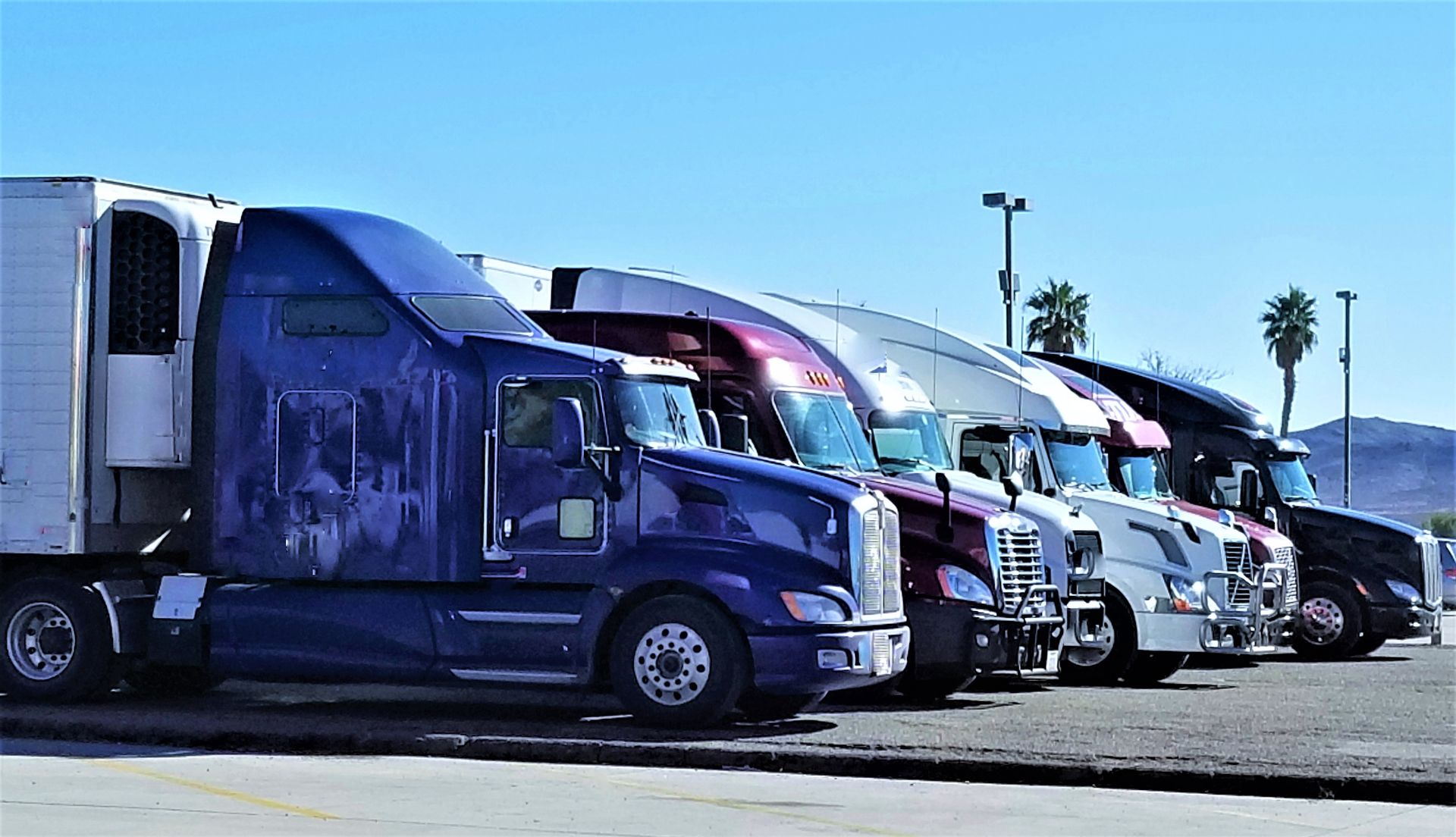
Commercial Auto & Trucking
Protection for your fleet including box trucks, moving vans, and trailers. Covers liability, collision, physical damage, and hired or non-owned vehicles used in your operations.
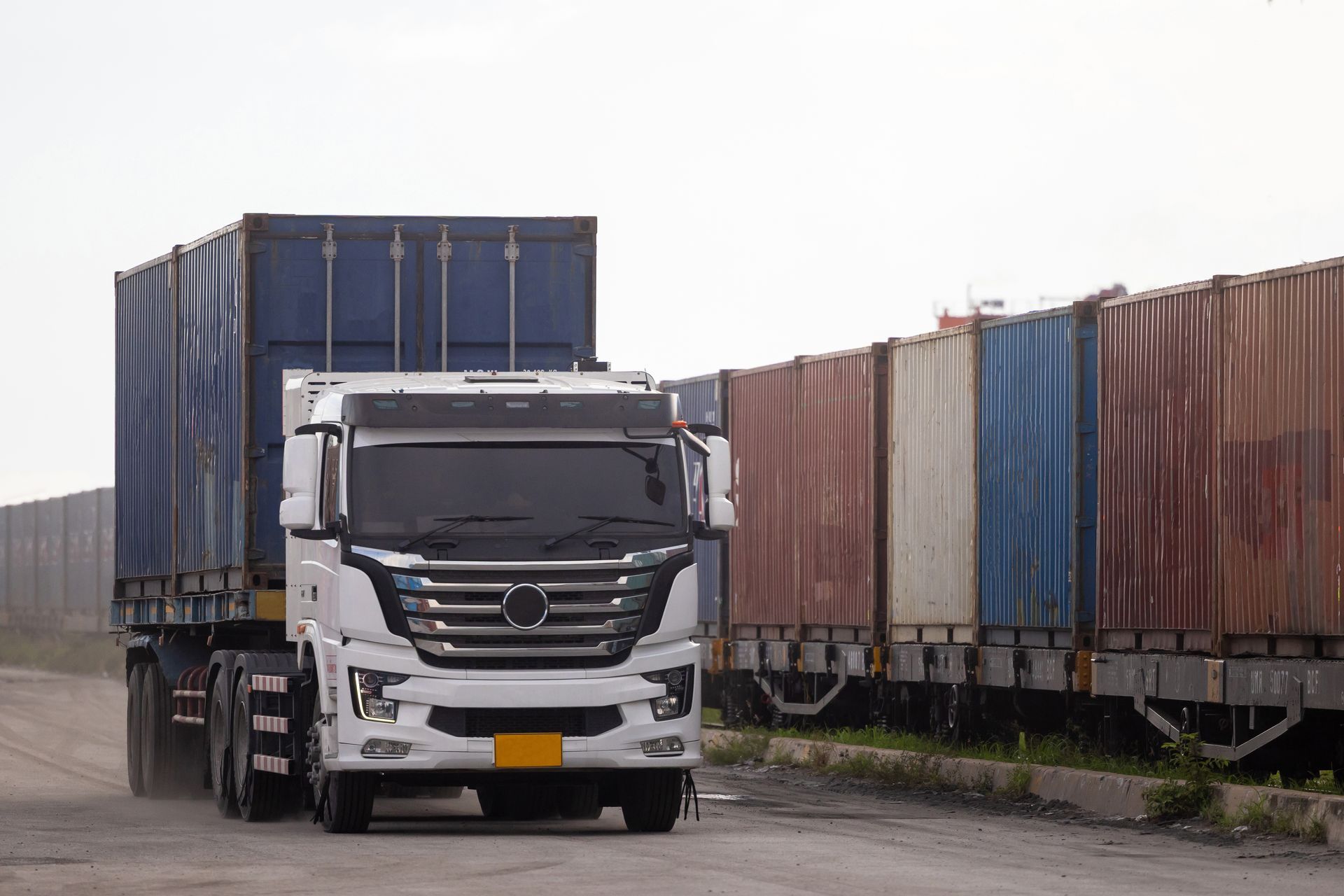
Motor Truck Cargo
Covers household goods and freight during transport from pickup to delivery. Protects against damage, theft, mysterious disappearance, and weather-related losses while cargo is in your care.

General Liability
Protection from third-party claims for bodily injury and property damage at customer homes, job sites, and your own facility. Essential coverage for every transportation operation
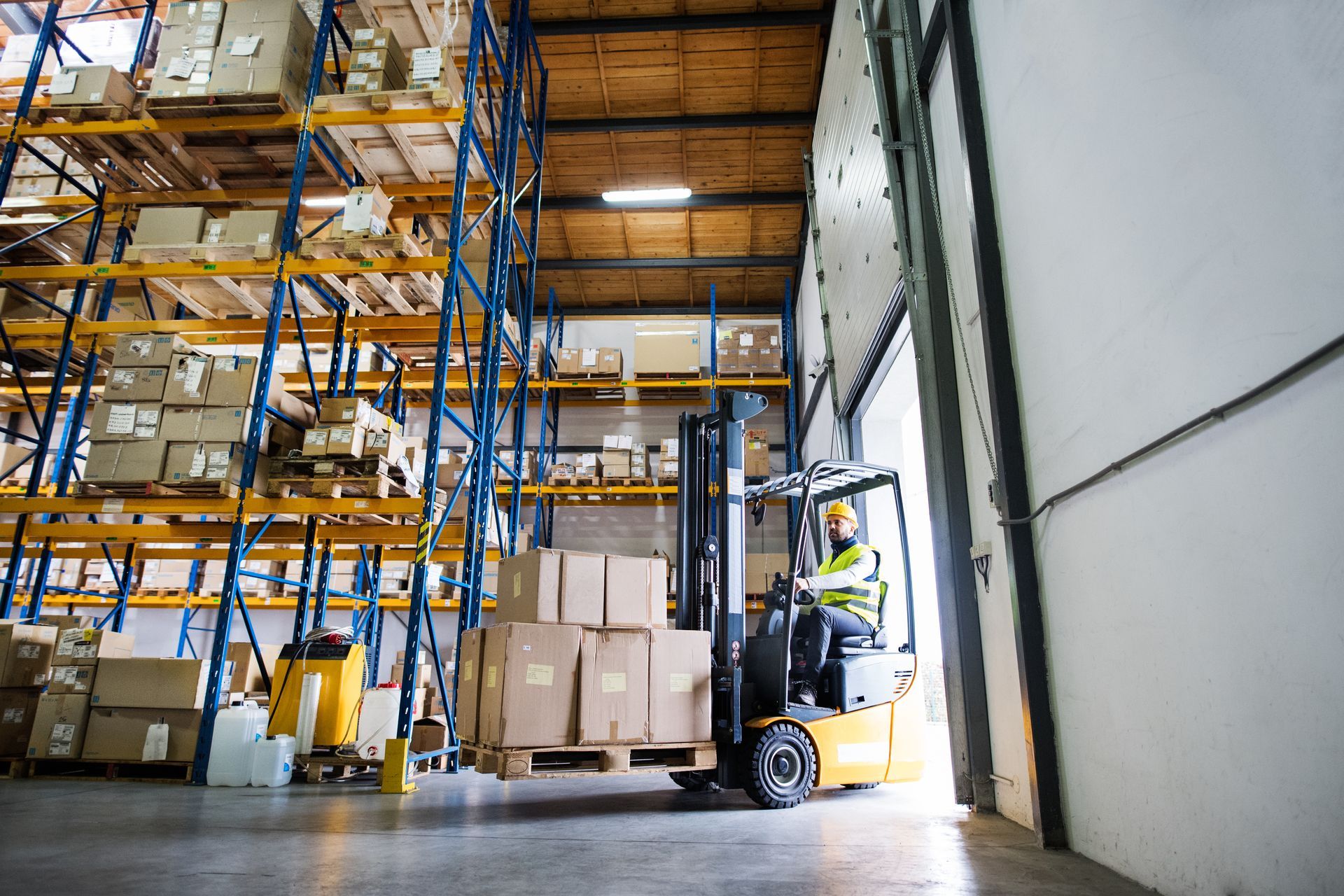
Warehouse Legal Liability
Coverage for customer property while stored in your facility. Protects against damage, theft, fire, and water damage to goods in your care, custody, or control.

Workers' Compensation
Medical care and wage replacement for employees injured on the job. Required in most states for transportation and warehouse work where physical labor creates higher injury risk.

Umbrella & Excess Liability
Higher liability limits stacked on top of your primary policies. Helps meet large contract requirements and protects your business assets against major claims and lawsuits.
Specialized Knowledge
Industries We Protect
Focused coverage for transportation and logistics businesses


Simple and Clear
How Our Process Works
Our process to get you covered
Connect With Us
Reach out through our form or by phone to share your business needs and current coverage situation.
Get Coverage Options
We review your risks, compare carriers, and present clear quotes with plain-language explanations.
Stay Protected
You choose your plan, and we provide ongoing support for certificates, claims, and renewals.
Trusted by Businesses
Feedback That Reflects Service and Reliability
What our clients say about working with Champion Risk
Answers You Need
Frequently Asked Questions
Common questions about transportation and logistics insurance



What insurance does a transportation company need to operate legally?
Motor carriers that cross state lines must meet FMCSA requirements. You need a minimum of $750,000 in liability coverage, plus a BMC-91 filing that proves your insurance to the federal government. Cargo coverage is also required, with minimums that depend on the type of goods you transport.
Intrastate operators follow state-specific rules. California, Texas, and Florida each have different requirements. Champion Risk handles both federal and state filings. We make sure your coverage meets legal minimums and your certificates reach the right agencies.
How much does commercial transportation insurance cost?
Premiums depend on your fleet size, driving records, cargo values, and claims history. A small operation with two trucks might pay $8,000 to $15,000 per year. A larger carrier with ten trucks could pay $50,000 to $100,000 or more.
The best way to control costs is working with a broker who knows transportation insurance. We find carriers that specialize in your exact operation type. This often results in better rates than going direct or using a general agent who doesn't understand the industry.
What is a BMC-91 filing and why do I need one?
A BMC-91 is a form your insurance company files with the FMCSA. It proves you carry the required liability coverage to operate as a for-hire motor carrier. Without an active BMC-91, your operating authority can be revoked.
Champion Risk works with carriers who file electronically. Your BMC-91 typically posts within 24 to 48 hours of binding coverage. We monitor your filing status and alert you if anything needs attention.
Does my warehouse or storage facility need different insurance than a trucking operation?
Yes. Storage facilities need warehouse legal liability coverage. This protects you when customer property is damaged or stolen while in your care. Standard general liability policies exclude this exposure.
You may also need property coverage for your building, equipment breakdown protection, and business income coverage if a fire or disaster shuts down operations. Champion Risk builds storage facility programs that address all these risks in one package.
Can you insure last-mile delivery drivers who use their own vehicles?
Yes. We offer hired and non-owned auto coverage for delivery operations that use independent contractors or employees driving personal vehicles. This fills gaps that personal auto policies don't cover during commercial use.
We also provide occupational accident coverage for 1099 drivers who aren't eligible for workers' comp. This protects your drivers and limits your liability exposure when accidents happen.
How fast can I get proof of insurance for a new contract?
Same day in most cases. Once we bind your policy, we issue certificates of insurance within hours. If your contract requires specific additional insured language or special endorsements, we coordinate directly with the carrier.
Rush requests happen often in this industry. General contractors and corporate clients demand certificates before they let you on site. Champion Risk prioritizes fast turnaround because we know your revenue depends on it.



Answers You Need
Transportation & Logistics Insurance Resources
Articles designed to inform and support your business
Contact Us
Phone Number:
Email Address:
Location:
12264 El Camino Real, Suite 350
San Diego, CA 92130
Hours:
Monday – Friday: 8:00 AM – 6:00 PM PT