Fort Lauderdale, Florida Transportation & Logistics Insurance
Or Call Us:
(800) 829-0807
Fort Lauderdale sits at a unique crossroads where ocean shipping, ground transportation, and air cargo converge into one of Florida's busiest logistics corridors. If you operate trucks, manage warehouses, or coordinate freight through this region, you already know the stakes: one uninsured claim can devastate years of hard work. Transportation and logistics insurance in Fort Lauderdale requires understanding local risks, from hurricane exposure to the constant congestion around Port Everglades, alongside state and federal compliance requirements that differ significantly from other regions.
The numbers tell a compelling story. According to
Mordor Intelligence, Florida's freight and logistics market is projected to grow from USD 78.32 billion in 2025 to USD 97.10 billion by 2030, representing a CAGR of 4.45%. That growth means more trucks on the road, more cargo moving through warehouses, and more insurance claims waiting to happen. Whether you're a single-truck operator or managing a fleet of fifty, getting your coverage right isn't optional: it's survival.
Fort Lauderdale's position as a logistics hub creates both opportunity and risk. The city serves as a gateway for Caribbean and Latin American trade, with goods flowing constantly between port facilities, distribution centers, and final destinations throughout the Southeast. This volume creates exposure that generic insurance policies simply don't address.
The Role of Port Everglades in Local Logistics Risks
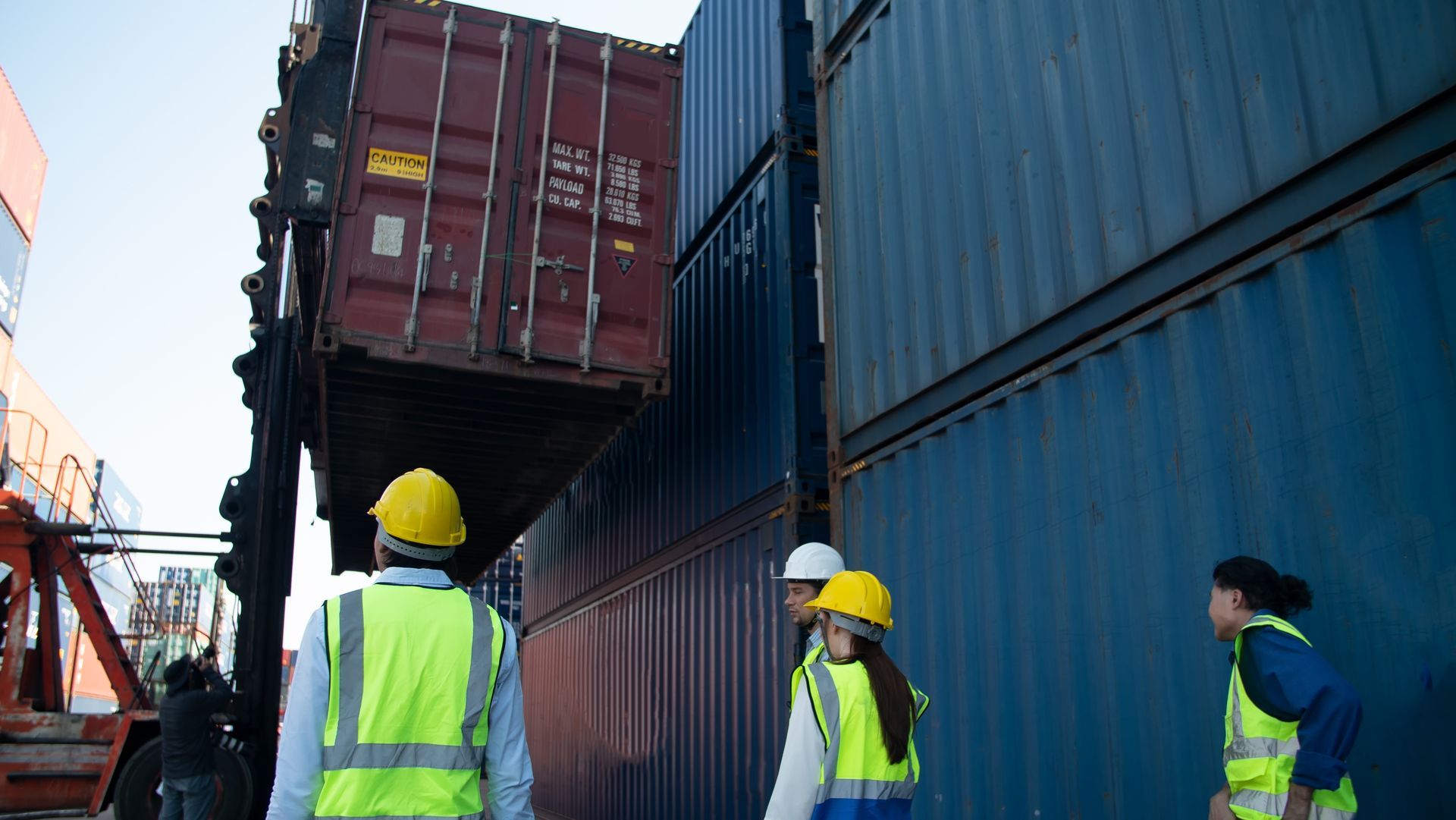
Port Everglades handles over one million TEUs (twenty-foot equivalent units) annually, making it one of Florida's busiest container ports. For trucking companies serving this facility, the risks multiply quickly. Cargo theft remains a persistent concern, with high-value goods sitting in staging areas or moving through congested port access roads. Delays at port gates create scheduling pressures that can lead to driver fatigue and accidents.
The port's petroleum operations add another layer of complexity. Tanker trucks moving fuel products face different liability requirements than general freight carriers. Spill cleanup costs, environmental liability, and specialized cargo coverage become essential rather than optional. Champion Risk works with numerous carriers operating in this corridor and consistently sees claims related to port-specific incidents that standard policies exclude.
Unique Regional Risk Factors: Hurricanes and High Traffic Density
South Florida's hurricane season runs from June through November, and the impact on transportation insurance extends far beyond wind damage. Flooding can destroy cargo in transit or stored in warehouses. Business interruption losses mount when roads become impassable. Even after storms pass, debris-covered routes create accident risks for weeks.
Traffic density compounds these challenges year-round. Broward County's roads rank among the most congested in Florida, and accident frequency directly impacts premiums. The I-95 corridor through Fort Lauderdale sees collision rates significantly higher than state averages, which insurers factor into every quote they provide.


By: Mark Raby
Chief Executive Officer at Champion Risk & Insurance Services
Essential Insurance Coverages for Florida Carriers
Building the right coverage stack requires understanding how different policies interact. Gaps between coverages represent the most dangerous exposure points, and they're exactly where claims adjusters look first.
Commercial Auto Liability and Motor Truck Cargo
Commercial auto liability forms the foundation of any trucking insurance program. Florida requires Personal Injury Protection (PIP) coverage for commercial trucks with a minimum of $10,000 in coverage, but this represents the absolute floor, not adequate protection.
Motor truck cargo insurance protects the freight you're hauling. Standard policies cover theft, collision damage, and fire, but exclusions matter enormously. Refrigeration breakdown coverage becomes essential for cold chain logistics. Contamination coverage protects food and pharmaceutical shipments. Review your cargo policy's exclusions carefully: the coverage you assume you have often isn't there.
General Liability and Warehouse Legal Liability
General liability covers claims arising from your business operations beyond vehicle accidents. Slip-and-fall injuries at your facility, damage to customer property during loading operations, and advertising injury claims all fall under this coverage.
Warehouse legal liability specifically protects goods stored in your care, custody, and control. This differs from cargo coverage, which applies to goods in transit. If you operate any storage facility, even a small cross-dock operation, you need both coverages working together.
Contingent Cargo and Workers' Compensation
Contingent cargo coverage protects you when a carrier you've hired fails to maintain adequate insurance. Freight brokers and logistics coordinators find this coverage essential, as their liability doesn't disappear simply because they subcontracted the actual transportation.
Workers' compensation isn't optional in Florida for employers with four or more employees. Construction industry employers need coverage with just one employee. The penalties for non-compliance include stop-work orders and fines of $1,000 per day.
Florida State and Federal Regulatory Requirements
Compliance failures create double exposure: regulatory penalties plus insurance coverage denials. Understanding the rules isn't just about avoiding fines; it's about ensuring your claims get paid.
Compliance with Florida DHSMV and Federal FMCSA Mandates
The Florida Department of Highway Safety and Motor Vehicles (DHSMV) regulates intrastate carriers, while the Federal Motor Carrier Safety Administration (FMCSA) governs interstate operations. These agencies have different filing requirements, different insurance minimums, and different enforcement mechanisms.
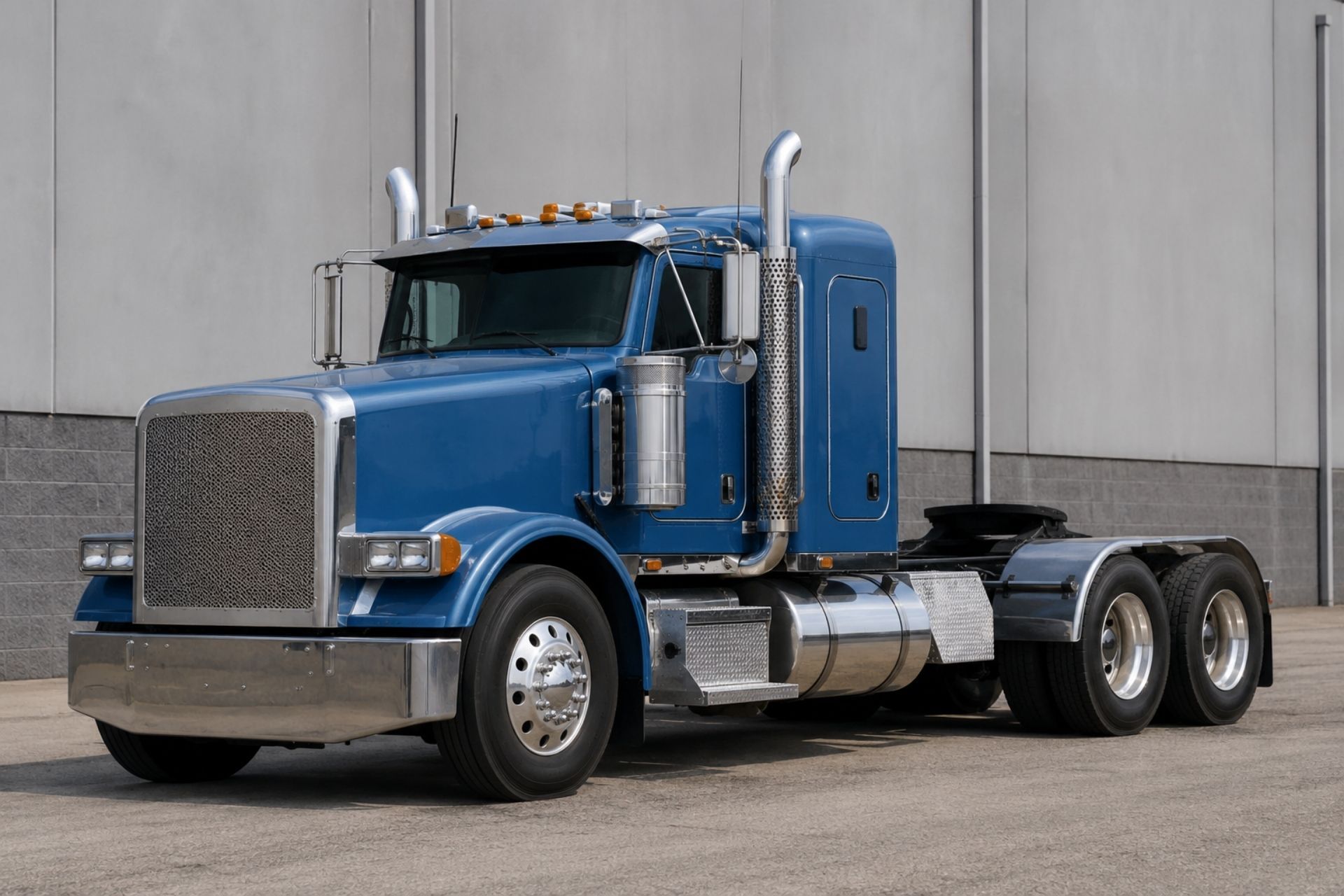
For interstate general freight, the minimum liability coverage required is $750,000. Hazmat carriers face minimums of $1 million to $5 million depending on the materials transported. These aren't suggestions: operating without proper filings means operating illegally.
Minimum Coverage Limits for Intrastate vs. Interstate Hauling
| Operation Type | Minimum Liability | Additional Requirements |
|---|---|---|
| Intrastate General Freight | $300,000 | Florida DHSMV filing |
| Interstate General Freight | $750,000 | FMCSA MC number, BOC-3 filing |
| Hazmat (Interstate) | $1M-$5M | Specialized endorsements |
| Passenger Carriers | $1.5M-$5M | Based on seating capacity |
Champion Risk frequently encounters carriers unknowingly operating with insufficient coverage. The assumption that intrastate limits apply to all operations catches many Florida truckers when they pick up a load crossing state lines.

Factors Influencing Insurance Costs in South Florida
Understanding what drives premiums helps you control costs. Insurers evaluate dozens of variables, but several factors carry disproportionate weight.
Impact of Driver Safety Records and Experience Levels
Driver CSA scores and MVR histories directly impact premium calculations. A single serious violation can increase rates by 15-25%. Insurers typically want drivers with at least two years of CDL experience, and newer drivers often require additional premium or restricted coverage.
According to Florida All Risk, Florida truckers can expect renewal premiums ranging between $12,000 and $20,000 per year for a single truck in 2025. That range reflects the dramatic impact of driver quality on pricing. The same truck with a clean-record driver versus one with recent violations can see premium differences of $5,000 or more annually.
Equipment Type, Cargo Value, and Operating Radius
Newer equipment generally costs less to insure than older trucks, though the relationship isn't always linear. Trucks equipped with collision avoidance systems, dash cameras, and electronic logging devices often qualify for discounts.
Cargo value determines motor truck cargo limits and premiums. Hauling electronics or pharmaceuticals costs more to insure than hauling lumber. Operating radius matters too: local operations within 50 miles of your terminal present different risks than long-haul routes across multiple states.
Florida ranks as the sixth most expensive state for car insurance,
averaging $3,201 annually for full coverage. Commercial insurance follows similar patterns, making cost management strategies particularly valuable in this market.
Premium reduction isn't about cutting coverage: it's about demonstrating reduced risk. Insurers reward behaviors and investments that lower claim frequency and severity.
Implementing Telematics and Fleet Safety Programs
Telematics systems that monitor speed, braking, and hours of service create data that supports lower premiums. Some insurers offer 5-15% discounts for fleets with active telematics programs, particularly when the data shows consistent safe driving patterns.
Formal safety programs with documented training, regular vehicle inspections, and clear incident response procedures signal professionalism to underwriters. As noted by Florida All Risk, "Given Florida's high container turnover, weather exposure, and port infrastructure, 'All Risks' transport insurance is recommended as a strategic tool."
Working with Fort Lauderdale Specialized Logistics Brokers
Generic insurance agents often lack the specialized knowledge transportation coverage demands. Working with brokers who understand FMCSA filings, cargo coverage nuances, and Florida-specific requirements typically produces better coverage at competitive prices.
Champion Risk specializes in transportation and logistics coverage throughout South Florida, with particular expertise in Port Everglades operations and the unique exposures Fort Lauderdale carriers face. Local expertise translates into policies that actually respond when claims occur.
Frequently Asked Questions
How much does trucking insurance cost per month in Fort Lauderdale? Single-truck operators typically pay $1,000-$1,700 monthly, depending on driving history, cargo type, and operating radius. Fleet discounts can reduce per-truck costs by 10-20%.
Do I need separate insurance for warehouse operations? Yes. Motor truck cargo covers goods in transit, while warehouse legal liability covers goods in storage. Operating a cross-dock or storage facility requires both coverages.
What happens if I haul across state lines without proper interstate coverage? You're operating illegally and likely uninsured for that trip. Claims can be denied, and FMCSA penalties include fines and potential operating authority revocation.
Does hurricane damage to my trucks get covered? Comprehensive coverage typically covers wind and flood damage to vehicles. Cargo coverage depends on specific policy terms: review your exclusions before storm season.
How do I reduce my trucking insurance premiums? Maintain clean driver records, install telematics, document safety programs, and work with specialized brokers who can access multiple markets.
Making the Right Coverage Decision
Getting transportation and logistics insurance right in Fort Lauderdale means understanding local risks, meeting regulatory requirements, and building coverage that actually responds when claims occur. The growth projections for Florida's logistics market suggest opportunity, but only for carriers who protect themselves adequately.
Contact Champion Risk to discuss your specific operation and get quotes from carriers who understand South Florida's transportation landscape. The right coverage isn't the cheapest option: it's the one that keeps you operating after a serious claim.
About the Author:
Mark Raby
I am a seasoned insurance professional with over 30 years of experience in the industry. I lead Champion Risk & Insurance Services, a San Diego-based brokerage with nationwide reach and strong influence in the insurance marketplace. My core competencies include insurance agency M&A deals, captives and alternative risk structures, and commercial property and casualty insurance for clients in the transportation and logistics industries. I am a former president of IIAB San Diego and hold a Bachelor of Science in Finance from Western Michigan University’s Haworth College of Business.
Protection for Transportation Operations
Business Insurance for Transportation & Logistics Companies
Coverage designed specifically for transportation businesses
Commercial Auto & Trucking
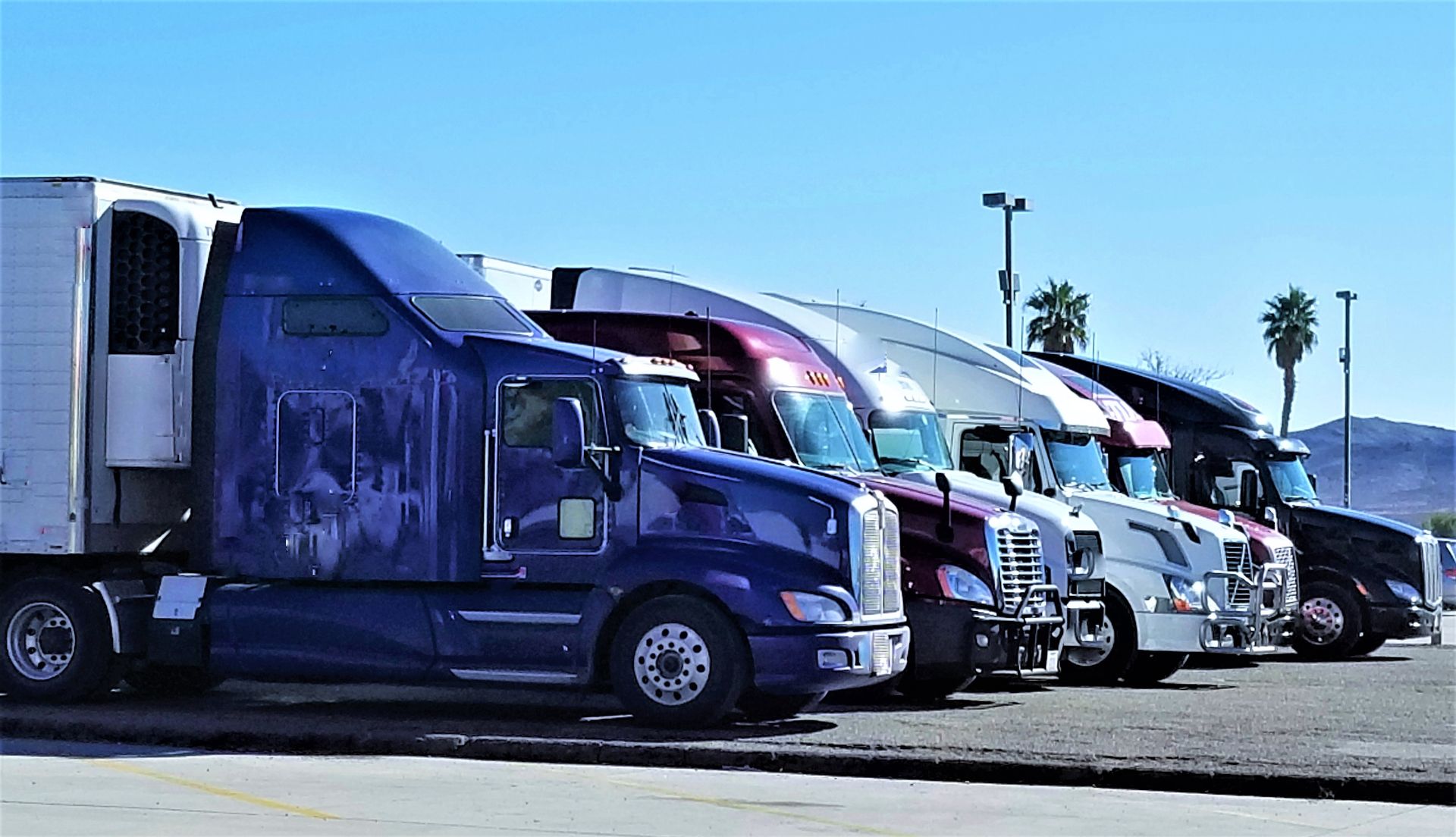
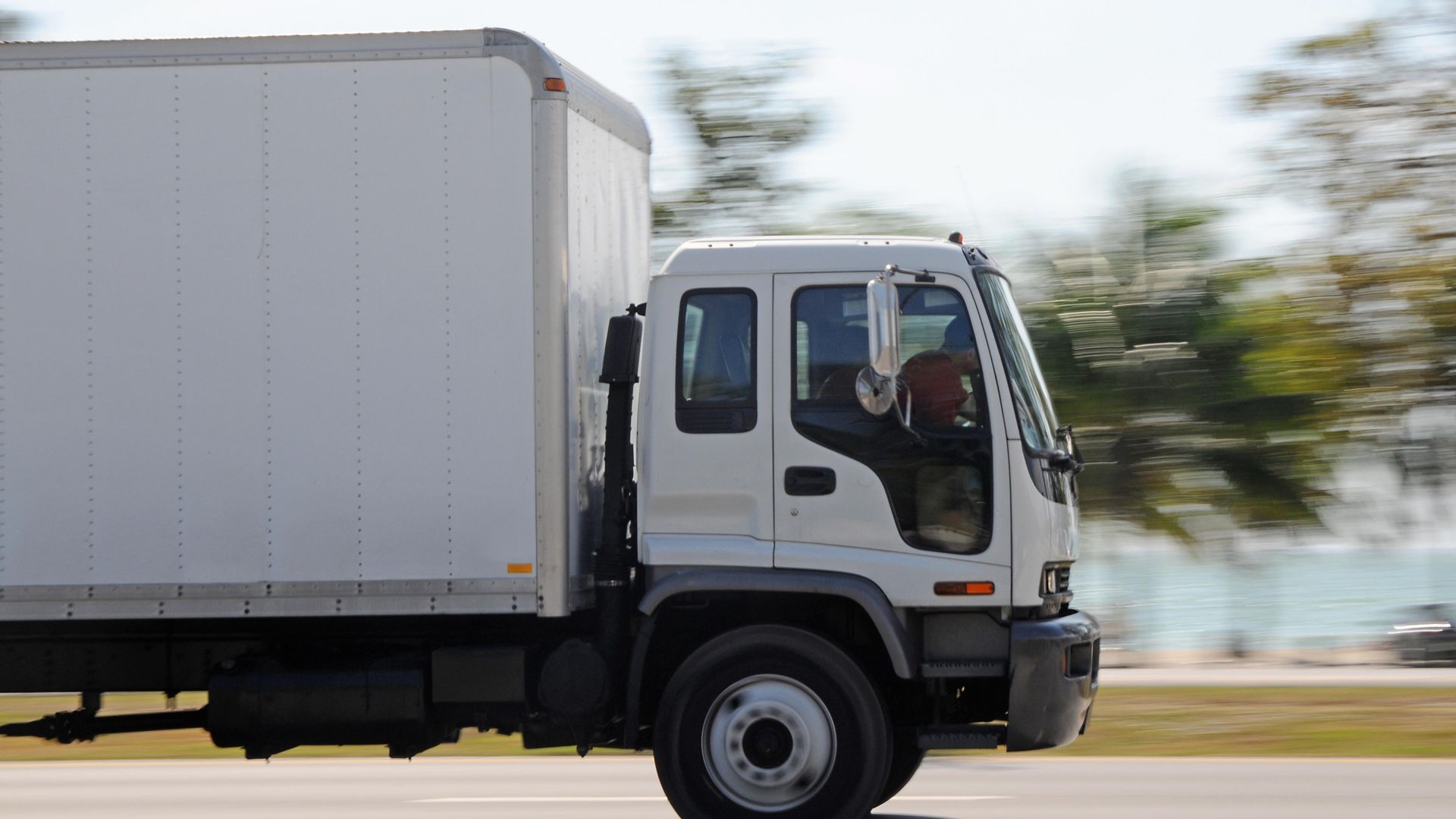
Protection for your fleet including box trucks, moving vans, and trailers. Covers liability, collision, physical damage, and hired or non-owned vehicles used in your operations.
Motor Truck Cargo
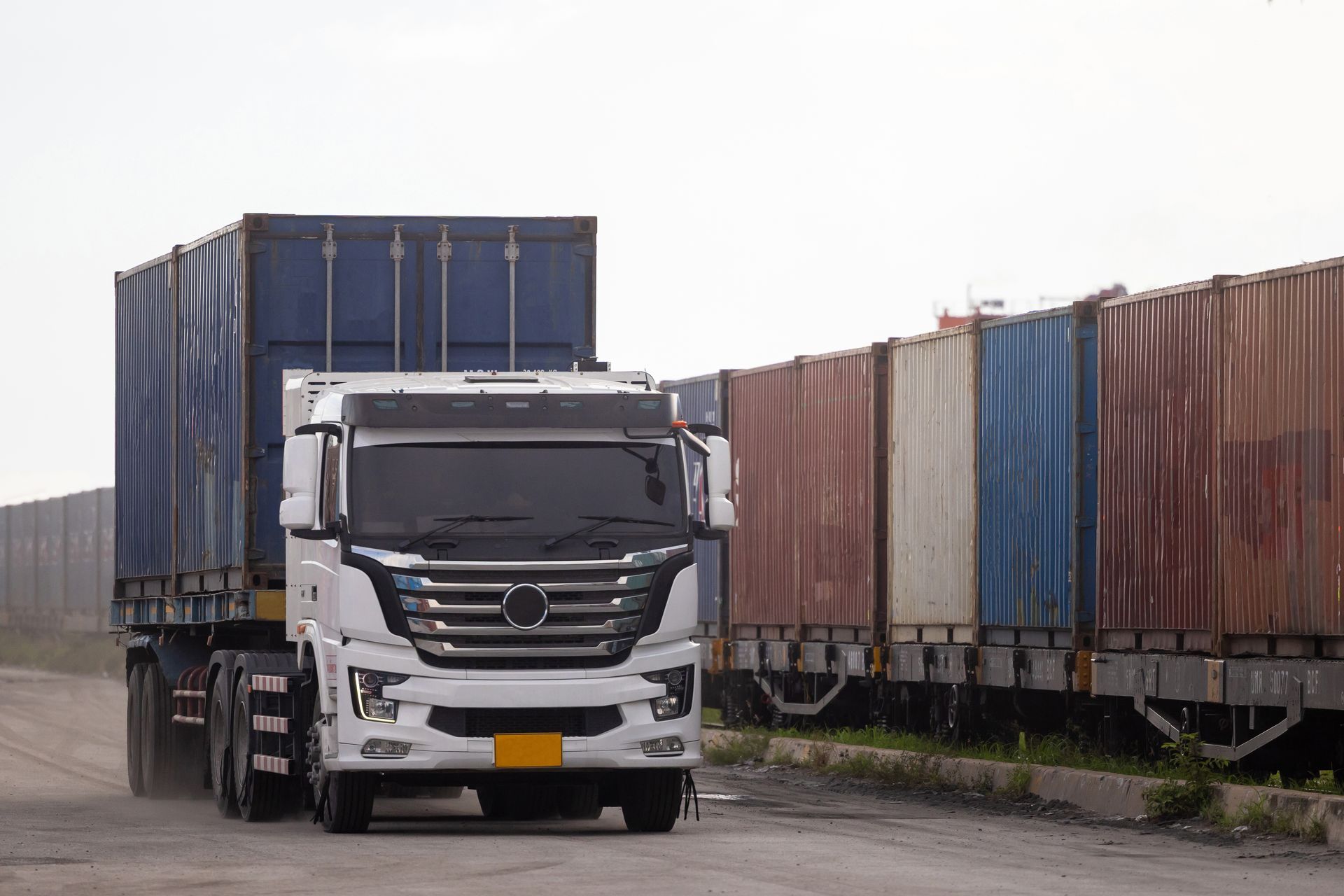
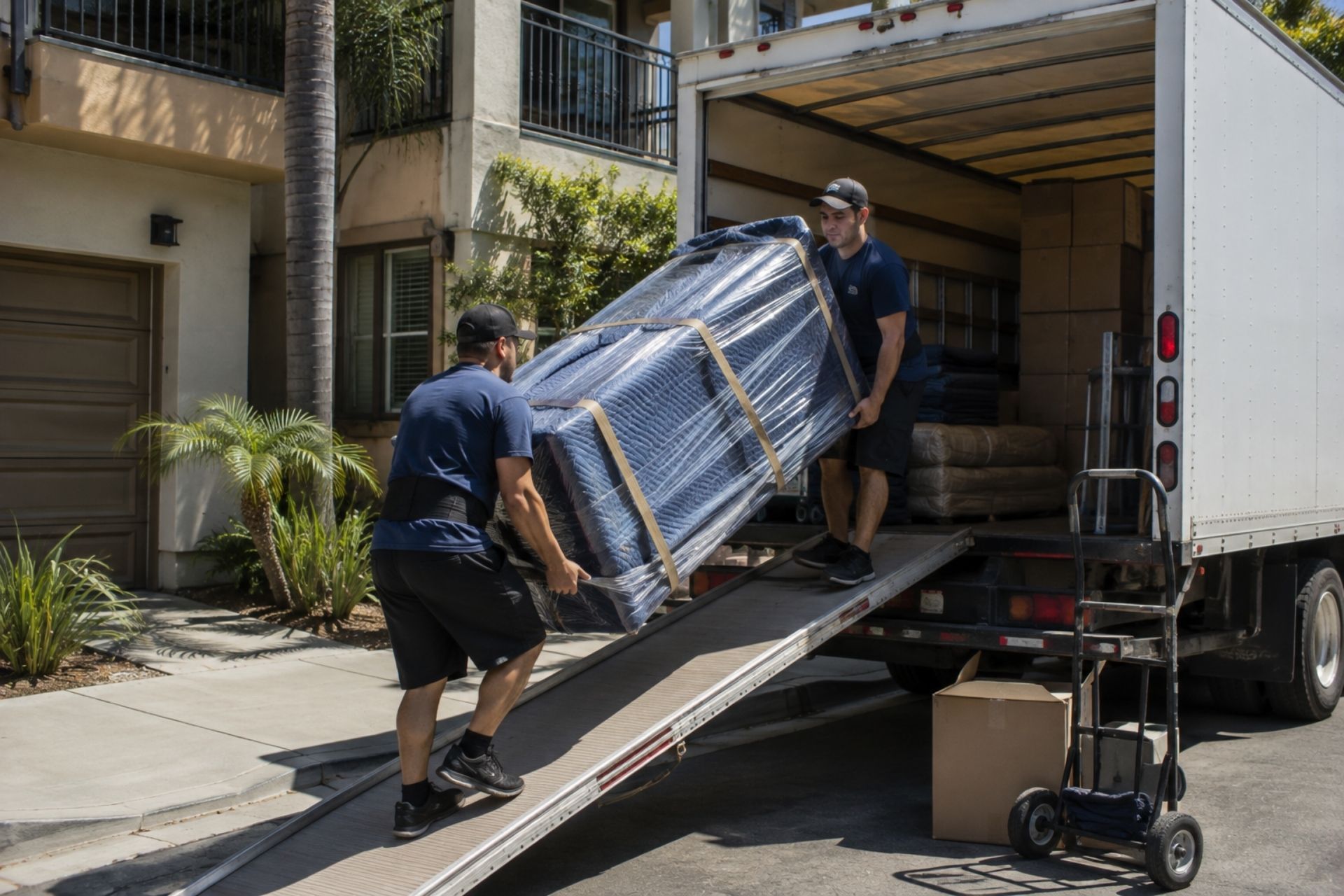
Covers household goods and freight during transport from pickup to delivery. Protects against damage, theft, mysterious disappearance, and weather-related losses while cargo is in your care.

General Liability
Protection from third-party claims for bodily injury and property damage at customer homes, job sites, and your own facility. Essential coverage for every transportation operation
Warehouse Legal Liability
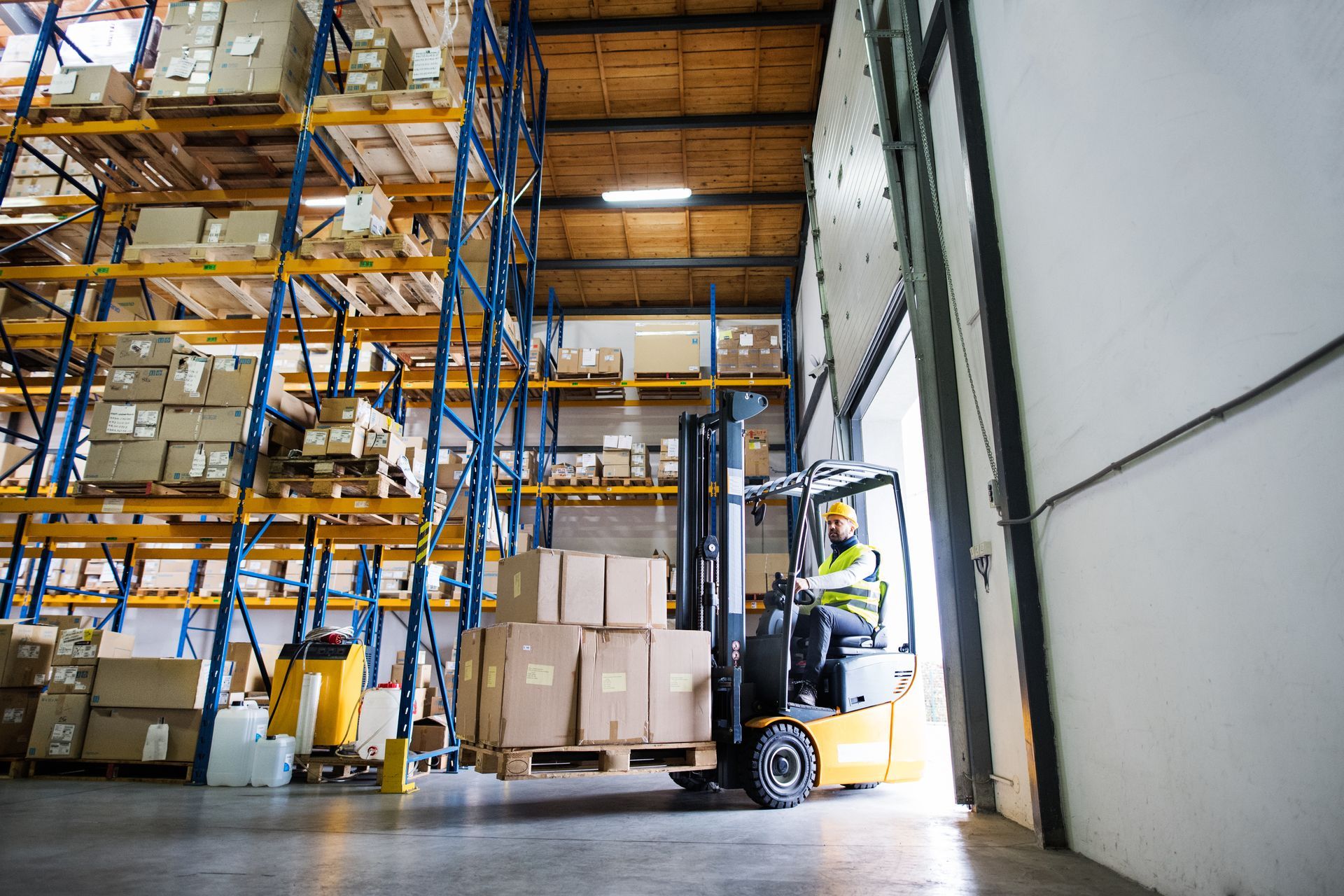
Coverage for customer property while stored in your facility. Protects against damage, theft, fire, and water damage to goods in your care, custody, or control.

Workers' Compensation
Medical care and wage replacement for employees injured on the job. Required in most states for transportation and warehouse work where physical labor creates higher injury risk.

Umbrella & Excess Liability
Higher liability limits stacked on top of your primary policies. Helps meet large contract requirements and protects your business assets against major claims and lawsuits.
Specialized Knowledge
Industries We Protect
Focused coverage for transportation and logistics businesses


Simple and Clear
How Our Process Works
Our process to get you covered
Connect With Us
Reach out through our form or by phone to share your business needs and current coverage situation.
Get Coverage Options
We review your risks, compare carriers, and present clear quotes with plain-language explanations.
Stay Protected
You choose your plan, and we provide ongoing support for certificates, claims, and renewals.
Trusted by Businesses
Feedback That Reflects Service and Reliability
What our clients say about working with Champion Risk
Answers You Need
Frequently Asked Questions
Common questions about transportation and logistics insurance



What insurance does a transportation company need to operate legally?
Motor carriers that cross state lines must meet FMCSA requirements. You need a minimum of $750,000 in liability coverage, plus a BMC-91 filing that proves your insurance to the federal government. Cargo coverage is also required, with minimums that depend on the type of goods you transport.
Intrastate operators follow state-specific rules. California, Texas, and Florida each have different requirements. Champion Risk handles both federal and state filings. We make sure your coverage meets legal minimums and your certificates reach the right agencies.
How much does commercial transportation insurance cost?
Premiums depend on your fleet size, driving records, cargo values, and claims history. A small operation with two trucks might pay $8,000 to $15,000 per year. A larger carrier with ten trucks could pay $50,000 to $100,000 or more.
The best way to control costs is working with a broker who knows transportation insurance. We find carriers that specialize in your exact operation type. This often results in better rates than going direct or using a general agent who doesn't understand the industry.
What is a BMC-91 filing and why do I need one?
A BMC-91 is a form your insurance company files with the FMCSA. It proves you carry the required liability coverage to operate as a for-hire motor carrier. Without an active BMC-91, your operating authority can be revoked.
Champion Risk works with carriers who file electronically. Your BMC-91 typically posts within 24 to 48 hours of binding coverage. We monitor your filing status and alert you if anything needs attention.
Does my warehouse or storage facility need different insurance than a trucking operation?
Yes. Storage facilities need warehouse legal liability coverage. This protects you when customer property is damaged or stolen while in your care. Standard general liability policies exclude this exposure.
You may also need property coverage for your building, equipment breakdown protection, and business income coverage if a fire or disaster shuts down operations. Champion Risk builds storage facility programs that address all these risks in one package.
Can you insure last-mile delivery drivers who use their own vehicles?
Yes. We offer hired and non-owned auto coverage for delivery operations that use independent contractors or employees driving personal vehicles. This fills gaps that personal auto policies don't cover during commercial use.
We also provide occupational accident coverage for 1099 drivers who aren't eligible for workers' comp. This protects your drivers and limits your liability exposure when accidents happen.
How fast can I get proof of insurance for a new contract?
Same day in most cases. Once we bind your policy, we issue certificates of insurance within hours. If your contract requires specific additional insured language or special endorsements, we coordinate directly with the carrier.
Rush requests happen often in this industry. General contractors and corporate clients demand certificates before they let you on site. Champion Risk prioritizes fast turnaround because we know your revenue depends on it.

Answers You Need
Transportation & Logistics Insurance Resources
Articles designed to inform and support your business
Contact Us
Phone Number:
Email Address:
Location:
12264 El Camino Real, Suite 350
San Diego, CA 92130
Hours:
Monday – Friday: 8:00 AM – 6:00 PM PT