
Wyoming's transportation and logistics sector moves more than $40 billion worth of freight annually across one of America's most challenging landscapes. From coal shipments out of the Powder River Basin to refrigerated agricultural goods crossing the Continental Divide, carriers here face unique exposures that standard insurance policies often miss. The state's 1.9% annual growth in transportation and warehousing payroll jobs signals expanding opportunity, but that growth comes with escalating risk profiles that demand specialized coverage. Understanding transportation and logistics insurance requirements in Wyoming means grappling with both state-specific mandates and federal compliance standards that trip up even experienced operators. The consequences of getting this wrong extend beyond fines:
Wyoming imposes penalties ranging from $250 to $750 for first-offense insurance violations, with second offenses climbing to $1,500 and potential jail time. For commercial carriers, inadequate coverage can mean catastrophic out-of-pocket losses when a loaded trailer jackknifes on black ice near Elk Mountain. This guide breaks down the specific coverages, costs, and compliance requirements that Wyoming carriers actually need, not the generic advice that applies everywhere and helps nowhere.
Overview of Wyoming's Transportation and Logistics Landscape
Wyoming presents a paradox for transportation companies: sparse population density combined with massive freight volume. The state serves as a critical corridor connecting major markets, with Interstate 80 carrying significant east-west traffic and I-25 linking Denver to Montana. This positioning creates steady demand for trucking services while exposing carriers to some of the harshest operating conditions in the continental United States.
The freight mix here skews heavily toward bulk commodities. Energy sector shipments, livestock transport, and agricultural products dominate, each carrying distinct insurance implications. A tanker hauling crude oil from the Bakken region needs different coverage than a flatbed moving wind turbine components to a construction site near Casper.
Seasonal fluctuations hit Wyoming carriers hard. Winter operations between October and April require specialized equipment, experienced drivers, and insurance policies that account for weather-related incidents. Summer brings construction season and increased recreational vehicle traffic, changing the risk profile entirely. Smart carriers adjust their coverage and safety protocols accordingly, recognizing that a one-size-fits-all approach leaves gaps when claims arise.

By: Mark Raby
Chief Executive Officer at Champion Risk & Insurance Services
Essential Insurance Coverages for Wyoming Carriers
Primary Auto Liability and Motor Truck Cargo
Auto liability forms the foundation of any commercial trucking insurance program. Wyoming's Department of Transportation requires motor carriers to maintain a combined single limit of $500,000 for bodily injury and property damage liability, significantly higher than the state's personal auto minimums of $25,000/$50,000/$20,000. Federal requirements for interstate carriers often push these limits even higher depending on cargo type.
Motor truck cargo coverage protects the freight you're hauling, not just your equipment. Standard policies typically cover $100,000 per occurrence, but high-value loads demand higher limits. The policy should specify whether coverage applies to loading and unloading, a common exclusion that catches carriers off guard when cargo damage occurs at a shipper's dock.
General Liability and Physical Damage Protection
General liability covers incidents that happen outside your vehicle: slip-and-fall injuries at your terminal, damage to customer property during delivery, or advertising injury claims. Most carriers need at least $1 million per occurrence with a $2 million aggregate.
Physical damage coverage splits into two components. Collision covers damage from accidents regardless of fault. Comprehensive handles theft, vandalism, fire, and weather damage. Given Wyoming's hail-prone summers and harsh winters, comprehensive coverage pays for itself quickly. Champion Risk works with carriers to structure deductibles that balance premium savings against realistic out-of-pocket exposure.
Specialized Logistics Coverage: Reefer and High-Value Cargo
Temperature-controlled cargo introduces spoilage risk that standard policies exclude. Reefer breakdown coverage specifically addresses mechanical failures that compromise refrigeration, protecting loads of pharmaceuticals, produce, or frozen goods. A single reefer failure on a summer haul across Wyoming can mean $50,000 or more in spoiled cargo.
High-value cargo endorsements extend limits for electronics, fine art, or other premium freight. These endorsements typically require enhanced security protocols and may mandate specific trailer types or tracking technology. The premium increase usually runs 15-25% above standard cargo coverage, a worthwhile investment when you're hauling $500,000 in medical equipment.
Wyoming State Requirements and Federal Compliance
Intrastate vs. Interstate Filing Requirements (Form E)
The distinction between intrastate and interstate operations determines which regulatory framework applies. Carriers operating exclusively within Wyoming fall under state jurisdiction, requiring proof of insurance filed with the Wyoming Department of Transportation. Interstate carriers must file Form E with the FMCSA, demonstrating compliance with federal minimum requirements.
Form E filings create a public record of your insurance coverage, allowing shippers and brokers to verify your compliance. Lapses in coverage trigger automatic notifications to regulators, potentially resulting in out-of-service orders. The administrative burden of maintaining continuous coverage and timely filings catches smaller operators unprepared.
Wyoming-specific requirements include maintaining proof of insurance in each commercial vehicle and displaying proper USDOT numbers. Random roadside inspections verify compliance, and violations compound quickly when multiple trucks operate out of compliance.
Wyoming Workers' Compensation and Employer Liability
Wyoming requires workers' compensation coverage for all employees, including drivers. The state operates a monopolistic fund through the Wyoming Department of Workforce Services, meaning private insurers cannot write workers' comp policies here. Carriers must purchase coverage directly from the state fund.
Employer liability coverage, which protects against employee lawsuits alleging negligence beyond workers' comp benefits, must come from a separate policy. This gap trips up carriers relocating from states where workers' comp and employer liability bundle together. Champion Risk helps Wyoming carriers coordinate state-fund workers' comp with private employer liability coverage.
Factors Influencing Insurance Costs in the Equality State
Impact of Mountainous Terrain and Seasonal Weather
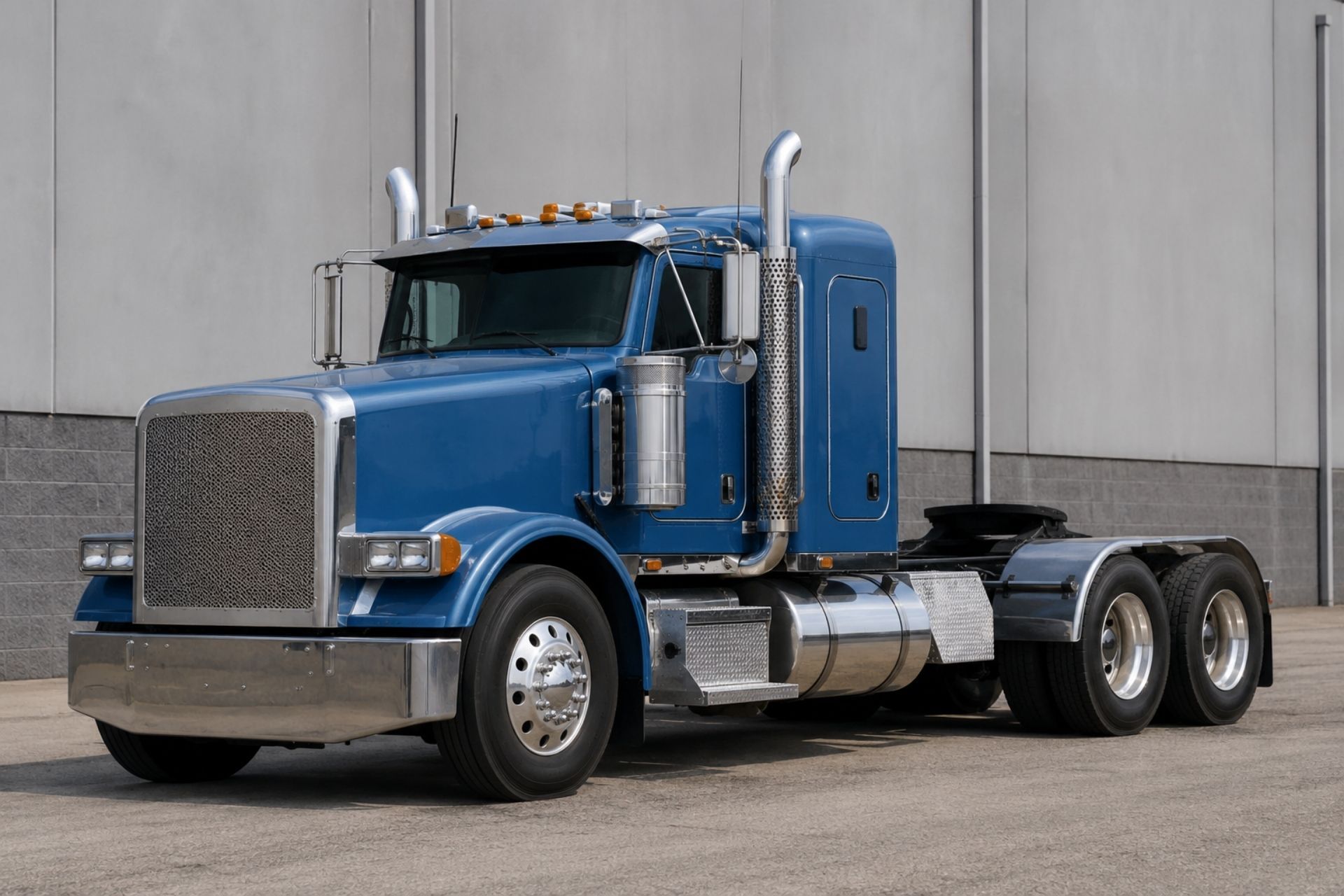
The average annual cost for commercial truck insurance in Wyoming runs approximately $10,548, but terrain and weather push many carriers well above this figure. Routes crossing the Bighorn Mountains or navigating passes like Togwotee see higher premiums than flatland operations. Underwriters factor in grade percentages, elevation changes, and historical accident data for specific corridors.
Winter weather creates the most significant cost driver. Carriers operating year-round on I-80 between Laramie and Rawlins, notorious for wind-related closures and whiteout conditions, pay premiums reflecting that exposure. Some carriers reduce costs by limiting winter operations or requiring chain-up protocols that lower incident frequency.
Driver Safety Records and Fleet Maintenance Protocols
Driver qualifications directly impact premiums. CSA scores, individual MVR histories, and years of experience all factor into underwriting decisions. A fleet with drivers averaging 10+ years of clean records pays substantially less than one employing newer drivers with minor violations.
Documented maintenance programs demonstrate risk management commitment. Carriers with preventive maintenance schedules, pre-trip inspection protocols, and detailed repair records present lower risk profiles.
As industry experts note, truck insurance prices can vary by thousands of dollars for identical operations, making documentation and safety programs valuable negotiating tools.
Implementing Telematics and Safety Technology
Telematics systems that monitor driver behavior, track vehicle location, and record incident data typically generate 8-15% premium reductions. Insurers value the data these systems provide, both for underwriting accuracy and claims investigation. Forward-facing cameras with continuous recording offer additional savings and provide crucial evidence when fault disputes arise.
Electronic logging devices, now mandatory for most carriers, generate compliance data that demonstrates operational discipline. Carriers who exceed minimum ELD requirements with integrated fleet management platforms often qualify for preferred pricing tiers.
Optimizing Deductibles and Coverage Limits
Higher deductibles reduce premiums but increase out-of-pocket exposure. The optimal balance depends on your claims history and cash reserves. A carrier with zero claims over five years might comfortably raise deductibles to $5,000 or $10,000, banking premium savings against unlikely claims. A carrier with recent losses needs lower deductibles despite higher premiums.
Coverage limits require similar analysis. Carrying $2 million in liability when your contracts only require $1 million wastes premium dollars. Carrying $750,000 when shippers demand $1 million loses you freight. Champion Risk reviews carrier contracts to right-size coverage, eliminating both gaps and unnecessary expense.
Choosing the Right Insurance Partner for Wyoming Operations
| Coverage Type | Minimum Required | Recommended Limit | Key Considerations |
|---|---|---|---|
| Auto Liability (Intrastate) | $500,000 CSL | $1,000,000 | Higher for hazmat |
| Auto Liability (Interstate) | $750,000-$5,000,000 | Varies by cargo | Federal requirements apply |
| Motor Truck Cargo | Contract-dependent | $100,000-$250,000 | Check loading/unloading |
| General Liability | None required | $1,000,000/$2,000,000 | Terminal operations |
| Physical Damage | None required | Actual cash value | Consider stated value |
The right insurance partner understands Wyoming's specific challenges. Generic national brokers often miss state-specific requirements or fail to account for terrain-related exposures. Look for partners with demonstrated experience in mountain-state operations and relationships with underwriters who specialize in regional trucking.
Frequently Asked Questions
What happens if my insurance lapses while operating in Wyoming? Your Form E filing triggers automatic notification to regulators, potentially resulting in immediate out-of-service orders and fines starting at $250.
Do I need separate cargo coverage for refrigerated loads? Yes. Standard motor truck cargo policies exclude spoilage from mechanical breakdown. Reefer breakdown coverage addresses this specific exposure.
Can I use the same policy for intrastate and interstate operations? Yes, but the policy must meet the higher of state or federal requirements, and proper filings must be made with both jurisdictions.
How do Wyoming's workers' comp requirements differ from other states? Wyoming operates a monopolistic state fund, meaning you cannot purchase workers' comp from private insurers. Coverage must come directly from the state.
Wyoming's transportation insurance requirements demand attention to detail that generic coverage approaches miss. The combination of state-specific mandates, federal compliance obligations, and terrain-driven risk factors creates a complex landscape where gaps prove costly. Carriers who invest time understanding their actual exposures, rather than accepting minimum coverage, position themselves for sustainable growth in this demanding market. Reach out to Champion Risk for a coverage review that accounts for Wyoming's unique operating environment.
About the Author:
Mark Raby
I am a seasoned insurance professional with over 30 years of experience in the industry. I lead Champion Risk & Insurance Services, a San Diego-based brokerage with nationwide reach and strong influence in the insurance marketplace. My core competencies include insurance agency M&A deals, captives and alternative risk structures, and commercial property and casualty insurance for clients in the transportation and logistics industries. I am a former president of IIAB San Diego and hold a Bachelor of Science in Finance from Western Michigan University’s Haworth College of Business.
Protection for Transportation Operations
Business Insurance for Transportation & Logistics Companies
Coverage designed specifically for transportation businesses
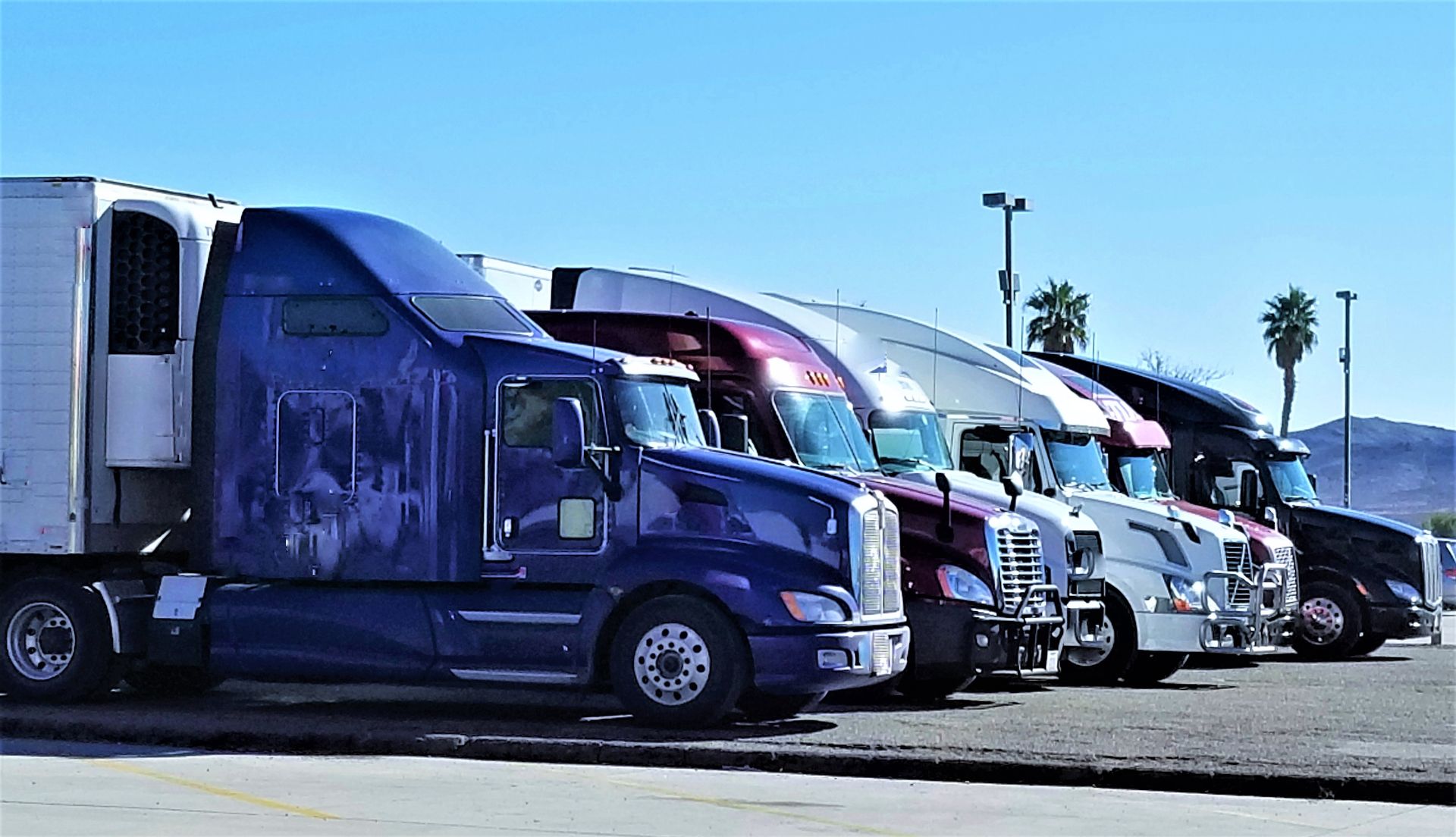
Commercial Auto & Trucking
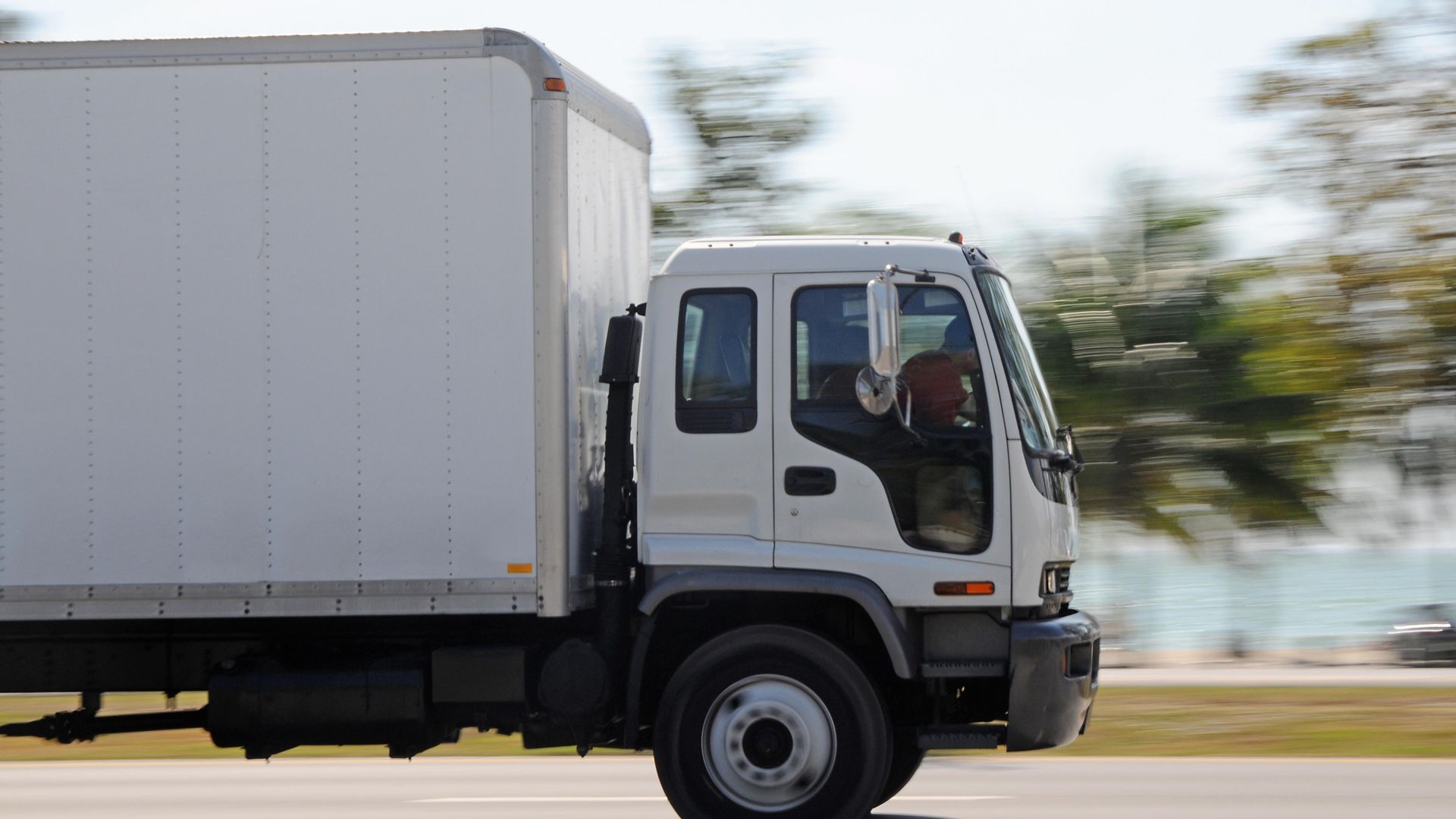
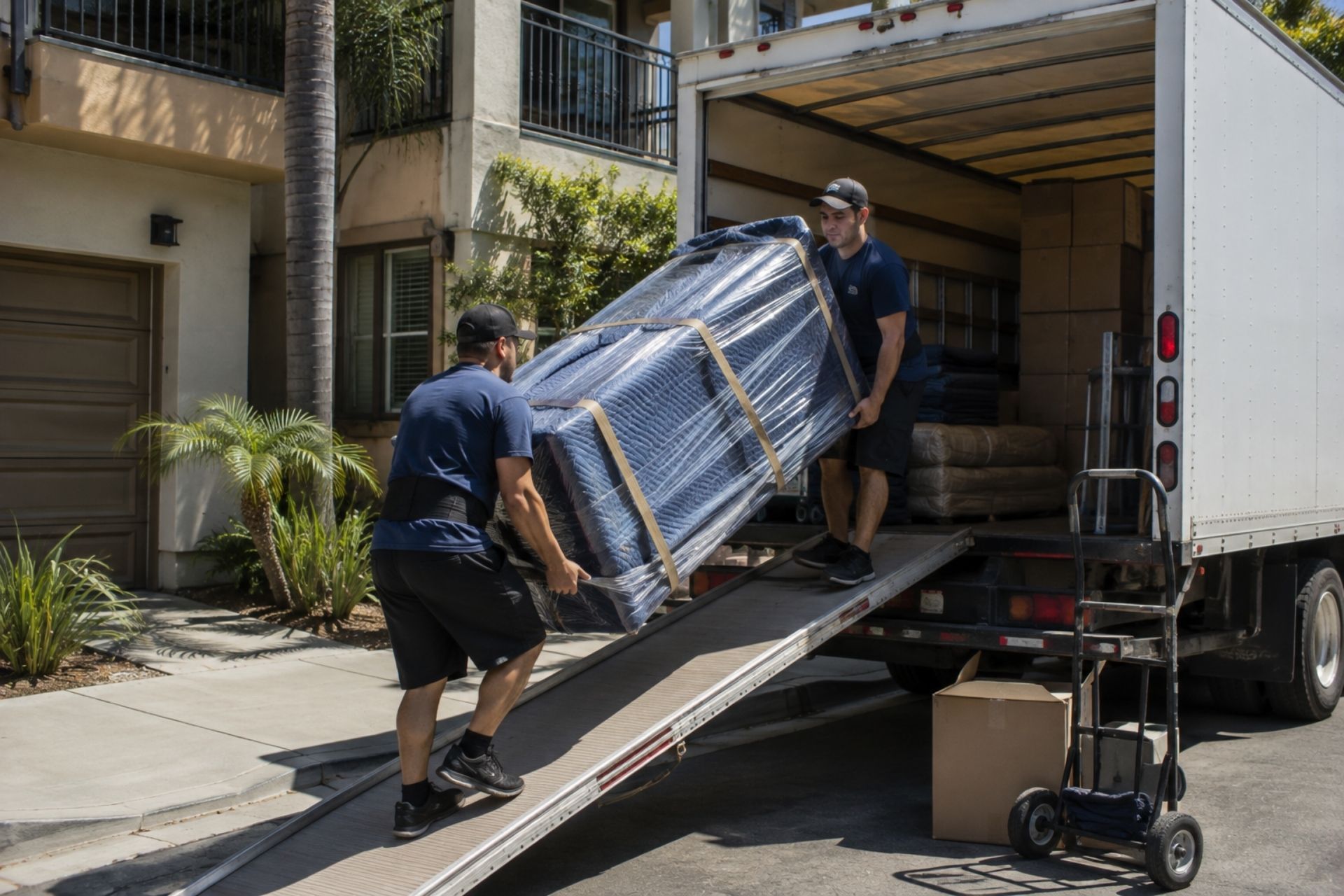
Protection for your fleet including box trucks, moving vans, and trailers. Covers liability, collision, physical damage, and hired or non-owned vehicles used in your operations.
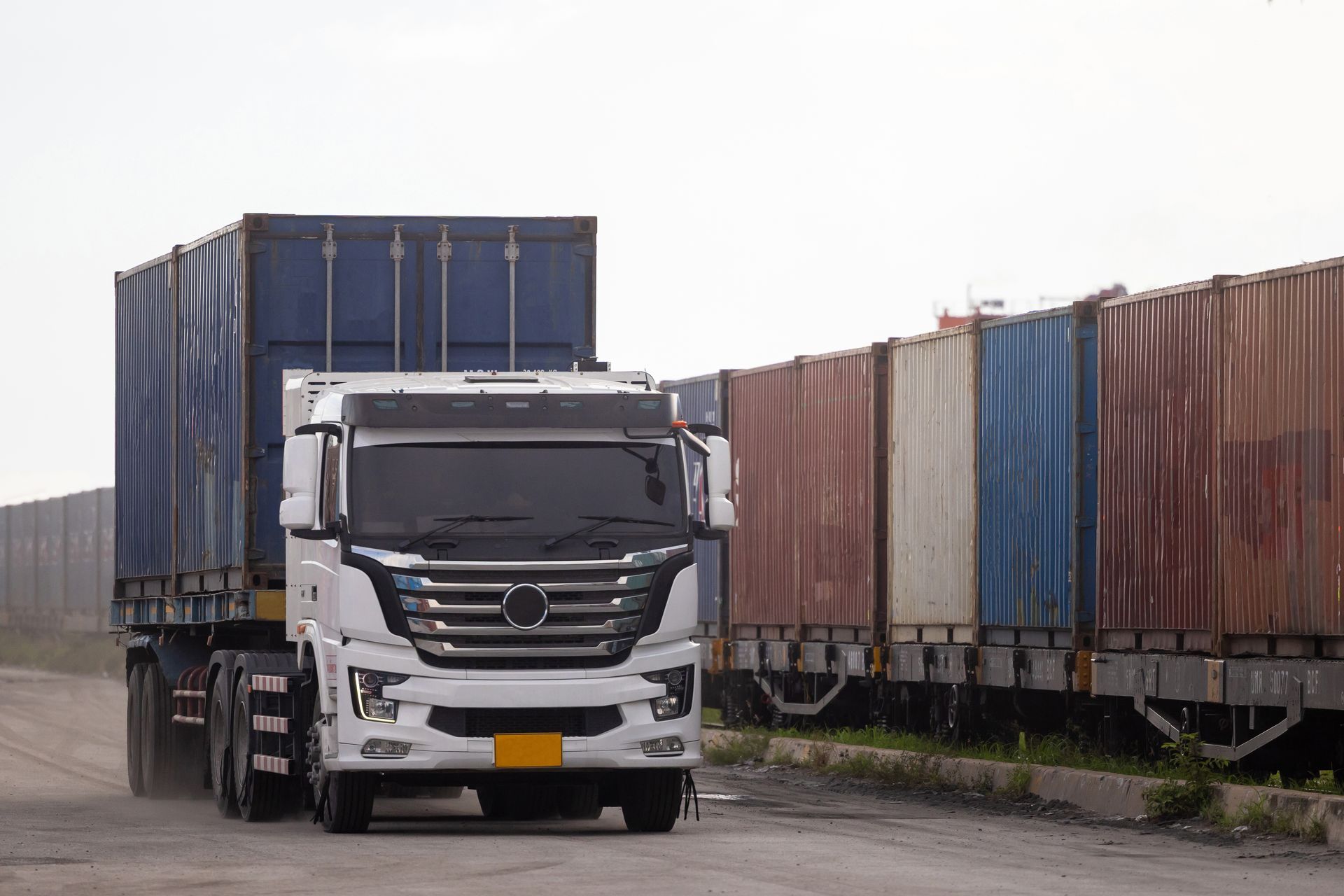
Motor Truck Cargo
Covers household goods and freight during transport from pickup to delivery. Protects against damage, theft, mysterious disappearance, and weather-related losses while cargo is in your care.

General Liability
Protection from third-party claims for bodily injury and property damage at customer homes, job sites, and your own facility. Essential coverage for every transportation operation

Warehouse Legal Liability
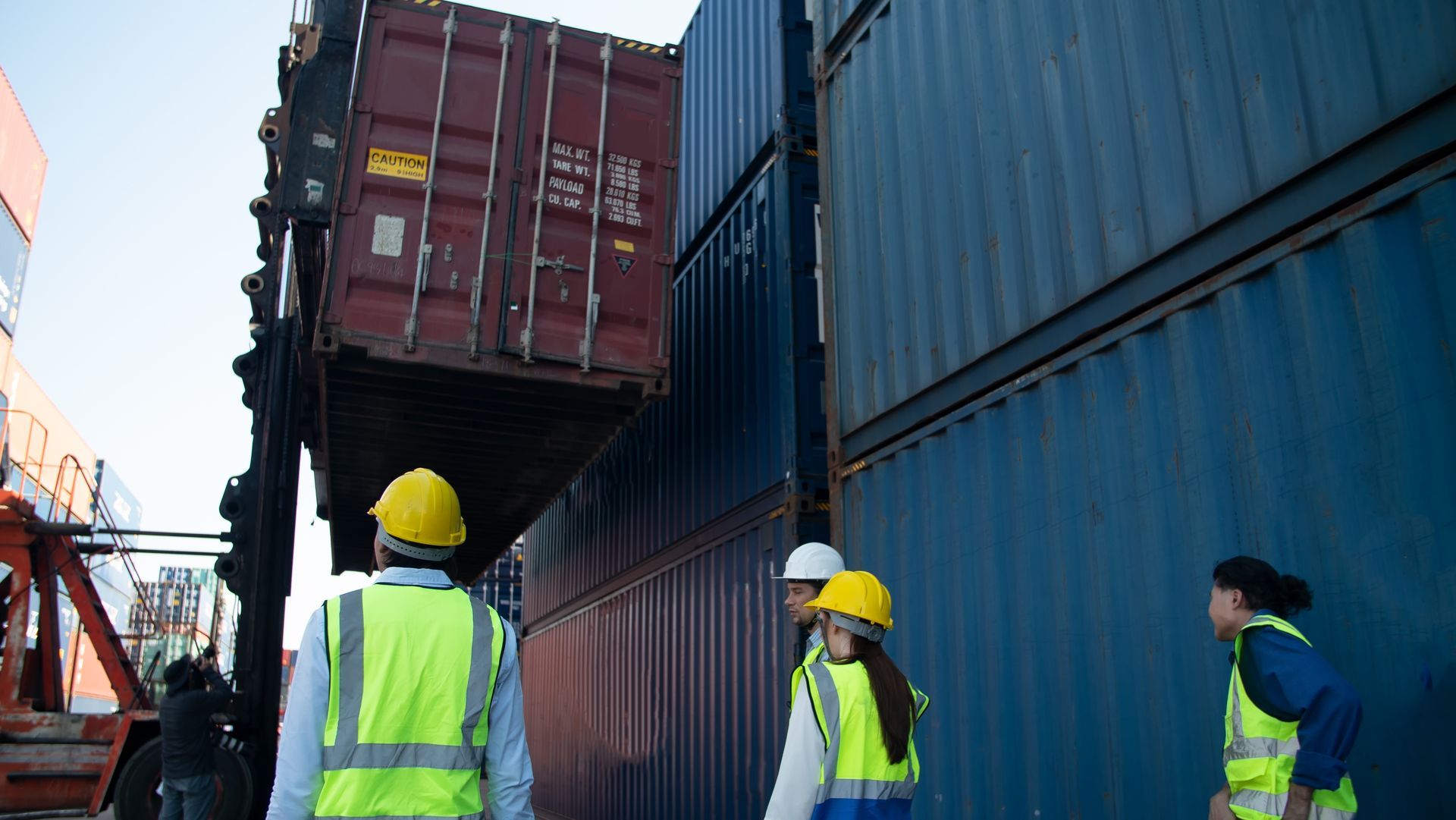
Coverage for customer property while stored in your facility. Protects against damage, theft, fire, and water damage to goods in your care, custody, or control.

Workers' Compensation
Medical care and wage replacement for employees injured on the job. Required in most states for transportation and warehouse work where physical labor creates higher injury risk.

Umbrella & Excess Liability
Higher liability limits stacked on top of your primary policies. Helps meet large contract requirements and protects your business assets against major claims and lawsuits.
Specialized Knowledge
Industries We Protect
Focused coverage for transportation and logistics businesses


Simple and Clear
How Our Process Works
Our process to get you covered
Connect With Us
Reach out through our form or by phone to share your business needs and current coverage situation.
Get Coverage Options
We review your risks, compare carriers, and present clear quotes with plain-language explanations.
Stay Protected
You choose your plan, and we provide ongoing support for certificates, claims, and renewals.
Trusted by Businesses
Feedback That Reflects Service and Reliability
What our clients say about working with Champion Risk
Answers You Need
Frequently Asked Questions
Common questions about transportation and logistics insurance



What insurance does a transportation company need to operate legally?
Motor carriers that cross state lines must meet FMCSA requirements. You need a minimum of $750,000 in liability coverage, plus a BMC-91 filing that proves your insurance to the federal government. Cargo coverage is also required, with minimums that depend on the type of goods you transport.
Intrastate operators follow state-specific rules. California, Texas, and Florida each have different requirements. Champion Risk handles both federal and state filings. We make sure your coverage meets legal minimums and your certificates reach the right agencies.
How much does commercial transportation insurance cost?
Premiums depend on your fleet size, driving records, cargo values, and claims history. A small operation with two trucks might pay $8,000 to $15,000 per year. A larger carrier with ten trucks could pay $50,000 to $100,000 or more.
The best way to control costs is working with a broker who knows transportation insurance. We find carriers that specialize in your exact operation type. This often results in better rates than going direct or using a general agent who doesn't understand the industry.
What is a BMC-91 filing and why do I need one?
A BMC-91 is a form your insurance company files with the FMCSA. It proves you carry the required liability coverage to operate as a for-hire motor carrier. Without an active BMC-91, your operating authority can be revoked.
Champion Risk works with carriers who file electronically. Your BMC-91 typically posts within 24 to 48 hours of binding coverage. We monitor your filing status and alert you if anything needs attention.
Does my warehouse or storage facility need different insurance than a trucking operation?
Yes. Storage facilities need warehouse legal liability coverage. This protects you when customer property is damaged or stolen while in your care. Standard general liability policies exclude this exposure.
You may also need property coverage for your building, equipment breakdown protection, and business income coverage if a fire or disaster shuts down operations. Champion Risk builds storage facility programs that address all these risks in one package.
Can you insure last-mile delivery drivers who use their own vehicles?
Yes. We offer hired and non-owned auto coverage for delivery operations that use independent contractors or employees driving personal vehicles. This fills gaps that personal auto policies don't cover during commercial use.
We also provide occupational accident coverage for 1099 drivers who aren't eligible for workers' comp. This protects your drivers and limits your liability exposure when accidents happen.
How fast can I get proof of insurance for a new contract?
Same day in most cases. Once we bind your policy, we issue certificates of insurance within hours. If your contract requires specific additional insured language or special endorsements, we coordinate directly with the carrier.
Rush requests happen often in this industry. General contractors and corporate clients demand certificates before they let you on site. Champion Risk prioritizes fast turnaround because we know your revenue depends on it.

Answers You Need
Transportation & Logistics Insurance Resources
Articles designed to inform and support your business
Contact Us
Phone Number:
Email Address:
Location:
12264 El Camino Real, Suite 350
San Diego, CA 92130
Hours:
Monday – Friday: 8:00 AM – 6:00 PM PT