A single ransomware attack shut down one of the largest fuel pipelines in the United States for six days. The Colonial Pipeline incident in 2021 wasn't just a wake-up call for energy companies: it exposed how vulnerable the entire transportation and logistics sector had become. Since then, cyberattacks targeting logistics operations have surged almost 1000%, and the threat shows no signs of slowing.
The transportation industry runs on interconnected systems. Fleet management software, GPS tracking, warehouse management platforms, and electronic logging devices all create entry points for attackers. When a breach occurs, the average cost hits around $4.4 million in the transportation sector. That figure doesn't account for damaged customer relationships, regulatory penalties, or the operational chaos that follows.
Cyber insurance for transportation and logistics companies has shifted from a nice-to-have to a critical business requirement. Underwriters now scrutinize everything from your driver training protocols to how you manage third-party vendor access. The policies themselves have evolved too, offering specialized coverage that addresses the unique risks of moving goods across complex supply chains. Understanding what coverage you actually need, what it costs, and what insurers require before they'll write a policy can mean the difference between recovering from an attack and watching your business collapse under the weight of uninsured losses.
The Growing Need for Cyber Insurance in Logistics
Vulnerabilities in Supply Chain Management Systems
Transportation companies don't operate in isolation. Your systems connect to shippers, carriers, customs brokers, port authorities, and dozens of other partners. Each connection represents a potential vulnerability. A compromised vendor credential can give attackers a backdoor into your entire network.
Modern logistics relies heavily on real-time data sharing. Electronic data interchange systems, API connections to customer platforms, and cloud-based transportation management systems create efficiency but also expand your attack surface. Nearly 60% of ransomware attacks now target supply chains specifically because attackers understand this interconnected reality.
The shift to electronic logging devices mandated by FMCSA regulations added another layer of exposure. These devices collect and transmit sensitive operational data continuously. A breach here doesn't just expose your data: it can compromise the privacy of your drivers and reveal proprietary information about customer shipping patterns.
Impact of Ransomware on Fleet Operations
When ransomware locks down a trucking company's dispatch system, the damage extends far beyond IT headaches. Drivers can't receive assignments. Customers can't track shipments. Billing stops. The ripple effects hit revenue within hours, not days.
Ransomware accounts for 38% of attacks against transportation companies, making it the dominant threat vector. Attackers know that logistics firms face intense pressure to restore operations quickly. A trucking company bleeding $50,000 daily in lost revenue becomes far more likely to pay a ransom than fight it out. This dynamic makes the sector an attractive target. Champion Risk has worked with carriers who discovered their backup systems were also compromised: a common tactic that eliminates the easy recovery option.


By: Mark Raby
Chief Executive Officer at Champion Risk & Insurance Services
Core Coverage Components for Transportation Firms
First-Party Loss and Business Interruption
First-party coverage addresses the direct costs your company faces after a cyber incident. This includes expenses for forensic investigation, data recovery, system restoration, and crisis management. Most policies also cover ransom payments, though insurers increasingly require pre-approval before any payment.
Business interruption coverage compensates for lost income during the recovery period. For a mid-sized trucking company, even a three-day outage can mean $150,000 or more in lost revenue. The policy should specify how the waiting period works and what documentation you'll need to prove your losses.
Third-Party Liability and Legal Defense
When customer data gets exposed or a breach at your company affects a partner's operations, liability claims follow. Third-party coverage handles defense costs, settlements, and judgments arising from these claims. This protection becomes essential when you're handling sensitive shipping information, customer payment data, or proprietary logistics arrangements.
Regulatory defense coverage matters too. DOT investigations, state attorney general inquiries, and industry-specific compliance actions can generate substantial legal fees. A comprehensive policy covers these costs even when no lawsuit has been filed.
Contingent Business Interruption for Port or Rail Failures
Standard business interruption coverage protects you when your systems go down. Contingent coverage extends that protection to failures at critical third-party operations. If a cyberattack shuts down a major port terminal or rail interchange you depend on, this coverage helps offset your resulting losses.
This component has become increasingly relevant as logistics networks grow more concentrated. A handful of major port operators handle the bulk of container traffic. When one gets hit, hundreds of companies feel the impact. Champion Risk recommends reviewing contingent coverage limits carefully: many standard policies cap this protection at inadequate levels.
Fleet Size and Annual Revenue Tiers
Insurers use revenue and fleet size as primary underwriting factors because they correlate with data volume and operational complexity. A 200-truck operation handles more transactions, maintains more driver records, and connects to more customer systems than a 20-truck fleet. More exposure means higher premiums.
Businesses typically spend between $1,200 and $7,000 annually on cyber insurance, with a median cost around $2,000 per year. Transportation companies often fall toward the higher end of this range due to their operational complexity and regulatory obligations. The cyber insurance market continues expanding rapidly, with S&P Global projecting annual premiums will reach $23 billion by 2026.
Data Sensitivity and Integrated Partner Access
The type of data you handle directly affects your premium. Companies processing payment card information face higher rates than those that don't. Firms with access to customer inventory systems or proprietary shipping data present greater third-party liability exposure.
Your vendor relationships matter too. Insurers want to know who has access to your systems and what controls govern that access. A logistics company with direct connections to 50 customer TMS platforms represents a different risk profile than one that exchanges data through secure file transfers.
| Factor | Lower Premium Impact | Higher Premium Impact |
|---|---|---|
| Fleet Size | Under 50 vehicles | 200+ vehicles |
| Annual Revenue | Under $5M | Over $25M |
| Data Types | Operational only | Payment/PII included |
| Partner Connections | Limited, controlled | Extensive, direct access |
| Prior Claims | None in 3+ years | Recent incidents |

Underwriting Requirements and Risk Mitigation
Mandatory Multi-Factor Authentication (MFA)
MFA has become a non-negotiable requirement for cyber insurance coverage. Insurers won't write policies for companies that rely solely on passwords for system access. This requirement typically extends to email, VPN connections, administrative access, and any cloud-based applications.
Implementation matters as much as existence. Underwriters ask specifically about MFA coverage across your technology stack. They want to know whether it applies to all users or just administrators, and whether it protects remote access points where attacks commonly originate.
Endpoint Detection and Response (EDR) Standards
Basic antivirus software no longer satisfies underwriting requirements. Insurers expect EDR solutions that provide continuous monitoring, threat detection, and automated response capabilities. These tools can identify and contain threats before they spread across your network.
The requirement extends to all endpoints: office workstations, driver tablets, warehouse scanners, and any device connecting to your systems. Gaps in coverage create gaps in insurability. As Todd Carter, a Professional Liability Broker at Burns & Wilcox, notes: "Having Cyber coverage is just as important as insuring your building and your physical property."
Incident Response Planning and Employee Training
A documented incident response plan shows insurers you've thought through how you'll handle a breach. The plan should identify response team members, establish communication protocols, and outline steps for containment and recovery. Insurers often request a copy during the application process.
Employee training requirements have tightened considerably. Annual security awareness training is the minimum expectation. Many insurers now require phishing simulations and documented completion records. Your drivers and warehouse staff need training too: not just office employees.
Selecting the Right Policy for Your Logistics Model
Matching coverage to your specific operations requires honest assessment of where your vulnerabilities lie. An asset-based carrier faces different risks than a freight broker operating with no physical equipment. A cold chain logistics provider handling pharmaceutical shipments needs coverage considerations that a dry van operation doesn't.
Start by mapping your technology dependencies. Which systems would halt operations if compromised? What customer data do you store, and where? How would a breach at a key partner affect your ability to operate? These questions reveal where you need the strongest coverage.
Policy limits deserve careful attention. A $1 million limit might seem adequate until you're facing a $4 million breach response. Consider your revenue exposure during a prolonged outage and the potential liability from customer claims. Underinsurance is common in this sector because companies underestimate how quickly costs escalate.
Champion Risk works with transportation companies to identify coverage gaps that standard policies often miss. The right policy aligns with your operational reality, not a generic template designed for any business.
Frequently Asked Questions
How long does it take to get cyber insurance coverage approved? Most applications take two to four weeks from submission to binding coverage. Complex operations with multiple locations or extensive partner integrations may require additional underwriting time.
Does cyber insurance cover social engineering attacks? Many policies include social engineering coverage, but limits are often lower than other coverage components. Verify the specific sublimit and whether it covers vendor impersonation schemes.
Will my premium increase after filing a claim? Typically yes. A claim signals elevated risk to underwriters. The increase varies based on claim severity and your response effectiveness.
Are employee-owned devices covered under cyber policies? Coverage for BYOD scenarios depends on policy language. Some policies extend protection to personal devices accessing company systems; others exclude them entirely.
What happens if I don't meet underwriting requirements? Insurers may decline coverage, offer reduced limits, or charge significantly higher premiums. Meeting requirements before applying produces better outcomes.
Making the Right Choice for Your Operation
Cyber insurance for transportation and logistics operations isn't optional anymore: it's a cost of doing business in a connected industry. The coverage requirements, cost factors, and underwriting standards outlined here give you a framework for evaluating your options. The companies that survive cyber incidents are those that prepared before the attack came. Contact Champion Risk to discuss coverage options that match your specific logistics model and risk profile.
About the Author:
Mark Raby
I am a seasoned insurance professional with over 30 years of experience in the industry. I lead Champion Risk & Insurance Services, a San Diego-based brokerage with nationwide reach and strong influence in the insurance marketplace. My core competencies include insurance agency M&A deals, captives and alternative risk structures, and commercial property and casualty insurance for clients in the transportation and logistics industries. I am a former president of IIAB San Diego and hold a Bachelor of Science in Finance from Western Michigan University’s Haworth College of Business.
Protection for Transportation Operations
Business Insurance for Transportation & Logistics Companies
Coverage designed specifically for transportation businesses
Commercial Auto & Trucking
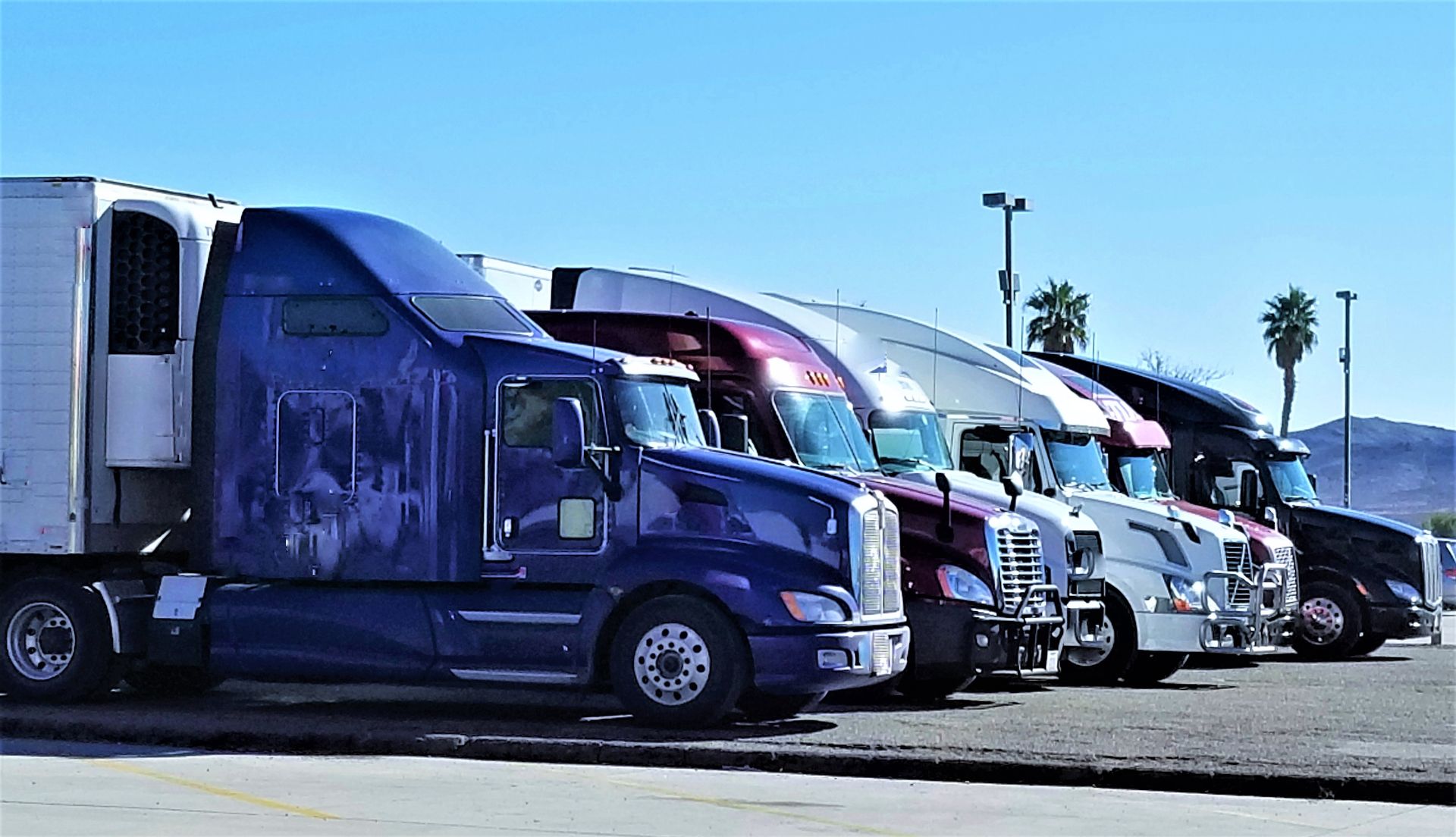
Protection for your fleet including box trucks, moving vans, and trailers. Covers liability, collision, physical damage, and hired or non-owned vehicles used in your operations.
Motor Truck Cargo
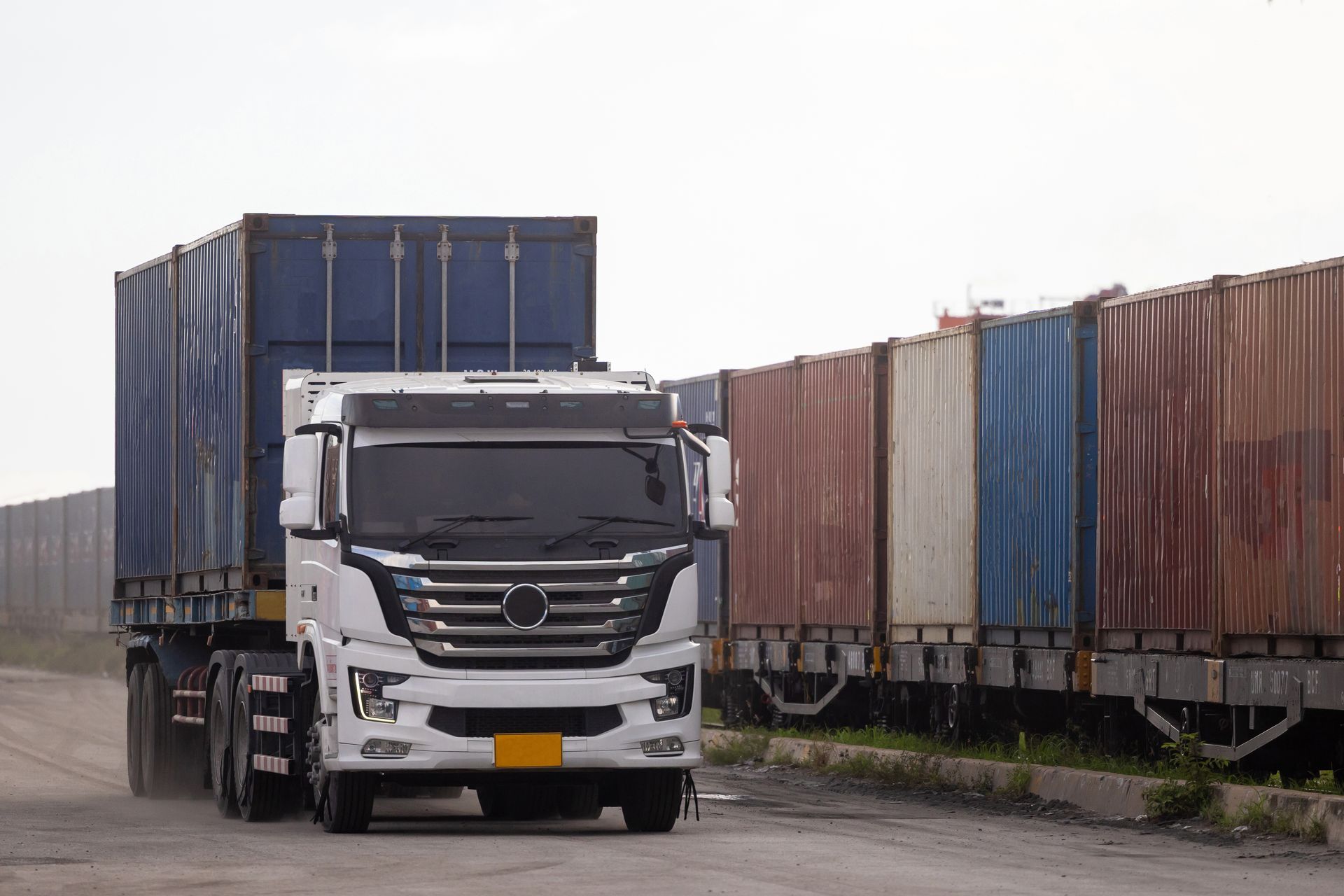
Covers household goods and freight during transport from pickup to delivery. Protects against damage, theft, mysterious disappearance, and weather-related losses while cargo is in your care.

General Liability
Protection from third-party claims for bodily injury and property damage at customer homes, job sites, and your own facility. Essential coverage for every transportation operation

Warehouse Legal Liability
Coverage for customer property while stored in your facility. Protects against damage, theft, fire, and water damage to goods in your care, custody, or control.

Workers' Compensation
Medical care and wage replacement for employees injured on the job. Required in most states for transportation and warehouse work where physical labor creates higher injury risk.

Umbrella & Excess Liability
Higher liability limits stacked on top of your primary policies. Helps meet large contract requirements and protects your business assets against major claims and lawsuits.
Specialized Knowledge
Industries We Protect
Focused coverage for transportation and logistics businesses


Simple and Clear
How Our Process Works
Our process to get you covered
Connect With Us
Reach out through our form or by phone to share your business needs and current coverage situation.
Get Coverage Options
We review your risks, compare carriers, and present clear quotes with plain-language explanations.
Stay Protected
You choose your plan, and we provide ongoing support for certificates, claims, and renewals.
Trusted by Businesses
Feedback That Reflects Service and Reliability
What our clients say about working with Champion Risk
Answers You Need
Frequently Asked Questions
Common questions about transportation and logistics insurance



What insurance does a transportation company need to operate legally?
Motor carriers that cross state lines must meet FMCSA requirements. You need a minimum of $750,000 in liability coverage, plus a BMC-91 filing that proves your insurance to the federal government. Cargo coverage is also required, with minimums that depend on the type of goods you transport.
Intrastate operators follow state-specific rules. California, Texas, and Florida each have different requirements. Champion Risk handles both federal and state filings. We make sure your coverage meets legal minimums and your certificates reach the right agencies.
How much does commercial transportation insurance cost?
Premiums depend on your fleet size, driving records, cargo values, and claims history. A small operation with two trucks might pay $8,000 to $15,000 per year. A larger carrier with ten trucks could pay $50,000 to $100,000 or more.
The best way to control costs is working with a broker who knows transportation insurance. We find carriers that specialize in your exact operation type. This often results in better rates than going direct or using a general agent who doesn't understand the industry.
What is a BMC-91 filing and why do I need one?
A BMC-91 is a form your insurance company files with the FMCSA. It proves you carry the required liability coverage to operate as a for-hire motor carrier. Without an active BMC-91, your operating authority can be revoked.
Champion Risk works with carriers who file electronically. Your BMC-91 typically posts within 24 to 48 hours of binding coverage. We monitor your filing status and alert you if anything needs attention.
Does my warehouse or storage facility need different insurance than a trucking operation?
Yes. Storage facilities need warehouse legal liability coverage. This protects you when customer property is damaged or stolen while in your care. Standard general liability policies exclude this exposure.
You may also need property coverage for your building, equipment breakdown protection, and business income coverage if a fire or disaster shuts down operations. Champion Risk builds storage facility programs that address all these risks in one package.
Can you insure last-mile delivery drivers who use their own vehicles?
Yes. We offer hired and non-owned auto coverage for delivery operations that use independent contractors or employees driving personal vehicles. This fills gaps that personal auto policies don't cover during commercial use.
We also provide occupational accident coverage for 1099 drivers who aren't eligible for workers' comp. This protects your drivers and limits your liability exposure when accidents happen.
How fast can I get proof of insurance for a new contract?
Same day in most cases. Once we bind your policy, we issue certificates of insurance within hours. If your contract requires specific additional insured language or special endorsements, we coordinate directly with the carrier.
Rush requests happen often in this industry. General contractors and corporate clients demand certificates before they let you on site. Champion Risk prioritizes fast turnaround because we know your revenue depends on it.


Answers You Need
Transportation & Logistics Insurance Resources
Articles designed to inform and support your business
Contact Us
Phone Number:
Email Address:
Location:
12264 El Camino Real, Suite 350
San Diego, CA 92130
Hours:
Monday – Friday: 8:00 AM – 6:00 PM PT