
Running a trucking or logistics operation in South Carolina means dealing with a unique mix of regulatory requirements, regional risks, and insurance complexities that catch many business owners off guard. Between state-mandated minimums, federal DOT requirements for interstate haulers, and the specialized coverage needs of port drayage operations, getting your insurance right is genuinely complicated. I've seen too many fleet operators assume their policies are adequate, only to discover gaps when a cargo claim hits or a driver gets injured on the job. South Carolina's transportation insurance landscape demands attention to detail, and the costs of getting it wrong far exceed the premiums you're trying to save.
The state's position as a major logistics hub, anchored by the Port of Charleston, creates both opportunity and risk.
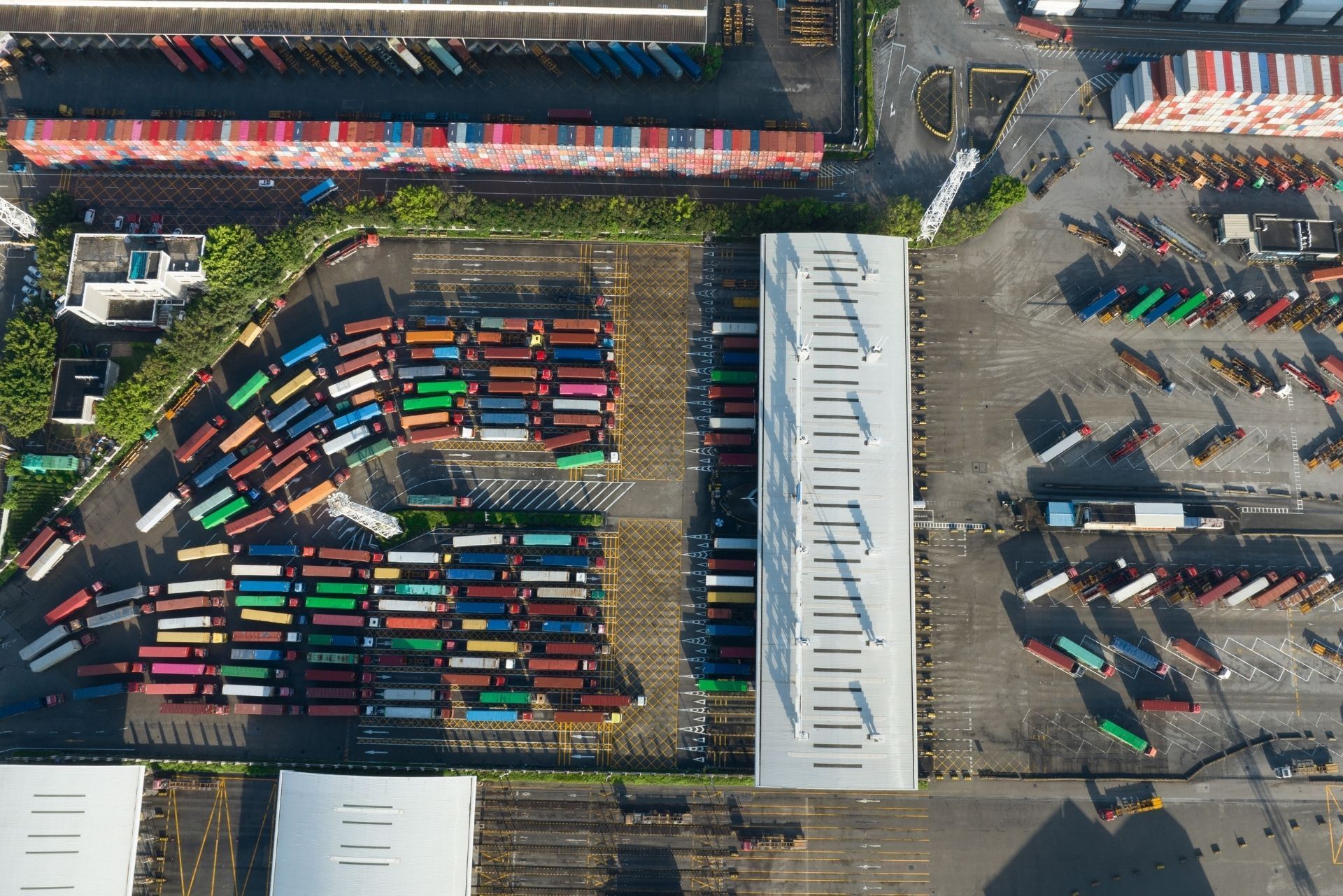
The Port of Charleston handled nearly 2.5 million TEUs in FY 2024, making it one of the busiest container ports on the East Coast. That volume drives demand for trucking services, but it also means more vehicles on the road, more cargo exposure, and more potential liability. Understanding transportation and logistics insurance requirements in South Carolina, from coverage types to cost factors, isn't optional for operators who want to stay compliant and protected.
South Carolina Commercial Vehicle Insurance Mandates
State Minimum Liability and Financial Responsibility
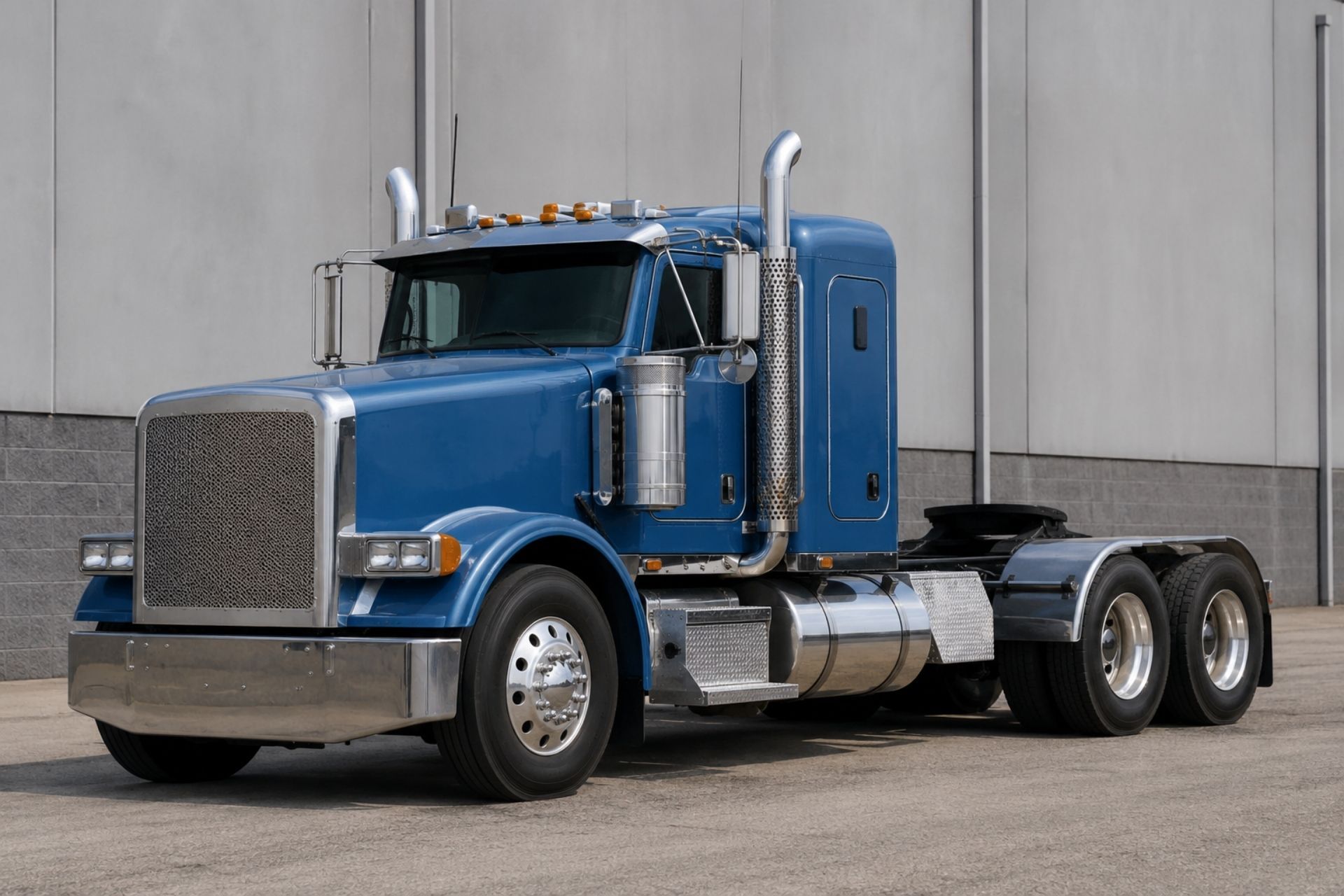
South Carolina sets baseline requirements for commercial vehicle insurance that every operator must meet. The state mandates minimum coverage of $25,000 per person for bodily injury, $50,000 per accident for bodily injury, and $25,000 per incident for property damage. These 25/50/25 limits apply to basic commercial vehicles, but here's what trips people up: these minimums are rarely sufficient for actual trucking operations.
Most commercial trucking claims exceed these limits within minutes of involving serious injuries or significant property damage. A single accident with multiple injured parties can blow through $50,000 before medical bills are even finalized. The state's financial responsibility laws require proof of insurance at all times, and operating without proper coverage results in license suspension, vehicle impoundment, and fines that compound quickly.
Intrastate vs. Interstate DOT Requirements
The distinction between intrastate and interstate operations fundamentally changes your insurance requirements. For trucks weighing less than 10,001 pounds carrying non-hazardous freight, South Carolina requires a minimum of $300,000 in insurance coverage. That's already twelve times the basic state minimum.
Interstate carriers face federal Motor Carrier Act requirements, which typically mandate $750,000 to $1 million in liability coverage depending on cargo type. Hazmat haulers need $5 million minimum. The FMCSA doesn't care about state minimums; federal requirements supersede them for any truck crossing state lines. Many South Carolina operators run both intrastate and interstate loads, which means maintaining coverage that satisfies the higher federal standards at all times.

By: Mark Raby
Chief Executive Officer at Champion Risk & Insurance Services
Essential Coverage Types for Logistics Operations
Motor Truck Cargo and Inland Marine Insurance
Cargo insurance protects the freight you're hauling, not your truck. Standard motor truck cargo policies cover loss or damage to goods in transit from causes like theft, collision, fire, or weather events. Coverage limits typically range from $25,000 to $250,000 per occurrence, though high-value freight may require specialized policies.
Inland marine insurance extends protection to goods stored temporarily at warehouses, distribution centers, or during intermodal transfers. For logistics companies handling freight beyond simple point-to-point trucking, inland marine fills gaps that cargo-only policies miss. The distinction matters when cargo sits at a cross-dock facility overnight or moves between truck and rail.
General Liability and Bobtail Protection
General liability covers your business operations beyond vehicle-related incidents. Slip-and-fall injuries at your terminal, property damage during loading operations, and advertising injury claims all fall under GL coverage. Most logistics operations need $1 million per occurrence with $2 million aggregate limits.
Bobtail insurance, sometimes called non-trucking liability, covers your truck when it's operating without a trailer. This applies when drivers are off-dispatch, heading home, or running personal errands. Your primary auto liability typically excludes these situations, leaving a coverage gap that bobtail policies address. Champion Risk works with fleet operators to ensure these coverage layers work together without gaps or expensive overlaps.
Workers' Compensation for SC Transportation Firms
South Carolina requires workers' compensation coverage for businesses with four or more employees. Transportation companies face higher premiums due to the physical nature of the work and elevated injury risks. Loading dock injuries, repetitive motion problems, and vehicle accidents all generate workers' comp claims.
Classification codes matter significantly for premium calculations. A driver classified incorrectly can result in audit penalties or insufficient coverage. South Carolina's workers' comp rates for trucking operations run higher than office-based businesses, but proper safety programs and claims management can reduce experience modification factors over time.
Impact of Fleet Size and Cargo Classification
Fleet size creates both risk and opportunity for premium negotiations. Single-truck operators face the highest per-vehicle rates because insurers can't spread risk across multiple units. The average cost for commercial truck insurance in South Carolina is $14,727, with premiums typically ranging from $12,791 to $16,956 for a one-truck operation needing liability, cargo, and physical damage coverage.
Cargo type directly affects rates. Hauling refrigerated goods costs more than dry van operations due to spoilage risks and temperature control equipment. Hazmat carriers pay substantially higher premiums. Auto haulers, flatbed operators, and intermodal drayage companies each face different risk profiles that insurers price accordingly.
| Fleet Size | Typical Annual Premium Range | Key Rate Factors |
|---|---|---|
| 1 truck | $12,791 - $16,956 | Limited risk spread, higher per-unit cost |
| 2-5 trucks | $11,000 - $14,500 per truck | Small fleet discount, combined policies |
| 6-20 trucks | $9,500 - $13,000 per truck | Volume discounts, safety program credits |
| 20+ trucks | $8,000 - $11,500 per truck | Fleet experience rating, dedicated underwriting |
Driver Safety Records and MVR Monitoring
Driver motor vehicle records directly impact premiums. Insurers pull MVRs during underwriting and renewals, and violations within the past three years trigger surcharges or coverage restrictions. DUIs, at-fault accidents, and moving violations all count against your fleet's rating.
Continuous MVR monitoring catches problems between renewal periods. A driver who picks up a reckless driving charge mid-policy represents increased risk that insurers want to know about immediately. Some carriers require quarterly MVR pulls as a condition of coverage. Champion Risk helps clients establish monitoring protocols that satisfy underwriter requirements while managing administrative burden.

Regional Risk Assessment and Port Logistics
Insuring Drayage Operations at the Port of Charleston
Port drayage presents unique insurance challenges that generic trucking policies don't address well. Container handling involves specialized equipment, congested terminal environments, and tight scheduling that increases accident frequency. Chassis damage, container drops, and port property incidents require coverage structures designed for terminal operations.
Full-coverage car insurance costs in South Carolina have increased by more than 29% between 2023 and 2024, and commercial rates have followed similar trends. Drayage operators feel this pressure acutely because they operate in high-risk environments with frequent exposure. Hurricane season adds another layer of concern, with cargo and equipment vulnerable to storm damage and flooding in coastal areas.
Intermodal operations connecting Charleston to inland distribution centers face extended exposure periods. A container moving from ship to truck to rail to final delivery passes through multiple coverage scenarios. Coordinating insurance across these transitions requires policies written with intermodal operations in mind.
Strategies for Reducing Logistics Insurance Costs
Implementing Telematics and Safety Technology
Telematics systems provide data that insurers reward with premium discounts. GPS tracking, electronic logging devices, and driver behavior monitoring demonstrate commitment to safety while generating evidence useful for claims defense. Hard braking events, speeding patterns, and hours-of-service compliance all factor into risk assessment.
Dash cameras have become nearly standard for well-run fleets. Video evidence resolves liability disputes quickly, often preventing claims from escalating to litigation. Forward-facing and driver-facing cameras together provide complete incident documentation. Many insurers offer 5-15% discounts for fleets with comprehensive camera systems.
Collision avoidance technology, lane departure warnings, and automatic emergency braking reduce accident frequency. These systems cost money upfront but generate insurance savings and prevent the operational disruptions that accidents cause.
Getting proper coverage requires more than filling out forms. Insurers want detailed information about your operations: routes, cargo types, driver qualifications, equipment specifications, and loss history. Incomplete applications result in coverage gaps or inflated premiums based on worst-case assumptions.
Loss runs from previous carriers document your claims history. Insurers request three to five years of loss run data during underwriting. Clean loss runs support better rates; adverse history requires explanation and potentially higher deductibles or coverage restrictions.
Working with a specialized transportation insurance broker makes the process more efficient. Champion Risk understands South Carolina's regulatory environment and maintains relationships with carriers who write trucking and logistics risks. That access matters when standard markets decline coverage or quote uncompetitive rates.
Frequently Asked Questions
What's the minimum insurance required for a box truck in South Carolina? For trucks under 10,001 pounds hauling non-hazardous freight, South Carolina requires $300,000 minimum coverage. Heavier trucks and hazmat carriers need higher limits.
How much does commercial truck insurance cost in South Carolina? Single-truck operators typically pay $12,791 to $16,956 annually for comprehensive coverage including liability, cargo, and physical damage.
Do I need separate cargo insurance if I have commercial auto coverage? Yes. Commercial auto covers your truck and liability. Cargo insurance covers the freight you're hauling, which is a separate policy.
Does South Carolina require workers' comp for trucking companies? Businesses with four or more employees must carry workers' compensation coverage. Sole proprietors and partners can opt out but face personal liability exposure.
How do port drayage insurance requirements differ from regular trucking? Drayage operations need coverage for terminal environments, chassis handling, and intermodal transfers that standard trucking policies may exclude or limit.
Making the Right Coverage Decision
South Carolina's transportation insurance requirements create a compliance floor, not a ceiling. Meeting state minimums keeps you legal but leaves significant exposure uncovered. The real question is how much risk your operation can absorb when claims exceed policy limits or excluded situations arise.
Getting coverage right means matching policies to your actual operations. Routes, cargo, equipment, and driver profiles all influence what you need. Working with specialists who understand transportation insurance, like Champion Risk, helps identify gaps before claims reveal them. The premium you pay matters less than the protection you actually receive when something goes wrong.
About the Author:
Mark Raby
I am a seasoned insurance professional with over 30 years of experience in the industry. I lead Champion Risk & Insurance Services, a San Diego-based brokerage with nationwide reach and strong influence in the insurance marketplace. My core competencies include insurance agency M&A deals, captives and alternative risk structures, and commercial property and casualty insurance for clients in the transportation and logistics industries. I am a former president of IIAB San Diego and hold a Bachelor of Science in Finance from Western Michigan University’s Haworth College of Business.
Protection for Transportation Operations
Business Insurance for Transportation & Logistics Companies
Coverage designed specifically for transportation businesses
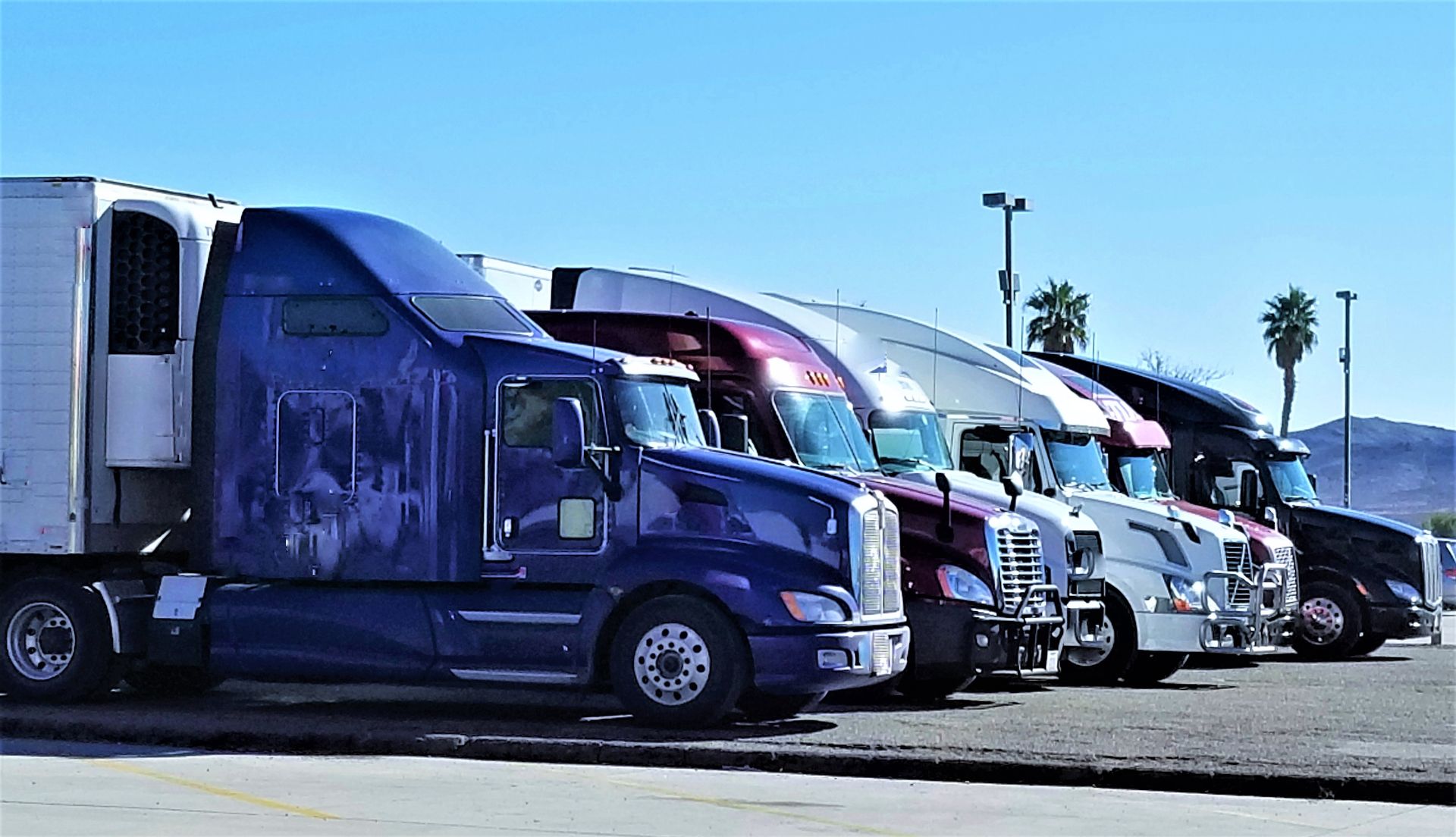
Commercial Auto & Trucking
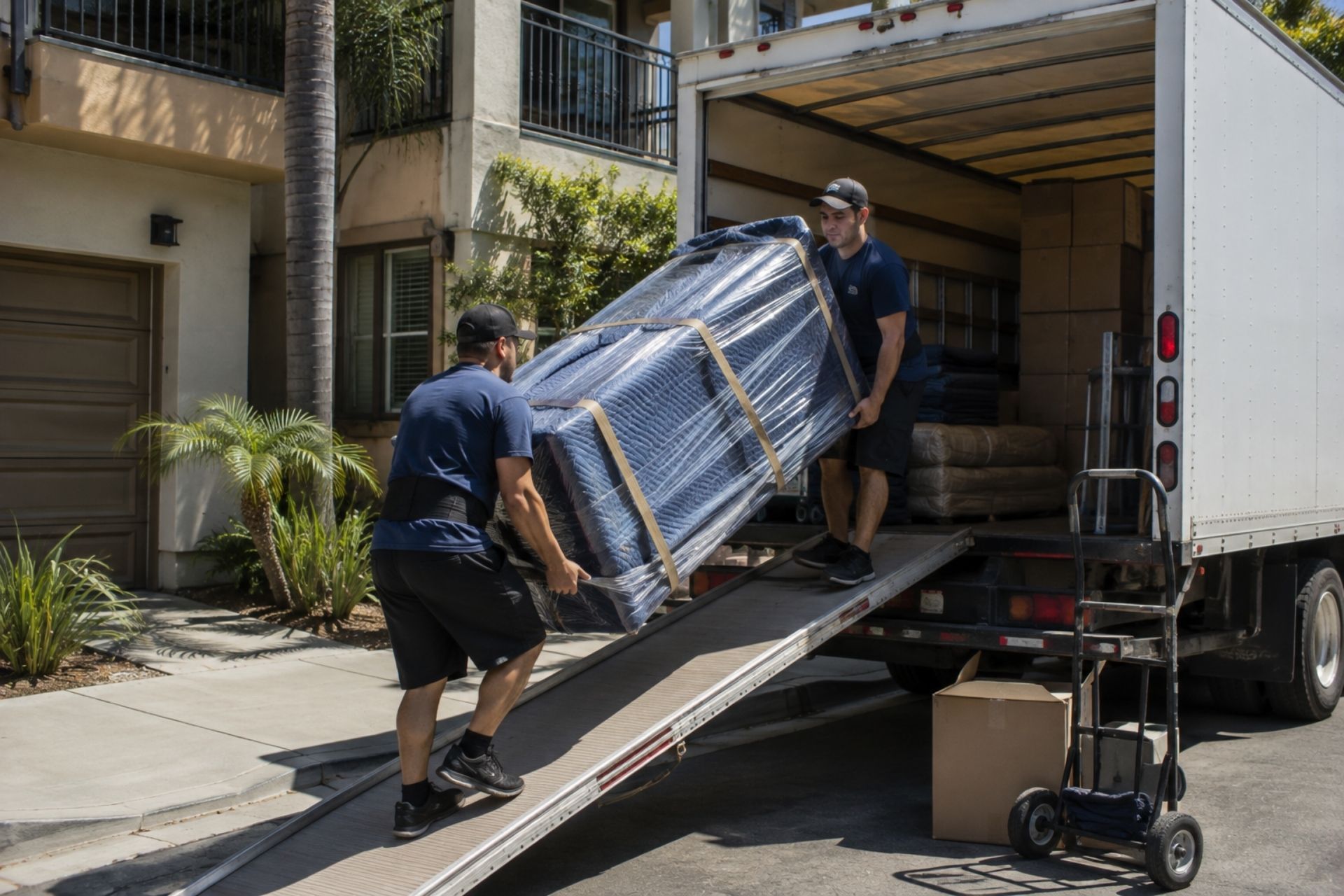
Protection for your fleet including box trucks, moving vans, and trailers. Covers liability, collision, physical damage, and hired or non-owned vehicles used in your operations.
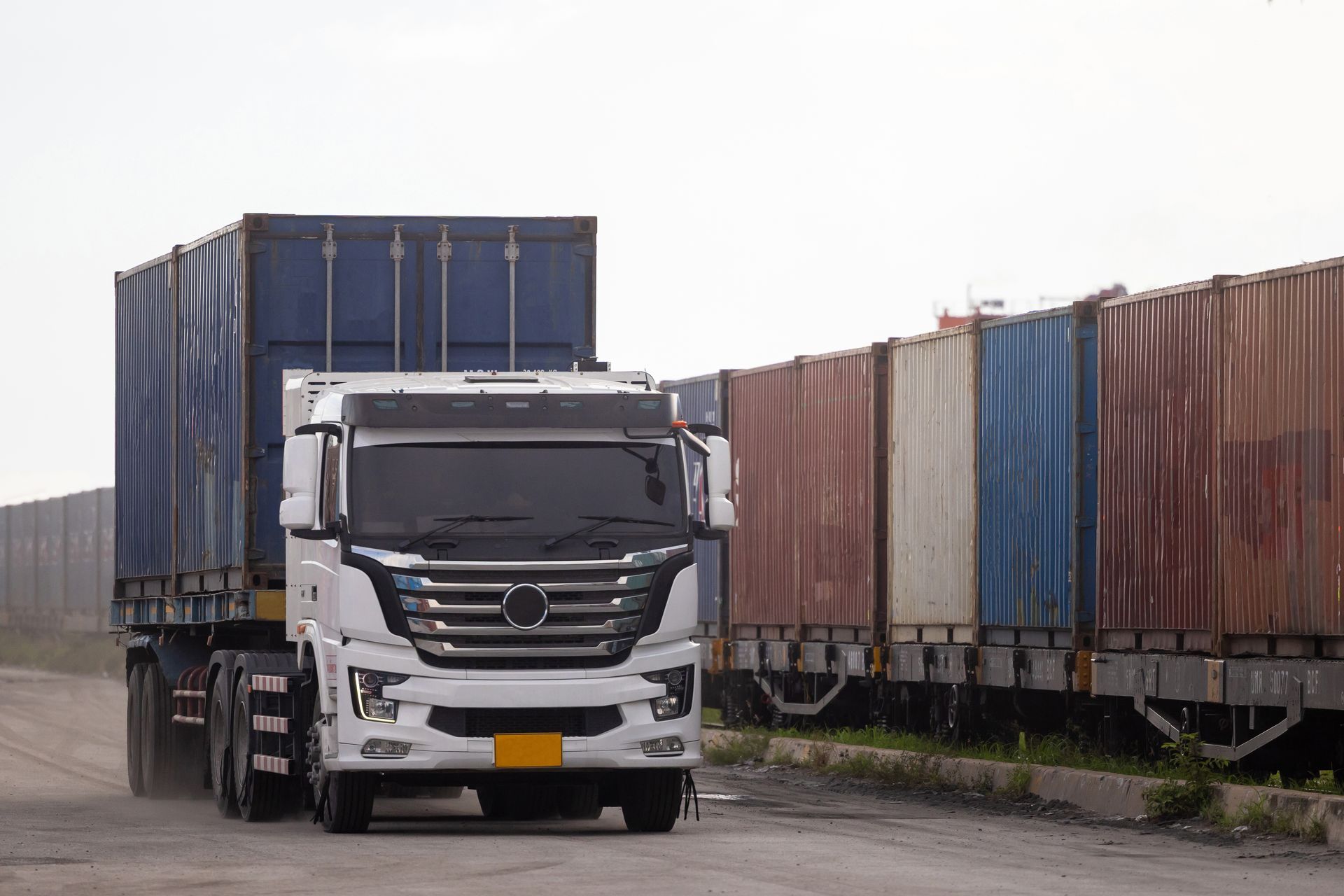
Motor Truck Cargo
Covers household goods and freight during transport from pickup to delivery. Protects against damage, theft, mysterious disappearance, and weather-related losses while cargo is in your care.

General Liability
Protection from third-party claims for bodily injury and property damage at customer homes, job sites, and your own facility. Essential coverage for every transportation operation

Warehouse Legal Liability
Coverage for customer property while stored in your facility. Protects against damage, theft, fire, and water damage to goods in your care, custody, or control.

Workers' Compensation
Medical care and wage replacement for employees injured on the job. Required in most states for transportation and warehouse work where physical labor creates higher injury risk.

Umbrella & Excess Liability
Higher liability limits stacked on top of your primary policies. Helps meet large contract requirements and protects your business assets against major claims and lawsuits.
Specialized Knowledge
Industries We Protect
Focused coverage for transportation and logistics businesses

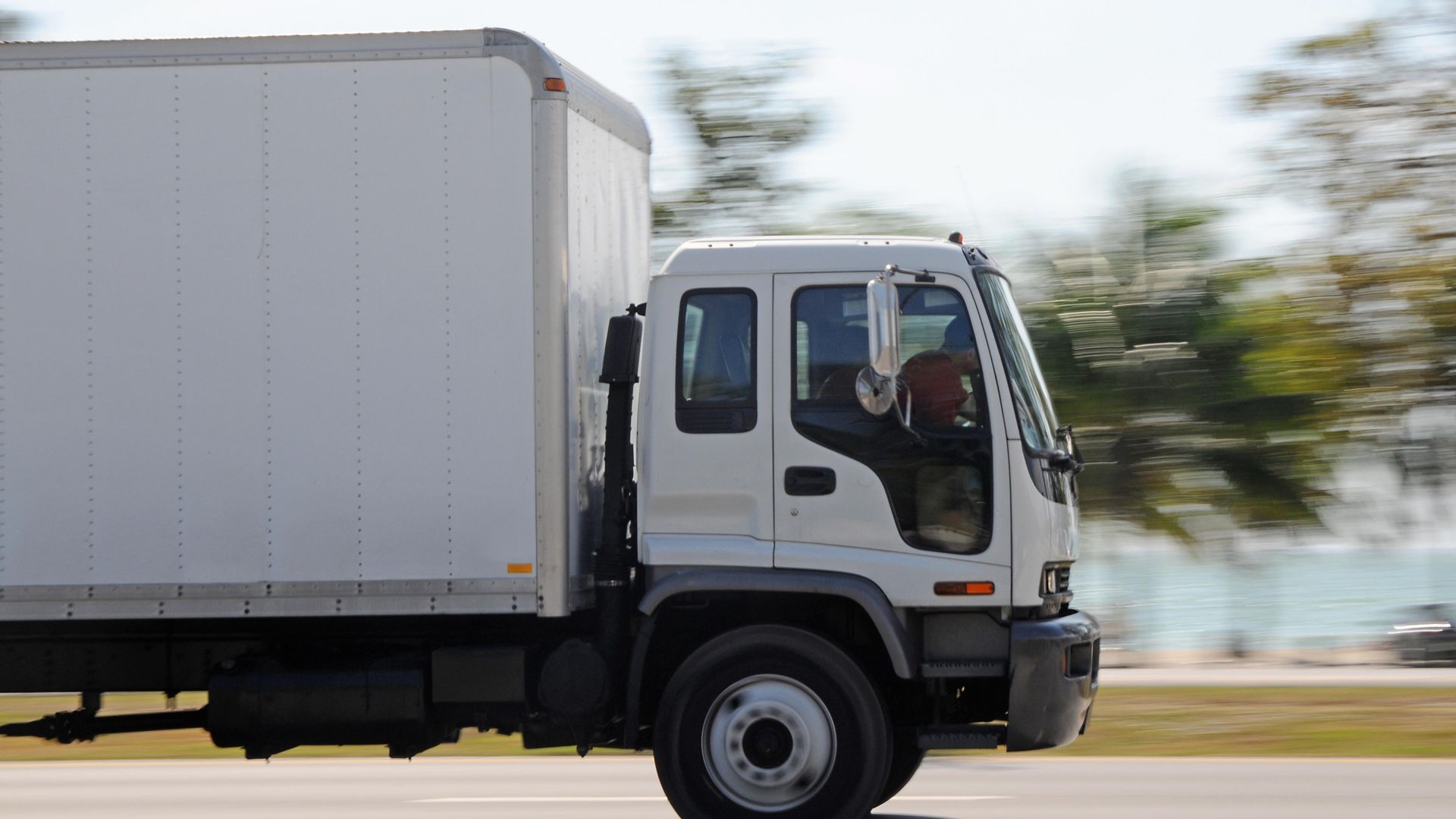

Simple and Clear
How Our Process Works
Our process to get you covered
Connect With Us
Reach out through our form or by phone to share your business needs and current coverage situation.
Get Coverage Options
We review your risks, compare carriers, and present clear quotes with plain-language explanations.
Stay Protected
You choose your plan, and we provide ongoing support for certificates, claims, and renewals.
Trusted by Businesses
Feedback That Reflects Service and Reliability
What our clients say about working with Champion Risk
Answers You Need
Frequently Asked Questions
Common questions about transportation and logistics insurance




What insurance does a transportation company need to operate legally?
Motor carriers that cross state lines must meet FMCSA requirements. You need a minimum of $750,000 in liability coverage, plus a BMC-91 filing that proves your insurance to the federal government. Cargo coverage is also required, with minimums that depend on the type of goods you transport.
Intrastate operators follow state-specific rules. California, Texas, and Florida each have different requirements. Champion Risk handles both federal and state filings. We make sure your coverage meets legal minimums and your certificates reach the right agencies.
How much does commercial transportation insurance cost?
Premiums depend on your fleet size, driving records, cargo values, and claims history. A small operation with two trucks might pay $8,000 to $15,000 per year. A larger carrier with ten trucks could pay $50,000 to $100,000 or more.
The best way to control costs is working with a broker who knows transportation insurance. We find carriers that specialize in your exact operation type. This often results in better rates than going direct or using a general agent who doesn't understand the industry.
What is a BMC-91 filing and why do I need one?
A BMC-91 is a form your insurance company files with the FMCSA. It proves you carry the required liability coverage to operate as a for-hire motor carrier. Without an active BMC-91, your operating authority can be revoked.
Champion Risk works with carriers who file electronically. Your BMC-91 typically posts within 24 to 48 hours of binding coverage. We monitor your filing status and alert you if anything needs attention.
Does my warehouse or storage facility need different insurance than a trucking operation?
Yes. Storage facilities need warehouse legal liability coverage. This protects you when customer property is damaged or stolen while in your care. Standard general liability policies exclude this exposure.
You may also need property coverage for your building, equipment breakdown protection, and business income coverage if a fire or disaster shuts down operations. Champion Risk builds storage facility programs that address all these risks in one package.
Can you insure last-mile delivery drivers who use their own vehicles?
Yes. We offer hired and non-owned auto coverage for delivery operations that use independent contractors or employees driving personal vehicles. This fills gaps that personal auto policies don't cover during commercial use.
We also provide occupational accident coverage for 1099 drivers who aren't eligible for workers' comp. This protects your drivers and limits your liability exposure when accidents happen.
How fast can I get proof of insurance for a new contract?
Same day in most cases. Once we bind your policy, we issue certificates of insurance within hours. If your contract requires specific additional insured language or special endorsements, we coordinate directly with the carrier.
Rush requests happen often in this industry. General contractors and corporate clients demand certificates before they let you on site. Champion Risk prioritizes fast turnaround because we know your revenue depends on it.

Answers You Need
Transportation & Logistics Insurance Resources
Articles designed to inform and support your business
Contact Us
Phone Number:
Email Address:
Location:
12264 El Camino Real, Suite 350
San Diego, CA 92130
Hours:
Monday – Friday: 8:00 AM – 6:00 PM PT