
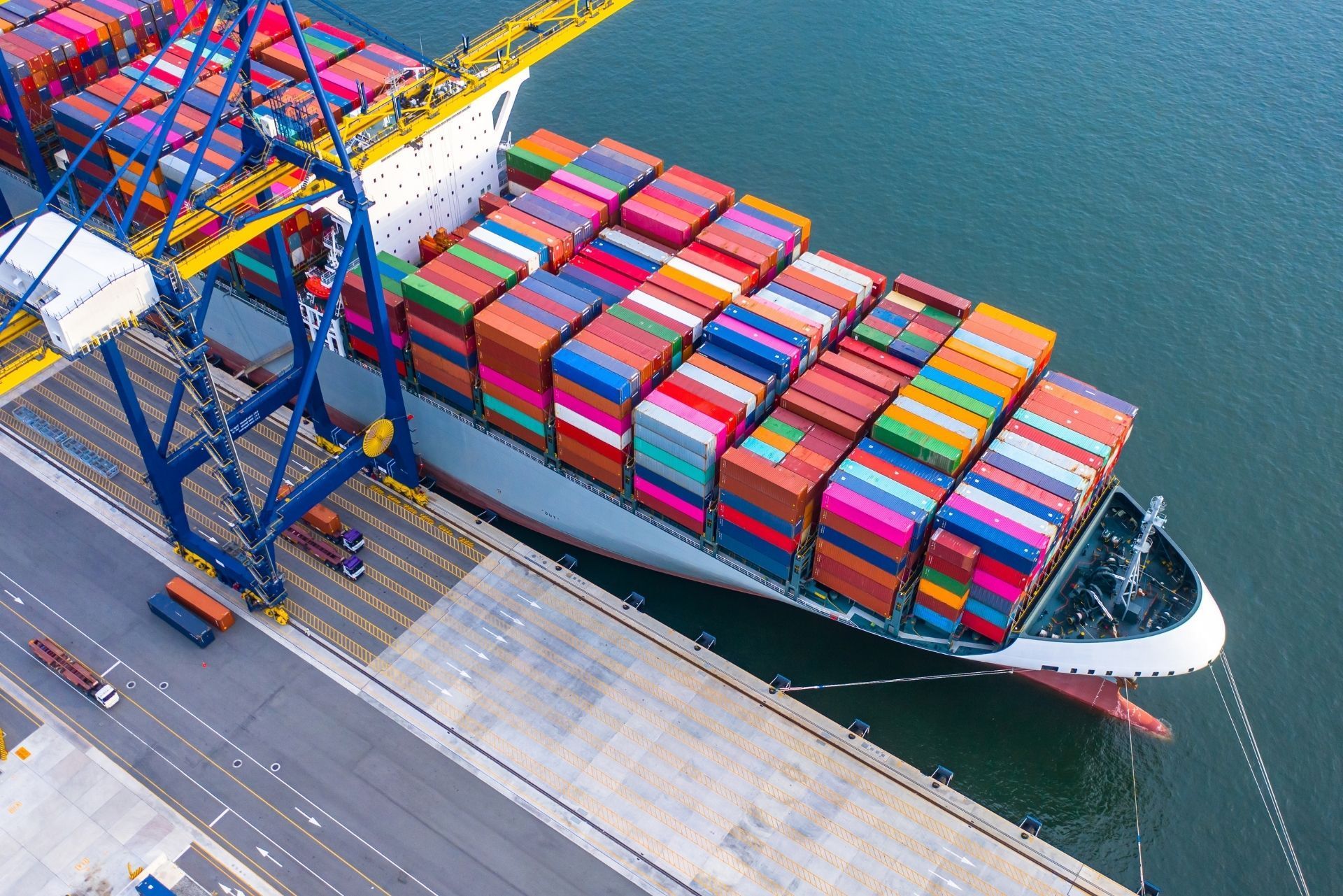
Running a trucking or logistics operation in New Hampshire means dealing with narrow mountain roads, unpredictable winter conditions, and the constant flow of freight between Boston's ports and northern New England distribution centers. One underinsured accident on I-93 during a February ice storm can end a small carrier's business overnight. That's not fear-mongering: it's the reality I've seen play out for operators who treated insurance as an afterthought rather than a core business expense.
Transportation and logistics insurance in New Hampshire comes with its own set of requirements, cost factors, and coverage considerations that differ from neighboring states. The good news? More than 30 new insurance companies entered the New Hampshire market in 2025, creating real competition that benefits carriers shopping for better rates. The challenge is understanding what you actually need versus what agents try to sell you.
Whether you're hauling lumber from the North Country, running refrigerated loads to grocery chains, or managing last-mile delivery in Manchester, this guide breaks down the coverage types, state mandates, and cost factors that directly affect your bottom line.
Understanding New Hampshire's Transport Insurance Landscape
New Hampshire's transportation insurance market reflects the state's unique position as a corridor between major Northeast markets. The Granite State sees significant through-traffic from Canadian border crossings, making it a hub for both local and interstate operations. This dual nature creates distinct insurance considerations depending on your operating authority.
The state's "Live Free or Die" philosophy extends partially to insurance regulations, but not as far as many operators assume. While New Hampshire famously doesn't require personal auto insurance for private vehicles, commercial carriers face strict financial responsibility requirements that mirror federal standards.
Key Differences for Local vs. Interstate Carriers
Local carriers operating exclusively within New Hampshire face different insurance thresholds than those crossing state lines. Intrastate haulers must meet state-specific minimums, which can be lower than FMCSA requirements but still substantial for small operators.
Interstate carriers registered with the FMCSA need to maintain BMC-91 filings proving adequate liability coverage, typically $750,000 to $1 million depending on cargo type. Hazmat carriers face even higher requirements, sometimes reaching $5 million.
The practical difference shows up in premiums. In 2024, local commercial truck insurance premiums averaged around $6,817, while national premiums hit $11,390 in New Hampshire. That gap reflects the increased risk exposure and regulatory complexity of crossing state lines.
The Role of the NH Department of Safety
The New Hampshire Department of Safety oversees commercial vehicle registration and insurance compliance through its Division of Motor Vehicles. They verify that carriers maintain required coverage before issuing operating authority.
One quirk worth noting: New Hampshire requires uninsured motorist coverage, which catches some operators off guard.
The state mandates $25,000 per person and $50,000 per accident in uninsured motorist protection. This requirement exists because New Hampshire doesn't mandate personal auto insurance, meaning you're more likely to encounter uninsured drivers here than in Massachusetts or Vermont.

By: Mark Raby
Chief Executive Officer at Champion Risk & Insurance Services
Essential Coverage Types for Logistics Businesses
Building the right insurance portfolio means understanding what each coverage type actually protects. Too many carriers buy whatever their agent recommends without questioning whether it fits their specific operation.
Primary Auto Liability and Motor Truck Cargo
Primary auto liability covers damage and injuries you cause to others. This is non-negotiable: you cannot legally operate without it. The question is how much you need beyond minimums.
Motor truck cargo insurance protects the freight you're hauling. Standard policies cover theft, collision damage, and certain weather events. However, exclusions matter enormously here. Many policies exclude refrigeration breakdown, contamination, or mysterious disappearance. If you're hauling pharmaceuticals, produce, or high-value electronics, read the fine print carefully.
As of January 2026, the average annual commercial truck insurance premium in New Hampshire sits at $3,445, though this figure varies dramatically based on coverage limits and operational specifics.
General Liability and Property Insurance
General liability covers incidents that happen off the road: a driver damaging a loading dock, someone tripping over equipment at your facility, or claims arising from your business operations beyond driving.
Property insurance protects your physical assets like terminals, warehouses, and maintenance facilities. For owner-operators working from home, this might seem unnecessary, but even a small garage operation has equipment worth protecting.
Contingent Cargo and Professional Liability
Contingent cargo insurance matters most for freight brokers and logistics companies that don't physically haul goods. It kicks in when a carrier's primary cargo policy fails to cover a loss. Champion Risk often helps brokers structure contingent coverage that fills gaps without duplicating existing protection.
Professional liability, sometimes called errors and omissions coverage, protects against claims arising from mistakes in your professional services. A broker who books the wrong carrier, misses a delivery deadline, or provides incorrect shipping instructions can face significant claims that standard liability policies won't cover.
State-Specific Mandates and Financial Responsibility
New Hampshire's regulatory framework combines state-level requirements with federal FMCSA compliance for interstate carriers. Understanding both layers prevents costly compliance gaps.
New Hampshire Workers' Compensation Requirements
New Hampshire requires workers' compensation coverage for all employers with one or more employees. This includes truck drivers, warehouse workers, and administrative staff. The only exception applies to sole proprietors with no employees, who can opt out of coverage for themselves.
Premiums for transportation workers tend to run higher than office jobs due to the physical nature of the work and injury frequency. Expect to pay between $8 and $15 per $100 of payroll for drivers, depending on your experience modification rate and claims history.
Minimum Liability Limits for Intrastate Haulers
New Hampshire's minimum liability requirements for intrastate carriers depend on vehicle weight and cargo type. General freight carriers operating vehicles over 10,001 pounds typically need at least $300,000 in liability coverage. Hazardous materials haulers face higher thresholds.
| Carrier Type | Minimum Liability | Cargo Coverage |
|---|---|---|
| General Freight (Intrastate) | $300,000 | Varies by contract |
| General Freight (Interstate) | $750,000 | $100,000+ typical |
| Hazmat (Interstate) | $1,000,000 - $5,000,000 | Higher limits required |
| Household Goods | $300,000 | Based on declared value |
These minimums represent floors, not recommendations. Most shippers and brokers require higher limits before booking loads, making $1 million the practical standard for most operations.

Understanding what drives your premiums helps you control costs strategically rather than just shopping for the cheapest quote.
Impact of Safety Ratings and Driving Records
Your CSA scores and driver MVRs directly influence what insurers charge. A carrier with satisfactory safety ratings and clean driving records might pay half what a carrier with recent violations pays for identical coverage.
Insurers pull FMCSA data during underwriting. High scores in the Unsafe Driving, Hours of Service, or Crash Indicator categories trigger premium increases or outright declinations. Some insurers won't touch carriers with conditional or unsatisfactory safety ratings at any price.
Individual driver records matter equally. A single DUI or multiple moving violations can make a driver uninsurable, forcing you to choose between that employee and affordable coverage.
Equipment Type and Operating Radius
What you drive and where you drive it shapes your risk profile. Older trucks without modern safety features cost more to insure. Specialized equipment like tankers or flatbeds carries different risk characteristics than dry vans.
Operating radius creates perhaps the biggest premium variation.
Monthly premiums average around $421 for $1 million in liability coverage, but local operations staying within 50 miles of home pay significantly less than long-haul carriers running coast to coast.
Risk Management and Securing Better Rates
The carriers paying the lowest premiums aren't just shopping aggressively: they're actively managing risk in ways insurers reward.
Implementing Telematics and Safety Protocols
Telematics systems that track speed, braking, and hours of service give insurers confidence in your operation. Many carriers see 5-15% premium reductions after installing ELDs with telematics capabilities and demonstrating consistent safe driving patterns.
Documented safety programs also matter. Written policies covering pre-trip inspections, drug testing, and accident response show underwriters you take risk management seriously. Champion Risk works with carriers to develop safety documentation that satisfies underwriting requirements while actually improving operational safety.
Dash cameras have become nearly standard for serious risk management. Forward-facing cameras protect against fraudulent claims, while driver-facing cameras (though unpopular with some drivers) demonstrate commitment to accountability.
Navigating the Insurance Application Process
The application process itself affects your rates. Incomplete applications, missing loss runs, or inconsistent information across forms raise red flags that result in higher quotes or declinations.
Gather three years of loss runs before shopping. Know your exact operating radius, commodity types, and driver roster. Be honest about past claims: insurers verify this information, and misrepresentations void policies when you need them most.
Frequently Asked Questions
How much does commercial truck insurance cost in New Hampshire? Expect to pay between $3,445 and $11,390 annually depending on whether you run local or national routes. Monthly costs average around $421 for $1 million in liability coverage.
Does New Hampshire require cargo insurance? The state doesn't mandate cargo coverage, but most shippers and brokers require it contractually. Standard limits range from $100,000 to $250,000 depending on freight type.
Can I operate without workers' compensation insurance? Only if you're a sole proprietor with zero employees. Once you hire anyone, including part-time workers, you need coverage.
What happens if I get in an accident with an uninsured driver? Your required uninsured motorist coverage kicks in, providing up to $25,000 per person and $50,000 per accident in protection.
Do I need different insurance for hazmat loads? Yes. Hazmat carriers face liability minimums between $1 million and $5 million depending on the materials transported.
Making the Right Coverage Decisions
Getting transportation and logistics insurance right in New Hampshire means balancing regulatory compliance with practical business protection. The state's requirements set minimum standards, but smart operators build coverage that actually protects their investment and livelihood.
Start by understanding your specific exposure: where you operate, what you haul, and who works for you. Then work with specialists who understand trucking rather than generalist agents who treat commercial auto like personal auto with bigger vehicles. The premium differences between carriers can reach 40% for identical coverage, making thorough shopping essential.
Your next step should be gathering your current policy documents, loss runs, and safety records. Contact Champion Risk to review your coverage against your actual needs and current market rates.
About the Author:
Mark Raby
I am a seasoned insurance professional with over 30 years of experience in the industry. I lead Champion Risk & Insurance Services, a San Diego-based brokerage with nationwide reach and strong influence in the insurance marketplace. My core competencies include insurance agency M&A deals, captives and alternative risk structures, and commercial property and casualty insurance for clients in the transportation and logistics industries. I am a former president of IIAB San Diego and hold a Bachelor of Science in Finance from Western Michigan University’s Haworth College of Business.
Protection for Transportation Operations
Business Insurance for Transportation & Logistics Companies
Coverage designed specifically for transportation businesses
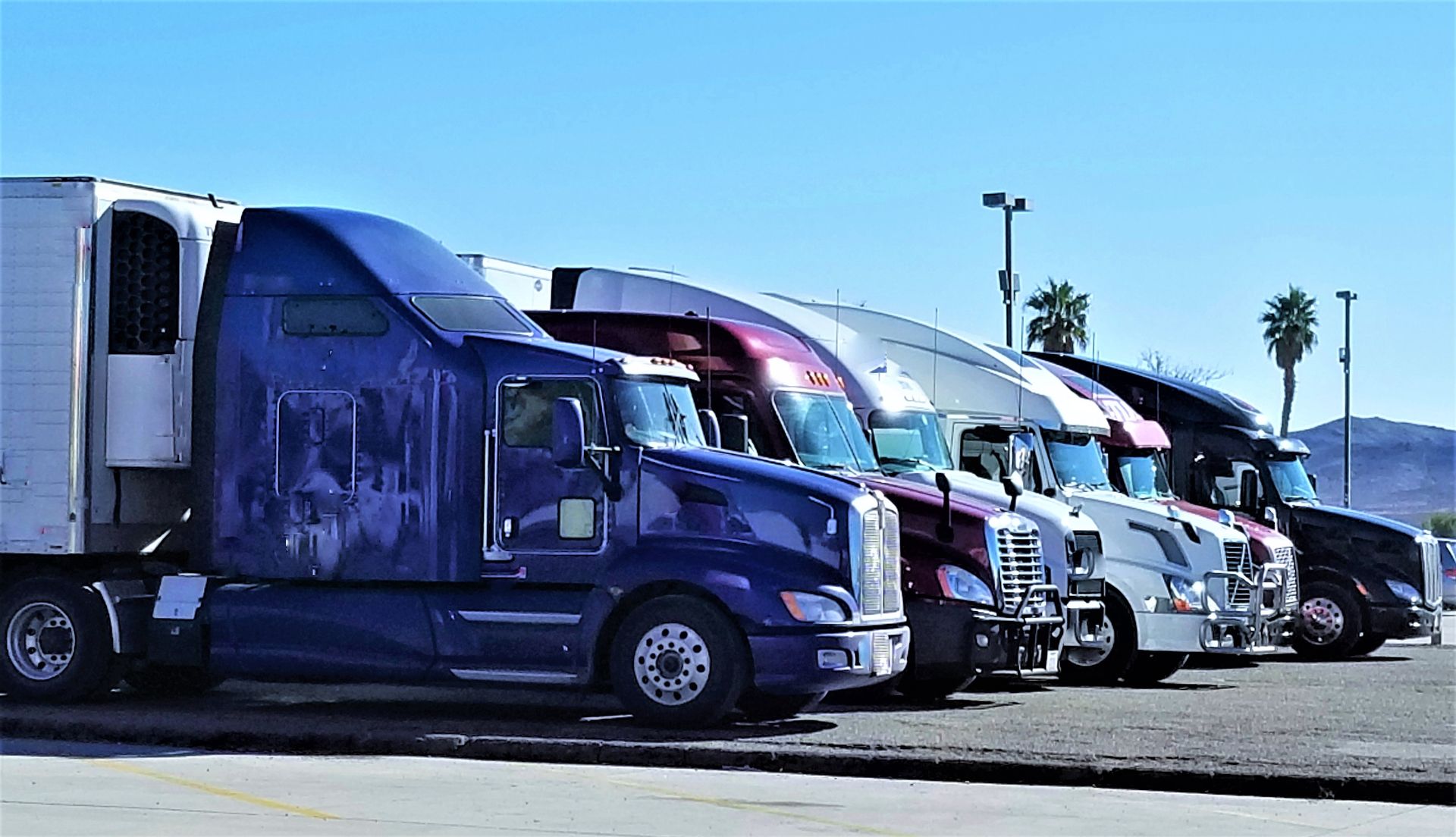
Commercial Auto & Trucking
Protection for your fleet including box trucks, moving vans, and trailers. Covers liability, collision, physical damage, and hired or non-owned vehicles used in your operations.
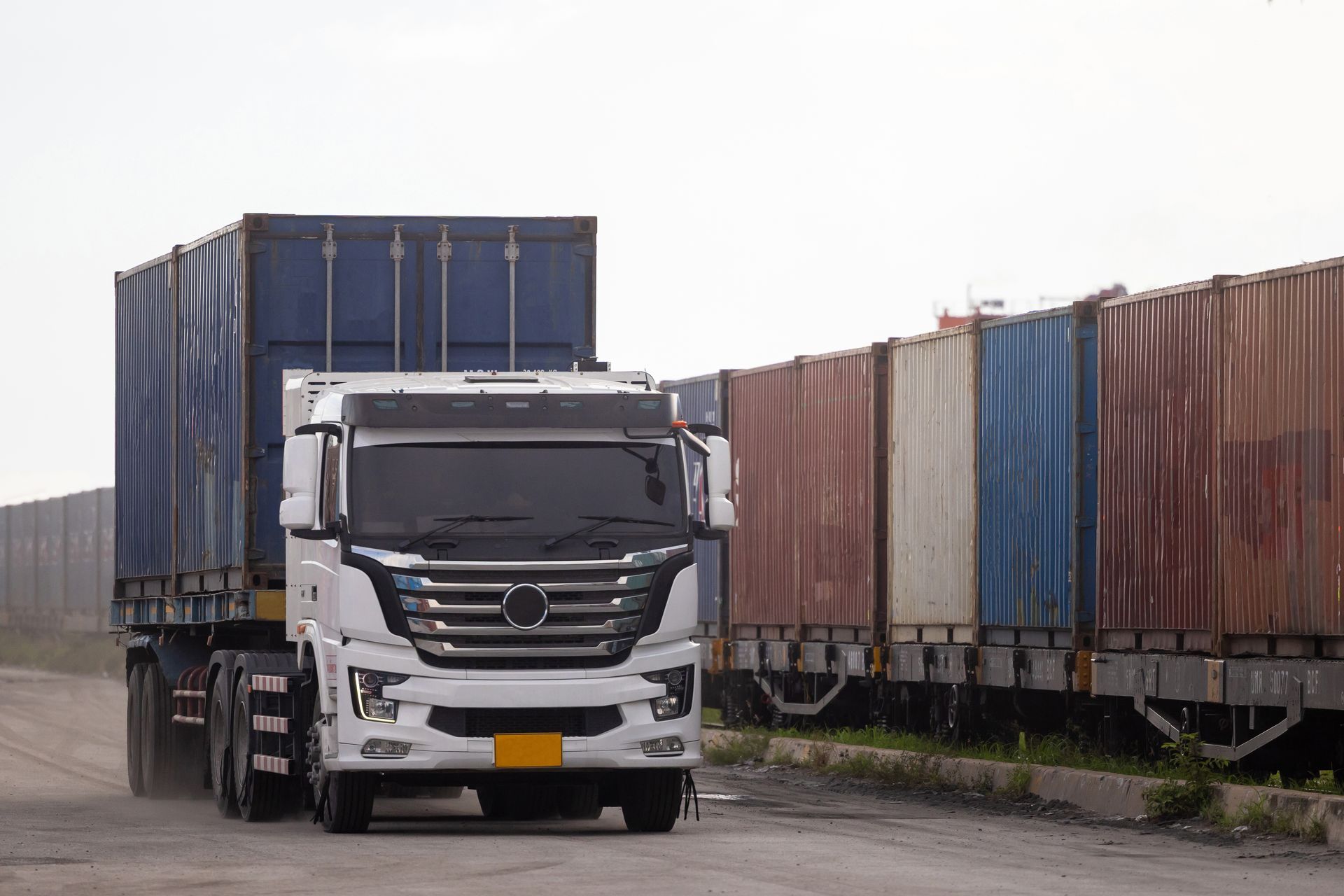
Motor Truck Cargo
Covers household goods and freight during transport from pickup to delivery. Protects against damage, theft, mysterious disappearance, and weather-related losses while cargo is in your care.

General Liability
Protection from third-party claims for bodily injury and property damage at customer homes, job sites, and your own facility. Essential coverage for every transportation operation

Warehouse Legal Liability
Coverage for customer property while stored in your facility. Protects against damage, theft, fire, and water damage to goods in your care, custody, or control.

Workers' Compensation
Medical care and wage replacement for employees injured on the job. Required in most states for transportation and warehouse work where physical labor creates higher injury risk.

Umbrella & Excess Liability
Higher liability limits stacked on top of your primary policies. Helps meet large contract requirements and protects your business assets against major claims and lawsuits.
Specialized Knowledge
Industries We Protect
Focused coverage for transportation and logistics businesses

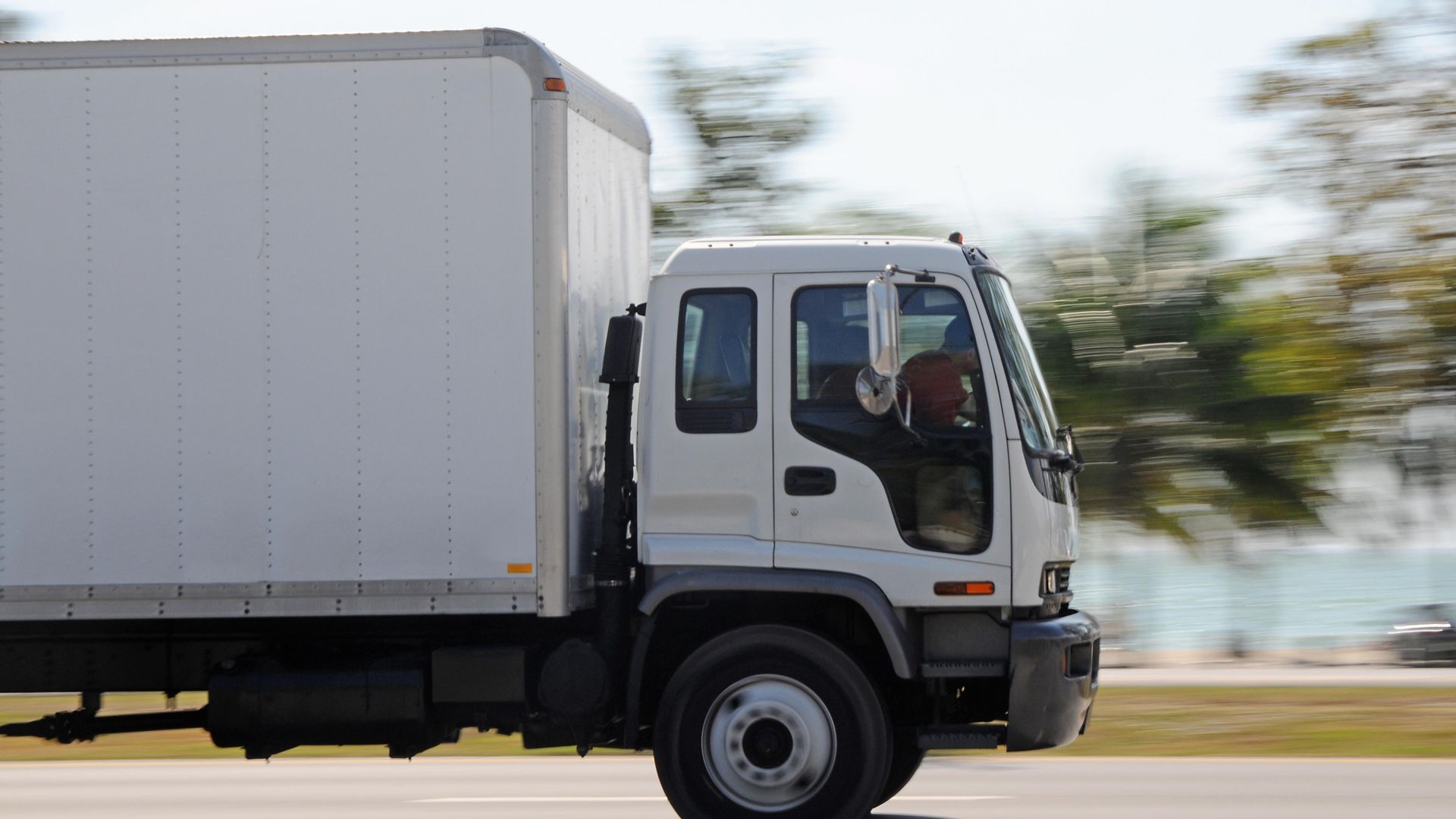

Simple and Clear
How Our Process Works
Our process to get you covered
Connect With Us
Reach out through our form or by phone to share your business needs and current coverage situation.
Get Coverage Options
We review your risks, compare carriers, and present clear quotes with plain-language explanations.
Stay Protected
You choose your plan, and we provide ongoing support for certificates, claims, and renewals.
Trusted by Businesses
Feedback That Reflects Service and Reliability
What our clients say about working with Champion Risk
Answers You Need
Frequently Asked Questions
Common questions about transportation and logistics insurance




What insurance does a transportation company need to operate legally?
Motor carriers that cross state lines must meet FMCSA requirements. You need a minimum of $750,000 in liability coverage, plus a BMC-91 filing that proves your insurance to the federal government. Cargo coverage is also required, with minimums that depend on the type of goods you transport.
Intrastate operators follow state-specific rules. California, Texas, and Florida each have different requirements. Champion Risk handles both federal and state filings. We make sure your coverage meets legal minimums and your certificates reach the right agencies.
How much does commercial transportation insurance cost?
Premiums depend on your fleet size, driving records, cargo values, and claims history. A small operation with two trucks might pay $8,000 to $15,000 per year. A larger carrier with ten trucks could pay $50,000 to $100,000 or more.
The best way to control costs is working with a broker who knows transportation insurance. We find carriers that specialize in your exact operation type. This often results in better rates than going direct or using a general agent who doesn't understand the industry.
What is a BMC-91 filing and why do I need one?
A BMC-91 is a form your insurance company files with the FMCSA. It proves you carry the required liability coverage to operate as a for-hire motor carrier. Without an active BMC-91, your operating authority can be revoked.
Champion Risk works with carriers who file electronically. Your BMC-91 typically posts within 24 to 48 hours of binding coverage. We monitor your filing status and alert you if anything needs attention.
Does my warehouse or storage facility need different insurance than a trucking operation?
Yes. Storage facilities need warehouse legal liability coverage. This protects you when customer property is damaged or stolen while in your care. Standard general liability policies exclude this exposure.
You may also need property coverage for your building, equipment breakdown protection, and business income coverage if a fire or disaster shuts down operations. Champion Risk builds storage facility programs that address all these risks in one package.
Can you insure last-mile delivery drivers who use their own vehicles?
Yes. We offer hired and non-owned auto coverage for delivery operations that use independent contractors or employees driving personal vehicles. This fills gaps that personal auto policies don't cover during commercial use.
We also provide occupational accident coverage for 1099 drivers who aren't eligible for workers' comp. This protects your drivers and limits your liability exposure when accidents happen.
How fast can I get proof of insurance for a new contract?
Same day in most cases. Once we bind your policy, we issue certificates of insurance within hours. If your contract requires specific additional insured language or special endorsements, we coordinate directly with the carrier.
Rush requests happen often in this industry. General contractors and corporate clients demand certificates before they let you on site. Champion Risk prioritizes fast turnaround because we know your revenue depends on it.

Answers You Need
Transportation & Logistics Insurance Resources
Articles designed to inform and support your business
Contact Us
Phone Number:
Email Address:
Location:
12264 El Camino Real, Suite 350
San Diego, CA 92130
Hours:
Monday – Friday: 8:00 AM – 6:00 PM PT