
Augusta sits at a crossroads, literally. With I-20 connecting Atlanta to the coast, the Savannah River providing waterway access, and a growing industrial base that includes cyber technology and manufacturing, this city has become a genuine hub for moving goods. That positioning creates opportunity for transportation and logistics companies, but it also creates exposure. A single accident, a cargo claim, or a compliance violation can devastate an operation that took years to build.
The challenge for Augusta-based carriers and logistics providers is finding coverage that actually fits their operations. Generic policies leave gaps. Insufficient limits invite financial ruin. And the regulatory landscape, spanning both Georgia state requirements and federal FMCSA mandates, punishes non-compliance harshly.
Non-compliance with DOT regulations in Georgia can result in fines up to $15,000 per infraction and an additional $10,000 for each day the offense continues. Getting transportation and logistics insurance right in Augusta means understanding local requirements, federal rules, and the specific risks your operation faces daily.
The Evolving Logistics Landscape in Augusta, Georgia
Augusta's Role as a Regional Transportation Hub
Augusta has quietly emerged as a logistics center that punches above its weight. The city's position along I-20 makes it a natural stopping point between Atlanta and coastal ports. Fort Eisenhower (formerly Fort Gordon) has driven population growth and created demand for everything from construction materials to consumer goods. The cyber corridor brings high-value technology shipments that require specialized handling.
Local carriers handle diverse freight: agricultural products from surrounding counties, manufacturing components for regional plants, and retail goods for a metropolitan area approaching 600,000 people. That diversity means exposure to different risk profiles, from refrigerated produce runs to flatbed hauls of heavy equipment.
Why Local Businesses Need Specialized Insurance
A trucking company running regional routes faces different risks than a logistics broker coordinating shipments or a last-mile delivery service handling e-commerce packages. Cookie-cutter policies miss these distinctions. A carrier hauling hazardous materials needs different coverage than one transporting furniture. A logistics provider arranging freight without touching it has liability exposure that traditional trucking policies don't address.
Augusta's transportation businesses also face local considerations: seasonal weather patterns, specific route hazards, and the particular mix of urban and rural driving their operations require. Working with insurers who understand these nuances, like Champion Risk, often means better coverage at more competitive rates.


By: Mark Raby
Chief Executive Officer at Champion Risk & Insurance Services
Core Insurance Coverages for Augusta Transportation Companies
Commercial Auto and Motor Truck Cargo Liability
Commercial auto liability forms the foundation of any trucking insurance program. This coverage responds when your vehicles cause bodily injury or property damage to others. For Augusta carriers, this means protection when accidents happen on I-20, on rural county roads, or in congested downtown areas.
Motor truck cargo liability covers the freight you're hauling. If goods are damaged, stolen, or lost during transport, this coverage pays the shipper. Cargo coverage limits should match the value of what you typically haul. A carrier moving high-value electronics needs higher limits than one hauling gravel.
Physical damage coverage protects your own vehicles from collision, theft, vandalism, and weather damage. Given Augusta's occasional severe storms and the investment modern trucks represent, skipping this coverage rarely makes financial sense.
General Liability and Logistics Errors & Omissions
General liability covers claims arising from your business operations beyond vehicle use: slip-and-fall injuries at your terminal, damage to a customer's property during loading, or advertising injuries. Every transportation company needs this baseline protection.
For logistics providers and freight brokers, errors and omissions coverage fills a critical gap. If you arrange transportation and something goes wrong, a shipper's first call is to you. E&O coverage responds to claims of professional negligence, missed pickups, incorrect routing, or documentation errors that cause financial harm to clients.
Workers' Compensation for Georgia-Based Drivers
Georgia requires workers' compensation coverage for employers with three or more employees. For transportation companies, this coverage matters enormously. Driving is inherently risky work, and injuries from accidents, loading incidents, or repetitive strain are common.
Workers' comp pays medical expenses and lost wages when employees are hurt on the job. It also protects employers from lawsuits by injured workers. Given that driver injuries can result in six-figure medical bills, operating without adequate workers' compensation is gambling with your company's survival.
Georgia State Requirements and Federal Compliance
Minimum Liability Limits in Georgia
Georgia mandates specific minimum coverage for commercial vehicles operating within state borders. For commercial vehicles over 10,000 lbs operating intrastate, Georgia requires $100,000 per person for bodily injury, $300,000 per accident for bodily injury, and $50,000 for property damage.
Augusta has additional local requirements worth noting. Commercial Personal Transportation Vehicle operators in Augusta must carry at least $200,000 of liability insurance coverage. These local mandates can catch operators off guard if they're only focused on state minimums.
That said, minimum limits are exactly that: minimums. They represent the floor, not the ceiling. A serious accident easily exceeds these amounts, leaving underinsured carriers personally liable for the difference.
FMCSA Filings and Interstate Regulations
Carriers crossing state lines face federal requirements that supersede state minimums. The FMCSA requires a minimum of $750,000 combined single limit for general freight carriers with vehicles over 10,001 lbs GVW. Hazmat carriers need even higher limits, ranging from $1 million to $5 million depending on cargo type.
Federal compliance involves more than just carrying adequate insurance. Carriers must file proof of coverage (Form BMC-91 or BMC-34) with the FMCSA. Operating authority can be revoked if coverage lapses. Champion Risk helps Augusta carriers navigate these filing requirements, ensuring continuous compliance.
Factors Influencing Transportation Insurance Costs in Augusta
Fleet Size, Radius of Operation, and Cargo Type
Insurance pricing reflects risk, and several factors determine what Augusta transportation companies pay. The average cost for commercial truck insurance in Georgia runs around $15,890, with most premiums ranging from $12,406 to $17,705 for single-truck operations.
Fleet size matters, but not always how you'd expect. Larger fleets often get better per-unit rates due to spread of risk and volume discounts. Operating radius significantly impacts pricing: local Augusta operations typically cost less to insure than long-haul routes crossing multiple states.
Cargo type drives substantial premium differences. General commodities cost less to insure than refrigerated goods, which cost less than hazardous materials. High-value freight like electronics or pharmaceuticals commands higher cargo coverage premiums.
The Impact of Safety Records and Driver Experience
Nothing affects insurance costs more than your safety record. Carriers with clean CSA scores, few accidents, and no serious violations pay dramatically less than those with problematic histories. A single serious accident can double premiums for years.
Driver experience and qualifications also matter. Insurers want to see experienced CDL holders with clean MVRs. Companies that hire inexperienced drivers or those with violations pay higher rates. Some insurers won't cover fleets with drivers who have recent DUIs or serious moving violations.
| Factor | Lower Premium Impact | Higher Premium Impact |
|---|---|---|
| Fleet Size | 10+ vehicles (volume discount) | Single truck operations |
| Operating Radius | Local/regional (under 500 miles) | Long-haul interstate |
| Cargo Type | General commodities | Hazmat, high-value goods |
| Safety Record | Clean CSA, no accidents | Violations, accident history |
| Driver Experience | 5+ years, clean MVR | New drivers, violations |
Implementing Telematics and Safety Programs
Industry experts caution against cutting corners on coverage limits, as it can lead to catastrophic financial consequences. The better approach is reducing risk while maintaining adequate protection.
Telematics systems that monitor driving behavior can cut premiums 10-15% with some insurers. These devices track speed, hard braking, and hours of service. The data helps identify risky drivers before accidents happen and demonstrates your commitment to safety during underwriting.
Formal safety programs, including regular training, vehicle maintenance schedules, and documented procedures, signal to insurers that you take risk management seriously. Some carriers have reduced premiums by 20% or more through comprehensive safety initiatives.
Working with Local Augusta Insurance Brokers
Independent brokers who understand Augusta's transportation market can access multiple carriers and find competitive rates. They know which insurers favor certain cargo types, which offer better rates for regional operations, and which have appetite for newer carriers.
Champion Risk specializes in helping Augusta transportation companies find appropriate coverage at competitive prices. A broker relationship also helps during claims, with an advocate who understands your policy and can push back on unfair denials.
Frequently Asked Questions
What insurance do I need to start a trucking company in Augusta? At minimum, you need commercial auto liability meeting Georgia's requirements, plus FMCSA-mandated coverage if operating interstate. Most lenders also require physical damage coverage, and you'll need workers' comp once you have three employees.
How much does truck insurance cost in Augusta? Single-truck operations typically pay between $12,000 and $18,000 annually in Georgia. Your specific rate depends on cargo type, operating radius, safety record, and driver experience.
Do I need cargo insurance if I'm a freight broker? Brokers don't typically carry motor truck cargo coverage since they don't possess freight. You need contingent cargo coverage and errors & omissions insurance instead.
What happens if my insurance lapses while I have active operating authority? The FMCSA will revoke your operating authority, and you'll face fines for operating without coverage. Reinstatement requires new filings and proof of continuous coverage.
Can I get insurance with a bad safety record?
Yes, but you'll pay significantly more and may be limited to specialty insurers. Improving your record is the only long-term solution to high premiums.
Making the Right Choice for Your Operation
Augusta's transportation companies face a complex insurance landscape where state requirements, federal mandates, and practical risk management intersect. The right coverage protects your business without breaking your budget, but finding that balance requires understanding your specific exposures and working with partners who know this market.
Start by assessing your actual risks, not just minimum requirements. Consider what a serious claim would cost and whether your current limits would cover it. Review your safety practices and driver qualifications for premium reduction opportunities. Most importantly, work with specialists like Champion Risk who understand transportation insurance in Augusta and can advocate for your interests.
About the Author:
Mark Raby
I am a seasoned insurance professional with over 30 years of experience in the industry. I lead Champion Risk & Insurance Services, a San Diego-based brokerage with nationwide reach and strong influence in the insurance marketplace. My core competencies include insurance agency M&A deals, captives and alternative risk structures, and commercial property and casualty insurance for clients in the transportation and logistics industries. I am a former president of IIAB San Diego and hold a Bachelor of Science in Finance from Western Michigan University’s Haworth College of Business.
Protection for Transportation Operations
Business Insurance for Transportation & Logistics Companies
Coverage designed specifically for transportation businesses
Commercial Auto & Trucking
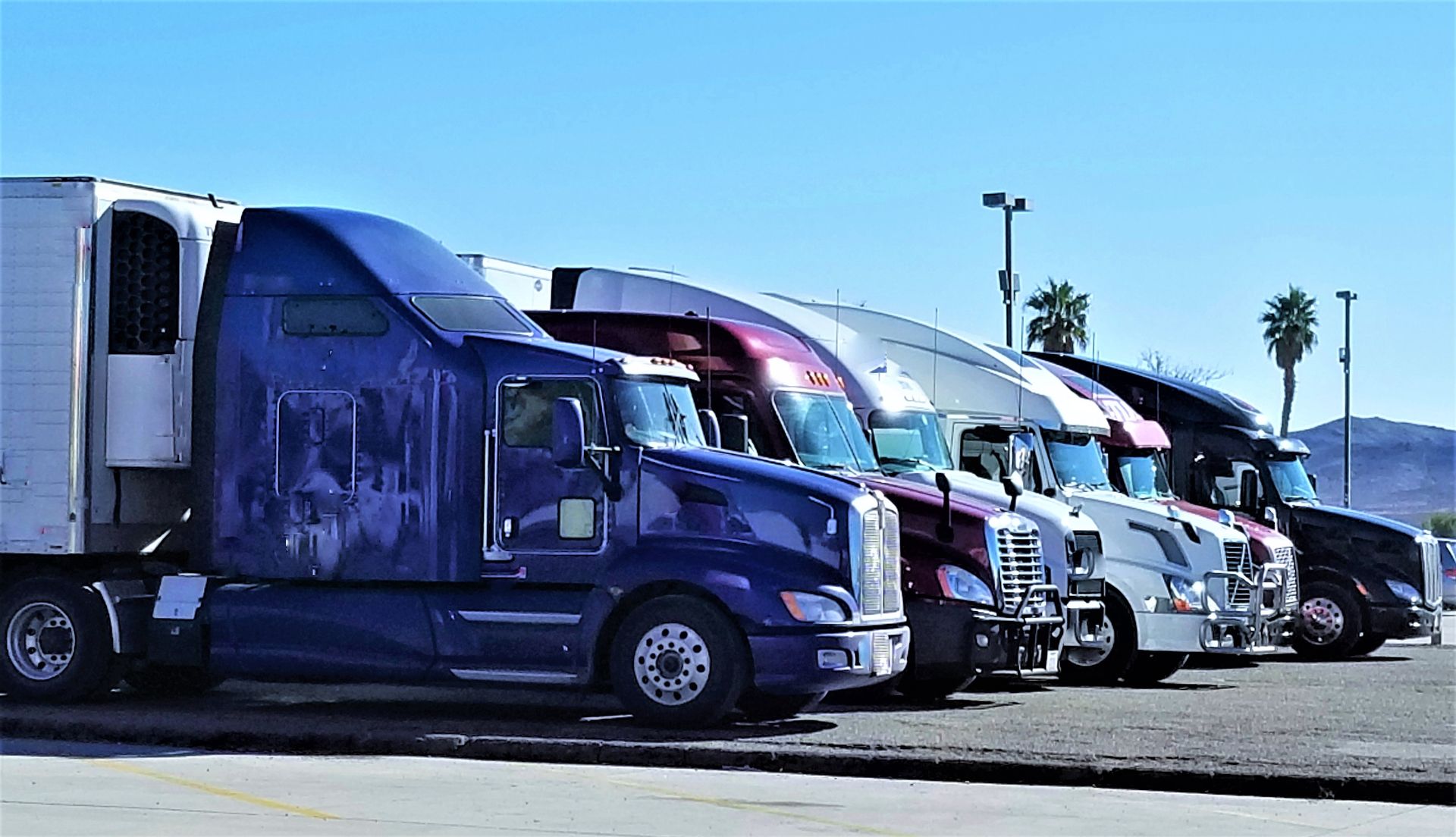
Protection for your fleet including box trucks, moving vans, and trailers. Covers liability, collision, physical damage, and hired or non-owned vehicles used in your operations.
Motor Truck Cargo
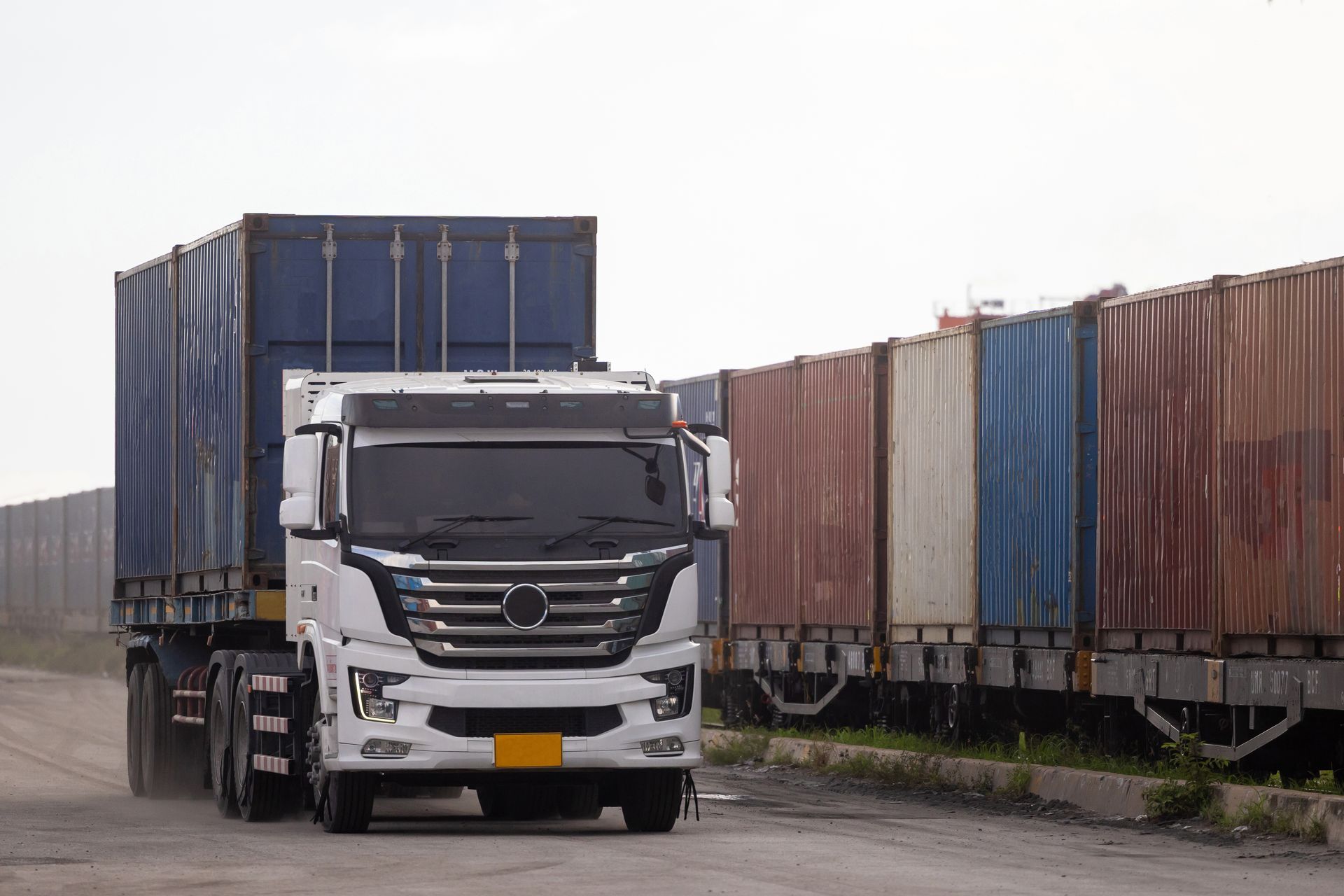
Covers household goods and freight during transport from pickup to delivery. Protects against damage, theft, mysterious disappearance, and weather-related losses while cargo is in your care.

General Liability
Protection from third-party claims for bodily injury and property damage at customer homes, job sites, and your own facility. Essential coverage for every transportation operation

Warehouse Legal Liability
Coverage for customer property while stored in your facility. Protects against damage, theft, fire, and water damage to goods in your care, custody, or control.

Workers' Compensation
Medical care and wage replacement for employees injured on the job. Required in most states for transportation and warehouse work where physical labor creates higher injury risk.

Umbrella & Excess Liability
Higher liability limits stacked on top of your primary policies. Helps meet large contract requirements and protects your business assets against major claims and lawsuits.
Specialized Knowledge
Industries We Protect
Focused coverage for transportation and logistics businesses


Simple and Clear
How Our Process Works
Our process to get you covered
Connect With Us
Reach out through our form or by phone to share your business needs and current coverage situation.
Get Coverage Options
We review your risks, compare carriers, and present clear quotes with plain-language explanations.
Stay Protected
You choose your plan, and we provide ongoing support for certificates, claims, and renewals.
Trusted by Businesses
Feedback That Reflects Service and Reliability
What our clients say about working with Champion Risk
Answers You Need
Frequently Asked Questions
Common questions about transportation and logistics insurance



What insurance does a transportation company need to operate legally?
Motor carriers that cross state lines must meet FMCSA requirements. You need a minimum of $750,000 in liability coverage, plus a BMC-91 filing that proves your insurance to the federal government. Cargo coverage is also required, with minimums that depend on the type of goods you transport.
Intrastate operators follow state-specific rules. California, Texas, and Florida each have different requirements. Champion Risk handles both federal and state filings. We make sure your coverage meets legal minimums and your certificates reach the right agencies.
How much does commercial transportation insurance cost?
Premiums depend on your fleet size, driving records, cargo values, and claims history. A small operation with two trucks might pay $8,000 to $15,000 per year. A larger carrier with ten trucks could pay $50,000 to $100,000 or more.
The best way to control costs is working with a broker who knows transportation insurance. We find carriers that specialize in your exact operation type. This often results in better rates than going direct or using a general agent who doesn't understand the industry.
What is a BMC-91 filing and why do I need one?
A BMC-91 is a form your insurance company files with the FMCSA. It proves you carry the required liability coverage to operate as a for-hire motor carrier. Without an active BMC-91, your operating authority can be revoked.
Champion Risk works with carriers who file electronically. Your BMC-91 typically posts within 24 to 48 hours of binding coverage. We monitor your filing status and alert you if anything needs attention.
Does my warehouse or storage facility need different insurance than a trucking operation?
Yes. Storage facilities need warehouse legal liability coverage. This protects you when customer property is damaged or stolen while in your care. Standard general liability policies exclude this exposure.
You may also need property coverage for your building, equipment breakdown protection, and business income coverage if a fire or disaster shuts down operations. Champion Risk builds storage facility programs that address all these risks in one package.
Can you insure last-mile delivery drivers who use their own vehicles?
Yes. We offer hired and non-owned auto coverage for delivery operations that use independent contractors or employees driving personal vehicles. This fills gaps that personal auto policies don't cover during commercial use.
We also provide occupational accident coverage for 1099 drivers who aren't eligible for workers' comp. This protects your drivers and limits your liability exposure when accidents happen.
How fast can I get proof of insurance for a new contract?
Same day in most cases. Once we bind your policy, we issue certificates of insurance within hours. If your contract requires specific additional insured language or special endorsements, we coordinate directly with the carrier.
Rush requests happen often in this industry. General contractors and corporate clients demand certificates before they let you on site. Champion Risk prioritizes fast turnaround because we know your revenue depends on it.

Answers You Need
Transportation & Logistics Insurance Resources
Articles designed to inform and support your business
Contact Us
Phone Number:
Email Address:
Location:
12264 El Camino Real, Suite 350
San Diego, CA 92130
Hours:
Monday – Friday: 8:00 AM – 6:00 PM PT