
A single claim can wipe out years of profit for a relocation company. I've seen it happen: a high-value corporate move goes sideways, irreplaceable artwork gets damaged, and suddenly the moving company faces a six-figure liability that their basic coverage won't touch. The gap between what most relocation providers carry and what they actually need represents one of the biggest blind spots in the industry.
Relocation company insurance and risk management solutions aren't just about checking compliance boxes. They're about building a protective framework that accounts for the unique exposures this industry faces: high-value cargo, complex supply chains, multiple subcontractors, and corporate clients with exacting standards. The average commercial auto insurance for moving companies runs about $876 per month, while general liability averages $120 monthly. These baseline costs tell only part of the story. What matters is whether your coverage actually responds when something goes wrong.
This guide breaks down what relocation providers genuinely need to know about protecting their operations, from transit protection nuances to specialized coverage options that most brokers never mention.
The Evolution of Liability in Modern Mobility
The relocation industry has transformed dramatically over the past decade. Corporate moves now involve technology assets worth hundreds of thousands of dollars, sensitive employee data, and complex international logistics. Traditional moving company insurance was designed for household goods and basic commercial freight. It wasn't built for what relocation providers handle today.
Modern liability exposure extends far beyond physical damage to cargo. Office relocations increase the risk of data breaches and cyberattacks by 60% due to misconfigured firewalls and unsecured network connections during transitions. As one security expert noted, "Companies often prioritize moving logistics over security, creating opportunities for hackers to access sensitive data." This means relocation providers face potential liability not just for the furniture they move, but for the data breaches that occur during their watch.
The legal landscape has shifted too. Courts increasingly hold relocation companies to higher standards when corporate clients suffer losses. Standard liability limits that seemed adequate five years ago now leave significant gaps.
Supply Chain Risk Mitigation in Employee Relocation
Employee relocation involves a web of interconnected service providers: origin agents, destination agents, customs brokers, storage facilities, and specialized handlers. Each handoff point creates exposure. When a shipment passes through six different parties before reaching its destination, identifying liability becomes complicated.
Effective supply chain risk mitigation starts with contractual clarity. Every vendor agreement should specify insurance requirements, indemnification obligations, and claims procedures. Champion Risk works with relocation providers to audit their vendor networks and identify coverage gaps that could leave them holding the bag when a subcontractor causes damage.
Real-time tracking technology has become essential. Knowing exactly where cargo is and who has custody eliminates disputes about when damage occurred. This documentation protects everyone in the chain and speeds claims resolution.


By: Mark Raby
Chief Executive Officer at Champion Risk & Insurance Services
Understanding Transit Protection and Valuation Models
Valuation vs Insurance for Movers: Key Differences
Here's where most people get confused. Valuation and insurance are not the same thing, and the distinction matters enormously when claims arise.
Valuation is the moving company's liability for loss or damage based on the tariff or contract. Released value protection, the most basic option, limits liability to 60 cents per pound per article. A 50-pound laptop worth $2,000 would yield a maximum recovery of $30. Full value protection increases the mover's liability to repair, replace, or pay current market value, but it's still governed by tariff rules and exclusions.
| Coverage Type | Liability Basis | Typical Limits | Best For |
|---|---|---|---|
| Released Value | Weight-based | $0.60/lb | Low-value shipments |
| Full Value Protection | Replacement cost | Declared value | Standard moves |
| Third-Party Insurance | Actual cash or replacement | Policy limits | High-value corporate |
| Contingent Cargo | Excess coverage | Varies | Complex supply chains |
True insurance operates under different rules entirely. Third-party transit insurance provides broader coverage, fewer exclusions, and claims handled by insurance adjusters rather than moving company claims departments. For high-value corporate relocations, this distinction can mean the difference between full recovery and a fraction of actual loss.
Customizing Transit Protection Plans for Moving Companies
Cookie-cutter transit protection fails relocation providers with specialized operations. A company moving server rooms needs different coverage than one handling residential goods. Fine art requires specific policy endorsements that standard cargo policies don't include.
Transit protection plans for moving companies should address declared value thresholds, deductible structures, and coverage territory. International moves introduce additional complexity: marine cargo insurance, customs bonds, and country-specific requirements all factor into comprehensive protection.
Champion Risk builds customized programs that layer coverage appropriately. The goal is eliminating gaps while avoiding duplicate coverage that wastes premium dollars.
Corporate Relocation Liability Coverage Requirements
Standard Limits and Regulatory Compliance
Corporate clients increasingly mandate specific insurance requirements in their relocation contracts. A Fortune 500 company might require $5 million in general liability, $2 million in auto coverage, and $1 million in professional liability before they'll consider working with a provider.
These aren't arbitrary numbers. Corporate risk managers set requirements based on their own exposure analysis and insurance program structures. Failing to meet them doesn't just cost you the contract; it can expose you to breach claims if you misrepresent your coverage.
Regulatory compliance adds another layer. DOT requirements for motor carriers include minimum insurance levels, but these represent floors, not ceilings. Workers' compensation requirements vary by state, with moving companies typically paying $5 to $15 or more per $100 of payroll due to the physical nature of the work.
Contractual Indemnity and Third-Party Risks
Corporate relocation contracts often contain broad indemnification clauses that shift risk to the relocation provider. These provisions can make you responsible for losses that your insurance policies specifically exclude.
Before signing any corporate contract, have your insurance broker review the indemnification language. Some clauses create uninsurable exposures. Others require specific policy endorsements to ensure coverage responds. The time to identify these issues is before you sign, not after a claim arises.
Third-party risks extend to the vendors you engage. When your origin agent damages a client's property, the corporate client will come after you first. Your contracts with subcontractors need to flow down appropriate insurance requirements and indemnification obligations.

Specialized Insurance Solutions for Relocation Providers
Contingent Cargo Insurance for Relocation Providers
Contingent cargo insurance fills a critical gap for relocation companies that use third-party carriers. When your subcontractor's insurance fails to respond, whether due to policy exclusions, insufficient limits, or carrier insolvency, contingent coverage steps in.
This protection matters most when handling high-value corporate shipments. If a subcontractor's policy has a $100,000 limit and you're moving $500,000 in IT equipment, the gap falls on you without contingent coverage.
Contingent cargo insurance for relocation providers should be structured to respond to both primary carrier failures and limit exhaustion. Premium costs vary based on cargo values and carrier qualification procedures, but the protection proves invaluable when claims exceed subcontractor coverage.
Errors and Omissions (E&O) for Mobility Managers
Relocation management companies face professional liability exposures that traditional moving company policies don't address. When you advise corporate clients on relocation strategies, recommend service providers, or manage complex international moves, you're providing professional services.
E&O coverage protects against claims arising from negligent advice, failure to perform contracted services, and errors in managing the relocation process. A missed deadline that costs a corporate client their new lease, or a vendor recommendation that results in significant losses, can trigger E&O claims.
Claims Management and Operational Best Practices
Standardizing the Claims Resolution Process
Fast, fair claims resolution builds client relationships and reduces litigation exposure. The best relocation providers have documented claims procedures that kick in immediately when damage is reported.
Key elements include 24-hour acknowledgment of claims, standardized documentation requirements, clear timelines for investigation and resolution, and designated decision-makers with settlement authority. Delays and poor communication transform manageable claims into lawsuits.
Property insurance premiums are expected to rise by 10-15% in coming years, making claims management efficiency even more critical. Every dollar saved through effective claims handling directly impacts your bottom line and future premium costs.
Using Technology for Real-Time Asset Tracking
GPS tracking, barcode scanning, and photo documentation have transformed claims management. When every item is photographed at origin and destination, disputes about pre-existing damage largely disappear.
Real-time tracking provides chain-of-custody documentation that identifies exactly when and where damage occurred. This information determines which party bears responsibility and which insurance policy responds. Without it, relocation providers often absorb losses that should fall elsewhere in the supply chain.
Frequently Asked Questions
What insurance does a relocation company legally need? Requirements vary by state and service type, but most need commercial auto, general liability, and workers' compensation at minimum. Corporate clients typically require higher limits than legal minimums.
How is valuation different from cargo insurance? Valuation limits the mover's liability under tariff rules. Insurance provides broader coverage with claims handled by adjusters rather than the moving company.
Do I need E&O insurance if I just move goods? If you provide consulting, coordination, or management services beyond physical moving, E&O coverage protects against professional liability claims.
What's contingent cargo insurance? It's coverage that responds when a subcontractor's insurance fails to pay, protecting you from gaps in your supply chain's coverage.
What This Means for Your Business
Building comprehensive protection for a relocation company requires more than buying standard policies. It demands understanding the specific exposures your operations create and structuring coverage that responds appropriately. The companies that thrive in this industry invest in risk management before claims occur, not after.
Champion Risk specializes in building these customized programs for relocation providers. If your current coverage leaves gaps or your premiums seem disconnected from your actual risk profile, a coverage review can identify opportunities to strengthen protection while controlling costs.
About the Author:
Mark Raby
I am a seasoned insurance professional with over 30 years of experience in the industry. I lead Champion Risk & Insurance Services, a San Diego-based brokerage with nationwide reach and strong influence in the insurance marketplace. My core competencies include insurance agency M&A deals, captives and alternative risk structures, and commercial property and casualty insurance for clients in the transportation and logistics industries. I am a former president of IIAB San Diego and hold a Bachelor of Science in Finance from Western Michigan University’s Haworth College of Business.
Protection for Transportation Operations
Business Insurance for Transportation & Logistics Companies
Coverage designed specifically for transportation businesses
Commercial Auto & Trucking
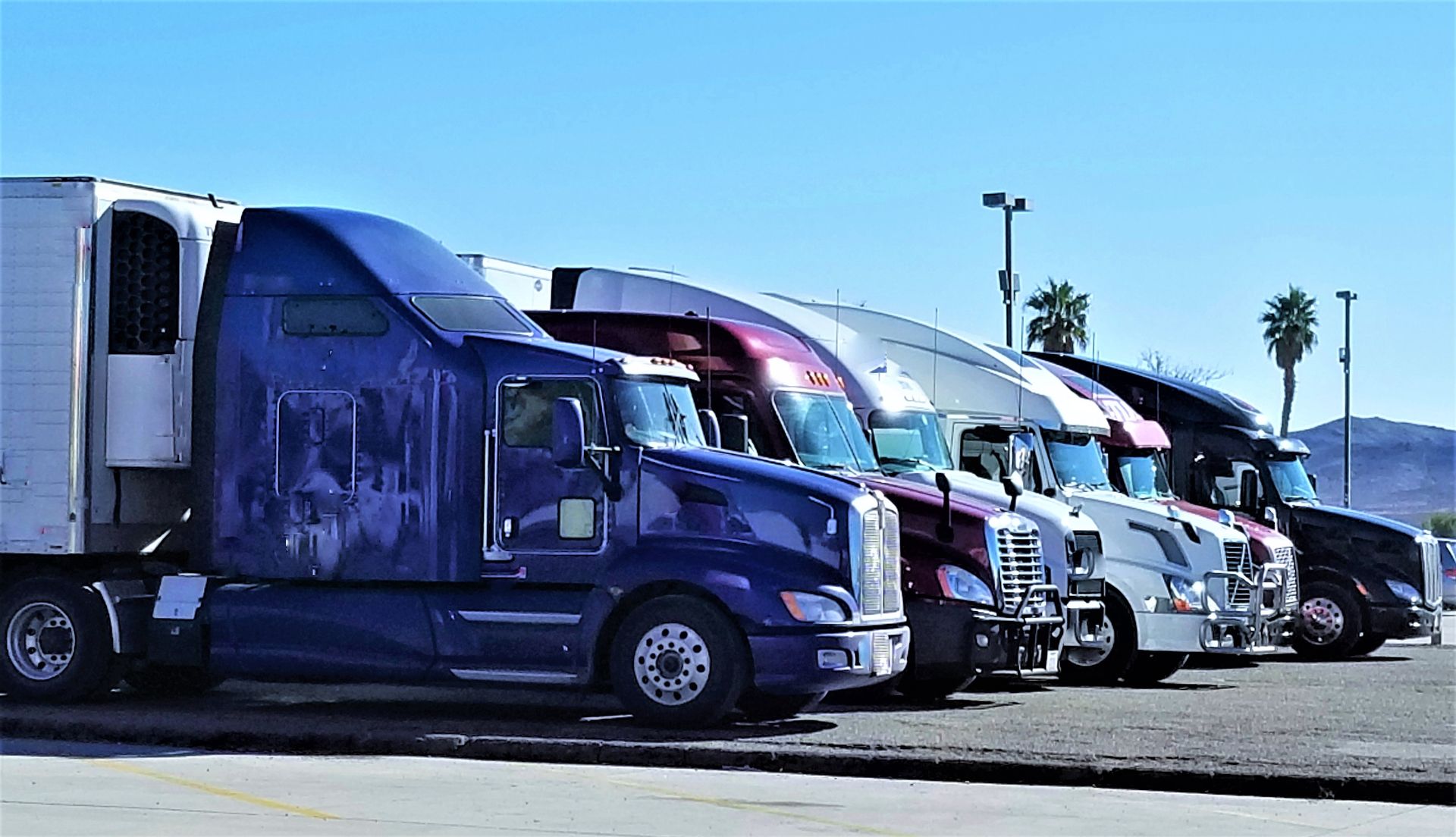
Protection for your fleet including box trucks, moving vans, and trailers. Covers liability, collision, physical damage, and hired or non-owned vehicles used in your operations.
Motor Truck Cargo
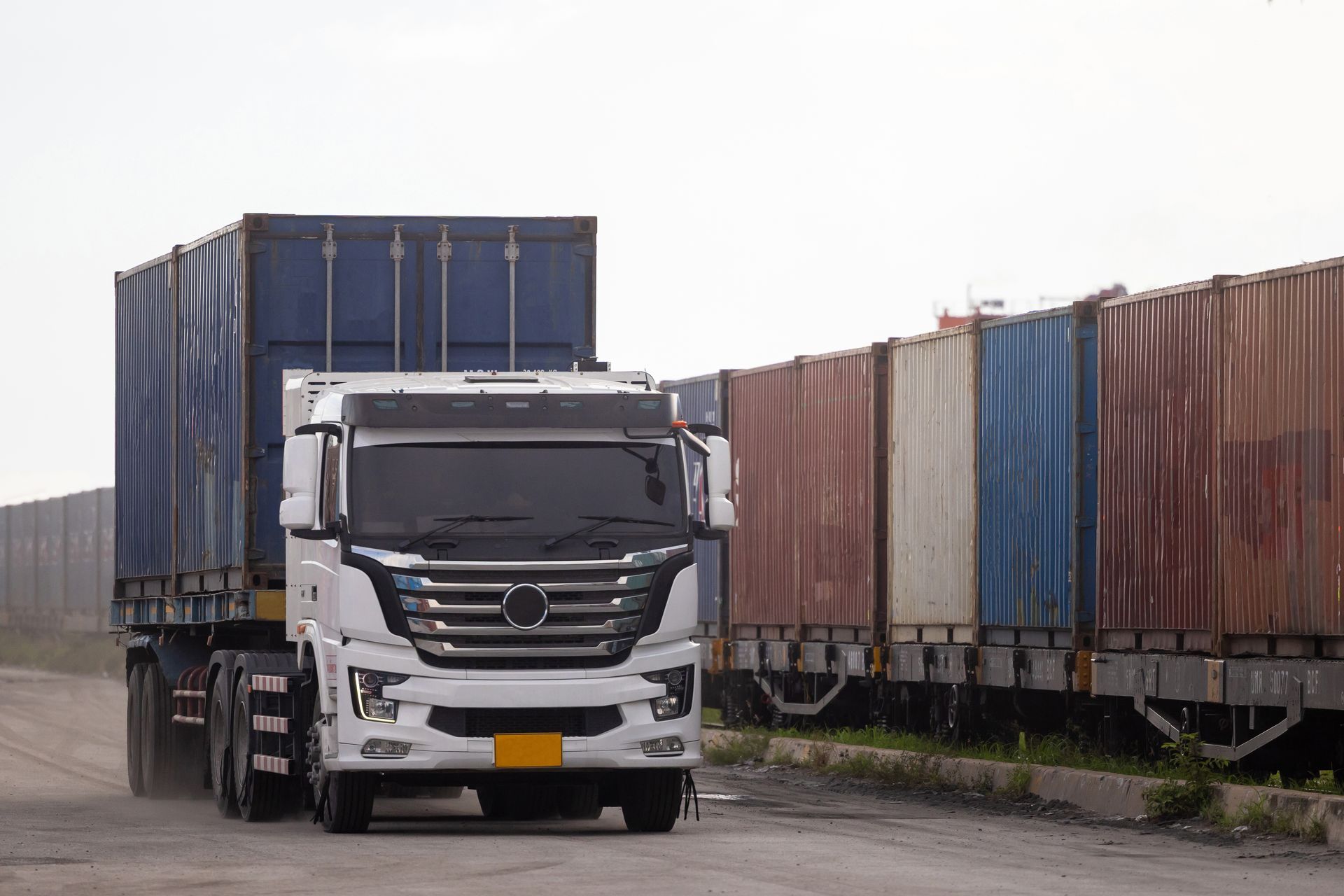
Covers household goods and freight during transport from pickup to delivery. Protects against damage, theft, mysterious disappearance, and weather-related losses while cargo is in your care.

General Liability
Protection from third-party claims for bodily injury and property damage at customer homes, job sites, and your own facility. Essential coverage for every transportation operation

Warehouse Legal Liability
Coverage for customer property while stored in your facility. Protects against damage, theft, fire, and water damage to goods in your care, custody, or control.

Workers' Compensation
Medical care and wage replacement for employees injured on the job. Required in most states for transportation and warehouse work where physical labor creates higher injury risk.

Umbrella & Excess Liability
Higher liability limits stacked on top of your primary policies. Helps meet large contract requirements and protects your business assets against major claims and lawsuits.
Specialized Knowledge
Industries We Protect
Focused coverage for transportation and logistics businesses


Simple and Clear
How Our Process Works
Our process to get you covered
Connect With Us
Reach out through our form or by phone to share your business needs and current coverage situation.
Get Coverage Options
We review your risks, compare carriers, and present clear quotes with plain-language explanations.
Stay Protected
You choose your plan, and we provide ongoing support for certificates, claims, and renewals.
Trusted by Businesses
Feedback That Reflects Service and Reliability
What our clients say about working with Champion Risk
Answers You Need
Frequently Asked Questions
Common questions about transportation and logistics insurance




What insurance does a transportation company need to operate legally?
Motor carriers that cross state lines must meet FMCSA requirements. You need a minimum of $750,000 in liability coverage, plus a BMC-91 filing that proves your insurance to the federal government. Cargo coverage is also required, with minimums that depend on the type of goods you transport.
Intrastate operators follow state-specific rules. California, Texas, and Florida each have different requirements. Champion Risk handles both federal and state filings. We make sure your coverage meets legal minimums and your certificates reach the right agencies.
How much does commercial transportation insurance cost?
Premiums depend on your fleet size, driving records, cargo values, and claims history. A small operation with two trucks might pay $8,000 to $15,000 per year. A larger carrier with ten trucks could pay $50,000 to $100,000 or more.
The best way to control costs is working with a broker who knows transportation insurance. We find carriers that specialize in your exact operation type. This often results in better rates than going direct or using a general agent who doesn't understand the industry.
What is a BMC-91 filing and why do I need one?
A BMC-91 is a form your insurance company files with the FMCSA. It proves you carry the required liability coverage to operate as a for-hire motor carrier. Without an active BMC-91, your operating authority can be revoked.
Champion Risk works with carriers who file electronically. Your BMC-91 typically posts within 24 to 48 hours of binding coverage. We monitor your filing status and alert you if anything needs attention.
Does my warehouse or storage facility need different insurance than a trucking operation?
Yes. Storage facilities need warehouse legal liability coverage. This protects you when customer property is damaged or stolen while in your care. Standard general liability policies exclude this exposure.
You may also need property coverage for your building, equipment breakdown protection, and business income coverage if a fire or disaster shuts down operations. Champion Risk builds storage facility programs that address all these risks in one package.
Can you insure last-mile delivery drivers who use their own vehicles?
Yes. We offer hired and non-owned auto coverage for delivery operations that use independent contractors or employees driving personal vehicles. This fills gaps that personal auto policies don't cover during commercial use.
We also provide occupational accident coverage for 1099 drivers who aren't eligible for workers' comp. This protects your drivers and limits your liability exposure when accidents happen.
How fast can I get proof of insurance for a new contract?
Same day in most cases. Once we bind your policy, we issue certificates of insurance within hours. If your contract requires specific additional insured language or special endorsements, we coordinate directly with the carrier.
Rush requests happen often in this industry. General contractors and corporate clients demand certificates before they let you on site. Champion Risk prioritizes fast turnaround because we know your revenue depends on it.

Answers You Need
Transportation & Logistics Insurance Resources
Articles designed to inform and support your business
Contact Us
Phone Number:
Email Address:
Location:
12264 El Camino Real, Suite 350
San Diego, CA 92130
Hours:
Monday – Friday: 8:00 AM – 6:00 PM PT