
Louisiana Commercial Transportation Insurance Landscape
Running a trucking or logistics operation in Louisiana means dealing with insurance costs that would make operators in other states wince. The combination of high litigation rates, hurricane exposure, and challenging infrastructure creates a market where premiums consistently rank among the highest nationwide.
Here's the reality: average commercial truck insurance premiums in Louisiana range from $11,200 to $15,200 annually for drivers with clean records. That's the baseline. Add a few accidents or violations, and you're looking at significantly steeper costs. Members of the Louisiana Motor Transport Association have reported premium increases of 40-50% in recent years, turning insurance from a necessary expense into an existential threat for smaller carriers.
Understanding transportation and logistics insurance requirements in Louisiana isn't just about checking compliance boxes. It's about protecting your business from the unique risks this state presents while finding ways to control costs that seem determined to spiral upward. The Gulf Coast location brings hurricane season every year. The legal climate brings plaintiff-friendly courts. And the infrastructure brings aging roads and bridges that create their own hazards.
What separates thriving Louisiana carriers from those struggling to survive often comes down to how strategically they approach their insurance program. Getting this wrong means either paying too much for coverage you don't need or discovering gaps when a claim hits. Neither outcome works for a business trying to stay competitive in tight-margin freight markets.


By: Mark Raby
Chief Executive Officer at Champion Risk & Insurance Services
Mandatory State and Federal Coverage Requirements
Louisiana layers state-specific mandates on top of federal requirements, creating a compliance framework that varies based on your operation's size, cargo type, and geographic scope. Missing any piece can result in authority suspension, fines, or worse: denied claims when you need coverage most.
Louisiana Public Service Commission (LPSC) Filings
For intrastate operations, the Louisiana Public Service Commission sets minimum coverage thresholds. Trucks under 10,000 pounds carrying non-hazardous cargo need at least $300,000 in liability coverage. Heavier vehicles and hazardous materials carriers face higher minimums that can reach $5 million depending on what you're hauling.
The LPSC requires specific filing formats, and your insurance provider must be authorized to write commercial auto policies in Louisiana. This isn't a formality: operating with non-compliant coverage can invalidate your authority entirely.
FMCSA Requirements for Interstate Logistics
Cross state lines and federal requirements kick in. General freight carriers must maintain at least $750,000 in liability coverage under FMCSA regulations. Household goods movers need $300,000 minimum, while hazmat carriers face requirements up to $5 million based on cargo classification.
Freight brokers operate under different rules: a $75,000 surety bond (BMC-84) or trust fund agreement (BMC-85) is mandatory before you can arrange loads. This protects shippers and carriers when brokers fail to pay.
Workers' Compensation Laws for Louisiana Carriers
Louisiana requires
workers' compensation coverage for most employers, including trucking operations. The state uses an assigned risk pool for carriers who can't obtain coverage in the voluntary market, though rates there run significantly higher. Owner-operators can sometimes exempt themselves, but doing so creates personal liability exposure that many find unacceptable once they understand the risks.
Essential Insurance Policies for Logistics Providers
Meeting minimums keeps you legal. Building a complete insurance program keeps you in business. The policies below address the specific exposures Louisiana logistics operations face daily.
Motor Truck Cargo and Inland Marine Insurance
Your customer's freight represents their livelihood, and cargo claims can destroy relationships faster than almost anything else. Motor truck cargo insurance covers goods in your possession during transit. Policy limits typically range from $100,000 to $500,000, though high-value freight requires custom solutions.
Inland marine coverage extends protection to goods stored at terminals, warehouses, or during intermodal transfers. Louisiana's port activity makes this coverage particularly relevant for operations touching New Orleans, Baton Rouge, or Lake Charles facilities.
General Liability and Contingent Cargo Coverage
General liability protects against third-party bodily injury and property damage claims that don't involve your vehicles. Someone slips at your terminal? That's GL territory. Contingent cargo coverage fills gaps when a carrier you've hired lacks adequate insurance or their policy doesn't respond to a claim. Brokers and freight forwarders especially need this protection.
Champion Risk works with Louisiana logistics providers to structure contingent coverage that actually responds when primary policies fail, not policies with so many exclusions they're essentially worthless.
Physical Damage and Bobtail Insurance
Collision and comprehensive coverage for your equipment isn't legally required, but lenders demand it for financed trucks. Bobtail insurance covers your tractor when operating without a trailer, typically during personal use or traveling between loads. Non-trucking liability serves a similar purpose but with different triggering conditions. Understanding which you need depends on your lease agreements and operating patterns.
Louisiana insurance costs don't happen by accident. Specific factors drive premiums higher here than in neighboring states, and understanding them helps you address what's controllable while accepting what isn't.
Impact of Local Litigation and Legal Climate
Insurance Commissioner Tim Temple has stated directly: "Louisiana's high auto insurance rates are primarily due to the high volume of bodily injury claims and litigation." The state's legal environment allows practices that inflate claim costs dramatically. Billboard lawyers advertising for trucking accident victims aren't just annoying: they represent a system that produces some of the highest jury verdicts in the country.
Renee Amar, Executive Director of the LMTA, puts it bluntly: "The cost of insurance is becoming unsustainable and is hurting both trucking companies and the Louisiana economy." Until tort reform changes the litigation landscape, carriers must factor this reality into their insurance budgets.
Route Risks: Coastal Weather and Infrastructure
Hurricane season runs June through November, and Louisiana sits directly in the path of Gulf storms. Flood exposure, wind damage, and business interruption from mandatory evacuations all factor into underwriting decisions. Carriers operating in coastal parishes face additional scrutiny.
Infrastructure presents its own challenges. Aging bridges, road conditions that vary dramatically, and heavy industrial traffic create accident frequencies that insurers track closely. Routes through congested areas like I-10 through Baton Rouge or I-12 carry higher risk profiles than rural corridors.
Strategies for Reducing Logistics Insurance Costs
| Strategy | Potential Savings | Implementation Difficulty |
|---|---|---|
| Telematics and dash cams | 10-15% premium reduction | Low: equipment costs under $500/truck |
| Driver training programs | 5-10% discount | Medium: requires ongoing commitment |
| Higher deductibles | 15-25% premium reduction | Low: requires cash reserves |
| Safety program documentation | 5-15% discount | Medium: administrative burden |
| Fleet consolidation | Varies by carrier | High: operational changes required |
Start with documentation. Insurers reward carriers who can demonstrate systematic safety practices rather than just claiming to prioritize safety. Written policies, training records, and incident response procedures all support better rates.
Telematics data provides objective evidence of driver behavior. Champion Risk helps clients present this data effectively to underwriters who might otherwise rely on industry averages. The difference between "our drivers are safe" and "here's 12 months of data proving our drivers are safe" translates directly into premium dollars.
Consider your deductible structure carefully. Higher deductibles reduce premiums but require cash reserves to cover smaller claims. Many Louisiana carriers find a sweet spot around $5,000-$10,000 per occurrence that balances premium savings against out-of-pocket exposure.
Securing the Right Policy for Your Louisiana Fleet
Finding appropriate coverage for Louisiana transportation and logistics operations requires more than shopping for the lowest quote. The cheapest policy often contains exclusions that surface only when you file a claim, leaving you exposed precisely when you need protection most.
Work with specialists who understand Louisiana's unique market conditions. Generalist agents writing occasional trucking policies lack the carrier relationships and underwriting knowledge to place difficult risks effectively. Champion Risk focuses specifically on commercial transportation, bringing market access and expertise that generalists simply can't match.
Review your coverage annually, not just at renewal. Operations change, equipment values fluctuate, and coverage gaps develop as your business evolves. A policy that fit perfectly two years ago may leave significant exposures today.
Frequently Asked Questions
What's the minimum liability coverage for Louisiana intrastate trucking? Trucks under 10,000 pounds carrying non-hazardous cargo need $300,000 minimum. Heavier trucks and hazmat carriers face higher requirements set by the Louisiana Public Service Commission.
Why is truck insurance so expensive in Louisiana compared to other states? High litigation rates, plaintiff-friendly courts, and significant jury verdicts drive costs. Hurricane exposure and infrastructure challenges add additional risk factors underwriters must price into premiums.
Do freight brokers need insurance or just a bond? Both. The $75,000 surety bond is mandatory, but most brokers also carry contingent cargo and general liability coverage to protect against claims the bond doesn't cover.
Can I reduce my premium with dash cameras? Yes. Many insurers offer 10-15% discounts for telematics and camera systems that document driver behavior and provide evidence in accident disputes.
What happens if my insurance lapses while operating under FMCSA authority? Your operating authority can be suspended, and you'll face penalties. Reinstatement requires proof of new coverage and potentially additional filings.
About the Author:
Mark Raby
I am a seasoned insurance professional with over 30 years of experience in the industry. I lead Champion Risk & Insurance Services, a San Diego-based brokerage with nationwide reach and strong influence in the insurance marketplace. My core competencies include insurance agency M&A deals, captives and alternative risk structures, and commercial property and casualty insurance for clients in the transportation and logistics industries. I am a former president of IIAB San Diego and hold a Bachelor of Science in Finance from Western Michigan University’s Haworth College of Business.
Protection for Transportation Operations
Business Insurance for Transportation & Logistics Companies
Coverage designed specifically for transportation businesses
Commercial Auto & Trucking
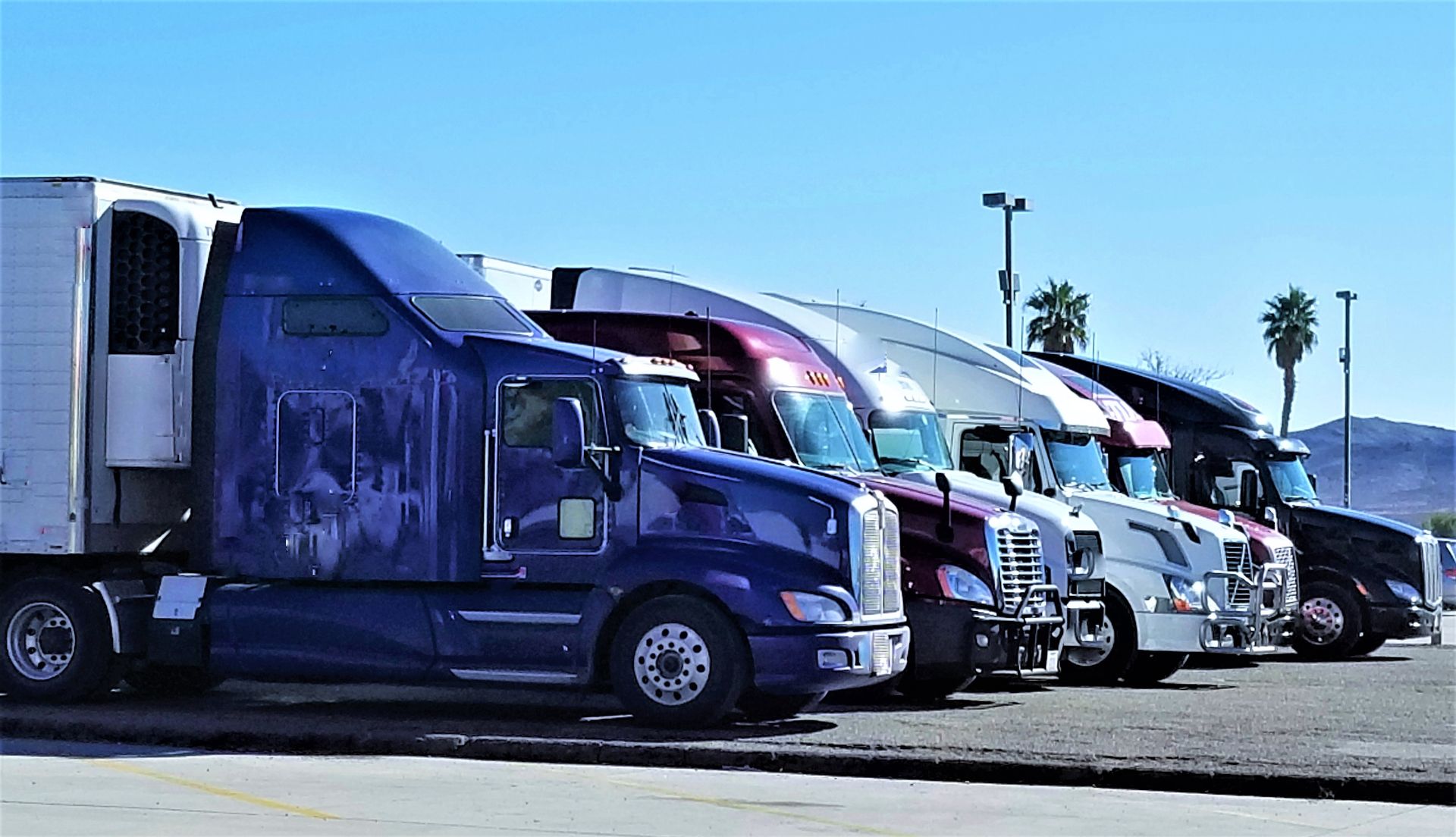
Protection for your fleet including box trucks, moving vans, and trailers. Covers liability, collision, physical damage, and hired or non-owned vehicles used in your operations.
Motor Truck Cargo
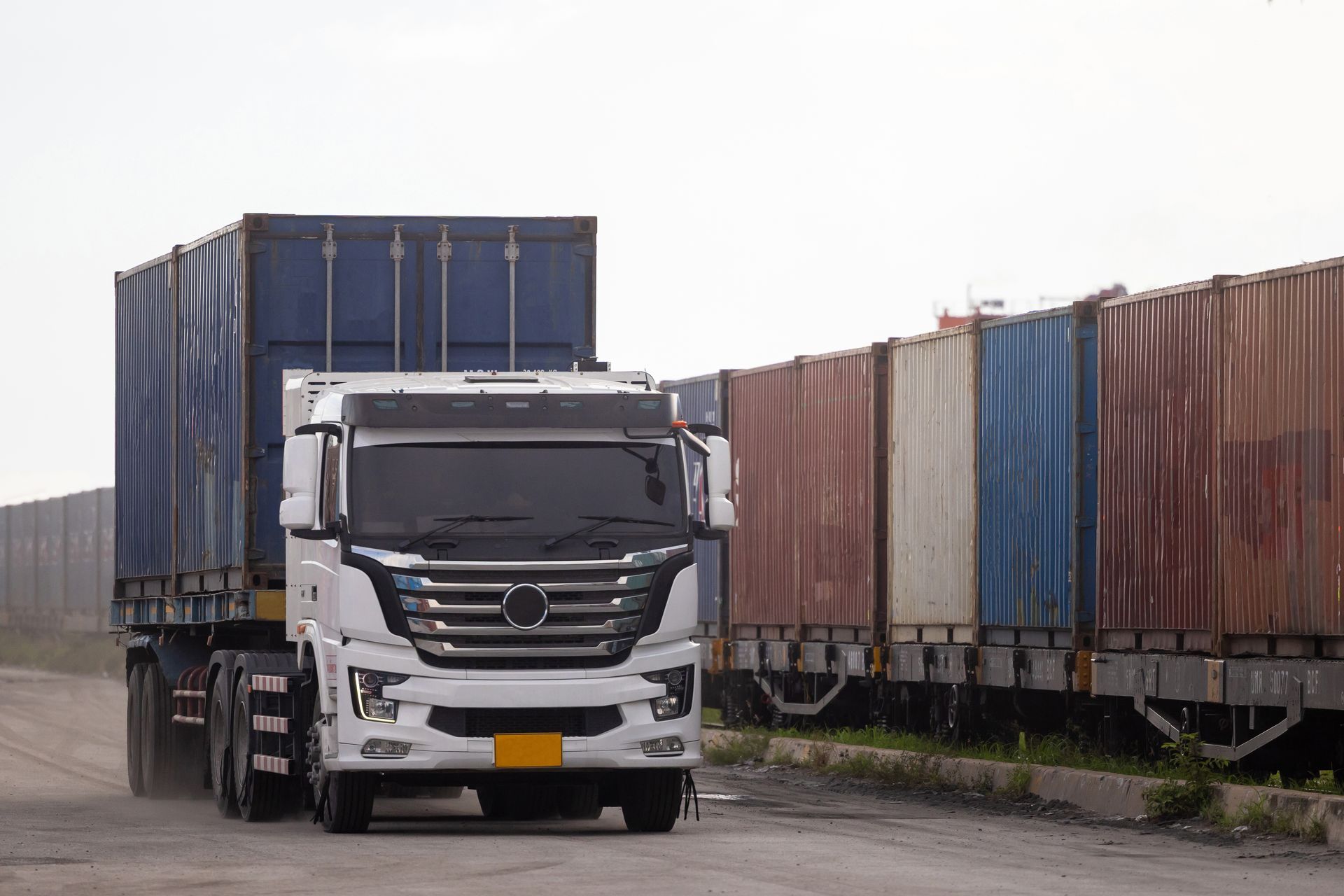
Covers household goods and freight during transport from pickup to delivery. Protects against damage, theft, mysterious disappearance, and weather-related losses while cargo is in your care.

General Liability
Protection from third-party claims for bodily injury and property damage at customer homes, job sites, and your own facility. Essential coverage for every transportation operation

Warehouse Legal Liability
Coverage for customer property while stored in your facility. Protects against damage, theft, fire, and water damage to goods in your care, custody, or control.

Workers' Compensation
Medical care and wage replacement for employees injured on the job. Required in most states for transportation and warehouse work where physical labor creates higher injury risk.

Umbrella & Excess Liability
Higher liability limits stacked on top of your primary policies. Helps meet large contract requirements and protects your business assets against major claims and lawsuits.
Specialized Knowledge
Industries We Protect
Focused coverage for transportation and logistics businesses


Simple and Clear
How Our Process Works
Our process to get you covered
Connect With Us
Reach out through our form or by phone to share your business needs and current coverage situation.
Get Coverage Options
We review your risks, compare carriers, and present clear quotes with plain-language explanations.
Stay Protected
You choose your plan, and we provide ongoing support for certificates, claims, and renewals.
Trusted by Businesses
Feedback That Reflects Service and Reliability
What our clients say about working with Champion Risk
Answers You Need
Frequently Asked Questions
Common questions about transportation and logistics insurance



What insurance does a transportation company need to operate legally?
Motor carriers that cross state lines must meet FMCSA requirements. You need a minimum of $750,000 in liability coverage, plus a BMC-91 filing that proves your insurance to the federal government. Cargo coverage is also required, with minimums that depend on the type of goods you transport.
Intrastate operators follow state-specific rules. California, Texas, and Florida each have different requirements. Champion Risk handles both federal and state filings. We make sure your coverage meets legal minimums and your certificates reach the right agencies.
How much does commercial transportation insurance cost?
Premiums depend on your fleet size, driving records, cargo values, and claims history. A small operation with two trucks might pay $8,000 to $15,000 per year. A larger carrier with ten trucks could pay $50,000 to $100,000 or more.
The best way to control costs is working with a broker who knows transportation insurance. We find carriers that specialize in your exact operation type. This often results in better rates than going direct or using a general agent who doesn't understand the industry.
What is a BMC-91 filing and why do I need one?
A BMC-91 is a form your insurance company files with the FMCSA. It proves you carry the required liability coverage to operate as a for-hire motor carrier. Without an active BMC-91, your operating authority can be revoked.
Champion Risk works with carriers who file electronically. Your BMC-91 typically posts within 24 to 48 hours of binding coverage. We monitor your filing status and alert you if anything needs attention.
Does my warehouse or storage facility need different insurance than a trucking operation?
Yes. Storage facilities need warehouse legal liability coverage. This protects you when customer property is damaged or stolen while in your care. Standard general liability policies exclude this exposure.
You may also need property coverage for your building, equipment breakdown protection, and business income coverage if a fire or disaster shuts down operations. Champion Risk builds storage facility programs that address all these risks in one package.
Can you insure last-mile delivery drivers who use their own vehicles?
Yes. We offer hired and non-owned auto coverage for delivery operations that use independent contractors or employees driving personal vehicles. This fills gaps that personal auto policies don't cover during commercial use.
We also provide occupational accident coverage for 1099 drivers who aren't eligible for workers' comp. This protects your drivers and limits your liability exposure when accidents happen.
How fast can I get proof of insurance for a new contract?
Same day in most cases. Once we bind your policy, we issue certificates of insurance within hours. If your contract requires specific additional insured language or special endorsements, we coordinate directly with the carrier.
Rush requests happen often in this industry. General contractors and corporate clients demand certificates before they let you on site. Champion Risk prioritizes fast turnaround because we know your revenue depends on it.

Answers You Need
Transportation & Logistics Insurance Resources
Articles designed to inform and support your business
Contact Us
Phone Number:
Email Address:
Location:
12264 El Camino Real, Suite 350
San Diego, CA 92130
Hours:
Monday – Friday: 8:00 AM – 6:00 PM PT