
A single dropped antique armoire can cost your moving company $15,000 in damages. A warehouse fire can wipe out inventory worth hundreds of thousands. Without proper cargo insurance, these aren't just bad days: they're business-ending events.
The moving and storage industry operates on razor-thin margins, and one significant claim can devastate years of hard work. As Vonda Copeland puts it, "Without cargo insurance, a single unfortunate event could spell disaster for a moving company." This isn't fear-mongering. It's the reality that experienced operators understand deeply.
The cargo insurance market reflects this risk. According to SNS Insider, the global cargo insurance market reached $69.84 billion in 2024 and is projected to hit $101.43 billion by 2032. That growth signals something important: businesses are recognizing that proper coverage isn't optional.
Whether you're running a local two-truck operation or managing a regional storage facility, understanding cargo insurance requirements, coverage options, and costs separates thriving companies from those that fold after their first major claim. The coverage landscape for moving and storage companies involves specific policy types, federal regulations, and cost factors that most general insurance guides overlook entirely.
Understanding Cargo Insurance for Moving and Storage
Cargo insurance for moving and storage operations isn't a single policy type. It's actually a category of coverage options designed for different risk exposures during the transportation and storage of customer belongings.
The fundamental purpose is straightforward: protect your business when customer property gets damaged, lost, or destroyed while in your care. The complexity comes from the various situations where liability applies and the different policy structures available.
Motor Truck Cargo vs. Baileys Liability
Motor truck cargo insurance covers goods while they're being transported in your vehicles. If a truck gets into an accident, catches fire, or experiences theft, this policy responds to cover the damaged or lost items.
Bailee's liability operates differently. It covers customer property while it's in your possession but not necessarily in transit. For storage facilities, this is the critical coverage. When you're holding someone's furniture in a warehouse for three months, bailee's liability protects against damage from fire, water, theft, or other covered perils.
Most moving companies need both. The transition points between loading, transporting, and unloading create gaps that a single policy type won't fully address.
The Difference Between Full Value Protection and Released Value
Federal law requires interstate movers to offer customers two liability options, and Extra Space confirms this mandate applies to all interstate operations.
Released Value Protection is the basic, no-cost option. It covers items at 60 cents per pound. That $3,000 flat-screen TV weighing 50 pounds? You're only liable for $30 under released value. Customers rarely understand this until something breaks.
Full Value Protection makes you responsible for the replacement value, repair cost, or comparable item. This is where your cargo insurance becomes essential. Without adequate coverage, you're paying these claims out of pocket.

By: Mark Raby
Chief Executive Officer at Champion Risk & Insurance Services
Essential Coverage Components for Moving Companies
Building the right insurance package means understanding exactly when and where your liability kicks in. Most claims don't happen during highway driving: they occur during the hands-on work.
Transit and Loading/Unloading Hazards
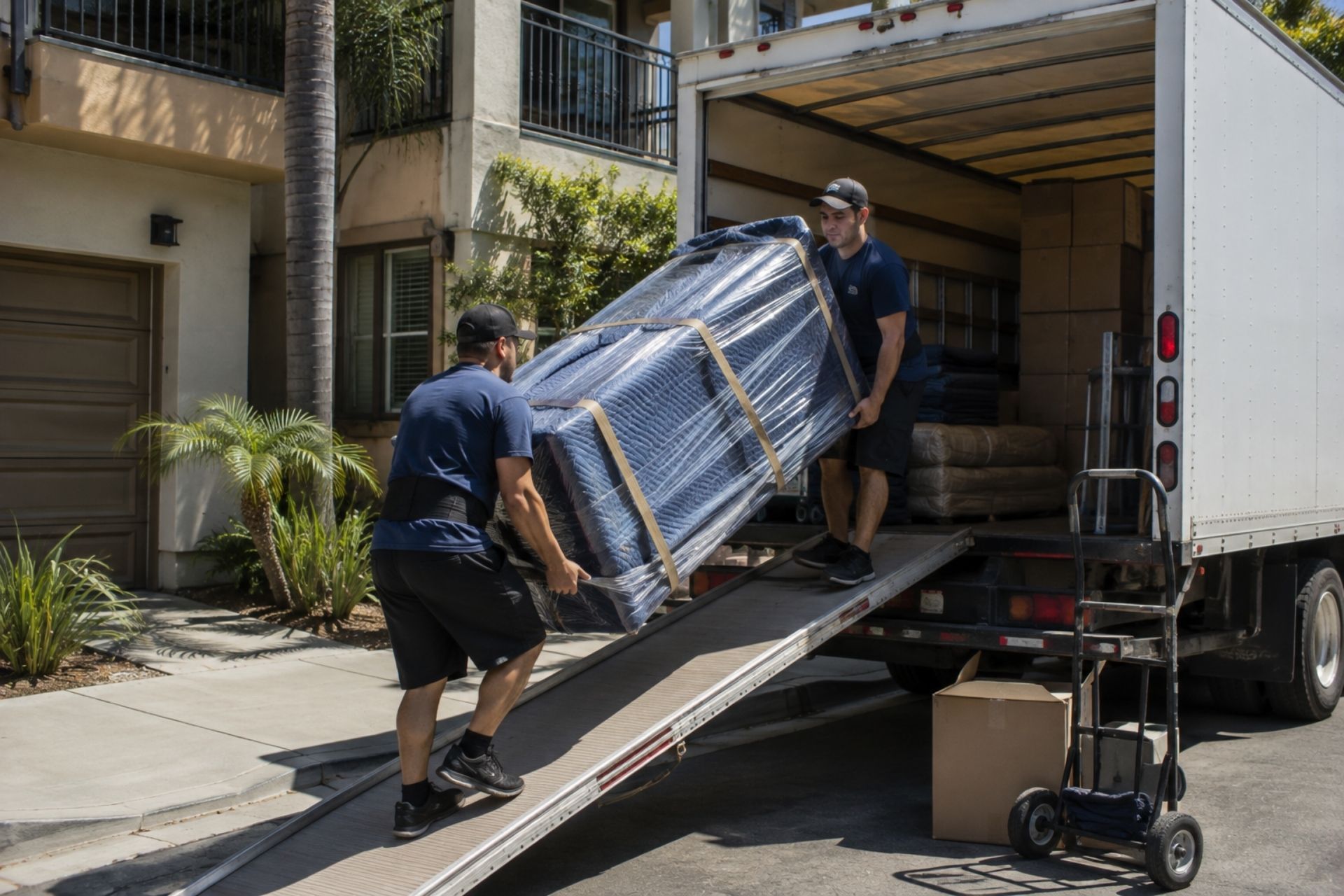
The riskiest moments in any move are the loading and unloading phases. Workers are carrying heavy items up stairs, navigating tight corners, and dealing with weather conditions. A rain-slicked ramp or a missed step causes more claims than highway accidents.
Your cargo policy needs to explicitly cover these transitional periods. Some policies define "transit" narrowly, excluding the loading and unloading process. Champion Risk works with moving companies to ensure these gaps don't exist in their coverage.
Temperature-sensitive items present another consideration. Electronics, artwork, and certain furniture materials can suffer damage from extreme heat or cold during transport. Standard policies may exclude temperature-related damage.
Warehouse Legal Liability for Storage Facilities
If you offer storage services, warehouse legal liability becomes non-negotiable. This coverage protects against damage to customer property while stored at your facility.
Common covered perils include fire and smoke damage, water damage from burst pipes or roof leaks, theft and burglary, and vandalism. The policy limits should reflect the maximum value you're storing at any given time, which fluctuates seasonally for most storage operations.
Common Exclusions and Policy Limits
Every cargo policy contains exclusions that catch operators off guard. Typical exclusions include inherent vice (items that deteriorate naturally), improper packing by the customer, pre-existing damage, mysterious disappearance without evidence of theft, and acts of war or terrorism.
Policy limits structure matters significantly. Per-item limits cap what you'll receive for any single piece, while aggregate limits cap total payouts per occurrence or policy period. A $100,000 aggregate limit sounds substantial until you're facing a warehouse fire affecting multiple customers.
Legal Requirements and Compliance
Operating legally requires meeting specific insurance thresholds that vary based on your service area and the types of moves you handle.
FMCSA Regulations and BMC-32 Filings
Interstate movers fall under Federal Motor Carrier Safety Administration jurisdiction. According to Badger Logistics, FMCSA mandates minimum cargo insurance of $5,000 per vehicle and $10,000 per occurrence for interstate operations.
These minimums are dangerously low for actual operations. A single household move often involves goods worth $50,000 or more. The federal minimum exists as a floor, not a recommendation.
The BMC-32 filing proves to FMCSA that you maintain required cargo insurance. Your insurer files this form on your behalf, and it must remain active for your operating authority to stay valid. Lapses in coverage trigger automatic suspension of your authority.
State-Specific Insurance Mandates for Local Movers
Intrastate movers face a patchwork of state regulations. California requires different minimums than Texas. Some states mandate specific coverage types that others don't require.
| Requirement Type | Interstate (Federal) | State (Varies) |
|---|---|---|
| Minimum Cargo Coverage | $5,000/vehicle, $10,000/occurrence | $10,000 to $50,000 typical |
| Filing Requirements | BMC-32 | State-specific forms |
| Regulatory Body | FMCSA | State PUC or DOT |
| Penalties for Non-Compliance | Operating authority suspension | Fines, license revocation |
Champion Risk helps moving companies navigate these state-specific requirements, particularly for operators working across multiple jurisdictions.

Determining the Cost of Cargo Insurance
Understanding what drives your premium helps you budget accurately and identify opportunities to reduce costs without sacrificing coverage.
Key Factors Influencing Monthly Premiums
Tech Insurance reports that for $100,000 in coverage, moving companies typically pay between $400 and $1,200 annually. That's a wide range, and the variation comes from several factors.
Fleet size and vehicle types directly impact pricing. More trucks mean more exposure. Larger vehicles carrying higher-value loads cost more to insure than smaller box trucks.
Geographic territory matters significantly. Urban operations face higher theft and accident rates than rural moves. Coastal areas may carry additional weather-related risk premiums.
The types of goods you typically handle influence rates. Companies specializing in high-value items like antiques, fine art, or electronics pay more than general household movers.
How Loss History and Safety Ratings Impact Rates
Your claims history over the past three to five years heavily influences pricing. Companies with clean records qualify for preferred rates, while those with multiple claims face surcharges or coverage restrictions.
Insureon notes that average monthly costs for general liability insurance for moving companies run about $120. When combined with cargo coverage, total insurance costs become a significant operational expense.
Safety ratings from FMCSA affect interstate carriers. A satisfactory rating keeps rates reasonable. Conditional or unsatisfactory ratings trigger premium increases or coverage denials from standard markets.
Best Practices for Risk Management and Claims
Preventing claims costs less than paying them. When claims do occur, proper documentation determines whether you recover or eat the loss.
Inventory Documentation and Bill of Lading Procedures
The bill of lading serves as your primary protection against fraudulent or inflated claims. Document everything before loading begins with detailed written descriptions and photographs.
Note pre-existing damage explicitly. That scratch on the dresser? Write it down and photograph it. The customer's signature acknowledging pre-existing conditions protects you when they later claim you caused the damage.
Video documentation during loading and unloading creates an objective record. Timestamped video showing careful handling contradicts claims of negligence.
Steps to Filing a Successful Cargo Claim
When damage occurs, immediate action improves outcomes. Notify your insurance carrier within 24 hours. Delays raise red flags and can jeopardize coverage.
Preserve damaged items when possible. Don't dispose of anything until the adjuster has inspected it. Gather all documentation: the bill of lading, inventory sheets, photographs, and any written communications with the customer.
Cooperate fully with the investigation. Adjusters aren't adversaries. They're determining coverage applicability and damage extent. Providing complete information speeds resolution.
Frequently Asked Questions
How much cargo insurance do I actually need? Coverage should match the maximum value you transport or store at any time. Most established movers carry $100,000 to $500,000 in cargo coverage, though high-value specialists may need more.
Does my general liability policy cover damaged customer goods? No. General liability covers third-party bodily injury and property damage, not goods in your care, custody, or control. You need separate cargo or bailee's coverage.
Can I require customers to purchase their own moving insurance? You can offer it, but you can't require it as a condition of service. Many customers purchase third-party moving insurance for additional protection beyond your liability coverage.
What happens if my cargo insurance lapses? For interstate carriers, FMCSA suspends your operating authority. You cannot legally transport goods across state lines until coverage is reinstated and a new BMC-32 is filed.
Are my employees covered if they're injured while handling cargo? No. Workers' compensation covers employee injuries. Cargo insurance covers the goods themselves.
Making the Right Coverage Decision
Cargo insurance for moving and storage companies isn't just about regulatory compliance. It's about business survival. The coverage, cost, and requirements vary based on your specific operation, but the fundamental need remains constant.
Start by assessing your actual exposure: the maximum value you transport or store, your geographic territory, and your claims history. Match coverage limits to real-world scenarios, not regulatory minimums. Champion Risk specializes in building coverage packages that address the specific risks moving and storage companies face daily.
The companies that thrive long-term treat insurance as a strategic investment rather than an annoying expense. Get your coverage right, and you can focus on growing your business instead of worrying about the claim that could end it.
About the Author:
Mark Raby
I am a seasoned insurance professional with over 30 years of experience in the industry. I lead Champion Risk & Insurance Services, a San Diego-based brokerage with nationwide reach and strong influence in the insurance marketplace. My core competencies include insurance agency M&A deals, captives and alternative risk structures, and commercial property and casualty insurance for clients in the transportation and logistics industries. I am a former president of IIAB San Diego and hold a Bachelor of Science in Finance from Western Michigan University’s Haworth College of Business.
Protection for Transportation Operations
Business Insurance for Transportation & Logistics Companies
Coverage designed specifically for transportation businesses
Commercial Auto & Trucking
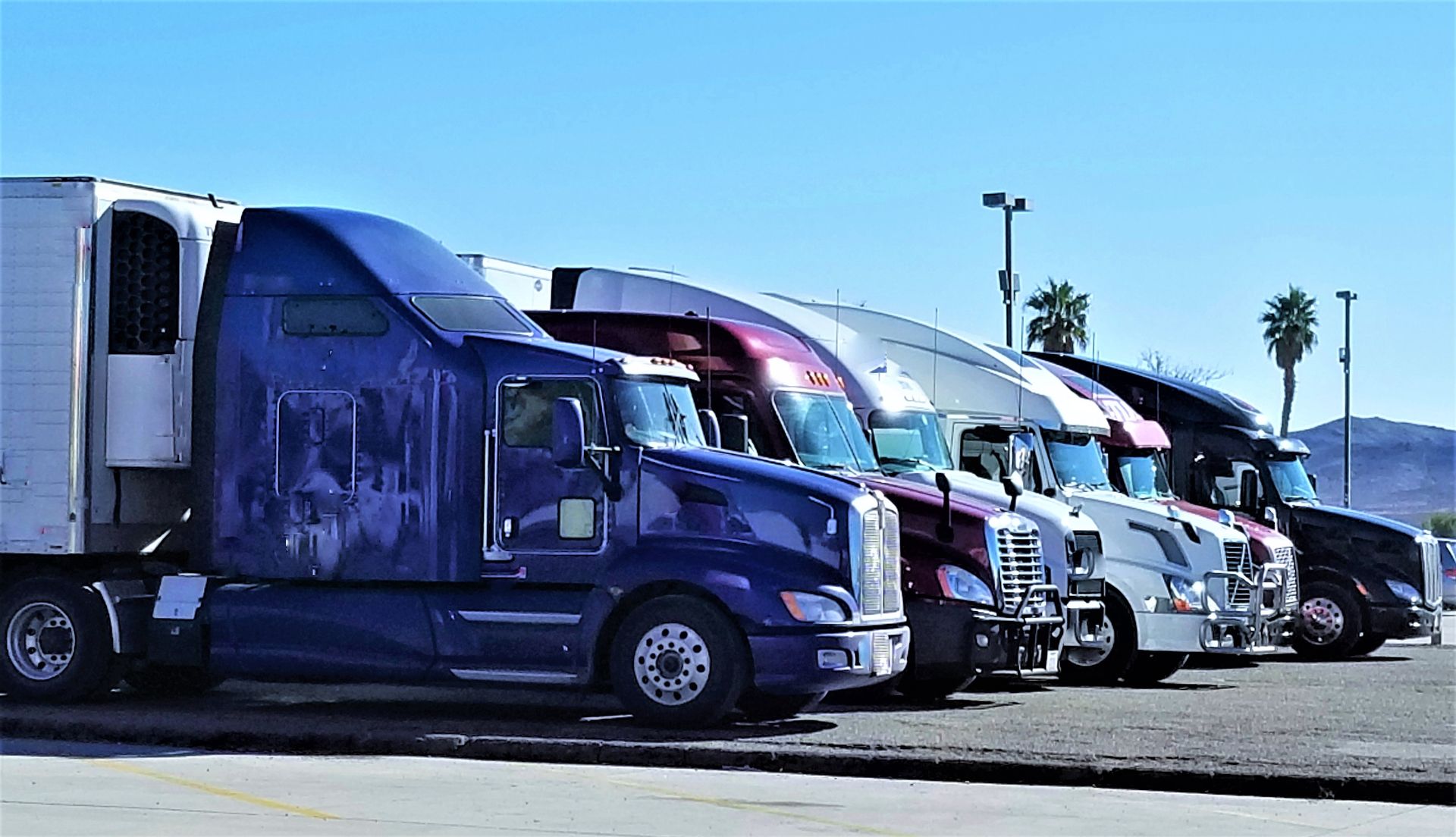
Protection for your fleet including box trucks, moving vans, and trailers. Covers liability, collision, physical damage, and hired or non-owned vehicles used in your operations.
Motor Truck Cargo
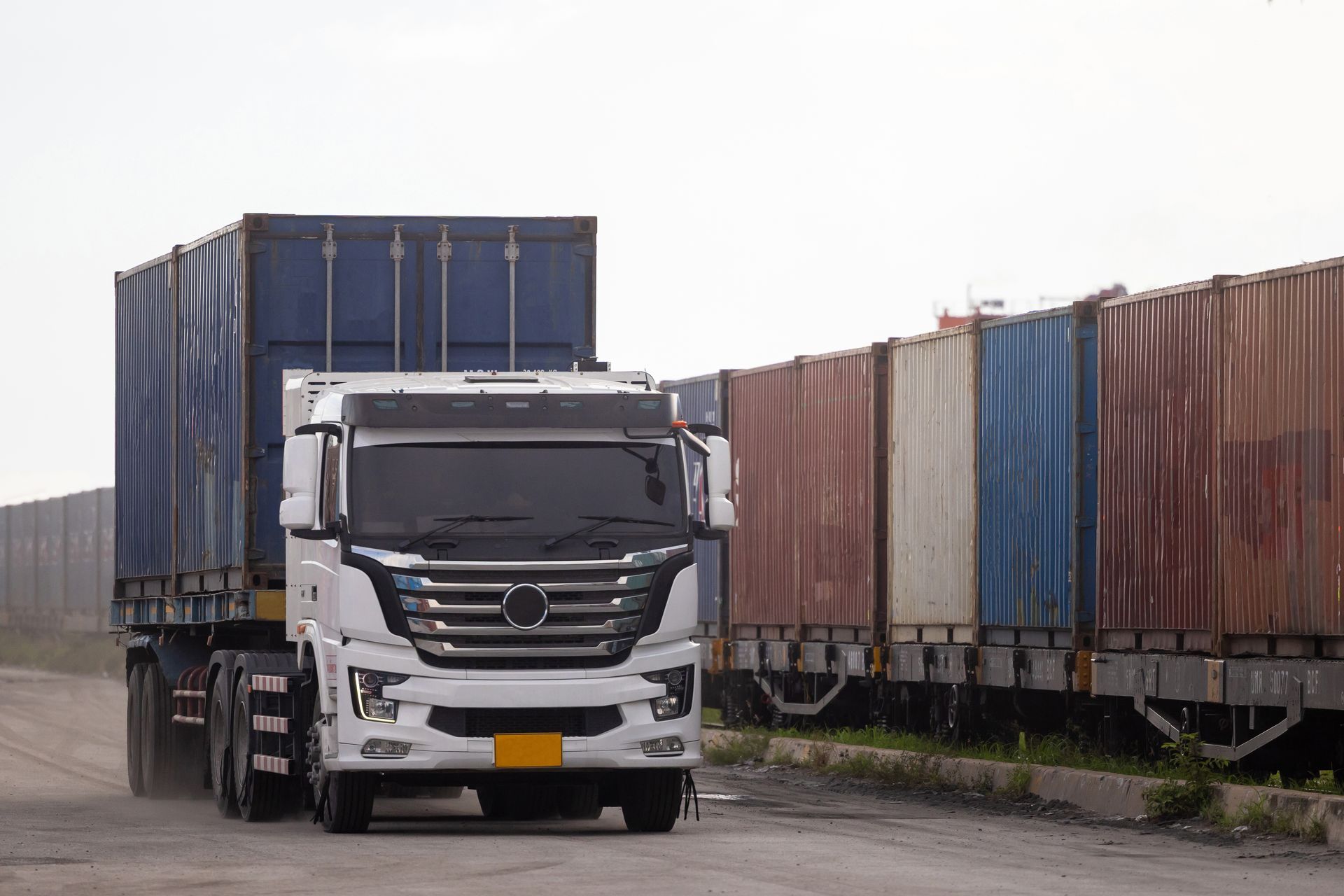
Covers household goods and freight during transport from pickup to delivery. Protects against damage, theft, mysterious disappearance, and weather-related losses while cargo is in your care.

General Liability
Protection from third-party claims for bodily injury and property damage at customer homes, job sites, and your own facility. Essential coverage for every transportation operation

Warehouse Legal Liability
Coverage for customer property while stored in your facility. Protects against damage, theft, fire, and water damage to goods in your care, custody, or control.

Workers' Compensation
Medical care and wage replacement for employees injured on the job. Required in most states for transportation and warehouse work where physical labor creates higher injury risk.

Umbrella & Excess Liability
Higher liability limits stacked on top of your primary policies. Helps meet large contract requirements and protects your business assets against major claims and lawsuits.
Specialized Knowledge
Industries We Protect
Focused coverage for transportation and logistics businesses


Simple and Clear
How Our Process Works
Our process to get you covered
Connect With Us
Reach out through our form or by phone to share your business needs and current coverage situation.
Get Coverage Options
We review your risks, compare carriers, and present clear quotes with plain-language explanations.
Stay Protected
You choose your plan, and we provide ongoing support for certificates, claims, and renewals.
Trusted by Businesses
Feedback That Reflects Service and Reliability
What our clients say about working with Champion Risk
Answers You Need
Frequently Asked Questions
Common questions about transportation and logistics insurance




What insurance does a transportation company need to operate legally?
Motor carriers that cross state lines must meet FMCSA requirements. You need a minimum of $750,000 in liability coverage, plus a BMC-91 filing that proves your insurance to the federal government. Cargo coverage is also required, with minimums that depend on the type of goods you transport.
Intrastate operators follow state-specific rules. California, Texas, and Florida each have different requirements. Champion Risk handles both federal and state filings. We make sure your coverage meets legal minimums and your certificates reach the right agencies.
How much does commercial transportation insurance cost?
Premiums depend on your fleet size, driving records, cargo values, and claims history. A small operation with two trucks might pay $8,000 to $15,000 per year. A larger carrier with ten trucks could pay $50,000 to $100,000 or more.
The best way to control costs is working with a broker who knows transportation insurance. We find carriers that specialize in your exact operation type. This often results in better rates than going direct or using a general agent who doesn't understand the industry.
What is a BMC-91 filing and why do I need one?
A BMC-91 is a form your insurance company files with the FMCSA. It proves you carry the required liability coverage to operate as a for-hire motor carrier. Without an active BMC-91, your operating authority can be revoked.
Champion Risk works with carriers who file electronically. Your BMC-91 typically posts within 24 to 48 hours of binding coverage. We monitor your filing status and alert you if anything needs attention.
Does my warehouse or storage facility need different insurance than a trucking operation?
Yes. Storage facilities need warehouse legal liability coverage. This protects you when customer property is damaged or stolen while in your care. Standard general liability policies exclude this exposure.
You may also need property coverage for your building, equipment breakdown protection, and business income coverage if a fire or disaster shuts down operations. Champion Risk builds storage facility programs that address all these risks in one package.
Can you insure last-mile delivery drivers who use their own vehicles?
Yes. We offer hired and non-owned auto coverage for delivery operations that use independent contractors or employees driving personal vehicles. This fills gaps that personal auto policies don't cover during commercial use.
We also provide occupational accident coverage for 1099 drivers who aren't eligible for workers' comp. This protects your drivers and limits your liability exposure when accidents happen.
How fast can I get proof of insurance for a new contract?
Same day in most cases. Once we bind your policy, we issue certificates of insurance within hours. If your contract requires specific additional insured language or special endorsements, we coordinate directly with the carrier.
Rush requests happen often in this industry. General contractors and corporate clients demand certificates before they let you on site. Champion Risk prioritizes fast turnaround because we know your revenue depends on it.

Answers You Need
Transportation & Logistics Insurance Resources
Articles designed to inform and support your business
Contact Us
Phone Number:
Email Address:
Location:
12264 El Camino Real, Suite 350
San Diego, CA 92130
Hours:
Monday – Friday: 8:00 AM – 6:00 PM PT