
Running a moving and storage operation in Newark puts you at the intersection of one of the nation's busiest logistics corridors and some of its most demanding insurance requirements. Between navigating tight urban streets, managing warehouse inventory, and complying with both state and federal regulations, your exposure to liability is substantial. The wrong policy or a coverage gap can turn a single damaged antique or a fender bender on McCarter Highway into a business-ending event.
What makes moving and storage company insurance in Newark particularly complex is the layered regulatory environment. You're dealing with New Jersey Division of Consumer Affairs licensing, potential USDOT authority if you cross state lines, and a local market where premium costs reflect urban congestion and theft rates. The average moving business pays around
$163 monthly for insurance, but Newark operators often see higher quotes due to these risk factors. Understanding what coverage you actually need versus what agents try to sell you is the difference between adequate protection and wasted premiums.
Core Insurance Requirements for Newark Moving Companies
New Jersey Department of Consumer Affairs Regulations
New Jersey takes consumer protection seriously, and the Division of Consumer Affairs enforces strict requirements for anyone operating as a mover. Licensed movers must provide customers with minimum coverage of $1.00 per pound per article, which sounds straightforward until you realize how inadequate this basic protection actually is for most household goods.
The licensing process requires proof of insurance before you can legally operate. You'll need to file evidence of coverage with the state and maintain it continuously. Lapses trigger automatic license suspension, and operating without proper credentials exposes you to significant fines. The state also mandates specific disclosure requirements about coverage options that you must present to every customer before they sign a contract.
USDOT and FMCSA Compliance for Interstate Movers
If any of your moves cross state lines, even just running furniture from Newark to Yonkers, federal requirements kick in. The FMCSA requires interstate movers to maintain minimum liability coverage, and recent New Jersey legislation raised the bar significantly. Commercial motor vehicles weighing over 26,000 pounds now require $1.5 million in minimum liability coverage, a substantial increase that caught many operators off guard.
You'll need to register for USDOT and MC numbers, file BOC-3 process agent designations, and maintain proof of insurance that meets federal minimums. The compliance burden is real, but operating without proper authority exposes you to roadside shutdowns and penalties that can exceed $16,000 per violation.


By: Mark Raby
Chief Executive Officer at Champion Risk & Insurance Services
Essential Coverage Types for Moving and Storage Operations
Cargo and Warehouse Legal Liability
Your trucks are essentially rolling warehouses filled with irreplaceable family heirlooms and expensive electronics. Cargo insurance protects against damage or loss while goods are in transit, covering everything from a couch that gets scratched during loading to a complete loss from a vehicle fire.
Warehouse legal liability kicks in once items reach your storage facility. This coverage responds when customer property is damaged by covered perils like fire, theft, or water damage while under your care. The key distinction here is that this isn't property insurance for the goods themselves; it covers your legal liability for damage caused by your negligence or covered events.
Commercial Auto and Physical Damage Protection
Your fleet represents a major investment and a significant liability exposure. Commercial auto insurance covers third-party bodily injury and property damage when your vehicles are involved in accidents. Given Newark's congested streets and aggressive driving culture, claims frequency tends to run higher than suburban markets.
Physical damage coverage protects your own vehicles. Collision coverage handles accident damage, while comprehensive covers theft, vandalism, and weather events. Champion Risk works with moving companies to structure deductibles that balance premium costs against cash flow needs, recognizing that a $5,000 deductible looks different to a three-truck operation than a fifteen-truck fleet.
General Liability and Workers' Compensation
General liability protects against third-party claims arising from your operations. When your crew accidentally puts a dolly through a customer's wall or someone trips over moving blankets in your warehouse, GL responds. Coverage typically runs $1 million per occurrence with $2 million aggregate limits, though high-value residential moves may require higher limits.
Workers' compensation is mandatory in New Jersey and covers medical expenses and lost wages when employees are injured on the job. Moving work is physically demanding, and back injuries, strains, and falls are common. A comprehensive insurance bundle including a Business Owners Policy, workers' compensation, and professional liability
averages around $526 monthly,though your actual costs depend on payroll, claims history, and specific operations.
Factors Influencing Insurance Costs in the Newark Market
Urban Logistics and Local Risk Profiles
Newark's density creates unique challenges that underwriters price accordingly. Narrow streets mean more backing maneuvers and tighter clearances. Double-parking during residential moves increases accident exposure. High-rise buildings require elevator reservations and longer carry distances, extending the time goods remain vulnerable.
Theft rates in certain zip codes affect both cargo and warehouse premiums. Underwriters pull crime statistics by location and adjust pricing based on where you operate and store goods. A warehouse in the Ironbound faces different risk factors than one near Newark Liberty International Airport.
Fleet Size and Storage Facility Security Standards
Larger fleets generally benefit from economies of scale in pricing, but only if safety programs match the operation's scope. Insurers want to see documented driver hiring standards, MVR monitoring, and ongoing safety training. A ten-truck operation with proper protocols may actually pay lower per-vehicle rates than a three-truck company with no formal safety program.
Storage facility security directly impacts warehouse liability premiums. Monitored alarm systems, sprinkler coverage, access controls, and video surveillance all demonstrate risk management commitment. Champion Risk often helps clients identify security improvements that pay for themselves through premium reductions within the first year.

Specialized Policies for Storage Facilities
Customer Goods Legal Liability
Standard warehouse legal liability covers your negligence, but customer goods legal liability provides broader protection. This coverage responds to damage from covered perils regardless of fault, protecting you when a roof leak damages stored furniture even if the leak wasn't foreseeable.
Coverage limits should reflect the total value of goods you typically have in storage. Underwriters will want to know your inventory management practices, how you track what's stored, and your procedures for documenting item condition at intake. Full Value Protection options for customers typically cost 1% to 2% of the total estimated value of goods, which you can offer as an additional service.
Sale and Disposal Liability
When customers abandon property or stop paying storage fees, you eventually need to dispose of those goods. New Jersey has specific lien law requirements governing this process, and sale and disposal liability coverage protects against claims arising from improper disposal or sale of customer property.
This coverage matters more than most operators realize until they face a claim. A customer who stopped paying eighteen months ago suddenly appears after you've sold their belongings, claiming you didn't follow proper notification procedures. The legal defense costs alone can exceed the value of the disputed property.
Evaluating and Selecting a Local Insurance Provider
Comparing Quotes from New Jersey Specialized Brokers
Generic business insurance agents often struggle with moving and storage accounts. The industry's unique exposures, regulatory requirements, and claims patterns require specialized knowledge. When comparing quotes, look beyond premium to coverage terms, exclusions, and the broker's claims handling reputation.
Ask potential brokers about their experience with NJDCA licensing requirements and FMCSA filings. A broker who understands these compliance obligations can coordinate coverage and filings, reducing your administrative burden. Champion Risk maintains relationships with multiple carriers specializing in transportation and storage risks, allowing comparison across markets that generalist agents can't access.
The
NJWMA advises always verifying that moving companies are properly licensed and insured through the Division of Consumer Affairs. This same due diligence applies when selecting your own coverage provider.
Insurers reward proactive risk management with better pricing. Start with documented hiring procedures that include MVR checks, drug testing, and reference verification for all drivers. Implement ongoing safety training with records you can show underwriters at renewal.
Vehicle maintenance logs demonstrate fleet care and reduce breakdown-related claims. GPS tracking provides route documentation that can refute fraudulent claims and identify unsafe driving behaviors before they cause accidents. Warehouse procedures should include detailed inventory documentation with photos at intake and regular facility inspections.
| Coverage Type | Typical Limits | Key Considerations |
|---|---|---|
| Commercial Auto Liability | $1M-$1.5M | Higher for interstate operations |
| General Liability | $1M/$2M | May need excess for large contracts |
| Cargo | $100K-$500K | Based on typical load values |
| Warehouse Legal Liability | $500K-$2M | Matches total stored inventory value |
| Workers' Compensation | Statutory | Based on payroll and job classifications |
Frequently Asked Questions
What's the minimum insurance required to operate as a mover in Newark? New Jersey requires licensed movers to provide at least $1.00 per pound per article coverage to customers and maintain general liability coverage. Interstate operations require FMCSA-mandated minimums, now $1.5 million for larger commercial vehicles.
How much does moving company insurance actually cost in Newark? Costs vary significantly based on fleet size, services offered, and claims history. Basic coverage starts around $163 monthly, while comprehensive packages including workers' comp and professional liability average closer to $526 monthly.
Does my policy cover items damaged in storage? Standard warehouse legal liability covers your negligence. Broader customer goods legal liability policies cover additional perils. Review your specific policy language since coverage varies significantly between carriers.
Can I reduce my premiums without cutting coverage? Yes. Implementing documented safety programs, improving facility security, and maintaining clean claims history all contribute to better pricing at renewal.
Securing proper insurance for your Newark moving and storage operation requires balancing regulatory compliance, adequate coverage, and cost management. The stakes are too high for guesswork or generic policies that leave gaps in protection. Work with a broker who understands transportation and storage risks specifically, and review your coverage annually as your operation evolves. The right insurance program protects your business, your employees, and your customers while keeping premiums manageable.
About the Author:
Mark Raby
I am a seasoned insurance professional with over 30 years of experience in the industry. I lead Champion Risk & Insurance Services, a San Diego-based brokerage with nationwide reach and strong influence in the insurance marketplace. My core competencies include insurance agency M&A deals, captives and alternative risk structures, and commercial property and casualty insurance for clients in the transportation and logistics industries. I am a former president of IIAB San Diego and hold a Bachelor of Science in Finance from Western Michigan University’s Haworth College of Business.
Protection for Transportation Operations
Business Insurance for Transportation & Logistics Companies
Coverage designed specifically for transportation businesses
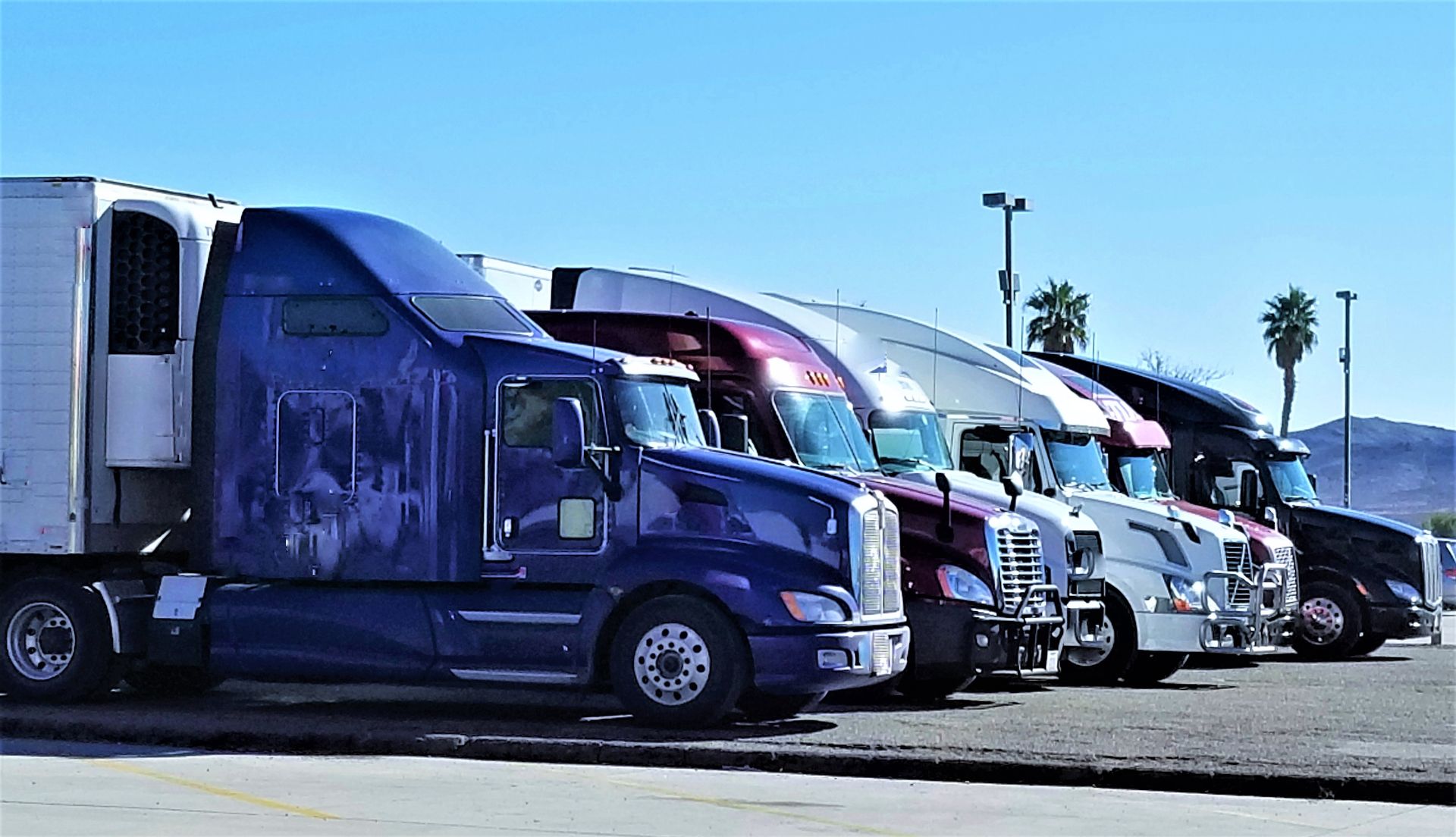
Commercial Auto & Trucking
Protection for your fleet including box trucks, moving vans, and trailers. Covers liability, collision, physical damage, and hired or non-owned vehicles used in your operations.
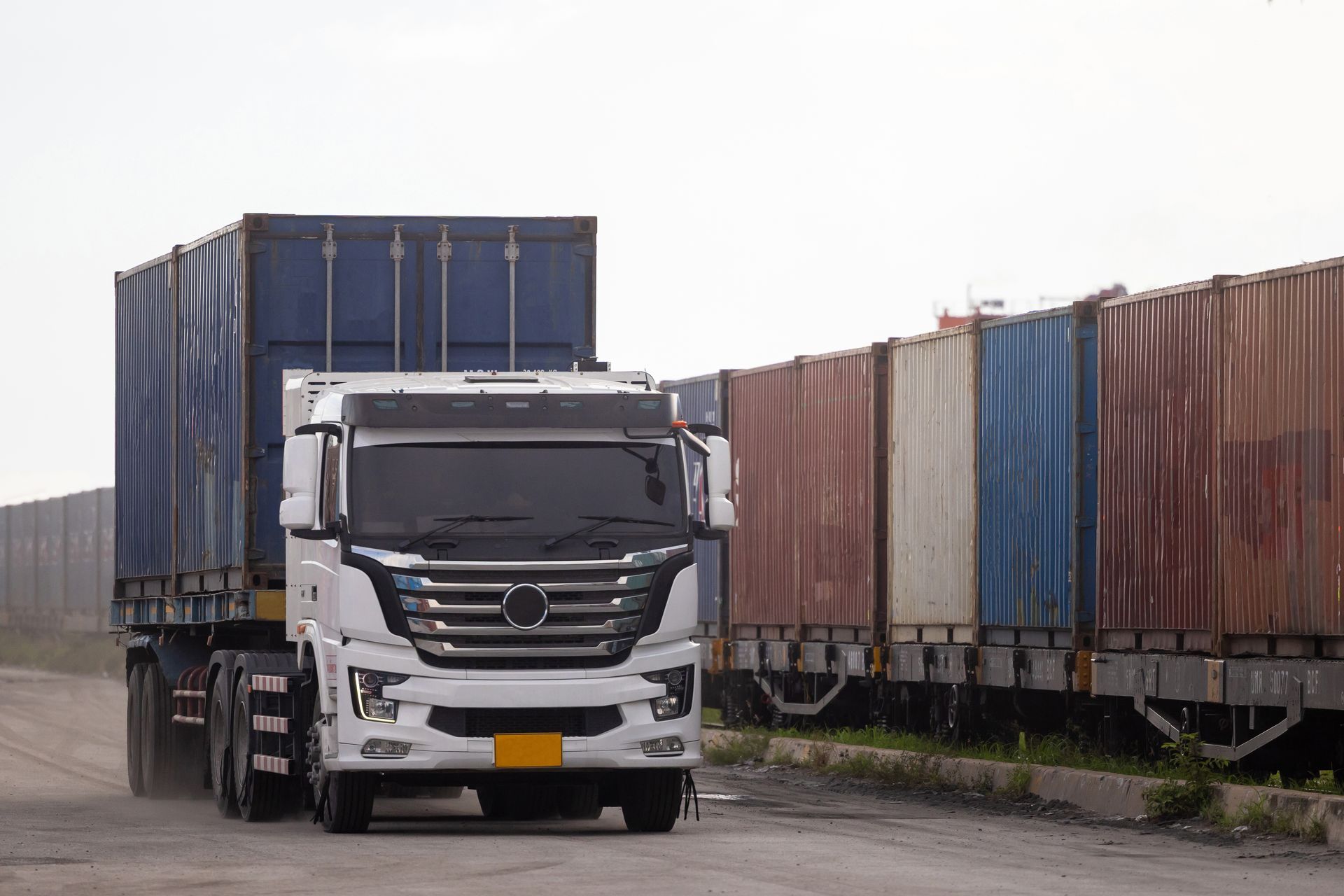
Motor Truck Cargo
Covers household goods and freight during transport from pickup to delivery. Protects against damage, theft, mysterious disappearance, and weather-related losses while cargo is in your care.

General Liability
Protection from third-party claims for bodily injury and property damage at customer homes, job sites, and your own facility. Essential coverage for every transportation operation

Warehouse Legal Liability
Coverage for customer property while stored in your facility. Protects against damage, theft, fire, and water damage to goods in your care, custody, or control.

Workers' Compensation
Medical care and wage replacement for employees injured on the job. Required in most states for transportation and warehouse work where physical labor creates higher injury risk.

Umbrella & Excess Liability
Higher liability limits stacked on top of your primary policies. Helps meet large contract requirements and protects your business assets against major claims and lawsuits.
Specialized Knowledge
Industries We Protect
Focused coverage for transportation and logistics businesses


Simple and Clear
How Our Process Works
Our process to get you covered
Connect With Us
Reach out through our form or by phone to share your business needs and current coverage situation.
Get Coverage Options
We review your risks, compare carriers, and present clear quotes with plain-language explanations.
Stay Protected
You choose your plan, and we provide ongoing support for certificates, claims, and renewals.
Trusted by Businesses
Feedback That Reflects Service and Reliability
What our clients say about working with Champion Risk
Answers You Need
Frequently Asked Questions
Common questions about transportation and logistics insurance




What insurance does a transportation company need to operate legally?
Motor carriers that cross state lines must meet FMCSA requirements. You need a minimum of $750,000 in liability coverage, plus a BMC-91 filing that proves your insurance to the federal government. Cargo coverage is also required, with minimums that depend on the type of goods you transport.
Intrastate operators follow state-specific rules. California, Texas, and Florida each have different requirements. Champion Risk handles both federal and state filings. We make sure your coverage meets legal minimums and your certificates reach the right agencies.
How much does commercial transportation insurance cost?
Premiums depend on your fleet size, driving records, cargo values, and claims history. A small operation with two trucks might pay $8,000 to $15,000 per year. A larger carrier with ten trucks could pay $50,000 to $100,000 or more.
The best way to control costs is working with a broker who knows transportation insurance. We find carriers that specialize in your exact operation type. This often results in better rates than going direct or using a general agent who doesn't understand the industry.
What is a BMC-91 filing and why do I need one?
A BMC-91 is a form your insurance company files with the FMCSA. It proves you carry the required liability coverage to operate as a for-hire motor carrier. Without an active BMC-91, your operating authority can be revoked.
Champion Risk works with carriers who file electronically. Your BMC-91 typically posts within 24 to 48 hours of binding coverage. We monitor your filing status and alert you if anything needs attention.
Does my warehouse or storage facility need different insurance than a trucking operation?
Yes. Storage facilities need warehouse legal liability coverage. This protects you when customer property is damaged or stolen while in your care. Standard general liability policies exclude this exposure.
You may also need property coverage for your building, equipment breakdown protection, and business income coverage if a fire or disaster shuts down operations. Champion Risk builds storage facility programs that address all these risks in one package.
Can you insure last-mile delivery drivers who use their own vehicles?
Yes. We offer hired and non-owned auto coverage for delivery operations that use independent contractors or employees driving personal vehicles. This fills gaps that personal auto policies don't cover during commercial use.
We also provide occupational accident coverage for 1099 drivers who aren't eligible for workers' comp. This protects your drivers and limits your liability exposure when accidents happen.
How fast can I get proof of insurance for a new contract?
Same day in most cases. Once we bind your policy, we issue certificates of insurance within hours. If your contract requires specific additional insured language or special endorsements, we coordinate directly with the carrier.
Rush requests happen often in this industry. General contractors and corporate clients demand certificates before they let you on site. Champion Risk prioritizes fast turnaround because we know your revenue depends on it.

Answers You Need
Transportation & Logistics Insurance Resources
Articles designed to inform and support your business
Contact Us
Phone Number:
Email Address:
Location:
12264 El Camino Real, Suite 350
San Diego, CA 92130
Hours:
Monday – Friday: 8:00 AM – 6:00 PM PT