
Aurora sits at a critical crossroads for freight movement in the Midwest. As Illinois's second-largest city and a gateway to Chicago's sprawling logistics network, local carriers face unique challenges that generic insurance policies simply don't address. The Illinois freight and logistics market is expected to reach USD 73.06 billion in 2025, and Aurora businesses are positioned to capture a significant share of that growth. But with opportunity comes risk, and transportation insurance in Aurora requires careful attention to both state mandates and local operating conditions.
I've watched too many fleet operators get burned by policies that looked adequate on paper but failed when a cargo claim hit or a driver got into an accident on I-88. The reality is that coverage requirements, premium factors, and regulatory compliance in Kane County differ meaningfully from what you'd encounter in downstate Illinois or neighboring states. Whether you're running a small courier operation or managing a multi-vehicle freight fleet, understanding these local nuances can save you thousands in premiums and protect your business when claims inevitably arise.
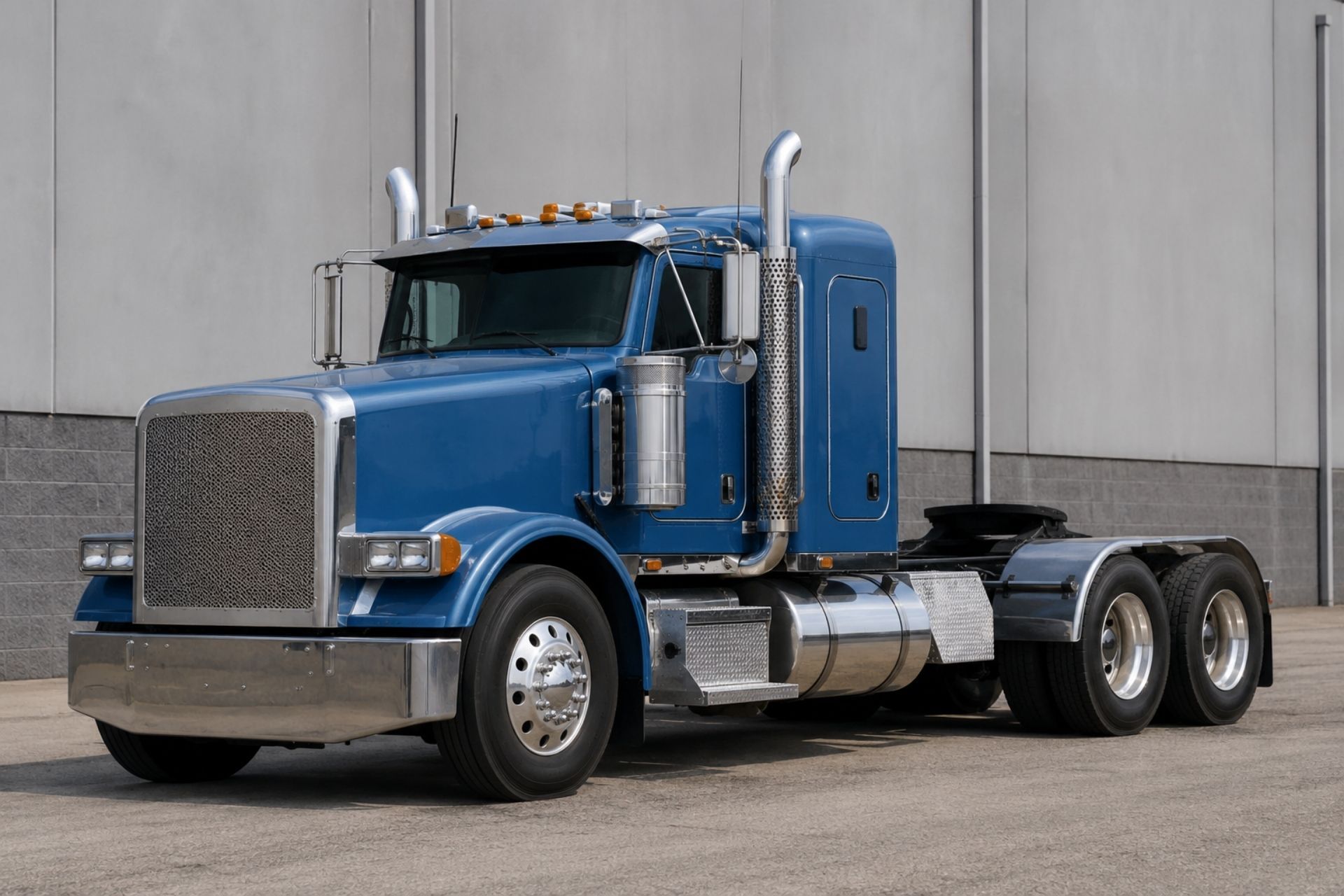
Aurora's position along major freight corridors makes it attractive for logistics operations, but that same accessibility creates insurance complexities. The city serves as a distribution hub connecting Chicago's port and rail facilities to western markets, with I-88 and Route 59 carrying substantial commercial traffic daily. This means your vehicles operate in high-density traffic zones where accident frequency runs above national averages.
Chicago's transportation, distribution, and logistics sector has the most industrial real estate square footage in the nation, and Aurora's warehouse districts benefit from that infrastructure. Local carriers often handle last-mile delivery for regional distribution centers, cross-dock operations, and specialized freight services. Each of these operation types carries distinct risk profiles that affect how insurers evaluate your fleet.
The staffing situation also impacts your insurance positioning. Approximately
37% of logistics organizations in the Chicago TD&L sector report significant staffing gaps, which can lead to hiring less experienced drivers or pushing existing staff beyond safe limits. Insurers pay attention to these industry trends when pricing policies for Aurora-based operations.


By: Mark Raby
Chief Executive Officer at Champion Risk & Insurance Services
Essential Insurance Coverages for Aurora Fleet Operators
Primary Auto Liability and Motor Truck Cargo
Your commercial auto liability policy forms the foundation of any transportation insurance program. Federal regulations require a minimum $750,000 liability coverage for most general freight operations in interstate commerce, though many Aurora carriers need higher limits based on contract requirements or cargo values. Shippers increasingly demand $1 million or more before they'll load your trucks.
Motor truck cargo insurance protects the goods you're hauling, and this coverage requires careful attention to your specific freight types. A policy covering general commodities won't adequately protect you if you're hauling temperature-sensitive pharmaceuticals or high-value electronics. Champion Risk works with Aurora carriers to match cargo coverage to actual freight profiles rather than defaulting to generic policies.
Physical Damage and Bobtail Insurance
Physical damage coverage protects your vehicles themselves, with comprehensive and collision components that vary based on vehicle age and value. Newer trucks justify higher coverage limits, while older equipment might warrant higher deductibles to manage premium costs.
Bobtail insurance fills a critical gap that many owner-operators overlook. When you're driving without a trailer, whether returning from a delivery or heading to pick up a load, your motor carrier's policy typically doesn't cover you. This non-trucking liability coverage protects you during those periods and costs relatively little compared to the exposure it addresses.
General Liability and Warehouse Legal Liability
General liability extends beyond vehicle operations to cover premises, products, and completed operations. If a customer visits your Aurora facility and gets injured, or if improperly secured cargo causes damage at a delivery site, this coverage responds. For operations with warehouse or cross-dock facilities,
warehouse legal liability covers goods in your care while stored, filling a gap that motor truck cargo policies don't address.
Illinois State and Local Regulatory Compliance
Illinois Department of Transportation (IDOT) Requirements
Illinois imposes specific insurance requirements beyond federal minimums for certain operation types. Intrastate carriers hauling hazardous materials face higher liability thresholds, and IDOT maintains an active enforcement program that can sideline non-compliant vehicles. Your insurance certificates must be filed correctly with state authorities, and lapses in coverage trigger automatic suspension of operating authority.
The regulatory environment continues evolving. As one industry analysis notes, "Regulatory complexity will remain a defining theme for 2026, with diesel emissions requirements, shifting state-level insurance rules, and new AI-driven operational tools influencing how fleets are evaluated and how insurers price risk" according to Alliant's transportation outlook.
Aurora Municipal Permits and Zoning for Logistics Hubs
Aurora's municipal code includes specific provisions for commercial vehicle operations, parking, and facility permits. Zoning regulations affect where you can base logistics operations, and operating from improperly zoned locations can void certain insurance coverages. The city has designated industrial corridors where trucking operations are welcomed, but residential adjacency creates noise and traffic restrictions that affect operating hours.
Effective January 1, 2024, the
Transportation Benefits Program Act mandates employers within Cook County to provide full-time employees with the option to purchase transit passes using pre-tax dollars. While Aurora sits in Kane County, carriers with operations or employees in Cook County must comply, adding another compliance layer to manage.

Driver Safety Records and MVR Impact
Nothing affects your premium more directly than your drivers' motor vehicle records. Insurers pull MVRs at policy inception and renewal, and violations within the past three to five years significantly impact rates. A single serious violation can increase premiums by 15-25%, while multiple incidents might make certain drivers uninsurable through standard markets.
The good news is that clean records work in your favor. Carriers with consistent hiring standards and ongoing MVR monitoring often qualify for preferred pricing tiers. Champion Risk helps Aurora fleet operators implement MVR review programs that catch problems early and maintain favorable risk profiles.
Route Risks and Urban Traffic Density in the Chicago Metro Area
Your operating radius directly affects premium calculations. Carriers primarily serving Aurora and western suburbs face different risk profiles than those regularly running into downtown Chicago or through the I-290/I-294 interchange. Urban density increases accident frequency, while longer-haul routes introduce fatigue factors and out-of-state exposure.
Insurers also evaluate the specific commodities and industries you serve. Hauling construction materials to active job sites carries different risks than delivering packaged goods to retail locations. Being transparent about your actual operations, rather than describing them vaguely, typically results in more accurate and often lower premiums.
Risk Management Strategies for Local Freight Carriers
Implementing Telematics and ELD Technology
Electronic logging devices became mandatory for most carriers, but telematics systems go beyond compliance to provide real risk management value. GPS tracking, harsh braking alerts, and speed monitoring create data that helps identify risky driver behaviors before they cause accidents. Insurers increasingly offer premium credits for carriers with active telematics programs.
The data also proves invaluable during claims. When an accident occurs, telematics records can demonstrate your driver's speed, braking patterns, and location, often disproving fraudulent claims or establishing comparative fault that reduces your liability exposure.
Safety Training and Maintenance Protocols
Documented safety programs demonstrate to insurers that you're actively managing risk rather than simply reacting to incidents. Quarterly safety meetings, new-hire orientation programs, and ongoing training on specific hazards all contribute to a favorable underwriting profile.
Maintenance records matter equally. Preventive maintenance schedules that exceed minimum DOT requirements show insurers you're serious about keeping equipment safe. Brake inspections, tire monitoring, and regular vehicle condition reports all support lower premium positioning.
| Coverage Type | Typical Minimum | Recommended for Aurora Operations |
|---|---|---|
| Primary Auto Liability | $750,000 | $1,000,000+ |
| Motor Truck Cargo | $100,000 | Based on cargo value |
| General Liability | $500,000 | $1,000,000 |
| Physical Damage | ACV of vehicle | Agreed value for newer trucks |
Securing the Right Policy for Your Aurora Business
Finding appropriate transportation and logistics insurance coverage requires balancing regulatory compliance, contractual requirements, and budget realities. Aurora carriers operate in a competitive market where insurance costs directly affect profitability, but cutting corners on coverage creates exposure that can destroy a business overnight.
The most successful approach involves working with specialists who understand both Illinois requirements and the specific challenges of operating in the Chicago metro area. Champion Risk brings that local expertise to Aurora fleet operators, helping match coverage to actual operations rather than forcing generic solutions.
Start by documenting your complete operation: vehicle types, driver qualifications, cargo categories, operating radius, and facility locations. This information allows for accurate quoting and identifies coverage gaps before they become claim problems. Request quotes from multiple carriers, but compare coverage terms carefully rather than simply chasing the lowest premium.
Frequently Asked Questions
What liability limits do Aurora trucking companies actually need? Federal minimums require $750,000 for general freight, but most shippers and brokers demand $1 million. Specialized cargo or hazmat operations may need higher limits.
How much does commercial truck insurance cost in Kane County? Annual premiums typically range from $8,000 to $15,000 per truck for basic coverage, though rates vary significantly based on driver records, equipment, and cargo types.
Does Illinois require cargo insurance for intrastate carriers? Illinois doesn't mandate cargo coverage for intrastate operations, but shippers almost universally require it contractually. Going without creates significant business risk.
How can I lower my fleet insurance premiums? Focus on driver selection and ongoing MVR monitoring, implement telematics systems, maintain documented safety programs, and work with specialists who understand transportation risks.
What happens if my insurance lapses in Illinois? IDOT receives electronic notification of coverage lapses and will suspend operating authority. Reinstatement requires proof of continuous coverage and potential penalties.
About the Author:
Mark Raby
I am a seasoned insurance professional with over 30 years of experience in the industry. I lead Champion Risk & Insurance Services, a San Diego-based brokerage with nationwide reach and strong influence in the insurance marketplace. My core competencies include insurance agency M&A deals, captives and alternative risk structures, and commercial property and casualty insurance for clients in the transportation and logistics industries. I am a former president of IIAB San Diego and hold a Bachelor of Science in Finance from Western Michigan University’s Haworth College of Business.
Protection for Transportation Operations
Business Insurance for Transportation & Logistics Companies
Coverage designed specifically for transportation businesses
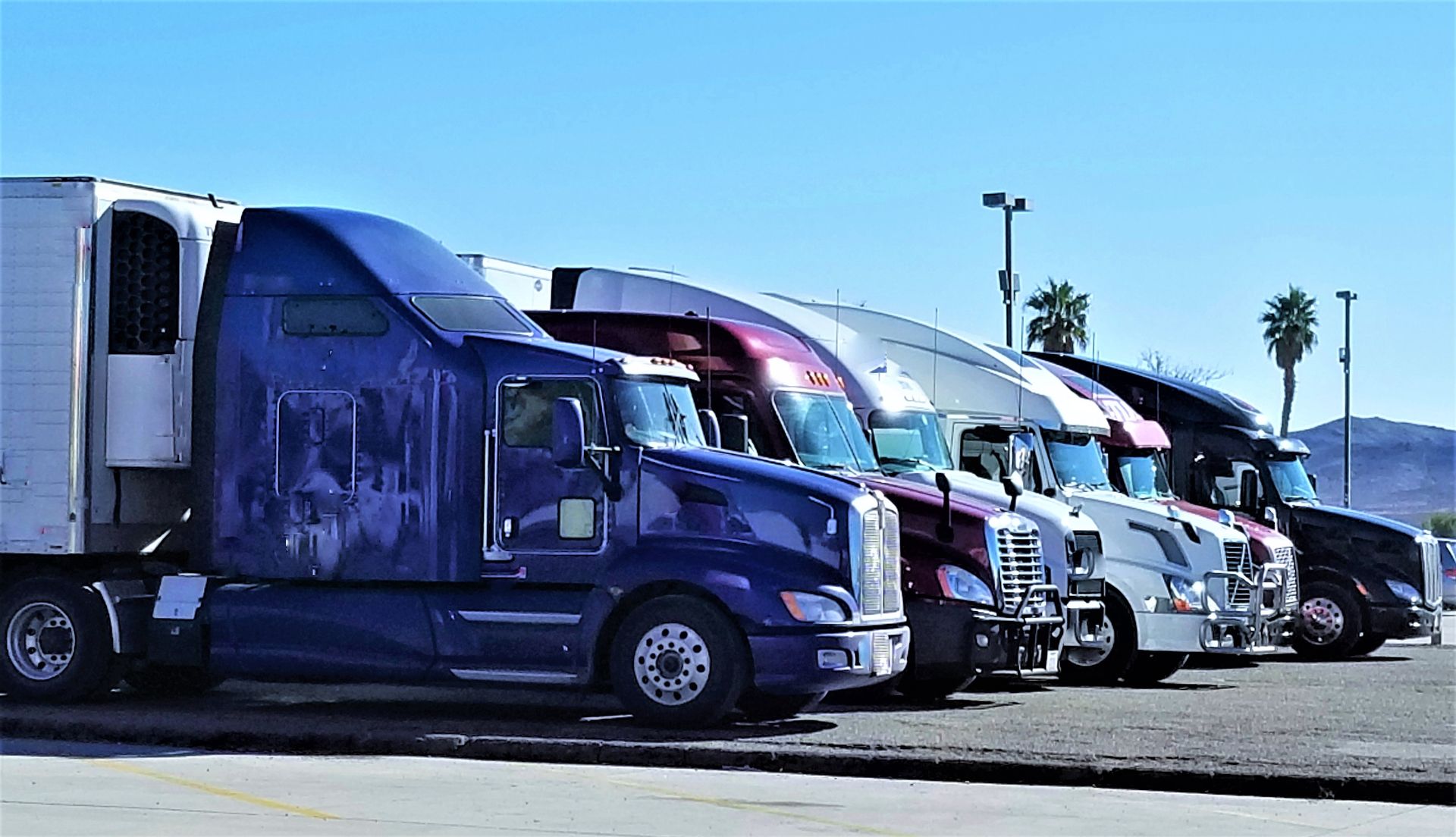
Commercial Auto & Trucking
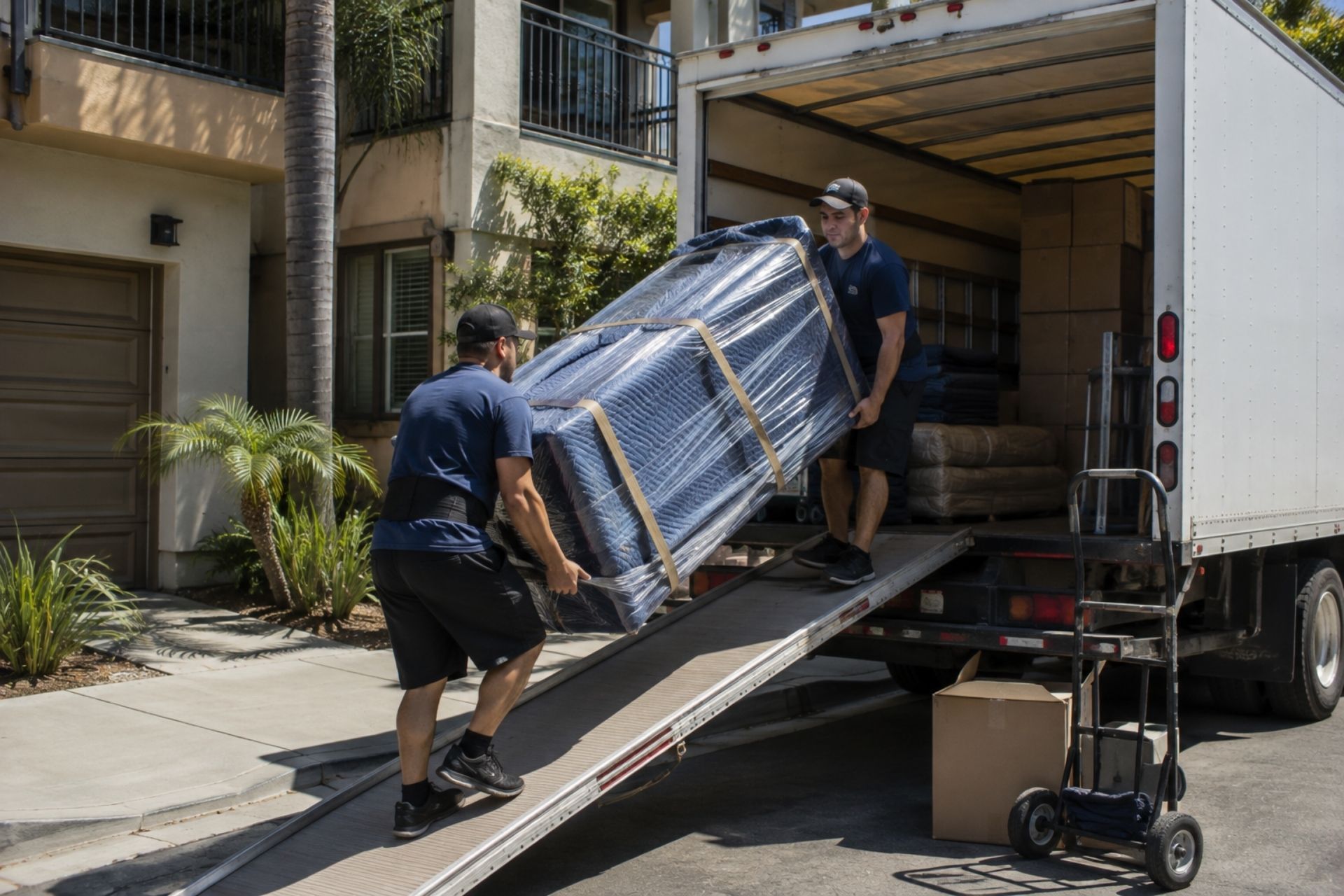
Protection for your fleet including box trucks, moving vans, and trailers. Covers liability, collision, physical damage, and hired or non-owned vehicles used in your operations.
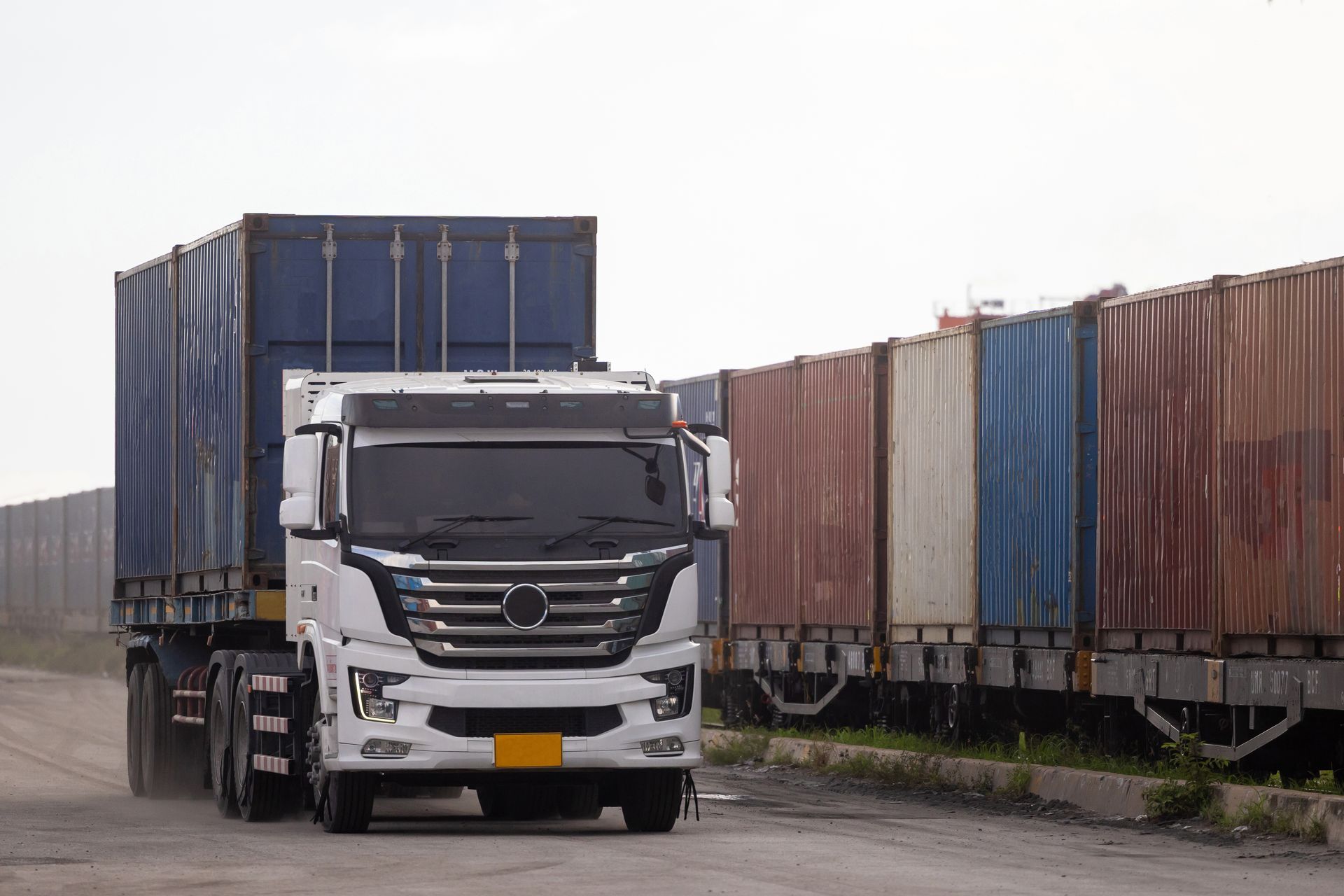
Motor Truck Cargo
Covers household goods and freight during transport from pickup to delivery. Protects against damage, theft, mysterious disappearance, and weather-related losses while cargo is in your care.

General Liability
Protection from third-party claims for bodily injury and property damage at customer homes, job sites, and your own facility. Essential coverage for every transportation operation

Warehouse Legal Liability
Coverage for customer property while stored in your facility. Protects against damage, theft, fire, and water damage to goods in your care, custody, or control.

Workers' Compensation
Medical care and wage replacement for employees injured on the job. Required in most states for transportation and warehouse work where physical labor creates higher injury risk.

Umbrella & Excess Liability
Higher liability limits stacked on top of your primary policies. Helps meet large contract requirements and protects your business assets against major claims and lawsuits.
Specialized Knowledge
Industries We Protect
Focused coverage for transportation and logistics businesses


Simple and Clear
How Our Process Works
Our process to get you covered
Connect With Us
Reach out through our form or by phone to share your business needs and current coverage situation.
Get Coverage Options
We review your risks, compare carriers, and present clear quotes with plain-language explanations.
Stay Protected
You choose your plan, and we provide ongoing support for certificates, claims, and renewals.
Trusted by Businesses
Feedback That Reflects Service and Reliability
What our clients say about working with Champion Risk
Answers You Need
Frequently Asked Questions
Common questions about transportation and logistics insurance



What insurance does a transportation company need to operate legally?
Motor carriers that cross state lines must meet FMCSA requirements. You need a minimum of $750,000 in liability coverage, plus a BMC-91 filing that proves your insurance to the federal government. Cargo coverage is also required, with minimums that depend on the type of goods you transport.
Intrastate operators follow state-specific rules. California, Texas, and Florida each have different requirements. Champion Risk handles both federal and state filings. We make sure your coverage meets legal minimums and your certificates reach the right agencies.
How much does commercial transportation insurance cost?
Premiums depend on your fleet size, driving records, cargo values, and claims history. A small operation with two trucks might pay $8,000 to $15,000 per year. A larger carrier with ten trucks could pay $50,000 to $100,000 or more.
The best way to control costs is working with a broker who knows transportation insurance. We find carriers that specialize in your exact operation type. This often results in better rates than going direct or using a general agent who doesn't understand the industry.
What is a BMC-91 filing and why do I need one?
A BMC-91 is a form your insurance company files with the FMCSA. It proves you carry the required liability coverage to operate as a for-hire motor carrier. Without an active BMC-91, your operating authority can be revoked.
Champion Risk works with carriers who file electronically. Your BMC-91 typically posts within 24 to 48 hours of binding coverage. We monitor your filing status and alert you if anything needs attention.
Does my warehouse or storage facility need different insurance than a trucking operation?
Yes. Storage facilities need warehouse legal liability coverage. This protects you when customer property is damaged or stolen while in your care. Standard general liability policies exclude this exposure.
You may also need property coverage for your building, equipment breakdown protection, and business income coverage if a fire or disaster shuts down operations. Champion Risk builds storage facility programs that address all these risks in one package.
Can you insure last-mile delivery drivers who use their own vehicles?
Yes. We offer hired and non-owned auto coverage for delivery operations that use independent contractors or employees driving personal vehicles. This fills gaps that personal auto policies don't cover during commercial use.
We also provide occupational accident coverage for 1099 drivers who aren't eligible for workers' comp. This protects your drivers and limits your liability exposure when accidents happen.
How fast can I get proof of insurance for a new contract?
Same day in most cases. Once we bind your policy, we issue certificates of insurance within hours. If your contract requires specific additional insured language or special endorsements, we coordinate directly with the carrier.
Rush requests happen often in this industry. General contractors and corporate clients demand certificates before they let you on site. Champion Risk prioritizes fast turnaround because we know your revenue depends on it.

Answers You Need
Transportation & Logistics Insurance Resources
Articles designed to inform and support your business
Contact Us
Phone Number:
Email Address:
Location:
12264 El Camino Real, Suite 350
San Diego, CA 92130
Hours:
Monday – Friday: 8:00 AM – 6:00 PM PT