
Mississippi's transportation and logistics industry sits at a crossroads of opportunity and risk. With freight shipments
expected to increase at the fastest rate in the U.S. by 2050, carriers operating in the Magnolia State face mounting pressure to protect their operations without bleeding money on unnecessary coverage. The good news? Mississippi is frequently cited as one of the cheapest states for commercial truck insurance, with average monthly premiums hovering just below $150 according to
TrustedChoice.com. That said, cheap coverage means nothing if it leaves gaps when a driver jackknifes on I-20 or cargo gets damaged during a Gulf Coast storm. Understanding transportation and logistics insurance requirements in Mississippi means knowing exactly what the state demands, what federal regulators expect, and where smart operators can trim costs without exposing themselves to catastrophic losses. This guide breaks down the coverage types, cost factors, and compliance requirements that actually matter for Mississippi carriers, whether you're running three trucks between Jackson and Memphis or coordinating freight across the entire Southeast.
Mississippi Commercial Trucking and Logistics Insurance Landscape
The Importance of Specialized Coverage for Magnolia State Carriers
Generic commercial auto policies don't cut it for trucking operations. A standard business auto policy might cover your company vehicles, but it won't address cargo damage, motor carrier liability, or the specific regulatory filings Mississippi and federal authorities require. The state's logistics sector is growing rapidly, with freight moved annually by trucks expected to increase 61% by weight between 2022 and 2050. That growth means more competition, more trucks on the road, and more claims activity.
Specialized transportation coverage addresses risks unique to this industry: spoiled refrigerated loads, damaged customer property, driver injuries, and the liability exposure that comes from operating 80,000-pound vehicles on public highways. Champion Risk works with Mississippi carriers daily and sees the same pattern: operators who treat insurance as a checkbox end up underinsured when it matters most.
Key Differences Between Intrastate and Interstate Operations
Your coverage requirements change dramatically based on where you haul. Intrastate carriers operating exclusively within Mississippi answer primarily to the Mississippi Department of Transportation. Interstate carriers fall under Federal Motor Carrier Safety Administration jurisdiction, which typically means higher liability minimums and additional filing requirements.
The distinction affects everything from minimum coverage amounts to the paperwork you file. A carrier running loads from Tupelo to Biloxi faces different regulatory burdens than one hauling from Jackson to Atlanta. Many Mississippi operators do both, which means maintaining compliance with two separate regulatory frameworks simultaneously.


By: Mark Raby
Chief Executive Officer at Champion Risk & Insurance Services
Mandatory State and Federal Coverage Requirements
Mississippi Department of Transportation (MDOT) Minimums
Mississippi requires specific liability minimums for commercial carriers operating within state borders. General freight liability coverage minimum is $750,000 Combined Single Limit for most trucking operations. This CSL approach combines bodily injury and property damage into a single coverage pool, simplifying policy structure but requiring careful attention to adequate limits.
Carriers transporting hazardous materials face higher requirements, often reaching $1 million or more depending on cargo classification. MDOT maintains active enforcement, and operating without proper coverage can result in permit revocation and significant fines.
FMCSA Compliance and BMC-91X Filings
Interstate carriers must file proof of insurance with the FMCSA through BMC-91X forms (for carriers using licensed insurers) or BMC-82 surety bonds. Minimum liability requirements under federal rules start at $750,000 for general freight but jump to $1 million for hazmat and $5 million for certain dangerous goods.
| Operation Type | Minimum Liability | Filing Required |
|---|---|---|
| General Freight (Interstate) | $750,000 | BMC-91X |
| Hazardous Materials | $1,000,000 - $5,000,000 | BMC-91X |
| Passenger Carriers (1-15) | $1,500,000 | BMC-91X |
| Passenger Carriers (16+) | $5,000,000 | BMC-91X |
These filings must remain current. A lapsed filing can result in operating authority suspension within days, shutting down your entire operation.
Mississippi Workers' Compensation Laws for Logistics Firms
Mississippi requires workers' compensation coverage for employers with five or more employees. Trucking companies often hit this threshold quickly when counting drivers, dispatchers, and administrative staff. The state allows several coverage options, including private insurance, self-insurance for qualifying large employers, and group self-insurance programs.
Owner-operators and independent contractors present classification challenges. Misclassifying employees as contractors to avoid workers' comp requirements creates serious legal exposure and potential penalties from the Mississippi Workers' Compensation Commission.
Essential Insurance Policy Types for Transportation Businesses
Primary Auto Liability and Motor Truck Cargo
Auto liability covers damage your trucks cause to others. Motor truck cargo insurance protects the freight you're hauling. These are separate policies addressing different risks, and most commercial operations need both.
Cargo coverage limits vary based on what you haul. A flatbed carrier moving construction materials needs different coverage than a refrigerated carrier transporting pharmaceuticals. Champion Risk typically recommends cargo limits that match your highest-value loads, not your average shipment value.
General Liability and Physical Damage Protection
General liability covers your business operations outside of driving: slip-and-fall injuries at your terminal, property damage during loading operations, or claims arising from your advertising. Physical damage coverage protects your own equipment against collision, theft, fire, and weather damage.
Many carriers skip physical damage on older trucks to save premium dollars. This works until a storm destroys three trucks simultaneously and the replacement cost exceeds your operating capital.
Contingent Cargo and Professional Liability for Freight Brokers
Freight brokers and third-party logistics providers face unique exposures. Contingent cargo coverage protects against claims when a carrier's primary cargo policy fails to respond. Professional liability addresses errors and omissions in your brokerage operations: booking the wrong carrier, miscommunicating delivery requirements, or failing to verify carrier credentials.
Broker bonds ($75,000 BMC-84) are separate from insurance and don't provide the same protection. Smart brokers carry both.

Impact of Safety Scores and Driving Records
Your CSA scores and driver MVRs directly influence premium calculations. Carriers with poor safety records pay substantially more, sometimes double or triple what clean operators pay for identical coverage. Insurance companies pull FMCSA data during underwriting and use it to predict future claims.
A single serious accident can impact premiums for three to five years. Driver hiring practices, ongoing training, and enforcement of safety protocols aren't just operational concerns: they're direct cost control measures.
Regional Risk Variables: Gulf Coast vs. Inland Routes
Mississippi's geography creates distinct risk profiles. Gulf Coast operations face hurricane exposure, flood risk, and higher theft rates in port areas. Inland routes through the Delta region present different challenges: rural response times, agricultural equipment conflicts, and seasonal flooding along river corridors.
Average local premium rates for commercial truck insurance in Mississippi run around $3,552, but this varies significantly based on operating territory. A carrier running exclusively between Jackson and Memphis pays different rates than one serving the Gulfport-Biloxi corridor.
Strategies for Reducing Logistics Insurance Costs
Implementing Telematics and Fleet Safety Programs
Telematics systems that monitor speed, braking, and hours-of-service compliance give insurers confidence in your operation. Many carriers see 5-15% premium reductions after implementing comprehensive telematics programs with documented safety improvements.
The data also helps defend against fraudulent claims. When someone claims your driver ran a red light, dashcam footage and GPS data tell the real story.
Navigating the Quote Process with Mississippi Specialized Brokers
Not all insurance agents understand trucking. Working with brokers who specialize in transportation coverage means access to markets that don't work with generalist agents. Champion Risk maintains relationships with multiple transportation-focused carriers, allowing side-by-side comparison of coverage terms and pricing.
The quote process matters too. Providing accurate exposure data, loss runs, and driver information upfront prevents surprises at binding. Incomplete applications get declined or quoted with assumptions that inflate premiums.
Frequently Asked Questions
How much does commercial truck insurance cost in Mississippi? Average premiums run around $3,552 annually for local operations, though rates vary based on cargo type, driving records, and operating territory.
What's the minimum liability coverage required for Mississippi trucking? General freight carriers need $750,000 Combined Single Limit minimum. Interstate operations and hazmat haulers face higher federal requirements.
Do I need cargo insurance if I'm hauling under someone else's authority? Typically yes. The carrier whose authority you operate under may require you to maintain cargo coverage, and shippers often verify coverage before tendering loads.
How do CSA scores affect my insurance rates? Poor safety scores can double or triple your premiums. Insurers view high CSA scores as predictors of future claims and price accordingly.
Can owner-operators get workers' compensation in Mississippi?
Owner-operators can purchase coverage voluntarily. Some motor carriers require it as a condition of leasing on.
Making the Right Coverage Decision
Mississippi's transportation sector offers real opportunity, but only for carriers who manage risk intelligently. The combination of relatively low insurance costs and growing freight demand creates favorable conditions for well-run operations. Understanding state requirements, federal compliance obligations, and the coverage types that actually protect your business puts you ahead of competitors who treat insurance as an afterthought.
Start by auditing your current coverage against the requirements outlined here. Identify gaps, compare your premiums to market averages, and consider whether your broker truly understands transportation risks. Champion Risk offers consultations specifically for Mississippi logistics operators looking to optimize coverage while controlling costs.
About the Author:
Mark Raby
I am a seasoned insurance professional with over 30 years of experience in the industry. I lead Champion Risk & Insurance Services, a San Diego-based brokerage with nationwide reach and strong influence in the insurance marketplace. My core competencies include insurance agency M&A deals, captives and alternative risk structures, and commercial property and casualty insurance for clients in the transportation and logistics industries. I am a former president of IIAB San Diego and hold a Bachelor of Science in Finance from Western Michigan University’s Haworth College of Business.
Protection for Transportation Operations
Business Insurance for Transportation & Logistics Companies
Coverage designed specifically for transportation businesses
Commercial Auto & Trucking
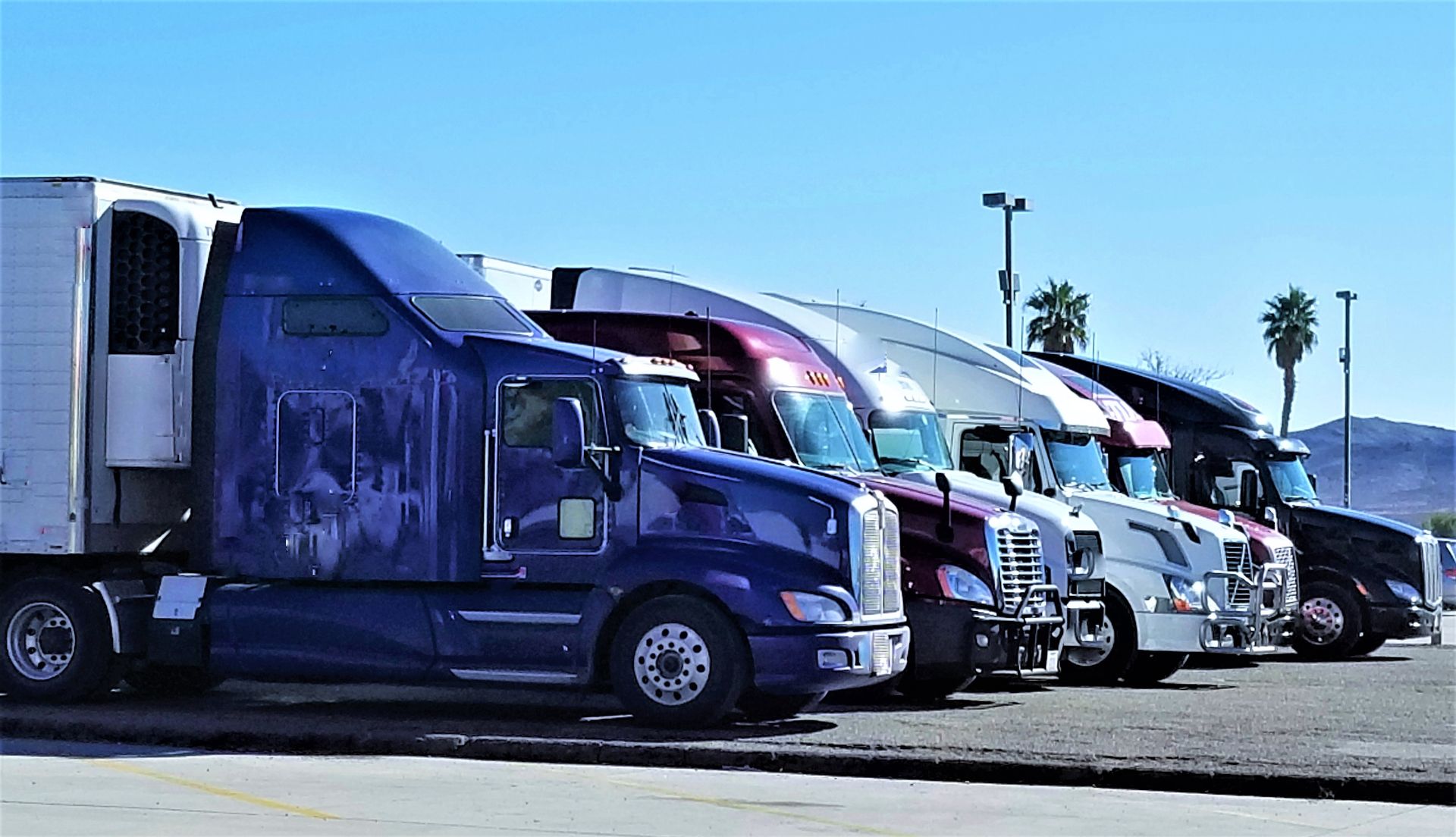
Protection for your fleet including box trucks, moving vans, and trailers. Covers liability, collision, physical damage, and hired or non-owned vehicles used in your operations.
Motor Truck Cargo
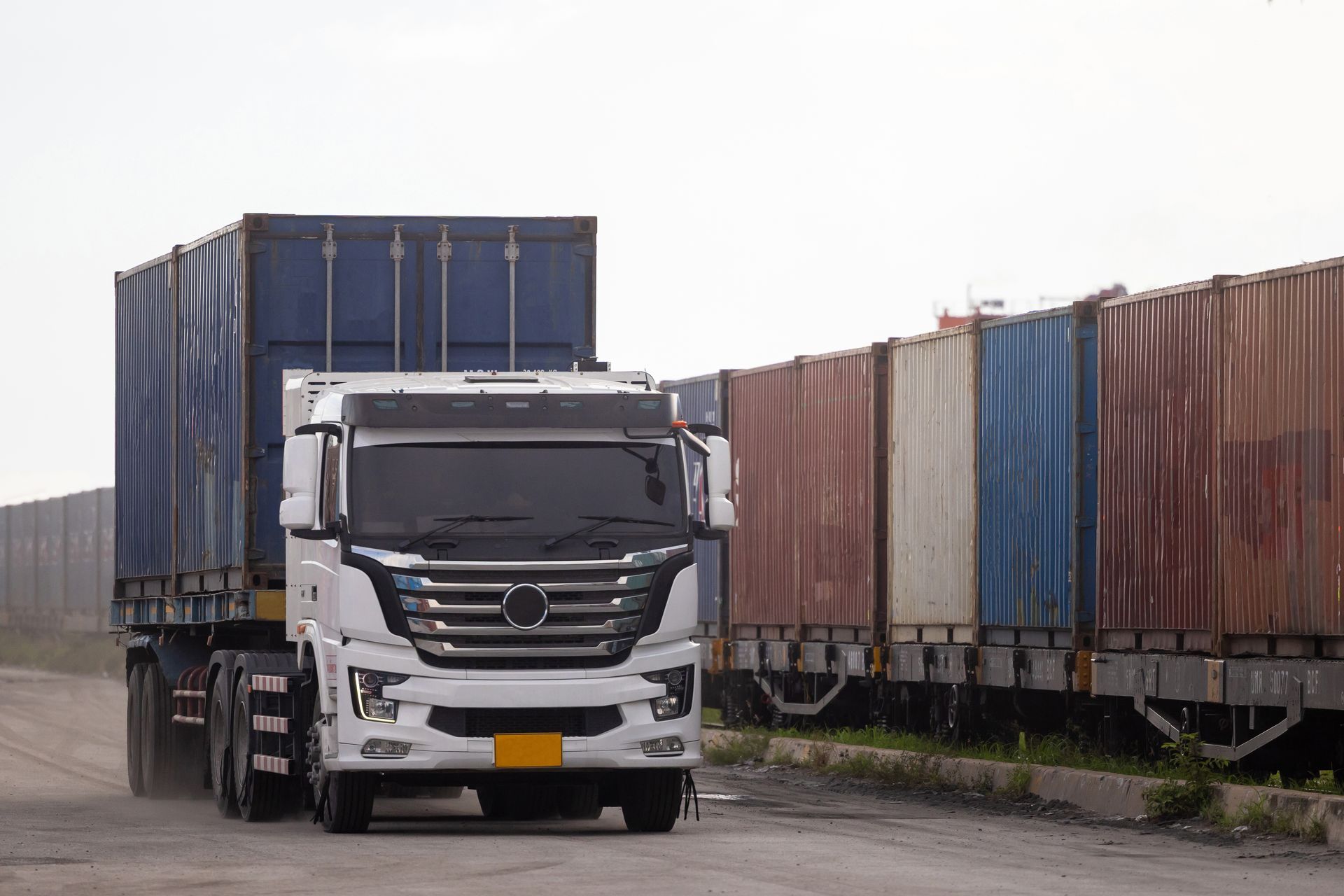
Covers household goods and freight during transport from pickup to delivery. Protects against damage, theft, mysterious disappearance, and weather-related losses while cargo is in your care.

General Liability
Protection from third-party claims for bodily injury and property damage at customer homes, job sites, and your own facility. Essential coverage for every transportation operation

Warehouse Legal Liability
Coverage for customer property while stored in your facility. Protects against damage, theft, fire, and water damage to goods in your care, custody, or control.

Workers' Compensation
Medical care and wage replacement for employees injured on the job. Required in most states for transportation and warehouse work where physical labor creates higher injury risk.

Umbrella & Excess Liability
Higher liability limits stacked on top of your primary policies. Helps meet large contract requirements and protects your business assets against major claims and lawsuits.
Specialized Knowledge
Industries We Protect
Focused coverage for transportation and logistics businesses


Simple and Clear
How Our Process Works
Our process to get you covered
Connect With Us
Reach out through our form or by phone to share your business needs and current coverage situation.
Get Coverage Options
We review your risks, compare carriers, and present clear quotes with plain-language explanations.
Stay Protected
You choose your plan, and we provide ongoing support for certificates, claims, and renewals.
Trusted by Businesses
Feedback That Reflects Service and Reliability
What our clients say about working with Champion Risk
Answers You Need
Frequently Asked Questions
Common questions about transportation and logistics insurance




What insurance does a transportation company need to operate legally?
Motor carriers that cross state lines must meet FMCSA requirements. You need a minimum of $750,000 in liability coverage, plus a BMC-91 filing that proves your insurance to the federal government. Cargo coverage is also required, with minimums that depend on the type of goods you transport.
Intrastate operators follow state-specific rules. California, Texas, and Florida each have different requirements. Champion Risk handles both federal and state filings. We make sure your coverage meets legal minimums and your certificates reach the right agencies.
How much does commercial transportation insurance cost?
Premiums depend on your fleet size, driving records, cargo values, and claims history. A small operation with two trucks might pay $8,000 to $15,000 per year. A larger carrier with ten trucks could pay $50,000 to $100,000 or more.
The best way to control costs is working with a broker who knows transportation insurance. We find carriers that specialize in your exact operation type. This often results in better rates than going direct or using a general agent who doesn't understand the industry.
What is a BMC-91 filing and why do I need one?
A BMC-91 is a form your insurance company files with the FMCSA. It proves you carry the required liability coverage to operate as a for-hire motor carrier. Without an active BMC-91, your operating authority can be revoked.
Champion Risk works with carriers who file electronically. Your BMC-91 typically posts within 24 to 48 hours of binding coverage. We monitor your filing status and alert you if anything needs attention.
Does my warehouse or storage facility need different insurance than a trucking operation?
Yes. Storage facilities need warehouse legal liability coverage. This protects you when customer property is damaged or stolen while in your care. Standard general liability policies exclude this exposure.
You may also need property coverage for your building, equipment breakdown protection, and business income coverage if a fire or disaster shuts down operations. Champion Risk builds storage facility programs that address all these risks in one package.
Can you insure last-mile delivery drivers who use their own vehicles?
Yes. We offer hired and non-owned auto coverage for delivery operations that use independent contractors or employees driving personal vehicles. This fills gaps that personal auto policies don't cover during commercial use.
We also provide occupational accident coverage for 1099 drivers who aren't eligible for workers' comp. This protects your drivers and limits your liability exposure when accidents happen.
How fast can I get proof of insurance for a new contract?
Same day in most cases. Once we bind your policy, we issue certificates of insurance within hours. If your contract requires specific additional insured language or special endorsements, we coordinate directly with the carrier.
Rush requests happen often in this industry. General contractors and corporate clients demand certificates before they let you on site. Champion Risk prioritizes fast turnaround because we know your revenue depends on it.

Answers You Need
Transportation & Logistics Insurance Resources
Articles designed to inform and support your business
Contact Us
Phone Number:
Email Address:
Location:
12264 El Camino Real, Suite 350
San Diego, CA 92130
Hours:
Monday – Friday: 8:00 AM – 6:00 PM PT