Newark sits at the crossroads of American commerce. Every day, thousands of trucks roll through its highways, containers stack high at the port, and warehouses hum with activity that keeps the entire Northeast supplied. If you're running a transportation or logistics operation here, you already know the stakes are high, and so are the insurance requirements.
New Jersey recently raised the bar significantly. As of July 1, 2024, commercial motor vehicles over 26,001 lbs GVW must carry a minimum of $1,500,000 in liability insurance. That's not a typo. The Garden State now has one of the strictest liability mandates in the country, and Newark-based carriers are feeling the impact on their bottom lines.
Understanding coverage requirements, actual costs, and local regulations isn't optional anymore. It's survival. Whether you're hauling containers from Port Newark, managing a warehouse in the Ironbound district, or coordinating intermodal shipments across the metro area, the right insurance strategy can mean the difference between weathering a claim and closing your doors. This guide breaks down what Newark transportation businesses actually need to know, without the industry jargon that makes your eyes glaze over.
The Role of Port Newark-Elizabeth in Local Risk Management
Port Newark-Elizabeth handles more container traffic than any other port on the East Coast. That volume creates unique risk exposure for every carrier operating in its orbit. Congested port roads, tight turnaround windows, and constant interaction with longshoremen and equipment operators multiply the chances of accidents, cargo damage, and liability claims.
Carriers picking up or delivering at the port face specific hazards that inland trucking operations never encounter. Chassis damage from rough handling, container seal issues, and delays that trigger demurrage charges all create potential claim scenarios. Your insurance needs to account for these port-specific risks, not just standard over-the-road coverage.
Why Newark-Based Carriers Require Specialized Policies
A trucking company based in rural Pennsylvania doesn't face the same challenges as one headquartered in Newark. Urban density, aggressive traffic patterns, and higher crime rates in certain corridors all factor into your risk profile. Insurance carriers know this, which is why rates in Newark and Jersey City are among the highest in New Jersey, with commercial auto insurance averages ranging from $2,480 to over $3,500 annually.
Standard policies often leave gaps that Newark operations can't afford. You need coverage that addresses the specific realities of operating in one of America's busiest logistics hubs, from theft protection in high-risk areas to coverage for the complex liability scenarios that arise in multi-party shipping arrangements.


By: Mark Raby
Chief Executive Officer at Champion Risk & Insurance Services
Core Coverage Types for Newark Transportation Businesses
Getting the right mix of coverage isn't about buying everything available. It's about understanding which policies actually protect your specific operation and which ones you can skip.
Commercial Auto and Motor Truck Cargo Insurance
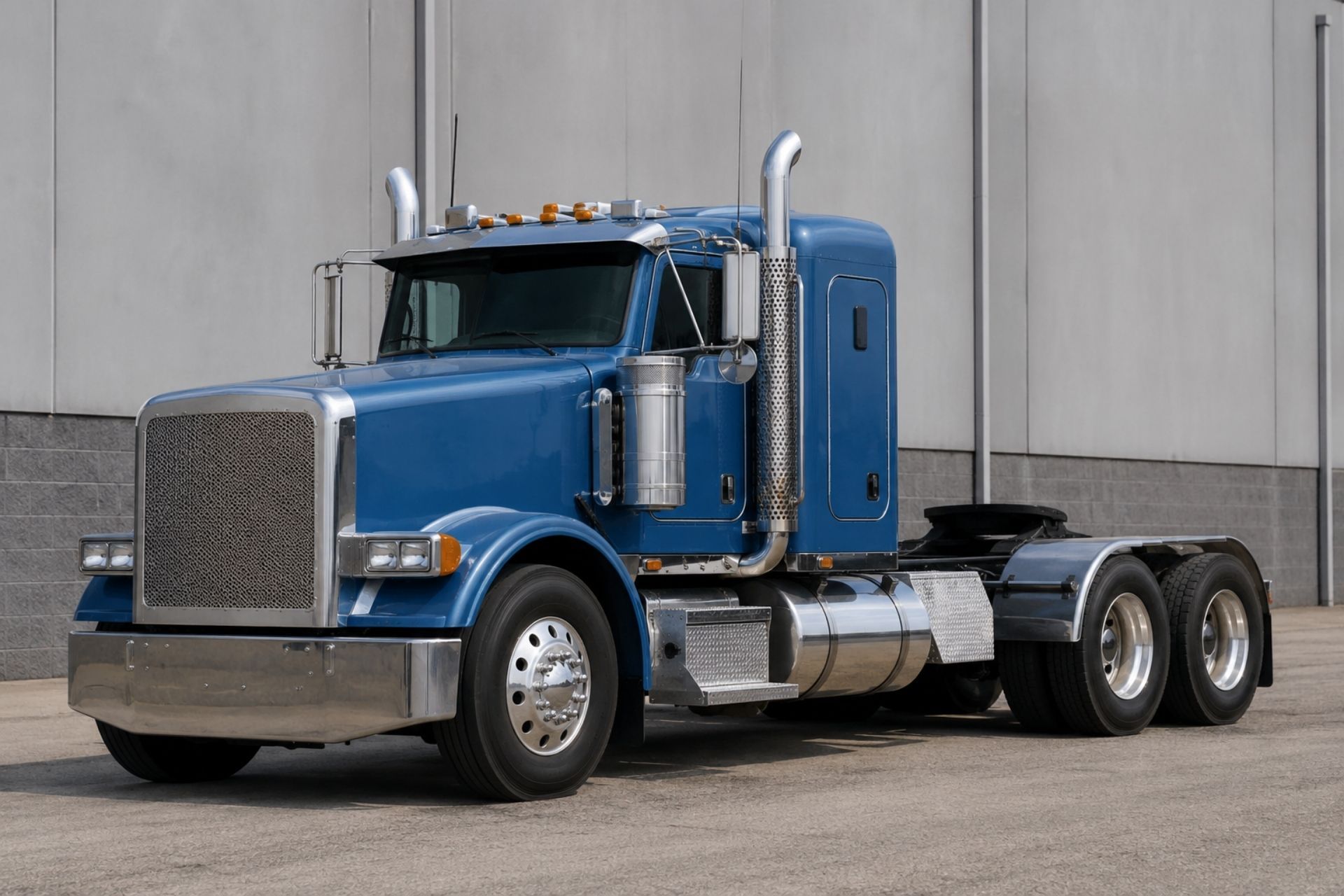
Commercial auto insurance is your foundation. It covers liability when your vehicles cause accidents, plus physical damage to your trucks themselves. In New Jersey, you're looking at an average of $263 per month, or $3,155 annually for standard commercial auto coverage. That's before you factor in the higher liability limits now required for heavy trucks.
Motor truck cargo insurance protects the freight you're hauling. If your load gets damaged, stolen, or destroyed, this coverage pays the shipper. Most contracts require it, and cargo values in the Newark market often run high given the port's role in importing finished goods.
General Liability and Warehouse Legal Liability
General liability covers third-party injuries and property damage that happen outside of driving situations. A visitor slips at your terminal, a forklift damages a customer's property during loading: these scenarios fall under GL coverage.
Warehouse legal liability is essential if you store goods for others. It protects you when stored cargo gets damaged or destroyed while in your care. Champion Risk works with numerous Newark warehouse operators who've learned the hard way that standard property insurance doesn't cover customer goods.
Intermodal Interchange Coverage for Port Operations
If you're using chassis or containers owned by steamship lines or equipment pools, intermodal interchange coverage is non-negotiable. Standard commercial auto policies typically exclude damage to non-owned equipment under interchange agreements.
This coverage protects you when you damage a chassis during pickup at Port Newark or return a container with unreported damage. Without it, you're personally liable for repair or replacement costs that can easily reach $15,000 or more per incident.
New Jersey State and Local Regulatory Requirements
New Jersey doesn't make insurance compliance simple. Multiple agencies have oversight, and the requirements can change faster than your policy renewal cycle.
NJ Department of Banking and Insurance (DOBI) Mandates
The DOBI regulates all insurance activity in New Jersey, including the policies that cover your fleet. Every insurer writing commercial auto in the state must be licensed through DOBI, and policies must meet minimum standards for coverage terms and claims handling.
Recent regulatory changes have focused on ensuring carriers can actually pay claims. The $1.5 million liability requirement reflects DOBI's concern that previous minimums left accident victims undercompensated. Expect continued scrutiny of insurance adequacy in the transportation sector.
Workers' Compensation Standards for Garden State Logistics
New Jersey requires workers' compensation coverage for virtually all employees. There's no minimum employee threshold like some states have. If you have one driver or fifty, you need workers' comp.
Logistics work carries above-average injury rates. Loading dock accidents, lifting injuries, and vehicle-related incidents drive claims frequency. Your workers' comp premiums will reflect your experience modification rate, which tracks your claims history against industry averages.

Factors Influencing Insurance Costs in the Newark Metro Area
Insurance pricing isn't arbitrary. Specific factors drive your premiums up or down, and understanding them helps you make strategic decisions about your operation.
Impact of Urban Traffic Density and High-Theft Corridors
Newark's traffic density directly correlates with accident frequency. More vehicles, more intersections, more opportunities for collisions. Insurers price this reality into every policy they write for Newark-based fleets.
Cargo theft is another major factor. Certain areas around the port and along major highways have elevated theft rates that insurers track carefully. If you're parking loaded trailers overnight in high-risk zones, expect your cargo coverage to cost more. Some carriers require specific security measures before they'll write coverage at all.
The financial impact is substantial. Expect to pay around $22,500 annually for semi-truck insurance in New Jersey due to the $1.5 million liability mandate. As insurance expert Joe Schreiner of Reliance Partners noted, "Increasing coverage from $1 million to $1.5 million could increase premiums by 40-60%."
Safety Ratings and Fleet Maintenance Records
Your CSA scores and safety ratings directly impact what you pay. Carriers with poor safety records face surcharges or outright declinations from preferred insurers, forcing them into the excess and surplus market where rates run significantly higher.
Maintenance records matter too. Insurers want evidence that your equipment is properly maintained. Documented pre-trip inspections, regular service intervals, and prompt repair of identified issues all support better pricing. Champion Risk has helped clients reduce premiums by simply organizing their maintenance documentation.
Commercial auto premiums have increased an average of 9.4 percent over the past year. You can't control market trends, but you can control factors that affect your specific pricing.
Implementing Telematics and Driver Training Programs
Telematics systems that monitor driving behavior give insurers confidence that you're actively managing risk. Hard braking events, speeding incidents, and hours-of-service compliance all get tracked and reported. Clean data supports better rates.
Driver training programs demonstrate commitment to safety. Insurers often provide credits for documented training on defensive driving, cargo securement, and accident prevention. The investment in training typically pays for itself through premium reductions within the first year.
| Strategy | Typical Premium Impact | Implementation Cost |
|---|---|---|
| Telematics installation | 5-15% reduction | $200-500 per vehicle |
| Annual driver training | 3-8% reduction | $100-300 per driver |
| Dashcam systems | 5-10% reduction | $150-400 per vehicle |
| Higher deductibles | 10-20% reduction | Increased out-of-pocket |
Selecting the Right Newark-Based Insurance Broker
A broker who understands Newark's logistics market can access carriers and programs that generalist agents never see. Local expertise matters when navigating port-specific coverage needs and New Jersey's regulatory environment.
Look for brokers with actual transportation industry experience, not just agents who happen to sell commercial auto. They should understand interchange agreements, cargo liability limits, and the specific challenges of operating in the Newark metro area. Champion Risk specializes in exactly these situations, helping Newark transportation businesses find coverage that fits their actual operations.
Frequently Asked Questions
What's the minimum liability insurance required for commercial trucks in New Jersey? As of July 2024, vehicles over 26,001 lbs GVW need $1.5 million in liability coverage. Lighter commercial vehicles have lower minimums.
How much does semi-truck insurance cost in Newark? Expect around $22,500 annually for a semi-truck meeting the $1.5 million liability requirement. Actual costs vary based on safety records and coverage needs.
Do I need special insurance for port operations? Yes. Intermodal interchange coverage protects you when using steamship line or pool equipment. Standard commercial auto policies exclude this exposure.
Can telematics really lower my insurance costs? Most insurers offer 5-15% discounts for fleets with telematics. The data demonstrates active safety management and helps defend against fraudulent claims.
Is workers' compensation required in New Jersey? Yes, for all employees. There's no minimum employee count exemption in New Jersey.
Making the Right Coverage Decision
Newark's transportation and logistics insurance requirements have gotten more demanding, but they're manageable with the right approach. Focus on understanding your specific exposures, meeting state requirements, and implementing the safety measures that earn premium credits. The carriers who thrive here are the ones who treat insurance as a strategic investment rather than just another expense line. Working with specialists like Champion Risk who understand Newark's unique logistics environment can help you build coverage that actually protects your operation without paying for policies you don't need.
About the Author:
Mark Raby
I am a seasoned insurance professional with over 30 years of experience in the industry. I lead Champion Risk & Insurance Services, a San Diego-based brokerage with nationwide reach and strong influence in the insurance marketplace. My core competencies include insurance agency M&A deals, captives and alternative risk structures, and commercial property and casualty insurance for clients in the transportation and logistics industries. I am a former president of IIAB San Diego and hold a Bachelor of Science in Finance from Western Michigan University’s Haworth College of Business.
Protection for Transportation Operations
Business Insurance for Transportation & Logistics Companies
Coverage designed specifically for transportation businesses
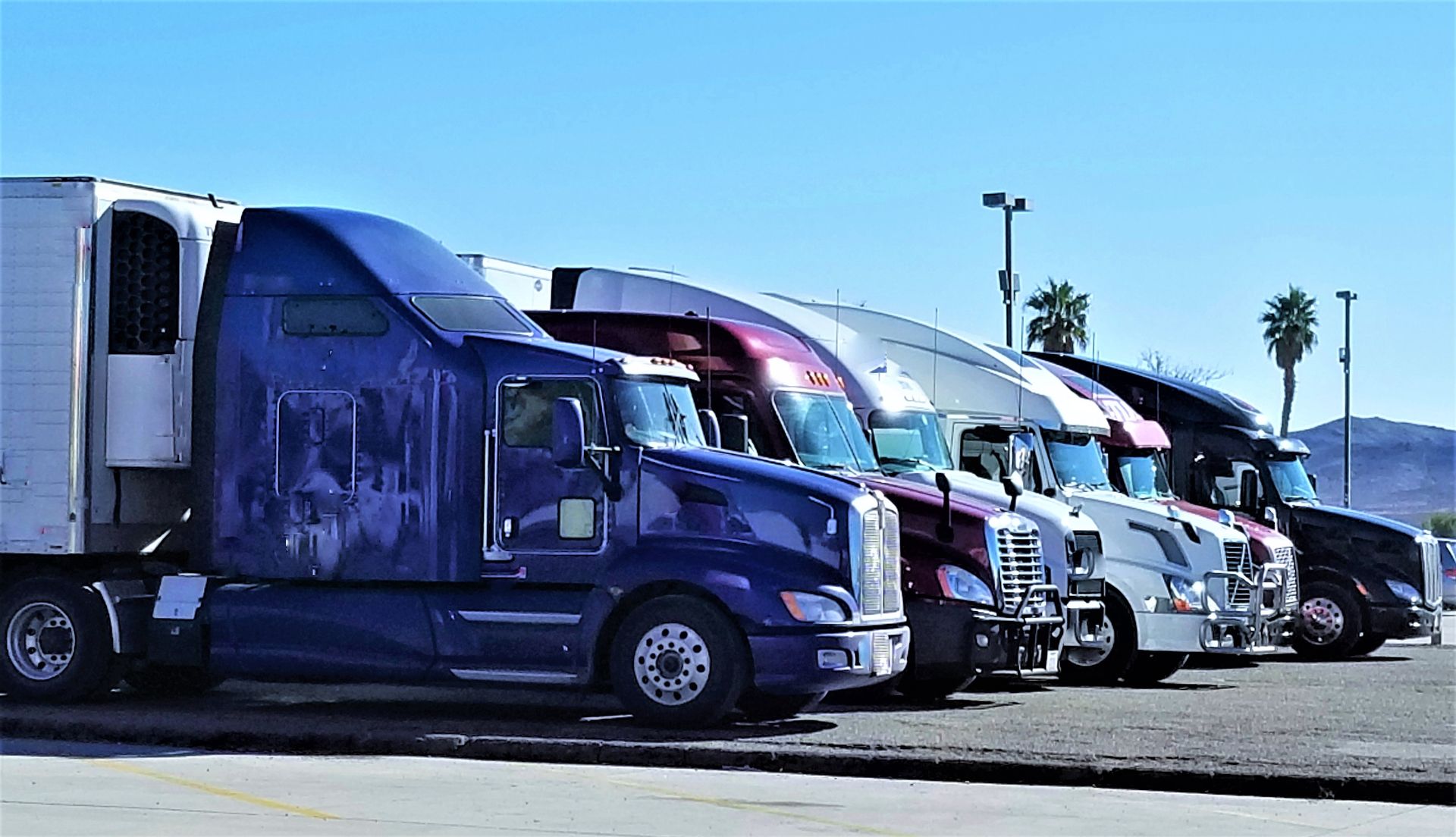
Commercial Auto & Trucking
Protection for your fleet including box trucks, moving vans, and trailers. Covers liability, collision, physical damage, and hired or non-owned vehicles used in your operations.
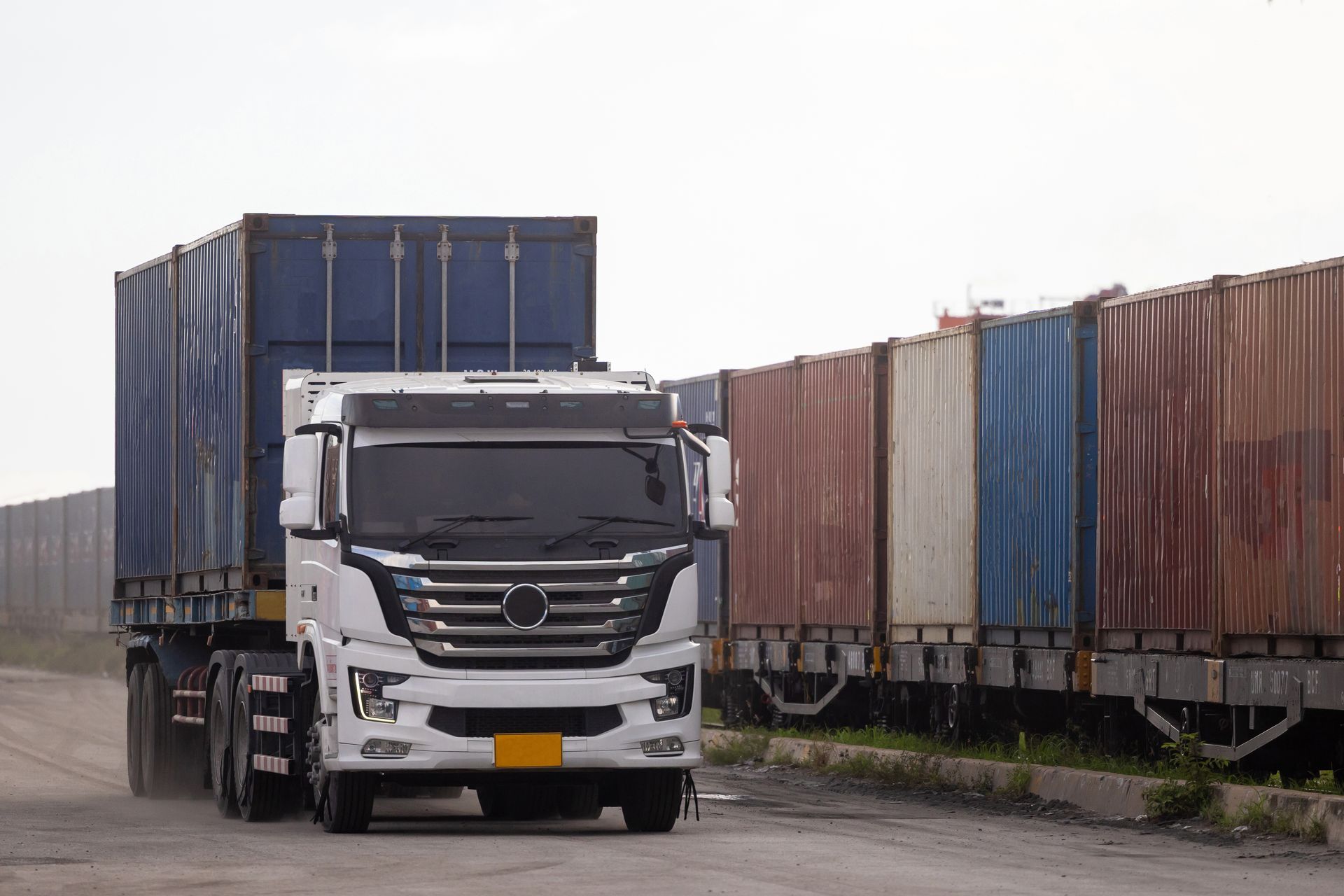
Motor Truck Cargo
Covers household goods and freight during transport from pickup to delivery. Protects against damage, theft, mysterious disappearance, and weather-related losses while cargo is in your care.

General Liability
Protection from third-party claims for bodily injury and property damage at customer homes, job sites, and your own facility. Essential coverage for every transportation operation
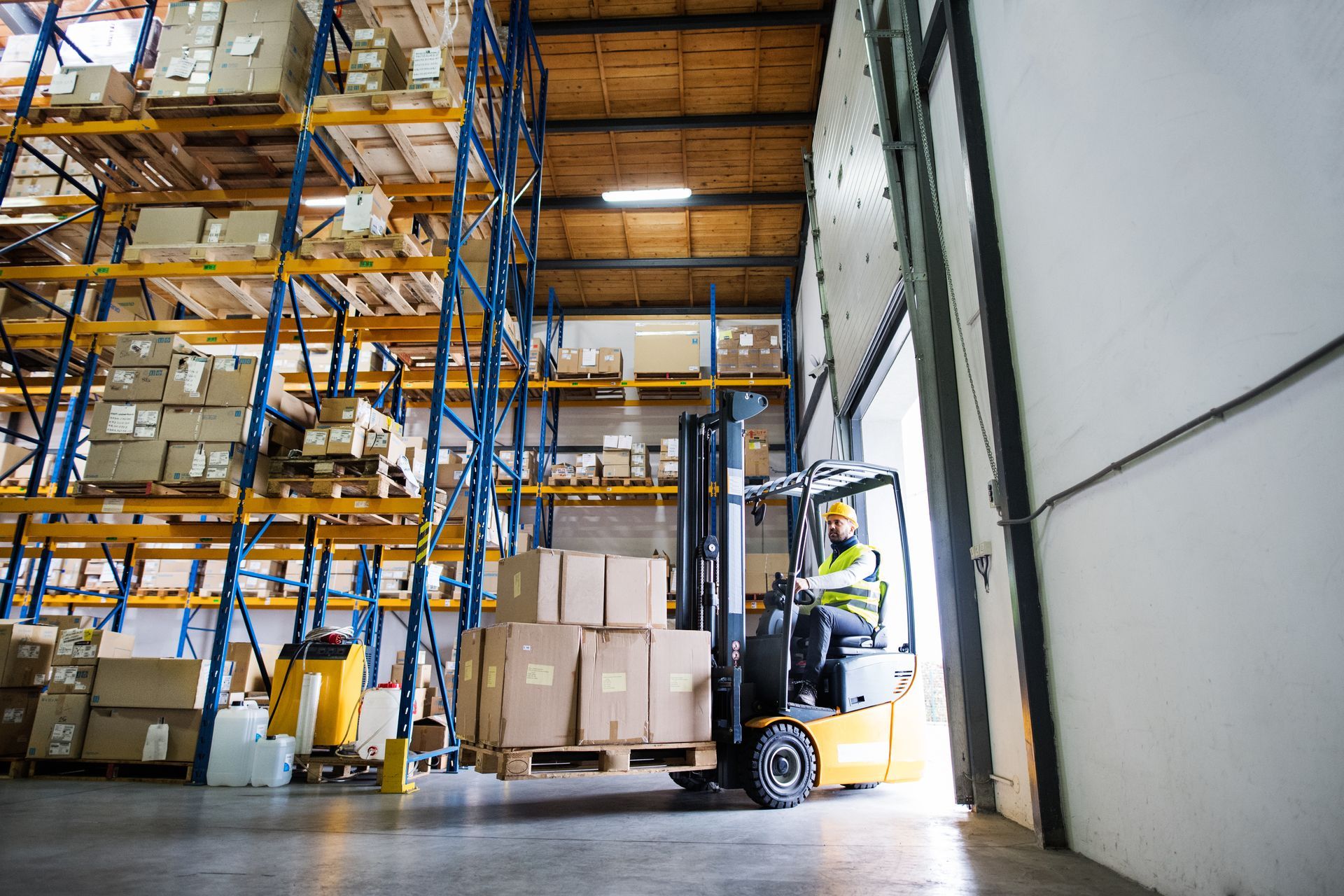
Warehouse Legal Liability
Coverage for customer property while stored in your facility. Protects against damage, theft, fire, and water damage to goods in your care, custody, or control.

Workers' Compensation
Medical care and wage replacement for employees injured on the job. Required in most states for transportation and warehouse work where physical labor creates higher injury risk.

Umbrella & Excess Liability
Higher liability limits stacked on top of your primary policies. Helps meet large contract requirements and protects your business assets against major claims and lawsuits.
Specialized Knowledge
Industries We Protect
Focused coverage for transportation and logistics businesses

Simple and Clear
How Our Process Works
Our process to get you covered
Connect With Us
Reach out through our form or by phone to share your business needs and current coverage situation.
Get Coverage Options
We review your risks, compare carriers, and present clear quotes with plain-language explanations.
Stay Protected
You choose your plan, and we provide ongoing support for certificates, claims, and renewals.
Trusted by Businesses
Feedback That Reflects Service and Reliability
What our clients say about working with Champion Risk
Answers You Need
Frequently Asked Questions
Common questions about transportation and logistics insurance



What insurance does a transportation company need to operate legally?
Motor carriers that cross state lines must meet FMCSA requirements. You need a minimum of $750,000 in liability coverage, plus a BMC-91 filing that proves your insurance to the federal government. Cargo coverage is also required, with minimums that depend on the type of goods you transport.
Intrastate operators follow state-specific rules. California, Texas, and Florida each have different requirements. Champion Risk handles both federal and state filings. We make sure your coverage meets legal minimums and your certificates reach the right agencies.
How much does commercial transportation insurance cost?
Premiums depend on your fleet size, driving records, cargo values, and claims history. A small operation with two trucks might pay $8,000 to $15,000 per year. A larger carrier with ten trucks could pay $50,000 to $100,000 or more.
The best way to control costs is working with a broker who knows transportation insurance. We find carriers that specialize in your exact operation type. This often results in better rates than going direct or using a general agent who doesn't understand the industry.
What is a BMC-91 filing and why do I need one?
A BMC-91 is a form your insurance company files with the FMCSA. It proves you carry the required liability coverage to operate as a for-hire motor carrier. Without an active BMC-91, your operating authority can be revoked.
Champion Risk works with carriers who file electronically. Your BMC-91 typically posts within 24 to 48 hours of binding coverage. We monitor your filing status and alert you if anything needs attention.
Does my warehouse or storage facility need different insurance than a trucking operation?
Yes. Storage facilities need warehouse legal liability coverage. This protects you when customer property is damaged or stolen while in your care. Standard general liability policies exclude this exposure.
You may also need property coverage for your building, equipment breakdown protection, and business income coverage if a fire or disaster shuts down operations. Champion Risk builds storage facility programs that address all these risks in one package.
Can you insure last-mile delivery drivers who use their own vehicles?
Yes. We offer hired and non-owned auto coverage for delivery operations that use independent contractors or employees driving personal vehicles. This fills gaps that personal auto policies don't cover during commercial use.
We also provide occupational accident coverage for 1099 drivers who aren't eligible for workers' comp. This protects your drivers and limits your liability exposure when accidents happen.
How fast can I get proof of insurance for a new contract?
Same day in most cases. Once we bind your policy, we issue certificates of insurance within hours. If your contract requires specific additional insured language or special endorsements, we coordinate directly with the carrier.
Rush requests happen often in this industry. General contractors and corporate clients demand certificates before they let you on site. Champion Risk prioritizes fast turnaround because we know your revenue depends on it.

Answers You Need
Transportation & Logistics Insurance Resources
Articles designed to inform and support your business
Contact Us
Phone Number:
Email Address:
Location:
12264 El Camino Real, Suite 350
San Diego, CA 92130
Hours:
Monday – Friday: 8:00 AM – 6:00 PM PT