
West Virginia's transportation industry moves an impressive amount of freight through some of the most challenging terrain in the eastern United States. According to state data, 326 million tons of freight valued at $127 billion passed through the Mountain State in 2019 alone. That volume comes with serious risk exposure, and the insurance requirements reflect it.
Getting transportation and logistics insurance right in West Virginia means understanding both federal mandates and state-specific regulations that differ from neighboring states. The average commercial truck insurance premium here runs about
$11,687 annually, though your actual costs will vary significantly based on cargo type, routes, and safety history. The mountainous roads, unpredictable weather, and rising traffic fatality rates all factor into how insurers price your coverage. Here's what you need to know to protect your fleet and your bottom line.
Overview of West Virginia's Transportation and Logistics Landscape
West Virginia sits at a crossroads of major freight corridors connecting the Midwest to East Coast markets. Interstate 64, I-77, and I-79 carry thousands of commercial vehicles daily through valleys and over mountain passes that demand skilled drivers and well-maintained equipment.
The geography creates unique challenges. Steep grades, tight curves, and frequent elevation changes put extra stress on brakes and engines. Winter brings ice and fog that can shut down mountain routes for hours. These conditions contribute to a troubling safety trend: traffic fatality rates increased 21% between 2019 and 2023, jumping from 1.36 to 1.64 fatalities per 100 million vehicle miles traveled.
Congestion adds another layer of cost. Drivers in Wheeling lose an average of
39 hours and $1,069 annually sitting in traffic. That idle time increases exposure risk and drives up operational costs that ultimately affect insurance calculations. Carriers operating here need coverage designed for these specific conditions, not generic policies written for flat-terrain states.


By: Mark Raby
Chief Executive Officer at Champion Risk & Insurance Services
Mandatory State and Federal Insurance Requirements
West Virginia Minimum Liability Limits
West Virginia follows federal guidelines for commercial vehicle liability minimums, but the state adds specific filing requirements. For-hire carriers operating vehicles over 10,001 pounds must maintain primary liability coverage of at least $750,000 for general freight. Hazmat haulers face higher thresholds, typically $1 million to $5 million depending on cargo classification.
The state requires proof of insurance through Form E filings with the Public Service Commission. Lapses in coverage trigger automatic operating authority suspension, which can happen faster than many new carriers expect. Champion Risk works with carriers to ensure continuous coverage and proper documentation to avoid costly authority interruptions.
FMCSA Compliance and MCS-90 Filings
Federal Motor Carrier Safety Administration requirements apply to any carrier crossing state lines. The MCS-90 endorsement guarantees payment to injured parties even if your policy otherwise wouldn't cover a claim. This endorsement isn't optional for interstate carriers, and it creates obligations that extend beyond your standard policy terms.
The Unified Carrier Registration system requires annual fees based on fleet size. Carriers must also maintain BMC-91 or BMC-91X filings for public liability and BMC-84 filings for cargo coverage. Missing any of these filings can result in out-of-service orders during roadside inspections.
Workers' Compensation Laws for WV Carriers
West Virginia operates a private workers' compensation market, meaning carriers purchase coverage from private insurers rather than a state fund. All employers with one or more employees must carry coverage, with no exceptions for small fleets.
Owner-operators face a choice: they can elect to cover themselves under workers' comp or sign waivers. The catch is that many motor carriers and brokers require proof of workers' comp coverage before contracting with independents. Going without coverage might save premium dollars but limits your available freight options significantly.
Essential Coverage Types for Logistics Businesses
Motor Truck Cargo and Inland Marine Insurance
Cargo insurance protects the goods you haul, not your truck. Standard policies cover theft, collision damage, and weather events, but exclusions matter. Temperature-sensitive freight, high-value electronics, and hazardous materials often require specialized endorsements.
Inland marine coverage extends protection to goods in transit that don't fit neatly into standard cargo categories. If you're hauling construction equipment, mobile machinery, or items that move between multiple locations, inland marine fills gaps that cargo policies miss. Champion Risk helps carriers identify these coverage gaps before a denied claim reveals them.
General Liability and Physical Damage Coverage
General liability protects your business from third-party claims that don't involve your vehicles directly. Slip-and-fall injuries at your terminal, damage to a shipper's loading dock, or advertising injury claims all fall under GL coverage.
Physical damage insurance covers your trucks and trailers themselves. Comprehensive policies handle theft, vandalism, fire, and weather damage. Collision coverage pays for accident repairs regardless of fault. Given the average monthly premium of $775 for commercial truck insurance in West Virginia, physical damage coverage represents a significant portion of most carriers' insurance budgets.
Bobtail and Non-Trucking Liability
When your truck operates without a trailer, or when you're driving for personal reasons, your primary commercial policy typically doesn't apply. Bobtail insurance covers the tractor while operating without cargo. Non-trucking liability covers personal use of a commercial vehicle.
Owner-operators leased to motor carriers need this coverage most urgently. The carrier's policy covers you while hauling their freight, but the moment you drop that trailer, you're exposed. A single accident during an uncovered period can result in personal liability that exceeds most people's net worth.

Impact of Mountainous Terrain and Road Conditions
Insurers price West Virginia policies higher than flat-state equivalents for good reason. Mountain roads increase brake wear, rollover risk, and accident severity. Curves that seem manageable in a passenger car become hazardous at 80,000 pounds.
Weather compounds these risks. Fog in river valleys, ice on mountain passes, and sudden temperature changes create conditions that even experienced drivers struggle to navigate safely. Underwriters factor these environmental hazards into every premium calculation. Routes through the New River Gorge or along I-68 in the eastern panhandle carry higher risk profiles than flatland interstate miles.
Driver Safety Records and Experience Levels
Your drivers' histories directly impact your premiums. CSA scores, accident records, and moving violations all factor into underwriting decisions. A single serious violation can increase premiums by 20% or more.
Experience matters too. Drivers with less than two years of CDL experience are statistically more likely to have accidents, and insurers price accordingly. Fleets that hire predominantly new drivers pay higher premiums than those with veteran operators. Investing in driver training and retention pays dividends beyond operational efficiency.
Strategies for Reducing Logistics Insurance Costs
Implementing Telematics and Safety Technology
Electronic logging devices became mandatory, but voluntary telematics systems offer premium benefits. Implementing telematics can help lower premiums by providing insurers with real data about driver behavior and vehicle performance.
Forward-facing cameras, collision avoidance systems, and lane departure warnings all reduce accident frequency and severity. Insurers increasingly offer discounts for these technologies because the data proves they work. The upfront investment typically pays for itself within 18-24 months through reduced premiums and fewer claims.
Structuring Deductibles and Policy Bundling
Higher deductibles lower premiums, but the math only works if you can actually pay the deductible when claims occur. A $5,000 deductible might save $200 monthly, but one claim wipes out nearly two years of savings.
Bundling multiple coverages with a single insurer often yields discounts of 10-15%. Combining auto liability, cargo, general liability, and workers' comp creates efficiency for the insurer and savings for you. Champion Risk specializes in building comprehensive packages that maximize these bundling opportunities while ensuring no coverage gaps exist between policies.
| Coverage Type | Typical Annual Cost | Key Protection |
|---|---|---|
| Primary Liability | $8,000-$15,000 | Third-party injury and property damage |
| Physical Damage | $2,500-$6,000 | Your vehicles and trailers |
| Cargo | $1,500-$4,000 | Goods in transit |
| General Liability | $1,200-$3,000 | Non-vehicle business claims |
| Workers' Comp | Varies by payroll | Employee injuries |
Selecting the Right WV Insurance Provider
Finding the right insurance partner requires more than comparing premium quotes. Look for providers with specific experience in West Virginia's market conditions. Ask about their claims handling process, particularly for mountain-terrain accidents and weather-related losses.
Responsiveness matters when you're sitting on the side of I-77 with a damaged load. Providers who answer calls at 2 AM and dispatch adjusters quickly minimize your downtime and protect your shipper relationships. Champion Risk maintains 24/7 claims support specifically because transportation emergencies don't follow business hours.
Frequently Asked Questions
What liability coverage do I need for a single truck in West Virginia? Interstate carriers need minimum $750,000 liability coverage. Intrastate-only operations may qualify for lower limits, but most brokers require the federal minimum regardless.
Does West Virginia require cargo insurance? The state doesn't mandate cargo coverage, but most shipper contracts require it. Standard coverage ranges from $100,000 to $250,000 per occurrence.
How do I file proof of insurance with the state? Form E filings go through the Public Service Commission for intrastate authority. Interstate carriers file through FMCSA's SAFER system.
Can owner-operators opt out of workers' compensation? Yes, but many motor carriers require it contractually. Opting out limits your available freight opportunities significantly.
Why are West Virginia premiums higher than neighboring states? Mountain terrain, weather conditions, and rising fatality rates all increase risk profiles. Insurers price accordingly.
Making the Right Choice for Your Fleet
Transportation insurance in West Virginia demands attention to both federal requirements and state-specific conditions. The mountainous terrain, challenging weather, and rising accident rates mean generic coverage often falls short when claims occur.
Work with a provider who understands these regional factors and can structure coverage that protects your specific operation. Review your policies annually as your fleet grows and routes change. The right insurance partner should help you identify cost-saving opportunities while maintaining the protection your business needs to survive a serious claim. Contact Champion Risk to discuss coverage options tailored to West Virginia's unique transportation challenges.
About the Author:
Mark Raby
I am a seasoned insurance professional with over 30 years of experience in the industry. I lead Champion Risk & Insurance Services, a San Diego-based brokerage with nationwide reach and strong influence in the insurance marketplace. My core competencies include insurance agency M&A deals, captives and alternative risk structures, and commercial property and casualty insurance for clients in the transportation and logistics industries. I am a former president of IIAB San Diego and hold a Bachelor of Science in Finance from Western Michigan University’s Haworth College of Business.
Protection for Transportation Operations
Business Insurance for Transportation & Logistics Companies
Coverage designed specifically for transportation businesses
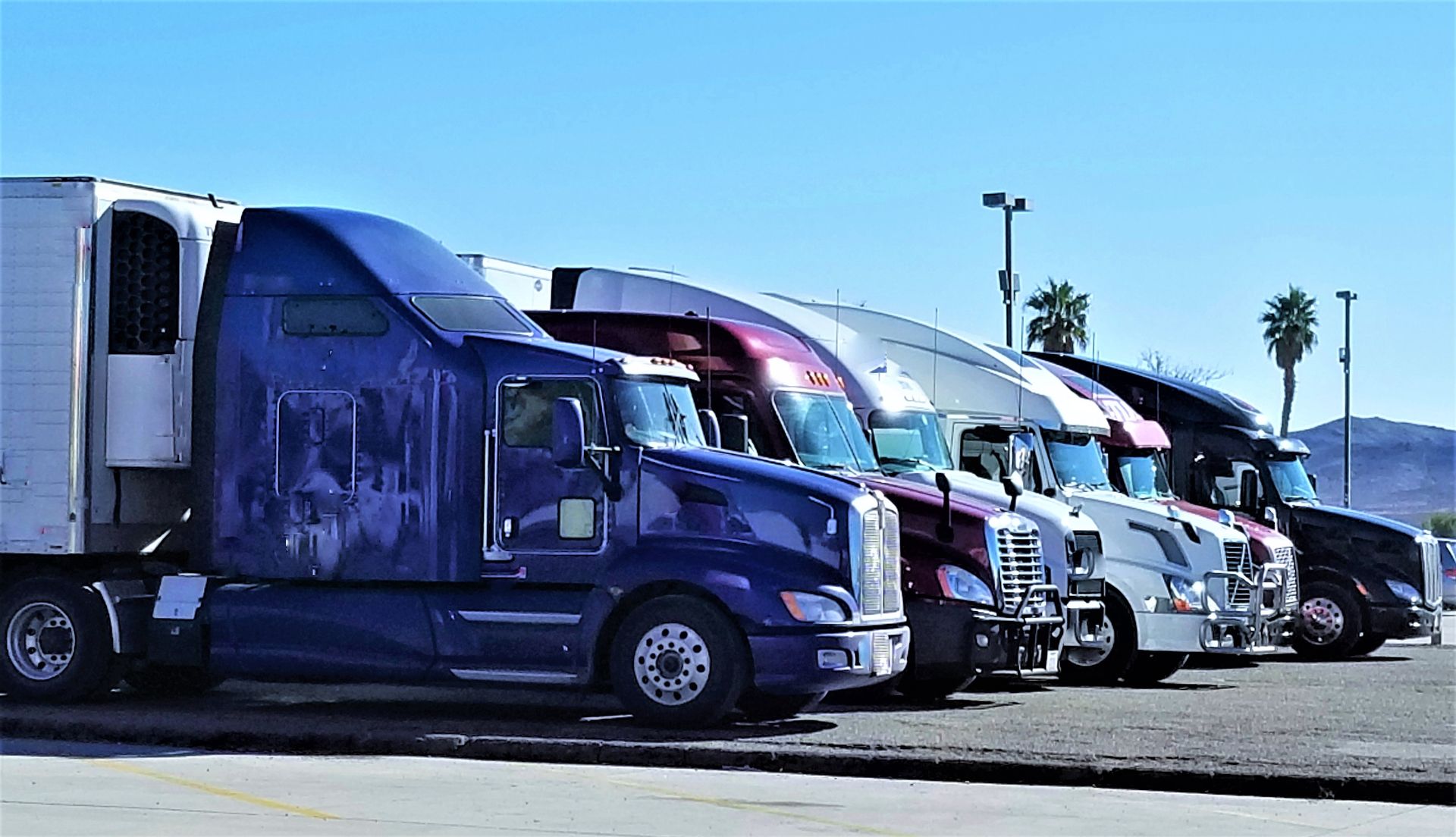
Commercial Auto & Trucking
Protection for your fleet including box trucks, moving vans, and trailers. Covers liability, collision, physical damage, and hired or non-owned vehicles used in your operations.
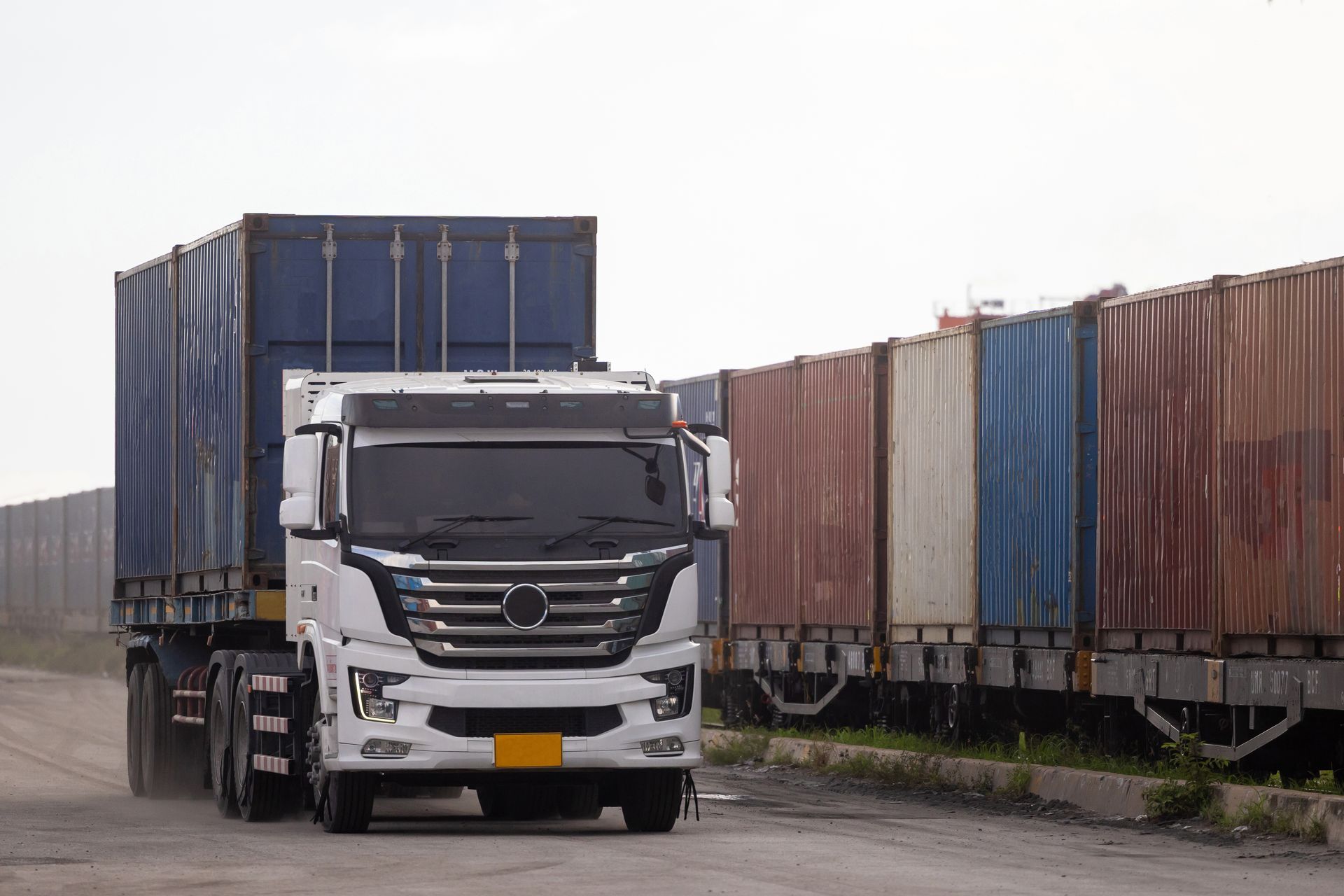
Motor Truck Cargo
Covers household goods and freight during transport from pickup to delivery. Protects against damage, theft, mysterious disappearance, and weather-related losses while cargo is in your care.

General Liability
Protection from third-party claims for bodily injury and property damage at customer homes, job sites, and your own facility. Essential coverage for every transportation operation

Warehouse Legal Liability
Coverage for customer property while stored in your facility. Protects against damage, theft, fire, and water damage to goods in your care, custody, or control.

Workers' Compensation
Medical care and wage replacement for employees injured on the job. Required in most states for transportation and warehouse work where physical labor creates higher injury risk.

Umbrella & Excess Liability
Higher liability limits stacked on top of your primary policies. Helps meet large contract requirements and protects your business assets against major claims and lawsuits.
Specialized Knowledge
Industries We Protect
Focused coverage for transportation and logistics businesses

Simple and Clear
How Our Process Works
Our process to get you covered
Connect With Us
Reach out through our form or by phone to share your business needs and current coverage situation.
Get Coverage Options
We review your risks, compare carriers, and present clear quotes with plain-language explanations.
Stay Protected
You choose your plan, and we provide ongoing support for certificates, claims, and renewals.
Trusted by Businesses
Feedback That Reflects Service and Reliability
What our clients say about working with Champion Risk
Answers You Need
Frequently Asked Questions
Common questions about transportation and logistics insurance



What insurance does a transportation company need to operate legally?
Motor carriers that cross state lines must meet FMCSA requirements. You need a minimum of $750,000 in liability coverage, plus a BMC-91 filing that proves your insurance to the federal government. Cargo coverage is also required, with minimums that depend on the type of goods you transport.
Intrastate operators follow state-specific rules. California, Texas, and Florida each have different requirements. Champion Risk handles both federal and state filings. We make sure your coverage meets legal minimums and your certificates reach the right agencies.
How much does commercial transportation insurance cost?
Premiums depend on your fleet size, driving records, cargo values, and claims history. A small operation with two trucks might pay $8,000 to $15,000 per year. A larger carrier with ten trucks could pay $50,000 to $100,000 or more.
The best way to control costs is working with a broker who knows transportation insurance. We find carriers that specialize in your exact operation type. This often results in better rates than going direct or using a general agent who doesn't understand the industry.
What is a BMC-91 filing and why do I need one?
A BMC-91 is a form your insurance company files with the FMCSA. It proves you carry the required liability coverage to operate as a for-hire motor carrier. Without an active BMC-91, your operating authority can be revoked.
Champion Risk works with carriers who file electronically. Your BMC-91 typically posts within 24 to 48 hours of binding coverage. We monitor your filing status and alert you if anything needs attention.
Does my warehouse or storage facility need different insurance than a trucking operation?
Yes. Storage facilities need warehouse legal liability coverage. This protects you when customer property is damaged or stolen while in your care. Standard general liability policies exclude this exposure.
You may also need property coverage for your building, equipment breakdown protection, and business income coverage if a fire or disaster shuts down operations. Champion Risk builds storage facility programs that address all these risks in one package.
Can you insure last-mile delivery drivers who use their own vehicles?
Yes. We offer hired and non-owned auto coverage for delivery operations that use independent contractors or employees driving personal vehicles. This fills gaps that personal auto policies don't cover during commercial use.
We also provide occupational accident coverage for 1099 drivers who aren't eligible for workers' comp. This protects your drivers and limits your liability exposure when accidents happen.
How fast can I get proof of insurance for a new contract?
Same day in most cases. Once we bind your policy, we issue certificates of insurance within hours. If your contract requires specific additional insured language or special endorsements, we coordinate directly with the carrier.
Rush requests happen often in this industry. General contractors and corporate clients demand certificates before they let you on site. Champion Risk prioritizes fast turnaround because we know your revenue depends on it.

Answers You Need
Transportation & Logistics Insurance Resources
Articles designed to inform and support your business
Contact Us
Phone Number:
Email Address:
Location:
12264 El Camino Real, Suite 350
San Diego, CA 92130
Hours:
Monday – Friday: 8:00 AM – 6:00 PM PT