Running a trucking or logistics operation in Arkansas means dealing with a reality that keeps fleet managers up at night: insurance costs that have climbed relentlessly while coverage gaps can bankrupt even established carriers. According to
Axios, Arkansas drivers are paying an average of 34% more for car insurance at the start of 2024 compared to three and a half years earlier, and commercial operations have felt that squeeze even more acutely. The state's position as a freight corridor connecting major markets makes it essential territory for carriers, but that same traffic volume creates risk exposure that insurers price accordingly. Whether you're hauling poultry from Northwest Arkansas, delivering construction materials across the Delta, or running a regional logistics hub, understanding your insurance requirements isn't optional. Getting this wrong means operating illegally, facing catastrophic out-of-pocket costs after accidents, or paying thousands more annually than necessary. This guide breaks down what Arkansas carriers actually need to know about coverage types, state requirements, and realistic cost expectations, based on current market conditions and regulatory frameworks.
Overview of the Arkansas Transportation and Logistics Landscape
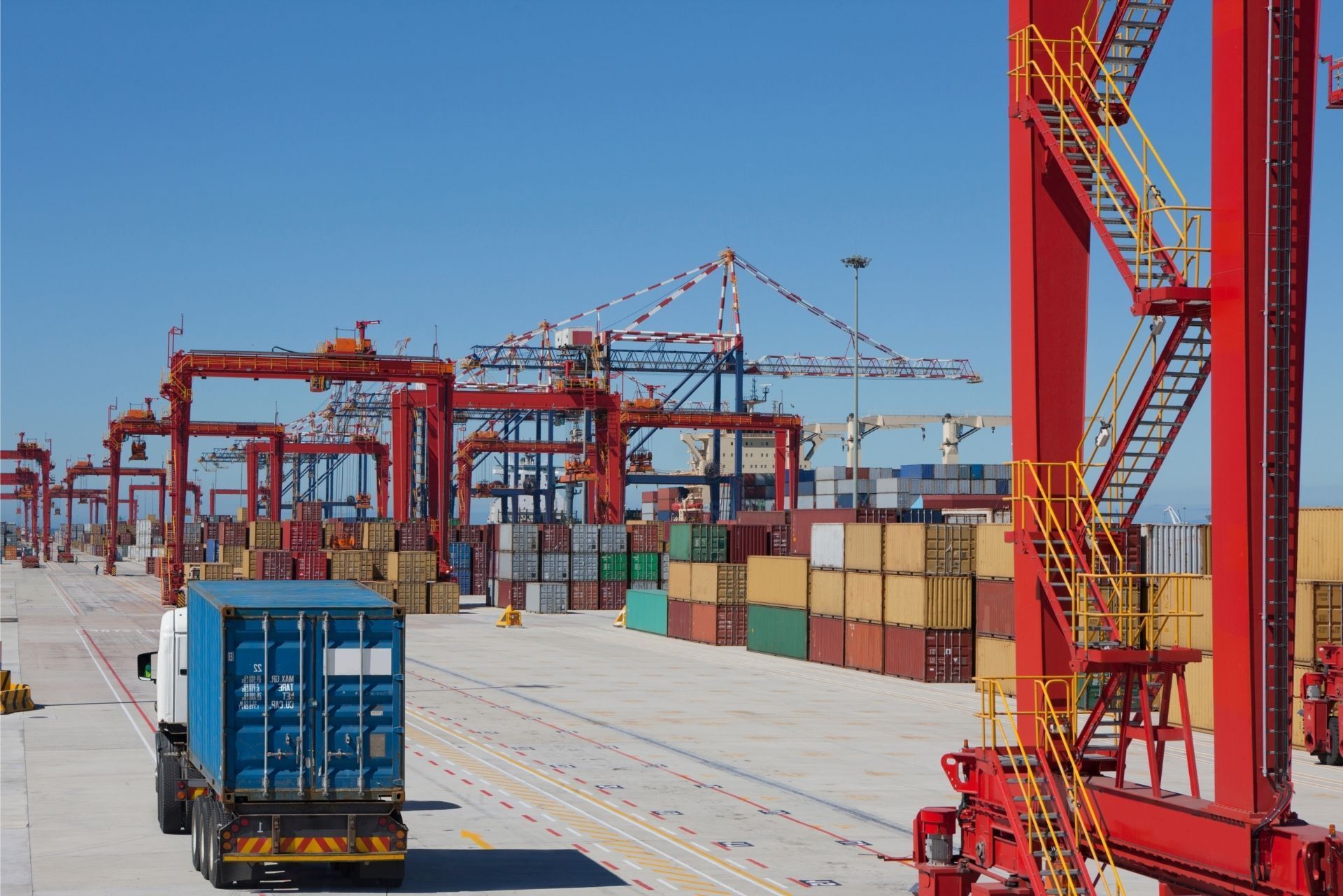
Arkansas sits at a geographic crossroads that makes it indispensable to American freight movement. Interstate 40 cuts east-west through the state, while I-49 runs north-south through the economically booming Northwest Arkansas corridor. This positioning means Arkansas-based carriers often handle both local deliveries and long-haul routes crossing multiple states.
The state's economy drives specific cargo demands. Tyson Foods and other poultry processors require refrigerated transport with strict temperature controls. Walmart's Bentonville headquarters generates massive retail logistics activity. Steel, timber, and agricultural products move constantly through the state's highway network.
For insurance purposes, this diversity matters. A carrier hauling refrigerated goods faces different risk profiles than one transporting construction equipment.
LogRock reports that the average commercial truck insurance premium in Arkansas ranges between $9,000 and $16,000 per year, with that wide spread reflecting the varied operations across the state. Carriers working exclusively within Arkansas face different regulatory requirements than those crossing state lines, and insurers evaluate these distinctions when calculating premiums.


By: Mark Raby
Chief Executive Officer at Champion Risk & Insurance Services
State-Specific Insurance Requirements and Regulations
Arkansas Department of Transportation (ARDOT) Compliance
ARDOT oversees commercial vehicle operations within state borders, working alongside federal FMCSA regulations for interstate carriers. Intrastate-only operators must register with ARDOT and maintain proof of insurance meeting state minimums. The department conducts roadside inspections and audits that verify current coverage, and operating without valid insurance documentation results in immediate out-of-service orders.
Carriers must file proof of insurance using Form E or Form H, depending on their operating authority type. These filings create a public record that shippers and brokers can verify before tendering freight. Lapses in coverage get reported to ARDOT, potentially triggering authority suspension.
Minimum Liability and Financial Responsibility Limits
Arkansas law establishes baseline coverage requirements that vary by vehicle type and cargo. According to MoneyGeek, the state requires minimum auto liability insurance of $25,000 per person for bodily injury, $50,000 per accident for bodily injury, and $25,000 for property damage. These 25/50/25 limits apply to standard commercial vehicles.
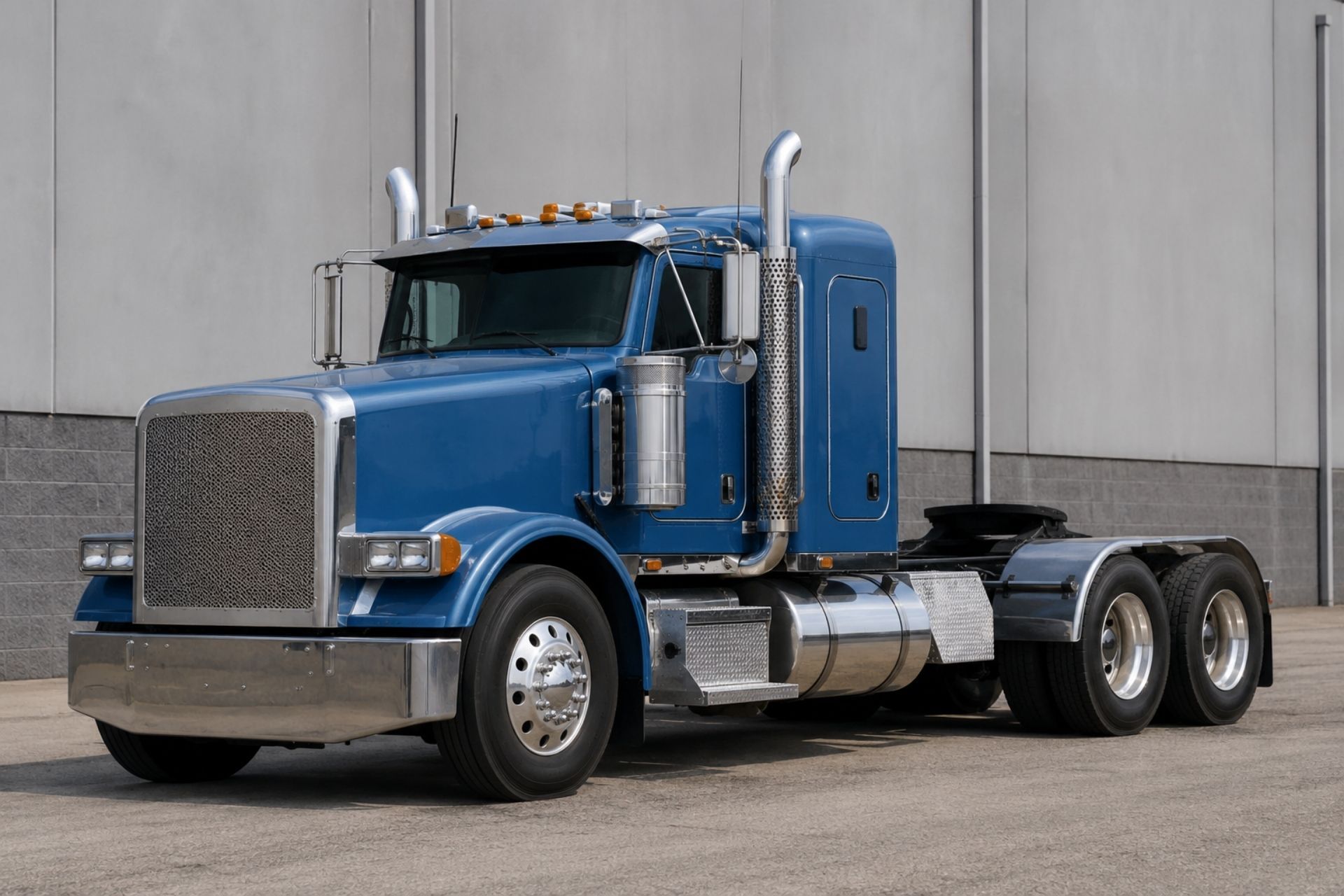
That said, most commercial trucking operations need far higher limits. Federal requirements mandate $750,000 minimum liability for general freight carriers and $1 million or more for hazmat transport. Relying on state minimums leaves carriers dangerously exposed in serious accidents.
Intrastate vs. Interstate Operating Authority
The distinction between intrastate and interstate operations fundamentally shapes insurance requirements. Carriers operating exclusively within Arkansas follow state regulations and ARDOT oversight. Those crossing state lines fall under FMCSA jurisdiction and must maintain federal operating authority with corresponding insurance filings.
Interstate carriers need to file Form MCS-90 endorsements proving financial responsibility. Many Arkansas carriers operate in both capacities, requiring policies that satisfy both state and federal requirements. Champion Risk works with carriers to structure coverage that addresses both operating profiles without duplicating costs.
Essential Coverage Types for Arkansas Carriers
Motor Truck Cargo and Inland Marine Insurance
Cargo insurance protects the freight you're hauling, not your truck. Standard policies cover theft, damage from accidents, and certain weather events. Arkansas carriers hauling high-value goods like electronics or pharmaceuticals often need enhanced coverage limits.
Inland marine insurance extends protection to goods in transit that standard property policies exclude. This coverage matters for specialized haulers moving equipment between job sites or delivering goods that spend significant time in temporary storage.
Physical Damage and Bobtail Coverage
Physical damage coverage repairs or replaces your trucks after collisions, theft, or weather damage. LogRock data shows a typical owner-operator in Arkansas pays roughly $250 per month for physical damage coverage, though newer trucks and those with financing requirements often cost more.
Bobtail coverage fills a critical gap: protecting your truck when operating without a trailer. Standard liability policies often exclude bobtail operations, leaving owner-operators exposed during deadhead miles or personal use. This coverage is essential for anyone who doesn't keep a trailer attached constantly.
Workers' Compensation for Arkansas Transport Employees
Arkansas requires c for most employers, including trucking companies with employees. Owner-operators working independently may be exempt, but those hiring drivers or dock workers must carry coverage. Claims for back injuries, repetitive stress conditions, and accident-related disabilities represent the most common workers' comp issues in transportation.
Premiums depend on payroll amounts and job classifications. Drivers face higher rates than office staff due to injury frequency. Companies with strong safety records qualify for experience modification credits that reduce premiums over time.
Factors Influencing Logistics Insurance Costs in Arkansas
Impact of Safety Records and CSA Scores
Your Compliance, Safety, Accountability scores directly influence what insurers charge. Carriers with clean inspection histories and no recent accidents qualify for preferred rates. Those with violations, especially for hours-of-service or vehicle maintenance issues, face surcharges or coverage denials.
TruckingInsPros notes that insurance costs are becoming a headache again for trucking executives as premiums rise amid high claim awards, with one company seeing upwards of 50% to 60% increases in premiums. Poor safety records accelerate these increases dramatically.
Route Risks and Regional Cargo Theft Trends
Where you operate affects your rates. Arkansas routes through Memphis or connecting to Texas expose carriers to higher theft risks than rural intrastate runs. Insurers track cargo theft data by region and adjust premiums accordingly.
Seasonal factors matter too. Winter weather on mountain routes through the Ozarks increases accident frequency. Harvest season brings agricultural equipment sharing roads with commercial trucks. Carriers running consistent routes can sometimes negotiate better rates by demonstrating familiarity with their operating territory.
| Coverage Type | Typical Monthly Cost | Key Factors |
|---|---|---|
| Liability | $1,100 | Operating radius, cargo type, safety record |
| Physical Damage | $250 | Vehicle age, value, deductible chosen |
| Cargo | $150-400 | Commodity hauled, coverage limits |
| Dump Truck | $600-1,200 | According to GG-Insurance |
Implementing Telematics and Fleet Safety Programs
Telematics systems that monitor driving behavior give insurers confidence in your risk management. Dashcams documenting accidents protect against fraudulent claims. GPS tracking helps recover stolen vehicles and cargo.
Formal safety programs with documented training, regular vehicle inspections, and incident review processes demonstrate professionalism that insurers reward. Champion Risk can help identify which safety investments offer the best return through premium reductions.
Choosing the Right Deductibles and Policy Limits
Higher deductibles lower premiums but increase out-of-pocket costs after claims. The right balance depends on your cash reserves and risk tolerance. Carriers with strong financials often choose higher deductibles to reduce monthly costs, while those with tighter margins prefer lower deductibles despite higher premiums.
Policy limits require similar analysis. Carrying minimum required coverage saves money until a serious accident exceeds those limits. Most experienced carriers recommend liability limits well above minimums, particularly for operations near urban areas where jury awards trend higher.
Filing claims properly protects your ability to recover losses and maintain reasonable premiums going forward. Document accidents thoroughly with photos, witness statements, and police reports. Report claims promptly, as delays can complicate coverage.
Work with adjusters cooperatively but understand your policy terms. Some claims get denied based on exclusions that carriers didn't realize applied. Reading your policy before incidents occur prevents unpleasant surprises.
Long-term protection means building relationships with insurers who understand trucking. Frequent policy shopping might save money short-term but costs you the loyalty credits that come from consistent coverage history. Champion Risk specializes in finding carriers the right balance between competitive pricing and stable long-term coverage partnerships.
Frequently Asked Questions
What's the minimum insurance required for trucking in Arkansas? State minimums are 25/50/25 for liability, but federal requirements mandate $750,000 or more for most commercial carriers crossing state lines.
How much does commercial truck insurance cost in Arkansas? Annual premiums typically range from $9,000 to $16,000, with owner-operators paying roughly $1,100 monthly for liability and $250 for physical damage.
Does Arkansas require cargo insurance? Not universally, but most shippers and brokers require it contractually. Coverage protects both the freight and your business relationships.
Can I reduce my trucking insurance premiums? Yes, through clean safety records, telematics installation, higher deductibles, and working with specialists like Champion Risk who understand transportation risks.
What happens if my insurance lapses in Arkansas? ARDOT receives notification and may suspend your operating authority. You'll face out-of-service orders during roadside inspections until coverage is restored.
Making the Right Coverage Decisions
Arkansas transportation insurance isn't something to figure out alone or purchase based solely on price. The carriers who thrive long-term balance adequate protection against realistic budgets while building safety records that keep premiums manageable. Work with specialists who understand trucking operations, document your safety efforts, and review coverage annually as your business evolves. The right insurance partner makes that process straightforward rather than overwhelming.
About the Author:
Mark Raby
I am a seasoned insurance professional with over 30 years of experience in the industry. I lead Champion Risk & Insurance Services, a San Diego-based brokerage with nationwide reach and strong influence in the insurance marketplace. My core competencies include insurance agency M&A deals, captives and alternative risk structures, and commercial property and casualty insurance for clients in the transportation and logistics industries. I am a former president of IIAB San Diego and hold a Bachelor of Science in Finance from Western Michigan University’s Haworth College of Business.
Protection for Transportation Operations
Business Insurance for Transportation & Logistics Companies
Coverage designed specifically for transportation businesses
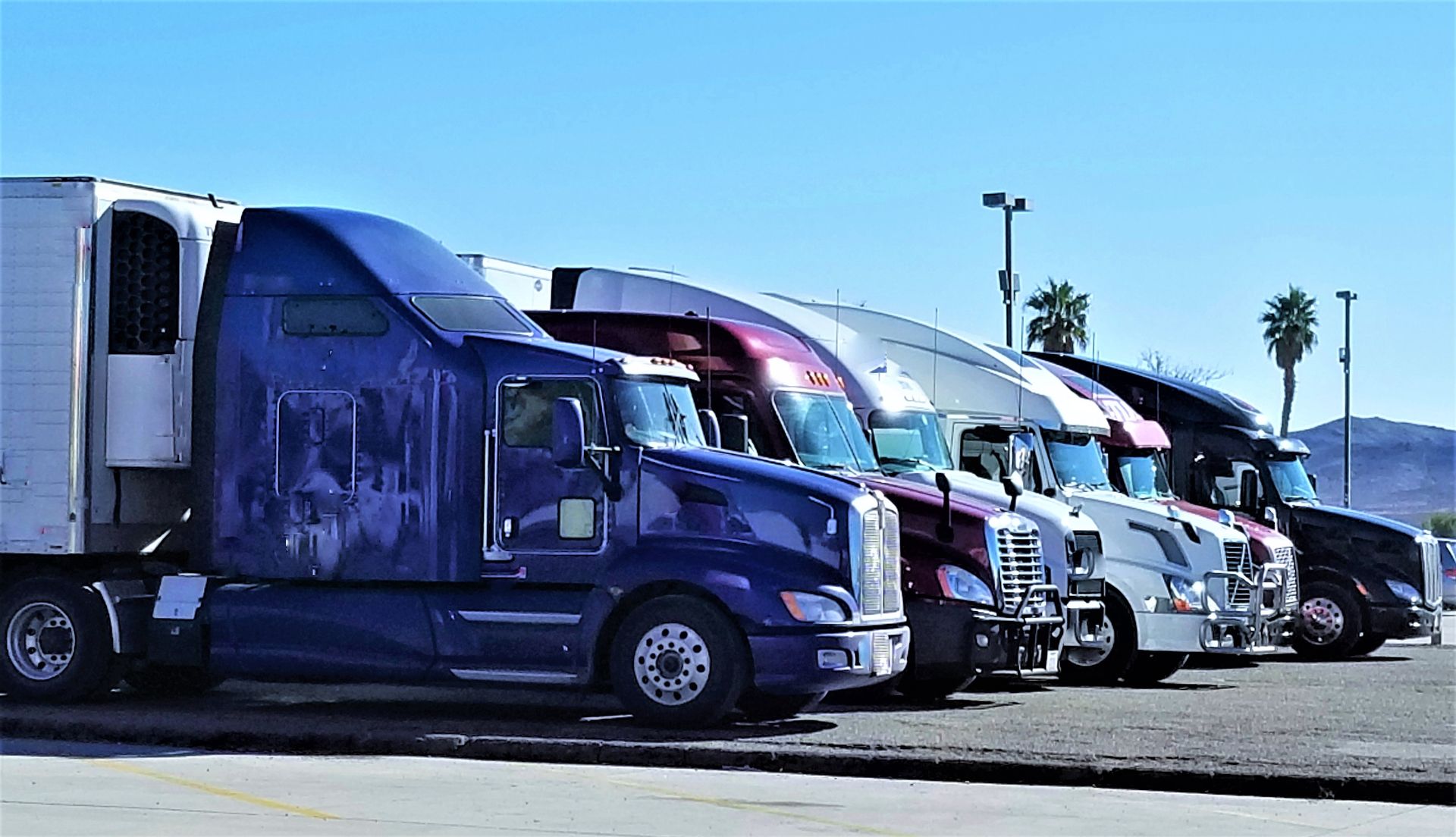
Commercial Auto & Trucking
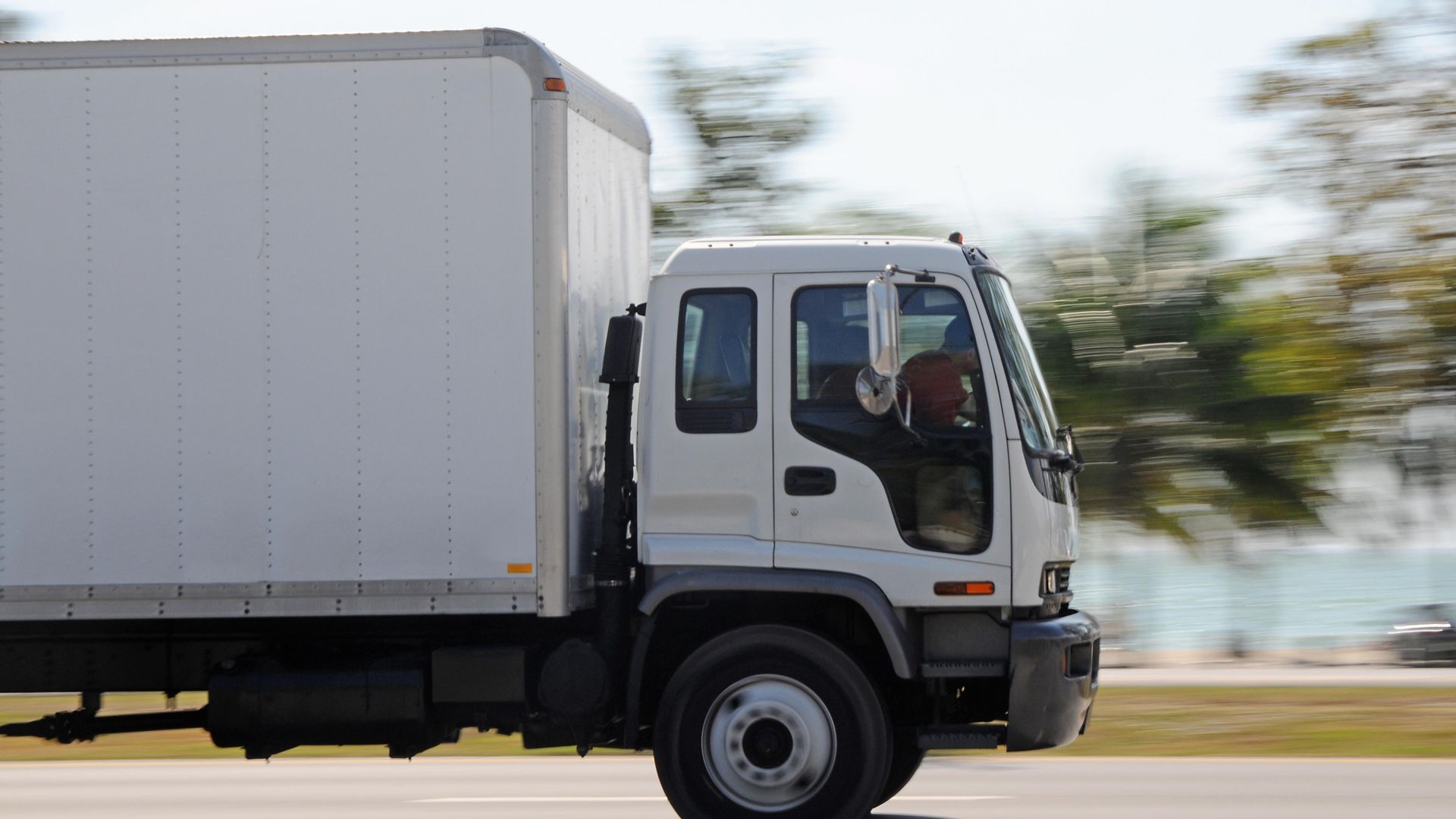
Protection for your fleet including box trucks, moving vans, and trailers. Covers liability, collision, physical damage, and hired or non-owned vehicles used in your operations.
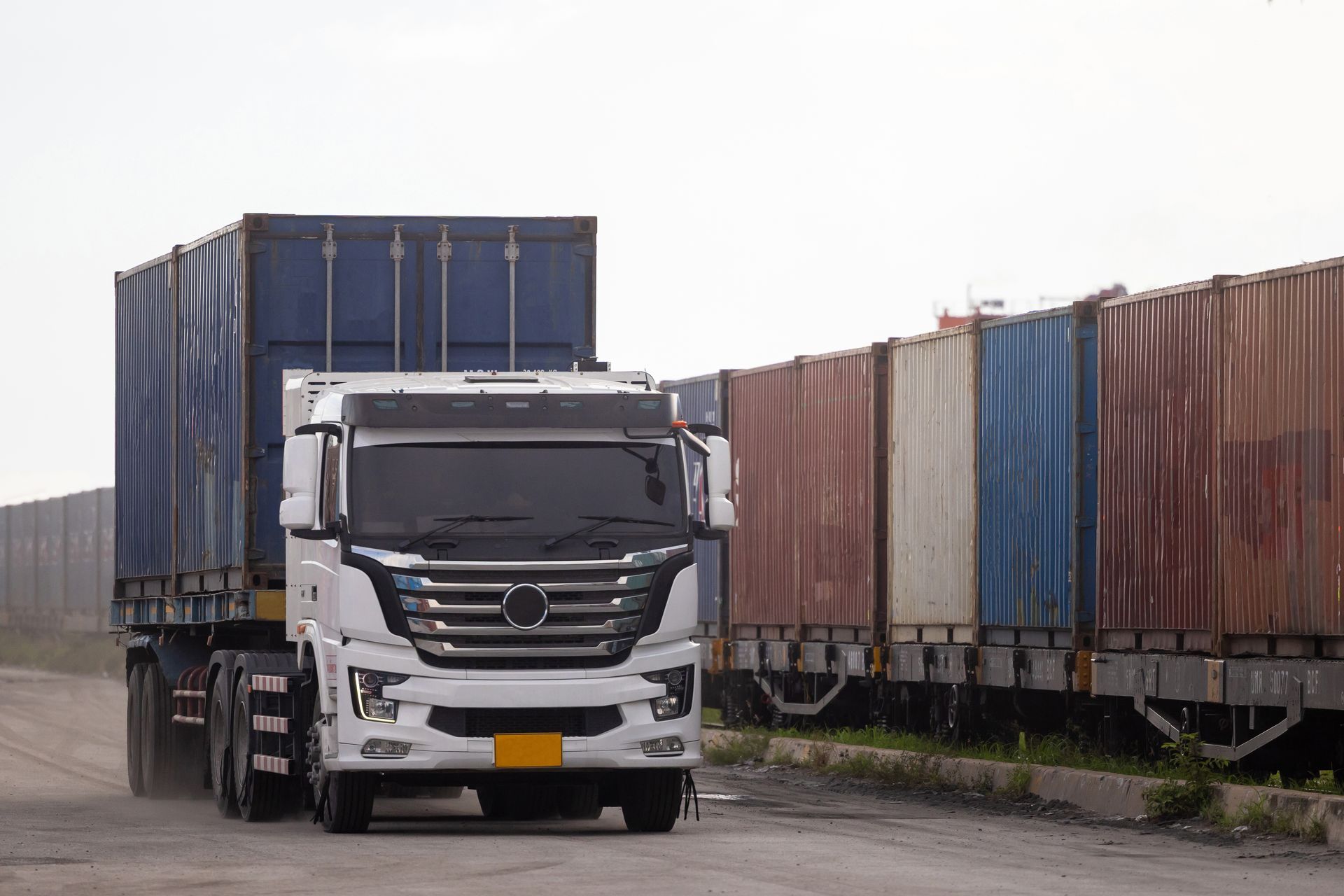
Motor Truck Cargo
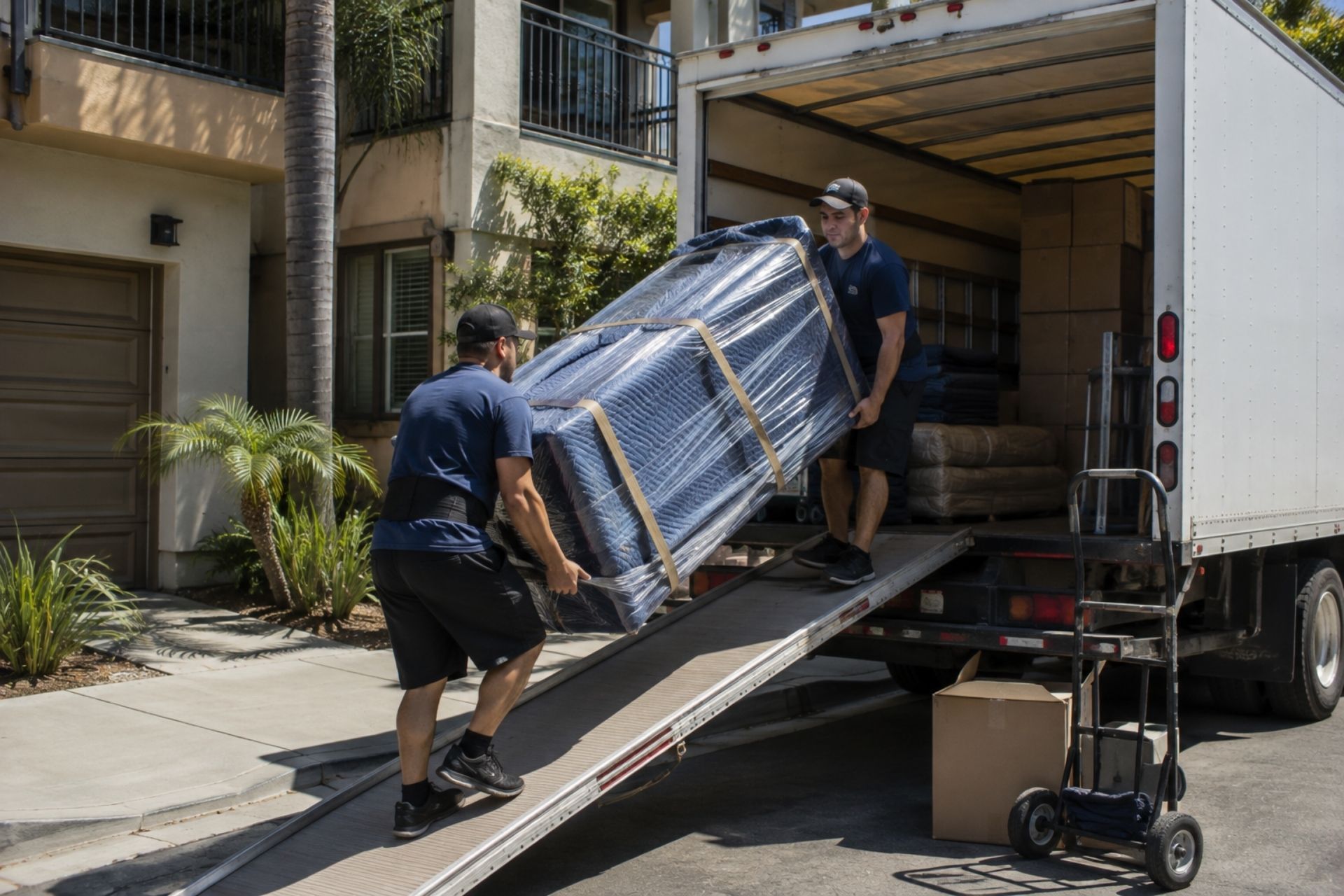
Covers household goods and freight during transport from pickup to delivery. Protects against damage, theft, mysterious disappearance, and weather-related losses while cargo is in your care.

General Liability
Protection from third-party claims for bodily injury and property damage at customer homes, job sites, and your own facility. Essential coverage for every transportation operation

Warehouse Legal Liability
Coverage for customer property while stored in your facility. Protects against damage, theft, fire, and water damage to goods in your care, custody, or control.

Workers' Compensation
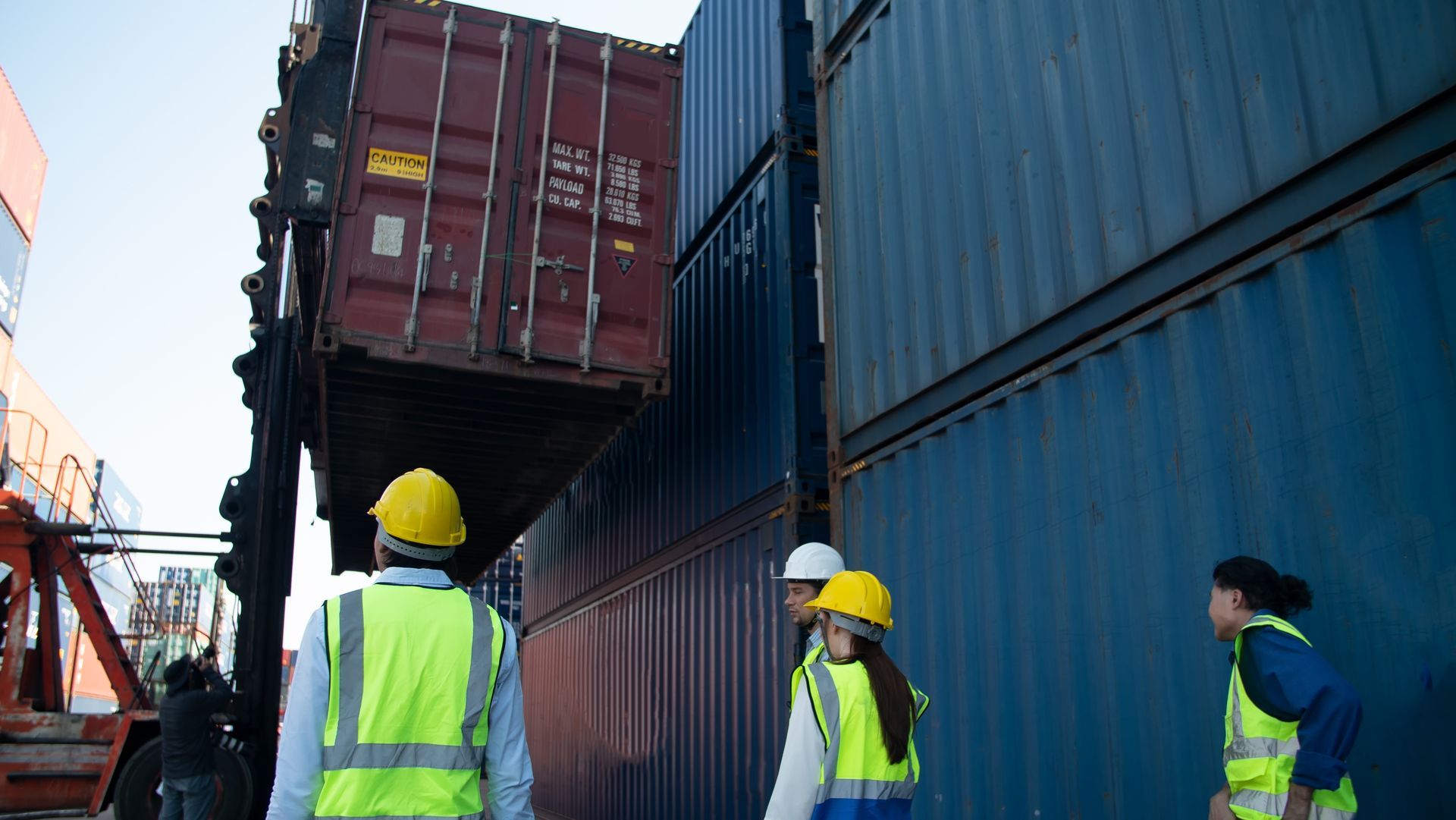
Medical care and wage replacement for employees injured on the job. Required in most states for transportation and warehouse work where physical labor creates higher injury risk.

Umbrella & Excess Liability
Higher liability limits stacked on top of your primary policies. Helps meet large contract requirements and protects your business assets against major claims and lawsuits.
Specialized Knowledge
Industries We Protect
Focused coverage for transportation and logistics businesses


Simple and Clear
How Our Process Works
Our process to get you covered
Connect With Us
Reach out through our form or by phone to share your business needs and current coverage situation.
Get Coverage Options
We review your risks, compare carriers, and present clear quotes with plain-language explanations.
Stay Protected
You choose your plan, and we provide ongoing support for certificates, claims, and renewals.
Trusted by Businesses
Feedback That Reflects Service and Reliability
What our clients say about working with Champion Risk
Answers You Need
Frequently Asked Questions
Common questions about transportation and logistics insurance



What insurance does a transportation company need to operate legally?
Motor carriers that cross state lines must meet FMCSA requirements. You need a minimum of $750,000 in liability coverage, plus a BMC-91 filing that proves your insurance to the federal government. Cargo coverage is also required, with minimums that depend on the type of goods you transport.
Intrastate operators follow state-specific rules. California, Texas, and Florida each have different requirements. Champion Risk handles both federal and state filings. We make sure your coverage meets legal minimums and your certificates reach the right agencies.
How much does commercial transportation insurance cost?
Premiums depend on your fleet size, driving records, cargo values, and claims history. A small operation with two trucks might pay $8,000 to $15,000 per year. A larger carrier with ten trucks could pay $50,000 to $100,000 or more.
The best way to control costs is working with a broker who knows transportation insurance. We find carriers that specialize in your exact operation type. This often results in better rates than going direct or using a general agent who doesn't understand the industry.
What is a BMC-91 filing and why do I need one?
A BMC-91 is a form your insurance company files with the FMCSA. It proves you carry the required liability coverage to operate as a for-hire motor carrier. Without an active BMC-91, your operating authority can be revoked.
Champion Risk works with carriers who file electronically. Your BMC-91 typically posts within 24 to 48 hours of binding coverage. We monitor your filing status and alert you if anything needs attention.
Does my warehouse or storage facility need different insurance than a trucking operation?
Yes. Storage facilities need warehouse legal liability coverage. This protects you when customer property is damaged or stolen while in your care. Standard general liability policies exclude this exposure.
You may also need property coverage for your building, equipment breakdown protection, and business income coverage if a fire or disaster shuts down operations. Champion Risk builds storage facility programs that address all these risks in one package.
Can you insure last-mile delivery drivers who use their own vehicles?
Yes. We offer hired and non-owned auto coverage for delivery operations that use independent contractors or employees driving personal vehicles. This fills gaps that personal auto policies don't cover during commercial use.
We also provide occupational accident coverage for 1099 drivers who aren't eligible for workers' comp. This protects your drivers and limits your liability exposure when accidents happen.
How fast can I get proof of insurance for a new contract?
Same day in most cases. Once we bind your policy, we issue certificates of insurance within hours. If your contract requires specific additional insured language or special endorsements, we coordinate directly with the carrier.
Rush requests happen often in this industry. General contractors and corporate clients demand certificates before they let you on site. Champion Risk prioritizes fast turnaround because we know your revenue depends on it.

Answers You Need
Transportation & Logistics Insurance Resources
Articles designed to inform and support your business
Contact Us
Phone Number:
Email Address:
Location:
12264 El Camino Real, Suite 350
San Diego, CA 92130
Hours:
Monday – Friday: 8:00 AM – 6:00 PM PT