
Transportation and logistics companies face a unique challenge that most industries don't fully understand: your workforce operates in high-risk environments, spends weeks away from home, and experiences physical demands that accelerate health issues. Yet the same workers keeping supply chains moving are often the hardest to recruit and retain. According to BLS data, employer compensation costs for transportation and warehousing workers averaged $47.45 per hour in December 2023, with benefits making up 32.5% of that total. That's not a small line item on your budget.
Here's what I've seen working with transportation companies through Champion Risk: the businesses that treat benefits as a strategic investment rather than a compliance checkbox consistently outperform their competitors in hiring and retention. The driver shortage isn't going away, warehouse turnover remains stubbornly high, and your benefits package is often the deciding factor when a qualified candidate weighs two similar job offers. Getting this right matters more than ever.
The Strategic Importance of Benefits in Transportation
Addressing the Driver Shortage Through Competitive Packages
The commercial driver shortage has become a structural problem, not a temporary labor market blip. Training new drivers costs between $5,000 and $10,000 per person, and the average turnover rate for large truckload carriers hovers around 90% annually. When drivers leave, they usually cite compensation and benefits as primary factors.
What separates companies that retain drivers from those constantly recruiting? Comprehensive health coverage ranks near the top. Research shows that 84% of transportation employers offer medical insurance, significantly higher than the national average of 69%. This industry knows that skimping on health benefits is a losing strategy. Drivers compare packages, and word travels fast through truck stops and online forums about which companies actually take care of their people.
Retention Strategies for Warehouse and Logistics Staff
Warehouse workers face different challenges than drivers, but their retention issues are equally expensive. Physical demands lead to injuries, irregular schedules create work-life conflicts, and the job market gives them plenty of alternatives. A strong benefits package signals that you value their contribution beyond just the hourly wage.
As
Mercer notes, "Offering transportation as a benefit can be a powerful tool for attracting and retaining top talent." This applies doubly to logistics companies, where commute assistance, flexible scheduling, and comprehensive health coverage combine to reduce turnover significantly.


By: Mark Raby
Chief Executive Officer at Champion Risk & Insurance Services
Major Medical and Telehealth for Long-Haul Drivers
Long-haul drivers present a coverage puzzle. They need access to healthcare but spend most of their time hundreds of miles from their primary care physician. Traditional office-based care simply doesn't work for someone who's in a different state every week.
Telehealth has become essential for this workforce. Drivers can consult with doctors during mandatory rest breaks, get prescriptions sent to pharmacies along their routes, and address health concerns before they become emergencies. Transportation businesses provide an average monthly employer premium of $1,219 for family medical coverage, reflecting the industry's recognition that comprehensive care requires real investment. Champion Risk works with carriers who understand that telehealth isn't a nice-to-have but a core component of driver health management.
Dental, Vision, and Occupational Health Services
DOT physical requirements make occupational health services non-negotiable, but smart companies go further. Vision coverage matters enormously for drivers whose livelihoods depend on passing eye exams. Dental coverage, often overlooked, addresses a common issue among workers who've deferred care during years of irregular schedules.
Consider bundling these services with your major medical plan rather than offering them as separate elections. Higher participation rates mean healthier workers and fewer surprise issues during DOT recertification.
Mental Health Support and Employee Assistance Programs
Isolation, time away from family, and the stress of tight delivery schedules create mental health challenges that the industry has historically ignored. That's changing. Employee Assistance Programs provide confidential counseling, financial guidance, and crisis support that drivers and warehouse workers can access without stigma.
The ROI on mental health support shows up in reduced accidents, lower absenteeism, and better retention. Workers who feel supported through difficult periods stay loyal to employers who invested in their wellbeing.
Financial Security and Retirement Planning
401(k) Matching and Profit-Sharing Models
Retirement benefits differentiate employers in ways that hourly wage increases often can't match. A 401(k) with employer matching creates long-term loyalty because workers accumulate vested benefits over time. Profit-sharing models align worker interests with company performance, giving everyone a stake in operational efficiency.
| Benefit Type | Typical Employer Contribution | Vesting Period | Worker Participation Rate |
|---|---|---|---|
| 401(k) Match | 3-6% of salary | 3-5 years | 60-75% |
| Profit Sharing | 2-5% of profits | Immediate to 3 years | 80-90% |
| Combined Plans | Varies | Mixed schedules | 70-85% |
The vesting schedule matters strategically. A three-year cliff vesting encourages workers to stay past the initial adjustment period when turnover risk peaks.
Life and Disability Insurance for High-Risk Roles
Transportation workers face elevated injury and fatality risks compared to desk jobs. Life insurance and disability coverage aren't just benefits but essential protections for workers supporting families. Short-term disability coverage helps workers recover from injuries without financial catastrophe, while long-term disability protects against career-ending incidents.
Champion Risk recommends offering both employer-paid base coverage and voluntary supplemental options. Workers appreciate the choice to increase protection based on their family situations.

Evaluating Cost Structures and Funding Strategies
Fully Insured vs. Self-Funded Benefit Plans
The funding decision shapes your entire benefits strategy. Fully insured plans transfer risk to the carrier and provide predictable monthly premiums. Self-funded plans keep premium savings when claims are low but expose you to volatility when they're not.
| Factor | Fully Insured | Self-Funded |
|---|---|---|
| Premium Predictability | High | Variable |
| Administrative Burden | Low | Higher |
| State Regulation | Subject to mandates | ERISA-governed |
| Best For | Smaller fleets, risk-averse | Larger companies, stable claims |
Companies with 200+ employees often find self-funding attractive because they have enough participants to spread risk. Smaller operations typically benefit from fully insured arrangements that provide cost certainty.
Managing Premiums in a High-Turnover Industry
High turnover creates administrative headaches and can affect your experience rating with insurers. Every enrollment and termination requires processing, and frequent claims from short-tenure employees can spike your costs.
Strategies that work include longer waiting periods for benefits eligibility, tiered coverage that improves with tenure, and wellness programs that reduce claims frequency.
Zeelo reports that tailored transportation management can help organizations save 43% compared to traditional operators, demonstrating how operational efficiency improvements can offset benefits costs.
Industry-Specific Perks and Incentives
Per Diem Rates and Travel Reimbursements
Per diem payments for over-the-road drivers represent a significant portion of total compensation. Current IRS rates allow substantial tax-free payments that effectively increase take-home pay without increasing your payroll tax burden.
Structure per diem correctly and it becomes a powerful recruiting tool. Structure it poorly and you create compliance headaches. The distinction matters enough to warrant professional guidance during plan design.
Performance Bonuses and Safety Incentives
Safety bonuses accomplish two goals simultaneously: they reduce accident frequency and they reward the behaviors you want to encourage. Quarterly safety bonuses tied to clean driving records, successful inspections, and on-time delivery create positive reinforcement loops.
Fuel efficiency bonuses align driver behavior with company cost control. Miles-per-gallon improvements translate directly to bottom-line savings that fund the bonus programs themselves.
Compliance and Regulatory Considerations
ACA Requirements for Large Transportation Fleets
Any transportation company with 50 or more full-time equivalent employees must offer minimum essential coverage to at least 95% of full-time workers or face substantial penalties. The measurement and stability periods for variable-hour employees, common in logistics, require careful tracking.
Documentation matters enormously. IRS reporting requirements demand accurate records of offers, enrollments, and affordability calculations. Many transportation companies partner with benefits administrators specifically because the compliance burden exceeds internal capacity.
Navigating State-Specific Labor Laws and Mandates
Drivers crossing state lines trigger multi-state compliance obligations. California's meal and rest break requirements differ from Texas regulations, and paid leave mandates vary widely. UK logistics data shows the median salary for transport professionals reached £31,800 in 2025, reflecting 12.8% growth since 2023, demonstrating how global logistics labor markets are tightening.
Your benefits administration must account for these variations without creating separate plans for every jurisdiction. Champion Risk helps transportation clients design compliant programs that work across their operating footprint.
Frequently Asked Questions
What benefits do transportation workers value most? Health insurance consistently ranks first, followed by retirement plans and paid time off. Drivers specifically prioritize telehealth access and family coverage.
How much should transportation companies budget for benefits? Plan for benefits to represent 30-35% of total compensation costs. This aligns with industry averages and ensures competitive positioning.
Are part-time warehouse workers eligible for benefits? ACA requirements apply to full-time equivalents. Many companies offer limited benefits to part-time workers as a retention strategy, though it's not legally required.
Can small trucking companies afford comprehensive benefits? Yes, through association health plans, PEO arrangements, or carefully structured fully insured options. Size doesn't preclude competitive benefits.
How do self-funded plans handle high-cost claims? Stop-loss insurance protects against catastrophic individual claims and aggregate annual costs exceeding projections.
Making Benefits Work for Your Operation
The transportation and logistics industry demands more from benefits programs than most sectors. Your workers face real risks, spend extended time away from traditional healthcare, and have plenty of employment alternatives. A thoughtfully designed benefits package addresses these realities while managing costs effectively.
Champion Risk specializes in helping transportation companies build benefits programs that attract qualified workers, retain experienced staff, and maintain compliance across complex regulatory environments. The investment in getting this right pays dividends through reduced turnover, fewer accidents, and a workforce that feels genuinely valued. Reach out to discuss how your current benefits stack up against industry standards and where improvements would deliver the greatest impact.
About the Author:
Mark Raby
I am a seasoned insurance professional with over 30 years of experience in the industry. I lead Champion Risk & Insurance Services, a San Diego-based brokerage with nationwide reach and strong influence in the insurance marketplace. My core competencies include insurance agency M&A deals, captives and alternative risk structures, and commercial property and casualty insurance for clients in the transportation and logistics industries. I am a former president of IIAB San Diego and hold a Bachelor of Science in Finance from Western Michigan University’s Haworth College of Business.
Protection for Transportation Operations
Business Insurance for Transportation & Logistics Companies
Coverage designed specifically for transportation businesses
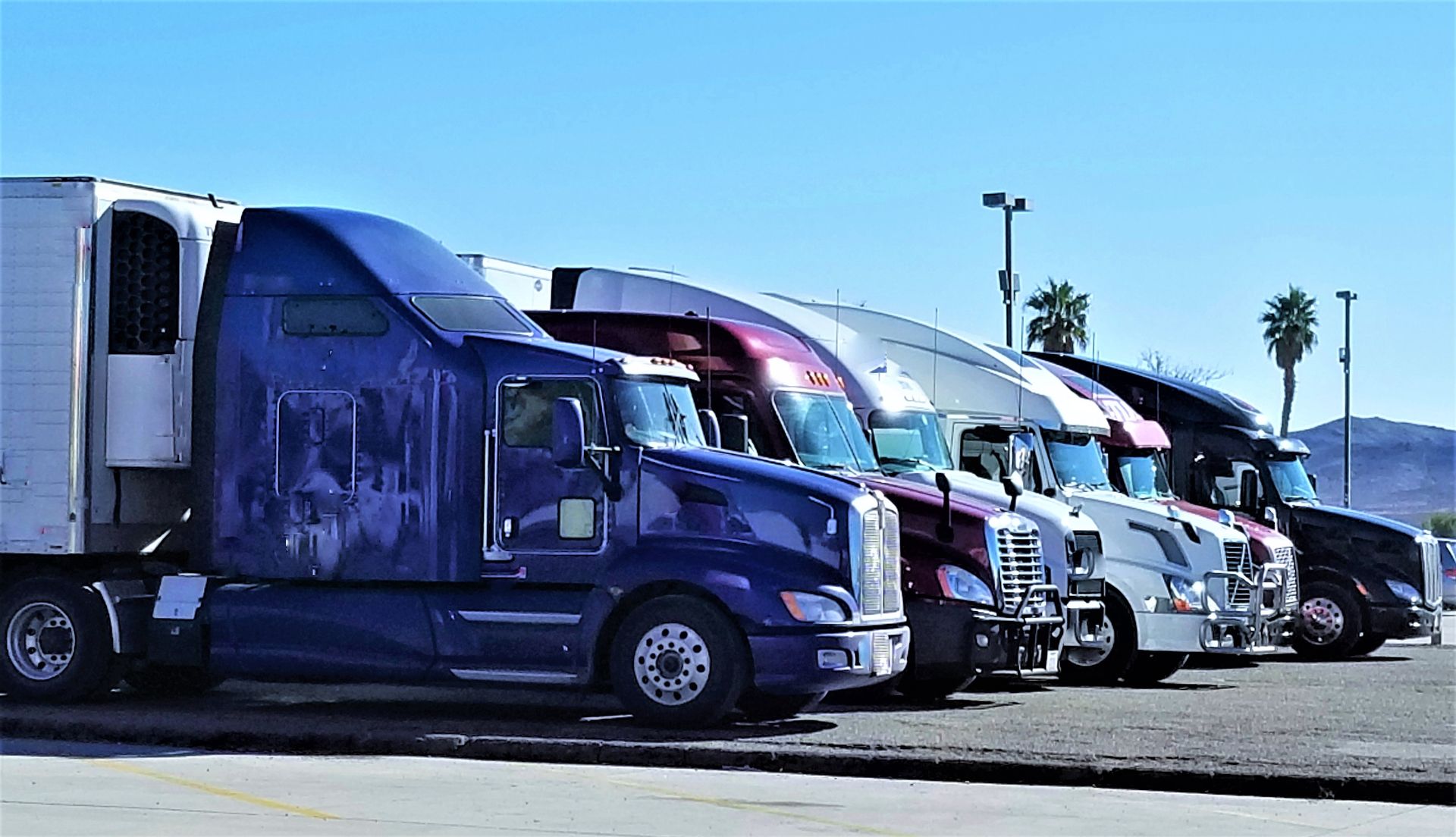
Commercial Auto & Trucking
Protection for your fleet including box trucks, moving vans, and trailers. Covers liability, collision, physical damage, and hired or non-owned vehicles used in your operations.
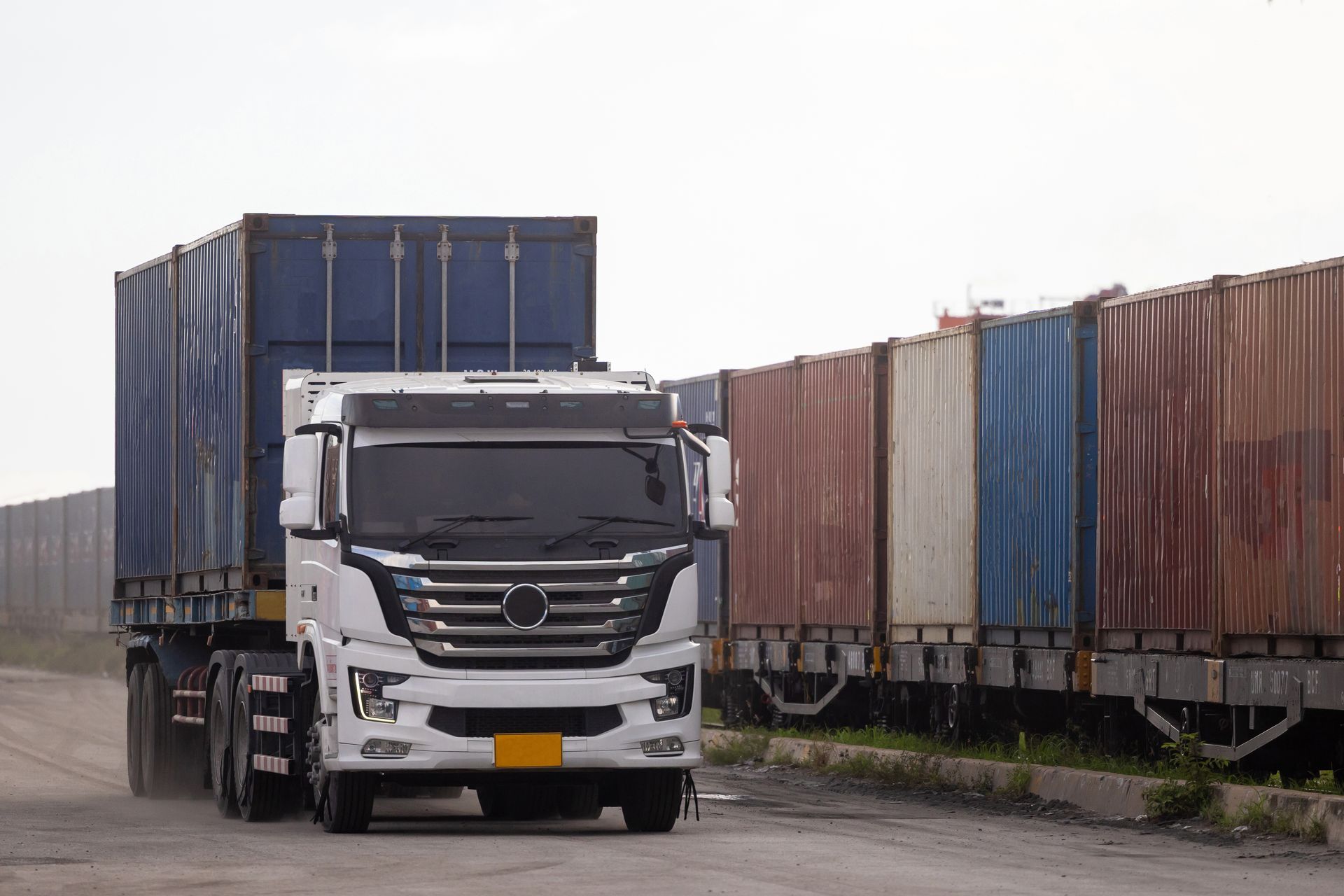
Motor Truck Cargo
Covers household goods and freight during transport from pickup to delivery. Protects against damage, theft, mysterious disappearance, and weather-related losses while cargo is in your care.

General Liability
Protection from third-party claims for bodily injury and property damage at customer homes, job sites, and your own facility. Essential coverage for every transportation operation

Warehouse Legal Liability
Coverage for customer property while stored in your facility. Protects against damage, theft, fire, and water damage to goods in your care, custody, or control.

Workers' Compensation
Medical care and wage replacement for employees injured on the job. Required in most states for transportation and warehouse work where physical labor creates higher injury risk.

Umbrella & Excess Liability
Higher liability limits stacked on top of your primary policies. Helps meet large contract requirements and protects your business assets against major claims and lawsuits.
Specialized Knowledge
Industries We Protect
Focused coverage for transportation and logistics businesses


Simple and Clear
How Our Process Works
Our process to get you covered
Connect With Us
Reach out through our form or by phone to share your business needs and current coverage situation.
Get Coverage Options
We review your risks, compare carriers, and present clear quotes with plain-language explanations.
Stay Protected
You choose your plan, and we provide ongoing support for certificates, claims, and renewals.
Trusted by Businesses
Feedback That Reflects Service and Reliability
What our clients say about working with Champion Risk
Answers You Need
Frequently Asked Questions
Common questions about transportation and logistics insurance




What insurance does a transportation company need to operate legally?
Motor carriers that cross state lines must meet FMCSA requirements. You need a minimum of $750,000 in liability coverage, plus a BMC-91 filing that proves your insurance to the federal government. Cargo coverage is also required, with minimums that depend on the type of goods you transport.
Intrastate operators follow state-specific rules. California, Texas, and Florida each have different requirements. Champion Risk handles both federal and state filings. We make sure your coverage meets legal minimums and your certificates reach the right agencies.
How much does commercial transportation insurance cost?
Premiums depend on your fleet size, driving records, cargo values, and claims history. A small operation with two trucks might pay $8,000 to $15,000 per year. A larger carrier with ten trucks could pay $50,000 to $100,000 or more.
The best way to control costs is working with a broker who knows transportation insurance. We find carriers that specialize in your exact operation type. This often results in better rates than going direct or using a general agent who doesn't understand the industry.
What is a BMC-91 filing and why do I need one?
A BMC-91 is a form your insurance company files with the FMCSA. It proves you carry the required liability coverage to operate as a for-hire motor carrier. Without an active BMC-91, your operating authority can be revoked.
Champion Risk works with carriers who file electronically. Your BMC-91 typically posts within 24 to 48 hours of binding coverage. We monitor your filing status and alert you if anything needs attention.
Does my warehouse or storage facility need different insurance than a trucking operation?
Yes. Storage facilities need warehouse legal liability coverage. This protects you when customer property is damaged or stolen while in your care. Standard general liability policies exclude this exposure.
You may also need property coverage for your building, equipment breakdown protection, and business income coverage if a fire or disaster shuts down operations. Champion Risk builds storage facility programs that address all these risks in one package.
Can you insure last-mile delivery drivers who use their own vehicles?
Yes. We offer hired and non-owned auto coverage for delivery operations that use independent contractors or employees driving personal vehicles. This fills gaps that personal auto policies don't cover during commercial use.
We also provide occupational accident coverage for 1099 drivers who aren't eligible for workers' comp. This protects your drivers and limits your liability exposure when accidents happen.
How fast can I get proof of insurance for a new contract?
Same day in most cases. Once we bind your policy, we issue certificates of insurance within hours. If your contract requires specific additional insured language or special endorsements, we coordinate directly with the carrier.
Rush requests happen often in this industry. General contractors and corporate clients demand certificates before they let you on site. Champion Risk prioritizes fast turnaround because we know your revenue depends on it.


Answers You Need
Transportation & Logistics Insurance Resources
Articles designed to inform and support your business
Contact Us
Phone Number:
Email Address:
Location:
12264 El Camino Real, Suite 350
San Diego, CA 92130
Hours:
Monday – Friday: 8:00 AM – 6:00 PM PT