
Montana's transportation and logistics sector moves roughly half of all freight commodities by value through the state, according to Convoy. That's a staggering responsibility for carriers navigating mountain passes, harsh winters, and vast stretches of rural highway. Getting insurance wrong in this environment doesn't just mean regulatory headaches: it can sink your business after a single serious claim.
I've seen Montana trucking companies pay thousands more than necessary because they didn't understand how terrain and cargo type affect their premiums. I've also watched others get caught with inadequate coverage when a livestock trailer jackknifed on Lookout Pass. The gap between minimum compliance and actual protection is wider than most carriers realize, and that gap is where businesses fail.
Understanding transportation and logistics insurance requirements in Montana means knowing both state minimums and federal mandates, recognizing which coverage types actually matter for your operation, and learning how to budget realistically. The long-distance specialized freight trucking industry here has grown at a
4.9% average annual rate from 2020 to 2025, bringing more competition and more pressure to get insurance right. Whether you're running agricultural loads across the Hi-Line or hauling hazmat through Butte, this guide covers what you actually need to know.

By: Mark Raby
Chief Executive Officer at Champion Risk & Insurance Services
Montana Transportation Insurance Landscape and Legal Requirements
Montana's insurance requirements create a baseline, but that baseline rarely provides adequate protection for commercial carriers. Understanding the layered requirements between state and federal regulations is essential before purchasing any policy.
State-Mandated Minimum Liability Limits
Montana law requires minimum liability coverage of $25,000 bodily injury per person, $50,000 bodily injury per accident, and $20,000 property damage per accident, as outlined by Insurify. These minimums apply to personal vehicles, but commercial operations face different expectations.
For trucking companies, these state minimums are essentially irrelevant. A single serious accident involving a loaded semi can easily generate claims exceeding $1 million. Most commercial carriers need liability limits between $750,000 and $1 million at minimum, with many opting for $2 million or higher depending on cargo value and routes.
Federal FMCSA Compliance for Interstate Carriers
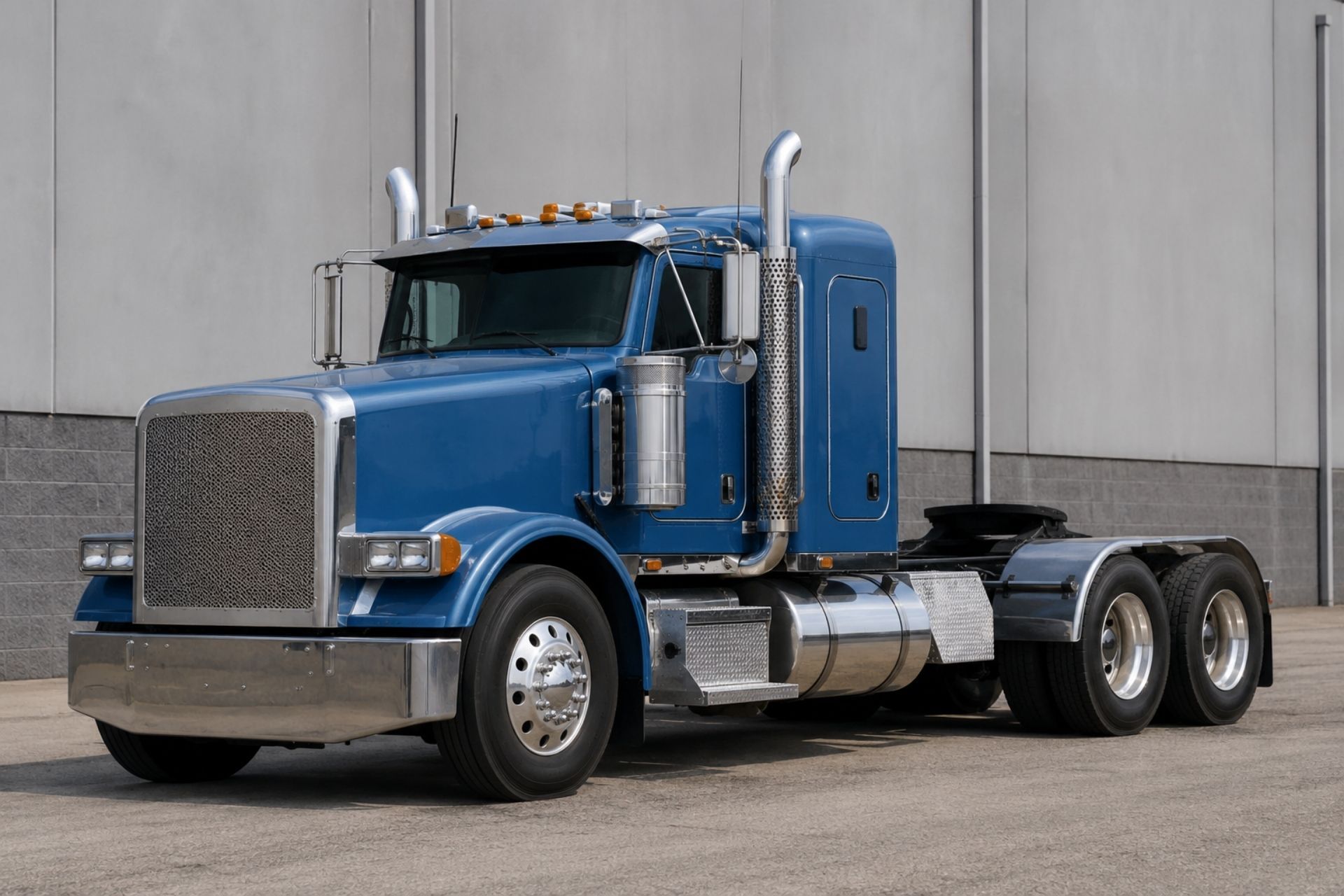
Any carrier crossing state lines must meet Federal Motor Carrier Safety Administration requirements. General freight carriers need minimum liability coverage of $750,000, while hazardous materials haulers require $1 million to $5 million depending on cargo classification.
FMCSA also mandates BOC-3 process agent filings and MCS-90 endorsements proving financial responsibility. Missing any of these requirements can result in operating authority suspension, stranding your trucks and destroying customer relationships.
Montana State Fund and Workers' Compensation
Montana operates a competitive workers' compensation market, meaning you can purchase coverage from private insurers or the Montana State Fund. All employers with workers, including owner-operators who hire helpers, must carry workers' comp coverage.
The state fund often serves as a fallback for carriers who struggle to find private coverage due to poor loss history or high-risk operations. Champion Risk works with Montana carriers to find competitive workers' comp rates that account for the specific hazards of regional trucking.
Essential Coverage Types for Logistics Businesses
Minimum liability alone leaves enormous gaps in protection. Smart carriers layer multiple coverage types to address the real risks they face daily.
Motor Truck Cargo and Inland Marine Insurance
Cargo insurance protects the freight you're hauling when it's damaged, stolen, or destroyed. Standard policies cover common perils like collision, fire, and theft, but exclusions matter enormously. Many policies exclude temperature-sensitive cargo spoilage unless you specifically add refrigeration breakdown coverage.
Inland marine insurance extends protection to goods in transit that aren't covered by standard property policies. For Montana carriers moving equipment between job sites or handling specialized freight, this coverage fills critical gaps.
General Liability and Physical Damage Protection
General liability covers third-party injuries and property damage that occur during your operations but aren't directly related to vehicle accidents. Think: a driver accidentally damaging a loading dock, or a customer slipping on your premises.
Physical damage coverage includes collision and comprehensive protection for your trucks and trailers. Given Montana's challenging terrain and weather, comprehensive coverage that addresses wildlife strikes, hail damage, and falling rocks is particularly valuable.
As Insureon notes, "Even small business owners using personal vehicles for work-related purposes likely need commercial vehicle coverage." This applies doubly to logistics operations where vehicles are constantly exposed to road hazards.
Contingent Cargo and Professional Liability
Freight brokers and logistics coordinators need contingent cargo insurance to cover situations where a contracted carrier's insurance fails or proves insufficient. If you're brokering loads and a carrier you hired causes a loss, you could face liability.
Professional liability, sometimes called errors and omissions coverage, protects against claims arising from mistakes in your professional services. Misdirected shipments, documentation errors, or missed delivery windows can all generate claims that professional liability addresses.
Montana presents unique underwriting challenges that directly affect what you'll pay for coverage. Understanding these factors helps you anticipate costs and identify areas where you can influence your premiums.
Impact of Mountainous Terrain and Winter Weather
Insurers view Montana's geography as a significant risk factor. Mountain passes like Lookout, Homestake, and MacDonald create conditions where accidents are more severe and more frequent. Winter operations from November through April face snow, ice, and reduced visibility that increase claim likelihood.
Carriers operating primarily on I-90 and I-94 corridors face different risk profiles than those serving rural agricultural areas. Routes matter to underwriters, and being able to demonstrate safe passage history on challenging routes can work in your favor.
Driver Safety Records and Experience Levels
Nothing affects commercial trucking premiums more directly than driver records. A single serious violation can increase premiums by 20-40%, while a clean fleet record can qualify you for preferred rates.
Experience levels matter too. Drivers with less than two years of CDL experience are considered higher risk. Some insurers won't write policies for fleets where more than 25% of drivers are inexperienced.
Fleet Size and Type of Commodities Hauled
Larger fleets often qualify for better rates due to risk spreading, but only if loss history supports it. A ten-truck fleet with zero claims will typically get better pricing than a fifty-truck fleet with frequent losses.
Commodity type significantly impacts cargo insurance costs. Hauling electronics or pharmaceuticals costs more to insure than dry goods. Livestock presents unique liability considerations, while hazmat requires specialized endorsements and higher limits.
Average Costs and Budgeting for Montana Carriers
The average cost for commercial truck insurance in Montana runs approximately $8,420 per year, though this figure varies dramatically based on operation specifics.
| Coverage Type | Typical Annual Cost Range |
|---|---|
| Primary Liability ($1M) | $5,000 - $12,000 |
| Physical Damage | $1,500 - $4,000 |
| Motor Truck Cargo | $800 - $2,500 |
| General Liability | $500 - $2,000 |
| Workers' Compensation | Varies by payroll |
New carriers should budget 25-35% higher than these averages due to lack of operating history. Owner-operators running under their own authority typically pay more per truck than fleet operators due to reduced risk pooling.
Champion Risk helps Montana carriers analyze their specific operations to identify realistic budget expectations rather than relying on industry averages that may not reflect individual circumstances.
Specialized Considerations for Montana Logistics
Montana's economy creates unique insurance situations that standard policies don't always address adequately.
Agricultural and Livestock Hauling Exemptions
Agricultural operations enjoy certain exemptions from federal hours-of-service rules and some insurance requirements, but these exemptions are narrower than many assume. Hauling livestock within 150 air miles during harvest season differs from year-round livestock transportation.
Livestock mortality coverage addresses animal deaths during transport, a risk that standard cargo policies typically exclude. Given that Montana ranks among top states for cattle production, this coverage is essential for carriers serving the agricultural sector.
Hazardous Materials and Environmental Liability
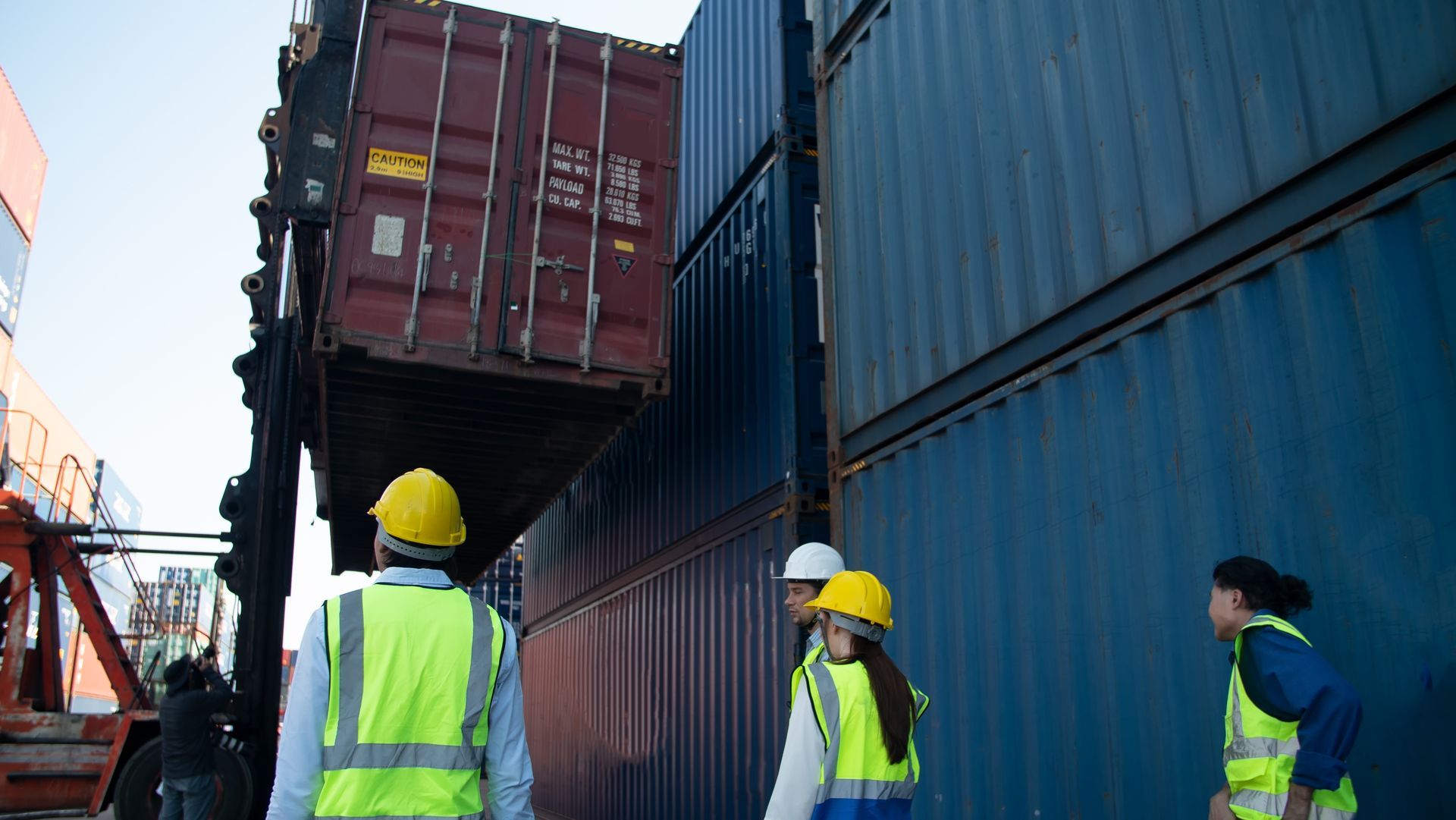
Montana's mining and energy sectors generate significant hazmat transportation demand. Carriers hauling fuel, chemicals, or mining materials need pollution liability coverage beyond standard cargo insurance.
Environmental cleanup costs after a spill can easily exceed $500,000, and standard liability policies often exclude pollution-related claims. Dedicated environmental liability coverage is non-negotiable for hazmat haulers operating in Montana's sensitive ecosystems.
Proactive risk management directly translates to lower insurance costs. Here's what actually moves the needle:
Implement electronic logging devices and telematics across your fleet. Insurers increasingly offer discounts for carriers who can demonstrate real-time monitoring and safe driving verification. The data also helps defend against fraudulent claims.
Establish formal driver training programs with documented completion records. Annual refresher courses on winter driving techniques and mountain operation specifically resonate with underwriters familiar with Montana conditions.
Maintain detailed maintenance records showing preventive service schedules. Mechanical failures contribute to accidents, and demonstrating proactive maintenance reduces perceived risk.
Consider higher deductibles if your cash reserves allow. Moving from a $1,000 to $5,000 deductible can reduce premiums by 10-15%, though you need financial stability to absorb potential out-of-pocket costs.
Work with an insurance partner who understands Montana's specific challenges. Champion Risk specializes in helping transportation companies navigate the complexities of regional coverage requirements while finding competitive rates.
Frequently Asked Questions
What's the minimum insurance required to operate a trucking company in Montana? Interstate carriers need at least $750,000 in liability coverage per FMCSA requirements. Intrastate-only carriers may qualify for lower limits, but most commercial operations should carry $1 million minimum.
How does Montana's weather affect my insurance rates? Winter operations and mountain routes typically increase premiums 10-20% compared to carriers operating in milder climates. Demonstrating safe winter driving history can help offset these increases.
Do I need cargo insurance if I'm hauling my own goods? Cargo insurance covers freight you're responsible for, regardless of ownership. If your own products are damaged in transit, your business still suffers the loss. Coverage remains valuable for protecting business assets.
Can owner-operators get insurance without operating authority? Yes, owner-operators leased to motor carriers typically operate under the carrier's authority and insurance. However, having your own policy provides protection during non-dispatched periods and can be required by some lease agreements.
How quickly can I get insurance for a new trucking operation? Coverage can often be bound within 24-48 hours for straightforward operations. Complex fleets, hazmat operations, or carriers with challenging loss history may require additional underwriting time.
Making the Right Coverage Decision
Montana's transportation sector handled freight that would have required 5.23 million additional trucks to move 94.2 million tons of rail freight in 2023 alone. This volume reflects the critical role trucking plays in the state's economy and the significant exposure carriers face daily.
Getting insurance right means understanding that state minimums are starting points, not destinations. It means recognizing how Montana's terrain, weather, and commodity mix create unique risks that require tailored coverage solutions.
Take time to review your current policies against actual operational risks. If gaps exist between what you're covered for and what you're actually hauling, where you're actually driving, and who's actually behind the wheel, those gaps represent existential threats to your business. Contact Champion Risk to discuss how your coverage matches your Montana operation's real-world needs.
About the Author:
Mark Raby
I am a seasoned insurance professional with over 30 years of experience in the industry. I lead Champion Risk & Insurance Services, a San Diego-based brokerage with nationwide reach and strong influence in the insurance marketplace. My core competencies include insurance agency M&A deals, captives and alternative risk structures, and commercial property and casualty insurance for clients in the transportation and logistics industries. I am a former president of IIAB San Diego and hold a Bachelor of Science in Finance from Western Michigan University’s Haworth College of Business.
Protection for Transportation Operations
Business Insurance for Transportation & Logistics Companies
Coverage designed specifically for transportation businesses
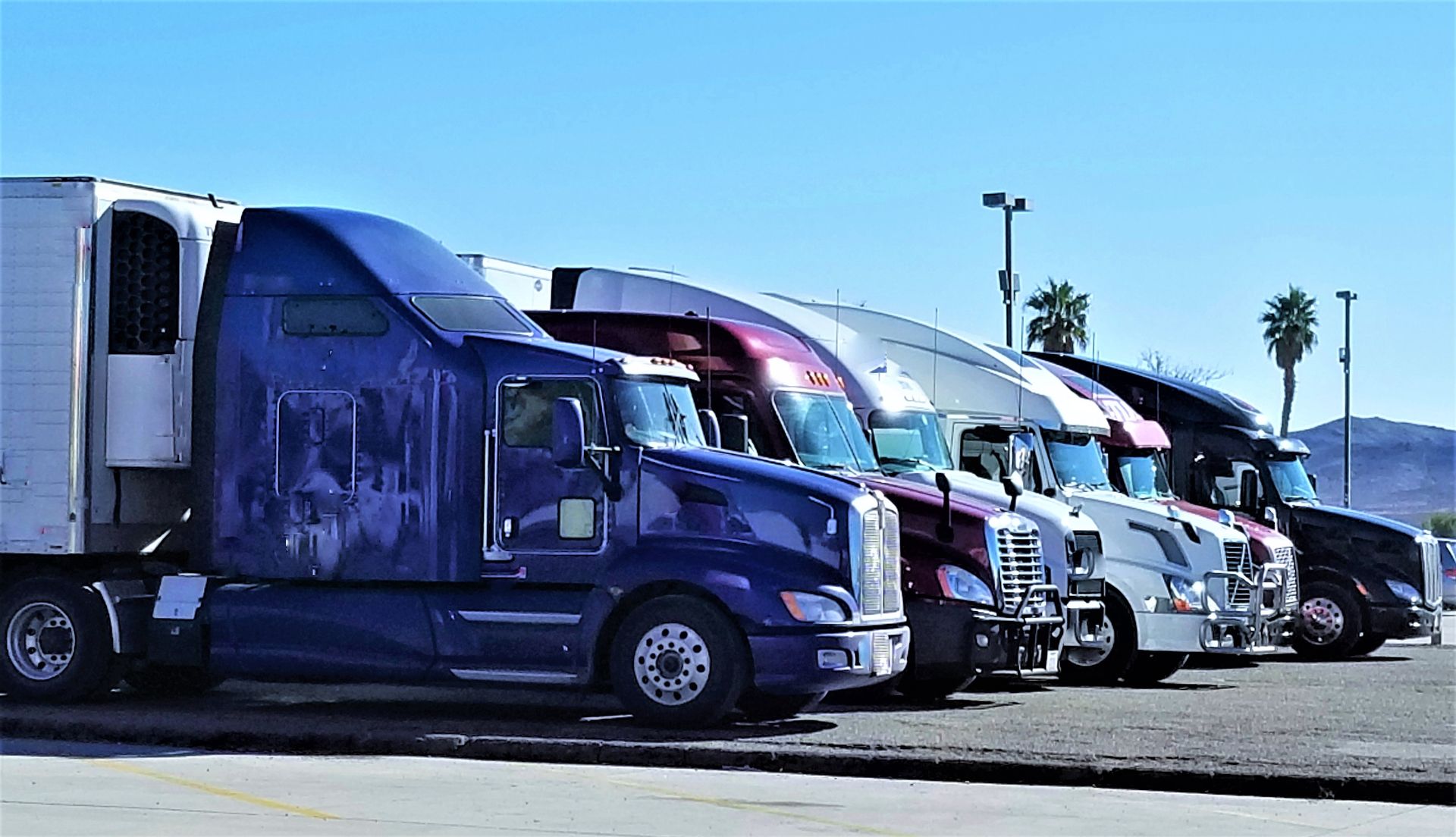
Commercial Auto & Trucking
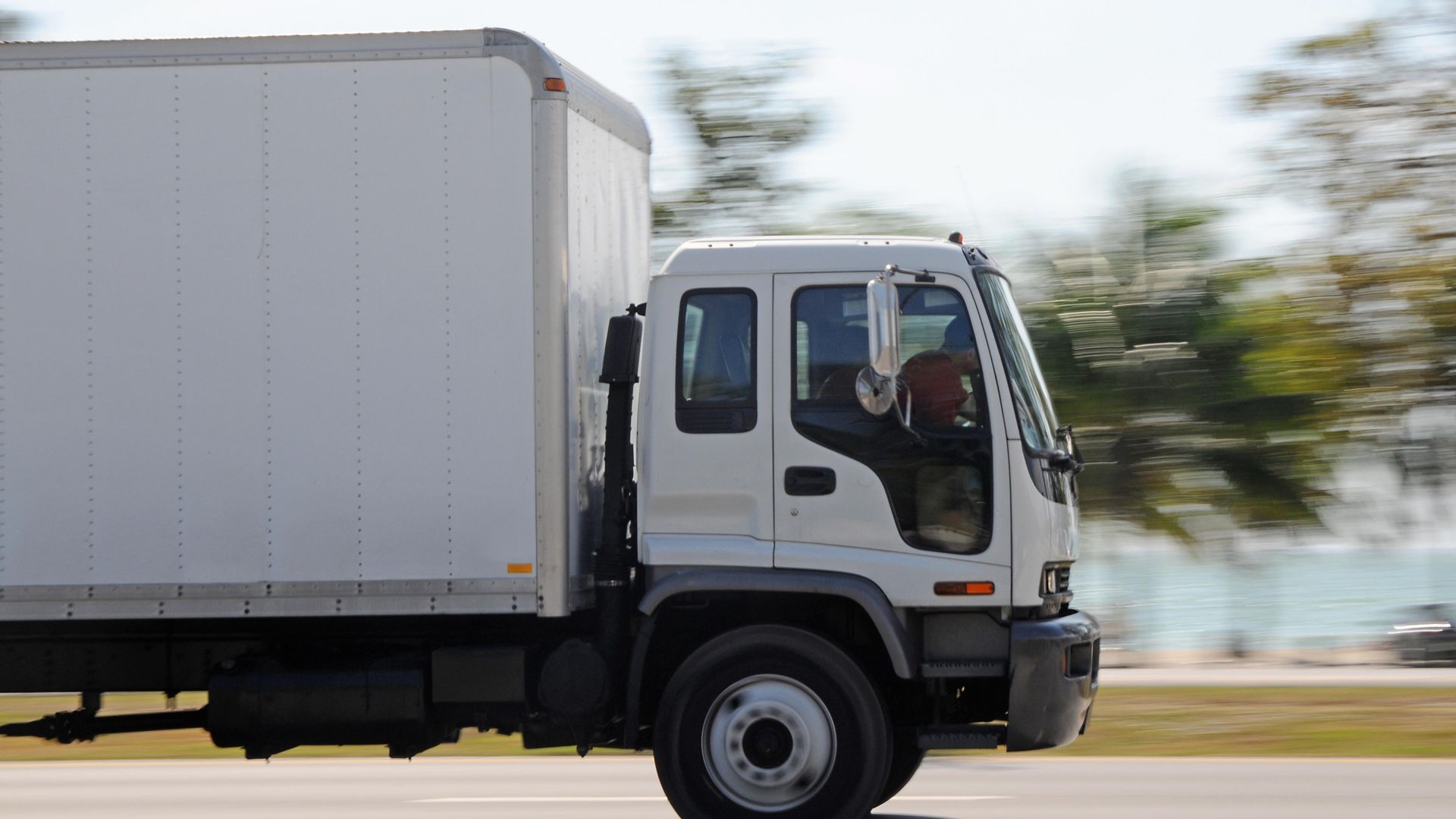
Protection for your fleet including box trucks, moving vans, and trailers. Covers liability, collision, physical damage, and hired or non-owned vehicles used in your operations.
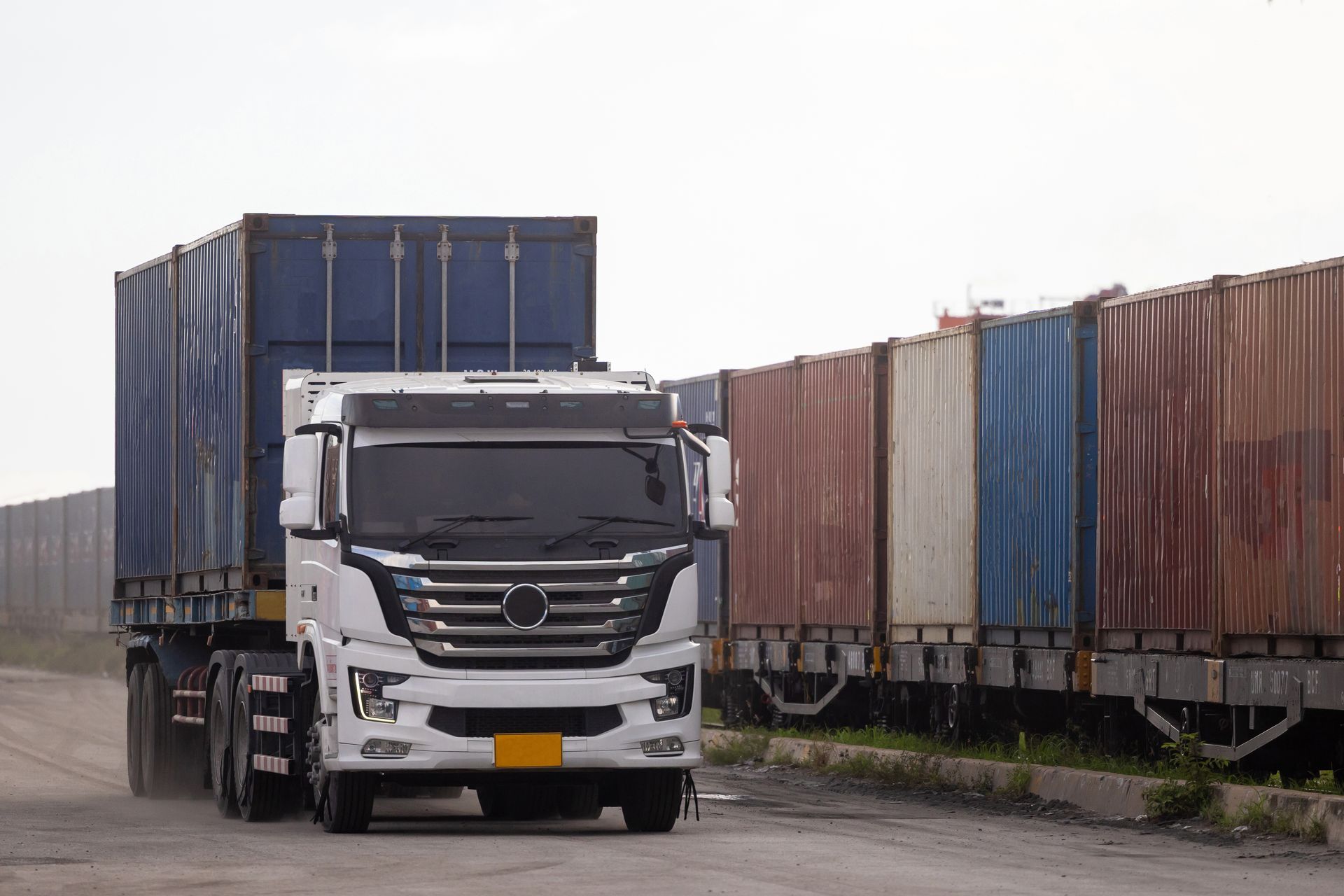
Motor Truck Cargo
Covers household goods and freight during transport from pickup to delivery. Protects against damage, theft, mysterious disappearance, and weather-related losses while cargo is in your care.

General Liability
Protection from third-party claims for bodily injury and property damage at customer homes, job sites, and your own facility. Essential coverage for every transportation operation

Warehouse Legal Liability
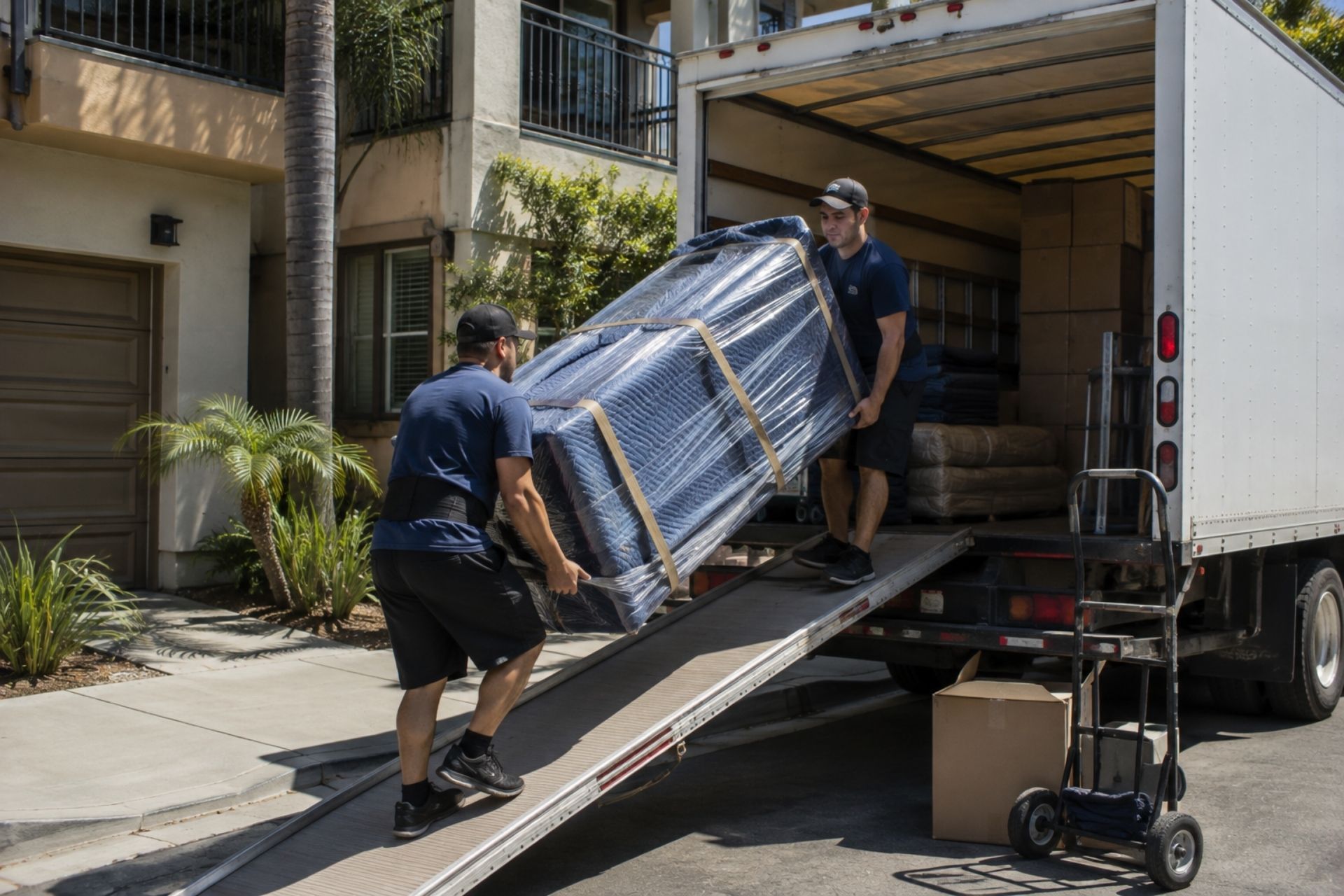
Coverage for customer property while stored in your facility. Protects against damage, theft, fire, and water damage to goods in your care, custody, or control.

Workers' Compensation
Medical care and wage replacement for employees injured on the job. Required in most states for transportation and warehouse work where physical labor creates higher injury risk.

Umbrella & Excess Liability
Higher liability limits stacked on top of your primary policies. Helps meet large contract requirements and protects your business assets against major claims and lawsuits.
Specialized Knowledge
Industries We Protect
Focused coverage for transportation and logistics businesses


Simple and Clear
How Our Process Works
Our process to get you covered
Connect With Us
Reach out through our form or by phone to share your business needs and current coverage situation.
Get Coverage Options
We review your risks, compare carriers, and present clear quotes with plain-language explanations.
Stay Protected
You choose your plan, and we provide ongoing support for certificates, claims, and renewals.
Trusted by Businesses
Feedback That Reflects Service and Reliability
What our clients say about working with Champion Risk
Answers You Need
Frequently Asked Questions
Common questions about transportation and logistics insurance



What insurance does a transportation company need to operate legally?
Motor carriers that cross state lines must meet FMCSA requirements. You need a minimum of $750,000 in liability coverage, plus a BMC-91 filing that proves your insurance to the federal government. Cargo coverage is also required, with minimums that depend on the type of goods you transport.
Intrastate operators follow state-specific rules. California, Texas, and Florida each have different requirements. Champion Risk handles both federal and state filings. We make sure your coverage meets legal minimums and your certificates reach the right agencies.
How much does commercial transportation insurance cost?
Premiums depend on your fleet size, driving records, cargo values, and claims history. A small operation with two trucks might pay $8,000 to $15,000 per year. A larger carrier with ten trucks could pay $50,000 to $100,000 or more.
The best way to control costs is working with a broker who knows transportation insurance. We find carriers that specialize in your exact operation type. This often results in better rates than going direct or using a general agent who doesn't understand the industry.
What is a BMC-91 filing and why do I need one?
A BMC-91 is a form your insurance company files with the FMCSA. It proves you carry the required liability coverage to operate as a for-hire motor carrier. Without an active BMC-91, your operating authority can be revoked.
Champion Risk works with carriers who file electronically. Your BMC-91 typically posts within 24 to 48 hours of binding coverage. We monitor your filing status and alert you if anything needs attention.
Does my warehouse or storage facility need different insurance than a trucking operation?
Yes. Storage facilities need warehouse legal liability coverage. This protects you when customer property is damaged or stolen while in your care. Standard general liability policies exclude this exposure.
You may also need property coverage for your building, equipment breakdown protection, and business income coverage if a fire or disaster shuts down operations. Champion Risk builds storage facility programs that address all these risks in one package.
Can you insure last-mile delivery drivers who use their own vehicles?
Yes. We offer hired and non-owned auto coverage for delivery operations that use independent contractors or employees driving personal vehicles. This fills gaps that personal auto policies don't cover during commercial use.
We also provide occupational accident coverage for 1099 drivers who aren't eligible for workers' comp. This protects your drivers and limits your liability exposure when accidents happen.
How fast can I get proof of insurance for a new contract?
Same day in most cases. Once we bind your policy, we issue certificates of insurance within hours. If your contract requires specific additional insured language or special endorsements, we coordinate directly with the carrier.
Rush requests happen often in this industry. General contractors and corporate clients demand certificates before they let you on site. Champion Risk prioritizes fast turnaround because we know your revenue depends on it.

Answers You Need
Transportation & Logistics Insurance Resources
Articles designed to inform and support your business
Contact Us
Phone Number:
Email Address:
Location:
12264 El Camino Real, Suite 350
San Diego, CA 92130
Hours:
Monday – Friday: 8:00 AM – 6:00 PM PT