A warehouse manager discovers $47,000 worth of electronics missing from a client's storage unit. The security footage shows nothing unusual, but a routine inventory check reveals the loss happened over several weeks. The culprit? A trusted employee with five years of tenure who'd been systematically removing items during overnight shifts.
This scenario plays out more often than most moving and storage company owners want to admit. With the moving and storage industry contributing $92.2 billion in economic activity annually, the stakes are enormous, and criminals know it. What's worse, strategic theft and fraudulent schemes in cargo crimes jumped 1,475% between 2022 and 2024, signaling a fundamental shift in how theft occurs in this industry.
Crime insurance for moving and storage companies fills the gap that general liability leaves wide open. Your standard policy covers accidents and injuries, but it won't help when an employee forges a check, manipulates a wire transfer, or walks off with a client's antique collection. The coverage requirements, costs, and policy structures vary significantly based on your operation's size and risk profile. Understanding these distinctions can mean the difference between recovering from a theft incident and closing your doors.
Understanding Crime Insurance in the Moving Industry
Crime insurance protects businesses against financial losses caused by criminal acts, whether committed by employees, third parties, or through sophisticated fraud schemes. For moving and storage operations, this coverage addresses vulnerabilities that standard policies simply ignore.
The nature of your business creates unique exposure. Your employees have direct access to clients' most valuable possessions during vulnerable moments: packing, transit, and storage. A single dishonest worker can cause catastrophic losses before anyone notices something's wrong.
Distinguishing Between General Liability and Crime Coverage
General liability insurance covers bodily injury and property damage caused by accidents. If a mover drops a couch on someone's foot or backs a truck into a garage door, general liability responds. The average cost runs about $120 per month for moving companies.
Crime coverage operates in an entirely different space. It kicks in when someone intentionally steals, defrauds, or embezzles. Your general liability policy has exclusions for criminal acts, meaning it won't pay a dime when an employee pockets a client's jewelry or your bookkeeper siphons funds into a personal account.
The Difference Between First-Party and Third-Party Bonds
First-party crime coverage protects your business directly. If an employee steals from your company accounts or defrauds your operation, this coverage pays your losses.
Third-party coverage extends protection to your clients. When a mover steals from a customer's home or a storage facility employee takes items from a unit, third-party coverage responds. Most moving companies need both types, though the emphasis depends on whether you're primarily a
transportation service or a storage operation.


By: Mark Raby
Chief Executive Officer at Champion Risk & Insurance Services
Essential Coverage Components for Storage Facilities
Storage facilities face distinct risks compared to moving-only operations. Items sit in your care for extended periods, sometimes years, creating prolonged exposure to theft and fraud.
Employee Dishonesty and Internal Theft
This coverage form addresses theft by your own workers. It typically covers direct stealing of client property, embezzlement of company funds, and manipulation of records to conceal theft. Coverage limits usually range from $25,000 to $500,000, depending on your payroll size and the value of goods you handle.
Champion Risk works with storage facilities to determine appropriate limits based on actual inventory values rather than arbitrary benchmarks. The right limit reflects your peak storage value, not your average.
Forgery, Alteration, and Funds Transfer Fraud
Modern criminals rarely break into facilities with crowbars. They manipulate payment systems, forge authorization documents, and redirect wire transfers. This coverage protects against altered checks and payment instruments, fraudulent electronic fund transfers, and forged signatures on contracts or release forms.
Moving company scams have increased 35% since 2024, with victims losing an average of $2,800 per incident. Much of this involves document manipulation and payment fraud.
Theft of Client Property During Transit
Transit creates peak vulnerability. Items move between locations, pass through multiple hands, and exist outside controlled environments. Transit crime coverage addresses theft during loading and unloading, disappearance of items between pickup and delivery, and theft from vehicles during stops or overnight parking.
Insurers evaluate several variables when pricing crime coverage. Understanding these factors helps you anticipate costs and identify areas for improvement.
Company Size and Annual Revenue
Larger operations pay higher premiums, but not proportionally. A company with $5 million in revenue won't pay five times what a $1 million company pays. Insurers recognize that fixed costs exist regardless of size.
| Annual Revenue | Typical Premium Range |
|---|---|
| Under $500,000 | $800 - $2,000 |
| $500,000 - $2M | $1,500 - $4,500 |
| $2M - $5M | $3,500 - $8,000 |
| Over $5M | $6,000 - $15,000+ |
These ranges assume clean claims history and reasonable security measures. Your actual premium could fall outside these ranges based on other factors.
Claims History and Loss Experience
Previous claims dramatically impact pricing. One significant theft claim can double or triple your premium for three to five years. Multiple claims may make coverage difficult to obtain at any price.
Insurers also consider industry-wide loss trends. As Scott Cornell, VP of Transportation at Travelers, noted: "Between 2020 and 2022, cargo theft in the US fundamentally changed: how it's done, where it's done, and who does it." This industry-wide shift affects everyone's premiums.
Inventory Management and Security Protocols
Insurers reward operations with strong controls. Documented inventory procedures, regular audits, and technology-based tracking systems all contribute to lower premiums. Companies using GPS tracking, barcode scanning, and real-time inventory management often qualify for discounts of 10-20%.

Underwriting Requirements and Eligibility
Securing crime coverage requires meeting specific underwriting standards. Insurers want evidence that you've implemented reasonable safeguards.
Background Check Mandates for Field Staff
Most crime policies require background checks on employees with access to client property or company funds. This typically includes criminal history checks, employment verification, and reference checks from previous employers.
The depth of required screening varies by coverage limit. Higher limits generally require more thorough vetting. Some insurers mandate annual re-screening for positions with the highest access.
Financial Audits and Internal Controls
Insurers examine your financial controls during underwriting. They want to see separation of duties in accounting, regular bank reconciliations, and documented approval processes for expenditures.
Annual financial reviews or audits strengthen your application. Companies with CPA-prepared financials typically receive more favorable terms than those with internally prepared statements only.
Risk Mitigation Strategies to Lower Costs
Beyond meeting minimum requirements, proactive risk management reduces both premiums and actual losses.
Implementing Dual-Authorization for Payments
Requiring two signatures or approvals for payments above certain thresholds dramatically reduces embezzlement risk. Common thresholds include $500 for checks, $1,000 for ACH transfers, and $2,500 for wire transfers.
Champion Risk recommends implementing dual authorization even when insurers don't require it. The practice costs nothing and provides meaningful protection against internal fraud.
Facility Surveillance and Access Logging
Comprehensive surveillance systems serve dual purposes: deterring theft and providing evidence when losses occur. Effective systems include cameras covering all storage areas and entry points, electronic access logs with individual credentials, and motion-activated recording during closed hours.
The
global crime insurance market is projected to reach $47.7 billion by 2032, reflecting growing awareness of these risks. Companies investing in prevention position themselves for better coverage terms as the market expands.
Choosing the Right Policy Limits for Your Moving Business
Selecting appropriate coverage limits requires honest assessment of your exposure. Too little coverage leaves you vulnerable; too much wastes premium dollars.
Start by calculating your maximum exposure. For storage facilities, this means peak inventory value across all units. For moving operations, consider the highest-value load you might transport. Add potential embezzlement exposure based on your cash flow and payment volumes.
Most small to mid-size moving companies find adequate protection with $100,000 to $250,000 in employee dishonesty coverage, $50,000 to $100,000 in forgery and funds transfer coverage, and $250,000 to $500,000 in third-party theft coverage.
Work with a broker who understands the moving industry's specific risks. Generic business crime policies often exclude transit-related losses or impose conditions that don't match how moving companies actually operate.
Frequently Asked Questions
Does my general liability policy cover employee theft? No. General liability specifically excludes criminal acts. You need separate crime coverage to protect against theft by employees or third parties.
How long does it take to get crime insurance coverage? Most policies can be bound within one to two weeks, assuming you have required documentation ready. Complex operations or those with claims history may take longer.
Are owner-operators covered under crime policies? Typically, yes. Most policies cover all employees, including owners who actively work in the business. Verify this with your specific policy language.
What happens if I discover theft months after it occurred? Crime policies usually have discovery periods of one to three years. You can file claims for losses discovered within this window, even if the theft happened earlier.
Do I need separate policies for moving and storage operations? Not necessarily. Many policies cover both, but ensure your coverage explicitly addresses both transit and storage exposures.
Making the Right Coverage Decision
Crime insurance isn't optional for moving and storage operations handling valuable client property. The question isn't whether you need coverage, but how much and what type.
Review your current policies with fresh eyes. Identify gaps between your actual exposure and existing coverage. Consider working with specialists like Champion Risk who understand the moving industry's unique risk profile.
The cost of proper crime coverage pales compared to a single significant loss. One employee theft incident can exceed years of premium payments. Protect your business, your clients, and your reputation with coverage that matches your real-world risks.
About the Author:
Mark Raby
I am a seasoned insurance professional with over 30 years of experience in the industry. I lead Champion Risk & Insurance Services, a San Diego-based brokerage with nationwide reach and strong influence in the insurance marketplace. My core competencies include insurance agency M&A deals, captives and alternative risk structures, and commercial property and casualty insurance for clients in the transportation and logistics industries. I am a former president of IIAB San Diego and hold a Bachelor of Science in Finance from Western Michigan University’s Haworth College of Business.
Protection for Transportation Operations
Business Insurance for Transportation & Logistics Companies
Coverage designed specifically for transportation businesses
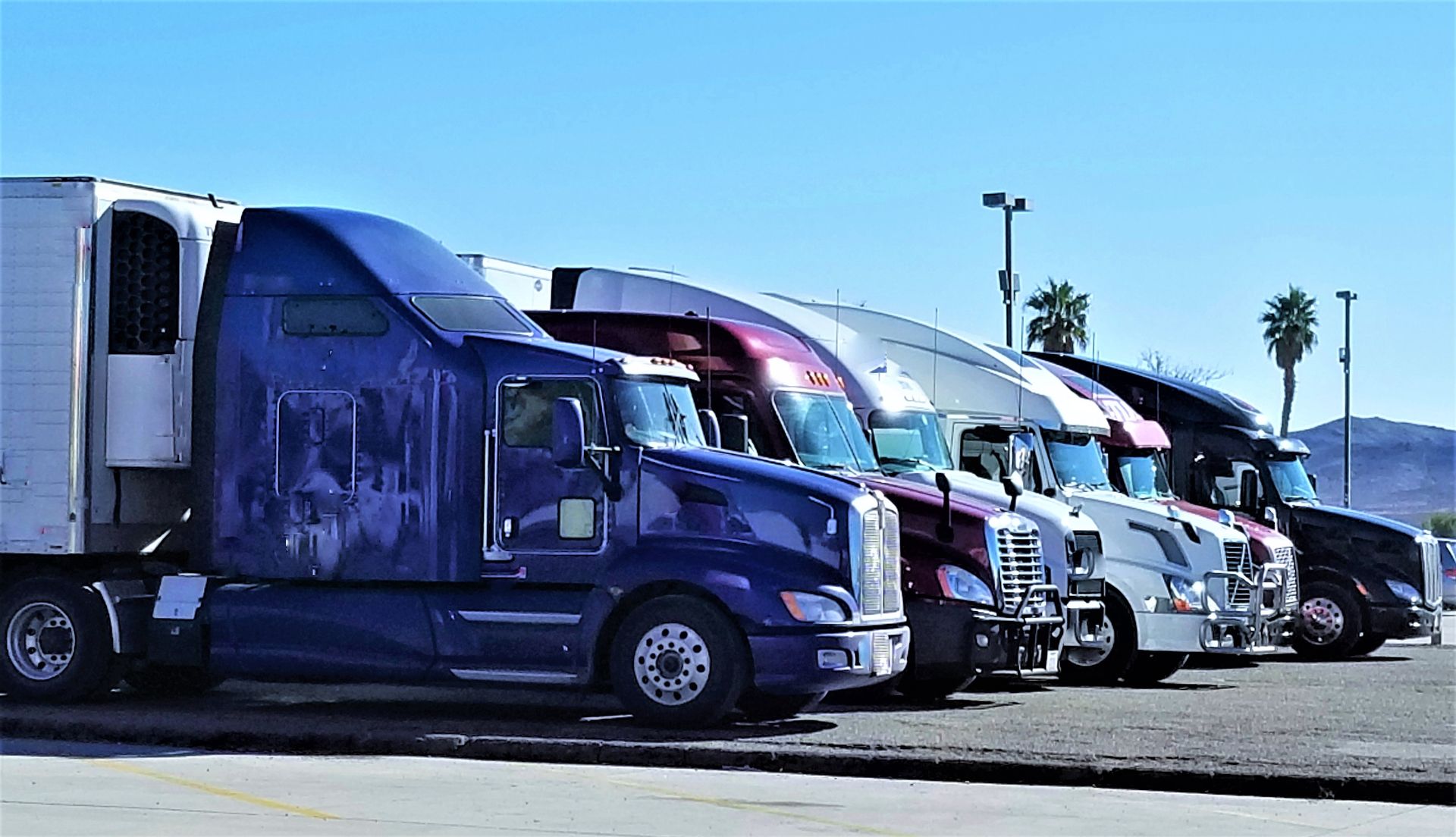
Commercial Auto & Trucking
Protection for your fleet including box trucks, moving vans, and trailers. Covers liability, collision, physical damage, and hired or non-owned vehicles used in your operations.
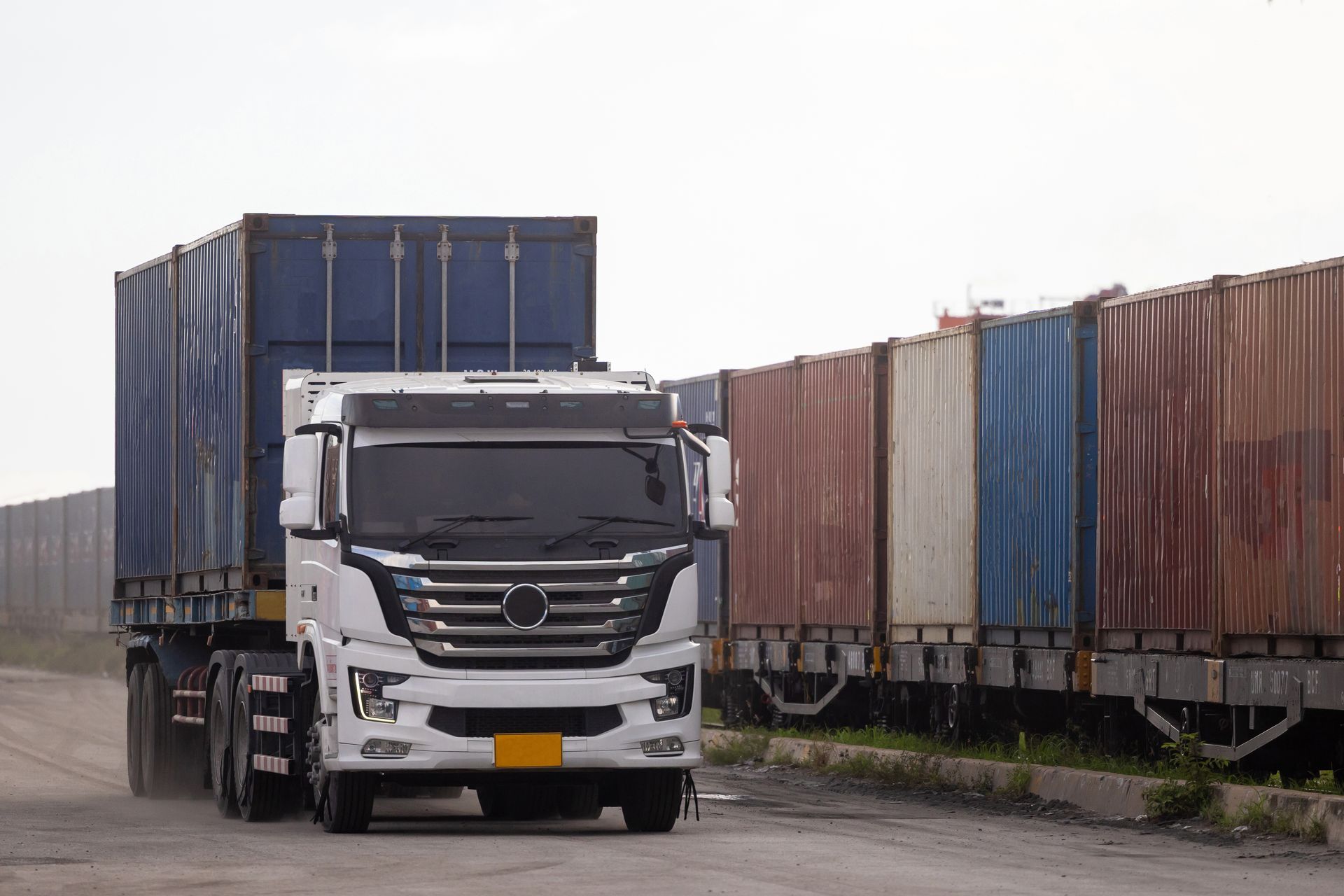
Motor Truck Cargo
Covers household goods and freight during transport from pickup to delivery. Protects against damage, theft, mysterious disappearance, and weather-related losses while cargo is in your care.

General Liability
Protection from third-party claims for bodily injury and property damage at customer homes, job sites, and your own facility. Essential coverage for every transportation operation

Warehouse Legal Liability
Coverage for customer property while stored in your facility. Protects against damage, theft, fire, and water damage to goods in your care, custody, or control.

Workers' Compensation
Medical care and wage replacement for employees injured on the job. Required in most states for transportation and warehouse work where physical labor creates higher injury risk.

Umbrella & Excess Liability
Higher liability limits stacked on top of your primary policies. Helps meet large contract requirements and protects your business assets against major claims and lawsuits.
Specialized Knowledge
Industries We Protect
Focused coverage for transportation and logistics businesses


Simple and Clear
How Our Process Works
Our process to get you covered
Connect With Us
Reach out through our form or by phone to share your business needs and current coverage situation.
Get Coverage Options
We review your risks, compare carriers, and present clear quotes with plain-language explanations.
Stay Protected
You choose your plan, and we provide ongoing support for certificates, claims, and renewals.
Trusted by Businesses
Feedback That Reflects Service and Reliability
What our clients say about working with Champion Risk
Answers You Need
Frequently Asked Questions
Common questions about transportation and logistics insurance




What insurance does a transportation company need to operate legally?
Motor carriers that cross state lines must meet FMCSA requirements. You need a minimum of $750,000 in liability coverage, plus a BMC-91 filing that proves your insurance to the federal government. Cargo coverage is also required, with minimums that depend on the type of goods you transport.
Intrastate operators follow state-specific rules. California, Texas, and Florida each have different requirements. Champion Risk handles both federal and state filings. We make sure your coverage meets legal minimums and your certificates reach the right agencies.
How much does commercial transportation insurance cost?
Premiums depend on your fleet size, driving records, cargo values, and claims history. A small operation with two trucks might pay $8,000 to $15,000 per year. A larger carrier with ten trucks could pay $50,000 to $100,000 or more.
The best way to control costs is working with a broker who knows transportation insurance. We find carriers that specialize in your exact operation type. This often results in better rates than going direct or using a general agent who doesn't understand the industry.
What is a BMC-91 filing and why do I need one?
A BMC-91 is a form your insurance company files with the FMCSA. It proves you carry the required liability coverage to operate as a for-hire motor carrier. Without an active BMC-91, your operating authority can be revoked.
Champion Risk works with carriers who file electronically. Your BMC-91 typically posts within 24 to 48 hours of binding coverage. We monitor your filing status and alert you if anything needs attention.
Does my warehouse or storage facility need different insurance than a trucking operation?
Yes. Storage facilities need warehouse legal liability coverage. This protects you when customer property is damaged or stolen while in your care. Standard general liability policies exclude this exposure.
You may also need property coverage for your building, equipment breakdown protection, and business income coverage if a fire or disaster shuts down operations. Champion Risk builds storage facility programs that address all these risks in one package.
Can you insure last-mile delivery drivers who use their own vehicles?
Yes. We offer hired and non-owned auto coverage for delivery operations that use independent contractors or employees driving personal vehicles. This fills gaps that personal auto policies don't cover during commercial use.
We also provide occupational accident coverage for 1099 drivers who aren't eligible for workers' comp. This protects your drivers and limits your liability exposure when accidents happen.
How fast can I get proof of insurance for a new contract?
Same day in most cases. Once we bind your policy, we issue certificates of insurance within hours. If your contract requires specific additional insured language or special endorsements, we coordinate directly with the carrier.
Rush requests happen often in this industry. General contractors and corporate clients demand certificates before they let you on site. Champion Risk prioritizes fast turnaround because we know your revenue depends on it.


Answers You Need
Transportation & Logistics Insurance Resources
Articles designed to inform and support your business
Contact Us
Phone Number:
Email Address:
Location:
12264 El Camino Real, Suite 350
San Diego, CA 92130
Hours:
Monday – Friday: 8:00 AM – 6:00 PM PT