
Austin's transportation and logistics sector has exploded over the past decade. With major distribution hubs, a booming e-commerce fulfillment network, and proximity to key interstate corridors, the city has become a magnet for trucking companies, freight brokers, and last-mile delivery operations. But here's what catches many business owners off guard: the insurance requirements in Texas are more complex than they expect, and the costs have climbed significantly in recent years.
If you're running a logistics operation in the Austin metro area, understanding your coverage requirements isn't optional. According to Amwins, "Texas commercial auto insurance premiums have risen dramatically over the past decade due to increased lawsuits and claim values...some areas like Texas seeing hikes exceeding 25%." That's not a typo. A quarter increase in premiums means the difference between profitability and barely breaking even for many smaller fleets.
The good news? With the right approach to coverage selection, risk management, and local expertise, you can protect your operation without hemorrhaging cash. This guide breaks down what Austin-based transportation businesses actually need to know about insurance: the coverage types, the state-specific filings, the cost factors, and the strategies that work.
Austin's position as a logistics hub creates unique insurance considerations. The city sits at the intersection of I-35 and Highway 290, making it a natural waypoint for freight moving between Mexico, the Texas Triangle cities, and points north. This geographic advantage also means higher traffic density, more accident exposure, and increased underwriting scrutiny.
The Role of Austin's Growing Infrastructure in Risk Assessment
The Austin metro area has invested heavily in infrastructure, but growth has outpaced capacity in many corridors. Construction zones along I-35 through downtown create bottlenecks that increase accident frequency. Insurers track these patterns closely. A fleet operating primarily in high-congestion zones will face different premium calculations than one running rural routes to San Antonio or Houston.
New warehouse developments in areas like Pflugerville, Round Rock, and Buda have also changed the loading and unloading risk profile. Modern facilities with proper dock equipment and traffic flow reduce claims, while older sites with cramped lots and limited visibility remain liability magnets.
Key Differences Between Local and Interstate Logistics Coverage
Operating within Texas versus crossing state lines changes your insurance equation entirely. Texas intrastate commercial trucks require a minimum of $500,000 in combined single limit coverage, according to Thumann Insurance Agency. Interstate operations fall under federal FMCSA requirements, which can demand higher limits depending on cargo type.
The distinction matters for Austin businesses because many start with local delivery routes and gradually expand. Your policy needs to grow with you, and gaps in interstate coverage can leave you exposed during that transition.

By: Mark Raby
Chief Executive Officer at Champion Risk & Insurance Services
Essential Coverage Types for Texas Transportation Providers
Understanding the coverage landscape helps you avoid both overpaying and underinsuring. Here's what actually matters for Austin logistics operations.
Commercial Auto and Motor Truck Cargo Insurance
Commercial auto liability covers bodily injury and property damage when your vehicles are at fault. Motor truck cargo insurance protects the freight you're hauling. These are separate policies, and you need both.
Average annual premiums for commercial truck insurance in Texas range from $10,000 to $15,000, or approximately $800 to $1,250 monthly, per Thumann Insurance Agency. That baseline varies significantly based on your specific operation. A single box truck doing local deliveries costs far less to insure than a five-truck fleet running refrigerated trailers to Dallas.
General Liability and Inland Marine Protection
General liability covers incidents that happen off the road: a driver injures someone at a loading dock, equipment damages a client's property, or a visitor slips at your facility. Inland marine insurance extends cargo protection beyond standard motor truck cargo limits, covering goods in transit, in storage, or at temporary locations.
For Austin logistics companies handling high-value electronics, medical equipment, or specialty goods, inland marine often proves essential. The standard cargo policy limits may not adequately cover a shipment of semiconductor components heading to one of the area's tech manufacturers.
Contingent Cargo and Warehouse Legal Liability
If you broker loads or use third-party carriers, contingent cargo insurance fills gaps when the primary carrier's coverage fails. Warehouse legal liability protects goods stored at your facility against damage, theft, or loss.
Champion Risk works with Austin logistics companies to layer these coverages appropriately. The goal isn't maximum coverage everywhere: it's matching protection to actual exposure points.
Texas-Specific Regulatory and Filing Requirements
Texas has its own regulatory framework that sits alongside federal requirements. Missing a filing deadline or carrying inadequate coverage can shut down your operation.
TxDMV Insurance Requirements and Form E Filings
The Texas Department of Motor Vehicles requires motor carriers to file proof of insurance before receiving operating authority. Form E filings demonstrate you carry the required liability coverage. Your insurer submits these electronically, but you're responsible for ensuring they're current.
Trucks transporting hazardous materials in Texas require a minimum of $5,000,000 in liability coverage, according to The Hadi Law Firm. That's ten times the standard intrastate minimum. If your operation occasionally handles hazmat loads, you need coverage that reflects that exposure, not just your typical freight.
Texas Workers' Compensation Laws for Logistics Firms
Texas is unique: workers' compensation isn't mandatory for most private employers. But opting out exposes you to direct lawsuits from injured employees without the liability caps that comp coverage provides. For logistics operations with drivers, warehouse workers, and dock personnel, the injury risk makes coverage a practical necessity regardless of the legal requirement.
| Coverage Type | Minimum Required | Typical Austin Costs |
|---|---|---|
| Intrastate Liability | $500,000 CSL | $8,000-$15,000/year |
| Interstate Liability | $750,000-$1,000,000 | $12,000-$20,000/year |
| Hazmat Operations | $5,000,000 | $25,000-$50,000/year |
| Motor Truck Cargo | Varies by contract | $2,000-$5,000/year |

Factors Influencing Insurance Costs in the Austin Metro Area
Premium calculations aren't arbitrary. Understanding the variables helps you control costs.
Impact of Fleet Size, Cargo Value, and Radius of Operation
Insurers assess exposure based on how many vehicles you run, what you're hauling, and how far you travel. A three-truck fleet moving auto parts within 100 miles of Austin represents different risk than a twenty-truck operation hauling pharmaceuticals across state lines.
Insurify reports commercial car insurance in Texas ranges from $260 to $1,420 per month on average. That spread reflects these variables. Your specific premium depends on where you fall within the risk spectrum.
Driver Safety Records and Telematics Discounts
Your drivers' histories directly impact premiums. Accidents, violations, and license suspensions within the past three to five years increase costs substantially. Some carriers won't write policies for fleets with drivers who have recent DUIs or major at-fault accidents.
Telematics adoption has become nearly universal: 88% of fleets now use telematics for safety, according to
Amwins. These systems track speed, braking patterns, and hours of service. Insurers offer meaningful discounts for fleets that demonstrate consistent safe driving data.
| Factor | San Francisco Impact | Suburban Comparison |
|---|---|---|
| Collision frequency | 40-60% higher | Baseline |
| Pedestrian exposure | High | Low to moderate |
| Theft risk | Elevated | Varies by location |
| Average claim cost | $15,000-$25,000 | $10,000-$18,000 |
Cost control in transportation insurance comes down to reducing actual risk, not just shopping for cheaper quotes.
Implementing Robust Safety Protocols and Training
Documented safety programs matter. Regular driver training, pre-trip inspection protocols, and incident review processes demonstrate to underwriters that you're actively managing risk. Some insurers require specific programs before offering preferred rates.
Champion Risk helps clients develop safety documentation that satisfies underwriting requirements while actually improving operational safety. The paperwork shouldn't be separate from genuine risk reduction.
Choosing the Right Deductibles and Limits for Your Business
Higher deductibles reduce premiums but increase out-of-pocket exposure. A $5,000 deductible versus $1,000 might save $2,000 annually, but you need cash reserves to cover claims. Limits work similarly: carrying $2 million in liability when contracts only require $1 million costs more without adding value.
The right balance depends on your financial position, contract requirements, and risk tolerance. Cookie-cutter approaches waste money or leave gaps.
Securing the Right Policy with Local Expertise
Choosing transportation and logistics insurance in Austin requires understanding both Texas regulations and the specific risks of operating in this market. Generic national brokers often miss nuances that matter: the construction zone patterns along I-35, the contract requirements from major Austin shippers, the claims trends in Travis and Williamson counties.
Working with specialists who understand the Austin logistics market helps you avoid both overpaying and underinsuring. The right policy matches your actual operation: your routes, your cargo, your drivers, and your growth plans. Get this wrong, and you're either wasting money on unnecessary coverage or gambling on gaps that could sink your business after a single bad claim.
Frequently Asked Questions
How much does commercial truck insurance cost in Austin? Most Austin-based trucking operations pay between $10,000 and $15,000 annually for basic coverage, though hazmat haulers and large fleets pay significantly more.
What's the minimum liability coverage for Texas intrastate trucking? Texas requires $500,000 in combined single limit coverage for intrastate commercial trucks.
Do I need workers' comp insurance for my logistics company in Texas? Texas doesn't legally require it for most private employers, but going without exposes you to direct lawsuits without liability caps.
Can telematics actually reduce my insurance premiums? Yes. Insurers offer discounts for fleets that demonstrate safe driving patterns through telematics data.
What's the difference between motor truck cargo and inland marine insurance? Motor truck cargo covers freight while in transit. Inland marine extends protection to goods in storage or at temporary locations.
About the Author:
Mark Raby
I am a seasoned insurance professional with over 30 years of experience in the industry. I lead Champion Risk & Insurance Services, a San Diego-based brokerage with nationwide reach and strong influence in the insurance marketplace. My core competencies include insurance agency M&A deals, captives and alternative risk structures, and commercial property and casualty insurance for clients in the transportation and logistics industries. I am a former president of IIAB San Diego and hold a Bachelor of Science in Finance from Western Michigan University’s Haworth College of Business.
Protection for Transportation Operations
Business Insurance for Transportation & Logistics Companies
Coverage designed specifically for transportation businesses
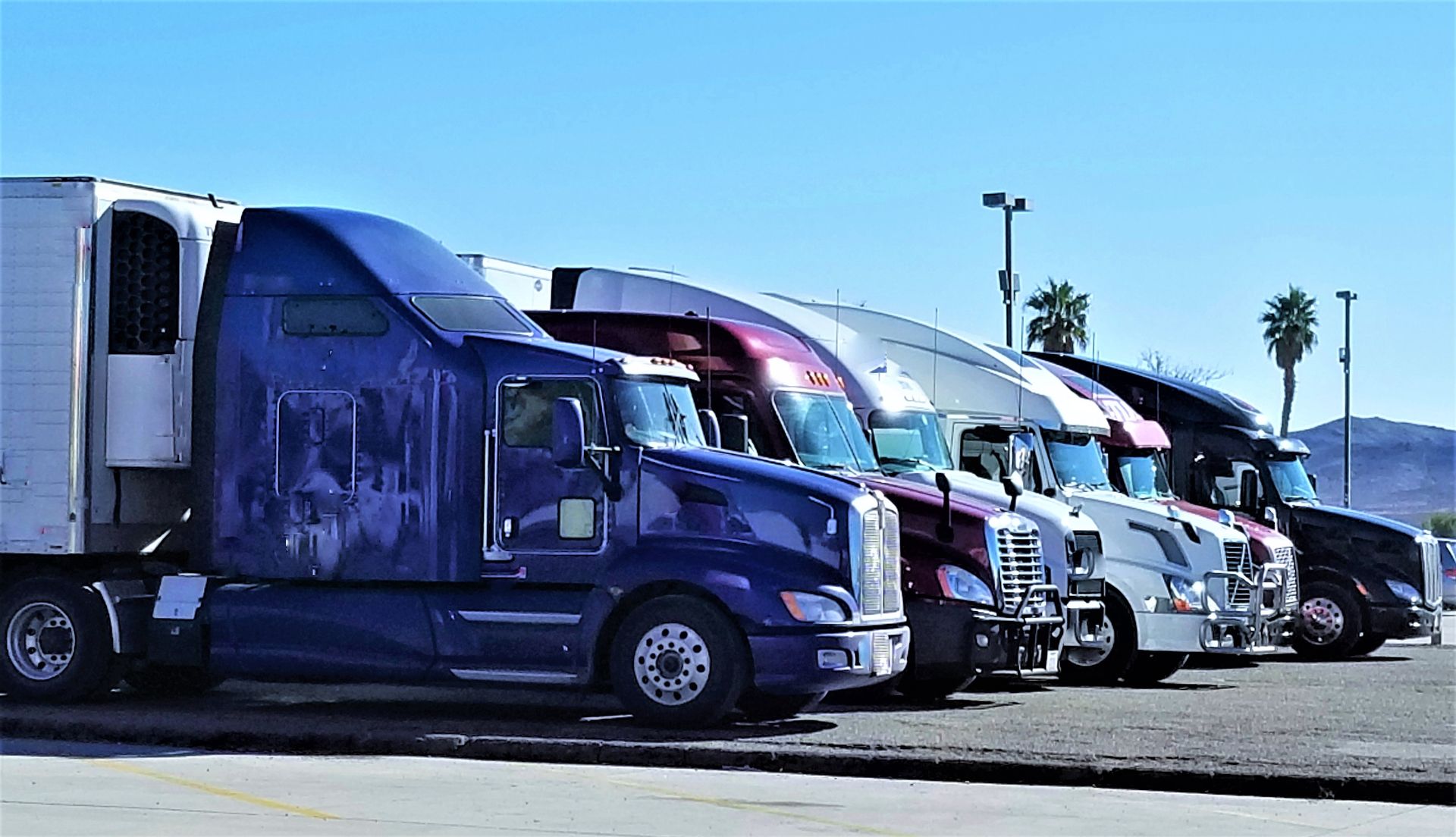
Commercial Auto & Trucking
Protection for your fleet including box trucks, moving vans, and trailers. Covers liability, collision, physical damage, and hired or non-owned vehicles used in your operations.
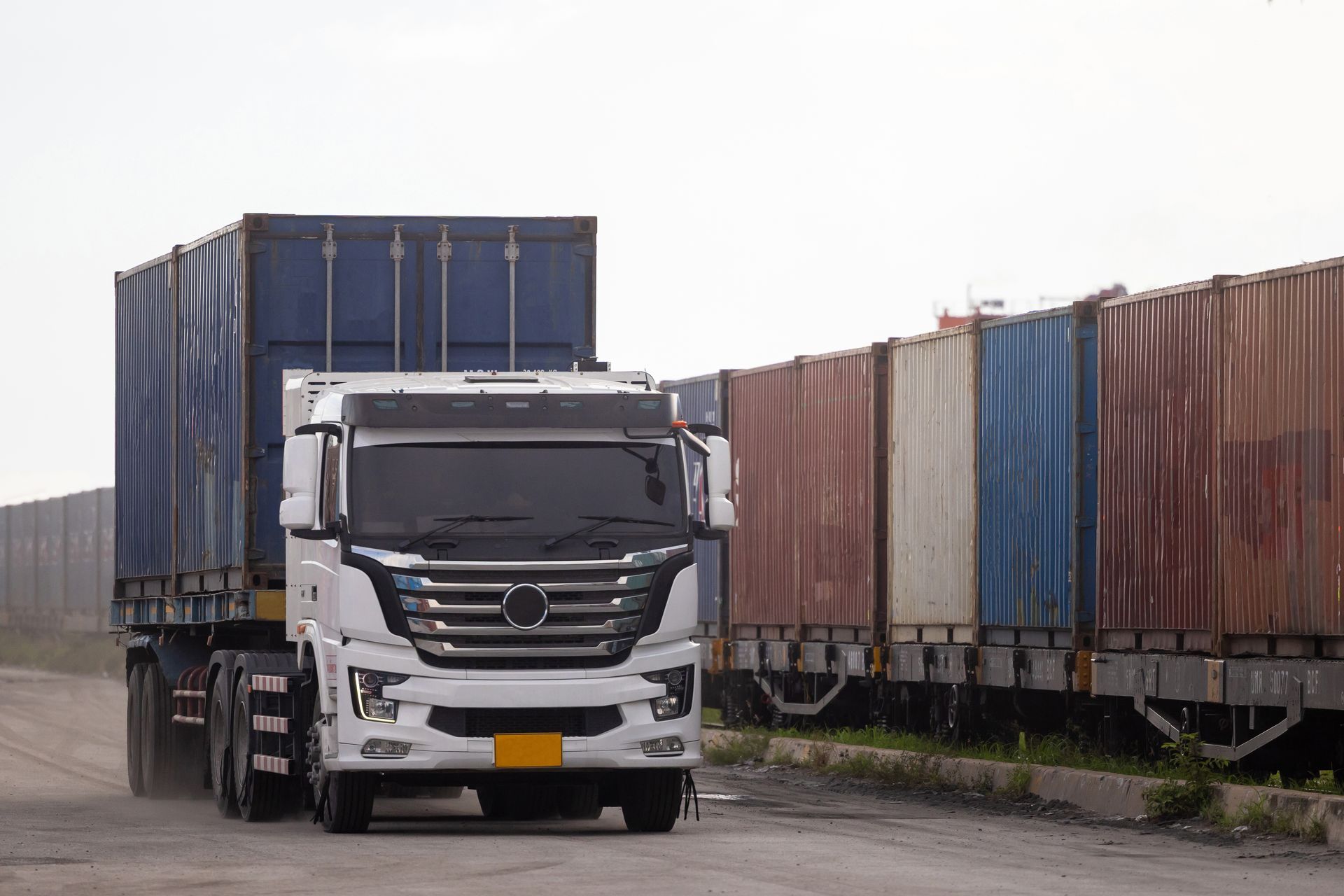
Motor Truck Cargo
Covers household goods and freight during transport from pickup to delivery. Protects against damage, theft, mysterious disappearance, and weather-related losses while cargo is in your care.

General Liability
Protection from third-party claims for bodily injury and property damage at customer homes, job sites, and your own facility. Essential coverage for every transportation operation

Warehouse Legal Liability
Coverage for customer property while stored in your facility. Protects against damage, theft, fire, and water damage to goods in your care, custody, or control.

Workers' Compensation
Medical care and wage replacement for employees injured on the job. Required in most states for transportation and warehouse work where physical labor creates higher injury risk.

Umbrella & Excess Liability
Higher liability limits stacked on top of your primary policies. Helps meet large contract requirements and protects your business assets against major claims and lawsuits.
Specialized Knowledge
Industries We Protect
Focused coverage for transportation and logistics businesses


Simple and Clear
How Our Process Works
Our process to get you covered
Connect With Us
Reach out through our form or by phone to share your business needs and current coverage situation.
Get Coverage Options
We review your risks, compare carriers, and present clear quotes with plain-language explanations.
Stay Protected
You choose your plan, and we provide ongoing support for certificates, claims, and renewals.
Trusted by Businesses
Feedback That Reflects Service and Reliability
What our clients say about working with Champion Risk
Answers You Need
Frequently Asked Questions
Common questions about transportation and logistics insurance



What insurance does a transportation company need to operate legally?
Motor carriers that cross state lines must meet FMCSA requirements. You need a minimum of $750,000 in liability coverage, plus a BMC-91 filing that proves your insurance to the federal government. Cargo coverage is also required, with minimums that depend on the type of goods you transport.
Intrastate operators follow state-specific rules. California, Texas, and Florida each have different requirements. Champion Risk handles both federal and state filings. We make sure your coverage meets legal minimums and your certificates reach the right agencies.
How much does commercial transportation insurance cost?
Premiums depend on your fleet size, driving records, cargo values, and claims history. A small operation with two trucks might pay $8,000 to $15,000 per year. A larger carrier with ten trucks could pay $50,000 to $100,000 or more.
The best way to control costs is working with a broker who knows transportation insurance. We find carriers that specialize in your exact operation type. This often results in better rates than going direct or using a general agent who doesn't understand the industry.
What is a BMC-91 filing and why do I need one?
A BMC-91 is a form your insurance company files with the FMCSA. It proves you carry the required liability coverage to operate as a for-hire motor carrier. Without an active BMC-91, your operating authority can be revoked.
Champion Risk works with carriers who file electronically. Your BMC-91 typically posts within 24 to 48 hours of binding coverage. We monitor your filing status and alert you if anything needs attention.
Does my warehouse or storage facility need different insurance than a trucking operation?
Yes. Storage facilities need warehouse legal liability coverage. This protects you when customer property is damaged or stolen while in your care. Standard general liability policies exclude this exposure.
You may also need property coverage for your building, equipment breakdown protection, and business income coverage if a fire or disaster shuts down operations. Champion Risk builds storage facility programs that address all these risks in one package.
Can you insure last-mile delivery drivers who use their own vehicles?
Yes. We offer hired and non-owned auto coverage for delivery operations that use independent contractors or employees driving personal vehicles. This fills gaps that personal auto policies don't cover during commercial use.
We also provide occupational accident coverage for 1099 drivers who aren't eligible for workers' comp. This protects your drivers and limits your liability exposure when accidents happen.
How fast can I get proof of insurance for a new contract?
Same day in most cases. Once we bind your policy, we issue certificates of insurance within hours. If your contract requires specific additional insured language or special endorsements, we coordinate directly with the carrier.
Rush requests happen often in this industry. General contractors and corporate clients demand certificates before they let you on site. Champion Risk prioritizes fast turnaround because we know your revenue depends on it.

Answers You Need
Transportation & Logistics Insurance Resources
Articles designed to inform and support your business
Contact Us
Phone Number:
Email Address:
Location:
12264 El Camino Real, Suite 350
San Diego, CA 92130
Hours:
Monday – Friday: 8:00 AM – 6:00 PM PT