The moving and storage industry runs on physical labor, long hours, and a workforce that knows exactly how valuable their skills are. When 74% of transportation and logistics employers struggle to fill roles, you can't afford to treat benefits as an afterthought. Your crews are lifting furniture, navigating tight stairwells, and driving commercial vehicles across state lines. They have options, and the companies offering real benefits packages are winning the talent war.
Here's what most moving company owners get wrong: they view employee benefits as pure expense rather than strategic investment. The math tells a different story. Between recruiting costs, training time, and the productivity hit when experienced movers walk out the door, turnover costs far more than competitive health coverage ever will. Companies that understand employee benefits for moving and storage operations as a retention tool consistently outperform those cutting corners on coverage.
The industry experts at
The Horton Groupput it well: "Resilient moving & storage companies treat employee benefits as strategic tools to protect capital, stabilize labor, and improve insurability." That's the mindset shift required here. Benefits aren't charity. They're business infrastructure.
The Strategic Importance of Benefits in the Moving Industry
Reducing Turnover for Drivers and Crew Members
Moving crews develop expertise that's harder to replace than most owners realize. A seasoned mover knows how to wrap antiques, navigate a grand piano down spiral stairs, and keep customers calm during stressful relocations. When that knowledge walks out the door, you're not just losing a body. You're losing efficiency, customer satisfaction scores, and revenue.
The cost of replacing a single employee in physical labor industries typically runs 50-75% of their annual salary when you factor in recruiting, onboarding, and the productivity gap during training. Solid benefits packages reduce that churn significantly. Workers with health coverage and retirement plans think twice before jumping ship for a marginal pay increase elsewhere.
Attracting Skilled CDL Drivers in a Competitive Market
CDL drivers have leverage right now, and they know it. Every logistics company, freight hauler, and moving operation is competing for the same limited pool of qualified drivers. When a driver can choose between your company and a competitor offering better health coverage, dental plans, and 401(k) matching, the decision becomes obvious.
Champion Risk works with moving companies that have transformed their hiring outcomes simply by restructuring benefits packages. The companies struggling to fill driver seats often have competitive hourly rates but bare-bones benefits. Drivers with families prioritize health coverage over an extra dollar per hour because they understand the math on medical bills.


By: Mark Raby
Chief Executive Officer at Champion Risk & Insurance Services
Group Health Insurance Plans for Moving Crews
The warehousing and storage sector shows strong benefits adoption, with 84% of employers offering access to medical insurance. That's your competitive baseline. If you're in the remaining 16%, you're already behind in the talent market.
Group health plans for moving companies typically fall into three tiers: basic coverage with high deductibles, mid-range PPO options, and comprehensive plans with lower out-of-pocket costs. Most small to mid-sized moving operations find the sweet spot in mid-range PPO plans that balance premium costs against employee satisfaction. Your crews need coverage that actually functions when someone throws out their back or needs urgent care after a job site incident.
Dental and Vision Care for Long-Haul Drivers
Dental and vision coverage often gets dismissed as "nice to have" rather than essential. That's a mistake for moving companies. Long-haul drivers spend hours behind the wheel, and vision problems create safety risks that affect your entire operation. Dental issues left untreated lead to missed workdays and emergency room visits that cost everyone more in the long run.
These supplemental coverages typically add $30-60 per employee monthly but dramatically improve benefits package perception. Employees consistently rate dental and vision coverage as high-value additions that influence their decision to stay with an employer.
Mental Health Support and Employee Assistance Programs
Physical labor jobs carry mental health burdens that rarely get discussed openly. Long hours away from family, physical strain, customer conflicts, and the pressure of tight schedules create stress that compounds over time. Employee Assistance Programs provide confidential counseling, substance abuse resources, and crisis support that keep workers functioning at their best.
EAPs typically cost $2-5 per employee monthly and provide outsized value in reduced absenteeism and improved workplace stability. Moving companies with EAP access report fewer workplace conflicts and better crew cohesion during high-stress periods like summer moving season.
Physical Safety and Financial Protection Benefits
Occupational Accident and Disability Coverage
Moving is one of the most injury-prone occupations in the service sector. Back injuries, falls, crush injuries, and vehicle accidents happen despite the best safety protocols. Occupational accident coverage fills gaps that workers' compensation might not cover, particularly for owner-operators or 1099 contractors who don't qualify for traditional workers' comp.
Disability coverage matters equally. A mover who tears a rotator cuff might be out for months. Short-term disability replaces a portion of their income during recovery, while long-term disability protects against career-ending injuries. These policies cost less than most owners expect and provide peace of mind that keeps experienced workers loyal.
Life Insurance and Accidental Death Policies
Basic life insurance coverage, often one to two times annual salary, costs relatively little when purchased as group coverage. For employees with families, this benefit provides security that influences their long-term commitment to your company. Accidental death and dismemberment policies add another layer of protection relevant to the physical risks moving crews face daily.
Champion Risk helps moving companies structure these policies efficiently, bundling coverage types to reduce administrative burden while maximizing protection for employees and their families.

Retirement and Long-Term Financial Planning
401(k) Matching Programs for Moving Professionals
Retirement benefits separate employers who view workers as long-term investments from those treating labor as disposable. A 401(k) with employer matching, even at modest levels like 3% of salary, signals that you're building a company where people can build careers.
The practical impact extends beyond retention. Employees contributing to retirement plans demonstrate financial stability that correlates with reliability and reduced turnover. The tax advantages for employers make matching programs more affordable than the gross numbers suggest, particularly for companies structured as pass-through entities.
Cost Analysis and Budgeting for Storage Companies
Average Premium Costs per Employee
The numbers on benefits costs are more manageable than many small business owners fear. For warehousing and storage companies,
the average monthly employer premium for family health coverage runs approximately $1,219. Individual coverage costs significantly less, typically $400-600 monthly depending on plan design and regional factors.
| Coverage Type | Monthly Cost Range (Per Employee) |
|---|---|
| Individual Health | $400-$600 |
| Family Health | $1,100-$1,400 |
| Dental | $25-$50 |
| Vision | $10-$20 |
| Basic Life Insurance | $10-$25 |
| Short-Term Disability | $20-$40 |
These costs scale with company size, and group purchasing power improves rates significantly once you pass 10-15 employees.
Tax Incentives and Deductions for Small Moving Businesses
Employer-paid health premiums are fully deductible as business expenses, reducing the effective cost substantially. Small businesses may qualify for the Small Business Health Care Tax Credit if they have fewer than 25 full-time equivalent employees and meet average wage requirements.
SIMPLE IRA and 401(k) contributions, including employer matches, also qualify as deductible business expenses. The tax treatment makes benefits packages more affordable than raw premium numbers suggest, particularly for profitable operations in higher tax brackets.
Implementing a Competitive Benefits Package
Navigating Compliance and DOT Regulations
Moving companies operating commercial vehicles face DOT regulations that intersect with benefits administration. Drug testing requirements, medical certification for CDL holders, and fitness-for-duty standards all connect to your health coverage and safety programs.
The compliance landscape gets complicated quickly, especially for companies operating across state lines. Each state has different requirements for workers' compensation, disability insurance, and health coverage mandates. Getting this wrong creates liability exposure that dwarfs any savings from cutting corners on benefits administration.
Choosing Between PEOs and Private Insurance Brokers
Professional Employer Organizations bundle HR, payroll, and benefits administration into single packages that work well for smaller moving companies lacking dedicated HR staff. PEOs provide access to larger group purchasing pools, potentially reducing per-employee costs while handling compliance headaches.
Private insurance brokers offer more customization and direct control over plan design. Companies with 25+ employees often find that working directly with brokers and carriers provides better value than PEO arrangements. The right choice depends on your company size, administrative capacity, and specific coverage needs.
Frequently Asked Questions
How much should a moving company budget for employee benefits? Plan for 15-25% of payroll costs for a competitive benefits package. This varies based on coverage levels and regional factors, but that range covers most scenarios.
Are seasonal moving employees eligible for benefits? Typically, employees working 30+ hours weekly for extended periods qualify under ACA requirements. Many companies use waiting periods of 60-90 days to manage seasonal workforce costs.
What benefits do CDL drivers value most? Health coverage tops the list, followed by retirement plans and paid time off. Drivers with families consistently prioritize family health coverage over other benefits.
Can small moving companies afford competitive benefits? Yes. Group purchasing, tax deductions, and strategic plan design make competitive packages accessible for companies with as few as 5-10 employees.
How do benefits affect workers' compensation rates? Companies with strong safety programs and health benefits often qualify for better workers' comp rates. Insurers view comprehensive benefits as indicators of responsible management.
Making Benefits Work for Your Moving Business
Building a competitive benefits package for your moving and storage company isn't about matching what large corporations offer. It's about understanding what your specific workforce values and structuring coverage that addresses their real concerns while managing your costs responsibly.
The companies winning the talent war in this industry treat benefits as strategic investments rather than grudging expenses. They understand that the cost of turnover, recruiting, and training far exceeds the cost of keeping good workers satisfied and protected.
Champion Risk specializes in helping moving and storage companies design benefits packages that balance employee needs with business realities. Whether you're starting from scratch or restructuring existing coverage, the right guidance makes the difference between benefits that drain resources and benefits that build competitive advantage.
About the Author:
Mark Raby
I am a seasoned insurance professional with over 30 years of experience in the industry. I lead Champion Risk & Insurance Services, a San Diego-based brokerage with nationwide reach and strong influence in the insurance marketplace. My core competencies include insurance agency M&A deals, captives and alternative risk structures, and commercial property and casualty insurance for clients in the transportation and logistics industries. I am a former president of IIAB San Diego and hold a Bachelor of Science in Finance from Western Michigan University’s Haworth College of Business.
Protection for Transportation Operations
Business Insurance for Transportation & Logistics Companies
Coverage designed specifically for transportation businesses
Commercial Auto & Trucking
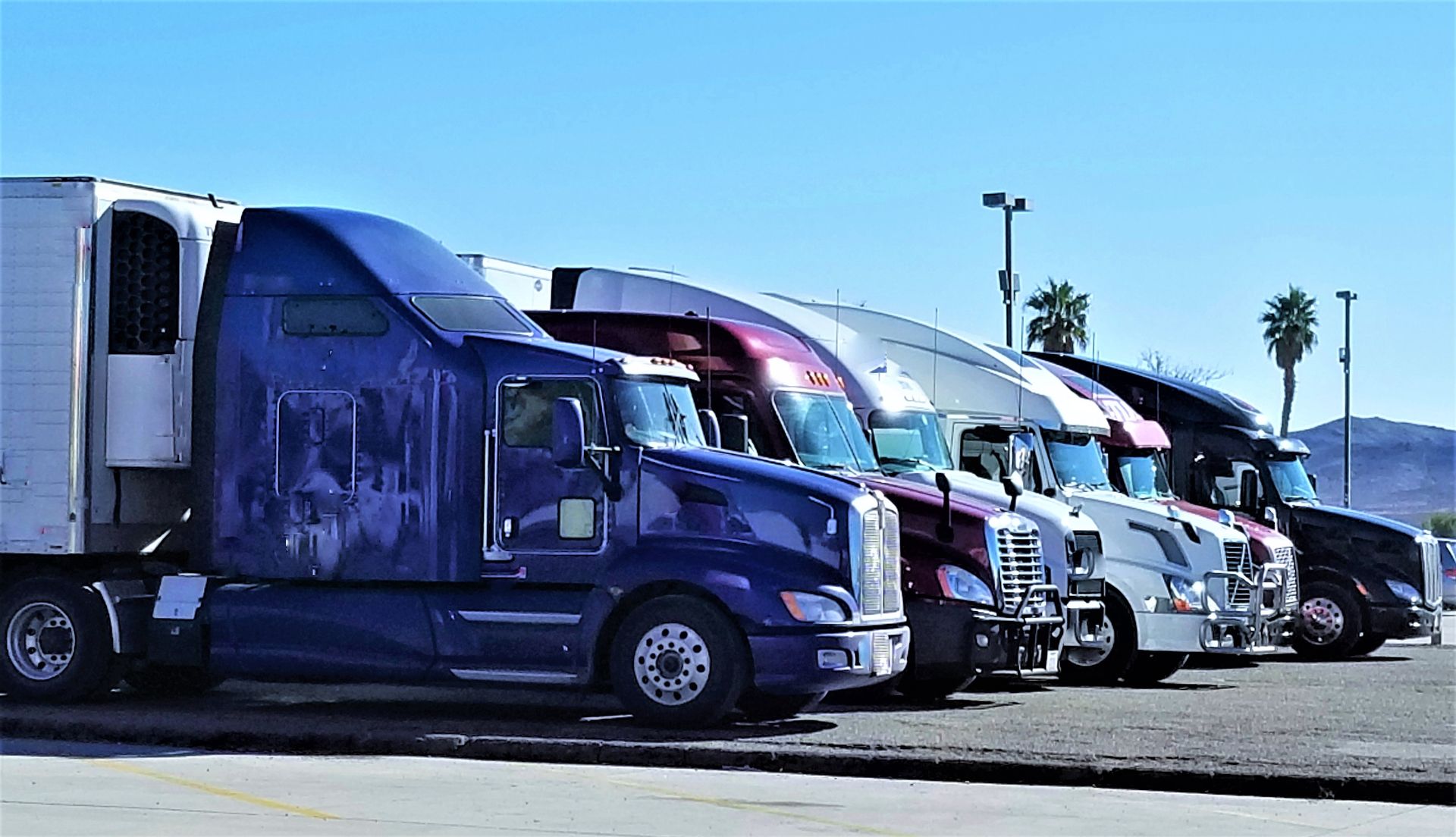
Protection for your fleet including box trucks, moving vans, and trailers. Covers liability, collision, physical damage, and hired or non-owned vehicles used in your operations.
Motor Truck Cargo
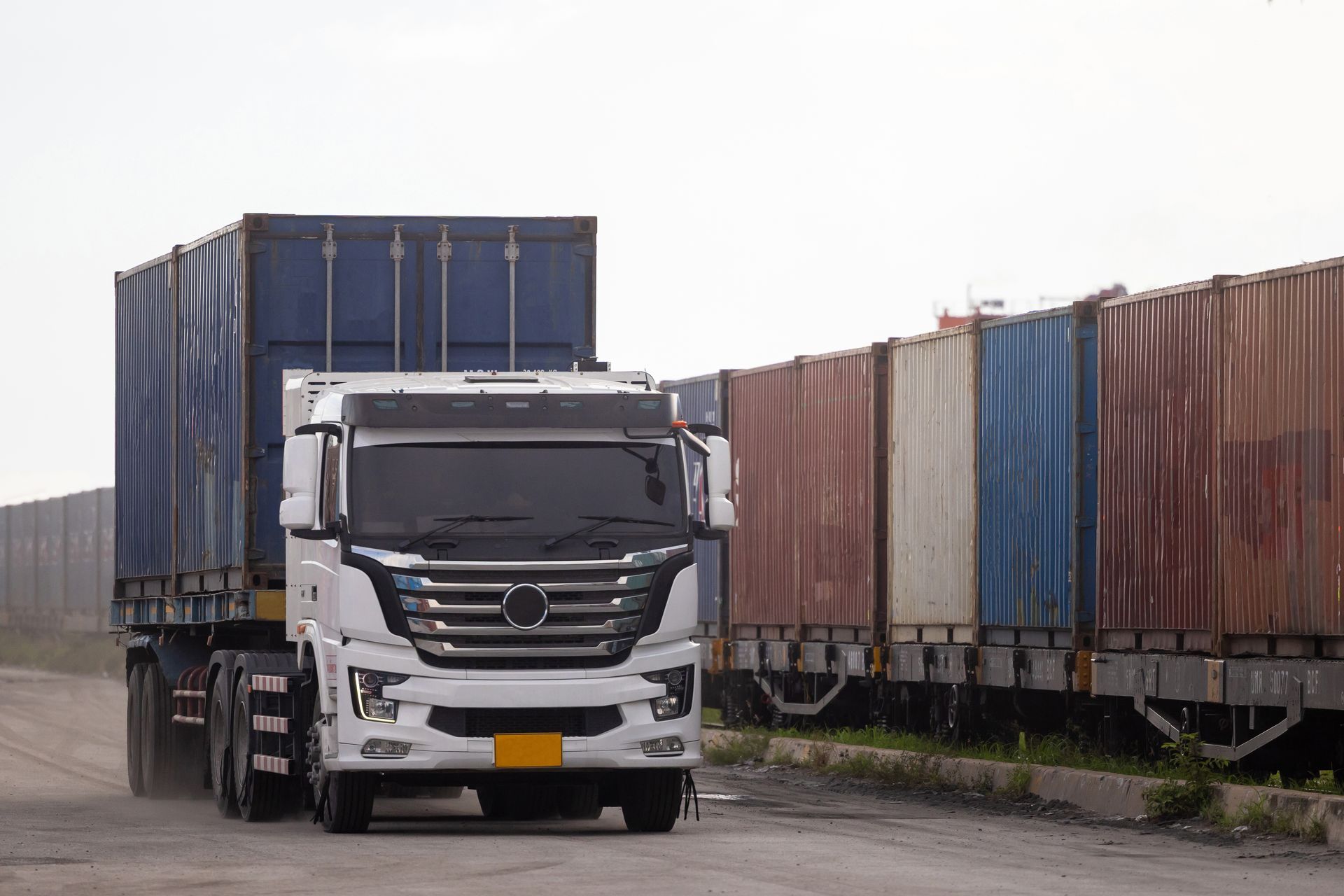
Covers household goods and freight during transport from pickup to delivery. Protects against damage, theft, mysterious disappearance, and weather-related losses while cargo is in your care.

General Liability
Protection from third-party claims for bodily injury and property damage at customer homes, job sites, and your own facility. Essential coverage for every transportation operation

Warehouse Legal Liability
Coverage for customer property while stored in your facility. Protects against damage, theft, fire, and water damage to goods in your care, custody, or control.

Workers' Compensation
Medical care and wage replacement for employees injured on the job. Required in most states for transportation and warehouse work where physical labor creates higher injury risk.

Umbrella & Excess Liability
Higher liability limits stacked on top of your primary policies. Helps meet large contract requirements and protects your business assets against major claims and lawsuits.
Specialized Knowledge
Industries We Protect
Focused coverage for transportation and logistics businesses


Simple and Clear
How Our Process Works
Our process to get you covered
Connect With Us
Reach out through our form or by phone to share your business needs and current coverage situation.
Get Coverage Options
We review your risks, compare carriers, and present clear quotes with plain-language explanations.
Stay Protected
You choose your plan, and we provide ongoing support for certificates, claims, and renewals.
Trusted by Businesses
Feedback That Reflects Service and Reliability
What our clients say about working with Champion Risk
Answers You Need
Frequently Asked Questions
Common questions about transportation and logistics insurance




What insurance does a transportation company need to operate legally?
Motor carriers that cross state lines must meet FMCSA requirements. You need a minimum of $750,000 in liability coverage, plus a BMC-91 filing that proves your insurance to the federal government. Cargo coverage is also required, with minimums that depend on the type of goods you transport.
Intrastate operators follow state-specific rules. California, Texas, and Florida each have different requirements. Champion Risk handles both federal and state filings. We make sure your coverage meets legal minimums and your certificates reach the right agencies.
How much does commercial transportation insurance cost?
Premiums depend on your fleet size, driving records, cargo values, and claims history. A small operation with two trucks might pay $8,000 to $15,000 per year. A larger carrier with ten trucks could pay $50,000 to $100,000 or more.
The best way to control costs is working with a broker who knows transportation insurance. We find carriers that specialize in your exact operation type. This often results in better rates than going direct or using a general agent who doesn't understand the industry.
What is a BMC-91 filing and why do I need one?
A BMC-91 is a form your insurance company files with the FMCSA. It proves you carry the required liability coverage to operate as a for-hire motor carrier. Without an active BMC-91, your operating authority can be revoked.
Champion Risk works with carriers who file electronically. Your BMC-91 typically posts within 24 to 48 hours of binding coverage. We monitor your filing status and alert you if anything needs attention.
Does my warehouse or storage facility need different insurance than a trucking operation?
Yes. Storage facilities need warehouse legal liability coverage. This protects you when customer property is damaged or stolen while in your care. Standard general liability policies exclude this exposure.
You may also need property coverage for your building, equipment breakdown protection, and business income coverage if a fire or disaster shuts down operations. Champion Risk builds storage facility programs that address all these risks in one package.
Can you insure last-mile delivery drivers who use their own vehicles?
Yes. We offer hired and non-owned auto coverage for delivery operations that use independent contractors or employees driving personal vehicles. This fills gaps that personal auto policies don't cover during commercial use.
We also provide occupational accident coverage for 1099 drivers who aren't eligible for workers' comp. This protects your drivers and limits your liability exposure when accidents happen.
How fast can I get proof of insurance for a new contract?
Same day in most cases. Once we bind your policy, we issue certificates of insurance within hours. If your contract requires specific additional insured language or special endorsements, we coordinate directly with the carrier.
Rush requests happen often in this industry. General contractors and corporate clients demand certificates before they let you on site. Champion Risk prioritizes fast turnaround because we know your revenue depends on it.


Answers You Need
Transportation & Logistics Insurance Resources
Articles designed to inform and support your business
Contact Us
Phone Number:
Email Address:
Location:
12264 El Camino Real, Suite 350
San Diego, CA 92130
Hours:
Monday – Friday: 8:00 AM – 6:00 PM PT