
Workers Compensation Insurance for Transportation & Logistics Company
Or Call Us:
(800) 829-0807
A truck driver slips on ice while securing a load in a Minnesota distribution center parking lot. A warehouse worker strains their back lifting a 70-pound package. A delivery driver gets rear-ended at a stoplight. These scenarios play out thousands of times daily across American logistics operations, and each one triggers the same question: who pays?
Workers compensation insurance for transportation and logistics companies isn't just a legal checkbox. It's the financial safety net that keeps your operation running when injuries inevitably happen. And they do happen: transportation workers experienced 184,470 injuries and illnesses in a recent year, accounting for 20% of all workplace cases resulting in days away from work.
The stakes are high. Get your coverage wrong, and you're looking at regulatory fines, lawsuit exposure, and injured workers without support. Get it right, and you've built a foundation that protects your drivers, your warehouse staff, and your business from the financial devastation that workplace injuries can cause.
This guide breaks down what logistics companies actually need to know about workers comp: the coverage components, cost factors, contractor complications, and strategies that separate well-protected operations from those gambling with their futures.
Understanding Workers Compensation for the Transportation Industry
The transportation sector operates differently than most industries, and standard workers comp approaches often miss critical exposures. Your workforce is mobile, spread across multiple states, and facing hazards that office workers never encounter.
Why Logistics Companies Face Unique Risks
Trucking and logistics present a risk profile that makes underwriters nervous. Drivers spend hours behind the wheel, often fatigued, navigating congested highways. Houston's traffic congestion alone increases vehicle accident frequency by 18%, and similar patterns exist in major logistics hubs nationwide.
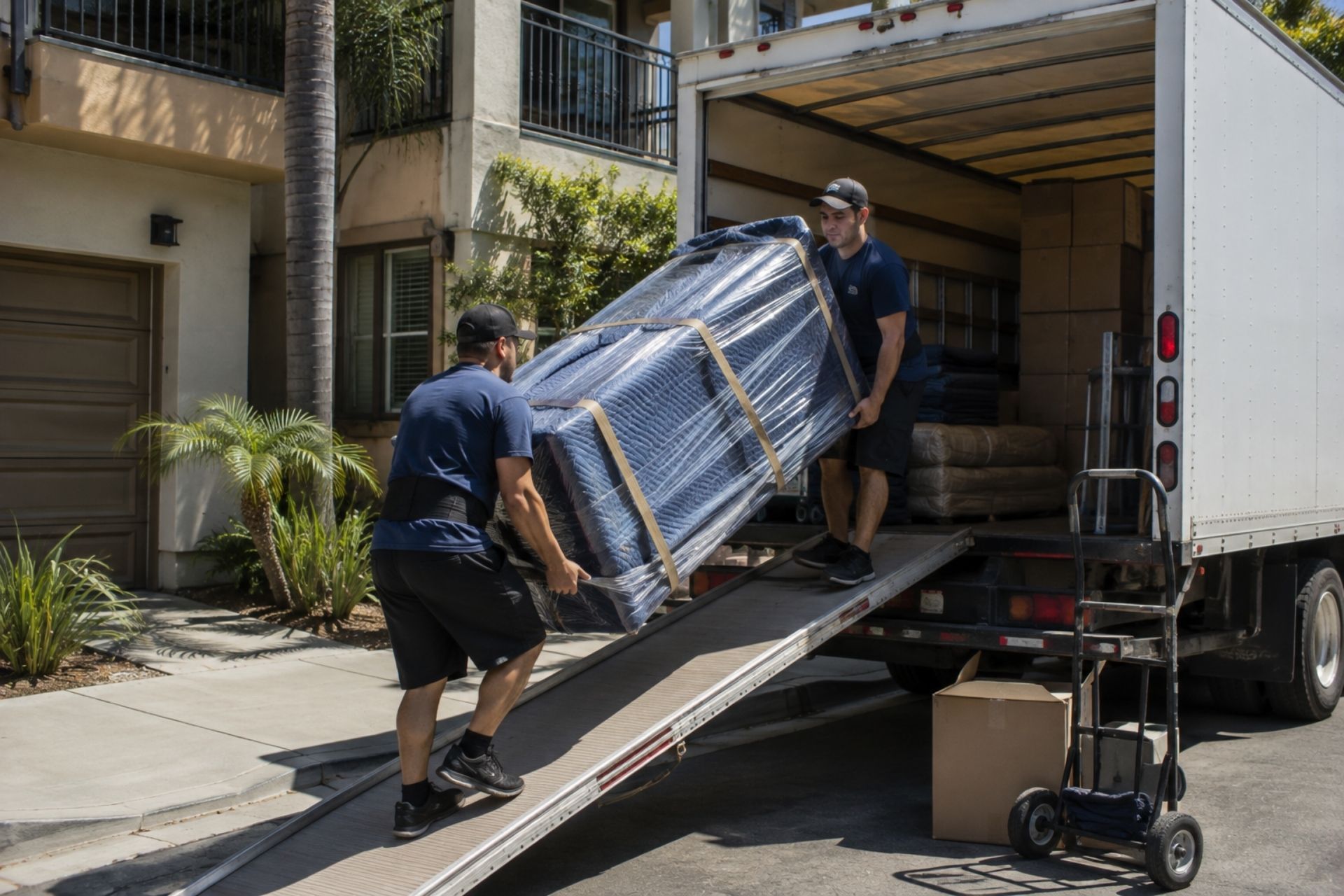
Beyond driving hazards, your workers face loading dock injuries, forklift accidents, repetitive strain from package handling, and exposure to weather extremes. A single warehouse shift might involve lifting hundreds of packages, climbing in and out of trailers, and operating heavy equipment. Each task carries injury potential.
The mobile nature of trucking creates another complication. A driver based in Georgia might get injured in California, triggering questions about which state's workers comp laws apply. Multi-state operations need coverage that travels with their workforce.
Legal Requirements and State Compliance
Every state except Texas mandates workers compensation for most employers, though requirements vary significantly. Some states require coverage with just one employee; others set the threshold at three or five. Penalties for non-compliance range from daily fines to criminal charges.
For interstate trucking operations, the state where your workers are based typically governs coverage requirements. That said, you may need to file in multiple states depending on where employees regularly work. Champion Risk helps logistics companies navigate these compliance requirements, ensuring coverage meets obligations in every state where your drivers operate.

By: Mark Raby
Chief Executive Officer at Champion Risk & Insurance Services
Core Coverage Components for Trucking and Delivery
Workers comp policies share common elements, but understanding what each component actually covers helps you evaluate whether your policy adequately protects your operation.
Medical Expenses and Rehabilitation Costs
Your policy covers all reasonable medical treatment for work-related injuries: emergency care, surgery, hospitalization, medications, physical therapy, and ongoing rehabilitation. For a driver with a serious back injury, this might include spinal surgery, months of physical therapy, and pain management.
Transportation injuries often require extensive rehabilitation. A crushed hand from a loading dock accident might need multiple surgeries and occupational therapy before a worker can grip a steering wheel again. Quality coverage pays these costs without arbitrary limits that leave workers partially treated.
Lost Wage Replacement and Disability Benefits
When injuries prevent work, workers comp replaces a portion of lost wages, typically around two-thirds of the employee's average weekly wage up to state maximums. Temporary total disability covers workers who can't work at all during recovery. Temporary partial disability applies when workers return to light duty at reduced hours or pay.
Permanent disability benefits kick in when injuries cause lasting impairment. NCCI data shows indemnity claim severity increased 5% in 2024, meaning the average cost per lost-wage claim continues climbing. For logistics companies, this translates directly to premium pressure.
Employer Liability and Legal Defense
The
employer liability portion of your policy protects against lawsuits that fall outside standard workers comp immunity. If an employee's spouse sues for loss of consortium, or if a third party seeks contribution from you after an accident, this coverage responds. It also pays legal defense costs when claims arise.
Understanding what drives your premiums helps you control them. Insurers don't pull numbers from thin air; they use specific factors to calculate your risk.
Class Codes and Fleet Size Impact
Every job function gets assigned a classification code with an associated rate. Truck drivers carry higher rates than dispatchers. Warehouse workers fall somewhere between. Your premium starts with payroll multiplied by the rate for each class code.
Long-haul trucking rates in Houston range from $15.20 to $24.50 per $100 of payroll, and similar ranges apply in most states. For a driver earning $60,000 annually, that translates to $9,120 to $14,700 in premium just for that one employee. Multiply across a fleet, and costs add up fast.
Fleet size affects more than just scale. Larger operations often qualify for experience rating, which adjusts premiums based on actual claims history rather than industry averages.
The Role of Experience Modification Rates (MOD)
Your experience modification rate compares your claims history against similar-sized companies in your industry. A MOD of 1.0 means average performance. Below 1.0 earns premium credits; above 1.0 triggers surcharges.
A logistics company with a 0.85 MOD pays 15% less than one with average claims. A company at 1.25 pays 25% more. Over a multi-year policy period, this difference amounts to tens or hundreds of thousands of dollars. Your MOD follows you regardless of which insurer you choose, making safety investments pay dividends for years.

Determining Coverage for Independent Contractors vs. Employees
The gig economy has complicated workers comp for logistics companies. Misclassifying workers creates massive liability exposure, while properly structured contractor relationships require different coverage approaches.
Owner-Operator Insurance Requirements
True owner-operators who lease their equipment and control their schedules typically aren't covered under your workers comp policy. They're responsible for their own coverage or can choose to go without in some states.
The catch is that misclassification claims have exploded. If a worker you've classified as a contractor gets injured and successfully argues they should have been an employee, you're liable for their medical costs, lost wages, and potentially penalties for operating without proper coverage. Courts look at actual working relationships, not just contract language.
Champion Risk works with logistics companies to structure contractor relationships properly and ensure appropriate coverage for each worker category.
Occupational Accident Insurance Alternatives
For legitimate independent contractors, occupational accident insurance provides similar benefits to workers comp without the employer-employee relationship. These policies cover medical expenses and lost income for work-related injuries.
Many motor carriers require owner-operators to carry occupational accident coverage as a condition of their lease agreements. This protects both parties: the contractor gets injury coverage, and the carrier reduces exposure if classification disputes arise later.
| Coverage Type | Who It Covers | Who Pays Premium | Required By Law? |
|---|---|---|---|
| Workers Comp | Employees | Employer | Yes (most states) |
| Occupational Accident | Independent Contractors | Contractor or Carrier | No (often contractually required) |
Strategies for Reducing Claims and Lowering Rates
The global workers' compensation insurance market is projected to reach $142 billion by 2033, reflecting both industry growth and rising costs. Smart logistics companies focus on claim prevention rather than just shopping for cheaper policies.
Implementing Telematics and Safety Training
Modern telematics systems do more than track location. They monitor hard braking, rapid acceleration, and hours of service compliance. Companies using this data to coach drivers see fewer accidents and lower claim frequency.
Effective safety training goes beyond annual compliance videos. Regular toolbox talks, hands-on equipment training, and near-miss reporting programs create safety cultures that prevent injuries. Claim frequency dropped 6% in 2024, partly reflecting improved safety practices across the industry.
Pre-trip inspection protocols catch equipment problems before they cause accidents. Proper lifting techniques prevent the back injuries that plague warehouse operations. These investments cost far less than the claims they prevent.
Return-to-Work Programs for Injured Drivers
Getting injured workers back on the job quickly, even in modified roles, dramatically reduces claim costs. A driver recovering from knee surgery might handle dispatch duties or safety training while healing.
Structured return-to-work programs show workers you value them while controlling indemnity costs. They also maintain your experience modification rate by reducing the total cost of each claim. The key is having light-duty positions identified before injuries occur, not scrambling to create them afterward.
Selecting the Right Policy for Your Logistics Operation
Choosing workers comp coverage involves more than comparing premium quotes. The cheapest policy often costs more in the long run through claim disputes, coverage gaps, and poor service when you need help most.
Look for insurers with transportation industry experience. They understand class codes, know common claim patterns, and can help structure coverage for multi-state operations. Ask about claims handling: who manages your claims, how quickly do they respond, and what's their approach to return-to-work coordination?
Consider policy structure options. Guaranteed cost policies offer premium certainty. Large deductible programs let you retain more risk in exchange for lower premiums. Group self-insurance pools combine multiple employers to spread risk and share savings.
Frequently Asked Questions
How quickly must I report a workers comp claim in transportation? Report claims immediately, ideally within 24 hours of learning about an injury. Delayed reporting increases claim costs and can trigger coverage disputes.
Does workers comp cover injuries that happen during rest breaks? Generally yes, if the break occurs during work hours and the employee remains on company premises or in their truck during a required rest period.
What happens if a driver is injured in a state where we don't have coverage filed? Your policy should include other states coverage, but you may need to file in that state promptly. Work with your insurer to ensure proper multi-state coverage before drivers cross state lines.
Can I require drug testing after a workplace injury? Most states allow post-accident drug testing, and positive results may reduce or eliminate benefits. Check your state's specific requirements for testing protocols.
How long does an injury affect my experience modification rate? Claims typically impact your MOD for three years after the policy period when they occurred, making early intervention and claim management critical.
Protecting your logistics operation requires coverage that matches your actual risk profile. Review your current policy against the components outlined here. Examine your claims history and understand what's driving your experience modification rate. Evaluate your safety programs honestly.
Champion Risk specializes in workers compensation for transportation companies, helping operations from single-truck owner-operators to large fleet carriers find coverage that protects their workers and their bottom line. Reach out for a coverage review that identifies gaps and opportunities specific to your operation.
About the Author:
Mark Raby
I am a seasoned insurance professional with over 30 years of experience in the industry. I lead Champion Risk & Insurance Services, a San Diego-based brokerage with nationwide reach and strong influence in the insurance marketplace. My core competencies include insurance agency M&A deals, captives and alternative risk structures, and commercial property and casualty insurance for clients in the transportation and logistics industries. I am a former president of IIAB San Diego and hold a Bachelor of Science in Finance from Western Michigan University’s Haworth College of Business.
Protection for Transportation Operations
Business Insurance for Transportation & Logistics Companies
Coverage designed specifically for transportation businesses
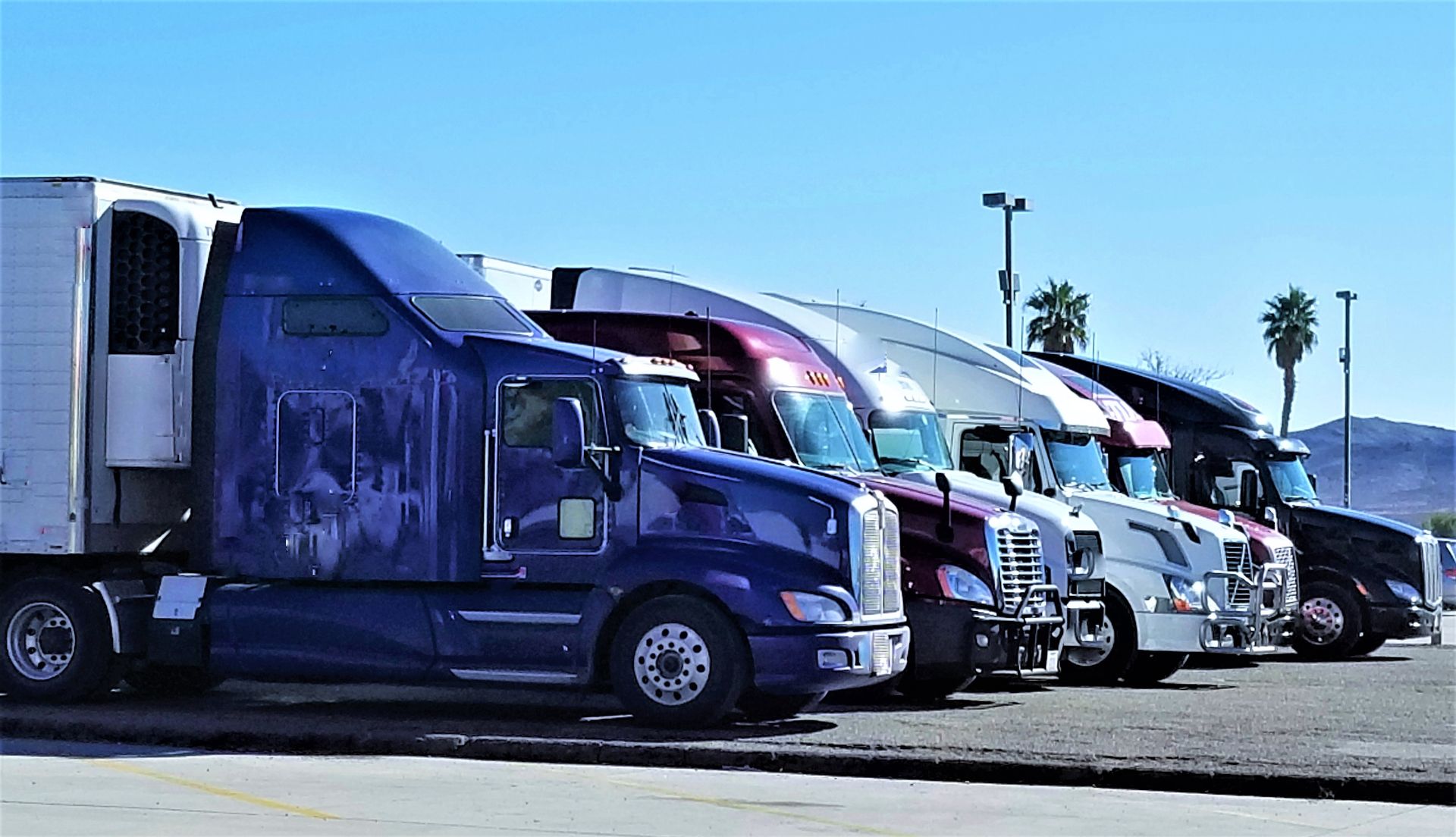
Commercial Auto & Trucking
Protection for your fleet including box trucks, moving vans, and trailers. Covers liability, collision, physical damage, and hired or non-owned vehicles used in your operations.
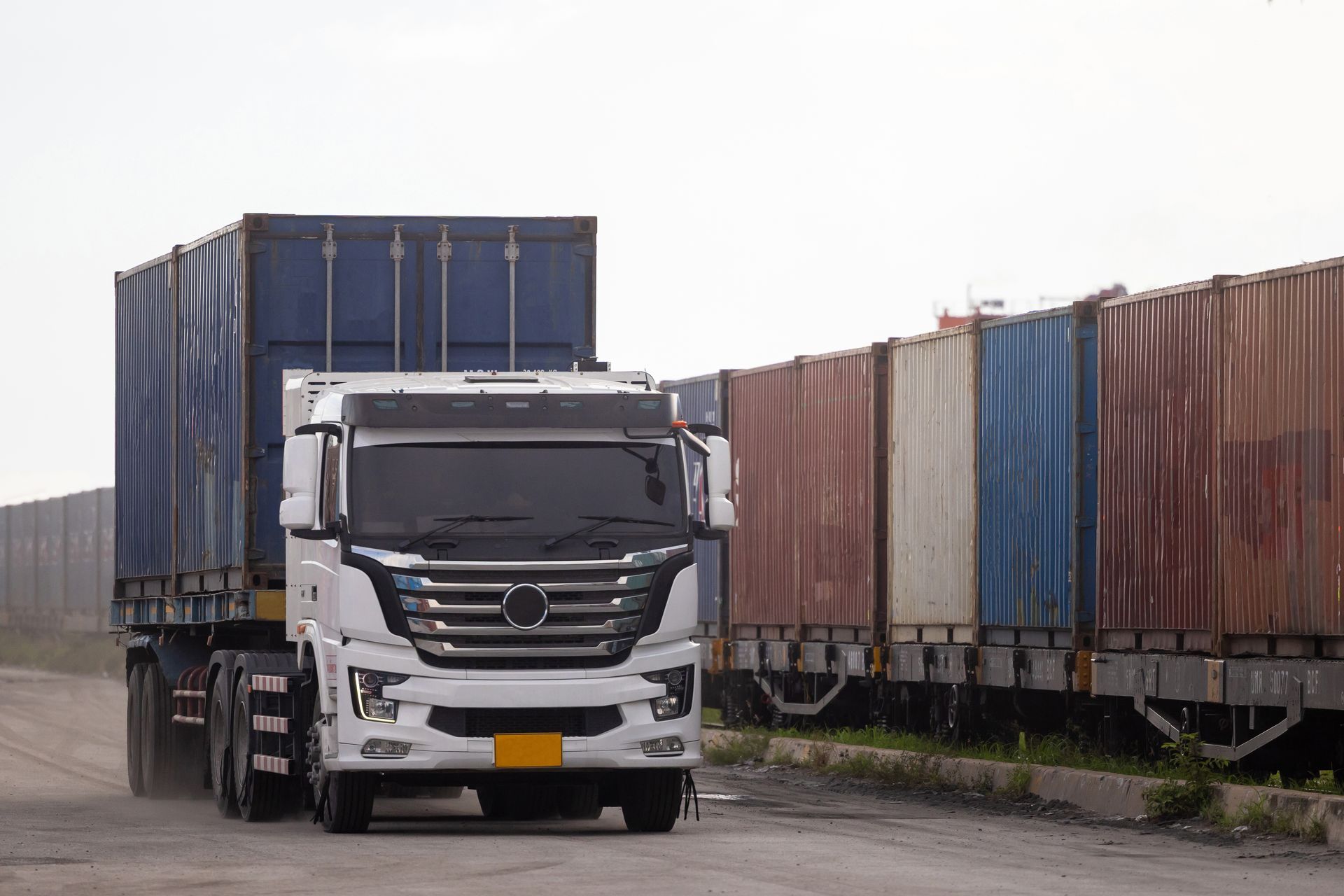
Motor Truck Cargo
Covers household goods and freight during transport from pickup to delivery. Protects against damage, theft, mysterious disappearance, and weather-related losses while cargo is in your care.

General Liability
Protection from third-party claims for bodily injury and property damage at customer homes, job sites, and your own facility. Essential coverage for every transportation operation

Warehouse Legal Liability
Coverage for customer property while stored in your facility. Protects against damage, theft, fire, and water damage to goods in your care, custody, or control.
Workers' Compensation
Medical care and wage replacement for employees injured on the job. Required in most states for transportation and warehouse work where physical labor creates higher injury risk.

Umbrella & Excess Liability
Higher liability limits stacked on top of your primary policies. Helps meet large contract requirements and protects your business assets against major claims and lawsuits.
Specialized Knowledge
Industries We Protect
Focused coverage for transportation and logistics businesses


Simple and Clear
How Our Process Works
Our process to get you covered
Connect With Us
Reach out through our form or by phone to share your business needs and current coverage situation.
Get Coverage Options
We review your risks, compare carriers, and present clear quotes with plain-language explanations.
Stay Protected
You choose your plan, and we provide ongoing support for certificates, claims, and renewals.
Trusted by Businesses
Feedback That Reflects Service and Reliability
What our clients say about working with Champion Risk
Answers You Need
Frequently Asked Questions
Common questions about transportation and logistics insurance



What insurance does a transportation company need to operate legally?
Motor carriers that cross state lines must meet FMCSA requirements. You need a minimum of $750,000 in liability coverage, plus a BMC-91 filing that proves your insurance to the federal government. Cargo coverage is also required, with minimums that depend on the type of goods you transport.
Intrastate operators follow state-specific rules. California, Texas, and Florida each have different requirements. Champion Risk handles both federal and state filings. We make sure your coverage meets legal minimums and your certificates reach the right agencies.
How much does commercial transportation insurance cost?
Premiums depend on your fleet size, driving records, cargo values, and claims history. A small operation with two trucks might pay $8,000 to $15,000 per year. A larger carrier with ten trucks could pay $50,000 to $100,000 or more.
The best way to control costs is working with a broker who knows transportation insurance. We find carriers that specialize in your exact operation type. This often results in better rates than going direct or using a general agent who doesn't understand the industry.
What is a BMC-91 filing and why do I need one?
A BMC-91 is a form your insurance company files with the FMCSA. It proves you carry the required liability coverage to operate as a for-hire motor carrier. Without an active BMC-91, your operating authority can be revoked.
Champion Risk works with carriers who file electronically. Your BMC-91 typically posts within 24 to 48 hours of binding coverage. We monitor your filing status and alert you if anything needs attention.
Does my warehouse or storage facility need different insurance than a trucking operation?
Yes. Storage facilities need warehouse legal liability coverage. This protects you when customer property is damaged or stolen while in your care. Standard general liability policies exclude this exposure.
You may also need property coverage for your building, equipment breakdown protection, and business income coverage if a fire or disaster shuts down operations. Champion Risk builds storage facility programs that address all these risks in one package.
Can you insure last-mile delivery drivers who use their own vehicles?
Yes. We offer hired and non-owned auto coverage for delivery operations that use independent contractors or employees driving personal vehicles. This fills gaps that personal auto policies don't cover during commercial use.
We also provide occupational accident coverage for 1099 drivers who aren't eligible for workers' comp. This protects your drivers and limits your liability exposure when accidents happen.
How fast can I get proof of insurance for a new contract?
Same day in most cases. Once we bind your policy, we issue certificates of insurance within hours. If your contract requires specific additional insured language or special endorsements, we coordinate directly with the carrier.
Rush requests happen often in this industry. General contractors and corporate clients demand certificates before they let you on site. Champion Risk prioritizes fast turnaround because we know your revenue depends on it.

Answers You Need
Transportation & Logistics Insurance Resources
Articles designed to inform and support your business
Contact Us
Phone Number:
Email Address:
Location:
12264 El Camino Real, Suite 350
San Diego, CA 92130
Hours:
Monday – Friday: 8:00 AM – 6:00 PM PT