
Umbrella Insurance for Transportation & Logistics Company
Or Call Us:
(800) 829-0807
A single catastrophic accident involving a commercial truck can generate claims exceeding $10 million. When your primary liability policy caps out at $1 million or $2 million, that gap represents an existential threat to your business. This reality has pushed umbrella insurance for transportation and logistics companies from a nice-to-have into a survival requirement.
The numbers paint a stark picture. Nuclear verdicts (jury awards exceeding $10 million) jumped 27% in 2025 alone, and transportation companies sit squarely in the crosshairs. Meanwhile, umbrella liability premiums have risen by 12% to 30% for transportation firms, reflecting both increased risk and carrier caution.
Understanding coverage requirements, cost factors, and eligibility standards separates companies that survive major claims from those that don't. Whether you're running a five-truck regional operation or managing a multi-state logistics network, the principles remain consistent: primary limits fall short, excess protection fills the gap, and strategic policy selection determines your financial resilience.
The Role of Umbrella Insurance in the Transportation Industry
Commercial umbrella insurance functions as a financial backstop when primary policies reach their limits. For transportation companies, this protection addresses the outsized liability exposure inherent in operating heavy vehicles across public roadways.
Defining Excess Liability vs. Umbrella Policies
These terms get used interchangeably, but they serve different functions. Excess liability policies strictly follow the terms of your underlying coverage, kicking in only when primary limits exhaust. They won't cover anything your primary policy excludes.
Umbrella policies offer broader protection. They extend limits on underlying policies while potentially covering claims your primary policies exclude entirely. This distinction matters when you're facing a lawsuit that falls into coverage gaps between your general liability and commercial auto policies.
Most transportation companies benefit from true umbrella coverage rather than pure excess policies. The additional premium typically runs 10% to 15% higher, but the expanded protection often proves worthwhile when claims involve multiple coverage areas.
Why Standard Primary Limits Are Often Insufficient
Federal Motor Carrier Safety Administration regulations require minimum liability coverage of $750,000 to $5 million depending on cargo type. These minimums were established decades ago and haven't kept pace with verdict inflation.
Consider a multi-vehicle accident involving serious injuries. Medical costs, lost wages, pain and suffering, and punitive damages can easily exceed $5 million. Add wrongful death claims or multiple plaintiffs, and you're looking at exposure well beyond any standard primary policy.
Rising operational costs, driven by social inflation, are impacting the transportation industry with consecutive quarters of increased auto liability premiums. Social inflation refers to the trend of larger jury awards driven by public sentiment against corporations and commercial entities. Transportation companies face this pressure more acutely than most industries.


By: Mark Raby
Chief Executive Officer at Champion Risk & Insurance Services
Key Coverage Areas for Logistics and Trucking Firms
Understanding what umbrella policies actually cover helps you evaluate whether your current protection matches your exposure.
Catastrophic Bodily Injury and Property Damage
The primary function of umbrella coverage is protecting against severe bodily injury claims. A single accident involving permanent disability or death can generate multi-million dollar verdicts. Your umbrella policy absorbs these costs after primary limits exhaust.
Property damage coverage extends similarly. Striking a building, damaging infrastructure, or causing environmental contamination can create liability far exceeding primary policy limits. Umbrella coverage addresses these scenarios without requiring separate policies for each risk category.
Legal Defense Costs and Settlement Protection
Defense costs add up quickly in transportation litigation. Expert witnesses, accident reconstruction specialists, and extended discovery processes can consume hundreds of thousands of dollars before any verdict or settlement.
Quality umbrella policies cover defense costs above primary policy limits. Some policies treat defense costs as part of the coverage limit, while others provide defense coverage in addition to stated limits. Champion Risk works with clients to identify policies offering defense cost treatment that maximizes protection.
Settlement negotiations also benefit from adequate umbrella limits. Plaintiffs and their attorneys assess your coverage when calculating settlement demands. Insufficient limits can actually increase settlement pressure because claimants know they can pursue personal assets beyond policy limits.
Coverage Gaps in General Liability and Auto Liability
Umbrella policies can bridge gaps between separate primary policies. An accident might trigger claims under both your commercial auto policy and general liability policy. Determining which policy responds, and whether gaps exist between them, creates uncertainty that umbrella coverage resolves.
Common gap scenarios include loading and unloading accidents, claims arising from driver conduct off-vehicle, and incidents involving hired or non-owned vehicles. Your umbrella policy should explicitly address these situations.
Premium calculations for transportation umbrella policies involve multiple variables. Understanding these factors helps you manage costs while maintaining adequate protection.
Fleet Size, Vehicle Types, and Cargo Classifications
Larger fleets generate higher premiums, though not always proportionally. Underwriters assess aggregate risk, which increases with more vehicles but may benefit from risk distribution across a larger operation.
Vehicle types significantly impact pricing. Long-haul tractor-trailers carry different risk profiles than local delivery vans. Tanker trucks hauling hazardous materials face substantially higher premiums than dry van operations.
Cargo classifications matter because they indicate potential damage severity. Hauling consumer electronics presents different liability exposure than transporting industrial chemicals. High-risk industries like transportation can see commercial umbrella costs of $2,500 or more per million of coverage, with hazmat operations at the upper end of this range.
Safety Records and Telematics Implementation
Your safety history directly influences premium calculations. Companies with clean CSA scores and minimal claims history qualify for preferred rates. Conversely, recent accidents or violations can increase premiums by 25% or more.
Telematics implementation demonstrates proactive risk management. GPS tracking, electronic logging devices, and driver behavior monitoring systems signal to underwriters that you're actively managing risk. Some carriers offer premium credits of 5% to 15% for comprehensive telematics programs.
Geographic Radius of Operations
Regional operations typically face lower premiums than long-haul or nationwide coverage. Local delivery companies operating within a 50-mile radius present different risk profiles than cross-country trucking operations.
Certain states and regions carry higher liability exposure due to litigation environments. Operations concentrated in plaintiff-friendly jurisdictions may face premium loadings reflecting increased verdict risk.

Underwriting Requirements and Eligibility Standards
Qualifying for umbrella coverage requires meeting specific underwriting criteria. Understanding these requirements helps you prepare for the application process.
Minimum Primary Insurance Limit Mandates
Umbrella carriers require minimum underlying coverage before issuing excess policies. Typical requirements include primary auto liability of at least $1 million combined single limit and general liability of $1 million per occurrence with $2 million aggregate.
Some carriers require higher underlying limits for larger fleets or higher-risk operations. Meeting these minimums doesn't guarantee approval, but failing to meet them disqualifies your application immediately.
Champion Risk helps clients structure primary coverage to satisfy umbrella underwriting requirements while avoiding unnecessary premium expenditure on underlying policies.
Driver Qualification and MVR Standards
Motor vehicle records for all drivers undergo scrutiny during underwriting. Most umbrella carriers exclude coverage for drivers with major violations, including DUI convictions within three to five years, reckless driving charges, or license suspensions.
Age requirements typically mandate drivers be at least 23 to 25 years old with minimum experience thresholds. Some carriers require CDL holders to have two or more years of commercial driving experience.
| Underwriting Factor | Typical Requirement | Impact on Eligibility |
|---|---|---|
| Driver age minimum | 23-25 years | Younger drivers may be excluded |
| CDL experience | 2+ years | Inexperienced drivers increase premiums |
| MVR violations | No major violations in 3-5 years | DUI or reckless driving disqualifies |
| CSA scores | Below intervention thresholds | Poor scores limit carrier options |
| Loss history | Limited claims in 3-5 years | Frequent claims increase premiums significantly |
Strategic Risk Management and Policy Selection
Selecting appropriate umbrella coverage requires balancing protection needs against premium costs.
Determining the Right Coverage Limit for Your Assets
Your coverage limit should reflect your total asset exposure plus potential future earnings at risk. A company with $5 million in assets and equipment should consider umbrella limits of at least $5 million, potentially higher depending on revenue and growth trajectory.
The global logistics insurance market is projected to reach USD 93,796.80 million by 2032, reflecting industry growth that increases both opportunity and exposure. Growing companies should reassess umbrella limits annually as asset values and revenue increase.
Contractual Obligations with Shippers and Brokers
Shipper contracts increasingly mandate specific insurance limits. Many major retailers and manufacturers require trucking partners to carry $5 million or more in umbrella coverage as a condition of doing business.
Broker agreements often impose similar requirements. Failing to maintain required coverage can result in contract termination and loss of freight access. Review your contracts to identify minimum coverage requirements before selecting policy limits.
Frequently Asked Questions
How much does umbrella insurance cost for a trucking company? Expect $2,500 to $5,000 per million of coverage annually, with rates varying based on fleet size, safety record, and operations type.
What's the difference between umbrella and excess liability insurance? Umbrella policies provide broader coverage and may fill gaps between primary policies. Excess liability strictly follows underlying policy terms.
Do I need umbrella insurance if I only have three trucks? Yes. A single catastrophic accident can generate claims exceeding $10 million regardless of fleet size. Small operators face the same verdict exposure as large carriers.
Will my umbrella policy cover cargo damage claims? Generally no. Umbrella policies address liability claims, not cargo loss. You need separate motor truck cargo coverage for freight protection.
How do nuclear verdicts affect umbrella insurance requirements? Rising verdict amounts mean limits that seemed adequate five years ago may now fall short. Many carriers recommend minimum umbrella limits of $5 million for any commercial trucking operation.
Making the Right Coverage Decision
Umbrella insurance represents essential protection for transportation and logistics operations facing unprecedented liability exposure. The cost of adequate coverage pales against the financial devastation of an underinsured catastrophic claim.
Start by assessing your current primary limits and identifying gaps in coverage. Review shipper and broker contracts for minimum insurance requirements. Calculate your total asset exposure and consider how a major verdict would impact your business continuity.
Champion Risk specializes in helping transportation companies navigate umbrella insurance requirements and secure appropriate coverage at competitive rates. Contact our team to evaluate your current protection and identify opportunities to strengthen your liability coverage before the next claim tests your limits.
About the Author:
Mark Raby
I am a seasoned insurance professional with over 30 years of experience in the industry. I lead Champion Risk & Insurance Services, a San Diego-based brokerage with nationwide reach and strong influence in the insurance marketplace. My core competencies include insurance agency M&A deals, captives and alternative risk structures, and commercial property and casualty insurance for clients in the transportation and logistics industries. I am a former president of IIAB San Diego and hold a Bachelor of Science in Finance from Western Michigan University’s Haworth College of Business.
Protection for Transportation Operations
Business Insurance for Transportation & Logistics Companies
Coverage designed specifically for transportation businesses
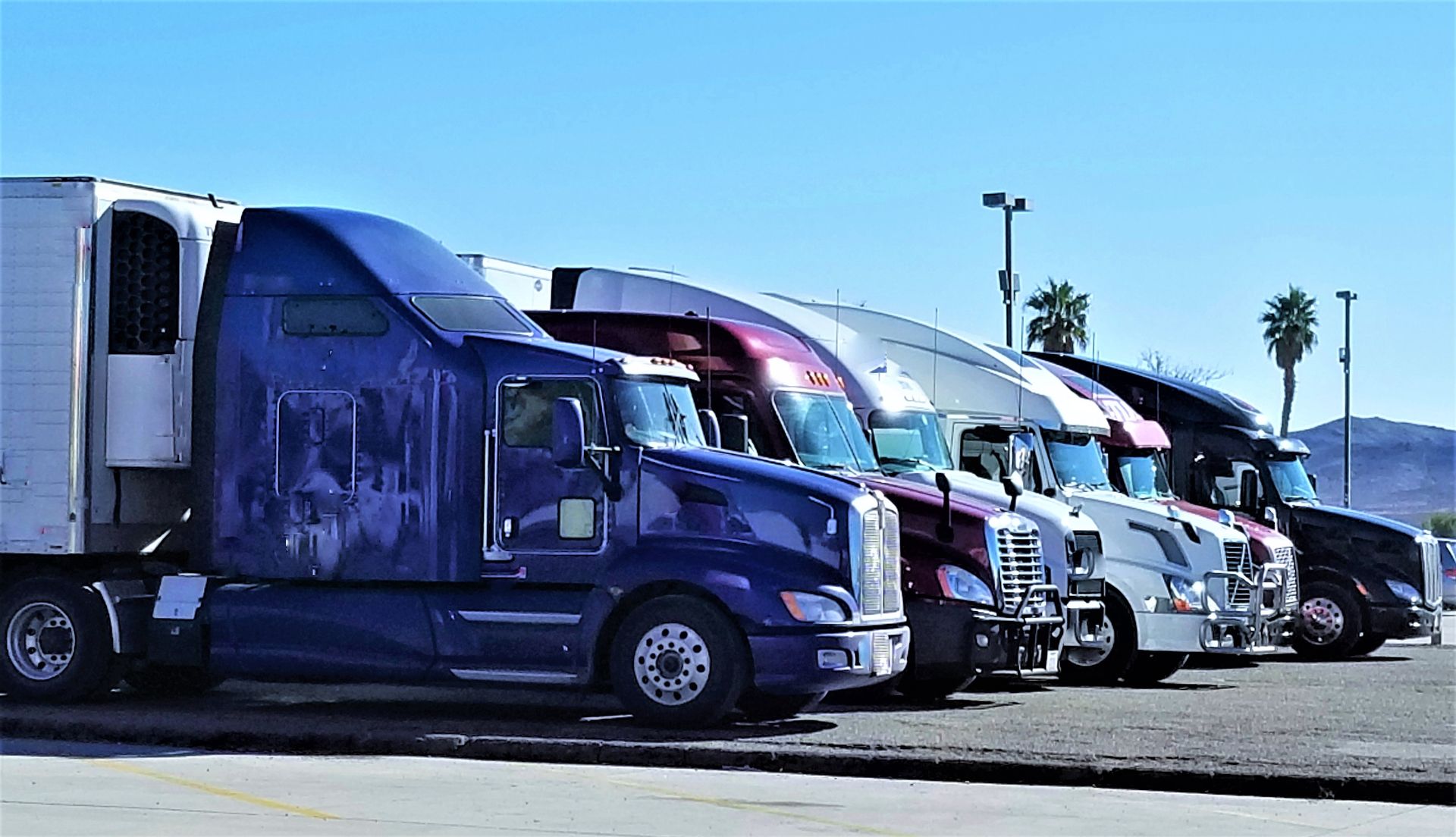
Commercial Auto & Trucking
Protection for your fleet including box trucks, moving vans, and trailers. Covers liability, collision, physical damage, and hired or non-owned vehicles used in your operations.
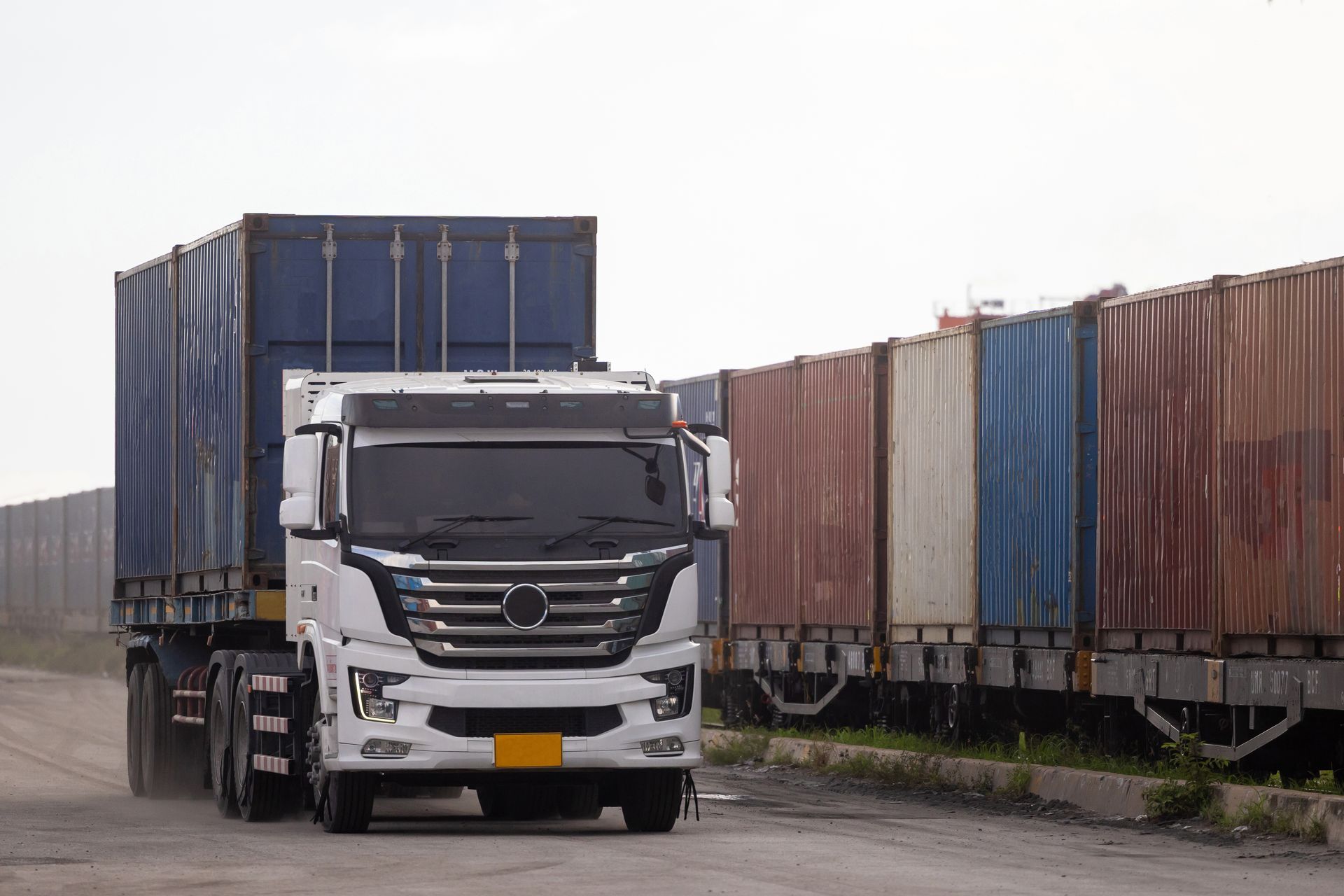
Motor Truck Cargo
Covers household goods and freight during transport from pickup to delivery. Protects against damage, theft, mysterious disappearance, and weather-related losses while cargo is in your care.

General Liability
Protection from third-party claims for bodily injury and property damage at customer homes, job sites, and your own facility. Essential coverage for every transportation operation

Warehouse Legal Liability
Coverage for customer property while stored in your facility. Protects against damage, theft, fire, and water damage to goods in your care, custody, or control.

Workers' Compensation
Medical care and wage replacement for employees injured on the job. Required in most states for transportation and warehouse work where physical labor creates higher injury risk.

Umbrella & Excess Liability
Higher liability limits stacked on top of your primary policies. Helps meet large contract requirements and protects your business assets against major claims and lawsuits.
Specialized Knowledge
Industries We Protect
Focused coverage for transportation and logistics businesses


Simple and Clear
How Our Process Works
Our process to get you covered
Connect With Us
Reach out through our form or by phone to share your business needs and current coverage situation.
Get Coverage Options
We review your risks, compare carriers, and present clear quotes with plain-language explanations.
Stay Protected
You choose your plan, and we provide ongoing support for certificates, claims, and renewals.
Trusted by Businesses
Feedback That Reflects Service and Reliability
What our clients say about working with Champion Risk
Answers You Need
Frequently Asked Questions
Common questions about transportation and logistics insurance




What insurance does a transportation company need to operate legally?
Motor carriers that cross state lines must meet FMCSA requirements. You need a minimum of $750,000 in liability coverage, plus a BMC-91 filing that proves your insurance to the federal government. Cargo coverage is also required, with minimums that depend on the type of goods you transport.
Intrastate operators follow state-specific rules. California, Texas, and Florida each have different requirements. Champion Risk handles both federal and state filings. We make sure your coverage meets legal minimums and your certificates reach the right agencies.
How much does commercial transportation insurance cost?
Premiums depend on your fleet size, driving records, cargo values, and claims history. A small operation with two trucks might pay $8,000 to $15,000 per year. A larger carrier with ten trucks could pay $50,000 to $100,000 or more.
The best way to control costs is working with a broker who knows transportation insurance. We find carriers that specialize in your exact operation type. This often results in better rates than going direct or using a general agent who doesn't understand the industry.
What is a BMC-91 filing and why do I need one?
A BMC-91 is a form your insurance company files with the FMCSA. It proves you carry the required liability coverage to operate as a for-hire motor carrier. Without an active BMC-91, your operating authority can be revoked.
Champion Risk works with carriers who file electronically. Your BMC-91 typically posts within 24 to 48 hours of binding coverage. We monitor your filing status and alert you if anything needs attention.
Does my warehouse or storage facility need different insurance than a trucking operation?
Yes. Storage facilities need warehouse legal liability coverage. This protects you when customer property is damaged or stolen while in your care. Standard general liability policies exclude this exposure.
You may also need property coverage for your building, equipment breakdown protection, and business income coverage if a fire or disaster shuts down operations. Champion Risk builds storage facility programs that address all these risks in one package.
Can you insure last-mile delivery drivers who use their own vehicles?
Yes. We offer hired and non-owned auto coverage for delivery operations that use independent contractors or employees driving personal vehicles. This fills gaps that personal auto policies don't cover during commercial use.
We also provide occupational accident coverage for 1099 drivers who aren't eligible for workers' comp. This protects your drivers and limits your liability exposure when accidents happen.
How fast can I get proof of insurance for a new contract?
Same day in most cases. Once we bind your policy, we issue certificates of insurance within hours. If your contract requires specific additional insured language or special endorsements, we coordinate directly with the carrier.
Rush requests happen often in this industry. General contractors and corporate clients demand certificates before they let you on site. Champion Risk prioritizes fast turnaround because we know your revenue depends on it.

Answers You Need
Transportation & Logistics Insurance Resources
Articles designed to inform and support your business
Contact Us
Phone Number:
Email Address:
Location:
12264 El Camino Real, Suite 350
San Diego, CA 92130
Hours:
Monday – Friday: 8:00 AM – 6:00 PM PT