
Fort Worth sits at the crossroads of American commerce, where rail lines, interstate highways, and air freight converge to move billions of dollars in goods annually. For carriers operating out of Tarrant County, the right insurance coverage separates thriving operations from catastrophic financial exposure. The Texas freight and logistics industry is projected to reach
$93.07 billion in 2025, and Fort Worth captures a significant slice of that activity. Yet many fleet operators discover gaps in their policies only after a claim gets denied or a regulatory audit reveals compliance failures. Understanding transportation and logistics insurance requirements specific to Fort Worth means knowing local corridors, Texas filing mandates, and the coverage combinations that actually protect your business. This guide breaks down what carriers in the region genuinely need, what it costs, and how to avoid the mistakes that sink unprepared operators.
The Evolving Landscape of Logistics in the Fort Worth Metroplex
Fort Worth has transformed from a cattle town into one of America's most critical freight distribution points. Over 70% of Texas's logistics activity concentrates in Dallas-Fort Worth, Houston, and San Antonio, representing approximately $250 billion in annual market value. That concentration creates both opportunity and risk for carriers based here.
Proximity to AllianceTexas and Major Freight Corridors
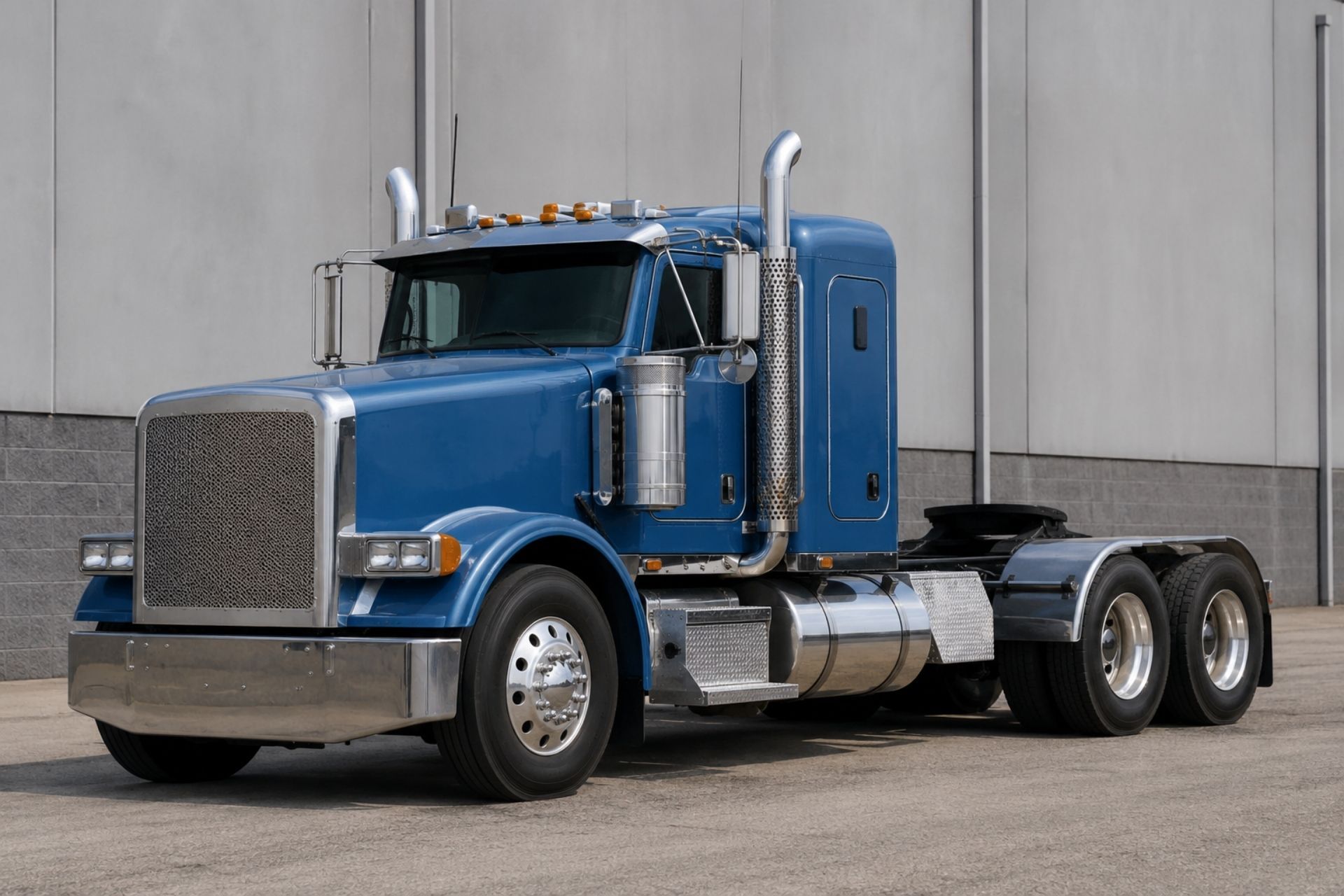
AllianceTexas remains the crown jewel of regional logistics infrastructure. This 27,000-acre master-planned development includes the Fort Worth Alliance Airport, BNSF Railway's Alliance Intermodal Facility, and millions of square feet of distribution space. Carriers serving this hub face unique exposure profiles: high-value cargo, tight delivery windows, and constant interaction with major shippers who demand specific insurance certificates.
Interstate 35W runs directly through Fort Worth, connecting Mexican border crossings to the entire central United States. Carriers running this corridor handle everything from automotive parts to fresh produce, each cargo type requiring different coverage considerations.
Why Localized Coverage Matters for Texas-Based Carriers
A policy written for a California carrier doesn't account for Texas-specific challenges. Summer heat regularly exceeds 100 degrees, damaging temperature-sensitive cargo. Hailstorms can total entire fleets in minutes. Regional insurers understand these exposures and price accordingly, while national carriers sometimes miss critical local factors. Champion Risk works with Fort Worth operators daily, understanding that a carrier running refrigerated loads to AllianceTexas has different needs than a flatbed hauler serving oil field operations in the Permian Basin.


By: Mark Raby
Chief Executive Officer at Champion Risk & Insurance Services
Essential Insurance Coverages for Fort Worth Fleet Operators
Building the right coverage stack requires understanding what each policy actually does and where gaps commonly appear.
Primary Auto Liability and Motor Truck Cargo
Auto liability covers damage you cause to others. Texas mandates minimum liability insurance of $500,000 in combined single limit coverage for intrastate commercial trucks. That sounds substantial until you consider that a serious accident involving injuries can generate claims exceeding $2 million. Most experienced carriers carry $1 million in primary liability.
Motor truck cargo insurance protects the freight you're hauling. Standard policies cover $100,000 per occurrence, but high-value loads demand higher limits. Electronics, pharmaceuticals, and specialty goods often require $250,000 or more in cargo coverage. The policy should match your actual cargo exposure, not just regulatory minimums.
General Liability and Physical Damage Protection
General liability covers slip-and-fall incidents at your facility, damage during loading operations, and other non-vehicle claims. Physical damage insurance covers your own trucks and trailers against collision, theft, vandalism, and weather damage. These aren't legally required, but operating without them puts your entire business at risk.
Contingent Cargo for Third-Party Logistics Providers
Freight brokers and 3PLs face a specific gap: they don't own the trucks, but they're often held responsible when cargo gets damaged or stolen.
Contingent cargo insurance activates when the underlying carrier's policy fails to pay. If you're arranging freight in Fort Worth, this coverage prevents a single bad carrier from bankrupting your operation.
Texas-Specific Regulatory and Filing Requirements
Texas maintains its own registration system alongside federal FMCSA requirements. Missing either creates compliance violations that can shut down operations.
Understanding TxDMV and FMCSA Compliance
The Texas Department of Motor Vehicles requires separate registration for intrastate carriers. Your insurance provider must file proof of coverage with TxDMV, not just federal authorities. As one industry expert notes, "Insurance requirements can be complex, which is why it's important for you to work with your insurance provider—they'll understand the needs of your business."
Federal operating authority through FMCSA requires maintaining minimum insurance levels based on cargo type. Trucks carrying oil need at least $1,000,000 in coverage, while those transporting other hazardous materials require a minimum of $5,000,000.
Form E and Form H Filing Procedures
Form E certifies your liability insurance with FMCSA. Form H certifies cargo insurance for household goods carriers. Your insurer files these electronically, but you're responsible for confirming they're active. Lapsed filings trigger automatic authority revocation, sometimes without warning. Champion Risk monitors filing status for clients, catching potential lapses before they become operational emergencies.

Commercial truck insurance in Texas averages $10,000 to $15,000 annually, or $800 to $1,250 monthly. Your actual premium depends on several controllable factors.
Impact of Driver Safety Records and CDL Experience
Insurers scrutinize driver MVRs obsessively. A single serious violation can increase premiums by 25% or more. New CDL holders with less than two years of experience trigger higher rates regardless of their actual driving record. Fleet operators who invest in driver training and maintain strict hiring standards see measurable premium reductions over time.
| Factor | Premium Impact |
|---|---|
| Clean MVR (3+ years) | 10-20% reduction |
| Recent at-fault accident | 25-40% increase |
| Driver experience under 2 years | 15-30% surcharge |
| Hazmat endorsement | 5-15% increase |
| ELD compliance verified | 5-10% reduction |
The Role of ELD Data and Telematics in Cost Reduction
Electronic logging devices generate data that insurers increasingly use for pricing. Clean ELD records demonstrating hours-of-service compliance signal lower risk. Advanced telematics tracking speed, hard braking, and following distance can unlock additional discounts. Some insurers offer usage-based programs where safe driving directly reduces monthly premiums.
Risk Management Strategies for Fort Worth Logistics Hubs
Beyond insurance, operational practices determine your actual loss experience.
Warehouse Legal Liability for Storage Facilities
Distribution centers and cross-dock facilities need warehouse legal liability coverage. This protects against claims when stored goods are damaged, stolen, or destroyed. Standard property insurance doesn't cover goods you're holding for others. Fort Worth's warehouse district sees regular claims from forklift damage, water intrusion, and theft. Proper coverage limits depend on the maximum value of goods in your care at any time.
Navigating the Challenges of Last-Mile Delivery Insurance
E-commerce growth has exploded last-mile delivery operations throughout the metroplex. These routes present unique risks: frequent stops, residential area driving, and package theft claims. Traditional trucking policies don't always fit delivery van operations. Hired and non-owned auto coverage becomes critical when using independent contractors or rented vehicles.
Coverage considerations for last-mile operators include:
- Higher frequency of minor accidents in residential areas
- Theft claims when packages disappear after delivery
- Personal injury exposure from frequent property access
- Vehicle damage from tight parking situations
Securing the Right Policy Through Local Specialized Agencies
Finding adequate coverage requires working with agents who understand transportation, not generalists who treat trucks like oversized cars.
Frequently Asked Questions
What's the minimum insurance required for a trucking company in Texas? Intrastate carriers need $500,000 combined single limit liability. Interstate carriers typically need $750,000 to $1,000,000 depending on cargo type, with hazmat haulers requiring up to $5,000,000.
How much does commercial truck insurance cost in Fort Worth? Expect $10,000 to $15,000 annually for a single truck. Fleets often get volume discounts, while new ventures and poor safety records push premiums higher.
Do freight brokers need different insurance than carriers? Yes. Brokers need contingent cargo coverage and broker liability insurance rather than primary auto liability. The coverage structures differ significantly.
Can I reduce my trucking insurance premiums? Driver training programs, clean safety records, ELD compliance, and telematics participation all help. Working with a specialized agent who shops multiple markets also finds competitive rates.
What happens if my insurance filing lapses with FMCSA?
Your operating authority gets revoked, sometimes within days. You cannot legally operate until coverage is reinstated and new filings are processed.
Making the Right Coverage Decision
Fort Worth's position as a logistics powerhouse creates tremendous opportunity for carriers willing to operate professionally. That professionalism starts with insurance that actually protects your business rather than just satisfying minimum requirements. The carriers who thrive here invest in coverage that matches their real exposures, maintain compliance with both state and federal requirements, and work with specialists who understand transportation risks. Champion Risk helps Fort Worth operators build coverage programs that protect against genuine threats while avoiding unnecessary premium costs. Your next step is getting a coverage review that identifies gaps before they become claims.
About the Author:
Mark Raby
I am a seasoned insurance professional with over 30 years of experience in the industry. I lead Champion Risk & Insurance Services, a San Diego-based brokerage with nationwide reach and strong influence in the insurance marketplace. My core competencies include insurance agency M&A deals, captives and alternative risk structures, and commercial property and casualty insurance for clients in the transportation and logistics industries. I am a former president of IIAB San Diego and hold a Bachelor of Science in Finance from Western Michigan University’s Haworth College of Business.
Protection for Transportation Operations
Business Insurance for Transportation & Logistics Companies
Coverage designed specifically for transportation businesses
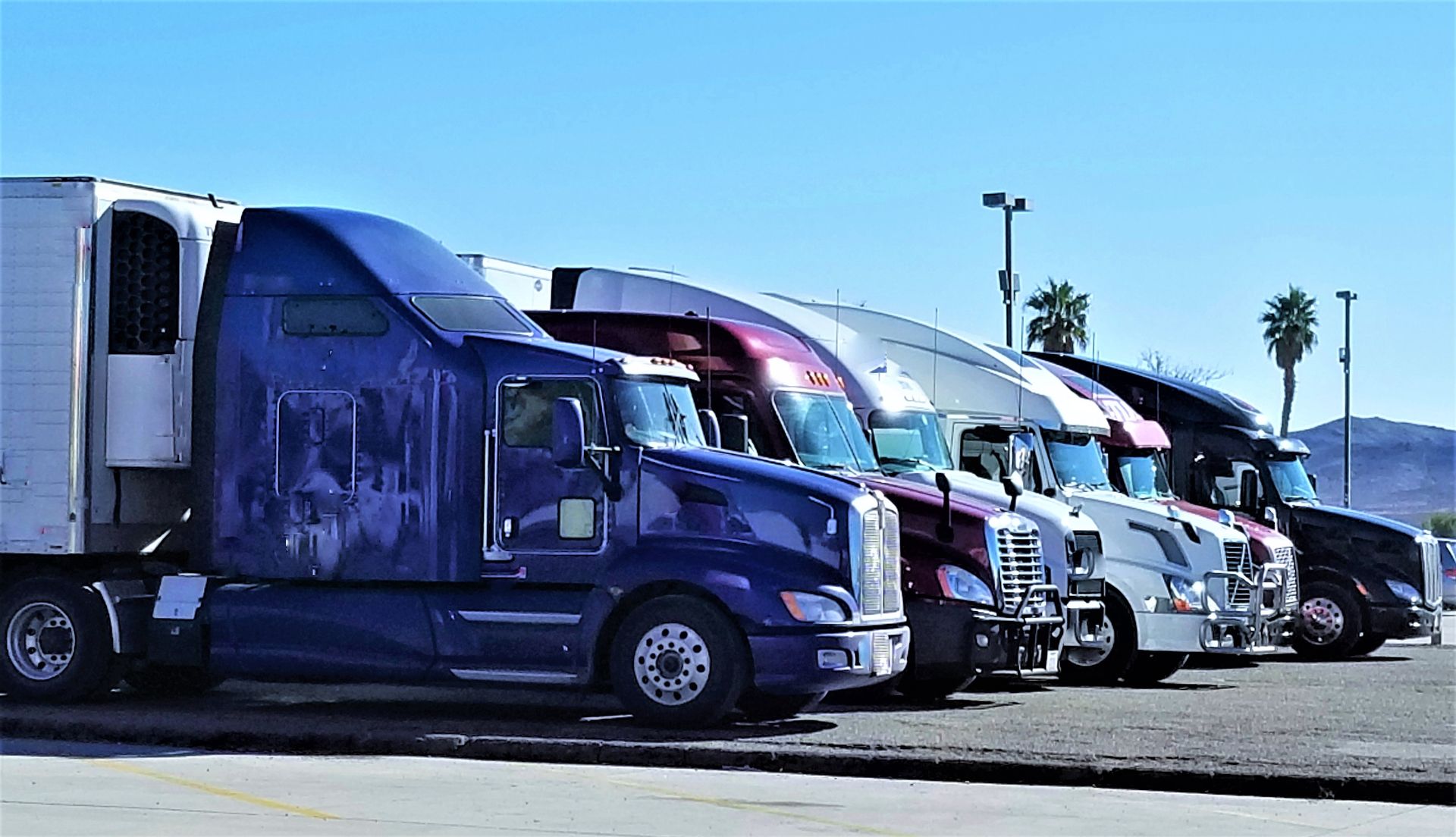
Commercial Auto & Trucking
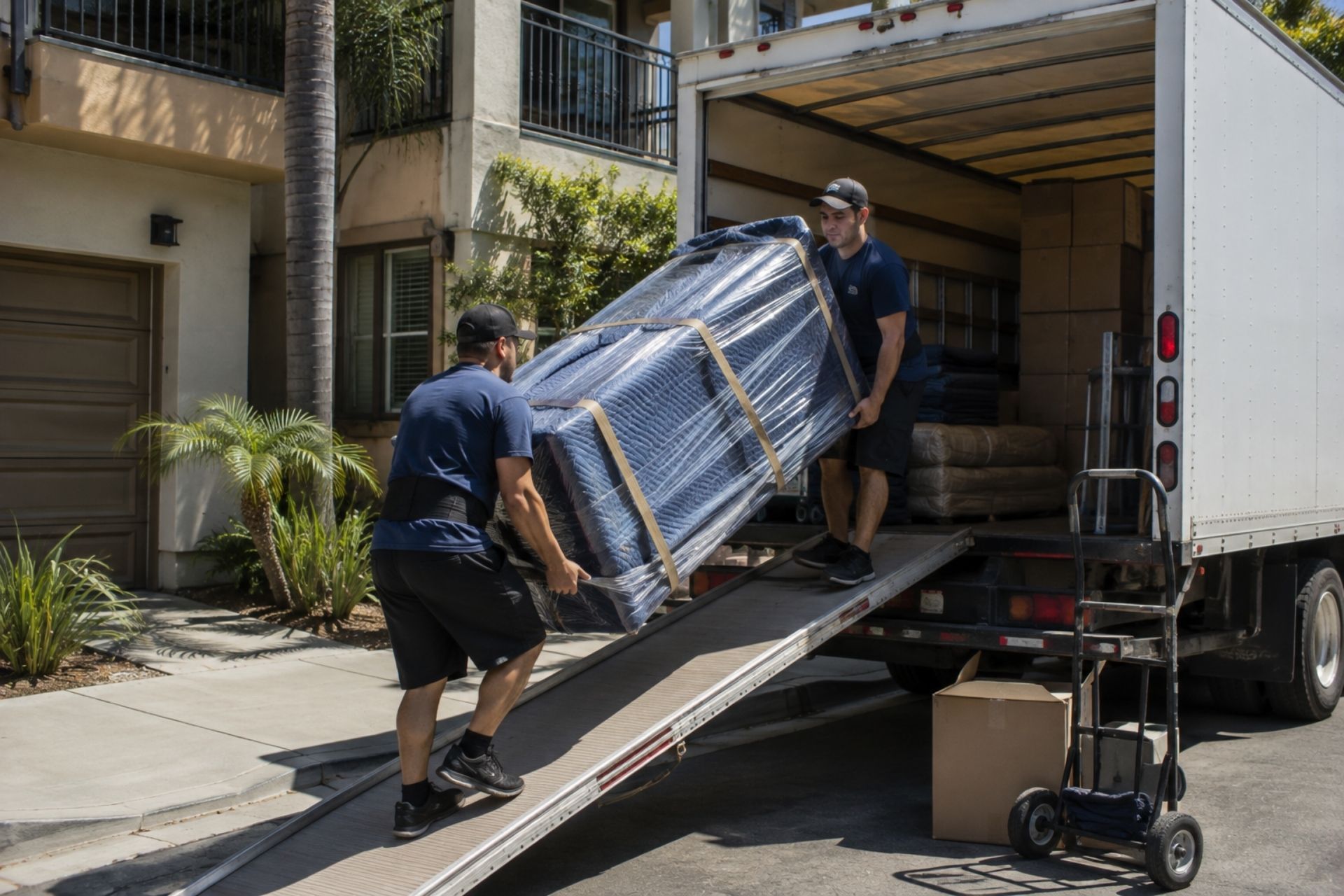
Protection for your fleet including box trucks, moving vans, and trailers. Covers liability, collision, physical damage, and hired or non-owned vehicles used in your operations.
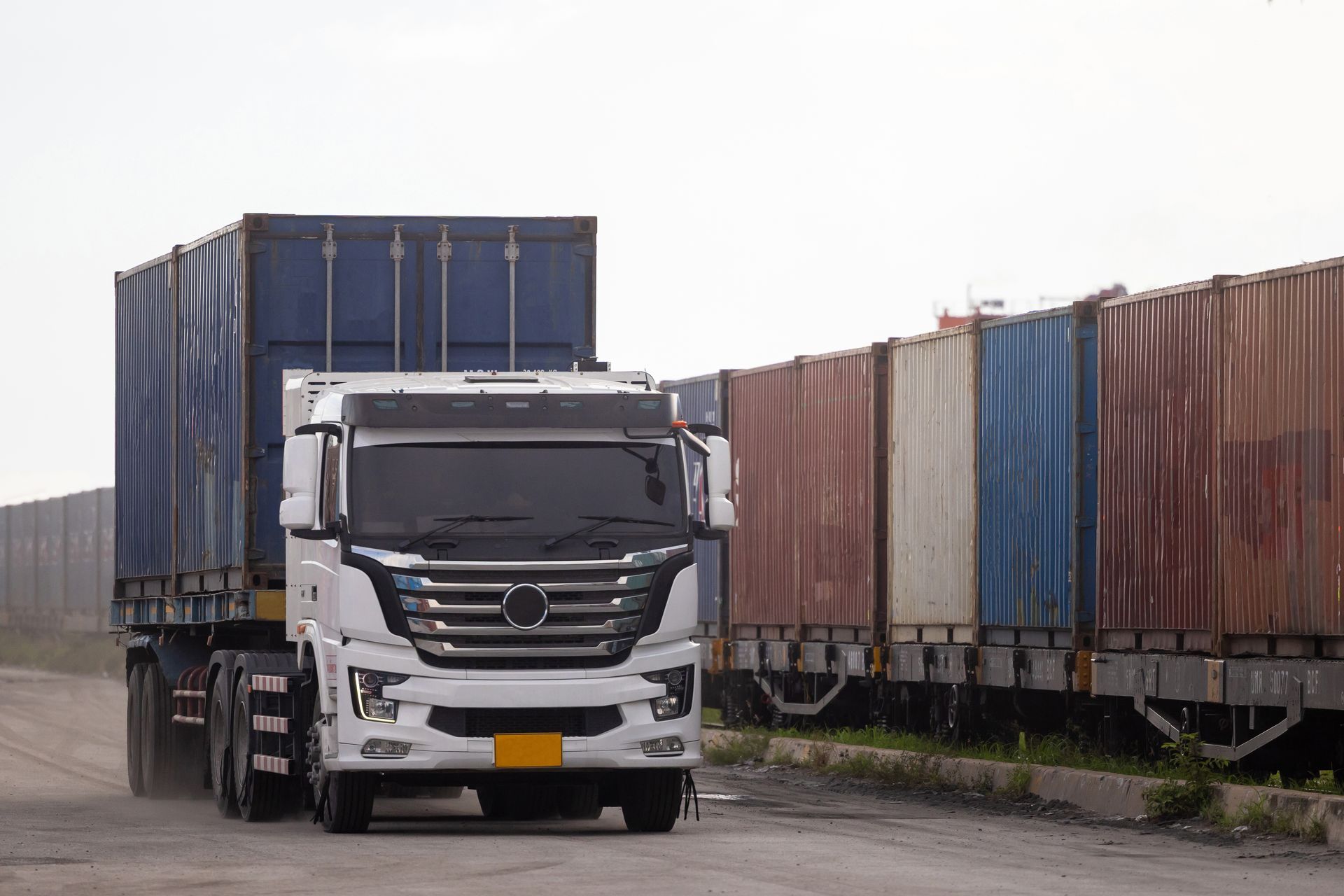
Motor Truck Cargo
Covers household goods and freight during transport from pickup to delivery. Protects against damage, theft, mysterious disappearance, and weather-related losses while cargo is in your care.

General Liability
Protection from third-party claims for bodily injury and property damage at customer homes, job sites, and your own facility. Essential coverage for every transportation operation

Warehouse Legal Liability
Coverage for customer property while stored in your facility. Protects against damage, theft, fire, and water damage to goods in your care, custody, or control.

Workers' Compensation
Medical care and wage replacement for employees injured on the job. Required in most states for transportation and warehouse work where physical labor creates higher injury risk.

Umbrella & Excess Liability
Higher liability limits stacked on top of your primary policies. Helps meet large contract requirements and protects your business assets against major claims and lawsuits.
Specialized Knowledge
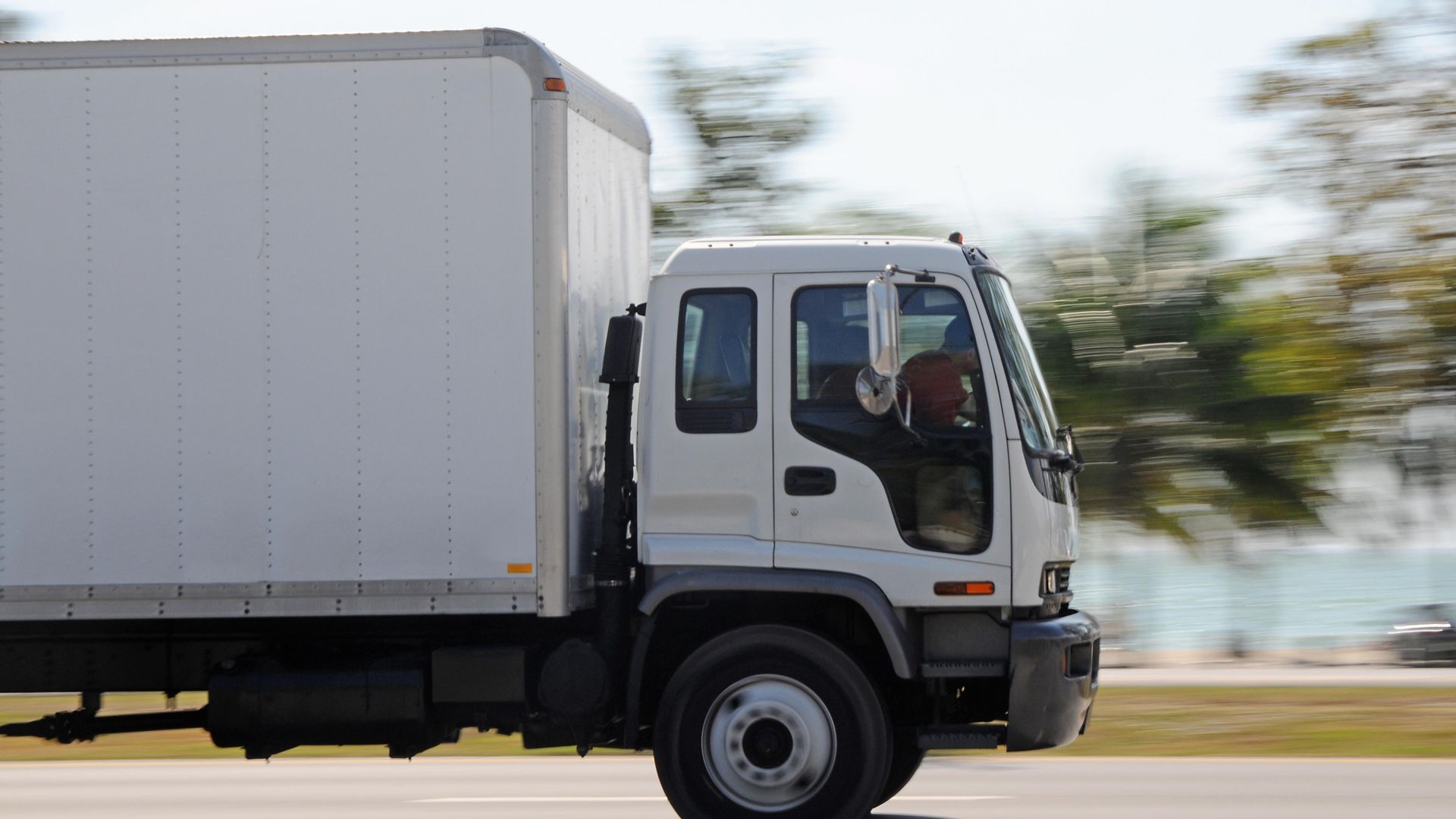
Industries We Protect
Focused coverage for transportation and logistics businesses


Simple and Clear
How Our Process Works
Our process to get you covered
Connect With Us
Reach out through our form or by phone to share your business needs and current coverage situation.
Get Coverage Options
We review your risks, compare carriers, and present clear quotes with plain-language explanations.
Stay Protected
You choose your plan, and we provide ongoing support for certificates, claims, and renewals.
Trusted by Businesses
Feedback That Reflects Service and Reliability
What our clients say about working with Champion Risk
Answers You Need
Frequently Asked Questions
Common questions about transportation and logistics insurance



What insurance does a transportation company need to operate legally?
Motor carriers that cross state lines must meet FMCSA requirements. You need a minimum of $750,000 in liability coverage, plus a BMC-91 filing that proves your insurance to the federal government. Cargo coverage is also required, with minimums that depend on the type of goods you transport.
Intrastate operators follow state-specific rules. California, Texas, and Florida each have different requirements. Champion Risk handles both federal and state filings. We make sure your coverage meets legal minimums and your certificates reach the right agencies.
How much does commercial transportation insurance cost?
Premiums depend on your fleet size, driving records, cargo values, and claims history. A small operation with two trucks might pay $8,000 to $15,000 per year. A larger carrier with ten trucks could pay $50,000 to $100,000 or more.
The best way to control costs is working with a broker who knows transportation insurance. We find carriers that specialize in your exact operation type. This often results in better rates than going direct or using a general agent who doesn't understand the industry.
What is a BMC-91 filing and why do I need one?
A BMC-91 is a form your insurance company files with the FMCSA. It proves you carry the required liability coverage to operate as a for-hire motor carrier. Without an active BMC-91, your operating authority can be revoked.
Champion Risk works with carriers who file electronically. Your BMC-91 typically posts within 24 to 48 hours of binding coverage. We monitor your filing status and alert you if anything needs attention.
Does my warehouse or storage facility need different insurance than a trucking operation?
Yes. Storage facilities need warehouse legal liability coverage. This protects you when customer property is damaged or stolen while in your care. Standard general liability policies exclude this exposure.
You may also need property coverage for your building, equipment breakdown protection, and business income coverage if a fire or disaster shuts down operations. Champion Risk builds storage facility programs that address all these risks in one package.
Can you insure last-mile delivery drivers who use their own vehicles?
Yes. We offer hired and non-owned auto coverage for delivery operations that use independent contractors or employees driving personal vehicles. This fills gaps that personal auto policies don't cover during commercial use.
We also provide occupational accident coverage for 1099 drivers who aren't eligible for workers' comp. This protects your drivers and limits your liability exposure when accidents happen.
How fast can I get proof of insurance for a new contract?
Same day in most cases. Once we bind your policy, we issue certificates of insurance within hours. If your contract requires specific additional insured language or special endorsements, we coordinate directly with the carrier.
Rush requests happen often in this industry. General contractors and corporate clients demand certificates before they let you on site. Champion Risk prioritizes fast turnaround because we know your revenue depends on it.

Answers You Need
Transportation & Logistics Insurance Resources
Articles designed to inform and support your business
Contact Us
Phone Number:
Email Address:
Location:
12264 El Camino Real, Suite 350
San Diego, CA 92130
Hours:
Monday – Friday: 8:00 AM – 6:00 PM PT