
A single cargo theft can wipe out months of profit. A serious accident involving one of your trucks can expose your business to lawsuits exceeding seven figures. And operating without proper insurance filings? That's a fast track to having your authority revoked.
Transportation and logistics companies face a unique combination of risks that most businesses never encounter. You're responsible for expensive equipment, valuable cargo belonging to others, drivers operating in unpredictable conditions, and compliance with federal regulations that change regularly. The cost of getting insurance wrong isn't just financial: it can mean losing your ability to operate entirely.
What makes insurance for this industry particularly challenging is that premiums have been climbing steadily. According to Zendeq, truck insurance premiums increased approximately 3% in 2024, now exceeding $10 per mile, with projections showing nearly 6% year-over-year increases in early 2025. These rising costs make understanding your coverage options more critical than ever.
The transportation insurance requirements vary dramatically based on what you haul, where you operate, and how large your fleet is. A local courier service has vastly different needs than a cross-country refrigerated freight carrier. Getting the right coverage at the right price requires understanding the specific policies available, what actually drives your premiums, and where you can reduce costs without creating dangerous gaps.
Essential Coverage Types for Transportation and Logistics
Motor Truck Cargo and Freight Liability
Cargo insurance protects the goods you're hauling when they're damaged, stolen, or destroyed during transit. This coverage matters because you're legally responsible for freight in your possession, and standard carrier liability limits are often far below actual cargo values.
The cargo insurance market was valued at USD 69.84 billion in 2024 and is expected to reach USD 101.43 billion by 2032. This growth reflects the increasing value of goods moving through supply chains and the growing recognition that adequate protection is non-negotiable.
Standard cargo policies typically cover $100,000 per shipment, but quality carriers maintain $250,000 in cargo coverage as their standard offering. If you're hauling high-value electronics, pharmaceuticals, or specialized equipment, you'll need higher limits. Freight insurance typically costs 0.3-1% of cargo value, offering 110% coverage on invoice plus freight and duties.
Commercial Auto and Fleet Insurance
Commercial auto insurance covers your vehicles for liability, collision, and comprehensive damage. For transportation companies, this is typically your largest insurance expense and the policy that requires the most careful structuring.
Auto liability premiums have increased between 7.5% and 20% due partly to settlement creep, where jury awards and settlements have grown substantially over the past decade. A policy that seemed adequate five years ago may leave you dangerously underinsured today.
Your commercial auto policy should include liability coverage meeting or exceeding federal minimums, physical damage coverage for your vehicles, uninsured/underinsured motorist protection, and medical payments coverage. Champion Risk works with transportation clients to structure fleet policies that balance adequate protection with manageable premiums.
General Liability and Warehouse Legal Liability
General liability covers third-party injuries and property damage that occur during your operations but aren't related to vehicle accidents. If a delivery driver damages a customer's property while unloading, or someone trips over equipment at your facility, this policy responds.
Warehouse legal liability is essential if you store customer goods. Standard property insurance doesn't cover items you're holding for others. This specialized coverage protects against damage to stored inventory from fire, theft, water damage, and other covered perils. Coverage limits should reflect the maximum value of goods you might have on-site at any given time.

By: Mark Raby
Chief Executive Officer at Champion Risk & Insurance Services
Fleet Size and Vehicle Specifications
Insurers price risk based on exposure, and more vehicles mean more potential claims. That said, larger fleets often qualify for volume discounts that smaller operators can't access. The sweet spot varies by insurer, but fleets with 10-plus units typically see better per-vehicle rates than single-truck operations.
Vehicle age and specifications also matter significantly. Newer trucks with advanced safety features like collision avoidance systems and lane departure warnings often qualify for discounts. Conversely, older equipment without modern safety technology may cost more to insure and carry higher deductibles.
The type of trailer you pull affects rates too. Flatbeds, tankers, and specialized equipment each carry different risk profiles. Refrigerated trailers add complexity because of the potential for spoilage claims if the cooling system fails.
Cargo Type and Risk Classification
What you haul determines much of your cargo insurance pricing. Household goods, general commodities, and non-perishable products typically fall into lower risk categories. Electronics, pharmaceuticals, alcohol, and tobacco attract higher premiums because they're theft targets.
Hazardous materials require specialized coverage and substantially higher premiums. The potential for environmental damage, cleanup costs, and regulatory penalties creates exposure that insurers price accordingly. If you're considering adding hazmat to your authority, factor insurance costs into your profitability calculations before committing.
Temperature-sensitive cargo presents unique challenges. A mechanical failure during a cross-country haul can destroy an entire load of produce or frozen goods. Insurers want to see proper maintenance protocols and temperature monitoring systems before offering competitive rates.
Driver Experience and Safety Records
Your drivers are your biggest asset and your biggest liability. Insurers scrutinize driver qualifications, MVR histories, and experience levels when pricing policies. A fleet of experienced drivers with clean records will pay substantially less than one with recent violations or accidents.
Most insurers want drivers with at least two years of CDL experience. Newer drivers can still be covered, but expect higher premiums and potentially exclusionary endorsements until they build track records. Some carriers require additional training documentation for drivers with less experience.
CSA scores and inspection results factor into underwriting decisions. Consistent out-of-service violations or poor inspection outcomes signal operational problems that translate to higher claim frequency. Champion Risk helps clients understand how improving safety metrics can directly reduce insurance costs.
Regulatory Requirements and Compliance Standards
Understanding the scope of coverage is essential when selecting a rental property insurance policy. While specific terms vary by insurer and policy, the following are common coverages included.
Dwelling Coverage
This protects the physical structure of the rental property, including walls, roof, floors, and built-in appliances. Covered perils often include fire, lightning, windstorms, hail, vandalism, and certain water damages. It’s important to verify which perils are included, as some natural disasters like floods or earthquakes may require separate policies. Additionally, some policies may also cover the costs associated with debris removal after a covered loss, which can be a significant expense in the aftermath of a disaster.
Other Structures Coverage
Coverage may extend to detached structures on the property such as garages, sheds, fences, or swimming pools. This ensures that all parts of the property are protected against damage. For landlords with multiple structures, it’s crucial to assess the total value of these assets to ensure adequate coverage limits are in place. Furthermore, some policies may offer additional benefits for structures that are not used for rental purposes, such as a home office or workshop, which can be valuable for landlords who utilize their property for personal use as well.
Liability Protection
Liability coverage helps pay for legal expenses and damages if a tenant or visitor is injured on the property and the landlord is found responsible. This can cover medical bills, legal fees, and settlement costs, which can be financially devastating without insurance. Moreover, it’s important for landlords to understand the extent of their liability coverage, as some policies may include specific limits on the amount covered or exclude certain types of incidents, such as dog bites or slips and falls in common areas.
Loss of Rental Income
If the property is damaged by a covered peril and becomes uninhabitable, this coverage reimburses lost rental income during the repair period. This is particularly important for landlords who rely on rental income to cover mortgage payments and other property-related expenses. Additionally, some policies may offer coverage for extra expenses incurred during the repair process, such as temporary housing for displaced tenants, ensuring that landlords can maintain a positive relationship with their renters even in challenging situations.
Optional Coverages
Many insurers offer additional coverages that landlords can add to their policies, such as:
- Equipment Breakdown Coverage: Protects major appliances and systems like HVAC, plumbing, or electrical components. This coverage can save landlords from unexpected repair costs that may arise from equipment failures, which can disrupt tenant comfort and satisfaction.
- Legal Expense Coverage: Covers legal costs related to tenant disputes or eviction proceedings. This can be particularly beneficial in today's rental market, where disputes can arise more frequently and can lead to lengthy and costly legal battles.
- Flood and Earthquake Insurance: Separate policies may be necessary in high-risk areas. Understanding the local climate and geological risks can help landlords make informed decisions about which additional coverages to secure.
| Coverage Type | Minimum Requirement | Typical Recommendation |
|---|---|---|
| Auto Liability | $750,000 (general freight) | $1 million+ |
| Cargo Insurance | Varies by shipper contracts | $100,000 - $250,000 |
| Hazmat Liability | $1M - $5M | Match cargo type requirements |
| Workers' Comp | State-mandated | Statutory limits |
Specialized Endorsements for Modern Logistics
Cyber Liability for Supply Chain Management
Transportation management systems, electronic logging devices, and customer portals create cyber exposure that didn't exist a decade ago. A ransomware attack that locks your dispatch system can halt operations entirely. A data breach exposing customer shipping information creates notification obligations and potential lawsuits.
Cyber liability coverage addresses these risks, including breach response costs, business interruption from system outages, and liability from compromised data. As logistics operations become increasingly digital, this coverage has shifted from optional to essential for most carriers.
Reefer Breakdown and Spoilage Coverage
Standard cargo policies often exclude mechanical breakdown of refrigeration units. Reefer breakdown coverage fills this gap, paying for spoiled cargo when your cooling system fails even without an accident or external cause.
This endorsement is critical for anyone hauling temperature-sensitive freight. A single load of pharmaceutical products or premium produce can easily exceed $50,000 in value. The endorsement cost is minimal compared to the potential loss.
Rising insurance rates create real financial pressure. As one industry analysis noted, "Rising insurance rates exacerbate cash flow challenges for operators. Margin compression occurs as expenses outpace revenue growth, compelling carriers and logistics providers to innovate relentlessly."
Start with driver selection and training. Implement rigorous hiring standards, ongoing training programs, and clear consequences for safety violations. Document everything. Insurers reward demonstrated commitment to safety with better rates.
Consider higher deductibles if your cash flow can absorb smaller claims. Moving from a $1,000 to $5,000 deductible can meaningfully reduce premiums, but only if you can handle that out-of-pocket expense when claims occur.
Invest in safety technology. Dash cameras, telematics, and collision avoidance systems reduce accident frequency and severity. Many insurers offer specific discounts for these technologies, and the claim reduction often exceeds the equipment cost.
Frequently Asked Questions
How much does commercial truck insurance cost per month? Costs vary widely based on operation type, but expect $800 to $1,500 monthly per truck for basic coverage. Specialized hauling and poor safety records push costs higher.
Can I operate with just the minimum required insurance? Legally yes, but minimum coverage often leaves gaps that expose you to significant financial risk. Most shippers require coverage exceeding federal minimums.
How do I lower my trucking insurance premiums? Maintain clean driver records, invest in safety technology, increase deductibles strategically, and work with specialists like Champion Risk who understand transportation underwriting.
What happens if my insurance lapses? FMCSA receives notification and can revoke your operating authority. Reinstatement requires new filings and potentially a compliance review.
Making the Right Coverage Decisions
The transportation and logistics insurance landscape rewards informed buyers. Understanding what coverage you actually need, what drives your premiums, and where you have negotiating room puts you in a stronger position.
Work with brokers who specialize in transportation. Generic commercial insurance agents often lack the market relationships and technical knowledge to structure optimal programs. Champion Risk focuses specifically on transportation and logistics clients, bringing market access and industry expertise that generalist agencies can't match.
Get your coverage reviewed annually. Operations change, regulations evolve, and insurance markets shift. What worked last year may not be the best approach today.
About the Author:
Mark Raby
I am a seasoned insurance professional with over 30 years of experience in the industry. I lead Champion Risk & Insurance Services, a San Diego-based brokerage with nationwide reach and strong influence in the insurance marketplace. My core competencies include insurance agency M&A deals, captives and alternative risk structures, and commercial property and casualty insurance for clients in the transportation and logistics industries. I am a former president of IIAB San Diego and hold a Bachelor of Science in Finance from Western Michigan University’s Haworth College of Business.
Protection for Transportation Operations
Business Insurance for Transportation & Logistics Companies
Coverage designed specifically for transportation businesses
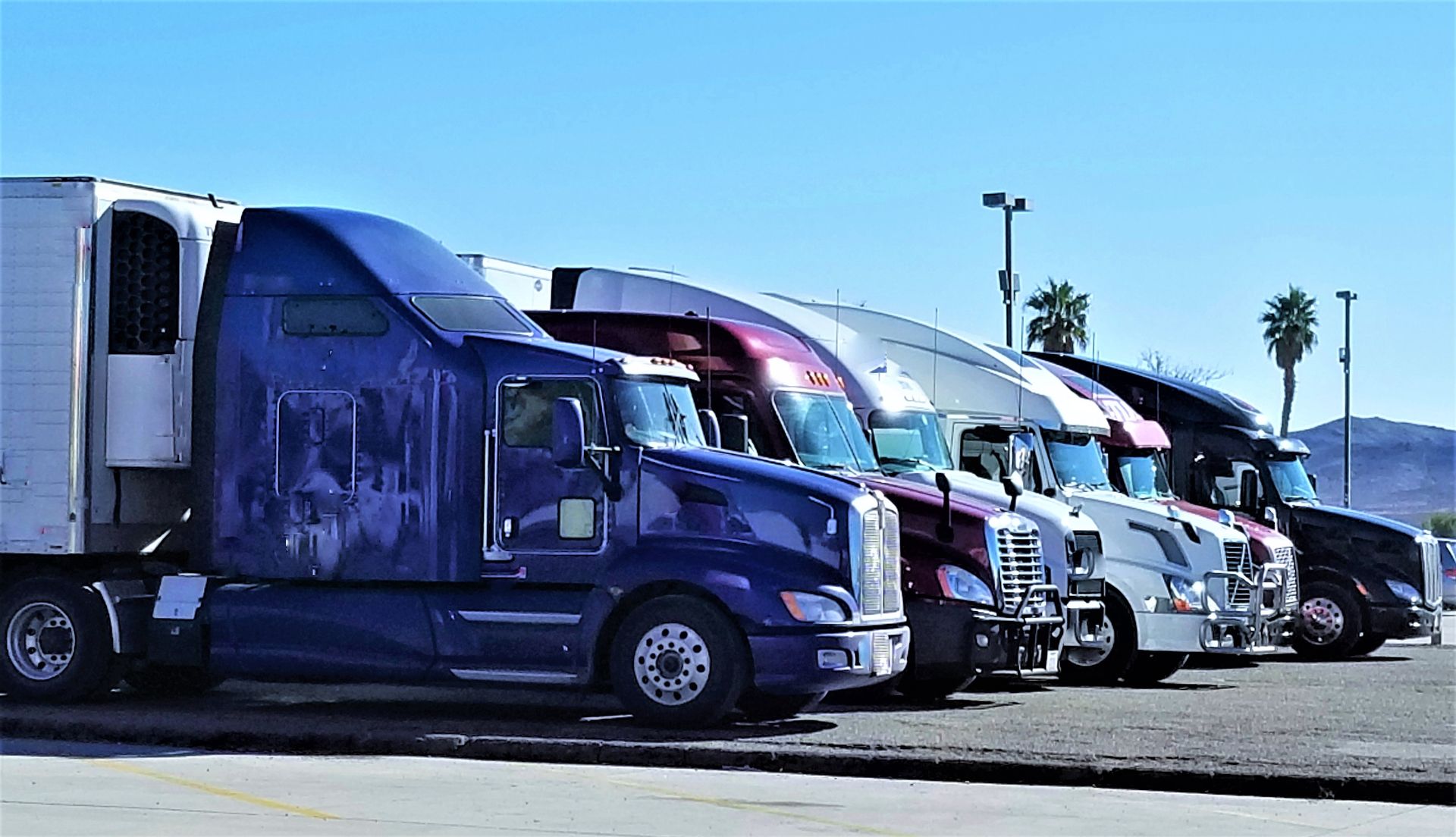
Commercial Auto & Trucking
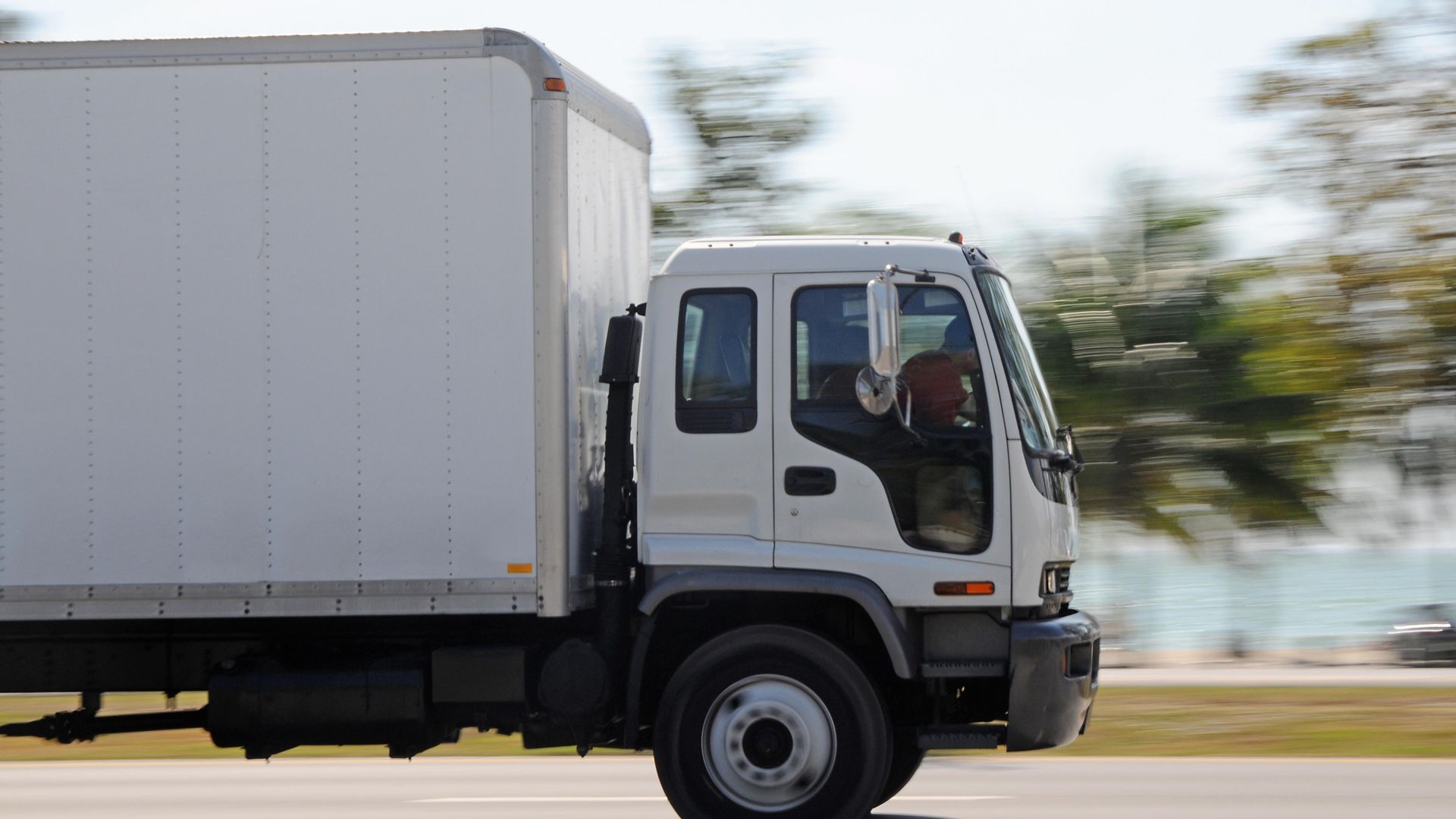
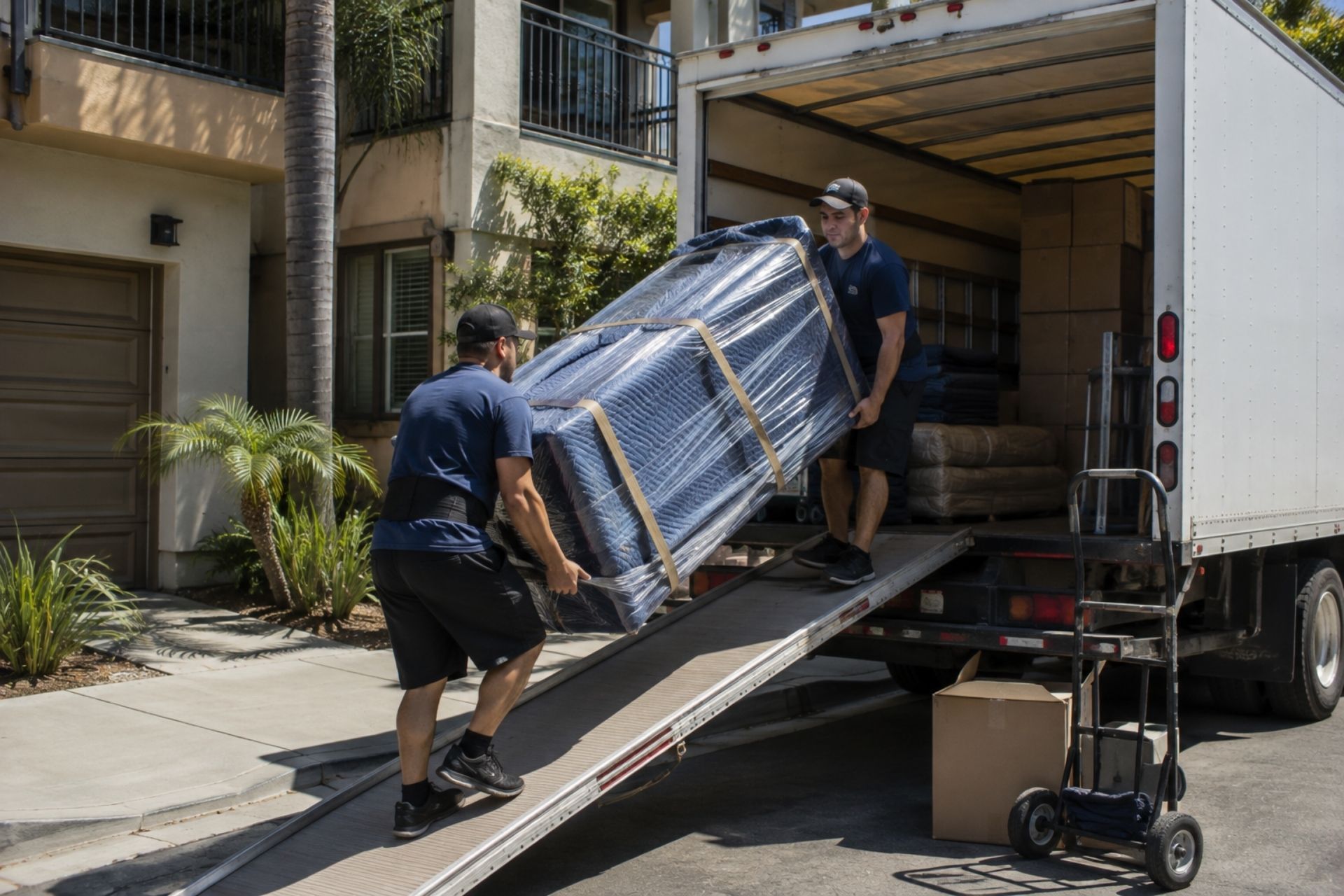
Protection for your fleet including box trucks, moving vans, and trailers. Covers liability, collision, physical damage, and hired or non-owned vehicles used in your operations.
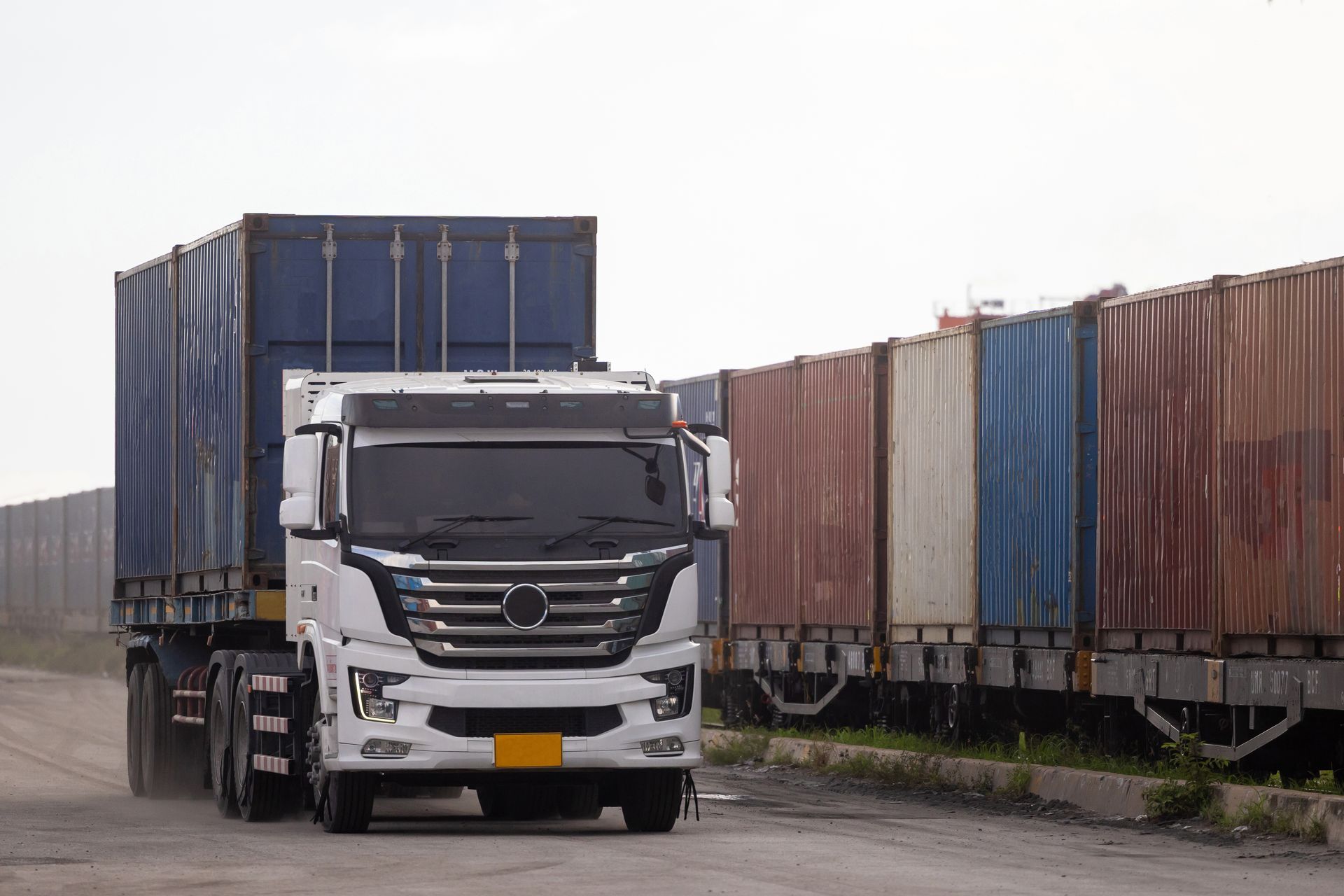
Motor Truck Cargo
Covers household goods and freight during transport from pickup to delivery. Protects against damage, theft, mysterious disappearance, and weather-related losses while cargo is in your care.

General Liability
Protection from third-party claims for bodily injury and property damage at customer homes, job sites, and your own facility. Essential coverage for every transportation operation

Warehouse Legal Liability
Coverage for customer property while stored in your facility. Protects against damage, theft, fire, and water damage to goods in your care, custody, or control.

Workers' Compensation
Medical care and wage replacement for employees injured on the job. Required in most states for transportation and warehouse work where physical labor creates higher injury risk.

Umbrella & Excess Liability
Higher liability limits stacked on top of your primary policies. Helps meet large contract requirements and protects your business assets against major claims and lawsuits.
Specialized Knowledge
Industries We Protect
Focused coverage for transportation and logistics businesses


Simple and Clear
How Our Process Works
Our process to get you covered
Connect With Us
Reach out through our form or by phone to share your business needs and current coverage situation.
Get Coverage Options
We review your risks, compare carriers, and present clear quotes with plain-language explanations.
Stay Protected
You choose your plan, and we provide ongoing support for certificates, claims, and renewals.
Trusted by Businesses
Feedback That Reflects Service and Reliability
What our clients say about working with Champion Risk
Answers You Need
Frequently Asked Questions
Common questions about transportation and logistics insurance




What insurance does a transportation company need to operate legally?
Motor carriers that cross state lines must meet FMCSA requirements. You need a minimum of $750,000 in liability coverage, plus a BMC-91 filing that proves your insurance to the federal government. Cargo coverage is also required, with minimums that depend on the type of goods you transport.
Intrastate operators follow state-specific rules. California, Texas, and Florida each have different requirements. Champion Risk handles both federal and state filings. We make sure your coverage meets legal minimums and your certificates reach the right agencies.
How much does commercial transportation insurance cost?
Premiums depend on your fleet size, driving records, cargo values, and claims history. A small operation with two trucks might pay $8,000 to $15,000 per year. A larger carrier with ten trucks could pay $50,000 to $100,000 or more.
The best way to control costs is working with a broker who knows transportation insurance. We find carriers that specialize in your exact operation type. This often results in better rates than going direct or using a general agent who doesn't understand the industry.
What is a BMC-91 filing and why do I need one?
A BMC-91 is a form your insurance company files with the FMCSA. It proves you carry the required liability coverage to operate as a for-hire motor carrier. Without an active BMC-91, your operating authority can be revoked.
Champion Risk works with carriers who file electronically. Your BMC-91 typically posts within 24 to 48 hours of binding coverage. We monitor your filing status and alert you if anything needs attention.
Does my warehouse or storage facility need different insurance than a trucking operation?
Yes. Storage facilities need warehouse legal liability coverage. This protects you when customer property is damaged or stolen while in your care. Standard general liability policies exclude this exposure.
You may also need property coverage for your building, equipment breakdown protection, and business income coverage if a fire or disaster shuts down operations. Champion Risk builds storage facility programs that address all these risks in one package.
Can you insure last-mile delivery drivers who use their own vehicles?
Yes. We offer hired and non-owned auto coverage for delivery operations that use independent contractors or employees driving personal vehicles. This fills gaps that personal auto policies don't cover during commercial use.
We also provide occupational accident coverage for 1099 drivers who aren't eligible for workers' comp. This protects your drivers and limits your liability exposure when accidents happen.
How fast can I get proof of insurance for a new contract?
Same day in most cases. Once we bind your policy, we issue certificates of insurance within hours. If your contract requires specific additional insured language or special endorsements, we coordinate directly with the carrier.
Rush requests happen often in this industry. General contractors and corporate clients demand certificates before they let you on site. Champion Risk prioritizes fast turnaround because we know your revenue depends on it.

Answers You Need
Transportation & Logistics Insurance Resources
Articles designed to inform and support your business
Contact Us
Phone Number:
Email Address:
Location:
12264 El Camino Real, Suite 350
San Diego, CA 92130
Hours:
Monday – Friday: 8:00 AM – 6:00 PM PT