Warehouse Legal Liability Insurance for Moving & Storage Company
Or Call Us:
(800) 829-0807
A single warehouse fire can destroy hundreds of thousands of dollars worth of customer belongings in hours. For moving and storage companies, that scenario isn't hypothetical: fire remains the most frequent and severe risk to goods in storage, according to Seneca Insurance. When customers entrust you with their furniture, family heirlooms, and business inventory, you're accepting a legal responsibility that standard commercial policies don't adequately address.
Warehouse legal liability insurance exists specifically for this exposure. Unlike general liability policies that cover injuries to third parties, this coverage protects against claims when goods in your care, custody, or control are damaged or destroyed. The market for this protection is substantial and growing, with global estimates reaching $8.43 billion in 2025 and projected to hit $9.09 billion by 2026, according to 360iResearch. That growth reflects increasing awareness among storage operators about the gaps in their existing coverage.
Moving and storage companies face unique liability challenges. You're handling items with both monetary and sentimental value, often storing them for extended periods while managing multiple customer accounts simultaneously. Understanding how warehouse legal liability coverage works, what it costs, and what regulators require isn't optional: it's fundamental to running a protected operation.
Understanding Warehouse Legal Liability for Movers
Warehouse legal liability operates on principles dating back centuries to common law concepts governing bailments. When you accept customer property for storage, you become a bailee with specific legal obligations. Your customers don't need to prove you were careless: they simply need to show their goods were damaged while under your control. The burden then shifts to you to demonstrate you exercised appropriate care.
The Duty of Reasonable Care Standard
Courts evaluate warehouse operators against a "reasonable care" standard. This means you must handle stored goods the way a prudent operator would under similar circumstances. The standard isn't absolute perfection: you're not automatically liable for every loss. That said, you must demonstrate you took appropriate precautions based on the type of goods stored and the risks present in your facility.
What constitutes reasonable care varies by situation. Storing temperature-sensitive electronics requires different precautions than storing wooden furniture. Climate-controlled units, proper stacking techniques, and regular facility inspections all factor into whether you've met your duty. When claims arise, courts examine your specific practices against industry norms.
Warehouse Legal vs. Standard Bailee Coverage
Many operators confuse warehouse legal liability with standard bailee coverage, but they serve different purposes. Symbia Logistics explains that warehouse legal liability covers businesses entrusted with property of others for direct physical loss or damage during storage, cross-docking, packaging, labeling, or related services.
Standard bailee policies often provide broader coverage but may include higher premiums and different claim triggers. Warehouse legal liability specifically addresses your legal responsibility when negligence causes loss. If a customer's couch is damaged because your forklift operator made an error, that's a covered claim. If the same couch is damaged by an earthquake with no negligence involved, coverage may not apply without additional endorsements.


By: Mark Raby
Chief Executive Officer at Champion Risk & Insurance Services
Key Coverage Components for Storage Operations
Understanding exactly what your warehouse legal liability policy covers prevents unpleasant surprises when claims occur. Policies vary by carrier, but core components remain consistent across the industry.
Physical Loss and Damage to Customer Goods
The primary coverage addresses physical damage to stored property. EIB Direct confirms that warehouse legal liability insurance covers damage caused by negligence on the part of the warehouse owner, operator, or employees. This includes damage from improper handling, inadequate storage conditions, employee theft, and facility maintenance failures.
Coverage typically extends to goods during various operational phases: receiving, storage, retrieval, and loading for delivery. Some policies cover goods during internal movements between warehouse sections. The key trigger is always negligence: something your operation did or failed to do that caused the loss.
Defense Costs and Legal Fees
Beyond paying for damaged goods, policies cover legal defense costs when customers file claims. This protection matters significantly because legal fees can quickly exceed the value of damaged property. Even frivolous claims require response, and attorneys don't work for free.
Defense coverage typically operates separately from property damage limits, meaning legal costs don't reduce the amount available for actual claims. Champion Risk helps clients understand how defense provisions work within their specific policy structures, ensuring operators aren't caught off guard when litigation occurs.
Common Exclusions and Policy Limitations
Every policy contains exclusions that define what isn't covered. Common exclusions include damage from war, nuclear events, and government seizure. More relevant for daily operations: most policies exclude damage from inherent vice, meaning deterioration that occurs naturally regardless of storage conditions.
Mysterious disappearance, where goods vanish without evidence of theft or damage, often faces coverage limitations. Policies may also exclude certain high-value items like jewelry, artwork, or cash unless specifically scheduled. Reading exclusions carefully and discussing them with your broker prevents assumption-based coverage gaps.
Premium calculations reflect the specific risks your operation presents. Understanding these factors helps you budget appropriately and identify areas where improvements might reduce costs.
Warehouse Construction and Security Features
Building construction directly impacts fire risk and premium calculations. Sprinklered facilities with fire-resistant construction typically receive better rates than older buildings with limited fire suppression. Security features matter equally: monitored alarm systems, surveillance cameras, and controlled access points all demonstrate risk management commitment.
Insurers evaluate your facility's location, including proximity to fire stations, flood zones, and crime statistics for the surrounding area. A well-maintained facility in a low-risk area with modern safety systems will generally qualify for more competitive pricing than a dated warehouse in a high-crime neighborhood.
Total Value of Stored Goods and Limits of Liability
Your coverage limits should reflect the maximum value of goods you might store at any time. Underestimating this figure creates dangerous coverage gaps during peak periods. The Research and Markets report notes the warehouse legal liability insurance market is expected to grow from $19.14 billion in 2024 to $20.44 billion in 2025, reflecting increasing storage values across the industry.
Higher limits mean higher premiums, but inadequate limits mean potential bankruptcy if a major loss occurs. Champion Risk works with moving and storage companies to accurately assess their exposure and select appropriate limits without overpaying for unnecessary coverage.

Compliance and Contractual Requirements
Operating legally requires more than just purchasing insurance. Documentation, disclosures, and regulatory compliance all factor into your liability exposure.
Warehouse Receipts and Terms of Service
Warehouse receipts serve as contracts between you and your customers. These documents should clearly state your liability limitations, required notice periods for claims, and any valuation limits. Many operators limit their liability to a specific dollar amount per pound or per item, but these limitations must be properly disclosed to be enforceable.
Heffins Insurance emphasizes that warehouse legal liability insurance protects against claims related to loss or damage of goods in your care, custody, or control, making it essential for long-term or high-volume storage operations. Your receipts and service agreements should align with your insurance coverage to avoid gaps.
State and Federal Regulatory Mandates
Moving and storage operations face varying regulatory requirements depending on their scope. Interstate movers must comply with Federal Motor Carrier Safety Administration regulations, including specific liability provisions. State-level requirements vary significantly: some states mandate minimum insurance levels while others impose licensing requirements that include financial responsibility demonstrations.
Staying current with regulatory changes prevents compliance violations that could void coverage or create additional liability exposure. Regular policy reviews ensure your coverage meets current requirements as regulations evolve.
Risk Management Strategies for Warehouse Operators
Insurance provides financial protection, but preventing losses in the first place protects your reputation and keeps premiums manageable.
Inventory Tracking and Documentation Protocols
Accurate inventory records prove invaluable during claims. Documenting the condition of goods at intake, photographing high-value items, and maintaining organized tracking systems all support your defense if customers allege damage occurred in your facility.
Modern inventory management software creates timestamped records showing exactly when goods entered and left your facility. These records help distinguish between damage that occurred during storage versus damage that existed before intake or happened after pickup.
Fire Suppression and Environmental Controls
Given that fire remains the leading cause of catastrophic warehouse losses, fire suppression investments directly impact both safety and insurance costs. Sprinkler systems, fire extinguishers, smoke detection, and clear evacuation protocols all demonstrate reasonable care.
Environmental controls matter for temperature-sensitive storage. Climate-controlled units prevent mold, warping, and deterioration that could trigger claims. Regular HVAC maintenance and temperature monitoring create documentation showing you maintained appropriate conditions.
| Coverage Type | What It Covers | Typical Limits |
|---|---|---|
| Property Damage | Physical loss from negligence | $100K - $5M+ |
| Defense Costs | Legal fees for covered claims | Often separate from property limits |
| Mysterious Disappearance | Unexplained inventory loss | Often sublimited or excluded |
| Employee Theft | Losses from worker dishonesty | May require separate bond |
Frequently Asked Questions
How much does warehouse legal liability insurance typically cost? Premiums vary based on facility size, stored goods value, and risk factors, but expect annual costs ranging from $1,500 to $15,000 for small to mid-sized operations.
Does warehouse legal liability cover customer goods during transport? Generally no. Transport requires separate motor truck cargo coverage. Warehouse legal liability applies to goods while in storage at your facility.
What's the difference between warehouse legal liability and inland marine coverage? Warehouse legal liability covers your negligence-based responsibility. Inland marine provides broader property coverage that may apply regardless of fault.
Do I need warehouse legal liability if I already have general liability insurance? Yes. General liability covers bodily injury and property damage to third parties, not damage to goods in your custody.
How do I determine appropriate coverage limits? Calculate the maximum value of goods you might store at any time, including seasonal peaks. Add a buffer for underestimated values.
Making the Right Coverage Decision
Warehouse legal liability insurance isn't optional for serious moving and storage operations. The combination of high-value customer property, extended storage periods, and complex handling creates exposure that general policies simply don't address. Understanding your duty of care, knowing what coverage actually provides, and implementing strong risk management practices positions your business for sustainable growth.
Champion Risk specializes in helping moving and storage companies navigate these coverage decisions. The right policy protects your customers, your reputation, and your financial stability when the unexpected occurs.
About the Author:
Mark Raby
I am a seasoned insurance professional with over 30 years of experience in the industry. I lead Champion Risk & Insurance Services, a San Diego-based brokerage with nationwide reach and strong influence in the insurance marketplace. My core competencies include insurance agency M&A deals, captives and alternative risk structures, and commercial property and casualty insurance for clients in the transportation and logistics industries. I am a former president of IIAB San Diego and hold a Bachelor of Science in Finance from Western Michigan University’s Haworth College of Business.
Protection for Transportation Operations
Business Insurance for Transportation & Logistics Companies
Coverage designed specifically for transportation businesses
Commercial Auto & Trucking
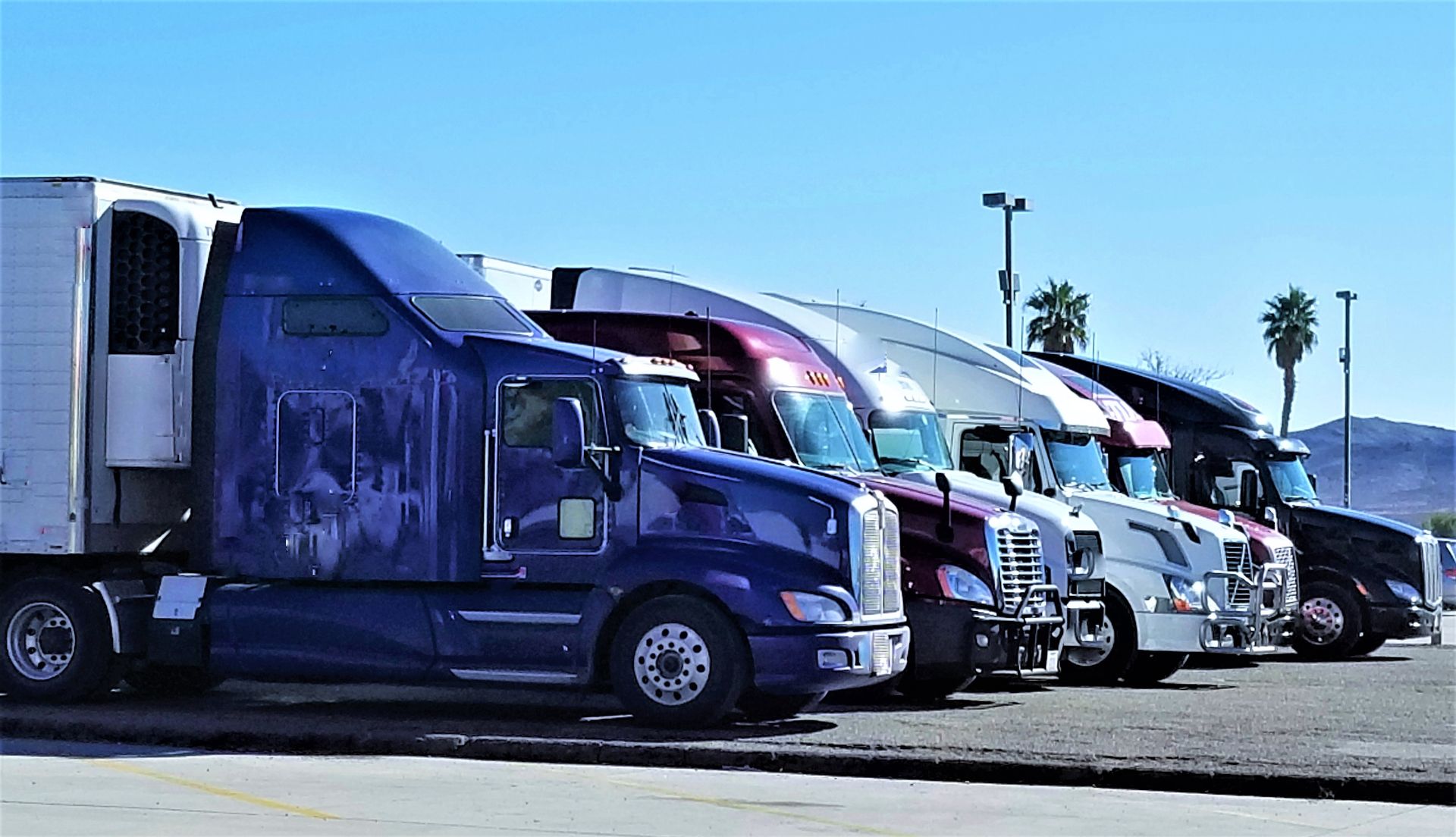
Protection for your fleet including box trucks, moving vans, and trailers. Covers liability, collision, physical damage, and hired or non-owned vehicles used in your operations.
Motor Truck Cargo
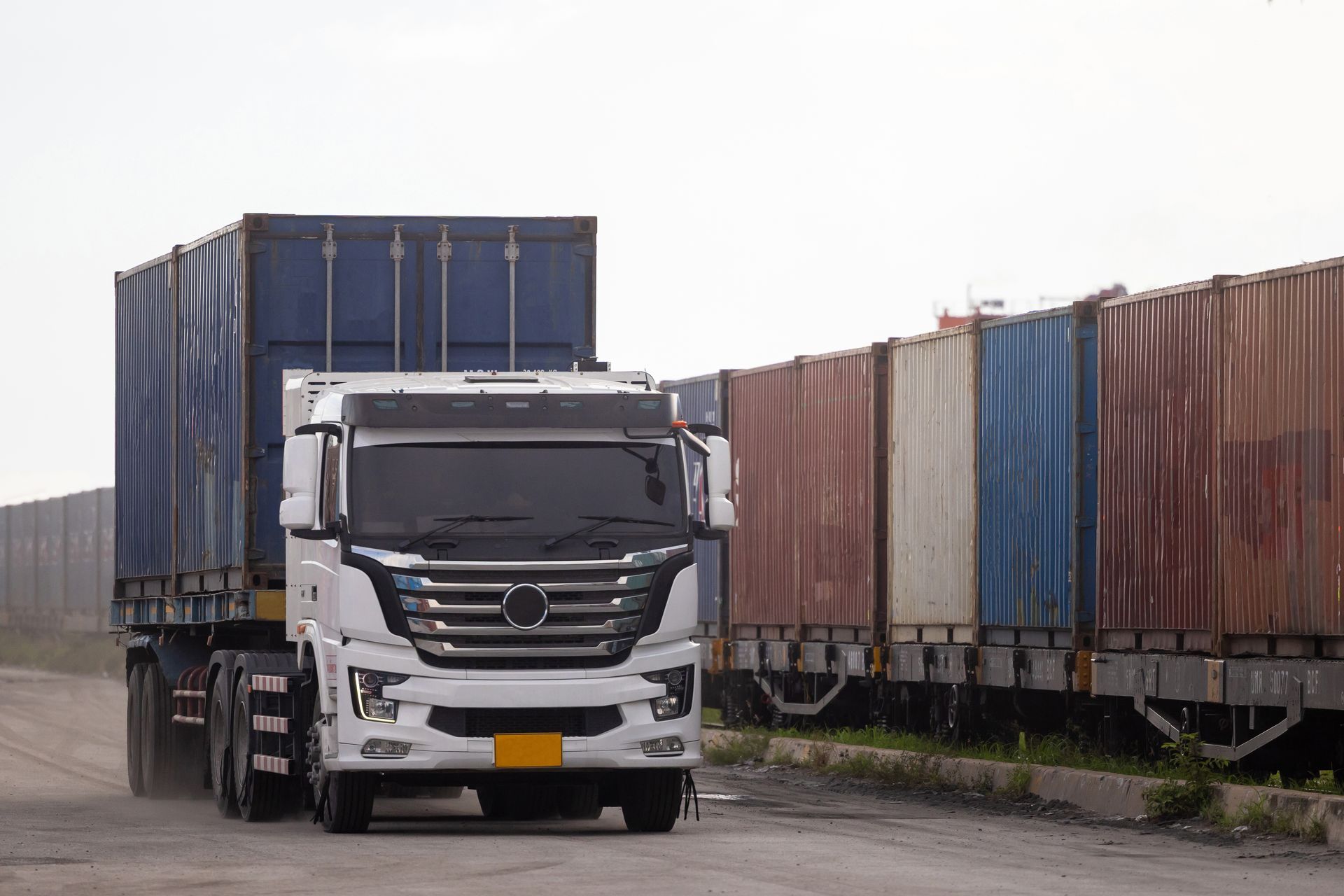
Covers household goods and freight during transport from pickup to delivery. Protects against damage, theft, mysterious disappearance, and weather-related losses while cargo is in your care.

General Liability
Protection from third-party claims for bodily injury and property damage at customer homes, job sites, and your own facility. Essential coverage for every transportation operation
Warehouse Legal Liability
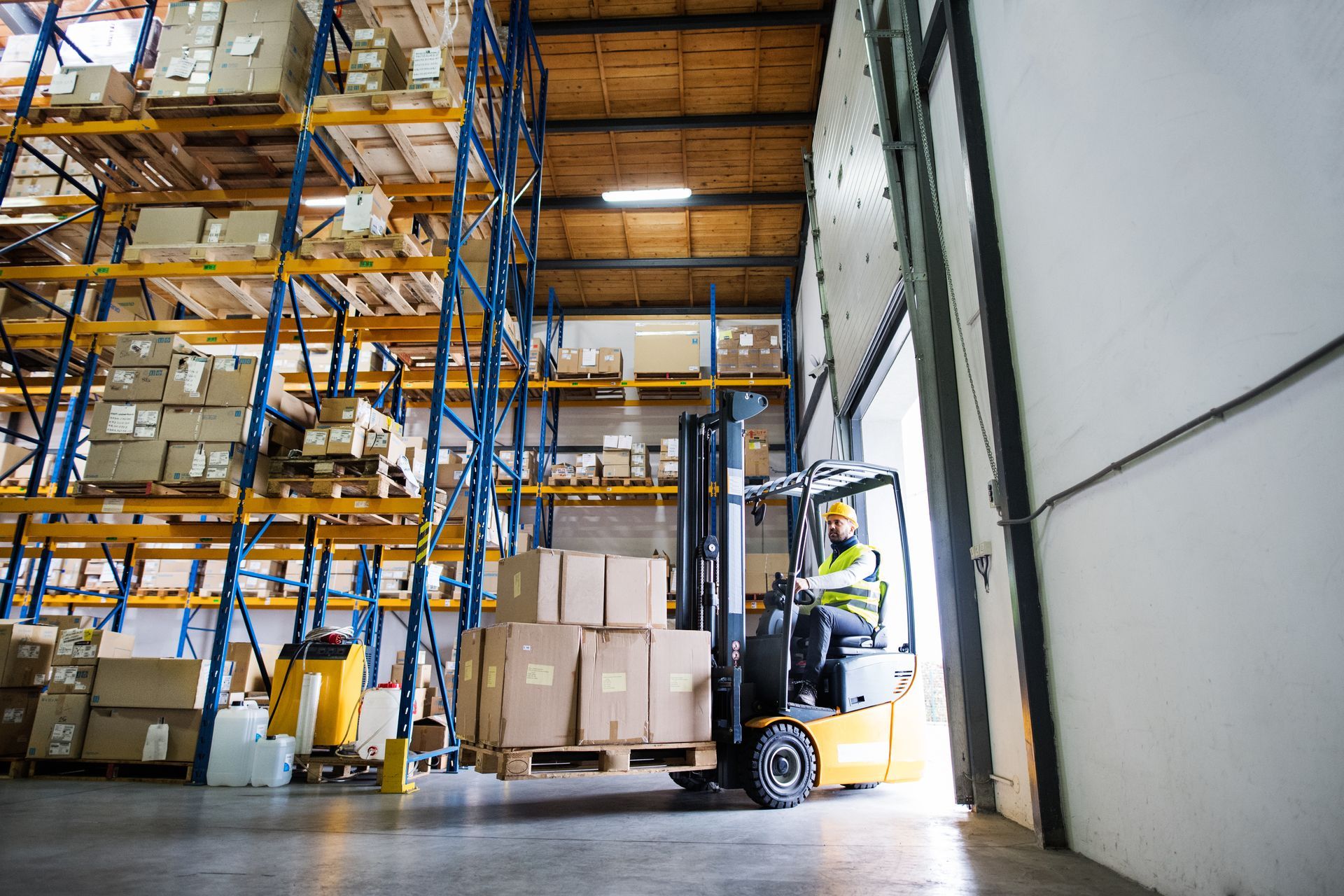
Coverage for customer property while stored in your facility. Protects against damage, theft, fire, and water damage to goods in your care, custody, or control.

Workers' Compensation
Medical care and wage replacement for employees injured on the job. Required in most states for transportation and warehouse work where physical labor creates higher injury risk.

Umbrella & Excess Liability
Higher liability limits stacked on top of your primary policies. Helps meet large contract requirements and protects your business assets against major claims and lawsuits.
Specialized Knowledge
Industries We Protect
Focused coverage for transportation and logistics businesses


Simple and Clear
How Our Process Works
Our process to get you covered
Connect With Us
Reach out through our form or by phone to share your business needs and current coverage situation.
Get Coverage Options
We review your risks, compare carriers, and present clear quotes with plain-language explanations.
Stay Protected
You choose your plan, and we provide ongoing support for certificates, claims, and renewals.
Trusted by Businesses
Feedback That Reflects Service and Reliability
What our clients say about working with Champion Risk
Answers You Need
Frequently Asked Questions
Common questions about transportation and logistics insurance



What insurance does a transportation company need to operate legally?
Motor carriers that cross state lines must meet FMCSA requirements. You need a minimum of $750,000 in liability coverage, plus a BMC-91 filing that proves your insurance to the federal government. Cargo coverage is also required, with minimums that depend on the type of goods you transport.
Intrastate operators follow state-specific rules. California, Texas, and Florida each have different requirements. Champion Risk handles both federal and state filings. We make sure your coverage meets legal minimums and your certificates reach the right agencies.
How much does commercial transportation insurance cost?
Premiums depend on your fleet size, driving records, cargo values, and claims history. A small operation with two trucks might pay $8,000 to $15,000 per year. A larger carrier with ten trucks could pay $50,000 to $100,000 or more.
The best way to control costs is working with a broker who knows transportation insurance. We find carriers that specialize in your exact operation type. This often results in better rates than going direct or using a general agent who doesn't understand the industry.
What is a BMC-91 filing and why do I need one?
A BMC-91 is a form your insurance company files with the FMCSA. It proves you carry the required liability coverage to operate as a for-hire motor carrier. Without an active BMC-91, your operating authority can be revoked.
Champion Risk works with carriers who file electronically. Your BMC-91 typically posts within 24 to 48 hours of binding coverage. We monitor your filing status and alert you if anything needs attention.
Does my warehouse or storage facility need different insurance than a trucking operation?
Yes. Storage facilities need warehouse legal liability coverage. This protects you when customer property is damaged or stolen while in your care. Standard general liability policies exclude this exposure.
You may also need property coverage for your building, equipment breakdown protection, and business income coverage if a fire or disaster shuts down operations. Champion Risk builds storage facility programs that address all these risks in one package.
Can you insure last-mile delivery drivers who use their own vehicles?
Yes. We offer hired and non-owned auto coverage for delivery operations that use independent contractors or employees driving personal vehicles. This fills gaps that personal auto policies don't cover during commercial use.
We also provide occupational accident coverage for 1099 drivers who aren't eligible for workers' comp. This protects your drivers and limits your liability exposure when accidents happen.
How fast can I get proof of insurance for a new contract?
Same day in most cases. Once we bind your policy, we issue certificates of insurance within hours. If your contract requires specific additional insured language or special endorsements, we coordinate directly with the carrier.
Rush requests happen often in this industry. General contractors and corporate clients demand certificates before they let you on site. Champion Risk prioritizes fast turnaround because we know your revenue depends on it.

Answers You Need
Transportation & Logistics Insurance Resources
Articles designed to inform and support your business
Contact Us
Phone Number:
Email Address:
Location:
12264 El Camino Real, Suite 350
San Diego, CA 92130
Hours:
Monday – Friday: 8:00 AM – 6:00 PM PT