
Running a moving and storage company in Aurora means protecting your business from risks that can wipe out years of hard work in a single incident. A dropped antique dresser, a truck accident on I-88, or a warehouse fire can generate claims that exceed six figures before you've finished your morning coffee. Moving and storage company insurance requirements in Aurora, Illinois encompass specific coverage types, state mandates, and cost factors that directly impact your bottom line and legal standing.
The reality is that most moving company owners underestimate their exposure until they face a claim. I've seen operators with solid reputations lose everything because they carried minimum coverage or misunderstood what their policies actually protected. Aurora's position in the Chicago metropolitan area means high traffic density, diverse clientele with valuable possessions, and regulatory oversight that demands attention to detail.
Your insurance portfolio needs to address liability from multiple angles: damage to customer property, injuries to workers, accidents involving your fleet, and losses within storage facilities. Illinois law sets specific minimums, but those minimums rarely provide adequate protection for a growing operation. The difference between a policy that pays out and one that leaves you holding the bag often comes down to understanding the nuances before you sign.
Essential Insurance Coverage for Aurora Moving Companies
Building the right coverage foundation requires understanding how different policy types work together. Each coverage addresses specific risks, and gaps between policies create the vulnerabilities that sink businesses.
General Liability and Commercial Auto Insurance
General liability insurance handles third-party bodily injury and property damage claims that occur during your operations. When a mover accidentally damages a customer's hardwood floor or a passerby trips over equipment on a job site, this coverage responds. Policies typically start around $1 million per occurrence, though Aurora-area operations often need higher limits given property values in surrounding communities like Naperville and Geneva.
Commercial auto insurance is where costs add up quickly. According to Insureon, the average cost for commercial auto insurance for movers runs $876 per month, or $10,512 annually. That figure varies based on fleet size, driver experience, and the types of vehicles you operate. Box trucks, tractor-trailers, and passenger vehicles each carry different risk profiles and premium structures.
Cargo and Inland Marine Coverage
Cargo insurance protects customer belongings while in transit. Basic valuation coverage, which many movers offer by default, typically reimburses just $0.60 per pound for damaged items. That means a 50-pound flat-screen TV worth $2,000 nets the customer $30. Full-value protection costs more but prevents the disputes and reputation damage that come from inadequate reimbursement.
Inland marine coverage extends protection to goods in your care beyond standard transit situations. This includes items temporarily stored between pickup and delivery, equipment used on job sites, and property being transported by subcontractors.
Warehouse Legal Liability for Storage Facilities
If you operate storage facilities in Aurora, warehouse legal liability coverage is non-negotiable. This specialized policy covers damage to customer property while stored in your facility from perils like fire, theft, water damage, and collapse. Standard general liability policies exclude stored property, creating a dangerous gap for operators who assume they're covered.
Champion Risk has worked with Aurora-area storage operators who discovered this gap only after a claim. The conversation about why their general liability policy won't pay for water-damaged furniture stored in their facility is one nobody wants to have with a customer.


By: Mark Raby
Chief Executive Officer at Champion Risk & Insurance Services
Illinois State and Local Regulatory Requirements
Operating legally in Illinois means meeting specific insurance mandates that differ from neighboring states. Non-compliance can result in fines, license suspension, and personal liability exposure.
Illinois Commerce Commission (ICC) Mandates
The Illinois Commerce Commission regulates household goods movers operating within state borders. IMAW reports that moving companies must maintain minimum public liability and property damage coverage of $750,000. This requirement applies to intrastate moves; interstate operations fall under federal FMCSA regulations with separate requirements.
You'll need to file proof of insurance with the ICC and maintain continuous coverage. Lapses in coverage can trigger automatic license suspension, leaving you unable to legally operate until you reinstate both insurance and licensing.
Workers' Compensation Laws for Illinois Employers
Illinois requires workers' compensation insurance for nearly all employers, with very limited exceptions that don't apply to moving companies. This coverage pays for medical expenses, lost wages, and rehabilitation costs when employees suffer work-related injuries.
Moving is physically demanding work with injury rates that exceed most industries.
TechInsurance data shows moving companies pay an average of $755 per month, or $9,058 annually, for workers' compensation coverage. Back injuries, strains, and falls account for most claims, though vehicle accidents and equipment-related injuries also contribute significantly.
Factors Influencing Insurance Costs in the Aurora Market
Understanding what drives your premiums helps you make strategic decisions about fleet management, hiring, and operational practices.
Fleet Size and Driver Safety Records
Every vehicle you add increases your commercial auto premium, but the relationship isn't linear. Insurers evaluate your entire fleet's risk profile, considering vehicle age, type, and usage patterns. A well-maintained fleet of newer trucks with experienced drivers costs less to insure per vehicle than an aging fleet operated by drivers with spotty records.
Driver MVR (motor vehicle record) checks matter enormously. One driver with multiple violations can spike your entire fleet's premium. Aurora's proximity to Chicago means your drivers navigate challenging traffic conditions daily, making defensive driving training and strict hiring standards particularly valuable.
Claims History and Deductible Selection
Your loss history follows you. Companies with frequent claims, even small ones, pay significantly more than those with clean records. The claims you file today affect your premiums for three to five years, making it worth considering whether small claims are worth reporting.
| Factor | Premium Impact |
|---|---|
| Clean 5-year claims history | 10-20% discount |
| Multiple at-fault accidents | 25-50% increase |
| Higher deductible ($2,500 vs $1,000) | 5-15% savings |
| 5-15% savings | 5-10% discount |
Deductible selection involves balancing cash flow against premium savings. Higher deductibles reduce premiums but require you to absorb more of each loss. Champion Risk typically recommends deductibles that align with your annual claims frequency and available reserves.

Protecting Specialized Moving Services
Standard policies don't always address the unique risks of specialized moving services. Add-on coverages and endorsements fill these gaps.
High-Value Item and Antique Riders
Moving fine art, antiques, or collectibles requires coverage beyond standard cargo limits. These items often have values that exceed per-item caps in basic policies, and their fragility creates elevated damage risk. Scheduled item coverage or valuable articles floaters provide protection proportional to actual value.
Documentation matters here. Appraisals, photographs, and detailed inventories taken before the move establish value and condition. Without this documentation, disputes over pre-existing damage versus transit damage become impossible to resolve fairly.
White-Glove and Commercial Relocation Add-ons
White-glove services command premium prices but carry premium risks. The expectation of perfection means even minor damage generates complaints and claims. Enhanced liability coverage for these services protects against the higher claim values that accompany high-end residential moves.
Commercial relocations present different challenges: tight timelines, business interruption exposure if you cause delays, and the complexity of moving sensitive equipment. Errors and omissions coverage can address claims arising from service failures that don't involve physical damage.
Risk Management and Mitigation Strategies
Insurance is the safety net, but preventing claims in the first place keeps premiums manageable and operations running smoothly.
Implementing Safety Training Programs
Formal training programs demonstrate to insurers that you take risk management seriously. Documentation of training sessions, safety meetings, and certification programs can support premium negotiations and strengthen your position if claims arise.
Effective training covers proper lifting techniques, equipment operation, vehicle safety, and customer interaction. The last point matters because many disputes escalate due to poor communication rather than actual damage.
Inventory Documentation and Digital Tracking
Digital inventory systems with photographic documentation protect both you and your customers. Timestamped photos of items before loading establish baseline condition and prevent fraudulent damage claims.
GPS tracking on vehicles provides real-time visibility and creates records useful for both operational efficiency and claims investigation. Knowing exactly where a truck was when damage allegedly occurred can resolve disputes quickly.
Selecting a Specialized Insurance Provider in Northern Illinois
The global commercial insurance market is projected to grow at a CAGR of 7.5% between 2026 and 2033, reflecting increasing business complexity and risk awareness. This growth means more options for moving companies, but also more complexity in evaluating those options.
As BF Saul Insurance notes, "Customer experience is critical, with policyholders expecting personalized solutions and seamless interactions." Generic policies from carriers unfamiliar with moving industry risks often contain exclusions that create coverage gaps precisely when you need protection most.
Working with a broker who specializes in transportation and logistics, like Champion Risk, provides access to markets and policy forms designed for your specific exposures. The difference between a standard commercial package and a tailored moving company program often becomes apparent only at claim time, when it matters most.
Frequently Asked Questions
How much liability coverage do I actually need beyond the Illinois minimum? The $750,000 state minimum covers basic operations, but most Aurora-area movers carry $1 million to $2 million. Property values in the western suburbs mean a single serious incident can exceed minimum limits.
Does my commercial auto policy cover hired or non-owned vehicles? Not automatically. If you rent trucks during peak season or employees use personal vehicles for company business, you need hired and non-owned auto coverage added to your policy.
What happens if I let my insurance lapse for even one day? The ICC receives notification of cancellations and can suspend your operating authority immediately. Reinstatement requires new filings and potentially new applications.
Can I reduce workers' comp costs without cutting coverage? Yes. Return-to-work programs, safety incentives, and experience modification rate management can reduce premiums by 15-25% over time without reducing benefits.
Should I self-insure cargo damage below a certain threshold? Some operators handle small claims internally to protect their loss history. This works if you have reserves and clear policies about what constitutes "small." Anything involving disputed value should go through insurance.
Getting the right coverage in place requires honest assessment of your operations, clear understanding of state requirements, and partnership with specialists who know the moving industry. Start by reviewing your current policies against the coverages outlined here, identifying gaps, and getting quotes that reflect your actual risk profile rather than generic assumptions. The investment in proper coverage protects not just your assets but the business you've built.
About the Author:
Mark Raby
I am a seasoned insurance professional with over 30 years of experience in the industry. I lead Champion Risk & Insurance Services, a San Diego-based brokerage with nationwide reach and strong influence in the insurance marketplace. My core competencies include insurance agency M&A deals, captives and alternative risk structures, and commercial property and casualty insurance for clients in the transportation and logistics industries. I am a former president of IIAB San Diego and hold a Bachelor of Science in Finance from Western Michigan University’s Haworth College of Business.
Protection for Transportation Operations
Business Insurance for Transportation & Logistics Companies
Coverage designed specifically for transportation businesses
Commercial Auto & Trucking
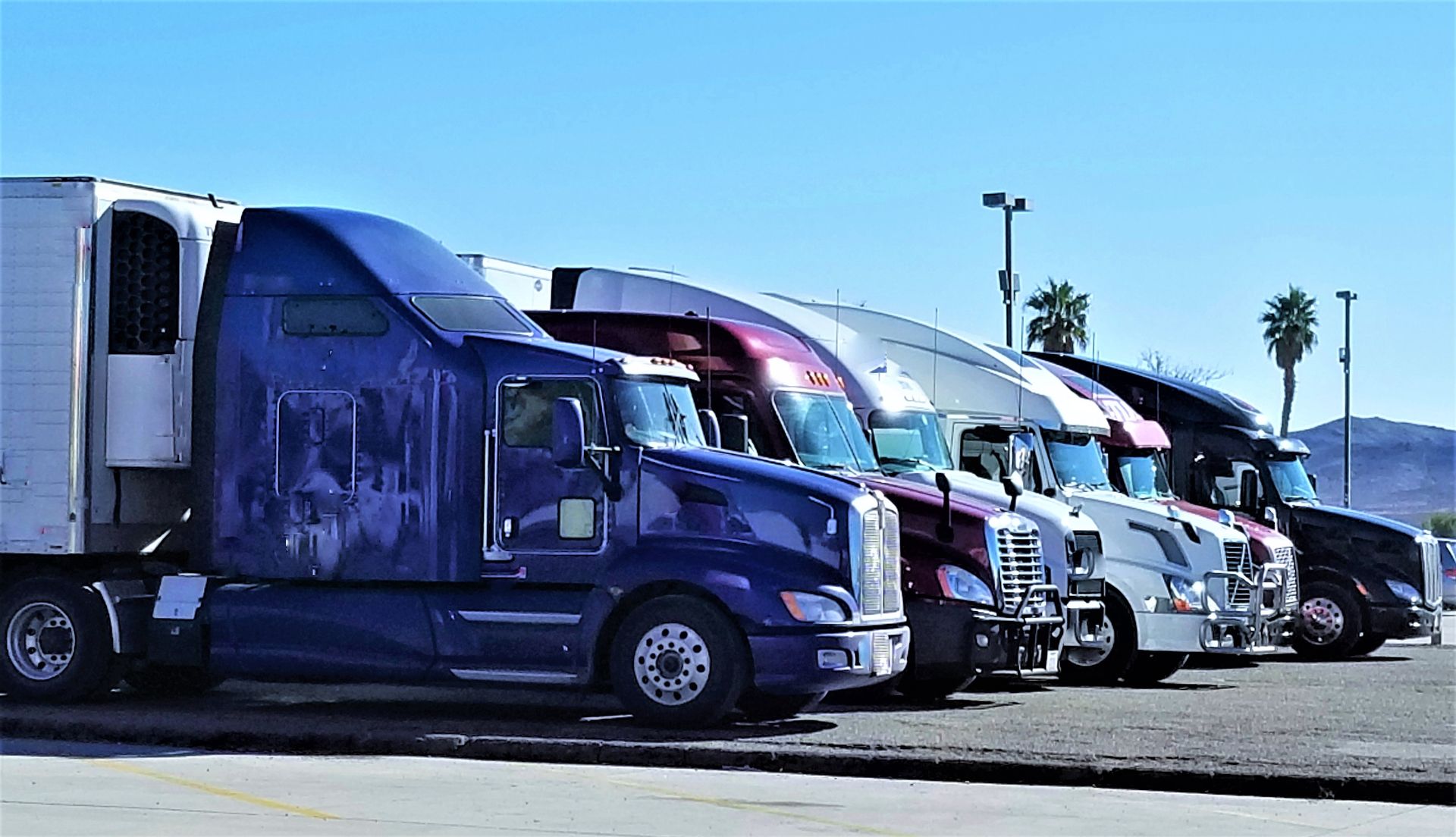
Protection for your fleet including box trucks, moving vans, and trailers. Covers liability, collision, physical damage, and hired or non-owned vehicles used in your operations.
Motor Truck Cargo
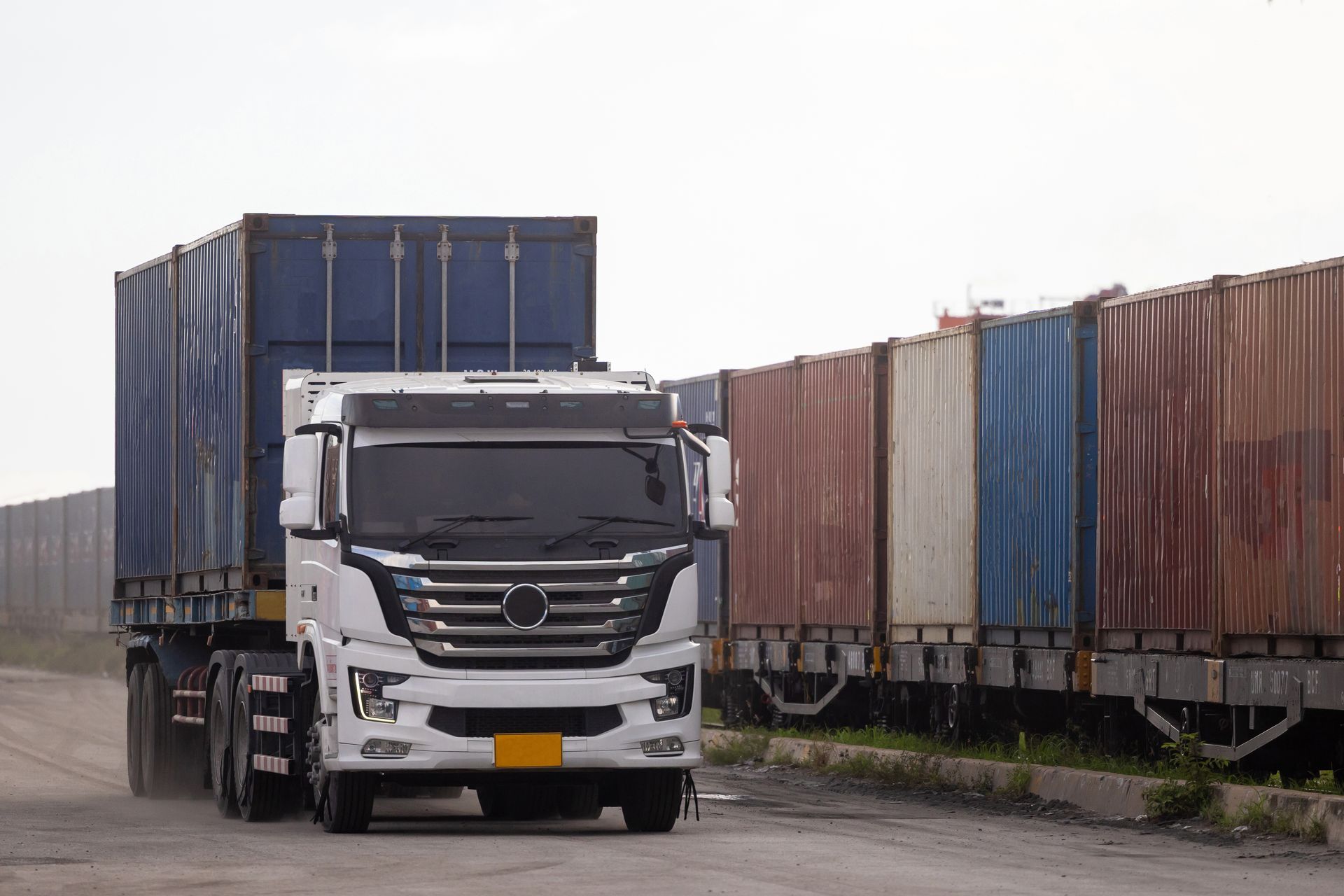
Covers household goods and freight during transport from pickup to delivery. Protects against damage, theft, mysterious disappearance, and weather-related losses while cargo is in your care.

General Liability
Protection from third-party claims for bodily injury and property damage at customer homes, job sites, and your own facility. Essential coverage for every transportation operation

Warehouse Legal Liability
Coverage for customer property while stored in your facility. Protects against damage, theft, fire, and water damage to goods in your care, custody, or control.

Workers' Compensation
Medical care and wage replacement for employees injured on the job. Required in most states for transportation and warehouse work where physical labor creates higher injury risk.

Umbrella & Excess Liability
Higher liability limits stacked on top of your primary policies. Helps meet large contract requirements and protects your business assets against major claims and lawsuits.
Specialized Knowledge
Industries We Protect
Focused coverage for transportation and logistics businesses


Simple and Clear
How Our Process Works
Our process to get you covered
Connect With Us
Reach out through our form or by phone to share your business needs and current coverage situation.
Get Coverage Options
We review your risks, compare carriers, and present clear quotes with plain-language explanations.
Stay Protected
You choose your plan, and we provide ongoing support for certificates, claims, and renewals.
Trusted by Businesses
Feedback That Reflects Service and Reliability
What our clients say about working with Champion Risk
Answers You Need
Frequently Asked Questions
Common questions about transportation and logistics insurance




What insurance does a transportation company need to operate legally?
Motor carriers that cross state lines must meet FMCSA requirements. You need a minimum of $750,000 in liability coverage, plus a BMC-91 filing that proves your insurance to the federal government. Cargo coverage is also required, with minimums that depend on the type of goods you transport.
Intrastate operators follow state-specific rules. California, Texas, and Florida each have different requirements. Champion Risk handles both federal and state filings. We make sure your coverage meets legal minimums and your certificates reach the right agencies.
How much does commercial transportation insurance cost?
Premiums depend on your fleet size, driving records, cargo values, and claims history. A small operation with two trucks might pay $8,000 to $15,000 per year. A larger carrier with ten trucks could pay $50,000 to $100,000 or more.
The best way to control costs is working with a broker who knows transportation insurance. We find carriers that specialize in your exact operation type. This often results in better rates than going direct or using a general agent who doesn't understand the industry.
What is a BMC-91 filing and why do I need one?
A BMC-91 is a form your insurance company files with the FMCSA. It proves you carry the required liability coverage to operate as a for-hire motor carrier. Without an active BMC-91, your operating authority can be revoked.
Champion Risk works with carriers who file electronically. Your BMC-91 typically posts within 24 to 48 hours of binding coverage. We monitor your filing status and alert you if anything needs attention.
Does my warehouse or storage facility need different insurance than a trucking operation?
Yes. Storage facilities need warehouse legal liability coverage. This protects you when customer property is damaged or stolen while in your care. Standard general liability policies exclude this exposure.
You may also need property coverage for your building, equipment breakdown protection, and business income coverage if a fire or disaster shuts down operations. Champion Risk builds storage facility programs that address all these risks in one package.
Can you insure last-mile delivery drivers who use their own vehicles?
Yes. We offer hired and non-owned auto coverage for delivery operations that use independent contractors or employees driving personal vehicles. This fills gaps that personal auto policies don't cover during commercial use.
We also provide occupational accident coverage for 1099 drivers who aren't eligible for workers' comp. This protects your drivers and limits your liability exposure when accidents happen.
How fast can I get proof of insurance for a new contract?
Same day in most cases. Once we bind your policy, we issue certificates of insurance within hours. If your contract requires specific additional insured language or special endorsements, we coordinate directly with the carrier.
Rush requests happen often in this industry. General contractors and corporate clients demand certificates before they let you on site. Champion Risk prioritizes fast turnaround because we know your revenue depends on it.

Answers You Need
Transportation & Logistics Insurance Resources
Articles designed to inform and support your business
Contact Us
Phone Number:
Email Address:
Location:
12264 El Camino Real, Suite 350
San Diego, CA 92130
Hours:
Monday – Friday: 8:00 AM – 6:00 PM PT