
Captive Insurance Programs for Transportation & Logistics Company
Or Call Us:
(800) 829-0807
Transportation and logistics companies face a brutal reality: commercial insurance markets have turned hostile. Between 2019 and 2021, Marsh reported a 20-25 percent jump in average annual rates for commercial trucking alone. Meanwhile, nuclear verdicts have transformed routine accidents into existential threats. The average trucking verdict increased from $2.3 million in 2010 to $22.3 million in 2018, representing a 967 percent increase. These numbers aren't abstract statistics for fleet operators watching their premiums climb while coverage shrinks.
Captive insurance programs offer transportation companies a different path: ownership of the insurance mechanism itself. Rather than paying premiums to traditional carriers who pocket underwriting profits regardless of your safety record, captives let well-run fleets retain those profits while gaining unprecedented control over claims, coverage design, and risk management strategy. The model is gaining traction fast. In 2023, captives globally wrote $77 billion in premiums, a 6% increase from the prior year, with 92 new captives formed worldwide.
This guide breaks down what transportation and logistics companies actually need to know about captive insurance: the coverage options, real cost structures, entry requirements, and strategic advantages that make this approach worth serious consideration.
The Evolution of Captive Insurance in Transportation and Logistics
The transportation industry's relationship with captive insurance has shifted dramatically over the past decade. What was once a strategy reserved for massive national carriers has become accessible to mid-sized regional fleets and logistics operations.
Why Traditional Markets are Failing Carriers
Traditional insurance markets operate on broad risk pools. Your premium reflects not just your performance, but the aggregate loss experience of thousands of other trucking operations. When nuclear verdicts spike industry-wide, even fleets with pristine safety records pay the price. Underwriters have responded to increased litigation exposure by restricting capacity, adding exclusions, and sometimes exiting the trucking market entirely.
The result leaves transportation companies in a difficult position. They can accept whatever coverage remains available at whatever price carriers demand, or they can explore alternatives. Many fleets with strong loss histories find themselves subsidizing poorly managed competitors through traditional insurance arrangements.
Types of Captive Structures: Single-Parent vs. Group Captives
Single-parent captives make sense for larger operations generating $500,000 or more in annual premiums. The parent company owns the captive entirely, retaining all underwriting profit and investment income while maintaining complete control over coverage terms and claims handling.
Group captives pool multiple transportation companies together, typically organized by a captive manager or association. Each member contributes to shared capital and participates in collective underwriting results. This structure reduces individual capitalization requirements while still offering premium stability and profit-sharing opportunities. Champion Risk works with both structures, helping clients determine which approach aligns with their size, risk tolerance, and strategic objectives.


By: Mark Raby
Chief Executive Officer at Champion Risk & Insurance Services
Core Coverage Components for Fleet-Based Captives
Transportation captives typically cover the same exposures as traditional policies, but with greater flexibility in coverage design and retention levels. Common lines placed into captives include auto liability, auto physical damage, workers' compensation, and cargo, often covering the first $250,000 to $1 million of each claim.
Auto Liability and Physical Damage
Auto liability represents the largest exposure for most transportation operations and the primary driver behind captive formation. Captives allow companies to retain predictable, attritional losses while transferring catastrophic exposure through reinsurance. This structure rewards consistent safety performance with lower long-term costs.
Physical damage coverage protects the fleet itself. Captives can customize deductibles, covered perils, and valuation methods more precisely than commercial policies typically allow. Some captives cover older equipment that traditional markets decline to insure at reasonable rates.
Workers' Compensation for Drivers and Warehouse Staff
Driver injuries and warehouse incidents create significant workers' compensation exposure. Captives offer opportunities to integrate safety programs directly with insurance outcomes, creating financial incentives for injury prevention that traditional policies lack.
The claims handling advantages prove particularly valuable for workers' compensation. Captive members control return-to-work programs, medical provider networks, and litigation strategies rather than delegating these decisions to third-party adjusters with different priorities.
Cargo and Inland Marine Protection
Cargo exposure presents unique challenges for transportation companies. Cargo theft alone is estimated at $6.6 billion per year, potentially reaching $35 billion annually when including unreported incidents. Traditional cargo policies often contain restrictive exclusions that leave gaps for high-value or specialized freight.
Captives can design cargo coverage around specific commodity types, transit routes, and security protocols. This customization proves especially valuable for companies hauling pharmaceuticals, electronics, or other theft-targeted goods.
Analyzing the Cost Structure of a Captive Program
Understanding captive economics requires looking beyond simple premium comparisons. The total cost includes capitalization, operating expenses, and reinsurance, but also factors in profit retention and investment income that traditional insurance never offers.
Capitalization Requirements and Fronting Fees
Initial capitalization typically ranges from $250,000 to $1 million for single-parent captives, depending on domicile requirements and coverage volume. Group captives require smaller individual contributions, often $50,000 to $150,000 per member.
Fronting fees represent payments to licensed insurers who issue policies on the captive's behalf, allowing the captive to operate in jurisdictions where it lacks direct licensing. These fees typically run 3-7% of premium volume. Some mature captives eliminate fronting arrangements entirely by obtaining their own licenses.
Operating Expenses and Reinsurance Costs
Annual operating costs include captive management fees, actuarial services, audit expenses, and domicile fees. Budget approximately $75,000 to $150,000 annually for a single-parent captive, with group captives spreading these costs across members.
Reinsurance protects the captive against catastrophic losses exceeding retained limits. Costs vary based on coverage layers, loss history, and market conditions. A well-structured reinsurance program typically costs 15-30% of gross written premium.

Eligibility and Compliance Requirements for Entry
Not every transportation company qualifies for captive participation. Underwriters and captive managers evaluate both operational performance and financial capacity before extending membership.
Safety Performance and Loss History Benchmarks
Most captive programs require a minimum three-year loss history demonstrating consistent safety performance. Frequency and severity metrics matter more than raw premium volume. A company with $2 million in premiums and excellent loss ratios often proves more attractive than a larger operation with erratic claims patterns.
Specific benchmarks vary by captive, but expect scrutiny of DOT safety ratings, CSA scores, driver turnover rates, and claims frequency per million miles. Companies with recent serious incidents may need to demonstrate corrective actions before gaining acceptance.
Financial Stability and Net Worth Standards
Captives require members capable of funding their retained losses and contributing to collective capital. Minimum net worth requirements typically start around $1 million for group captives, with higher thresholds for single-parent structures.
Financial audits and credit evaluations form part of the underwriting process. Companies must demonstrate adequate cash flow to handle loss fund contributions alongside normal operating expenses. Champion Risk helps prospective members evaluate their financial readiness and identify any gaps requiring attention before application.
Strategic Advantages: Profit Distribution and Risk Control
The financial mechanics of captives create incentives that traditional insurance simply cannot replicate. Companies that invest in safety and claims management capture the resulting savings rather than watching them disappear into carrier profits.
Underwriting Profit and Investment Income Retention
When claims come in below projections, captive members keep the difference. This underwriting profit can be substantial for well-managed operations. Additionally, loss reserves held by the captive generate investment income that accrues to members rather than traditional insurers.
Over a five to seven year period, transportation companies with favorable loss experience often recover their initial capitalization entirely through profit distributions and premium credits. The captive essentially becomes a self-funding risk management vehicle.
Customized Claims Handling and Litigation Management
Control over claims handling represents one of the most underappreciated captive benefits. Traditional insurers assign adjusters based on their own staffing needs, not your priorities. Captives allow members to select adjusters, attorneys, and medical providers aligned with their claims philosophy.
| Feature | Traditional Insurance | Captive Program |
|---|---|---|
| Claims Control | Carrier-directed | Member-directed |
| Profit Retention | None | Full underwriting profit |
| Coverage Customization | Limited | Extensive |
| Premium Stability | Market-dependent | Performance-based |
| Investment Income | Retained by carrier | Accrues to members |
This control proves critical for managing litigation exposure. Early intervention, aggressive defense of questionable claims, and strategic settlement authority can dramatically reduce ultimate loss costs.
Implementation Roadmap for Logistics Companies
Moving from traditional insurance to a captive structure requires careful planning and realistic timelines. Most implementations take 6-12 months from initial feasibility study through policy inception.
The process begins with a detailed feasibility analysis examining your loss history, financial capacity, and strategic objectives. This study determines whether a single-parent or group structure makes more sense and identifies the optimal domicile jurisdiction. Following feasibility approval, the captive formation process involves drafting governing documents, securing regulatory approval, establishing banking relationships, and arranging reinsurance.
Once operational, captives require ongoing attention to claims management, financial reporting, and regulatory compliance. The commitment is real, but so are the rewards for companies willing to take ownership of their risk management destiny.
Frequently Asked Questions
What size fleet typically qualifies for a captive program? Most group captives accept fleets generating $300,000 or more in annual premiums. Single-parent captives generally require $500,000 to $1 million minimum.
How long before a captive starts generating returns? Most members see meaningful profit distributions within three to five years, assuming favorable loss experience. Initial years focus on building reserves.
Can a captive cover all our insurance needs? Captives typically focus on auto liability, physical damage, workers' compensation, and cargo. Other lines like general liability or umbrella coverage often remain with traditional carriers.
What happens if our captive has a bad loss year? Reinsurance protects against catastrophic losses. Members may face increased contributions in subsequent years, but proper structuring prevents any single loss from threatening the captive's stability.
Are captive premiums tax-deductible? Yes, premiums paid to properly structured captives are generally deductible as ordinary business expenses. Consult with tax advisors familiar with captive structures for specific guidance.
Making the Right Choice for Your Fleet
Captive insurance programs for transportation and logistics companies represent a fundamental shift in how fleets approach risk financing. The combination of cost control, profit retention, and claims management authority creates compelling advantages for operations with strong safety cultures and stable financial positions.
The decision requires honest assessment of your company's readiness: loss history, financial capacity, and commitment to the ongoing management responsibilities captives demand. For companies meeting these thresholds, the potential rewards justify serious exploration. Contact Champion Risk to discuss whether a captive structure aligns with your fleet's risk management objectives and long-term strategy.
About the Author:
Mark Raby
I am a seasoned insurance professional with over 30 years of experience in the industry. I lead Champion Risk & Insurance Services, a San Diego-based brokerage with nationwide reach and strong influence in the insurance marketplace. My core competencies include insurance agency M&A deals, captives and alternative risk structures, and commercial property and casualty insurance for clients in the transportation and logistics industries. I am a former president of IIAB San Diego and hold a Bachelor of Science in Finance from Western Michigan University’s Haworth College of Business.
Protection for Transportation Operations
Business Insurance for Transportation & Logistics Companies
Coverage designed specifically for transportation businesses
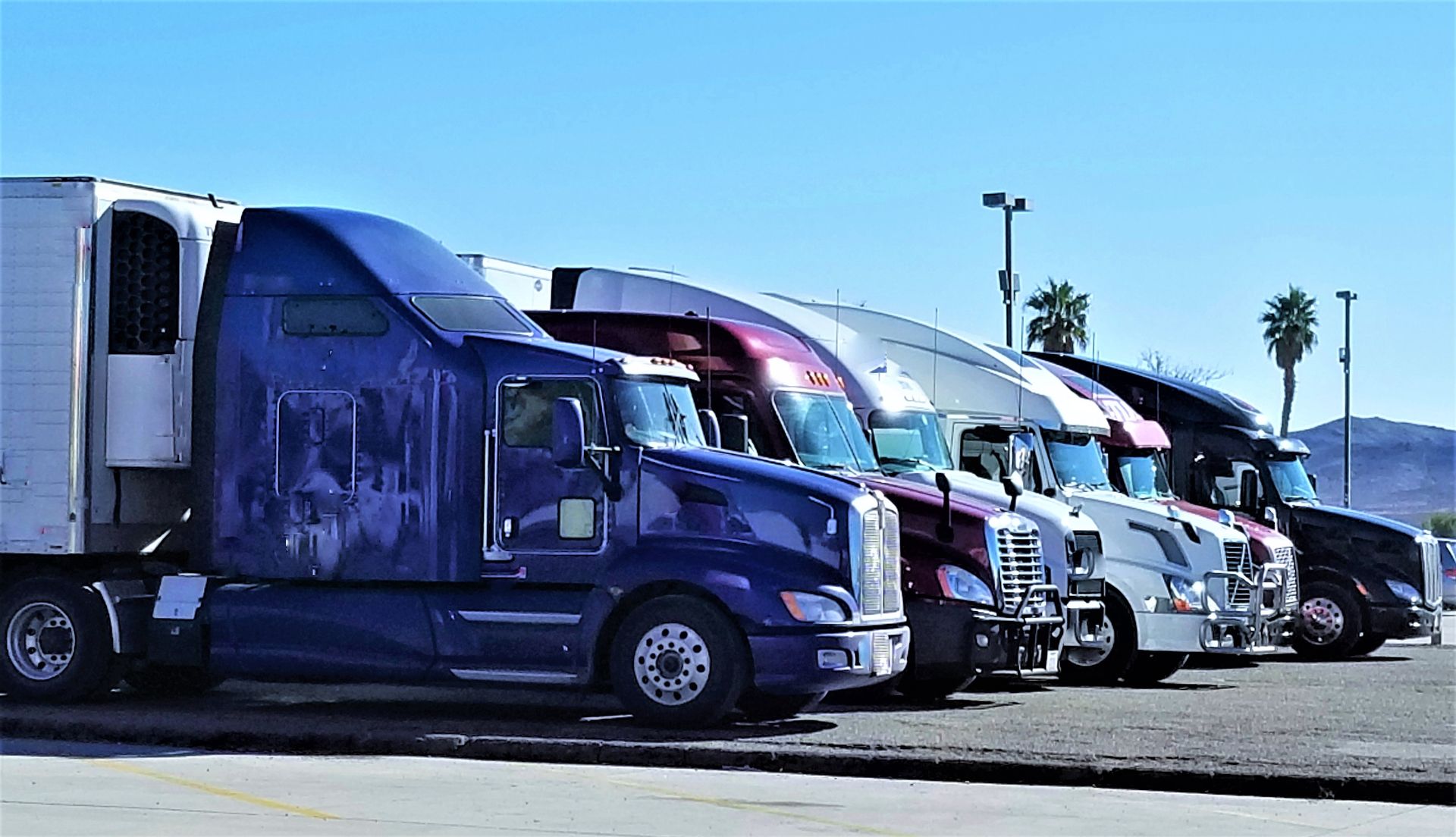
Commercial Auto & Trucking
Protection for your fleet including box trucks, moving vans, and trailers. Covers liability, collision, physical damage, and hired or non-owned vehicles used in your operations.
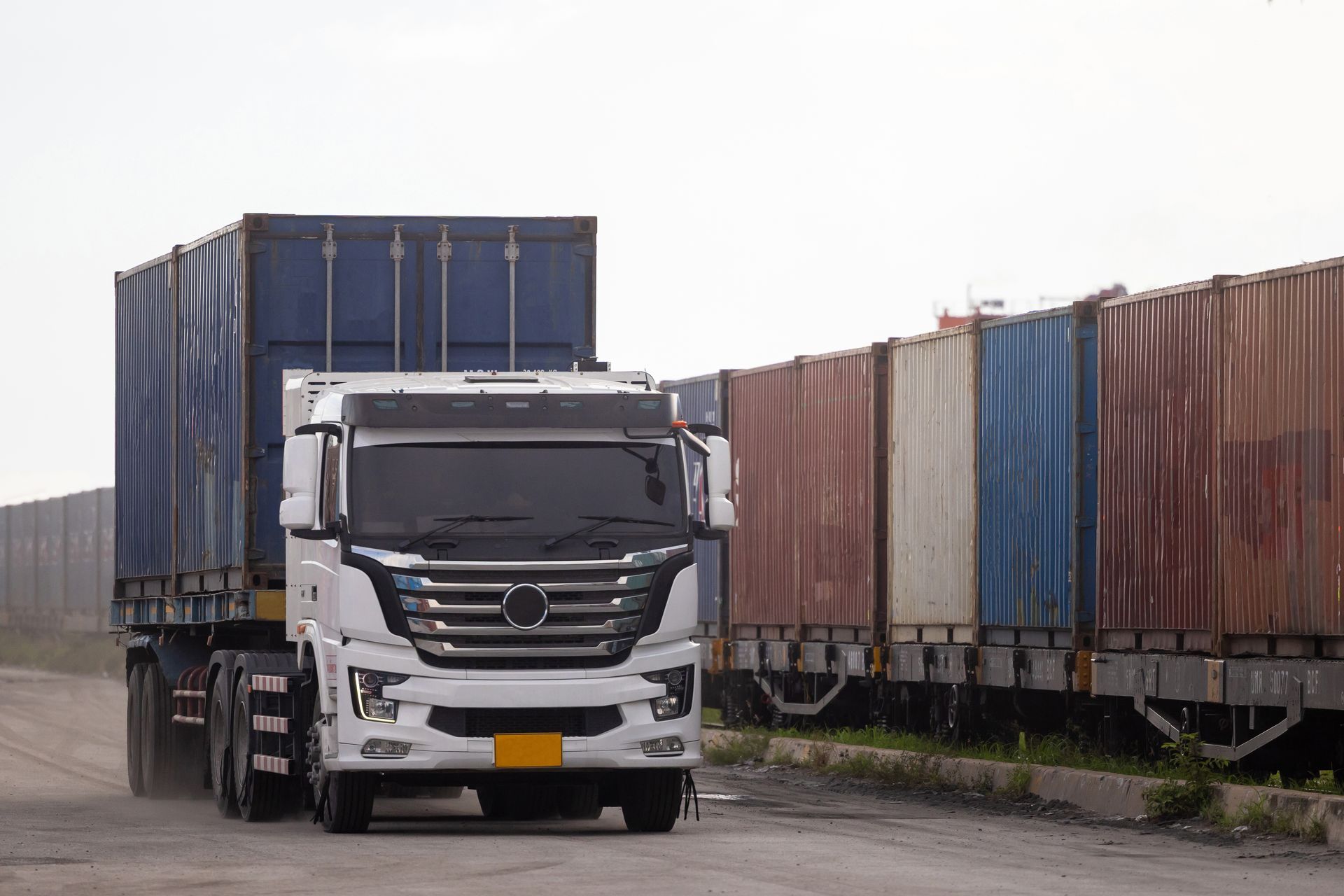
Motor Truck Cargo
Covers household goods and freight during transport from pickup to delivery. Protects against damage, theft, mysterious disappearance, and weather-related losses while cargo is in your care.

General Liability
Protection from third-party claims for bodily injury and property damage at customer homes, job sites, and your own facility. Essential coverage for every transportation operation

Warehouse Legal Liability
Coverage for customer property while stored in your facility. Protects against damage, theft, fire, and water damage to goods in your care, custody, or control.

Workers' Compensation
Medical care and wage replacement for employees injured on the job. Required in most states for transportation and warehouse work where physical labor creates higher injury risk.

Umbrella & Excess Liability
Higher liability limits stacked on top of your primary policies. Helps meet large contract requirements and protects your business assets against major claims and lawsuits.
Specialized Knowledge
Industries We Protect
Focused coverage for transportation and logistics businesses

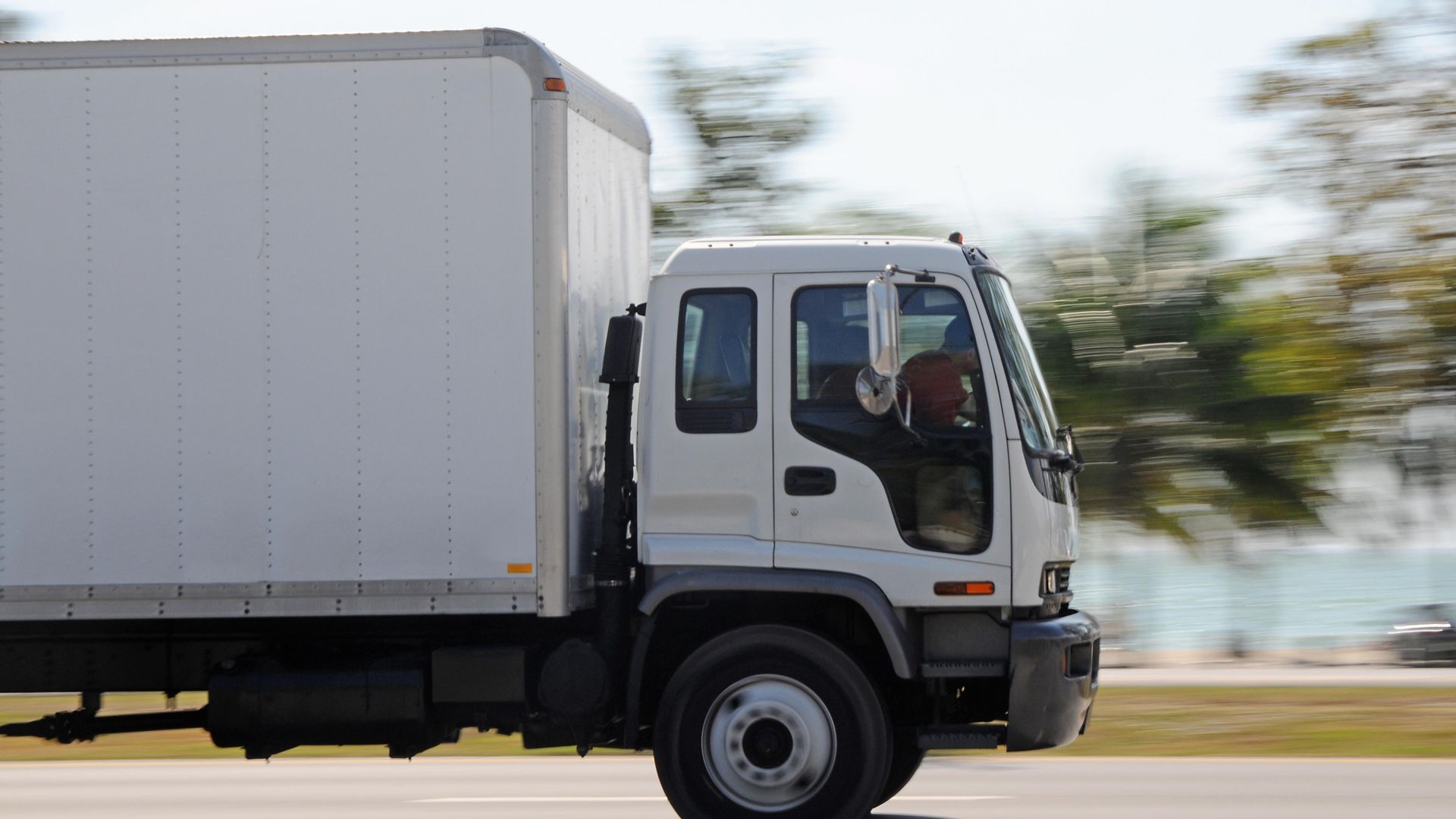

Simple and Clear
How Our Process Works
Our process to get you covered
Connect With Us
Reach out through our form or by phone to share your business needs and current coverage situation.
Get Coverage Options
We review your risks, compare carriers, and present clear quotes with plain-language explanations.
Stay Protected
You choose your plan, and we provide ongoing support for certificates, claims, and renewals.
Trusted by Businesses
Feedback That Reflects Service and Reliability
What our clients say about working with Champion Risk
Answers You Need
Frequently Asked Questions
Common questions about transportation and logistics insurance




What insurance does a transportation company need to operate legally?
Motor carriers that cross state lines must meet FMCSA requirements. You need a minimum of $750,000 in liability coverage, plus a BMC-91 filing that proves your insurance to the federal government. Cargo coverage is also required, with minimums that depend on the type of goods you transport.
Intrastate operators follow state-specific rules. California, Texas, and Florida each have different requirements. Champion Risk handles both federal and state filings. We make sure your coverage meets legal minimums and your certificates reach the right agencies.
How much does commercial transportation insurance cost?
Premiums depend on your fleet size, driving records, cargo values, and claims history. A small operation with two trucks might pay $8,000 to $15,000 per year. A larger carrier with ten trucks could pay $50,000 to $100,000 or more.
The best way to control costs is working with a broker who knows transportation insurance. We find carriers that specialize in your exact operation type. This often results in better rates than going direct or using a general agent who doesn't understand the industry.
What is a BMC-91 filing and why do I need one?
A BMC-91 is a form your insurance company files with the FMCSA. It proves you carry the required liability coverage to operate as a for-hire motor carrier. Without an active BMC-91, your operating authority can be revoked.
Champion Risk works with carriers who file electronically. Your BMC-91 typically posts within 24 to 48 hours of binding coverage. We monitor your filing status and alert you if anything needs attention.
Does my warehouse or storage facility need different insurance than a trucking operation?
Yes. Storage facilities need warehouse legal liability coverage. This protects you when customer property is damaged or stolen while in your care. Standard general liability policies exclude this exposure.
You may also need property coverage for your building, equipment breakdown protection, and business income coverage if a fire or disaster shuts down operations. Champion Risk builds storage facility programs that address all these risks in one package.
Can you insure last-mile delivery drivers who use their own vehicles?
Yes. We offer hired and non-owned auto coverage for delivery operations that use independent contractors or employees driving personal vehicles. This fills gaps that personal auto policies don't cover during commercial use.
We also provide occupational accident coverage for 1099 drivers who aren't eligible for workers' comp. This protects your drivers and limits your liability exposure when accidents happen.
How fast can I get proof of insurance for a new contract?
Same day in most cases. Once we bind your policy, we issue certificates of insurance within hours. If your contract requires specific additional insured language or special endorsements, we coordinate directly with the carrier.
Rush requests happen often in this industry. General contractors and corporate clients demand certificates before they let you on site. Champion Risk prioritizes fast turnaround because we know your revenue depends on it.

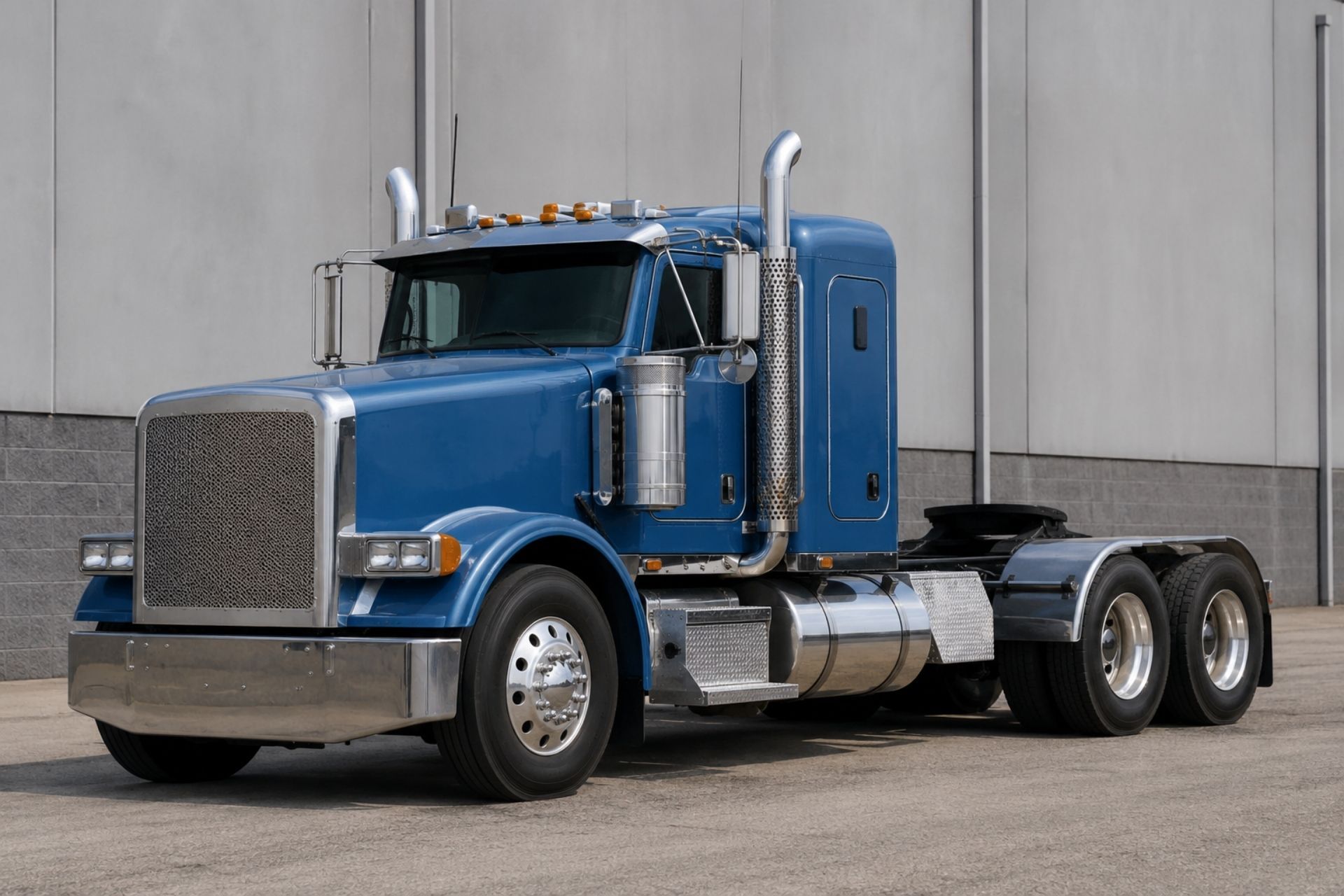

Answers You Need
Transportation & Logistics Insurance Resources
Articles designed to inform and support your business
Contact Us
Phone Number:
Email Address:
Location:
12264 El Camino Real, Suite 350
San Diego, CA 92130
Hours:
Monday – Friday: 8:00 AM – 6:00 PM PT