
Running a moving and storage company in Akron means protecting your business from risks that can appear without warning. A single damaged antique, an injured worker, or a fender-bender involving your box truck can spiral into thousands of dollars in liability. The right insurance coverage acts as your financial safety net, but understanding what you actually need versus what agents try to sell you requires some industry knowledge.
Akron's position in Summit County creates unique considerations for moving companies. You're dealing with Ohio's PUCO regulations, local traffic patterns around major highways, and the seasonal demands of a region where people move most frequently between May and September. After working with dozens of moving operations across Northeast Ohio, one pattern emerges consistently: companies that treat insurance as a strategic investment rather than a grudging expense tend to survive their first major claim intact. Those who cut corners often don't get a second chance.
The coverage landscape for moving and storage operations involves several interconnected policies, each addressing specific exposures. Getting this wrong can leave gaps that only become apparent when you're filing a claim. This guide breaks down what Akron moving companies actually need, what Ohio requires, and how to avoid overpaying for protection you'll never use.
Essential Insurance Coverage for Akron Moving Companies
Your insurance portfolio needs to address three primary risk categories: liability to others, damage to customer property, and protection for your own assets. Missing any of these creates vulnerabilities that can threaten your entire operation.
General Liability and Property Damage
General liability forms the foundation of any commercial insurance program. This coverage responds when your crew accidentally damages a customer's hardwood floors, when a dolly rolls into a parked car, or when a visitor trips over moving blankets at your warehouse. Standard policies provide protection for bodily injury and property damage claims arising from your operations.
Most Akron moving companies need at least $1 million per occurrence in general liability coverage, with some commercial clients requiring $2 million or more before they'll contract with you. According to The Hartford, a Business Owner's Policy combining general liability with commercial property and business income coverage runs approximately $1,687 annually. That bundle often makes more financial sense than purchasing policies separately.
Cargo and Inland Marine Insurance
This is where moving companies face their most frequent claims. Cargo insurance protects the belongings you're transporting, while inland marine coverage extends protection to items in transit that don't fit neatly into standard property policies. Wagner Insurance Agency notes that cargo and warehouse legal liability coverages provide comprehensive protection for these exposures.
Standard valuation coverage that movers provide at no charge typically offers around $0.60 per pound per article, according to Summit Moving. That means a 50-pound flat-screen TV worth $2,000 would only be covered for $30. Adequate cargo insurance fills this gap and protects your business when high-value items get damaged.
Warehouse Legal Liability for Storage Facilities
If you operate storage facilities alongside your moving services, warehouse legal liability becomes essential. This coverage protects against claims when stored property gets damaged, stolen, or destroyed while in your care. Standard property policies don't cover customer belongings you're warehousing.
Ohio law specifically addresses this exposure.
Ohio.govenables self-storage operators to offer over-the-counter insurance to tenants, creating additional revenue opportunities while ensuring customers have protection options.


By: Mark Raby
Chief Executive Officer at Champion Risk & Insurance Services
Ohio State Insurance Requirements and Regulations
Operating in Ohio means complying with state-specific requirements that differ from neighboring states. Getting this wrong can result in fines, license suspension, or worse.
PUCO Compliance and Licensing
The Public Utilities Commission of Ohio regulates intrastate moving companies, and their requirements are non-negotiable. According to Ohio.gov's Motor Carrier Safety Guidebook, intrastate and interstate motor carriers must maintain prescribed levels of bodily injury, cargo, and property damage liability insurance.
MOD24 points out that movers must also create a tariff outlining rates and charges. This documentation requirement ties directly to your insurance coverage, as your tariff should reflect the valuation options you offer customers.
Champion Risk works extensively with moving companies navigating PUCO requirements, helping ensure coverage meets state minimums while addressing the specific risks each operation faces.
Workers' Compensation in Summit County
Ohio operates a state-fund workers' compensation system through the Bureau of Workers' Compensation. Moving companies face elevated rates due to the physical nature of the work, with frequent lifting, awkward positions, and potential for back injuries. Insureon.com reports that workers' compensation for moving companies averages $755 monthly, or about $9,058 annually.
Summit County employers must maintain coverage for all employees, with limited exceptions for sole proprietors and certain family members. The penalties for operating without coverage include criminal charges and personal liability for any workplace injuries.
Factors Influencing Insurance Costs in Akron
Understanding what drives your premiums helps you make strategic decisions that control costs without sacrificing necessary protection.
Fleet Size and Vehicle Safety Records
Commercial auto insurance represents one of the largest expenses for moving companies.
TechInsurance.com reports that Ohio moving companies pay an average of $876 monthly for commercial auto coverage. That figure varies dramatically based on several factors:
| Factor | Lower Premium Impact | Higher Premium Impact |
|---|---|---|
| Fleet size | 1-3 vehicles | 10+ vehicles |
| Driver age | 25+ with experience | Under 25 or new hires |
| Vehicle age | Newer trucks with safety features | Older vehicles |
| Driving records | Clean MVRs | Accidents or violations |
| Annual mileage | Local moves only | Long-distance operations |
Installing GPS tracking, dash cameras, and maintaining strict hiring standards for drivers can reduce premiums by 10-15% with many carriers.
Claims History and Risk Management Protocols
Your loss history follows you. Companies with frequent claims, even small ones, face significantly higher renewal premiums. Some carriers won't write new business for operations with more than two claims in three years.
[Horton Group](no URL available) emphasizes that operational discipline, risk intelligence, diversification, and workforce strategy separate market leaders in the moving and storage industry. This applies directly to insurance outcomes. Companies that document their safety procedures, train employees consistently, and address small problems before they become claims maintain better loss ratios and lower premiums.

Protecting Assets with Commercial Auto and Physical Damage
Your trucks represent significant capital investment, and protecting them requires layered coverage. Commercial auto liability covers damage you cause to others, but physical damage coverage protects your own vehicles.
Collision coverage pays for damage when your truck hits another vehicle or object. Comprehensive coverage handles theft, vandalism, weather damage, and other non-collision losses. For newer vehicles, both coverages make financial sense. For older trucks with lower values, dropping comprehensive or increasing deductibles can reduce premiums without creating unacceptable risk.
Champion Risk often recommends reviewing physical damage coverage annually as vehicles depreciate. The coverage that made sense when you bought a $65,000 truck may not be cost-effective when that same truck is worth $25,000.
Choosing the Right Insurance Provider for Your Moving Business
The carrier and agency you select matter as much as the coverage itself. Claims handling, industry expertise, and pricing stability vary significantly across providers.
Comparing Local Akron Agencies vs. National Carriers
Local agencies offer relationship-based service and often understand regional nuances better than national call centers. They can advocate for you during claims and may have flexibility in underwriting borderline risks. National carriers typically offer broader coverage options, stronger financial ratings, and sometimes lower premiums through economies of scale.
[Alliant Insurance](no URL available) notes that moving and storage needs vary widely by each operation's unique risks, and a brokerage with industry-specific expertise proves highly beneficial for securing optimal, right-sized coverage.
Understanding Deductibles and Policy Limits
Higher deductibles reduce premiums but increase your out-of-pocket costs when claims occur. A $2,500 deductible versus a $1,000 deductible might save $400 annually on premiums, but you'll pay $1,500 more for every claim. If you typically have one claim per year, that trade-off loses money.
Policy limits should reflect your actual exposure. Carrying $500,000 in cargo coverage when you regularly transport $2 million estates creates dangerous gaps. Carrying $2 million when you only handle local apartment moves wastes premium dollars.
Frequently Asked Questions
How much does moving company insurance cost in Ohio? Expect to pay roughly $876 monthly for commercial auto and $755 monthly for workers' compensation, with general liability and other coverages adding to total costs.
What insurance does PUCO require for Ohio movers? PUCO mandates bodily injury liability, property damage liability, and cargo insurance at prescribed minimum levels for regulated carriers.
Does basic valuation coverage protect my customers adequately? No. Standard $0.60 per pound coverage dramatically undervalues most household items. Encourage customers to purchase additional protection.
Can I reduce my premiums without dropping coverage? Yes. Improving driver hiring standards, installing safety equipment, maintaining clean claims history, and adjusting deductibles all impact premiums.
How often should I review my moving company insurance? Annually at minimum, and whenever you add vehicles, expand services, or enter new markets.
Making the Right Coverage Decisions
Getting insurance right for your Akron moving and storage operation requires balancing regulatory compliance, adequate protection, and cost management. The companies that thrive long-term treat insurance as a strategic tool rather than a necessary evil.
Start by ensuring you meet Ohio's PUCO requirements and workers' compensation obligations. Build from there with cargo coverage that matches the value of what you transport and liability limits that protect against realistic worst-case scenarios. Work with a broker who understands the moving industry's specific risks rather than treating you like a generic trucking operation.
Champion Risk specializes in helping moving and storage companies build insurance programs that address their actual exposures without paying for coverage they don't need. Reach out for a coverage review that examines your current policies against your real-world risks.
About the Author:
Mark Raby
I am a seasoned insurance professional with over 30 years of experience in the industry. I lead Champion Risk & Insurance Services, a San Diego-based brokerage with nationwide reach and strong influence in the insurance marketplace. My core competencies include insurance agency M&A deals, captives and alternative risk structures, and commercial property and casualty insurance for clients in the transportation and logistics industries. I am a former president of IIAB San Diego and hold a Bachelor of Science in Finance from Western Michigan University’s Haworth College of Business.
Protection for Transportation Operations
Business Insurance for Transportation & Logistics Companies
Coverage designed specifically for transportation businesses
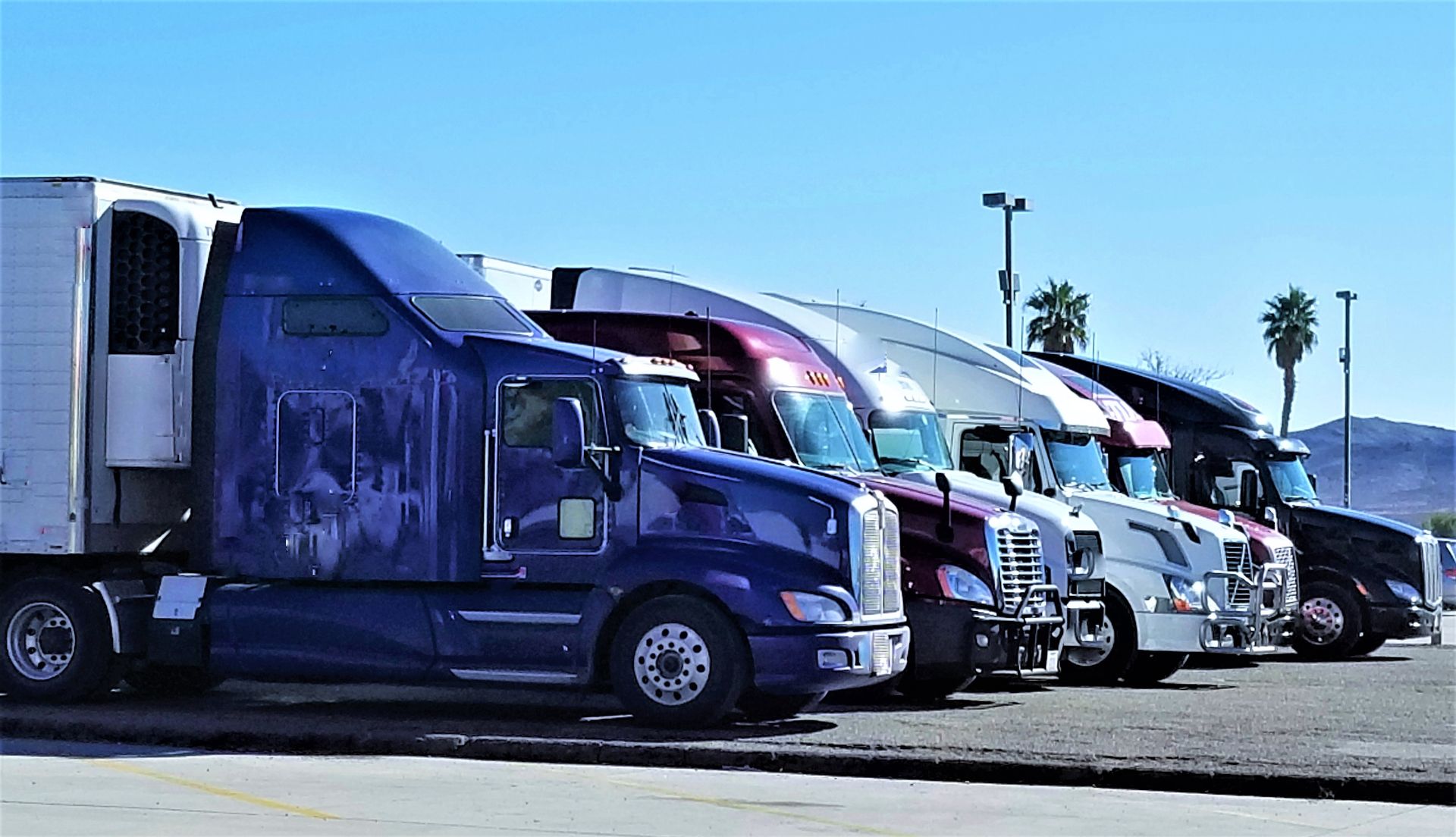
Commercial Auto & Trucking
Protection for your fleet including box trucks, moving vans, and trailers. Covers liability, collision, physical damage, and hired or non-owned vehicles used in your operations.
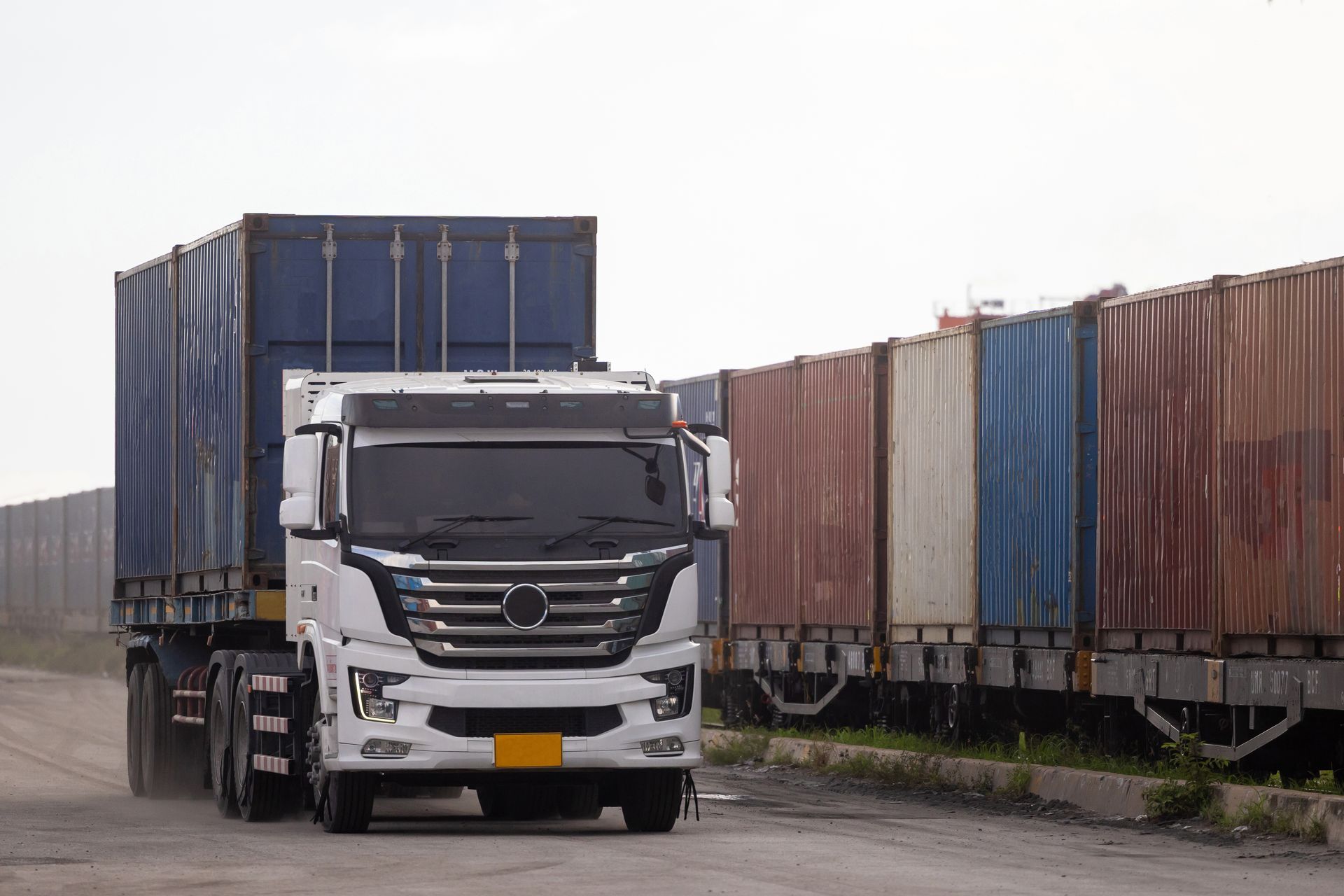
Motor Truck Cargo
Covers household goods and freight during transport from pickup to delivery. Protects against damage, theft, mysterious disappearance, and weather-related losses while cargo is in your care.

General Liability
Protection from third-party claims for bodily injury and property damage at customer homes, job sites, and your own facility. Essential coverage for every transportation operation

Warehouse Legal Liability
Coverage for customer property while stored in your facility. Protects against damage, theft, fire, and water damage to goods in your care, custody, or control.

Workers' Compensation
Medical care and wage replacement for employees injured on the job. Required in most states for transportation and warehouse work where physical labor creates higher injury risk.

Umbrella & Excess Liability
Higher liability limits stacked on top of your primary policies. Helps meet large contract requirements and protects your business assets against major claims and lawsuits.
Specialized Knowledge
Industries We Protect
Focused coverage for transportation and logistics businesses


Simple and Clear
How Our Process Works
Our process to get you covered
Connect With Us
Reach out through our form or by phone to share your business needs and current coverage situation.
Get Coverage Options
We review your risks, compare carriers, and present clear quotes with plain-language explanations.
Stay Protected
You choose your plan, and we provide ongoing support for certificates, claims, and renewals.
Trusted by Businesses
Feedback That Reflects Service and Reliability
What our clients say about working with Champion Risk
Answers You Need
Frequently Asked Questions
Common questions about transportation and logistics insurance




What insurance does a transportation company need to operate legally?
Motor carriers that cross state lines must meet FMCSA requirements. You need a minimum of $750,000 in liability coverage, plus a BMC-91 filing that proves your insurance to the federal government. Cargo coverage is also required, with minimums that depend on the type of goods you transport.
Intrastate operators follow state-specific rules. California, Texas, and Florida each have different requirements. Champion Risk handles both federal and state filings. We make sure your coverage meets legal minimums and your certificates reach the right agencies.
How much does commercial transportation insurance cost?
Premiums depend on your fleet size, driving records, cargo values, and claims history. A small operation with two trucks might pay $8,000 to $15,000 per year. A larger carrier with ten trucks could pay $50,000 to $100,000 or more.
The best way to control costs is working with a broker who knows transportation insurance. We find carriers that specialize in your exact operation type. This often results in better rates than going direct or using a general agent who doesn't understand the industry.
What is a BMC-91 filing and why do I need one?
A BMC-91 is a form your insurance company files with the FMCSA. It proves you carry the required liability coverage to operate as a for-hire motor carrier. Without an active BMC-91, your operating authority can be revoked.
Champion Risk works with carriers who file electronically. Your BMC-91 typically posts within 24 to 48 hours of binding coverage. We monitor your filing status and alert you if anything needs attention.
Does my warehouse or storage facility need different insurance than a trucking operation?
Yes. Storage facilities need warehouse legal liability coverage. This protects you when customer property is damaged or stolen while in your care. Standard general liability policies exclude this exposure.
You may also need property coverage for your building, equipment breakdown protection, and business income coverage if a fire or disaster shuts down operations. Champion Risk builds storage facility programs that address all these risks in one package.
Can you insure last-mile delivery drivers who use their own vehicles?
Yes. We offer hired and non-owned auto coverage for delivery operations that use independent contractors or employees driving personal vehicles. This fills gaps that personal auto policies don't cover during commercial use.
We also provide occupational accident coverage for 1099 drivers who aren't eligible for workers' comp. This protects your drivers and limits your liability exposure when accidents happen.
How fast can I get proof of insurance for a new contract?
Same day in most cases. Once we bind your policy, we issue certificates of insurance within hours. If your contract requires specific additional insured language or special endorsements, we coordinate directly with the carrier.
Rush requests happen often in this industry. General contractors and corporate clients demand certificates before they let you on site. Champion Risk prioritizes fast turnaround because we know your revenue depends on it.

Answers You Need
Transportation & Logistics Insurance Resources
Articles designed to inform and support your business
Contact Us
Phone Number:
Email Address:
Location:
12264 El Camino Real, Suite 350
San Diego, CA 92130
Hours:
Monday – Friday: 8:00 AM – 6:00 PM PT