
A single truck fire on I-95 last month destroyed $2.3 million in pharmaceutical shipments. The carrier's liability coverage paid out $47,000, the maximum under their standard policy. The shipper absorbed the rest because they assumed their freight forwarder's insurance covered the full value. This scenario plays out hundreds of times yearly across the transportation industry, and it's almost always preventable.
Cargo insurance for transportation and logistics companies isn't just another line item on your operating budget. It's the difference between a manageable claim and a business-ending loss. The U.S. cargo insurance market is projected to reach $19.43 billion by 2032, reflecting how seriously the industry now takes freight protection. Yet many carriers and shippers still operate with dangerous coverage gaps, often without realizing it.
Understanding what cargo coverage actually protects, what it costs, and what regulations require isn't optional knowledge anymore. Whether you're a regional trucking company, a freight forwarder managing international shipments, or a shipper contracting with multiple carriers, the right insurance structure protects everyone in the supply chain.
The Role of Cargo Insurance in Modern Logistics
Freight moves faster and in higher volumes than ever before. A single delayed or damaged shipment can cascade into production shutdowns, missed retail deadlines, and damaged customer relationships. Cargo insurance exists specifically to transfer that financial risk away from the parties handling goods.
Differentiating Cargo Insurance from Carrier Liability
Here's where confusion costs companies millions: carrier liability and cargo insurance are not the same thing. As UTB Logistics explains, "Carrier's liability insurance covers the carrier's civil liability only if the carrier is at fault, whereas cargo insurance directly protects the value of the goods."
Carrier liability kicks in when the carrier causes damage through negligence. If a driver falls asleep and rolls the trailer, liability coverage applies. But if cargo spoils because a refrigeration unit fails due to a manufacturer defect, or thieves steal a shipment from a secured lot, carrier liability often provides nothing. Cargo insurance fills those gaps.
Risk Mitigation for Freight Forwarders and Carriers
Freight forwarders face unique exposure because they coordinate shipments without physically handling goods. When something goes wrong mid-transit, shippers often look to forwarders first for compensation. Having proper cargo coverage protects forwarders from claims that could otherwise drain operating capital.
For carriers, adequate insurance builds trust with shippers and brokers. Champion Risk works with many trucking companies who've won contracts specifically because they carry coverage limits above industry minimums. The investment in better protection often pays for itself through access to premium freight.

By: Mark Raby
Chief Executive Officer at Champion Risk & Insurance Services
Not all cargo policies work the same way. The coverage you need depends on what you're hauling, where it's going, and how much risk you're willing to retain.
All-Risk vs. Named Perils Coverage
All-risk policies cover any loss or damage unless specifically excluded. Named perils policies only cover events explicitly listed: theft, fire, collision, and so on. All-risk costs more but eliminates arguments about whether a particular incident qualifies for coverage.
Most experienced logistics professionals recommend all-risk coverage despite the higher premium. Named perils policies create claim disputes when unusual situations arise. Water damage from an unexpected flood, cargo shifting during emergency braking, contamination from a nearby shipment: these grey areas get denied under named perils but paid under all-risk.
Specialized Endorsements for Perishables and High-Value Goods
Standard cargo insurance typically covers $100,000 per shipment. That's inadequate for pharmaceutical loads, electronics, fine art, or temperature-sensitive goods.
Perishable endorsements add coverage for spoilage from refrigeration breakdown. High-value endorsements increase per-shipment limits. Theft endorsements strengthen coverage for goods frequently targeted by organized cargo theft rings. Each endorsement adds cost, but matching coverage to actual cargo value prevents catastrophic gaps.
Motor Truck Cargo Insurance for Domestic Carriers
Motor truck cargo insurancespecifically covers goods while in transit on trucks. It's the most common coverage type for domestic carriers and typically includes loading and unloading periods.
| Coverage Type | What's Protected | Best For |
|---|---|---|
| Motor Truck Cargo | Goods on your trucks | Domestic carriers |
| Freight Forwarder Liability | Goods you arrange transport for | Brokers and 3PLs |
| Shipper's Interest | Your own goods in transit | Manufacturers and distributors |
| Warehouse Legal Liability | Goods in your storage facilities | Warehousing operations |
Key Factors Influencing Cargo Insurance Costs
Premiums vary dramatically based on risk factors insurers can actually measure. Understanding what drives costs helps you shop smarter and potentially reduce rates.
Commodity Classification and Risk Profiles
What you haul matters more than almost any other factor. Electronics, alcohol, and pharmaceuticals attract higher premiums because they're theft targets. Hazardous materials require specialized coverage with additional exclusions. Commodity classification determines your base rate before other factors apply.
Cargo insurance costs typically range from 0.3% to 1% of the insured value. A $500,000 shipment of standard consumer goods might cost $1,500 to insure. The same value in prescription medications could run $5,000 or more.
Impact of Shipping Routes and Transit Modes
Cross-border shipments cost more to insure than domestic moves. Routes through high-theft corridors increase premiums. Ocean transit adds marine perils that ground transportation doesn't face. Multimodal shipments touching trucks, rail, and vessels require broader coverage.
In 2024, trucking insurance costs jumped about 3%, averaging over $10 per mile. These increases reflect broader market conditions, including rising cargo theft and more severe weather events disrupting supply chains.
Loss History and Deductible Structures
Your claims history directly impacts renewal rates. Companies with frequent claims pay significantly more than those with clean records. Some insurers won't cover carriers with poor loss histories at any price.
Deductible choices create trade-offs. Higher deductibles lower premiums but increase out-of-pocket costs when claims occur. Champion Risk often helps clients analyze their loss patterns to find the deductible sweet spot: high enough to reduce premiums meaningfully, low enough that claims remain manageable.

Legal and Contractual Insurance Requirements
Minimum coverage requirements come from both regulators and business partners. Meeting legal minimums isn't enough if your contracts demand more.
FMCSA Regulations and Minimum Coverage Limits
The Federal Motor Carrier Safety Administration requires for-hire carriers to maintain minimum insurance levels. These minimums vary by cargo type: household goods carriers face different requirements than hazmat haulers.
That said, FMCSA minimums represent floors, not recommendations. A carrier meeting only minimum requirements may struggle to attract quality freight. Shippers increasingly demand coverage well above regulatory minimums before tendering loads.
Shipper-Carrier Contracts and Insurance Certificates
Shipper contracts typically specify required coverage types, limits, and certificate requirements. Many shippers require certificates of insurance naming them as additional insureds. Missing or inadequate certificates can disqualify carriers from load boards and broker networks.
Contract language matters enormously. Some agreements require carriers to insure at full invoice value rather than declared value. Others impose notice requirements if coverage lapses. Review insurance provisions carefully before signing any transportation contract.
Best Practices for Claims Management and Documentation
Having coverage means nothing if claims get denied. Proper documentation and immediate response dramatically improve claim outcomes.
Immediate Steps Following Freight Damage or Loss
Time kills claims. Photograph damage immediately upon discovery. Preserve packaging materials and any evidence of how damage occurred. Notify your insurer within 24 hours: most policies require prompt notice.
Never dispose of damaged goods without insurer approval. Insurers often want to inspect damaged cargo or arrange salvage. Disposing of evidence can void coverage entirely, even for legitimate claims.
Essential Documentation for Successful Payouts
Successful claims require proof of value, proof of condition at origin, and proof of damage at destination. Keep these documents for every shipment:
- Commercial invoices showing cargo value
- Bills of lading with condition notations
- Photographs at origin and destination
- Temperature logs for refrigerated freight
- Delivery receipts with damage noted
- Written statements from drivers and receivers
Champion Risk advises clients to treat documentation as insurance itself. The few minutes spent photographing and noting conditions prevents weeks of claim disputes later.
Frequently Asked Questions
How much cargo insurance do I actually need? Coverage should match the maximum value of freight you haul. If your highest-value load is $250,000, insuring for $100,000 creates a $150,000 gap you'd pay out of pocket.
Does my carrier's insurance protect my goods? Only if the carrier caused the damage through negligence. Shipper's interest insurance protects your goods regardless of fault.
What's the typical deductible for cargo claims? Deductibles range from $1,000 to $25,000 depending on policy type and premium level. Higher deductibles reduce premiums but increase your cost when claims occur.
Are theft claims always covered? Standard policies cover theft but may exclude certain scenarios like mysterious disappearance or employee dishonesty. Read exclusions carefully.
How quickly must I report a cargo claim? Most policies require notice within 24 to 72 hours of discovering damage. Delayed reporting can reduce or eliminate payouts.
Making the Right Coverage Decision
The global cargo insurance market is projected to reach $101.43 billion by 2032, growing at 4.8% annually. This growth reflects an industry-wide recognition that proper cargo protection isn't optional.
Your coverage requirements depend on what you haul, where you operate, and what contracts you pursue. Start by auditing your current policies against actual cargo values. Identify gaps between what you're insured for and what you're actually moving. Then work with a specialist who understands transportation risks to build coverage that actually protects your operation.
About the Author:
Mark Raby
I am a seasoned insurance professional with over 30 years of experience in the industry. I lead Champion Risk & Insurance Services, a San Diego-based brokerage with nationwide reach and strong influence in the insurance marketplace. My core competencies include insurance agency M&A deals, captives and alternative risk structures, and commercial property and casualty insurance for clients in the transportation and logistics industries. I am a former president of IIAB San Diego and hold a Bachelor of Science in Finance from Western Michigan University’s Haworth College of Business.
Protection for Transportation Operations
Business Insurance for Transportation & Logistics Companies
Coverage designed specifically for transportation businesses
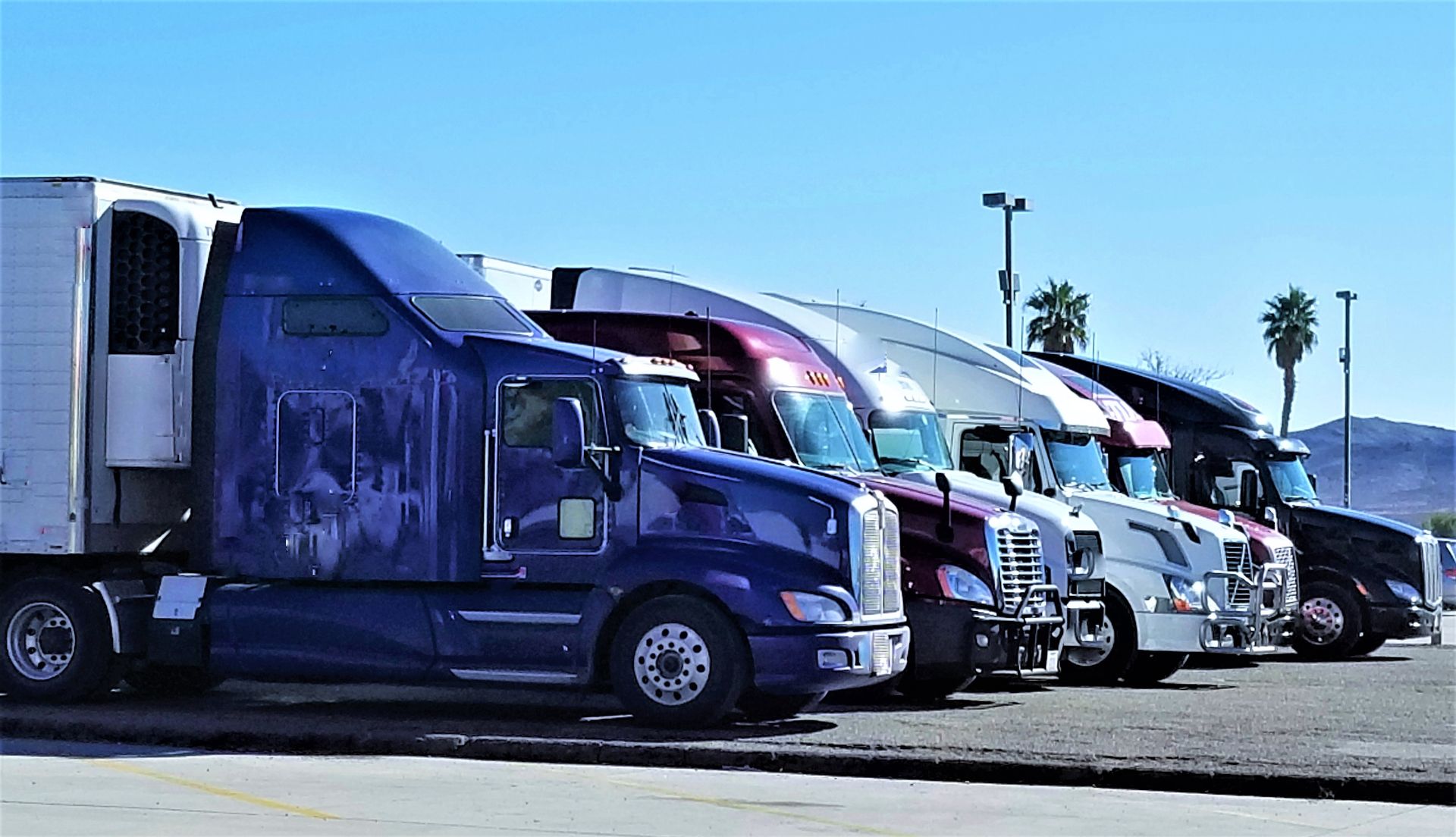
Commercial Auto & Trucking
Protection for your fleet including box trucks, moving vans, and trailers. Covers liability, collision, physical damage, and hired or non-owned vehicles used in your operations.
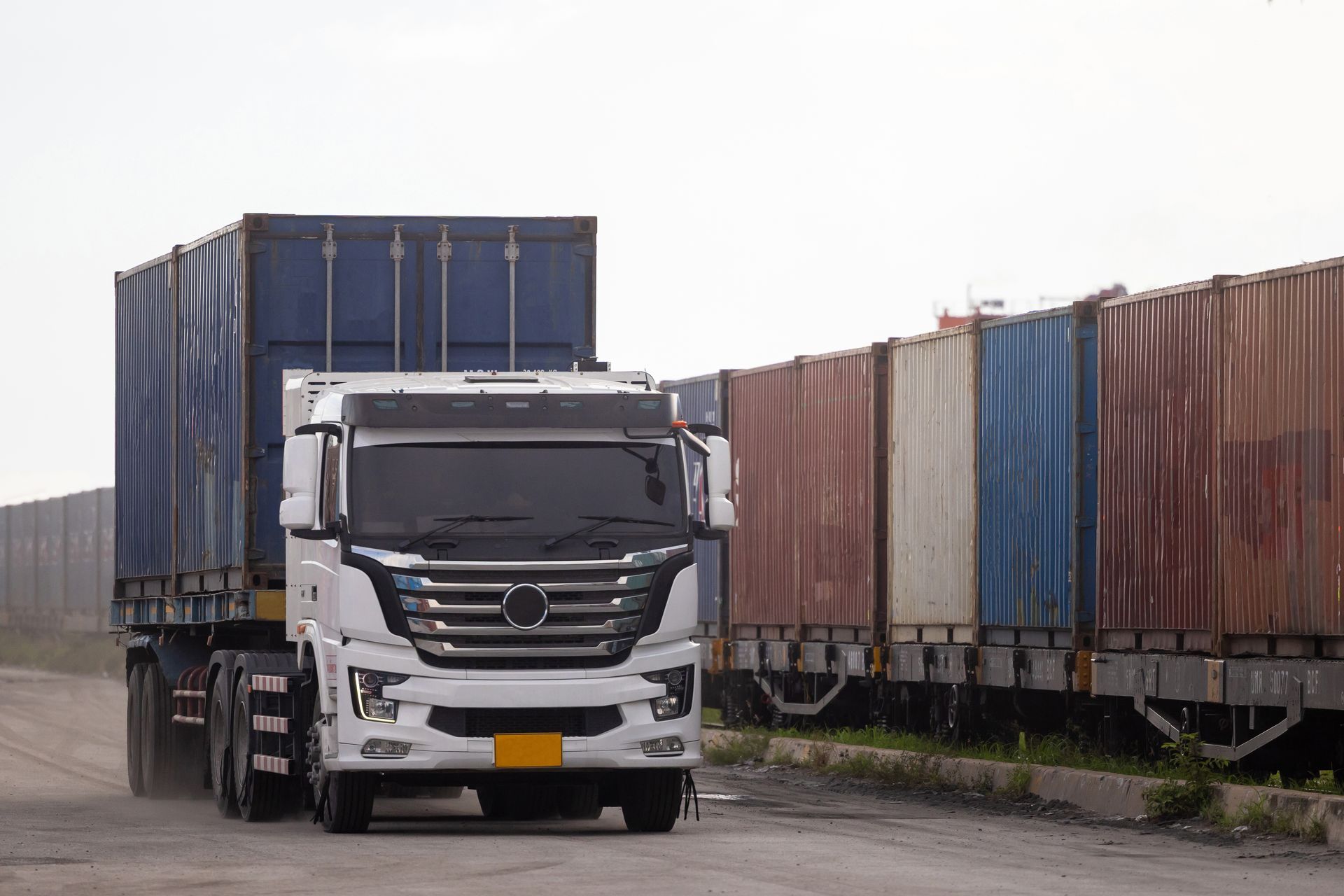
Motor Truck Cargo
Covers household goods and freight during transport from pickup to delivery. Protects against damage, theft, mysterious disappearance, and weather-related losses while cargo is in your care.

General Liability
Protection from third-party claims for bodily injury and property damage at customer homes, job sites, and your own facility. Essential coverage for every transportation operation

Warehouse Legal Liability
Coverage for customer property while stored in your facility. Protects against damage, theft, fire, and water damage to goods in your care, custody, or control.

Workers' Compensation
Medical care and wage replacement for employees injured on the job. Required in most states for transportation and warehouse work where physical labor creates higher injury risk.

Umbrella & Excess Liability
Higher liability limits stacked on top of your primary policies. Helps meet large contract requirements and protects your business assets against major claims and lawsuits.
Specialized Knowledge
Industries We Protect
Focused coverage for transportation and logistics businesses


Simple and Clear
How Our Process Works
Our process to get you covered
Connect With Us
Reach out through our form or by phone to share your business needs and current coverage situation.
Get Coverage Options
We review your risks, compare carriers, and present clear quotes with plain-language explanations.
Stay Protected
You choose your plan, and we provide ongoing support for certificates, claims, and renewals.
Trusted by Businesses
Feedback That Reflects Service and Reliability
What our clients say about working with Champion Risk
Answers You Need
Frequently Asked Questions
Common questions about transportation and logistics insurance



What insurance does a transportation company need to operate legally?
Motor carriers that cross state lines must meet FMCSA requirements. You need a minimum of $750,000 in liability coverage, plus a BMC-91 filing that proves your insurance to the federal government. Cargo coverage is also required, with minimums that depend on the type of goods you transport.
Intrastate operators follow state-specific rules. California, Texas, and Florida each have different requirements. Champion Risk handles both federal and state filings. We make sure your coverage meets legal minimums and your certificates reach the right agencies.
How much does commercial transportation insurance cost?
Premiums depend on your fleet size, driving records, cargo values, and claims history. A small operation with two trucks might pay $8,000 to $15,000 per year. A larger carrier with ten trucks could pay $50,000 to $100,000 or more.
The best way to control costs is working with a broker who knows transportation insurance. We find carriers that specialize in your exact operation type. This often results in better rates than going direct or using a general agent who doesn't understand the industry.
What is a BMC-91 filing and why do I need one?
A BMC-91 is a form your insurance company files with the FMCSA. It proves you carry the required liability coverage to operate as a for-hire motor carrier. Without an active BMC-91, your operating authority can be revoked.
Champion Risk works with carriers who file electronically. Your BMC-91 typically posts within 24 to 48 hours of binding coverage. We monitor your filing status and alert you if anything needs attention.
Does my warehouse or storage facility need different insurance than a trucking operation?
Yes. Storage facilities need warehouse legal liability coverage. This protects you when customer property is damaged or stolen while in your care. Standard general liability policies exclude this exposure.
You may also need property coverage for your building, equipment breakdown protection, and business income coverage if a fire or disaster shuts down operations. Champion Risk builds storage facility programs that address all these risks in one package.
Can you insure last-mile delivery drivers who use their own vehicles?
Yes. We offer hired and non-owned auto coverage for delivery operations that use independent contractors or employees driving personal vehicles. This fills gaps that personal auto policies don't cover during commercial use.
We also provide occupational accident coverage for 1099 drivers who aren't eligible for workers' comp. This protects your drivers and limits your liability exposure when accidents happen.
How fast can I get proof of insurance for a new contract?
Same day in most cases. Once we bind your policy, we issue certificates of insurance within hours. If your contract requires specific additional insured language or special endorsements, we coordinate directly with the carrier.
Rush requests happen often in this industry. General contractors and corporate clients demand certificates before they let you on site. Champion Risk prioritizes fast turnaround because we know your revenue depends on it.

Answers You Need
Transportation & Logistics Insurance Resources
Articles designed to inform and support your business
Contact Us
Phone Number:
Email Address:
Location:
12264 El Camino Real, Suite 350
San Diego, CA 92130
Hours:
Monday – Friday: 8:00 AM – 6:00 PM PT