
Springfield, Illinois Transportation & Logistics Insurance
Or Call Us:
(800) 829-0807
Springfield sits at the crossroads of Illinois transportation, where I-55 and I-72 intersect and rail lines converge to move freight across the Midwest. Running a trucking operation or logistics company here means dealing with unique insurance challenges that carriers in other markets simply don't face. The combination of harsh winters, agricultural hauling seasons, and proximity to major distribution corridors creates a risk profile that demands specialized coverage.
Here's what most Springfield carriers discover the hard way: generic insurance policies written for national fleets rarely account for Central Illinois conditions. The state requires minimum Motor Truck Liability insurance of
$750,000 for general freight, but that's just the starting point. Hazmat haulers need $1 million, and passenger carriers with 16 or more seats face
$1.5 million requirements. Understanding these thresholds, along with the coverage options that protect your specific operation, separates successful carriers from those constantly fighting claims and compliance issues. Whether you're running a small courier service, managing warehouse distribution, or hauling grain during harvest season, the right insurance strategy protects both your assets and your ability to keep operating when things go wrong.
Overview of Springfield's Transportation and Logistics Landscape
Springfield's position as the state capital creates steady freight demand from government operations, healthcare facilities, and manufacturing. The city serves as a distribution hub connecting Chicago to St. Louis, with carriers regularly running routes that cross multiple jurisdictions. This geographic advantage comes with complexity: your trucks might start a day under Illinois Commerce Commission oversight and end it under Missouri DOT regulations.
The local market includes everything from single-truck owner-operators to mid-sized fleets serving agricultural cooperatives. Seasonal fluctuations hit hard here. Grain hauling peaks from September through November, creating surge demand for cargo coverage. Winter months bring ice-related accidents that spike liability claims. Transportation underwriters have expressed uneasiness over loss results in Illinois, particularly in Auto Physical Damage and Motor Truck Cargo classes.
Champion Risk works with Springfield carriers who understand these local patterns, helping them structure policies that account for seasonal risk variations rather than paying flat rates year-round. The Central Illinois market rewards carriers who document their safety practices and demonstrate understanding of regional conditions.


By: Mark Raby
Chief Executive Officer at Champion Risk & Insurance Services
Essential Insurance Coverages for Illinois Carriers
Commercial Auto and Truck Liability
Commercial auto liability forms the foundation of any trucking insurance program. This coverage pays for bodily injury and property damage when your driver causes an accident. Illinois minimum requirements start at $750,000, but most shippers and brokers require $1 million limits before they'll load your trucks.
Premium costs vary significantly based on your operation. Commercial truck insurance premiums in Illinois range from $11,000 to $16,000 per year, though the average local rate sits around $7,704. That spread reflects differences in fleet size, driver experience, and claims history. Long-haul operations crossing state lines typically pay more than local delivery fleets.
Physical damage coverage protects your trucks themselves. Comprehensive handles theft, weather damage, and vandalism. Collision covers accident repairs regardless of fault. Older equipment might not justify comprehensive coverage, but newer trucks absolutely need both.
Motor Truck Cargo and Inland Marine
Cargo insurance protects the freight you haul. Standard policies cover loss or damage during transit, but exclusions matter enormously. Refrigerated goods, livestock, and high-value electronics often require specialized endorsements.
Cargo theft remains a major concern, and insurers have responded by tightening underwriting guidelines, increasing deductibles, and requiring documented security protocols. If you're hauling loads worth more than $100,000, expect questions about GPS tracking, driver vetting, and overnight parking procedures.
Inland marine coverage extends protection to goods stored temporarily at warehouses or transfer points. This fills gaps that standard cargo policies miss when freight sits stationary between legs of a journey.
General Liability and Warehouse Legal Liability
General liability covers third-party injuries and property damage at your premises. If a visitor slips on your loading dock or a forklift damages a customer's vehicle in your yard, this policy responds.
Warehouse legal liability protects goods stored in your facility against damage from fire, theft, water, or employee negligence. Coverage limits should match the maximum value of inventory you hold at any time. Many logistics providers underestimate this exposure and discover the gap only after a warehouse fire or flooding event.
State and Federal Regulatory Requirements
Illinois Commerce Commission (ICC) Filings
The Illinois Commerce Commission regulates intrastate carriers operating solely within Illinois borders. Registration requirements include proof of insurance meeting state minimums, and your insurer must file Form E certificates directly with the ICC.
Policy cancellations trigger automatic notification to regulators, which can suspend your operating authority within 30 days. This makes maintaining continuous coverage essential: even brief lapses create compliance headaches that take weeks to resolve.
FMCSA Compliance and DOT Authority
Interstate carriers fall under Federal Motor Carrier Safety Administration oversight. DOT authority requires filing proof of insurance through the FMCSA registration system. Form MCS-90 endorsements guarantee that your liability policy meets federal requirements, even if other policy terms might otherwise limit coverage.
Unified Carrier Registration fees and IFTA fuel tax compliance add administrative burden, but insurance documentation remains the most common compliance failure. Working with an agent who understands FMCSA filing requirements, like those at Champion Risk, prevents registration delays that keep trucks parked.

Factors Influencing Insurance Costs in Central Illinois
Driver Safety Records and MVR Impacts
Driver motor vehicle records directly impact premium calculations. Insurers pull MVRs annually, and violations accumulate quickly. A single DUI can double your rates. Multiple speeding tickets push drivers into high-risk categories that some carriers refuse to cover at any price.
CSA scores matter too. Carriers with high violation rates face limited market options and premium surcharges. Implementing risk mitigation and safety practices is an effective cost reduction tactic, according to industry experts.
Equipment Age and Safety Technology Discounts
Newer trucks with collision avoidance systems, lane departure warnings, and automatic emergency braking qualify for meaningful discounts. Insurers recognize that technology prevents accidents, and they price accordingly.
Allowing insurance companies access to telematics can provide some relief and give them more flexibility on pricing. ELD data demonstrating consistent compliance, reasonable driving hours, and safe speed patterns supports lower premiums at renewal.
Older equipment without safety technology costs more to insure and may face coverage restrictions. Some underwriters decline trucks older than 10 years entirely.
Specialized Risks for Springfield Logistics Providers
Last-Mile Delivery and Courier Services
E-commerce growth has expanded last-mile delivery operations throughout Springfield. These carriers face unique exposures: frequent stops increase accident frequency, residential deliveries create premises liability concerns, and package theft claims add cargo losses.
Coverage structures for couriers differ from traditional trucking policies. Hired and non-owned auto coverage protects against liability when drivers use personal vehicles. Umbrella policies provide excess limits that delivery contracts increasingly require.
Agricultural and Hazardous Material Hauling
Central Illinois agriculture creates seasonal demand for grain haulers, fertilizer transport, and livestock carriers. Each commodity brings specific insurance requirements. Livestock mortality coverage protects against animal deaths during transit. Pollution liability covers fertilizer spills that contaminate soil or waterways.
Hazmat endorsements require the $1 million minimum liability coverage mandated by Illinois law. Carriers need MCS-90 endorsements and may face additional requirements for specific materials. Training documentation and safety protocols affect both insurability and premium costs.
Selecting a Local Springfield Insurance Partner
Finding the right insurance partner matters more than finding the cheapest quote. Transportation insurance requires specialized knowledge that general commercial agents rarely possess. Look for agents who understand FMCSA filings, can explain cargo coverage exclusions, and have relationships with multiple trucking-focused carriers.
| Factor | What to Look For | Red Flags |
|---|---|---|
| Specialization | Dedicated transportation practice | Generalist handling all commercial lines |
| Market Access | Multiple trucking insurers | Single carrier relationship |
| Claims Support | In-house claims advocacy | Hands-off approach after binding |
| Compliance Help | Filing assistance included | Extra fees for basic filings |
Champion Risk brings this specialized focus to Springfield carriers, offering market access and compliance support that generic agencies can't match.
Frequently Asked Questions
What's the minimum insurance required for trucking in Illinois? General freight carriers need $750,000 liability minimum. Hazmat haulers require $1 million, and passenger carriers with 16+ seats need $1.5 million.
How much does commercial truck insurance cost in Springfield? Premiums typically range from $7,704 to $16,000 annually, depending on fleet size, driver records, and coverage limits.
Does my cargo insurance cover theft? Most policies include theft coverage, but insurers increasingly require documented security protocols and may impose higher deductibles for high-value loads.
Can telematics lower my insurance costs? Yes. Sharing ELD and telematics data with insurers demonstrates safe operations and can reduce premiums at renewal.
What happens if my insurance lapses? Your operating authority faces suspension within 30 days. Reinstatement requires new filings and may trigger higher premiums.
Making the Right Choice for Your Operation
Transportation insurance in Springfield demands more than minimum compliance. The carriers who thrive here build comprehensive programs that account for local conditions, seasonal risks, and regulatory requirements across jurisdictions. Start by documenting your safety practices, investing in driver training, and working with specialists who understand Central Illinois transportation. Your insurance should protect your business, not just check a regulatory box.
About the Author:
Mark Raby
I am a seasoned insurance professional with over 30 years of experience in the industry. I lead Champion Risk & Insurance Services, a San Diego-based brokerage with nationwide reach and strong influence in the insurance marketplace. My core competencies include insurance agency M&A deals, captives and alternative risk structures, and commercial property and casualty insurance for clients in the transportation and logistics industries. I am a former president of IIAB San Diego and hold a Bachelor of Science in Finance from Western Michigan University’s Haworth College of Business.
Protection for Transportation Operations
Business Insurance for Transportation & Logistics Companies
Coverage designed specifically for transportation businesses
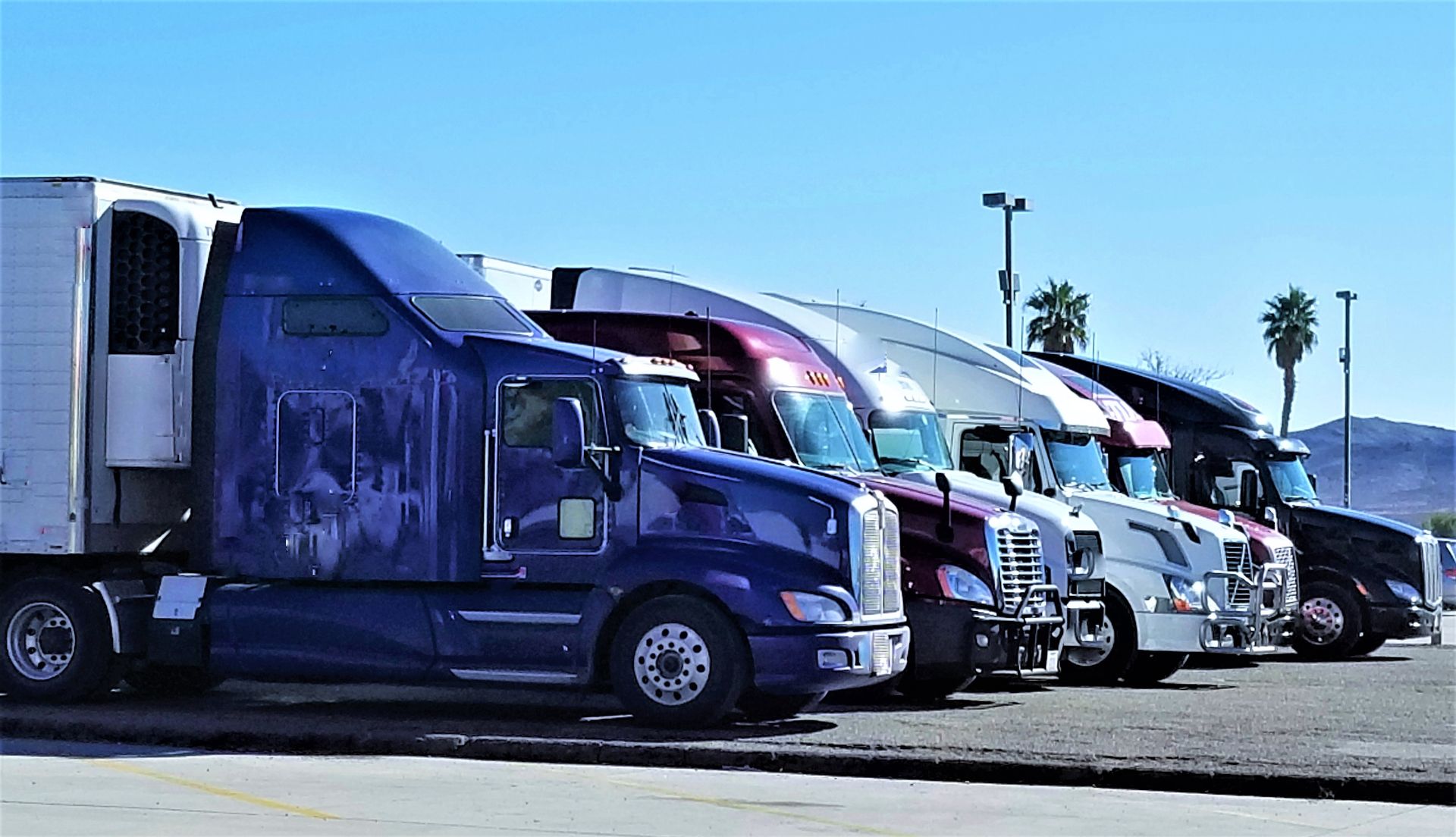
Commercial Auto & Trucking
Protection for your fleet including box trucks, moving vans, and trailers. Covers liability, collision, physical damage, and hired or non-owned vehicles used in your operations.
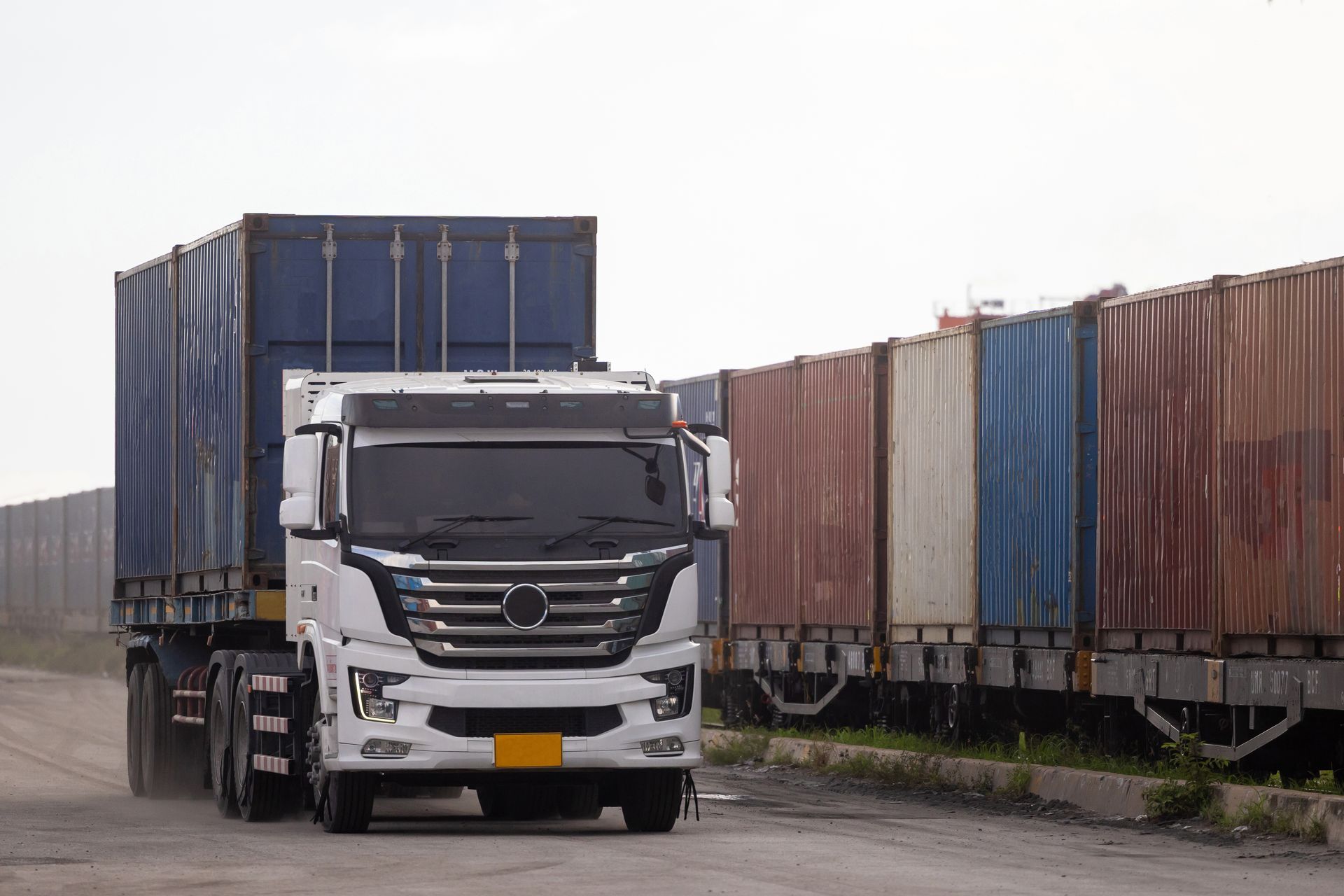
Motor Truck Cargo
Covers household goods and freight during transport from pickup to delivery. Protects against damage, theft, mysterious disappearance, and weather-related losses while cargo is in your care.

General Liability
Protection from third-party claims for bodily injury and property damage at customer homes, job sites, and your own facility. Essential coverage for every transportation operation

Warehouse Legal Liability
Coverage for customer property while stored in your facility. Protects against damage, theft, fire, and water damage to goods in your care, custody, or control.

Workers' Compensation
Medical care and wage replacement for employees injured on the job. Required in most states for transportation and warehouse work where physical labor creates higher injury risk.

Umbrella & Excess Liability
Higher liability limits stacked on top of your primary policies. Helps meet large contract requirements and protects your business assets against major claims and lawsuits.
Specialized Knowledge
Industries We Protect
Focused coverage for transportation and logistics businesses


Simple and Clear
How Our Process Works
Our process to get you covered
Connect With Us
Reach out through our form or by phone to share your business needs and current coverage situation.
Get Coverage Options
We review your risks, compare carriers, and present clear quotes with plain-language explanations.
Stay Protected
You choose your plan, and we provide ongoing support for certificates, claims, and renewals.
Trusted by Businesses
Feedback That Reflects Service and Reliability
What our clients say about working with Champion Risk
Answers You Need
Frequently Asked Questions
Common questions about transportation and logistics insurance




What insurance does a transportation company need to operate legally?
Motor carriers that cross state lines must meet FMCSA requirements. You need a minimum of $750,000 in liability coverage, plus a BMC-91 filing that proves your insurance to the federal government. Cargo coverage is also required, with minimums that depend on the type of goods you transport.
Intrastate operators follow state-specific rules. California, Texas, and Florida each have different requirements. Champion Risk handles both federal and state filings. We make sure your coverage meets legal minimums and your certificates reach the right agencies.
How much does commercial transportation insurance cost?
Premiums depend on your fleet size, driving records, cargo values, and claims history. A small operation with two trucks might pay $8,000 to $15,000 per year. A larger carrier with ten trucks could pay $50,000 to $100,000 or more.
The best way to control costs is working with a broker who knows transportation insurance. We find carriers that specialize in your exact operation type. This often results in better rates than going direct or using a general agent who doesn't understand the industry.
What is a BMC-91 filing and why do I need one?
A BMC-91 is a form your insurance company files with the FMCSA. It proves you carry the required liability coverage to operate as a for-hire motor carrier. Without an active BMC-91, your operating authority can be revoked.
Champion Risk works with carriers who file electronically. Your BMC-91 typically posts within 24 to 48 hours of binding coverage. We monitor your filing status and alert you if anything needs attention.
Does my warehouse or storage facility need different insurance than a trucking operation?
Yes. Storage facilities need warehouse legal liability coverage. This protects you when customer property is damaged or stolen while in your care. Standard general liability policies exclude this exposure.
You may also need property coverage for your building, equipment breakdown protection, and business income coverage if a fire or disaster shuts down operations. Champion Risk builds storage facility programs that address all these risks in one package.
Can you insure last-mile delivery drivers who use their own vehicles?
Yes. We offer hired and non-owned auto coverage for delivery operations that use independent contractors or employees driving personal vehicles. This fills gaps that personal auto policies don't cover during commercial use.
We also provide occupational accident coverage for 1099 drivers who aren't eligible for workers' comp. This protects your drivers and limits your liability exposure when accidents happen.
How fast can I get proof of insurance for a new contract?
Same day in most cases. Once we bind your policy, we issue certificates of insurance within hours. If your contract requires specific additional insured language or special endorsements, we coordinate directly with the carrier.
Rush requests happen often in this industry. General contractors and corporate clients demand certificates before they let you on site. Champion Risk prioritizes fast turnaround because we know your revenue depends on it.

Answers You Need
Transportation & Logistics Insurance Resources
Articles designed to inform and support your business
Contact Us
Phone Number:
Email Address:
Location:
12264 El Camino Real, Suite 350
San Diego, CA 92130
Hours:
Monday – Friday: 8:00 AM – 6:00 PM PT