
Employment Practices Liability Insurance for Moving & Storage Company
Or Call Us:
(800) 829-0807
A single wrongful termination lawsuit can cost your moving company more than an entire year's payroll. That's not an exaggeration: The Hartford reports that the average jury award for employment-related claims hits $217,000, and that's before you factor in legal defense costs.
Moving and storage companies face unique employment challenges that most businesses don't encounter. You're managing seasonal hiring surges, supervising crews across multiple job sites, and dealing with the physical demands that lead to workplace tensions. Your drivers and movers work long hours under pressure, often with minimal direct supervision. This creates fertile ground for employment disputes.
Employment practices liability insurance protects moving companies when current, former, or prospective employees file claims alleging workplace misconduct. We're talking about discrimination accusations, harassment complaints, wrongful termination lawsuits, and wage disputes. For labor-intensive operations where you might hire and fire dozens of workers each season, this coverage isn't optional: it's essential protection for your business survival.
The moving industry's high turnover rates and physically demanding work environment create exposure that office-based businesses simply don't face. Understanding how EPLI coverage works for moving and storage operations helps you make informed decisions about protecting your company's future.
Understanding EPLI for the Moving and Storage Industry
What is Employment Practices Liability Insurance?
EPLI provides financial protection when employees bring legal action against your company for employment-related issues. According to Zurich, this coverage "protects employers against claims made by employees alleging discrimination, wrongful termination, failure to promote, and other employment-related issues. It covers legal costs, settlements, and judgments."
The policy kicks in whether you actually did something wrong or not. Defending against a baseless claim still costs money, and EPLI covers those legal expenses even when you win. For moving companies operating on thin margins, a single employment lawsuit without insurance could mean closing your doors.
Common Employment Claims in Labor-Intensive Moving Operations
Moving companies see specific claim patterns that differ from typical office environments. Wrongful termination tops the list, especially when you let seasonal workers go or fire someone for poor performance without proper documentation.
Wage and hour disputes run rampant in the industry. Did you pay overtime correctly when that job ran late? Were your drivers properly classified as employees versus contractors? These questions become expensive when they turn into lawsuits.
Harassment claims emerge frequently in male-dominated work crews. Physical workplace environments where supervision is limited create situations that can spiral quickly. Discrimination allegations also arise around hiring practices, particularly when seasonal demand means making rapid employment decisions.


By: Mark Raby
Chief Executive Officer at Champion Risk & Insurance Services
Core Coverage Components and Policy Protections
Wrongful Termination and Harassment Claims
Wrongful termination coverage protects you when former employees claim they were fired illegally. This includes allegations of retaliation, breach of employment contracts, or termination based on protected characteristics. Moving companies often face these claims after seasonal layoffs when workers feel they were unfairly selected.
Harassment coverage extends beyond sexual harassment to include hostile work environment claims. When crew members allege that supervisors created intimidating conditions or that coworkers engaged in bullying behavior, your EPLI policy responds. The physical nature of moving work sometimes blurs lines between appropriate workplace conduct and harassment.
Wage and Hour Disputes for Hourly Movers
Wage claims represent growing exposure for moving companies. Your drivers might claim they weren't paid for travel time between jobs. Movers might allege they worked through breaks without compensation. Overtime calculations become complicated when jobs run longer than estimated.
EPLI policies typically cover defense costs for wage and hour claims, though coverage varies by carrier. Some policies exclude class action wage claims, which matters when multiple employees bring similar allegations. Champion Risk can help you identify policies that address the specific wage claim exposures moving companies face.
Discrimination and Retaliation Defense
Discrimination claims arise when employees allege unfair treatment based on race, age, gender, disability, or other protected characteristics. The EEOC data shows a 44% surge in workplace discrimination charges between 2021 and 2024, meaning your exposure is increasing regardless of your actual practices.
Retaliation claims often follow other complaints. When an employee files a workers' compensation claim and later gets fired, they might allege the termination was payback. EPLI covers the legal defense and potential settlements from these allegations.
Employee Count and Turnover Rates
Your premium starts with headcount. Next Insurance reports that EPLI costs for small businesses average around $222 per month, with annual premiums ranging from $800 to $3,000 for businesses with 5-20 employees.
Turnover rates significantly impact pricing. Moving companies with 100% annual turnover face higher premiums than stable operations. Each terminated employee represents potential claim exposure. Insurers track your hiring and firing patterns closely.
| Factor | Lower Premium Impact | Higher Premium Impact |
|---|---|---|
| Employee count | Under 10 employees | Over 50 employees |
| Annual turnover | Under 25% | Over 75% |
| Seasonal workers | Few or none | Heavy seasonal hiring |
| Part-time ratio | Mostly full-time | Mostly part-time |
Claims History and Operational Scale
Prior claims dramatically affect your rates. A single EEOC complaint can increase premiums for three to five years. Multiple claims might make you difficult to insure at any price.
Operational scale matters beyond simple headcount. Companies running multiple locations face higher premiums because supervision becomes more challenging. Revenue also factors in: larger operations have more to lose and present bigger targets for litigation.
Geographic Location and State Labor Laws
State employment laws create wildly different exposure levels. California's worker-friendly regulations mean higher premiums for companies operating there. New York, Massachusetts, and Illinois also present elevated risk profiles.
Multi-state operations face compounded challenges. You need coverage that addresses the most restrictive state's requirements while paying premiums that reflect your overall geographic footprint.

Eligibility and Underwriting Requirements
Standard Employee Handbook Guidelines
Insurers want to see that you've established clear workplace policies. A comprehensive employee handbook covering anti-discrimination policies, harassment reporting procedures, and disciplinary processes demonstrates you're managing risk proactively.
Your handbook should include:
- Clear anti-harassment and anti-discrimination statements
- Documented complaint procedures with multiple reporting channels
- Progressive discipline policies with documentation requirements
- At-will employment acknowledgment
- Wage and hour policies including overtime rules
Documentation and Hiring Procedures
Underwriters examine your hiring practices closely. Background check procedures, employment applications, and interview documentation all factor into your risk assessment.
Termination documentation proves equally important. Written warnings, performance reviews, and termination letters create the paper trail that helps defend against wrongful termination claims. Companies without systematic documentation face higher premiums and potential coverage limitations.
Risk Management Strategies to Reduce Liability
Implementing Formal Grievance Procedures
Formal complaint procedures do more than satisfy underwriters: they actually prevent lawsuits. When employees have clear channels to raise concerns internally, they're less likely to involve attorneys. The Hartford notes that settling an employee claim out of court averages $75,000, while the average cost including legal defense reaches roughly $160,000.
Your grievance procedure should provide multiple reporting options. Employees should be able to report concerns to their supervisor, HR, or an anonymous hotline. Document every complaint and your response. Even complaints that seem frivolous deserve written acknowledgment and investigation.
Training Supervisors on Labor Compliance
Your crew supervisors make daily decisions that create or prevent liability. Do they understand what constitutes harassment? Can they recognize discrimination in their own behavior? Do they know how to document performance issues properly?
Regular training reduces claims and lowers premiums. Champion Risk works with moving companies to identify training resources that address industry-specific challenges. Supervisors managing remote crews face unique situations that generic corporate training doesn't address.
Frequently Asked Questions
How much does EPLI cost for a small moving company? Expect annual premiums between $800 and $3,000 for companies with 5-20 employees. High turnover or prior claims push costs higher.
Does general liability insurance cover employment claims? No. General liability covers third-party bodily injury and property damage. Employment claims require separate EPLI coverage.
Are independent contractor disputes covered by EPLI? Most policies cover claims from workers you classified as contractors who allege they should have been employees. Coverage varies by policy.
What's the typical EPLI deductible? Deductibles range from $2,500 to $25,000 depending on company size and risk profile. Higher deductibles reduce premiums.
Does EPLI cover claims from job applicants?
Yes. Applicants who allege discriminatory hiring practices can bring covered claims against your company.
Making the Right Coverage Decision
The global EPLI market is projected to grow from $5.21 billion in 2025 to $10.23 billion by 2033, reflecting the increasing importance of this coverage across all industries. Moving companies face elevated exposure due to workforce characteristics that most businesses don't share.
Your next step involves honest assessment of your current practices. Review your employee handbook, examine your documentation procedures, and evaluate your training programs. These factors affect both your premium costs and your actual claim likelihood.
Champion Risk specializes in helping moving and storage companies navigate EPLI requirements. The right policy protects your business without paying for coverage you don't need. Contact us to discuss your specific operation and find coverage that matches your actual risk profile.
About the Author:
Mark Raby
I am a seasoned insurance professional with over 30 years of experience in the industry. I lead Champion Risk & Insurance Services, a San Diego-based brokerage with nationwide reach and strong influence in the insurance marketplace. My core competencies include insurance agency M&A deals, captives and alternative risk structures, and commercial property and casualty insurance for clients in the transportation and logistics industries. I am a former president of IIAB San Diego and hold a Bachelor of Science in Finance from Western Michigan University’s Haworth College of Business.
Protection for Transportation Operations
Business Insurance for Transportation & Logistics Companies
Coverage designed specifically for transportation businesses
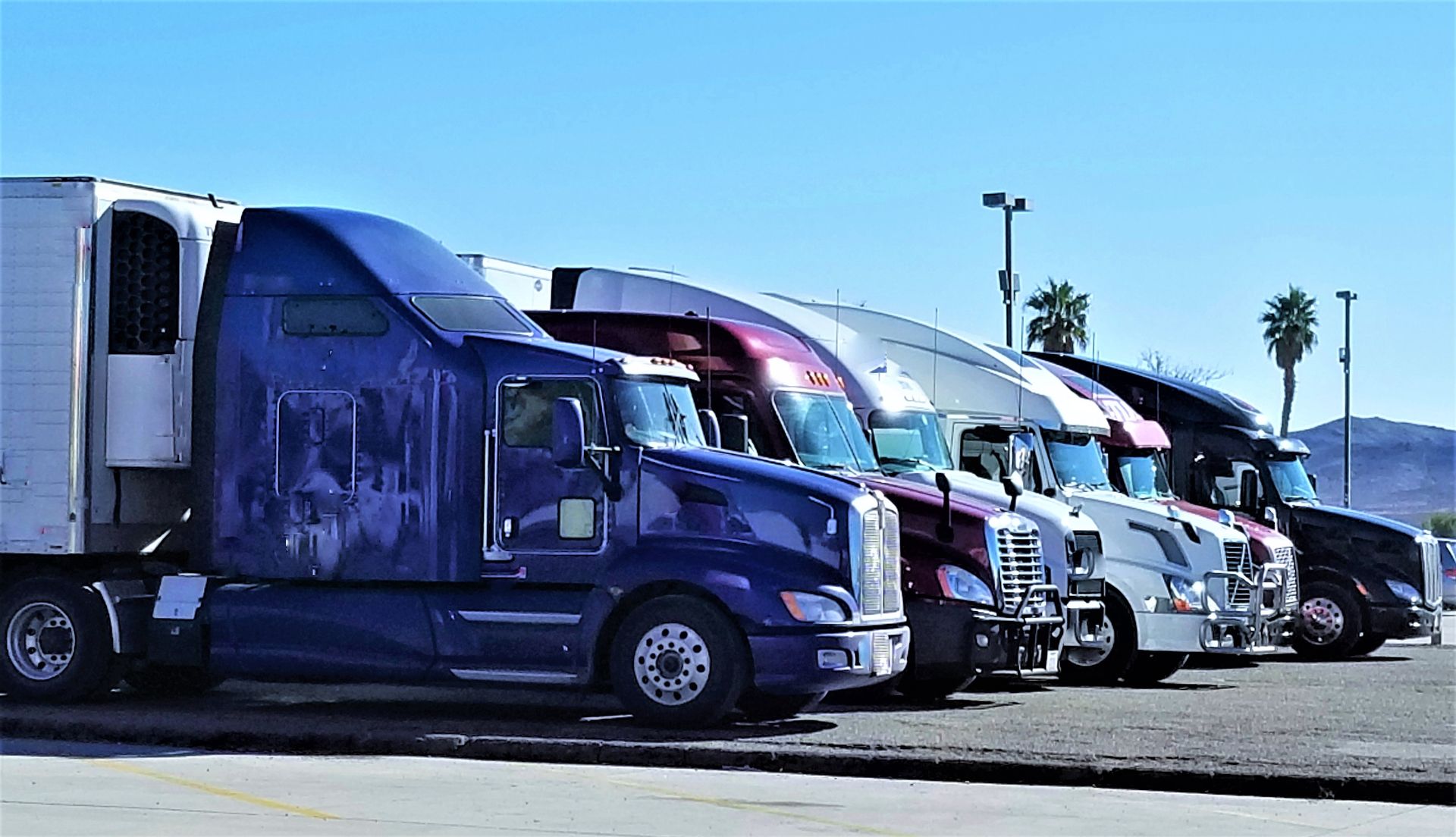
Commercial Auto & Trucking
Protection for your fleet including box trucks, moving vans, and trailers. Covers liability, collision, physical damage, and hired or non-owned vehicles used in your operations.
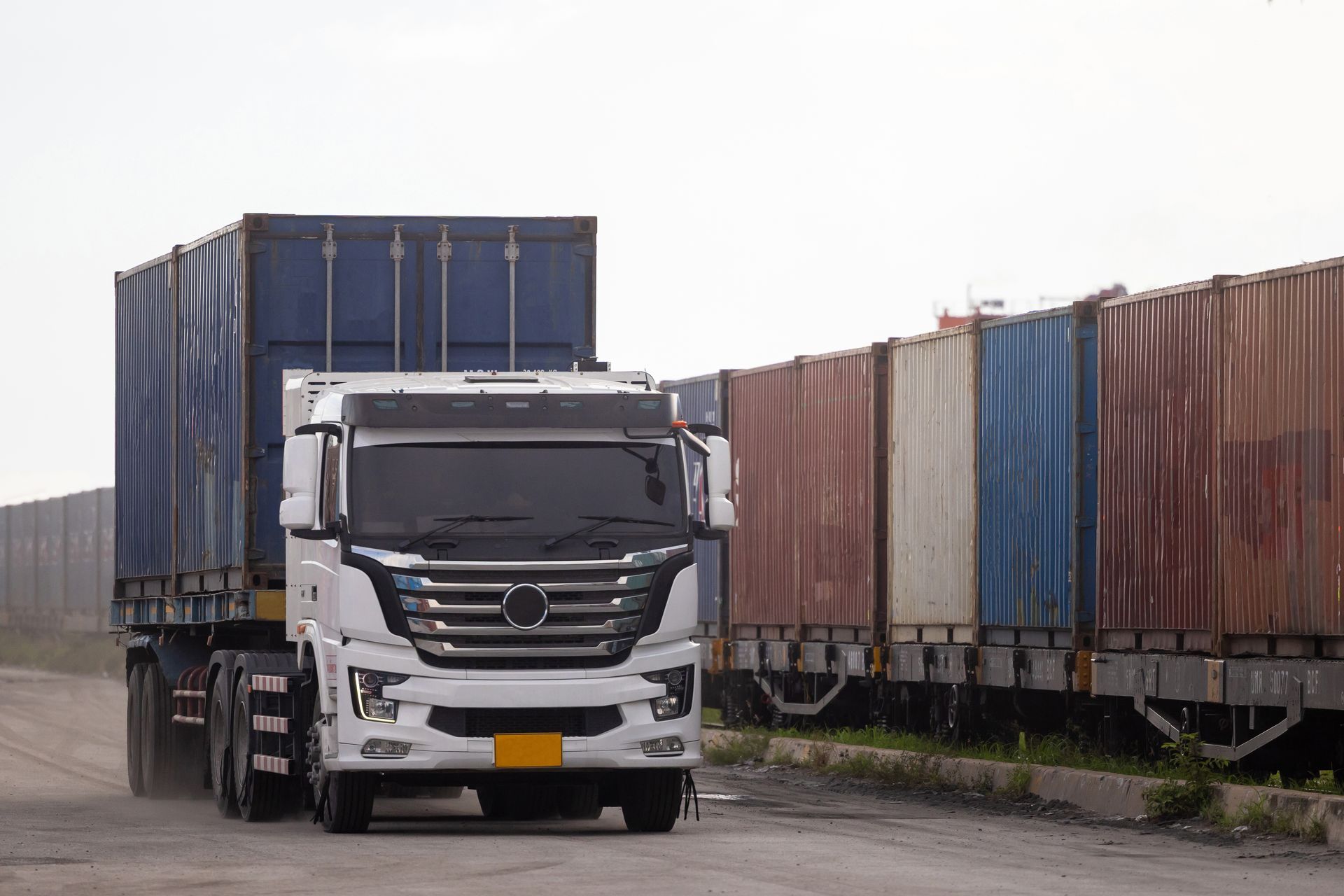
Motor Truck Cargo
Covers household goods and freight during transport from pickup to delivery. Protects against damage, theft, mysterious disappearance, and weather-related losses while cargo is in your care.

General Liability
Protection from third-party claims for bodily injury and property damage at customer homes, job sites, and your own facility. Essential coverage for every transportation operation

Warehouse Legal Liability
Coverage for customer property while stored in your facility. Protects against damage, theft, fire, and water damage to goods in your care, custody, or control.

Workers' Compensation
Medical care and wage replacement for employees injured on the job. Required in most states for transportation and warehouse work where physical labor creates higher injury risk.

Umbrella & Excess Liability
Higher liability limits stacked on top of your primary policies. Helps meet large contract requirements and protects your business assets against major claims and lawsuits.
Specialized Knowledge
Industries We Protect
Focused coverage for transportation and logistics businesses


Simple and Clear
How Our Process Works
Our process to get you covered
Connect With Us
Reach out through our form or by phone to share your business needs and current coverage situation.
Get Coverage Options
We review your risks, compare carriers, and present clear quotes with plain-language explanations.
Stay Protected
You choose your plan, and we provide ongoing support for certificates, claims, and renewals.
Trusted by Businesses
Feedback That Reflects Service and Reliability
What our clients say about working with Champion Risk
Answers You Need
Frequently Asked Questions
Common questions about transportation and logistics insurance




What insurance does a transportation company need to operate legally?
Motor carriers that cross state lines must meet FMCSA requirements. You need a minimum of $750,000 in liability coverage, plus a BMC-91 filing that proves your insurance to the federal government. Cargo coverage is also required, with minimums that depend on the type of goods you transport.
Intrastate operators follow state-specific rules. California, Texas, and Florida each have different requirements. Champion Risk handles both federal and state filings. We make sure your coverage meets legal minimums and your certificates reach the right agencies.
How much does commercial transportation insurance cost?
Premiums depend on your fleet size, driving records, cargo values, and claims history. A small operation with two trucks might pay $8,000 to $15,000 per year. A larger carrier with ten trucks could pay $50,000 to $100,000 or more.
The best way to control costs is working with a broker who knows transportation insurance. We find carriers that specialize in your exact operation type. This often results in better rates than going direct or using a general agent who doesn't understand the industry.
What is a BMC-91 filing and why do I need one?
A BMC-91 is a form your insurance company files with the FMCSA. It proves you carry the required liability coverage to operate as a for-hire motor carrier. Without an active BMC-91, your operating authority can be revoked.
Champion Risk works with carriers who file electronically. Your BMC-91 typically posts within 24 to 48 hours of binding coverage. We monitor your filing status and alert you if anything needs attention.
Does my warehouse or storage facility need different insurance than a trucking operation?
Yes. Storage facilities need warehouse legal liability coverage. This protects you when customer property is damaged or stolen while in your care. Standard general liability policies exclude this exposure.
You may also need property coverage for your building, equipment breakdown protection, and business income coverage if a fire or disaster shuts down operations. Champion Risk builds storage facility programs that address all these risks in one package.
Can you insure last-mile delivery drivers who use their own vehicles?
Yes. We offer hired and non-owned auto coverage for delivery operations that use independent contractors or employees driving personal vehicles. This fills gaps that personal auto policies don't cover during commercial use.
We also provide occupational accident coverage for 1099 drivers who aren't eligible for workers' comp. This protects your drivers and limits your liability exposure when accidents happen.
How fast can I get proof of insurance for a new contract?
Same day in most cases. Once we bind your policy, we issue certificates of insurance within hours. If your contract requires specific additional insured language or special endorsements, we coordinate directly with the carrier.
Rush requests happen often in this industry. General contractors and corporate clients demand certificates before they let you on site. Champion Risk prioritizes fast turnaround because we know your revenue depends on it.


Answers You Need
Transportation & Logistics Insurance Resources
Articles designed to inform and support your business
Contact Us
Phone Number:
Email Address:
Location:
12264 El Camino Real, Suite 350
San Diego, CA 92130
Hours:
Monday – Friday: 8:00 AM – 6:00 PM PT