
Edison, New Jersey sits at the crossroads of American commerce. With direct access to the Port of New York and New Jersey, which supported nearly 580,000 jobs in 2024, transportation and logistics companies operating here face unique opportunities and equally unique risks. Whether you're running a small trucking fleet out of Middlesex County or managing a sprawling warehouse operation near the Turnpike, your insurance needs differ significantly from carriers operating elsewhere in the country.
The challenge isn't just finding coverage. It's finding the right coverage at a price that doesn't crush your margins. New Jersey recently raised its liability requirements for commercial vehicles, and that single change has sent ripple effects through the entire regional transportation market. Understanding what you actually need, what the state demands, and how to control costs requires more than a quick Google search. It requires knowing how Edison's specific geography, traffic patterns, and regulatory environment shape your risk profile.
The Strategic Importance of Edison's Transit Hubs
Edison's location makes it a natural distribution hub for the entire Northeast corridor. The township sits within striking distance of Newark Liberty International Airport, multiple Port Authority marine terminals, and every major highway connecting the mid-Atlantic to New England. This positioning creates tremendous business opportunity, but it also concentrates risk in ways that insurers notice.
Local warehouses handle everything from consumer electronics to pharmaceutical products to hazardous materials. Each category carries distinct liability concerns. A facility storing high-value medical equipment needs different coverage than one holding bulk paper goods, even if they're located on the same industrial park.
Common Risks for New Jersey Carriers and Freight Forwarders
Theft remains a persistent concern along the I-95 corridor, with cargo crime rings specifically targeting trucks stopped at rest areas or making deliveries in urban areas. Weather-related claims spike during winter months when ice and snow create hazardous driving conditions on Routes 1 and 287.
Freight forwarders face their own challenges. When you're arranging transportation without owning trucks, you're exposed to liability gaps that standard policies often miss. If a carrier you've contracted with causes an accident or loses cargo, your clients will look to you first for compensation.


By: Mark Raby
Chief Executive Officer at Champion Risk & Insurance Services
Essential Coverage Types for Transportation Businesses
Commercial Auto and Motor Truck Cargo Liability
Commercial auto insurance protects your vehicles and drivers. Motor truck cargo coverage protects what you're hauling. You need both, and confusing them can leave you dangerously exposed.
As of July 1, 2024, New Jersey requires a minimum of $1.5 million in liability coverage for commercial motor vehicles weighing over 26,000 pounds. This represents a significant jump from previous requirements and has real financial implications. Increasing liability coverage from $1 million to $1.5 million can increase premiums by 40% to 60%, according to industry analysis.
Cargo liability limits depend on what you're hauling. A load of furniture requires different coverage than a shipment of electronics or pharmaceuticals. Champion Risk works with Edison carriers to match cargo limits to actual freight values rather than defaulting to inadequate minimums.
General Liability and Warehouse Legal Liability
General liability covers third-party injuries and property damage at your premises. If a delivery driver slips on your loading dock or a forklift damages a client's vehicle, this policy responds.
Warehouse legal liability differs from general liability in important ways. It specifically covers goods in your care, custody, and control. Standard property policies typically exclude stored customer property, creating a gap that warehouse operators must address separately.
Contingent Cargo and Professional Liability for Brokers
Freight brokers operate in a coverage gray zone. You don't own trucks or handle cargo directly, but you're still exposed when things go wrong. Contingent cargo insurance activates when a carrier's primary coverage fails or proves insufficient.
Professional liability, sometimes called errors and omissions coverage, protects against claims arising from your professional services. If you book a shipment with the wrong carrier, miss a delivery deadline, or make documentation errors that cause client losses, this coverage applies.
New Jersey State Mandates and Local Compliance
NJ Workers' Compensation Requirements for Logistics Staff
New Jersey requires workers' compensation coverage for virtually all employees. There's no minimum employee threshold, and the penalties for non-compliance include criminal charges, not just fines.
Logistics operations present elevated workers' comp risks due to physical labor, heavy equipment operation, and vehicle accidents. Your experience modification rate, which reflects your claims history compared to similar businesses, directly impacts premiums. A poor safety record can increase costs by 50% or more.
Minimum Liability Limits for Intermodal Operations
Intermodal operations involving rail, truck, and port connections face layered compliance requirements. Federal motor carrier regulations set baseline liability requirements, but New Jersey's new $1.5 million minimum exceeds federal standards for many vehicle classes.
Port operations add another layer. Working within Port Authority facilities often requires additional insurance certificates and specific coverage endorsements. Champion Risk helps Edison logistics companies navigate these overlapping requirements without purchasing redundant coverage.

Impact of Fleet Size and Driver Safety Records
Fleet size affects premiums in predictable ways, but the relationship isn't purely linear. A well-managed fleet of 20 trucks with experienced drivers and clean records might cost less to insure per vehicle than a poorly managed fleet of five.
Driver selection matters enormously. Carriers with CDL holders who have recent violations or accidents face premium surcharges that can exceed 25% per driver. Pre-employment screening and ongoing motor vehicle record monitoring aren't just safety measures. They're cost control strategies.
The average commercial truck insurance premium in New Jersey ranges from $14,000 to $16,000 per year, though actual costs vary widely based on operations, equipment, and claims history.
Route Risks: Navigating the NJ Turnpike and Route 1 Corridors
Insurers analyze your primary routes when setting premiums. The New Jersey Turnpike and Route 1 corridor see heavy commercial traffic, frequent accidents, and aggressive driving patterns that elevate risk ratings.
Carriers running primarily local routes within Middlesex County may qualify for different rate classifications than those regularly traveling to New York City or Philadelphia. Accurate route documentation helps ensure you're not overpaying based on assumed exposure.
Strategies for Reducing Logistics Insurance Costs
Implementing Telematics and Safety Technology
Telematics systems that monitor speed, braking, and driving patterns provide data insurers value. Some carriers have negotiated premium reductions of 10-15% by demonstrating improved driver behavior through telematics reporting.
Dash cameras serve dual purposes. They document accidents for claims purposes and often exonerate drivers in disputed incidents. The investment typically pays for itself through avoided fraudulent claims and faster claim resolution.
Optimizing Deductibles and Risk Retention Levels
Higher deductibles reduce premiums, but the math requires careful analysis. A $5,000 deductible might save $2,000 annually compared to a $1,000 deductible. If you have one claim every three years, the higher deductible makes financial sense. If you're filing claims annually, it doesn't.
Commercial auto premiums have increased by an average of 9.4% over the past year, making cost control strategies more important than ever. Champion Risk helps Edison transportation companies model different deductible scenarios based on actual claims frequency.
Securing the Right Partner for Edison Transportation Insurance
Finding appropriate transportation and logistics insurance coverage requires more than comparing quotes. The cheapest policy often contains exclusions or limitations that become apparent only after a claim.
Joe Schreiner of Reliance Partners noted that "the new $1.5 million liability coverage requirement in New Jersey could significantly increase insurance costs for carriers, potentially forcing some out of business." Working with specialists who understand both New Jersey regulations and transportation industry risks helps ensure you're adequately protected without overpaying.
The right insurance partner reviews your operations, identifies coverage gaps, and structures policies that match your actual exposure. They also help you implement risk management practices that reduce claims and control long-term costs.
Frequently Asked Questions
What's the minimum liability insurance required for commercial trucks in New Jersey? As of July 2024, commercial motor vehicles over 26,000 pounds must carry at least $1.5 million in liability coverage, higher than federal minimums for many vehicle classes.
How much does commercial truck insurance cost in New Jersey? Average premiums range from $14,000 to $16,000 annually, though costs vary significantly based on fleet size, driver records, cargo types, and claims history.
Do freight brokers need cargo insurance? Brokers should carry contingent cargo coverage, which activates when a carrier's insurance proves insufficient. This protects against gaps in carrier coverage.
Does New Jersey require workers' compensation for logistics employees? Yes. New Jersey mandates workers' comp coverage for virtually all employees with no minimum threshold.
How can I reduce my transportation insurance premiums? Telematics systems, dash cameras, driver training programs, and higher deductibles all contribute to lower costs. Clean safety records and accurate route documentation also help.
| Coverage Type | Who Needs It | Typical Limits |
|---|---|---|
| Commercial Auto Liability | All motor carriers | $1.5M minimum in NJ |
| Motor Truck Cargo | Carriers hauling goods | $100K-$500K based on cargo |
| General Liability | All businesses | $1M per occurrence |
| Warehouse Legal Liability | Warehouse operators | Varies by inventory value |
| Contingent Cargo | Freight brokers | $100K-$250K typicalexperience mod |
| Workers' Compensation | All employers | Statutory limits |
About the Author:
Mark Raby
I am a seasoned insurance professional with over 30 years of experience in the industry. I lead Champion Risk & Insurance Services, a San Diego-based brokerage with nationwide reach and strong influence in the insurance marketplace. My core competencies include insurance agency M&A deals, captives and alternative risk structures, and commercial property and casualty insurance for clients in the transportation and logistics industries. I am a former president of IIAB San Diego and hold a Bachelor of Science in Finance from Western Michigan University’s Haworth College of Business.
Protection for Transportation Operations
Business Insurance for Transportation & Logistics Companies
Coverage designed specifically for transportation businesses
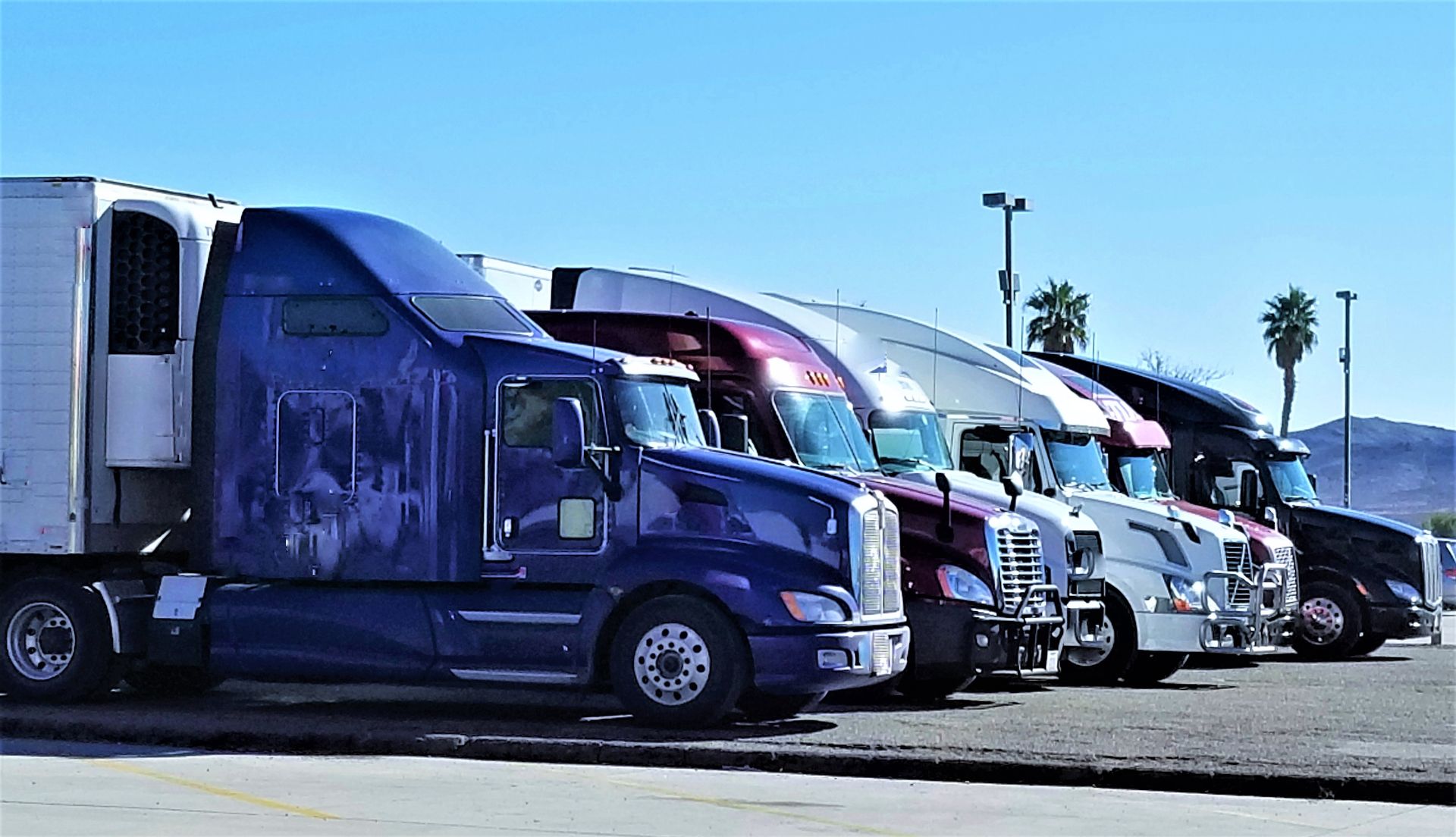
Commercial Auto & Trucking
Protection for your fleet including box trucks, moving vans, and trailers. Covers liability, collision, physical damage, and hired or non-owned vehicles used in your operations.
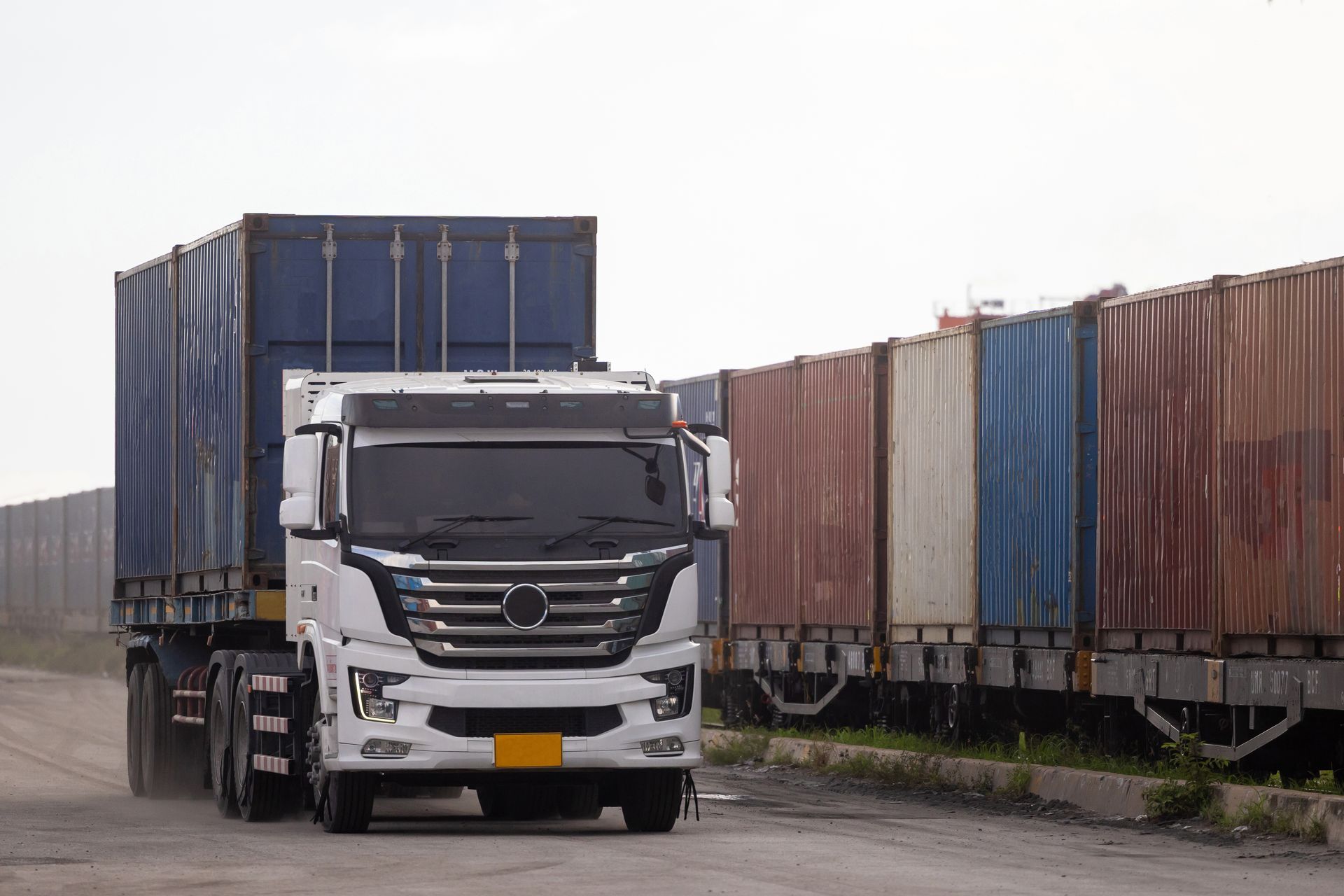
Motor Truck Cargo
Covers household goods and freight during transport from pickup to delivery. Protects against damage, theft, mysterious disappearance, and weather-related losses while cargo is in your care.

General Liability
Protection from third-party claims for bodily injury and property damage at customer homes, job sites, and your own facility. Essential coverage for every transportation operation

Warehouse Legal Liability
Coverage for customer property while stored in your facility. Protects against damage, theft, fire, and water damage to goods in your care, custody, or control.

Workers' Compensation
Medical care and wage replacement for employees injured on the job. Required in most states for transportation and warehouse work where physical labor creates higher injury risk.

Umbrella & Excess Liability
Higher liability limits stacked on top of your primary policies. Helps meet large contract requirements and protects your business assets against major claims and lawsuits.
Specialized Knowledge
Industries We Protect
Focused coverage for transportation and logistics businesses

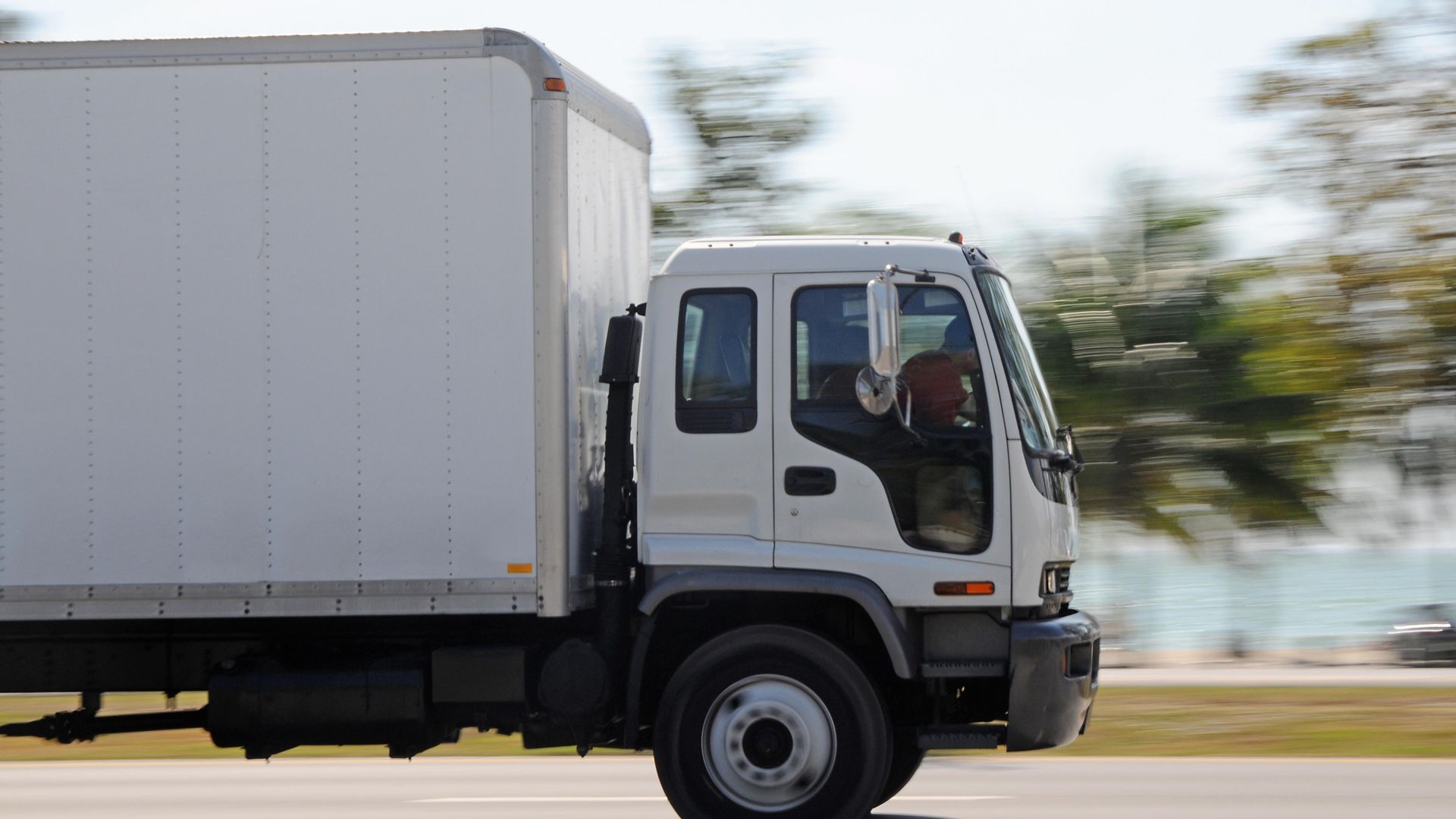

Simple and Clear
How Our Process Works
Our process to get you covered
Connect With Us
Reach out through our form or by phone to share your business needs and current coverage situation.
Get Coverage Options
We review your risks, compare carriers, and present clear quotes with plain-language explanations.
Stay Protected
You choose your plan, and we provide ongoing support for certificates, claims, and renewals.
Trusted by Businesses
Feedback That Reflects Service and Reliability
What our clients say about working with Champion Risk
Answers You Need
Frequently Asked Questions
Common questions about transportation and logistics insurance



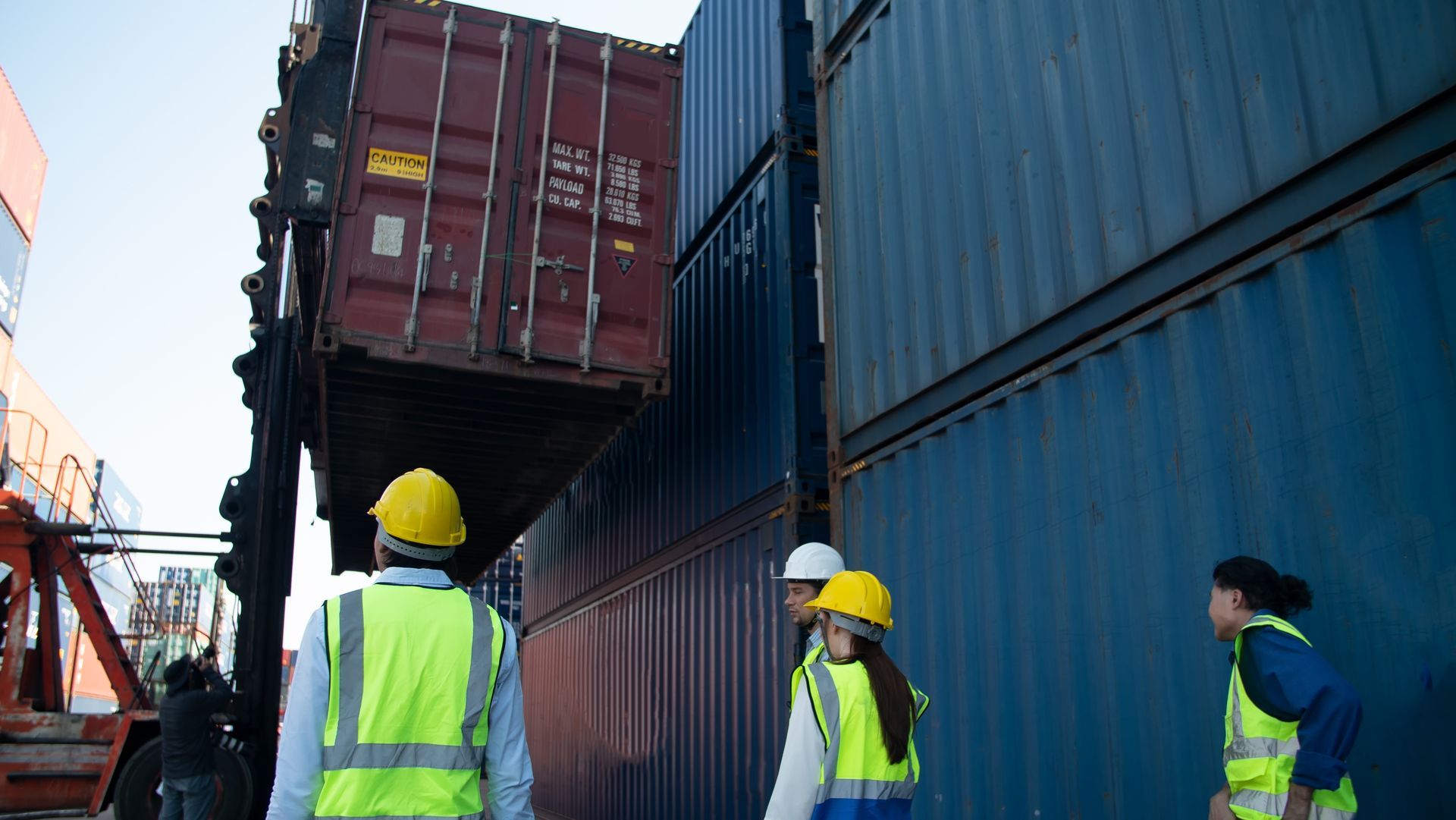
What insurance does a transportation company need to operate legally?
Motor carriers that cross state lines must meet FMCSA requirements. You need a minimum of $750,000 in liability coverage, plus a BMC-91 filing that proves your insurance to the federal government. Cargo coverage is also required, with minimums that depend on the type of goods you transport.
Intrastate operators follow state-specific rules. California, Texas, and Florida each have different requirements. Champion Risk handles both federal and state filings. We make sure your coverage meets legal minimums and your certificates reach the right agencies.
How much does commercial transportation insurance cost?
Premiums depend on your fleet size, driving records, cargo values, and claims history. A small operation with two trucks might pay $8,000 to $15,000 per year. A larger carrier with ten trucks could pay $50,000 to $100,000 or more.
The best way to control costs is working with a broker who knows transportation insurance. We find carriers that specialize in your exact operation type. This often results in better rates than going direct or using a general agent who doesn't understand the industry.
What is a BMC-91 filing and why do I need one?
A BMC-91 is a form your insurance company files with the FMCSA. It proves you carry the required liability coverage to operate as a for-hire motor carrier. Without an active BMC-91, your operating authority can be revoked.
Champion Risk works with carriers who file electronically. Your BMC-91 typically posts within 24 to 48 hours of binding coverage. We monitor your filing status and alert you if anything needs attention.
Does my warehouse or storage facility need different insurance than a trucking operation?
Yes. Storage facilities need warehouse legal liability coverage. This protects you when customer property is damaged or stolen while in your care. Standard general liability policies exclude this exposure.
You may also need property coverage for your building, equipment breakdown protection, and business income coverage if a fire or disaster shuts down operations. Champion Risk builds storage facility programs that address all these risks in one package.
Can you insure last-mile delivery drivers who use their own vehicles?
Yes. We offer hired and non-owned auto coverage for delivery operations that use independent contractors or employees driving personal vehicles. This fills gaps that personal auto policies don't cover during commercial use.
We also provide occupational accident coverage for 1099 drivers who aren't eligible for workers' comp. This protects your drivers and limits your liability exposure when accidents happen.
How fast can I get proof of insurance for a new contract?
Same day in most cases. Once we bind your policy, we issue certificates of insurance within hours. If your contract requires specific additional insured language or special endorsements, we coordinate directly with the carrier.
Rush requests happen often in this industry. General contractors and corporate clients demand certificates before they let you on site. Champion Risk prioritizes fast turnaround because we know your revenue depends on it.

Answers You Need
Transportation & Logistics Insurance Resources
Articles designed to inform and support your business
Contact Us
Phone Number:
Email Address:
Location:
12264 El Camino Real, Suite 350
San Diego, CA 92130
Hours:
Monday – Friday: 8:00 AM – 6:00 PM PT