
Harrisburg, Pennsylvania Moving & Storage Company Insurance
Or Call Us:
(800) 829-0807
Running a moving and storage operation in Harrisburg means protecting yourself against risks that most business owners never see coming until a claim lands on their desk. A single damaged antique, a warehouse flood, or a truck accident on I-83 can devastate an uninsured or underinsured company overnight. The minimum liability coverage of $300,000 required for household goods movers in Pennsylvania often falls short of what brokers and commercial clients actually demand, with many requiring $1 million before they'll work with you.
Understanding moving and storage company insurance requirements in Harrisburg goes beyond checking regulatory boxes. The right coverage protects your equipment, your employees, your customers' belongings, and ultimately your livelihood. Pennsylvania's regulatory environment adds specific compliance layers that out-of-state operators often miss, and local market conditions influence everything from premium costs to available endorsements. Whether you're launching a two-truck operation or expanding an established storage facility, the decisions you make about insurance will shape your company's financial resilience for years.
Essential Insurance Coverage for Harrisburg Moving Companies
The insurance needs of a moving company differ significantly from standard commercial operations. You're responsible for other people's irreplaceable possessions while simultaneously operating heavy vehicles and employing workers in physically demanding roles.
Cargo Legal Liability and Bailee's Coverage
Cargo legal liability protects you when items in your care are damaged or destroyed during transport. This coverage kicks in whether the damage results from an accident, improper packing, or handling errors. Bailee's coverage extends this protection to items stored in your warehouse facilities between moves.
Full Value Protection typically costs 1% to 2% of your shipment's total value, which gives you a baseline for pricing your services appropriately. The distinction between released value protection and full value protection matters enormously here. Released value costs nothing extra but limits your liability to 60 cents per pound per item, meaning a 10-pound laptop worth $2,000 would only net the customer $6 in compensation.
Champion Risk works with moving companies to structure cargo coverage that matches their actual exposure rather than simply meeting minimum requirements. A company specializing in high-value residential moves needs different limits than one focused on commercial office relocations.
General Liability and Warehouseman's Insurance
General liability covers third-party bodily injury and property damage claims that occur during your operations. When a mover accidentally puts a hand truck through a client's drywall or a customer trips over moving blankets, general liability responds.
Warehouseman's legal liability specifically addresses your responsibility for goods stored in your facility. This differs from cargo coverage because the items aren't in transit. Fire, water damage, theft, and other perils can trigger claims that standard general liability won't cover adequately.
Commercial Auto and Fleet Protection
Your trucks represent both significant assets and substantial liability exposure. The average annual cost of commercial truck insurance in Pennsylvania runs around $14,055, though your actual rates depend on fleet size, driver records, and coverage limits.
Commercial auto policies for moving companies should include hired and non-owned auto coverage if employees ever use personal vehicles for business purposes. Physical damage coverage protects your trucks themselves, while motor cargo coverage extends protection to customer belongings during transport.


By: Mark Raby
Chief Executive Officer at Champion Risk & Insurance Services
Pennsylvania State Requirements and Regulatory Compliance
Operating legally in Pennsylvania requires meeting specific insurance thresholds and maintaining proper documentation. Falling short triggers fines, operating authority suspensions, and potential personal liability exposure.
Pennsylvania Public Utility Commission (PUC) Mandates
The PUC regulates household goods movers operating within Pennsylvania. You'll need to maintain proof of insurance on file with the commission, and your coverage must meet or exceed state minimums. The $300,000 liability floor represents the starting point, not the destination.
Shipments over 40 miles in Pennsylvania must be weighed by a public weighmaster, with weight tickets attached to the bill of lading. This requirement connects directly to your insurance obligations because weight determines valuation for cargo claims.
Interstate movers face additional federal requirements through the Federal Motor Carrier Safety Administration, including higher liability limits and specific cargo insurance thresholds.
Workers' Compensation Laws in Pennsylvania
Pennsylvania mandates workers' compensation coverage for nearly all employers. Moving company employees face elevated injury risks from lifting, carrying, and vehicle operations, making this coverage both legally required and financially essential.
Your workers' comp premiums reflect your claims history, payroll size, and classification codes. Moving companies typically fall under classification codes with higher base rates due to the physical nature of the work. Implementing formal safety training programs can reduce both injuries and premiums over time.
Factors Influencing Insurance Costs in the Harrisburg Market
Insurance pricing isn't arbitrary. Underwriters evaluate specific risk factors when calculating your premiums, and understanding these factors helps you manage costs proactively.
Business Scale and Annual Revenue Projections
Larger operations with more vehicles, employees, and revenue face higher premiums because they present greater aggregate exposure. However, per-unit costs often decrease as you scale because fixed underwriting expenses spread across larger premium bases.
A recommended insurance bundle including a Business Owners Policy, Workers' Compensation, and Professional Liability costs approximately $526 per month or $6,312 yearly for typical operations. Your actual costs will vary based on your specific circumstances, but this provides a reasonable benchmark for planning purposes.
Revenue projections matter because many policies base premiums on estimated annual revenues, with audits at policy end to adjust for actual figures. Underestimating revenue leads to surprise additional premiums; overestimating ties up cash unnecessarily.
Safety Records and Loss History Impact
Your experience modification rate reflects your claims history compared to industry averages. Companies with fewer and smaller claims earn credits that reduce premiums, while those with poor loss histories pay surcharges.
| Factor | Low Risk Profile | High Risk Profile |
|---|---|---|
| Claims in past 3 years | 0-1 minor claims | Multiple or severe claims |
| Driver MVR records | Clean records | Violations or accidents |
| Safety program | Documented training | No formal program |
| Equipment age | Newer, maintained fleet | Older vehicles |
| Premium impact | 10-25% credits possible | 25-50% surcharges possible |
Investing in safety pays dividends beyond avoiding injuries. Documented training programs, regular vehicle maintenance, and proper hiring practices all contribute to better insurance outcomes.

Specialized Storage Facility Risks and Endorsements
Storage operations introduce risks distinct from moving services. Your facility becomes a long-term custodian of customer property, creating ongoing exposure that requires specific coverage solutions.
Climate Control and Environmental Damage Clauses
Climate-controlled storage units command premium rates because they protect sensitive items from temperature and humidity damage. Your insurance needs to reflect this added responsibility.
Standard property policies may exclude or limit coverage for gradual environmental damage. Specific endorsements addressing HVAC system failures, humidity control malfunctions, and temperature excursions protect against these gaps. Champion Risk regularly helps storage operators identify these coverage needs before a failed compressor destroys thousands of dollars in customer belongings.
Water damage represents another significant concern. Roof leaks, pipe failures, and flooding can devastate stored items quickly. Ensure your policy addresses water damage adequately and consider flood insurance if your facility sits in a vulnerable area.
Theft, Vandalism, and Security Requirements
Insurers evaluate your security measures when pricing coverage and may require specific protections as policy conditions. These typically include:
- Perimeter fencing with controlled access points
- Surveillance camera systems with recording capabilities
- Individual unit locks meeting minimum security standards
- Alarm systems with monitoring services
- Adequate lighting throughout the facility
Your policy should cover both customer property theft and damage from break-in attempts. Vandalism coverage protects against malicious damage even when nothing is stolen. Some policies require minimum security standards, and failing to maintain them can void coverage when you need it most.
How to Secure Competitive Quotes and Optimize Your Policy
Shopping for moving and storage insurance requires more than collecting random quotes. A strategic approach yields better coverage at lower costs.
Start by documenting your operations thoroughly. Insurers need accurate information about your fleet, storage capacity, employee count, revenue, and service areas. Incomplete applications lead to coverage gaps or inflated premiums based on worst-case assumptions.
Work with brokers who specialize in transportation and storage risks. Specialized providers offer policies tailored specifically for moving and storage operations rather than forcing your business into generic commercial packages. Champion Risk maintains relationships with multiple carriers serving this niche, allowing for competitive comparisons among insurers who actually understand your business.
Request quotes with identical coverage specifications to enable true comparisons. A lower premium means nothing if it comes with higher deductibles, lower limits, or excluded perils that matter to your operation.
Frequently Asked Questions
What happens if my coverage lapses while operating in Pennsylvania? The PUC can suspend your operating authority immediately, and you'll face fines. Any claims occurring during the lapse become your personal responsibility.
Do I need separate policies for moving and storage operations? Not necessarily. Many carriers offer combined programs, but coverage must adequately address both exposures. Gaps often occur when storage risks are added as afterthoughts to moving policies.
How quickly can I get proof of insurance for a new contract? Most brokers can issue certificates of insurance within 24-48 hours once your policy is bound. Rush requests for same-day certificates are usually possible for established clients.
Will my rates decrease after operating claim-free for several years? Yes. Your experience modification factor improves with a clean claims history, typically resulting in meaningful premium reductions after three to five years.
Does my personal auto insurance cover business use of my vehicle?
No. Personal auto policies exclude commercial use. Even occasional business use requires proper commercial coverage or a hired and non-owned auto endorsement.
Securing proper insurance for your Harrisburg moving and storage company protects everything you've built while enabling confident growth. The right coverage structure balances regulatory compliance, contractual requirements, and genuine risk protection without overpaying for unnecessary limits.
Review your current policies against the coverage types discussed here. Identify gaps, compare your limits to contract requirements, and evaluate whether your premiums reflect your actual risk profile. Working with a specialized broker like Champion Risk connects you with carriers who understand moving and storage operations and can structure coverage that fits your specific situation rather than forcing generic solutions.
About the Author:
Mark Raby
I am a seasoned insurance professional with over 30 years of experience in the industry. I lead Champion Risk & Insurance Services, a San Diego-based brokerage with nationwide reach and strong influence in the insurance marketplace. My core competencies include insurance agency M&A deals, captives and alternative risk structures, and commercial property and casualty insurance for clients in the transportation and logistics industries. I am a former president of IIAB San Diego and hold a Bachelor of Science in Finance from Western Michigan University’s Haworth College of Business.
Protection for Transportation Operations
Business Insurance for Transportation & Logistics Companies
Coverage designed specifically for transportation businesses
Commercial Auto & Trucking
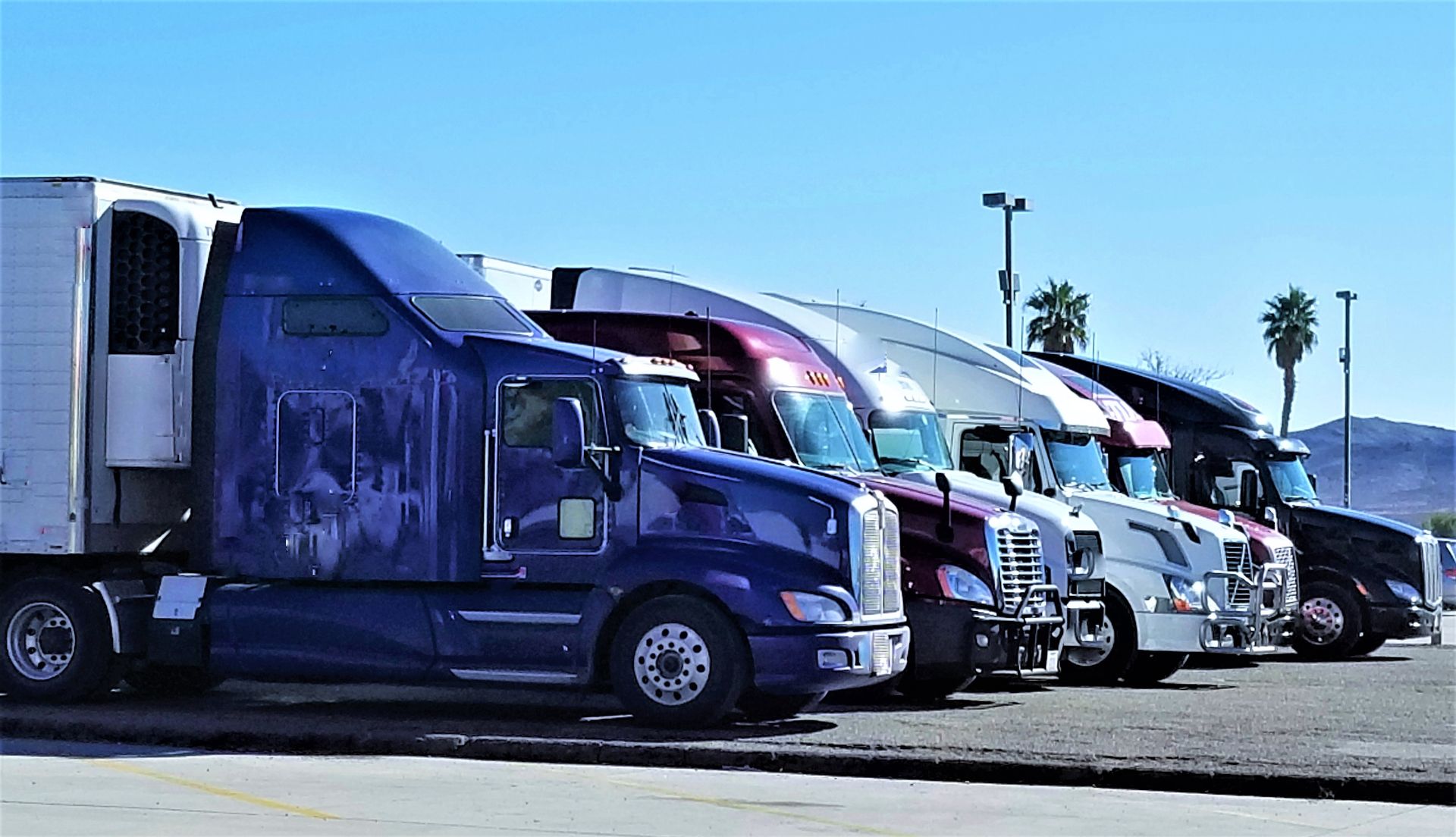
Protection for your fleet including box trucks, moving vans, and trailers. Covers liability, collision, physical damage, and hired or non-owned vehicles used in your operations.
Motor Truck Cargo
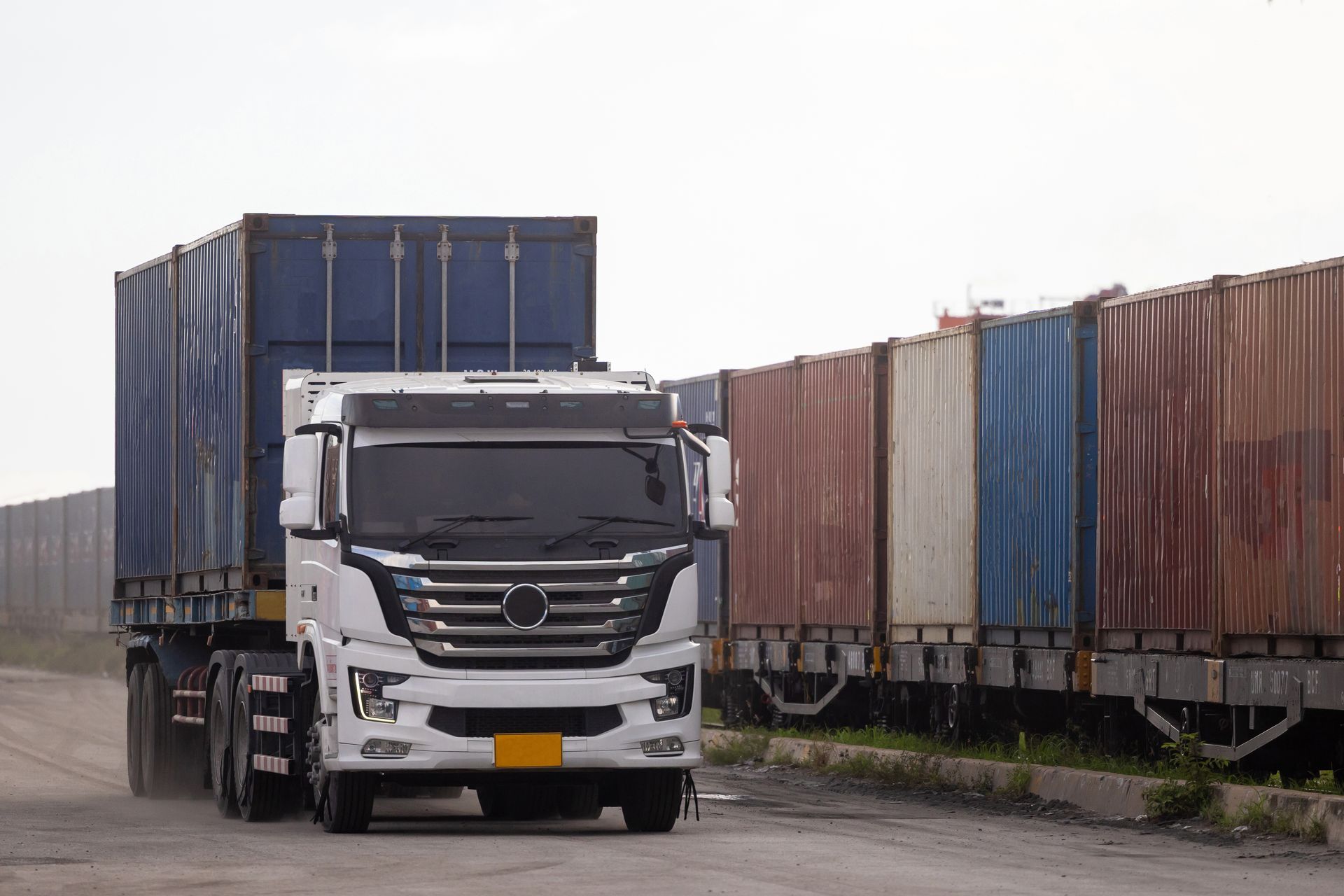
Covers household goods and freight during transport from pickup to delivery. Protects against damage, theft, mysterious disappearance, and weather-related losses while cargo is in your care.

General Liability
Protection from third-party claims for bodily injury and property damage at customer homes, job sites, and your own facility. Essential coverage for every transportation operation

Warehouse Legal Liability
Coverage for customer property while stored in your facility. Protects against damage, theft, fire, and water damage to goods in your care, custody, or control.

Workers' Compensation
Medical care and wage replacement for employees injured on the job. Required in most states for transportation and warehouse work where physical labor creates higher injury risk.

Umbrella & Excess Liability
Higher liability limits stacked on top of your primary policies. Helps meet large contract requirements and protects your business assets against major claims and lawsuits.
Specialized Knowledge
Industries We Protect
Focused coverage for transportation and logistics businesses


Simple and Clear
How Our Process Works
Our process to get you covered
Connect With Us
Reach out through our form or by phone to share your business needs and current coverage situation.
Get Coverage Options
We review your risks, compare carriers, and present clear quotes with plain-language explanations.
Stay Protected
You choose your plan, and we provide ongoing support for certificates, claims, and renewals.
Trusted by Businesses
Feedback That Reflects Service and Reliability
What our clients say about working with Champion Risk
Answers You Need
Frequently Asked Questions
Common questions about transportation and logistics insurance




What insurance does a transportation company need to operate legally?
Motor carriers that cross state lines must meet FMCSA requirements. You need a minimum of $750,000 in liability coverage, plus a BMC-91 filing that proves your insurance to the federal government. Cargo coverage is also required, with minimums that depend on the type of goods you transport.
Intrastate operators follow state-specific rules. California, Texas, and Florida each have different requirements. Champion Risk handles both federal and state filings. We make sure your coverage meets legal minimums and your certificates reach the right agencies.
How much does commercial transportation insurance cost?
Premiums depend on your fleet size, driving records, cargo values, and claims history. A small operation with two trucks might pay $8,000 to $15,000 per year. A larger carrier with ten trucks could pay $50,000 to $100,000 or more.
The best way to control costs is working with a broker who knows transportation insurance. We find carriers that specialize in your exact operation type. This often results in better rates than going direct or using a general agent who doesn't understand the industry.
What is a BMC-91 filing and why do I need one?
A BMC-91 is a form your insurance company files with the FMCSA. It proves you carry the required liability coverage to operate as a for-hire motor carrier. Without an active BMC-91, your operating authority can be revoked.
Champion Risk works with carriers who file electronically. Your BMC-91 typically posts within 24 to 48 hours of binding coverage. We monitor your filing status and alert you if anything needs attention.
Does my warehouse or storage facility need different insurance than a trucking operation?
Yes. Storage facilities need warehouse legal liability coverage. This protects you when customer property is damaged or stolen while in your care. Standard general liability policies exclude this exposure.
You may also need property coverage for your building, equipment breakdown protection, and business income coverage if a fire or disaster shuts down operations. Champion Risk builds storage facility programs that address all these risks in one package.
Can you insure last-mile delivery drivers who use their own vehicles?
Yes. We offer hired and non-owned auto coverage for delivery operations that use independent contractors or employees driving personal vehicles. This fills gaps that personal auto policies don't cover during commercial use.
We also provide occupational accident coverage for 1099 drivers who aren't eligible for workers' comp. This protects your drivers and limits your liability exposure when accidents happen.
How fast can I get proof of insurance for a new contract?
Same day in most cases. Once we bind your policy, we issue certificates of insurance within hours. If your contract requires specific additional insured language or special endorsements, we coordinate directly with the carrier.
Rush requests happen often in this industry. General contractors and corporate clients demand certificates before they let you on site. Champion Risk prioritizes fast turnaround because we know your revenue depends on it.

Answers You Need
Transportation & Logistics Insurance Resources
Articles designed to inform and support your business
Contact Us
Phone Number:
Email Address:
Location:
12264 El Camino Real, Suite 350
San Diego, CA 92130
Hours:
Monday – Friday: 8:00 AM – 6:00 PM PT