
Running a moving and storage company in Syracuse means dealing with challenges most business owners never think about. Between the lake-effect snow that blankets I-81 from November through March, the tight turns in historic neighborhoods like Strathmore and Sedgwick, and the liability exposure that comes with handling someone's entire life packed into boxes, your insurance needs are anything but straightforward. A single claim from a damaged antique or an employee injury during a third-floor walkup can devastate an underprepared operation. Understanding moving and storage company insurance requirements in Syracuse, New York requires knowing both state mandates and the practical realities of operating in Central New York's unpredictable climate.
The stakes are real. Moving companies pay an average of
$120 per month for general liability insurance, but that baseline figure barely scratches the surface of what Syracuse operators actually need. Factor in workers' compensation averaging
$755 monthly, commercial auto coverage for your fleet, and specialized cargo protection, and you're looking at a significant operational expense that demands strategic planning.
Core Insurance Requirements for Syracuse Moving Companies
New York State Department of Transportation (NYSDOT) Compliance
Every moving company operating within New York must register with NYSDOT and maintain specific insurance minimums. Intrastate movers need proof of cargo liability coverage and public liability insurance before receiving their operating authority. The state requires a minimum of $300,000 in combined single-limit liability for vehicles under 10,000 pounds, scaling up for heavier trucks.
NYSDOT conducts periodic audits, and operating without proper documentation results in fines starting at $500 per violation. Syracuse-based companies doing cross-state moves into Pennsylvania or New Jersey face additional FMCSA requirements, including BOC-3 process agent filings and higher liability minimums reaching $750,000 for interstate household goods carriers.
Workers' Compensation and Disability Insurance Mandates
New York has some of the strictest workers' compensation requirements in the country. Every employer, regardless of size, must carry workers' comp coverage. There's no exception for small crews or family-owned operations. The moving industry's physical demands make this coverage essential: lifting injuries, back strains, and slip-and-fall incidents happen regularly, especially during Syracuse's icy winter months.
You'll also need New York State disability benefits insurance, which covers off-the-job injuries and illnesses. Failure to maintain either policy exposes you to personal liability and potential criminal penalties. Champion Risk works with Syracuse moving companies to bundle these mandatory coverages efficiently, often reducing administrative headaches while ensuring compliance.
Commercial Auto Liability for Local and Long-Distance Fleets
Your trucks are the backbone of your operation, and they need proper protection. Commercial auto liability covers bodily injury and property damage your vehicles cause to others. Syracuse's weather creates unique risks: black ice on Erie Boulevard, reduced visibility during lake-effect storms, and the stop-and-go traffic around Destiny USA all increase accident probability.
Standard personal auto policies won't cover commercial vehicles. You need policies specifically designed for your fleet size and operational radius. Local-only operations have different risk profiles than companies running loads to Boston or Cleveland, and your premiums should reflect that distinction.


By: Mark Raby
Chief Executive Officer at Champion Risk & Insurance Services
Essential Coverage Types for Moving and Storage Operations
Cargo Legal Liability and Valuation Options
When you're responsible for someone's belongings, cargo coverage becomes non-negotiable. Basic released value protection, required by federal law, covers items at just 60 cents per pound. That means a 50-pound flat-screen TV worth $2,000 gets you $30 in compensation.
Full Value Protection offers comprehensive coverage but typically costs 1% to 2% of the shipment's total value. For a $50,000 household move, that's $500 to $1,000 in additional coverage costs that customers often decline. Your cargo legal liability policy covers your company's exposure when claims exceed what customers purchased.
Warehouseman's Legal Liability for Storage Facilities
If you operate storage facilities alongside your moving services, warehouseman's legal liability protects against damage to stored goods. This differs from cargo coverage because it addresses items at rest rather than in transit. Syracuse's temperature fluctuations create specific risks: summer humidity can damage electronics and documents, while inadequate heating leads to frozen pipes and water damage.
Standard property insurance won't cover customer belongings in your warehouse. You need a dedicated policy that addresses fire, theft, water damage, and other perils affecting stored items. Coverage limits should reflect your facility's capacity and the typical value of goods you store.
General Liability for Third-Party Bodily Injury and Property Damage
General liability protects your business when someone gets hurt on your premises or your crew damages a customer's property during a move. Scratched hardwood floors, dented walls, and broken doorframes happen even with experienced teams. This coverage handles claims from third parties, not your employees.
Most Syracuse landlords and commercial property managers require proof of general liability before allowing moves in their buildings. Coverage typically starts at $1 million per occurrence with a $2 million aggregate, though high-value residential moves may require higher limits.
Factors Influencing Insurance Costs in Central New York
Impact of Syracuse Weather and Winter Driving Risks
Syracuse consistently ranks among America's snowiest cities, averaging over 120 inches annually. That snow creates driving hazards that directly impact your insurance premiums. Insurers analyze local accident data, and Central New York's winter conditions translate to higher commercial auto rates compared to milder climates.
The moving season also compresses into fewer months. Most residential moves happen between May and September, creating scheduling pressure that can lead to rushed jobs and increased claim frequency. Insurers factor this seasonal intensity into their risk calculations.
| Risk Factor | Impact on Premiums |
|---|---|
| Winter driving months | 15-25% increase |
| Lake-effect snow zones | Additional surcharge |
| Fleet age over 5 years | Higher collision rates |
| Driver experience under 3 years | Significant premium increase |
Fleet Size, Vehicle Age, and Driver Safety Records
Your fleet composition directly affects what you pay. Newer vehicles with advanced safety features qualify for better rates, while older trucks with higher mileage present more risk. A five-truck operation with vehicles averaging 8 years old pays substantially more than a similar company with newer equipment.
Driver records matter enormously. One crew member with multiple moving violations can spike your entire fleet's premiums. Implementing driver monitoring programs and requiring clean MVR checks during hiring helps control costs. Champion Risk helps Syracuse moving companies develop driver safety protocols that qualify for premium discounts.

Specialized Add-ons for Enhanced Asset Protection
Cyber Liability for Customer Data and Digital Payments
Modern moving companies collect sensitive customer information: addresses, credit card numbers, and detailed inventories of household contents. A data breach exposes you to significant liability, especially under New York's strict data protection laws.
Cyber liability coverage handles breach notification costs, credit monitoring for affected customers, and legal defense expenses. As the industry expert insight notes, customers expect services tailored to their schedule and belongings, which means they're sharing more personal information than ever. Protecting that data is both a legal obligation and a competitive advantage.
Inland Marine Insurance for High-Value Specialty Items
Standard cargo policies often exclude or limit coverage for high-value items like fine art, antiques, and musical instruments. Inland marine insurance fills these gaps, providing broader protection for specialty items during transit.
Syracuse's historic homes often contain valuable antiques and family heirlooms. When you're moving a client's grandmother's china cabinet or a vintage piano, inland marine coverage ensures you're protected beyond standard cargo limits.
Selecting the Right Policy and Provider in Syracuse
Comparing Local Independent Agents vs. National Brokers
Local independent agents understand Syracuse's specific challenges. They know which insurers handle winter weather claims efficiently and which ones drag their feet. That regional knowledge translates to better coverage recommendations and smoother claims experiences.
National brokers offer broader carrier access and sometimes lower premiums through volume purchasing power. The tradeoff is often less personalized service and representatives unfamiliar with Central New York's unique conditions. Champion Risk combines national carrier relationships with local expertise, giving Syracuse moving companies the best of both approaches.
How to Lower Premiums Through Risk Management Programs
Smart risk management directly reduces what you pay. Implementing formal safety training, maintaining detailed incident logs, and investing in vehicle safety equipment all demonstrate lower risk to insurers.
Choosing higher deductibles, between $500 and $1,000, can reduce premiums by 25-40%. This strategy works best for companies with strong cash reserves and low claim histories. Bundling multiple policies with one carrier typically yields additional discounts of 10-15%.
Frequently Asked Questions
What's the minimum insurance a Syracuse moving company needs to operate legally? You need NYSDOT registration, workers' compensation, disability insurance, and commercial auto liability at state minimums. Operating without any of these exposes you to fines and personal liability.
How much does third-party moving insurance cost for customers? Third-party coverage typically runs $200 to $800 for a household move, varying by shipment value and distance. Many customers find this worthwhile for interstate or high-value moves.
Does my personal auto policy cover my moving truck? No. Personal auto policies exclude commercial vehicle use. You need a commercial auto policy specifically covering your fleet.
How do winter conditions affect my insurance costs? Syracuse's severe winters typically add 15-25% to commercial auto premiums compared to milder regions. Maintaining clean driving records during winter months helps offset this increase.
Can I reduce my premiums without reducing coverage?
Yes. Higher deductibles, safety training programs, newer vehicles, and bundling policies all reduce costs while maintaining protection levels.
Making the Right Coverage Decision
Getting insurance right for your Syracuse moving and storage operation isn't about finding the cheapest policy. It's about matching coverage to your actual risks: the winter roads, the valuable cargo, the physical demands on your crew. Underinsurance saves money until a claim hits, then it destroys businesses.
Start by documenting your specific operations: fleet size, storage capacity, typical move values, and service radius. Bring that information to an experienced broker who understands both the moving industry and Central New York's conditions. Champion Risk specializes in building customized programs for moving and storage companies, addressing the coverage gaps that generic policies miss. Contact their team to review your current coverage and identify where you might be exposed.
About the Author:
Mark Raby
I am a seasoned insurance professional with over 30 years of experience in the industry. I lead Champion Risk & Insurance Services, a San Diego-based brokerage with nationwide reach and strong influence in the insurance marketplace. My core competencies include insurance agency M&A deals, captives and alternative risk structures, and commercial property and casualty insurance for clients in the transportation and logistics industries. I am a former president of IIAB San Diego and hold a Bachelor of Science in Finance from Western Michigan University’s Haworth College of Business.
Protection for Transportation Operations
Business Insurance for Transportation & Logistics Companies
Coverage designed specifically for transportation businesses
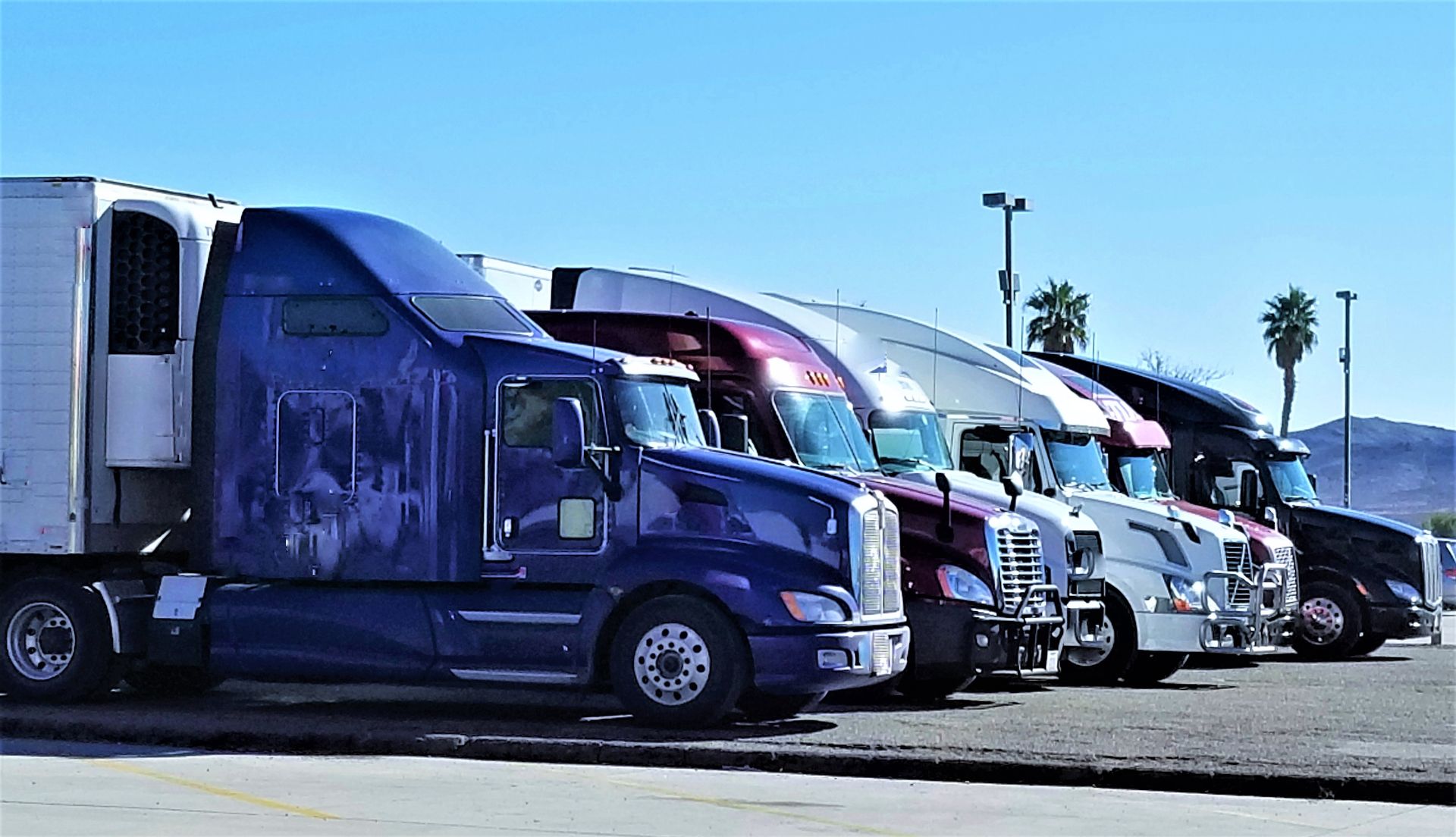
Commercial Auto & Trucking
Protection for your fleet including box trucks, moving vans, and trailers. Covers liability, collision, physical damage, and hired or non-owned vehicles used in your operations.
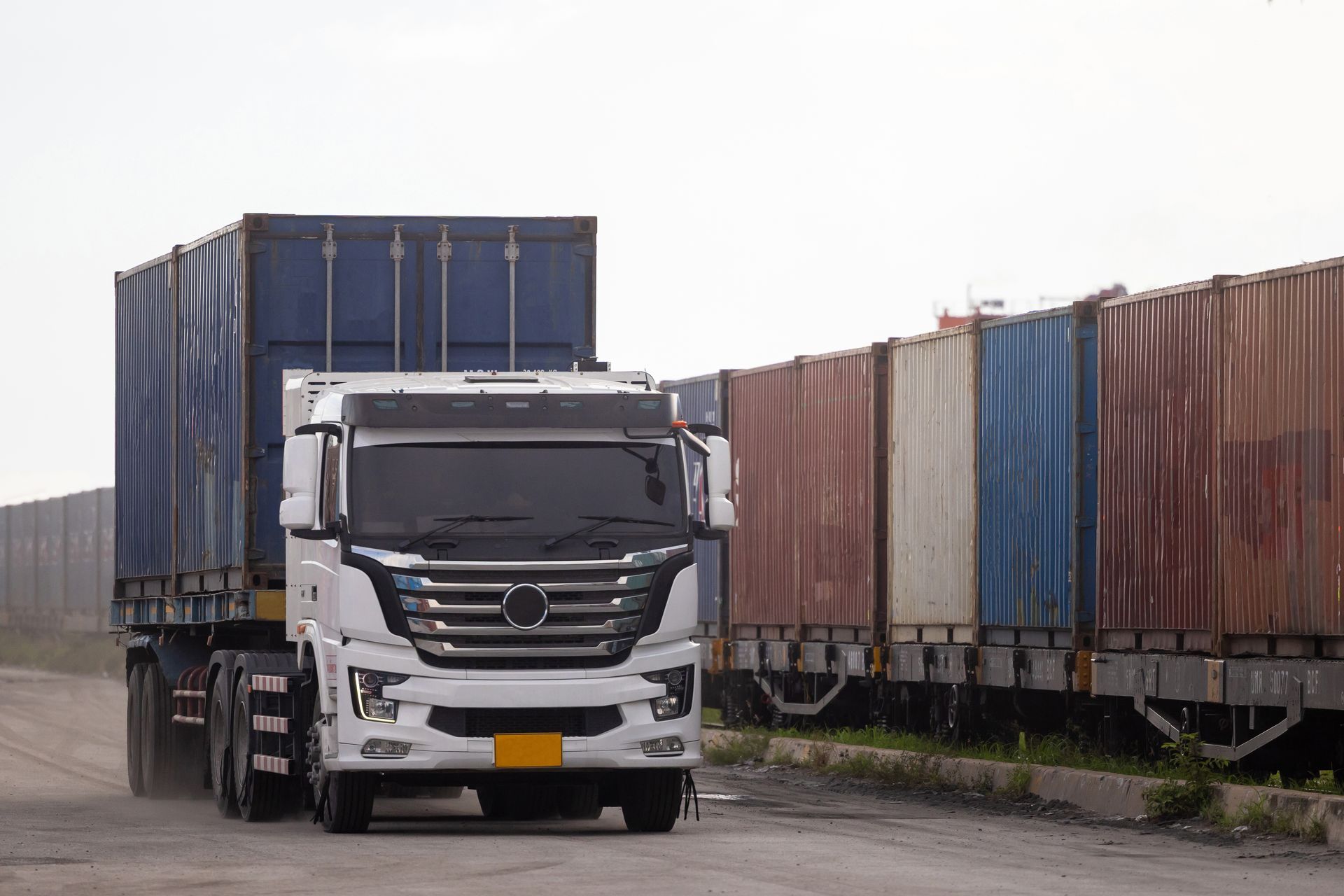
Motor Truck Cargo
Covers household goods and freight during transport from pickup to delivery. Protects against damage, theft, mysterious disappearance, and weather-related losses while cargo is in your care.

General Liability
Protection from third-party claims for bodily injury and property damage at customer homes, job sites, and your own facility. Essential coverage for every transportation operation

Warehouse Legal Liability
Coverage for customer property while stored in your facility. Protects against damage, theft, fire, and water damage to goods in your care, custody, or control.

Workers' Compensation
Medical care and wage replacement for employees injured on the job. Required in most states for transportation and warehouse work where physical labor creates higher injury risk.

Umbrella & Excess Liability
Higher liability limits stacked on top of your primary policies. Helps meet large contract requirements and protects your business assets against major claims and lawsuits.
Specialized Knowledge
Industries We Protect
Focused coverage for transportation and logistics businesses

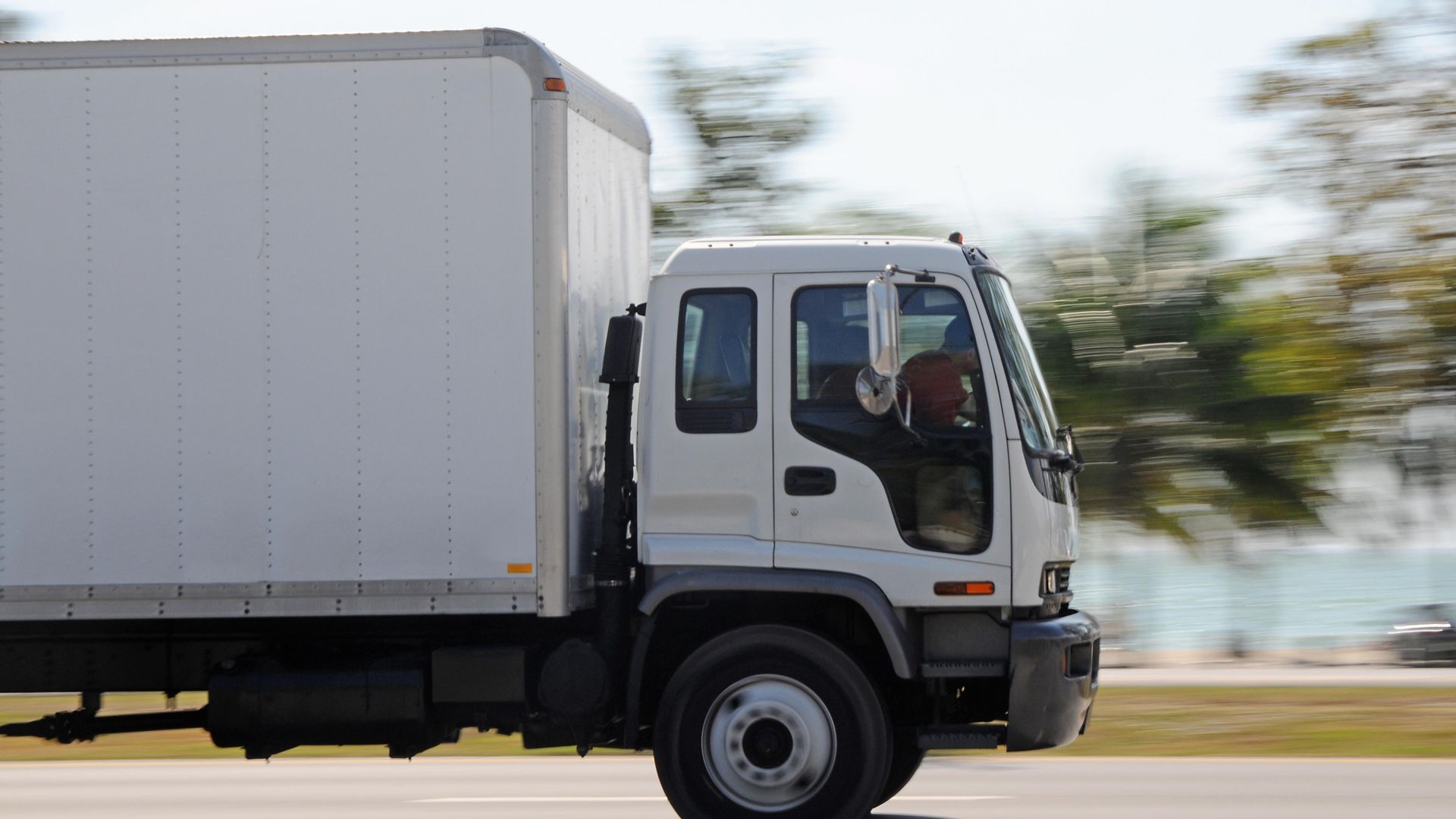

Simple and Clear
How Our Process Works
Our process to get you covered
Connect With Us
Reach out through our form or by phone to share your business needs and current coverage situation.
Get Coverage Options
We review your risks, compare carriers, and present clear quotes with plain-language explanations.
Stay Protected
You choose your plan, and we provide ongoing support for certificates, claims, and renewals.
Trusted by Businesses
Feedback That Reflects Service and Reliability
What our clients say about working with Champion Risk
Answers You Need
Frequently Asked Questions
Common questions about transportation and logistics insurance




What insurance does a transportation company need to operate legally?
Motor carriers that cross state lines must meet FMCSA requirements. You need a minimum of $750,000 in liability coverage, plus a BMC-91 filing that proves your insurance to the federal government. Cargo coverage is also required, with minimums that depend on the type of goods you transport.
Intrastate operators follow state-specific rules. California, Texas, and Florida each have different requirements. Champion Risk handles both federal and state filings. We make sure your coverage meets legal minimums and your certificates reach the right agencies.
How much does commercial transportation insurance cost?
Premiums depend on your fleet size, driving records, cargo values, and claims history. A small operation with two trucks might pay $8,000 to $15,000 per year. A larger carrier with ten trucks could pay $50,000 to $100,000 or more.
The best way to control costs is working with a broker who knows transportation insurance. We find carriers that specialize in your exact operation type. This often results in better rates than going direct or using a general agent who doesn't understand the industry.
What is a BMC-91 filing and why do I need one?
A BMC-91 is a form your insurance company files with the FMCSA. It proves you carry the required liability coverage to operate as a for-hire motor carrier. Without an active BMC-91, your operating authority can be revoked.
Champion Risk works with carriers who file electronically. Your BMC-91 typically posts within 24 to 48 hours of binding coverage. We monitor your filing status and alert you if anything needs attention.
Does my warehouse or storage facility need different insurance than a trucking operation?
Yes. Storage facilities need warehouse legal liability coverage. This protects you when customer property is damaged or stolen while in your care. Standard general liability policies exclude this exposure.
You may also need property coverage for your building, equipment breakdown protection, and business income coverage if a fire or disaster shuts down operations. Champion Risk builds storage facility programs that address all these risks in one package.
Can you insure last-mile delivery drivers who use their own vehicles?
Yes. We offer hired and non-owned auto coverage for delivery operations that use independent contractors or employees driving personal vehicles. This fills gaps that personal auto policies don't cover during commercial use.
We also provide occupational accident coverage for 1099 drivers who aren't eligible for workers' comp. This protects your drivers and limits your liability exposure when accidents happen.
How fast can I get proof of insurance for a new contract?
Same day in most cases. Once we bind your policy, we issue certificates of insurance within hours. If your contract requires specific additional insured language or special endorsements, we coordinate directly with the carrier.
Rush requests happen often in this industry. General contractors and corporate clients demand certificates before they let you on site. Champion Risk prioritizes fast turnaround because we know your revenue depends on it.

Answers You Need
Transportation & Logistics Insurance Resources
Articles designed to inform and support your business
Contact Us
Phone Number:
Email Address:
Location:
12264 El Camino Real, Suite 350
San Diego, CA 92130
Hours:
Monday – Friday: 8:00 AM – 6:00 PM PT