Running freight through Oregon means dealing with a unique combination of geographic challenges and regulatory requirements that most carriers don't fully appreciate until they're facing a claim. The Cascade Range, unpredictable coastal weather, and congestion-heavy corridors around Portland create risk profiles that differ significantly from flatland operations in neighboring states. According to the Oregon Trucking Association, congestion alone costs the state's trucking industry $1.0 billion annually, and those delays translate directly into increased exposure for cargo damage, driver fatigue incidents, and missed delivery claims.
Understanding transportation and logistics insurance requirements in Oregon isn't just about checking compliance boxes. It's about building a coverage structure that actually protects your operation when things go sideways on I-84 during an ice storm or when a warehouse claim threatens to wipe out your quarterly profit. The insurance landscape for Oregon carriers has shifted dramatically, with
industry data showing logistics insurance penetration increased 14.6% between 2022 and 2024. That growth reflects both heightened awareness of risk and the reality that underinsured operations don't survive long in this market.
The Landscape of Oregon Transportation and Logistics Risk
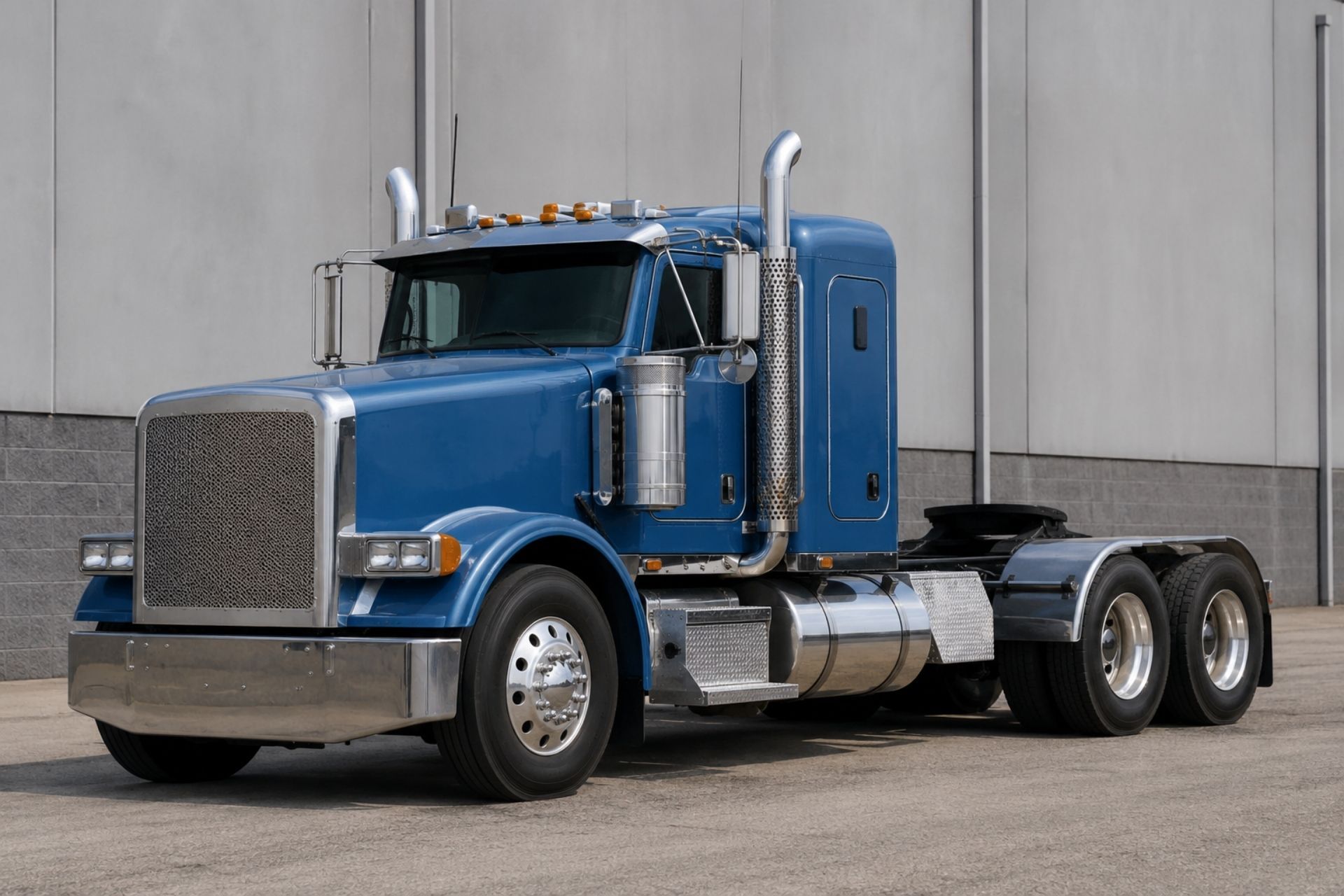
Oregon's transportation corridors present challenges you won't find in most other western states. The I-5 corridor from California through Portland handles massive freight volumes while climbing through mountainous terrain. Highway 97 cuts through high desert conditions that shift from scorching summer heat to winter ice within weeks. Coastal routes along Highway 101 deal with fog, rockslides, and narrow passages that complicate cargo hauling.
These geographic factors directly influence your insurance costs and coverage needs. Carriers operating mountain routes face higher collision and cargo damage rates. Those running temperature-sensitive freight through the Willamette Valley need robust cargo coverage that accounts for spoilage during unexpected delays. Port operations in Portland and Coos Bay introduce marine transit exposures that require specialized coverage endorsements.
The state's economy depends heavily on agricultural products, timber, and manufactured goods moving through these challenging corridors. Each commodity type carries distinct insurance considerations, from produce spoilage timelines to hazmat requirements for chemical transport.


By: Mark Raby
Chief Executive Officer at Champion Risk & Insurance Services
Oregon State Insurance Requirements for Motor Carriers
Oregon maintains some of the more stringent insurance requirements for motor carriers operating within and through the state. The Oregon Department of Transportation Motor Carrier Transportation Division enforces these standards aggressively, and operating without proper documentation results in immediate permit suspension.
ODOT Weight-Mile Tax and Liability Minimums
The state requires a minimum of $750,000 per accident combined single limit auto liability insurance for motor carriers. This threshold applies to for-hire carriers operating vehicles over 26,000 pounds. The coverage must be filed directly with ODOT, and lapses trigger automatic suspension of operating authority.
Oregon's weight-mile tax system creates additional compliance layers that affect your insurance documentation. Carriers must maintain current insurance filings to keep their weight-mile accounts active, and the state cross-references these records during roadside inspections. Getting caught with expired filings means more than a citation; it can ground your entire fleet until paperwork catches up.
For cargo coverage, the minimum acceptable limit is $10,000, which must be signed by the carrier's insurer and filed with the Compliance and Consumer Division. That minimum is laughably inadequate for most real-world operations, but it represents the floor for legal compliance.
Oregon Workers' Compensation Laws for Drivers
Oregon workers' compensation requirements apply to all employers, including owner-operators who hire helpers or lease to carriers. The state doesn't recognize independent contractor exemptions as broadly as some neighboring states, which means many operations that assume they're exempt actually need coverage.
Driver classification issues create significant liability exposure. Misclassifying employees as independent contractors can result in retroactive premium assessments, penalties, and personal liability for business owners. Champion Risk works with Oregon carriers to structure their operations in ways that minimize classification disputes while maintaining appropriate coverage.
Essential Coverage Types for Logistics Businesses
Building a comprehensive insurance program requires understanding how different coverage types interact and where gaps typically emerge.
Primary Auto Liability and Motor Truck Cargo
Primary auto liability covers bodily injury and property damage you cause to others. While Oregon requires $750,000 minimums, most shippers and brokers demand $1 million limits before they'll tender loads. Carriers hauling hazardous materials or operating under federal authority often need higher limits still.
Motor truck cargo insurance protects the freight you're hauling. Standard policies cover direct physical loss from collision, fire, theft, and similar perils. The
average commercial truck insurance premium in Oregon runs $8,484as of September 2024, though cargo coverage costs vary significantly based on commodity types and values hauled.
| Coverage Type | Oregon Minimum | Typical Requirement | Common Limits |
|---|---|---|---|
| Auto Liability | $750,000 | $1,000,000 | $1M-$2M |
| Cargo | $10,000 | $100,000 | $100K-$250K |
| General Liability | None | Required by contracts | $1M per occurrence |
General Liability and Warehouse Legal Liability
General liability covers third-party bodily injury and property damage that occurs outside of vehicle operations. If a driver damages a loading dock or a warehouse visitor trips over your equipment, general liability responds. Most logistics contracts require $1 million per occurrence limits.
Warehouse legal liability becomes essential for operations that store goods for others. This coverage protects against claims when stored property is damaged, destroyed, or stolen while in your care. Standard property insurance doesn't cover goods you don't own, making this a critical gap-filler for 3PL operations.
Contingent Cargo and Broker Liability
Freight brokers face distinct exposures that require contingent cargo coverage. When a carrier you've dispatched fails to deliver or damages freight, your shipper customers look to you for recovery. Contingent cargo provides backup coverage when the underlying carrier's policy is inadequate or when the carrier disappears entirely.
Broker liability, sometimes called errors and omissions coverage, protects against claims arising from your brokerage activities: missed pickups, incorrect carrier vetting, documentation errors, and similar operational failures. As one industry expert notes, "Given the complexities of Oregon truck insurance, it's important to work with a
specialized agent who understands the trucking operation, goals, and safety culture."

Insurance pricing in Oregon reflects regional risk factors that underwriters evaluate carefully.
Operating Radius and Route Difficulty
Carriers running local Portland metro routes face different premium calculations than those hauling long-distance freight over the Cascades. Mountain operations carry higher collision frequency rates, while urban operations see more theft and vandalism claims. Your operating radius directly influences your base premium, with regional and long-haul operations typically paying more than local fleets.
Route-specific hazards matter too. Regular runs through the Columbia River Gorge during winter months flag additional risk in underwriting systems. Carriers that can demonstrate seasonal route adjustments or chain-up protocols sometimes negotiate better rates.
Safety Ratings and Loss History
Your CSA scores and loss runs tell underwriters more about your operation than almost any other factor. Carriers with clean inspection histories and minimal claims pay substantially less than those with violations or frequent losses. A single at-fault accident can increase premiums by 20-40% at renewal.
Champion Risk helps Oregon carriers implement documentation practices that support favorable underwriting. Maintaining organized records of driver training, vehicle maintenance, and safety meetings creates a narrative that underwriters reward with better pricing.
Cost-Reduction Strategies and Risk Management
Controlling insurance costs requires proactive risk management rather than simply shopping for cheaper policies.
Telematics and In-Cab Monitoring Systems
Electronic logging devices and telematics systems do more than satisfy compliance requirements. They generate data that demonstrates safe driving practices to underwriters. Carriers using camera systems and real-time monitoring often qualify for premium credits ranging from 5-15%.
The data also protects you in claims situations. Video evidence from forward-facing cameras has helped countless carriers defeat fraudulent claims that would otherwise drive up loss experience.
Driver Qualification and Training Programs
Documented driver qualification files and ongoing training programs signal operational maturity to underwriters. Beyond meeting FMCSA minimums, carriers that invest in defensive driving courses, load securement training, and hazmat certifications demonstrate commitment to loss prevention.
New driver hiring practices matter significantly. Operations that hire experienced drivers with clean MVRs pay less than those constantly onboarding inexperienced drivers. Some carriers find that paying slightly higher wages to attract better drivers actually reduces total operating costs when insurance savings are factored in.
Finding the right coverage at competitive rates requires working with specialists who understand both Oregon's regulatory environment and the operational realities of transportation businesses. The market has tightened considerably over the past few years, with many generalist agencies exiting trucking insurance entirely.
Champion Risk maintains relationships with carriers that actively write Oregon transportation risks, including markets that won't work with non-specialized agencies. That access matters when your operation has challenging loss history or operates in higher-risk commodity segments.
Frequently Asked Questions
What happens if my insurance lapses with ODOT? Oregon automatically suspends your operating authority when insurance filings lapse. You cannot legally operate until coverage is reinstated and new filings are accepted, which typically takes 24-72 hours.
Do I need separate cargo insurance for different commodities? Standard cargo policies cover most general freight. Specialized commodities like refrigerated goods, hazmat, or high-value electronics often require endorsements or separate policies with appropriate limits and coverage terms.
How does Oregon's weight-mile tax affect my insurance? The tax itself doesn't directly impact insurance, but your weight-mile account status depends on current insurance filings. Lapsed insurance means suspended accounts and inability to legally operate.
Can I reduce premiums by increasing deductibles? Higher deductibles typically lower premiums, but the savings must be weighed against your ability to absorb losses. Most carriers find a sweet spot between $1,000 and $5,000 cargo deductibles.
What's the difference between contingent cargo and primary cargo coverage? Primary cargo covers freight you're physically hauling. Contingent cargo covers freight you've brokered to another carrier when their insurance fails to respond adequately.
Oregon's transportation insurance requirements create a foundation, but building real protection requires going beyond minimums. The combination of geographic challenges, regulatory complexity, and evolving risk profiles means cookie-cutter coverage programs often fail when carriers need them most. Work with specialists who understand both the state-specific requirements and the practical realities of running freight through the Pacific Northwest. Your coverage should reflect your actual operations, not just check compliance boxes.
About the Author:
Mark Raby
I am a seasoned insurance professional with over 30 years of experience in the industry. I lead Champion Risk & Insurance Services, a San Diego-based brokerage with nationwide reach and strong influence in the insurance marketplace. My core competencies include insurance agency M&A deals, captives and alternative risk structures, and commercial property and casualty insurance for clients in the transportation and logistics industries. I am a former president of IIAB San Diego and hold a Bachelor of Science in Finance from Western Michigan University’s Haworth College of Business.
Protection for Transportation Operations
Business Insurance for Transportation & Logistics Companies
Coverage designed specifically for transportation businesses
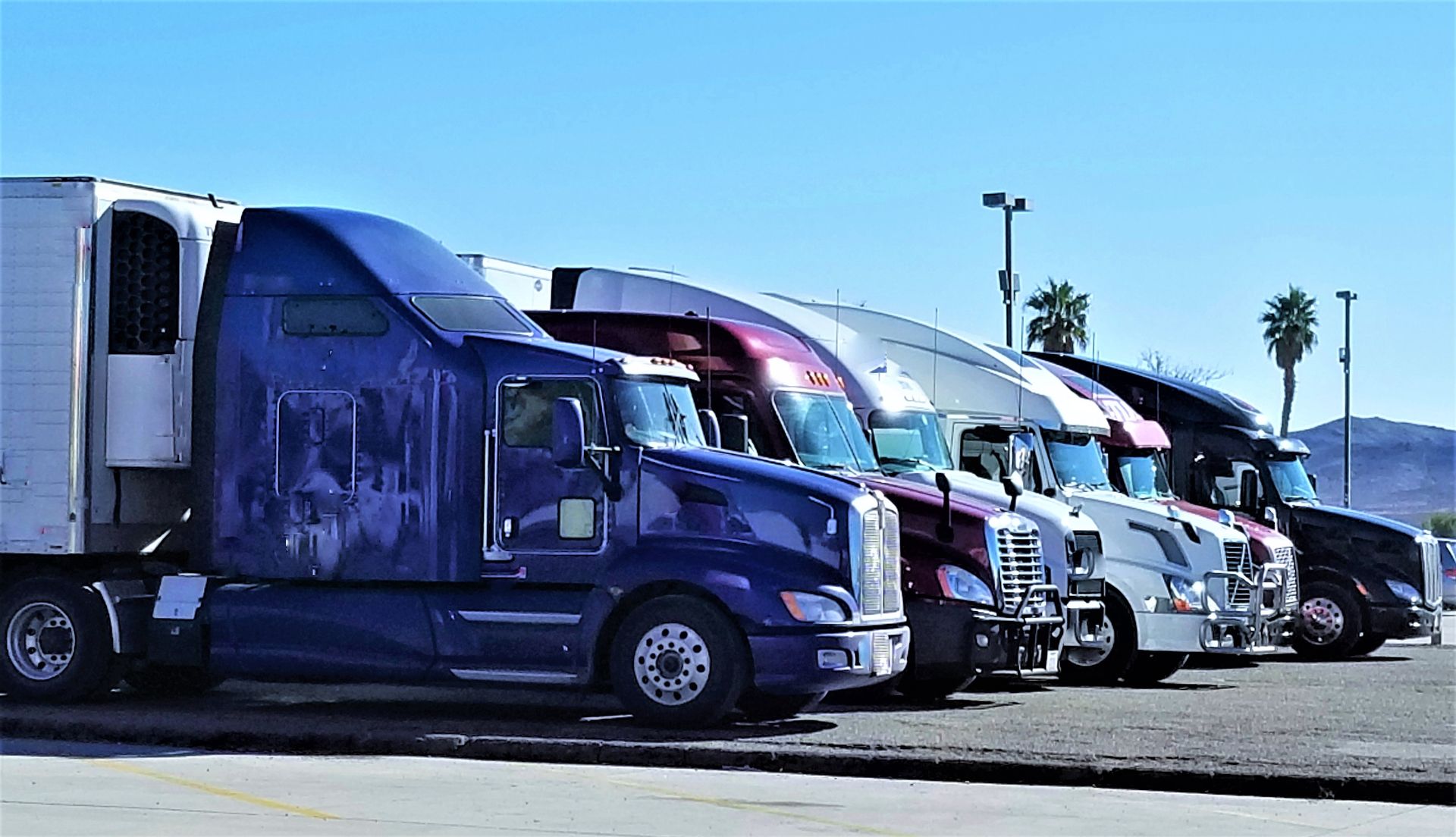
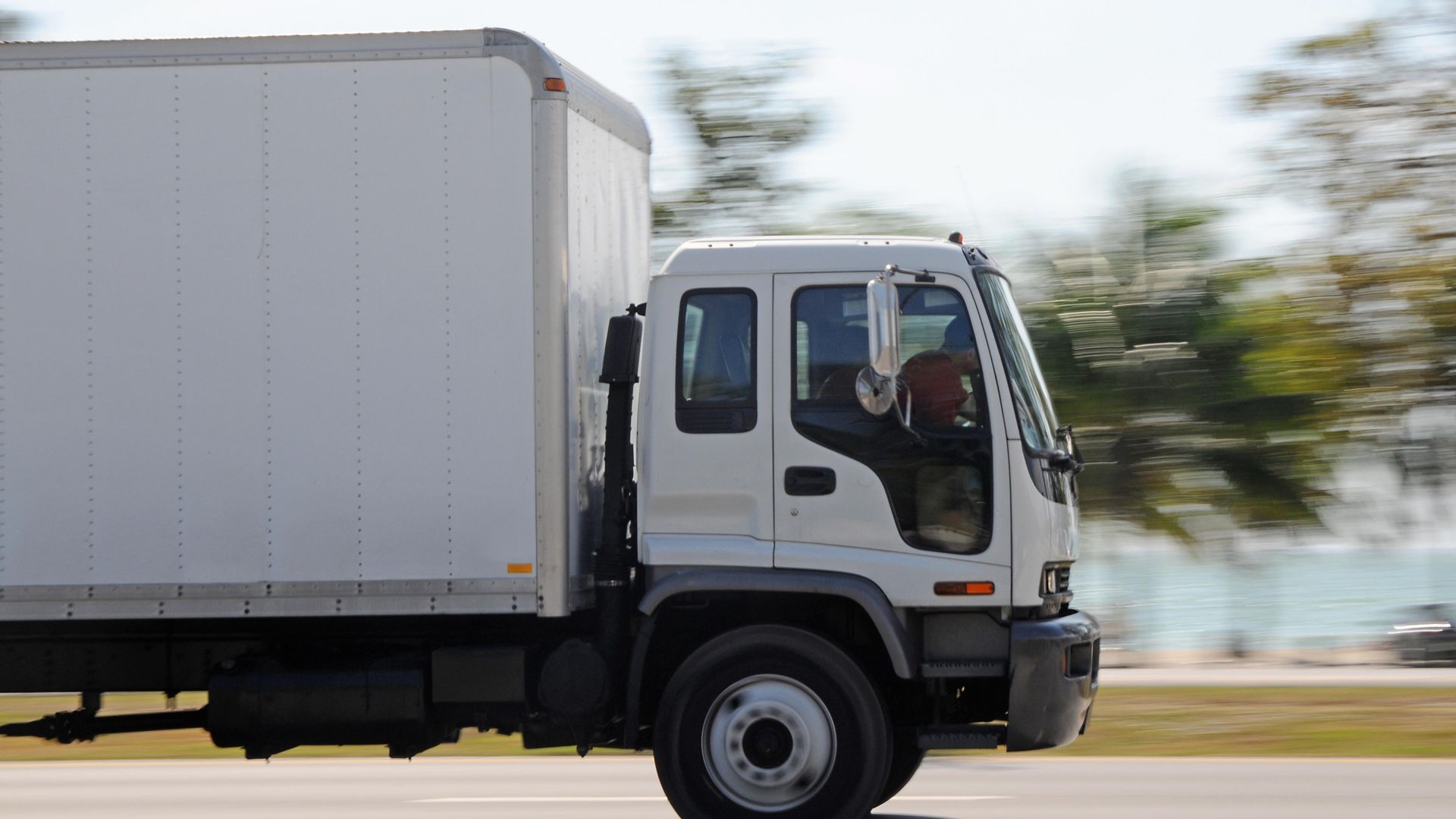
Commercial Auto & Trucking
Protection for your fleet including box trucks, moving vans, and trailers. Covers liability, collision, physical damage, and hired or non-owned vehicles used in your operations.
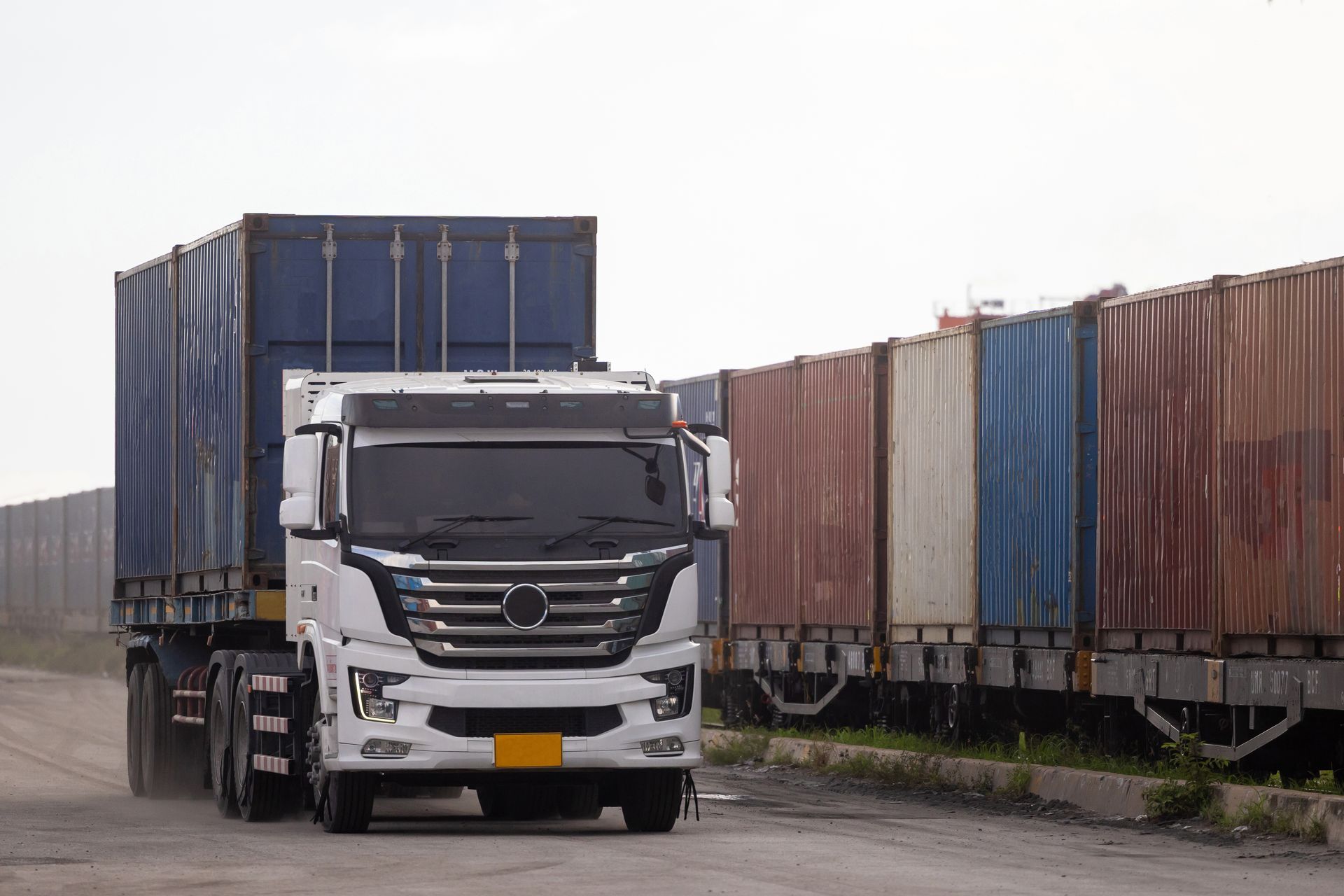
Motor Truck Cargo
Covers household goods and freight during transport from pickup to delivery. Protects against damage, theft, mysterious disappearance, and weather-related losses while cargo is in your care.

General Liability
Protection from third-party claims for bodily injury and property damage at customer homes, job sites, and your own facility. Essential coverage for every transportation operation
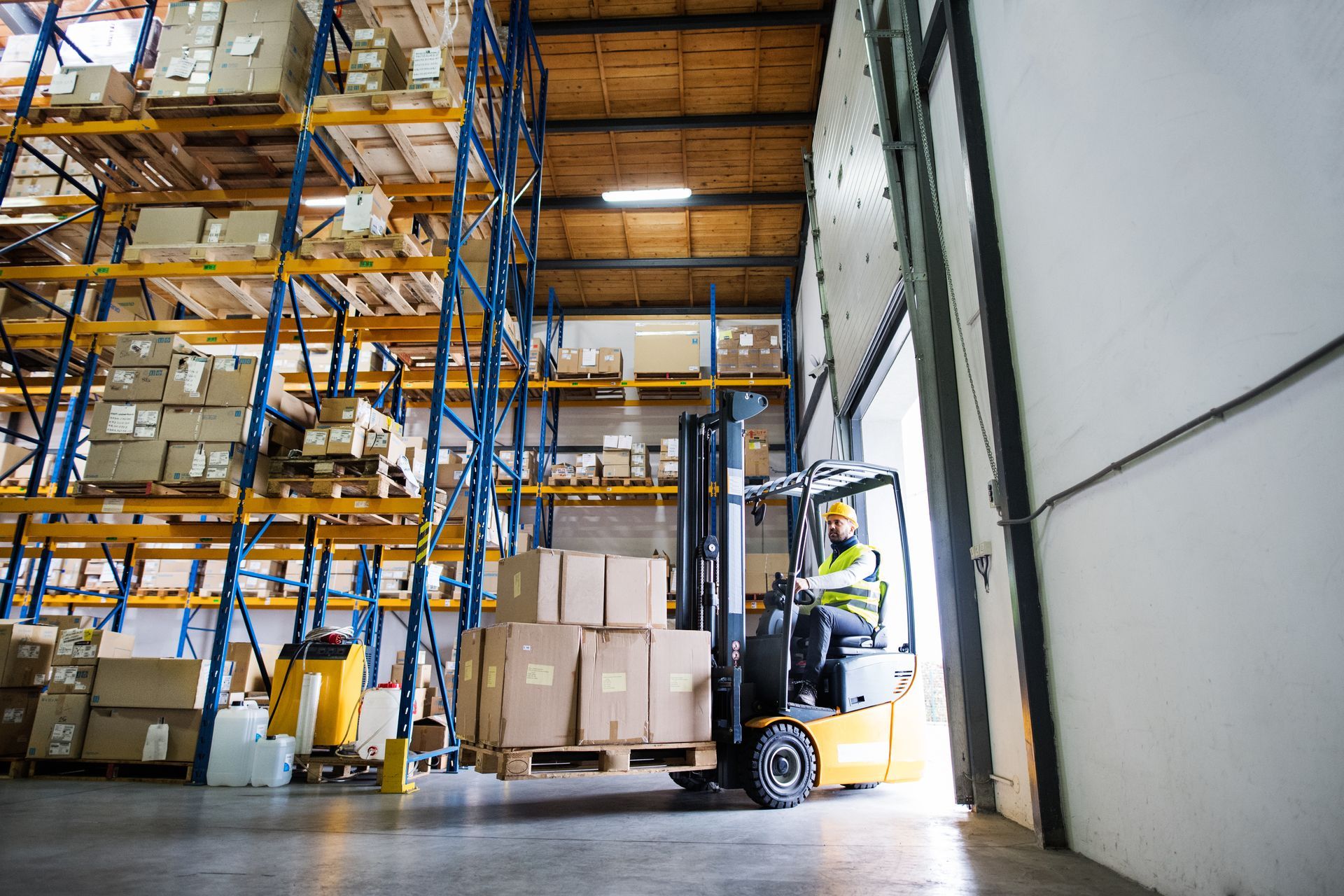
Warehouse Legal Liability
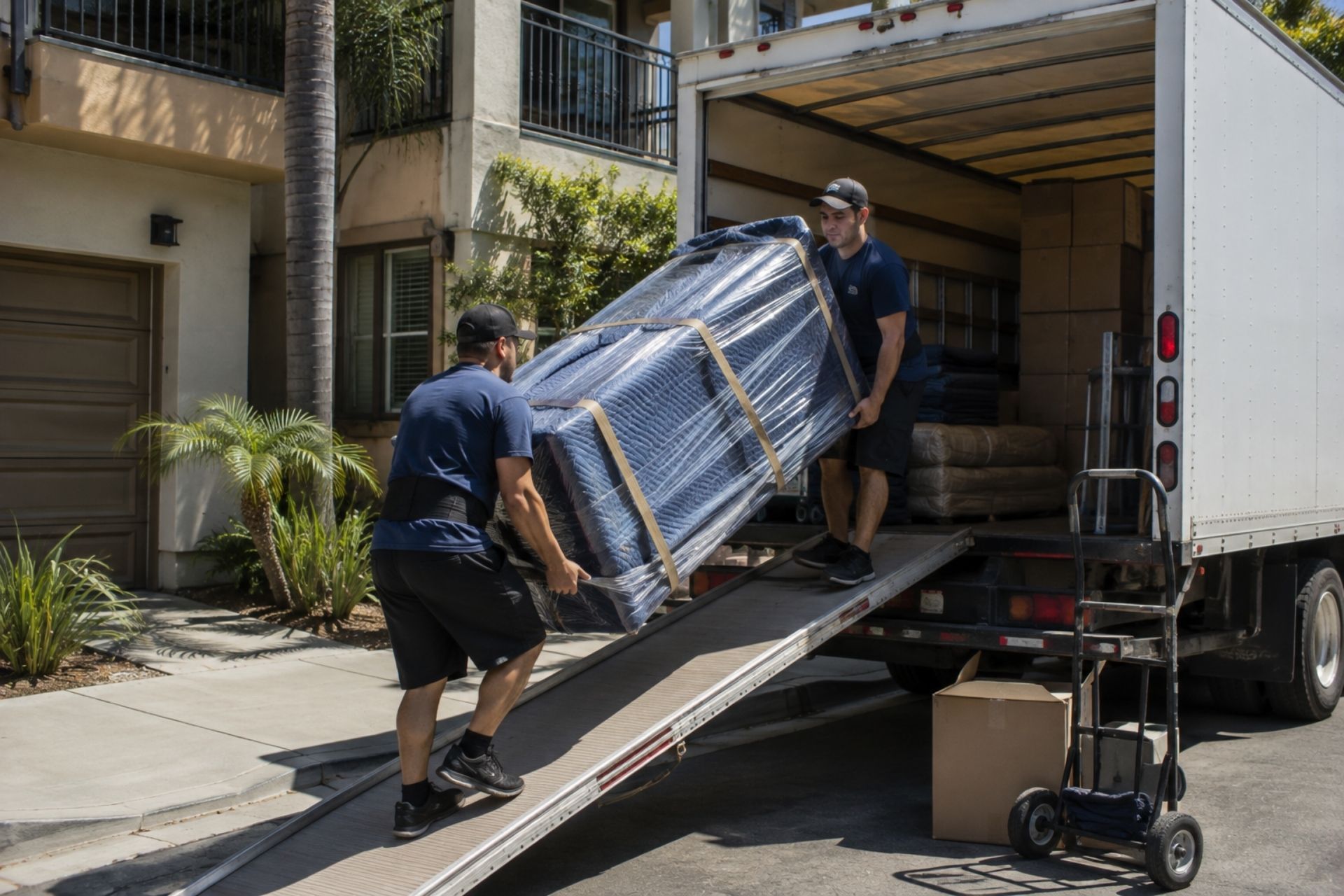
Coverage for customer property while stored in your facility. Protects against damage, theft, fire, and water damage to goods in your care, custody, or control.

Workers' Compensation
Medical care and wage replacement for employees injured on the job. Required in most states for transportation and warehouse work where physical labor creates higher injury risk.

Umbrella & Excess Liability
Higher liability limits stacked on top of your primary policies. Helps meet large contract requirements and protects your business assets against major claims and lawsuits.
Specialized Knowledge
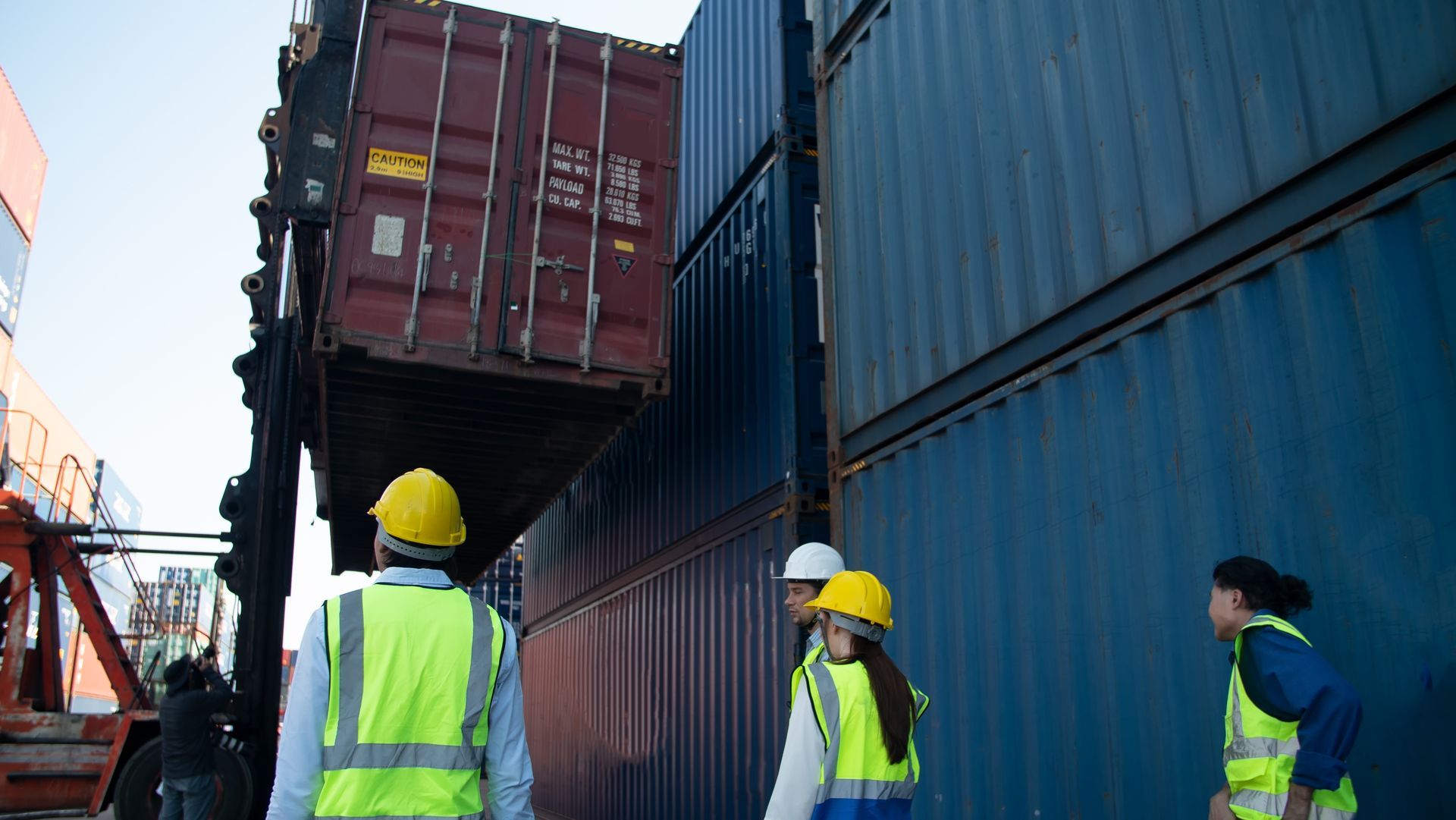
Industries We Protect
Focused coverage for transportation and logistics businesses


Simple and Clear
How Our Process Works
Our process to get you covered
Connect With Us
Reach out through our form or by phone to share your business needs and current coverage situation.
Get Coverage Options
We review your risks, compare carriers, and present clear quotes with plain-language explanations.
Stay Protected
You choose your plan, and we provide ongoing support for certificates, claims, and renewals.
Trusted by Businesses
Feedback That Reflects Service and Reliability
What our clients say about working with Champion Risk
Answers You Need
Frequently Asked Questions
Common questions about transportation and logistics insurance



What insurance does a transportation company need to operate legally?
Motor carriers that cross state lines must meet FMCSA requirements. You need a minimum of $750,000 in liability coverage, plus a BMC-91 filing that proves your insurance to the federal government. Cargo coverage is also required, with minimums that depend on the type of goods you transport.
Intrastate operators follow state-specific rules. California, Texas, and Florida each have different requirements. Champion Risk handles both federal and state filings. We make sure your coverage meets legal minimums and your certificates reach the right agencies.
How much does commercial transportation insurance cost?
Premiums depend on your fleet size, driving records, cargo values, and claims history. A small operation with two trucks might pay $8,000 to $15,000 per year. A larger carrier with ten trucks could pay $50,000 to $100,000 or more.
The best way to control costs is working with a broker who knows transportation insurance. We find carriers that specialize in your exact operation type. This often results in better rates than going direct or using a general agent who doesn't understand the industry.
What is a BMC-91 filing and why do I need one?
A BMC-91 is a form your insurance company files with the FMCSA. It proves you carry the required liability coverage to operate as a for-hire motor carrier. Without an active BMC-91, your operating authority can be revoked.
Champion Risk works with carriers who file electronically. Your BMC-91 typically posts within 24 to 48 hours of binding coverage. We monitor your filing status and alert you if anything needs attention.
Does my warehouse or storage facility need different insurance than a trucking operation?
Yes. Storage facilities need warehouse legal liability coverage. This protects you when customer property is damaged or stolen while in your care. Standard general liability policies exclude this exposure.
You may also need property coverage for your building, equipment breakdown protection, and business income coverage if a fire or disaster shuts down operations. Champion Risk builds storage facility programs that address all these risks in one package.
Can you insure last-mile delivery drivers who use their own vehicles?
Yes. We offer hired and non-owned auto coverage for delivery operations that use independent contractors or employees driving personal vehicles. This fills gaps that personal auto policies don't cover during commercial use.
We also provide occupational accident coverage for 1099 drivers who aren't eligible for workers' comp. This protects your drivers and limits your liability exposure when accidents happen.
How fast can I get proof of insurance for a new contract?
Same day in most cases. Once we bind your policy, we issue certificates of insurance within hours. If your contract requires specific additional insured language or special endorsements, we coordinate directly with the carrier.
Rush requests happen often in this industry. General contractors and corporate clients demand certificates before they let you on site. Champion Risk prioritizes fast turnaround because we know your revenue depends on it.

Answers You Need
Transportation & Logistics Insurance Resources
Articles designed to inform and support your business
Contact Us
Phone Number:
Email Address:
Location:
12264 El Camino Real, Suite 350
San Diego, CA 92130
Hours:
Monday – Friday: 8:00 AM – 6:00 PM PT