
San Diego, California Transportation & Logistics Insurance
Or Call Us:
(800) 829-0807
San Diego's position as a major logistics hub creates unique challenges for transportation companies seeking proper insurance coverage. With the Port of San Diego handling billions in cargo annually and Otay Mesa serving as one of the busiest commercial land ports in the Western Hemisphere, local trucking and logistics firms face risks that generic commercial policies simply cannot address. The California Freight and Logistics Market is expected to reach
$185.11 billion in 2025, making proper coverage not just advisable but essential for survival. Understanding transportation and logistics insurance requirements in San Diego means grasping both California state mandates and the specific exposures that come with operating in a border region. From cross-border trade complications to the congested corridors of I-5 and I-15, local operators need coverage tailored to their actual operations. This guide breaks down what you need, what it costs, and how to protect your business without overpaying.
The San Diego Logistics Landscape and Insurance Essentials
Strategic Importance of the Port of San Diego and Otay Mesa
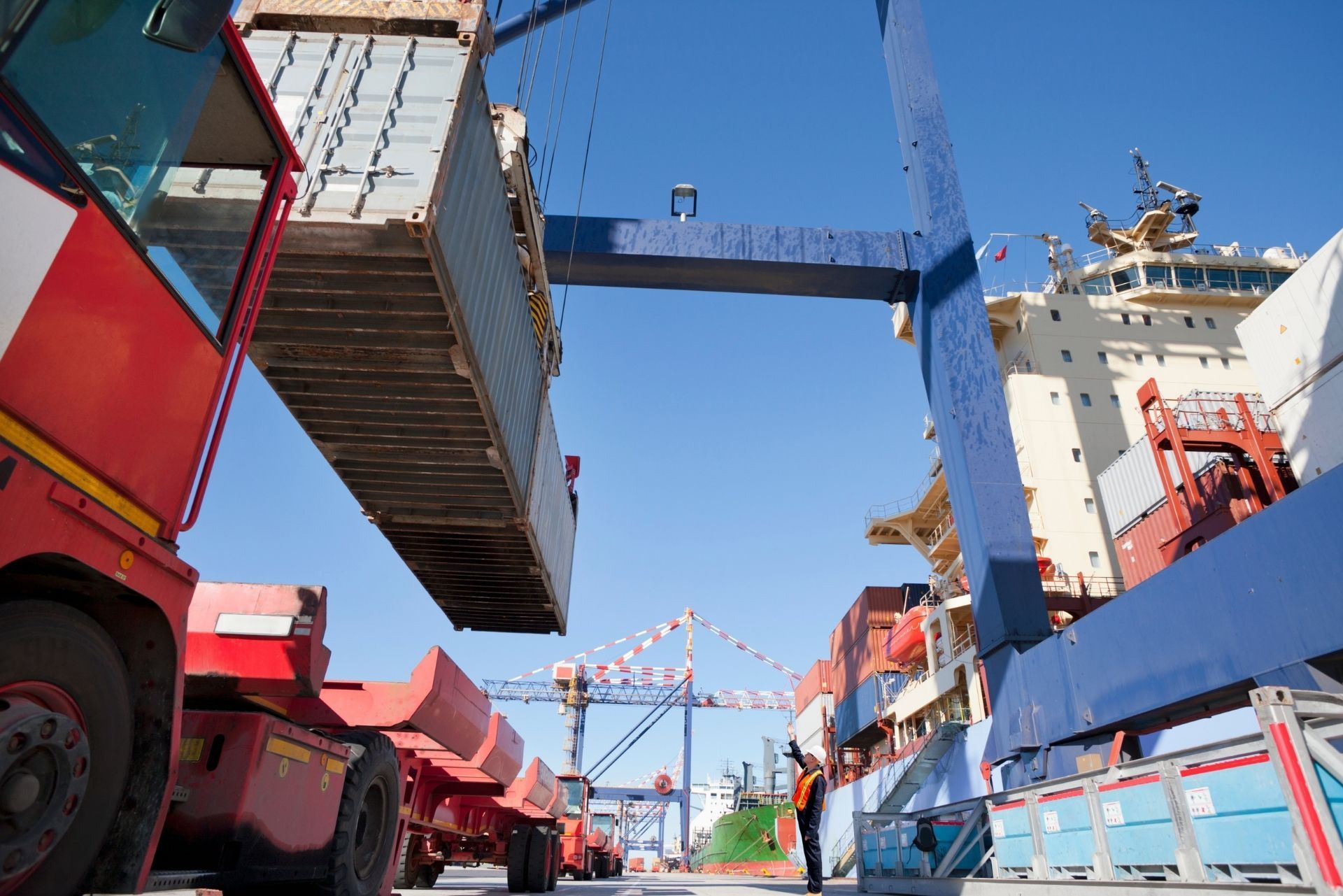
The Port of San Diego processes everything from refrigerated goods to automotive parts, creating a steady flow of cargo that requires specialized handling and insurance. Otay Mesa compounds this activity with thousands of daily commercial crossings between the United States and Mexico. This cross-border traffic means San Diego transportation companies frequently deal with international shipments, customs delays, and the added liability exposure that comes with multi-jurisdictional operations.
Local logistics firms often handle high-value electronics, produce requiring temperature control, and manufacturing components bound for maquiladoras south of the border. Each cargo type carries distinct risk profiles that standard policies overlook. A produce hauler facing spoilage claims needs different protection than a company moving industrial equipment.
Why Standard Commercial Policies Fall Short for Transport
General commercial liability policies assume a relatively static business operation. Transportation companies face moving risks across multiple locations, jurisdictions, and conditions daily. A standard business owner's policy won't cover cargo damage, won't address the specific liability requirements for commercial vehicles, and won't account for the regulatory framework governing trucking operations.
The gap becomes painfully clear when claims arise. A San Diego trucking company with only basic coverage might find themselves personally liable for cargo damage, driver injuries, or third-party claims that exceed their policy limits. California's regulatory environment makes these gaps especially dangerous, as the state imposes some of the strictest requirements in the nation.

By: Mark Raby
Chief Executive Officer at Champion Risk & Insurance Services
Core Coverage Types for San Diego Transportation Firms
Motor Truck Cargo and Inland Marine Protection
Motor truck cargo insurance protects the goods you're hauling, covering damage or loss during transit. This differs from the shipper's own coverage because it specifically addresses your liability as the carrier. Inland marine coverage extends this protection to goods in transit that aren't on the water, covering items moving by truck, rail, or air.
San Diego's diverse cargo mix requires careful policy structuring. Companies hauling refrigerated goods need reefer breakdown coverage. Those transporting electronics should verify coverage for theft and mysterious disappearance. Champion Risk works with transportation clients to identify these specific exposures and match coverage accordingly, rather than applying one-size-fits-all solutions.
Commercial Auto Liability and Physical Damage
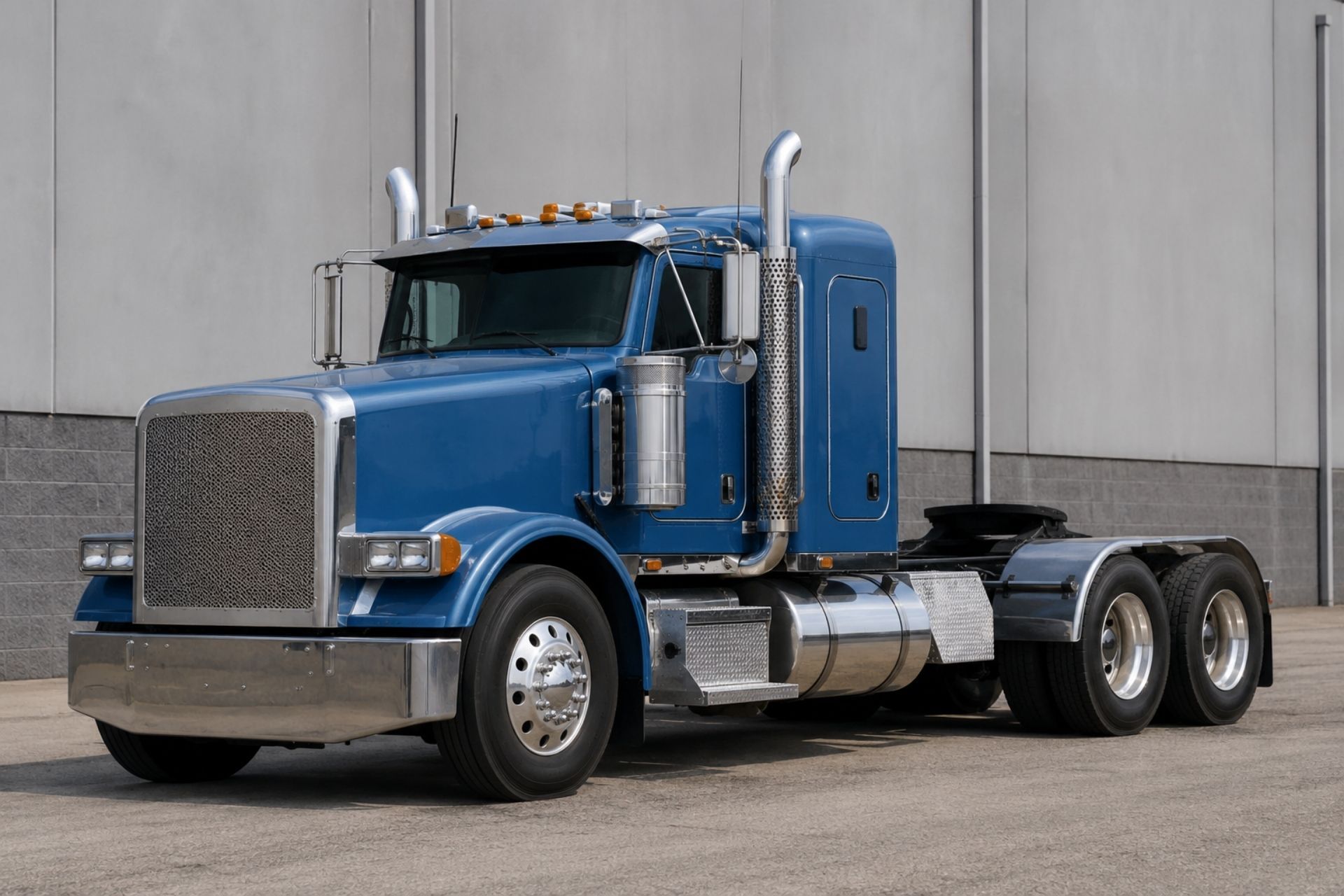
California mandates minimum liability coverage of $750,000 for commercial trucks carrying general freight. For trucks transporting hazardous materials, that minimum jumps to $5,000,000. These aren't suggestions but legal requirements that can shut down your operation if violated.
Physical damage coverage protects your actual vehicles from collision, comprehensive losses, and specified perils. Given the value of modern commercial trucks and trailers, this coverage prevents a single accident from destroying your capital equipment. Many San Diego operators also add towing coverage and rental reimbursement to keep operations running after an incident.
Warehouse Legal Liability for Local Distribution Centers
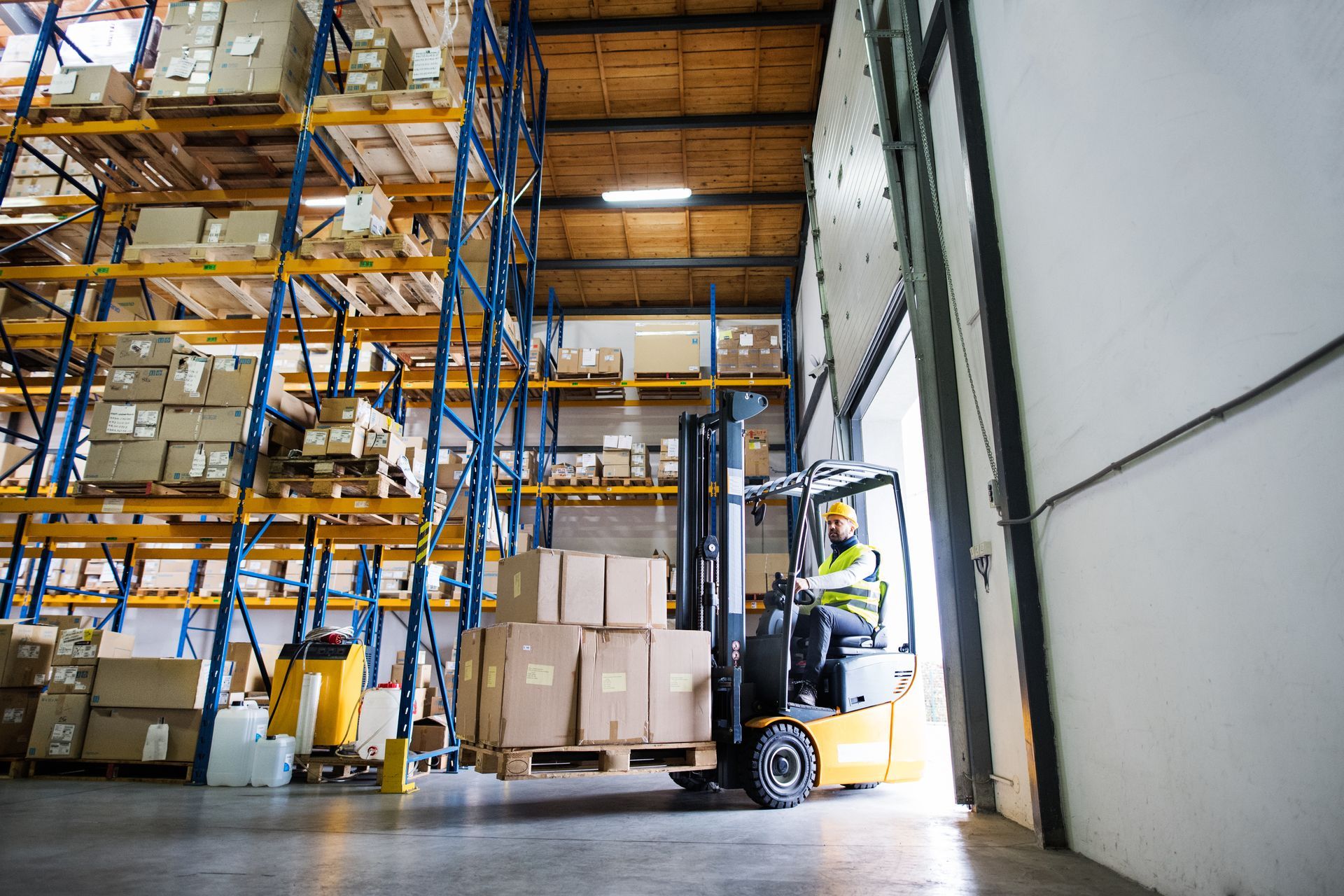
Distribution centers throughout San Diego County need warehouse legal liability coverage to protect against claims arising from stored goods. This coverage addresses damage to customer property while in your care, custody, or control. Standard property insurance won't cover goods belonging to others.
The distinction matters because warehouse operators face claims for everything from water damage to theft to improper handling. A single pallet of damaged pharmaceuticals or electronics can generate claims exceeding $100,000. Proper warehouse legal liability coverage prevents these incidents from becoming business-ending events.
California State Requirements and Regulatory Compliance
California DMV and CA Number Filing Requirements
California requires motor carriers to register with the DMV and obtain a CA number for intrastate operations. This registration requires proof of insurance meeting state minimums, and carriers must maintain continuous coverage or face suspension. The state actively monitors compliance and will pull operating authority for lapses.
Filing requirements include submitting proof of insurance directly to the DMV, typically through your insurance carrier's filing service. Champion Risk handles these filings as part of standard service, ensuring clients maintain compliance without tracking paperwork themselves.
Workers' Compensation Mandates for California Drivers
California requires workers' compensation coverage for all employees, including drivers. There's no exemption for small fleets or owner-operators who hire any help. The penalties for operating without coverage include criminal charges, civil fines, and personal liability for any workplace injuries.
Trucking workers' compensation rates in California reflect the hazardous nature of the work. Premiums depend on classification codes, payroll, and experience modification factors. Companies with strong safety records can significantly reduce these costs over time.
Cross-Border Insurance Considerations for San Diego-Tijuana Trade
Operating between San Diego and Tijuana requires Mexican insurance coverage. U.S. policies don't extend into Mexico, and Mexican authorities require local coverage for any commercial vehicle operating on their roads. This means maintaining separate policies or endorsements specifically for cross-border operations.
The complexity increases when cargo crosses the border. Customs bonds, international cargo coverage, and liability protection in both jurisdictions all require coordination. Many San Diego operators maintain standing Mexican coverage rather than purchasing trip-specific policies for each crossing.
| Coverage Type | Typical Cost | Best For |
|---|---|---|
| Released Value | Free | Low-value moves |
| Full Value ($250 deductible) | 1.5-2% of value | High-value items |
| Full Value ($500 deductible) | 1-1.5% of value | Budget-conscious moves |
| Third-Party Policy | Varies by provider | Specialty items |
Impact of Route Risks and High-Traffic Corridors like I-5 and I-15
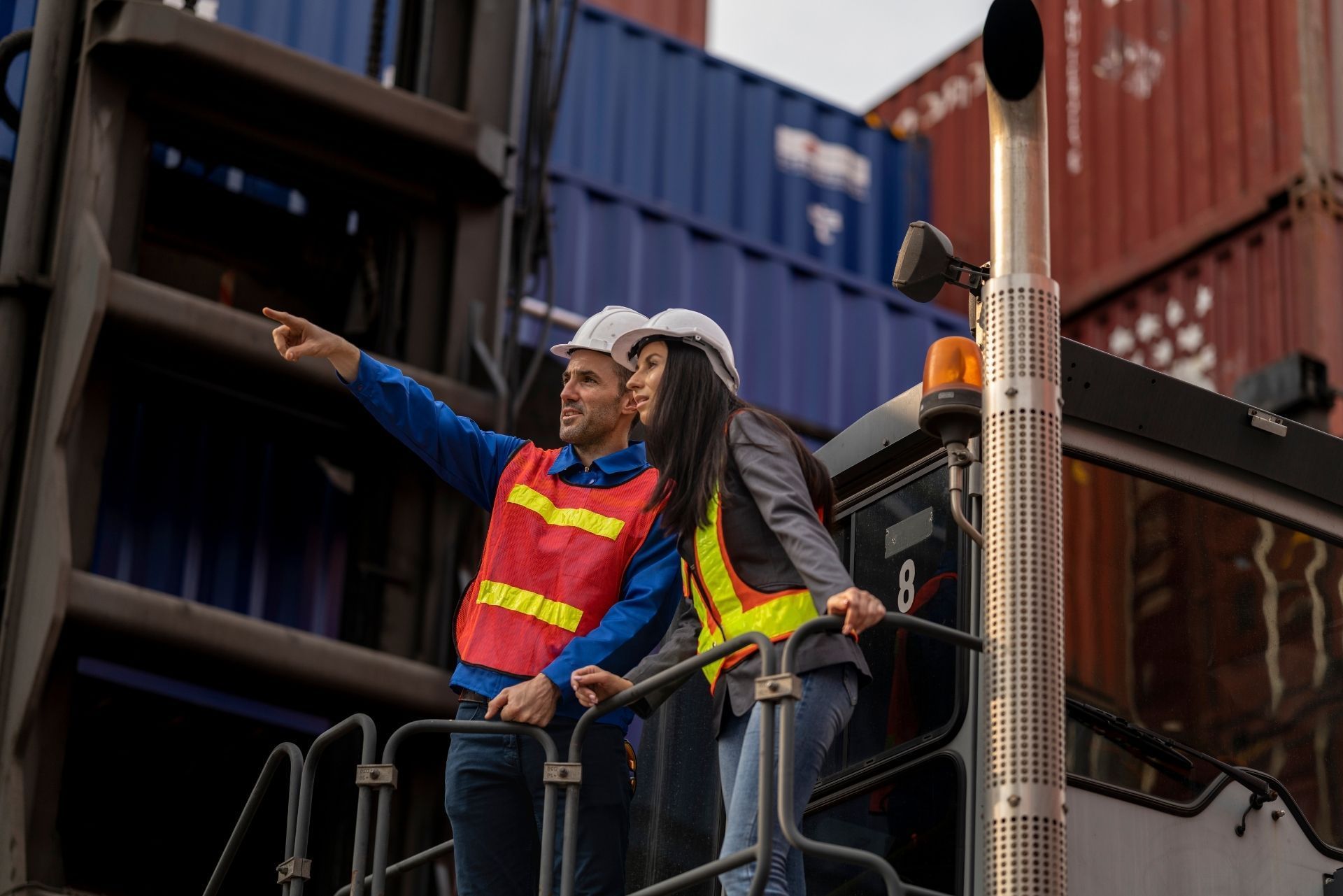
Insurance carriers price risk based on where you operate. The I-5 and I-15 corridors through San Diego County see heavy traffic, frequent accidents, and significant congestion. Carriers know these routes generate more claims than rural operations, and premiums reflect that reality.
According to industry analysts, "Insurance carriers are carefully evaluating trucking risks, especially for new authorities and fleets with prior losses". This scrutiny means San Diego operators face detailed underwriting questions about routes, cargo types, and driver qualifications.
Driver Safety Records and MVR Impact on San Diego Rates
Motor Vehicle Records directly influence premium calculations. Carriers pull MVRs for all drivers and price policies based on violation history, accident records, and license status. A single driver with a poor record can increase fleet premiums significantly.
Trucking insurance premiums in California can range from
$7,000 to $12,000 per truck annually, with driver records being a primary factor in where your fleet falls within that range. Companies investing in driver screening and ongoing monitoring often see meaningful premium reductions.
Strategies for Reducing Logistics Insurance Costs
Implementing Telematics and Fleet Tracking Technology
Telematics systems provide real-time data on driver behavior, vehicle location, and operating conditions. Insurance carriers increasingly offer discounts for fleets using these systems because the data helps identify and correct risky behaviors before they cause claims.
| Coverage Strategy | Potential Savings | Implementation Cost |
|---|---|---|
| Basic telematics | 5-10% | $20-30/vehicle monthly |
| Advanced fleet tracking | 10-15% | $40-60/vehicle monthly |
| Dash cameras | 8-12% | $100-300 one-time per unit |
| Driver safety programs | 5-10% | Varies by program |
The investment typically pays for itself within the first year through premium reductions alone, not counting the operational benefits of better fleet visibility.
Navigating Deductibles and Policy Limits for Maximum Value
Higher deductibles reduce premiums but increase out-of-pocket costs when claims occur. The right balance depends on your cash reserves and risk tolerance. Companies with strong cash positions often benefit from higher deductibles, while those with tighter margins may prefer lower deductibles despite higher premiums.
Commercial auto insurance rates are expected to increase by
5% to 30%, making smart deductible choices increasingly important. Champion Risk helps clients model different scenarios to find the optimal balance between premium costs and retained risk.
Frequently Asked Questions
What's the minimum insurance required for a trucking company in California? California requires $750,000 in liability coverage for general freight carriers. Hazmat haulers need $5,000,000 minimum coverage.
Does my U.S. trucking insurance cover operations in Mexico? No. U.S. policies don't extend into Mexico. You need separate Mexican liability and cargo coverage for any cross-border operations.
How often do insurance carriers check driver MVRs? Most carriers pull MVRs annually at renewal, though some conduct semi-annual checks for larger fleets.
Can I reduce premiums by limiting my operating radius? Yes. Carriers offer better rates for local operations compared to long-haul routes, especially if you avoid high-risk corridors.
What happens if my insurance lapses in California? The DMV will suspend your operating authority, and you'll face fines plus potential criminal charges if you continue operating.
Making the Right Coverage Decisions
San Diego's transportation and logistics insurance requirements demand attention to both state mandates and local operating conditions. The combination of cross-border trade, high-traffic corridors, and diverse cargo types creates exposures that require thoughtful coverage design rather than off-the-shelf policies. Working with specialists who understand these regional factors helps ensure you're protected without paying for unnecessary coverage. Contact Champion Risk to review your current policies against your actual operations and identify any gaps before they become costly claims.
About the Author:
Mark Raby
I am a seasoned insurance professional with over 30 years of experience in the industry. I lead Champion Risk & Insurance Services, a San Diego-based brokerage with nationwide reach and strong influence in the insurance marketplace. My core competencies include insurance agency M&A deals, captives and alternative risk structures, and commercial property and casualty insurance for clients in the transportation and logistics industries. I am a former president of IIAB San Diego and hold a Bachelor of Science in Finance from Western Michigan University’s Haworth College of Business.
Protection for Transportation Operations
Business Insurance for Transportation & Logistics Companies
Coverage designed specifically for transportation businesses
Commercial Auto & Trucking
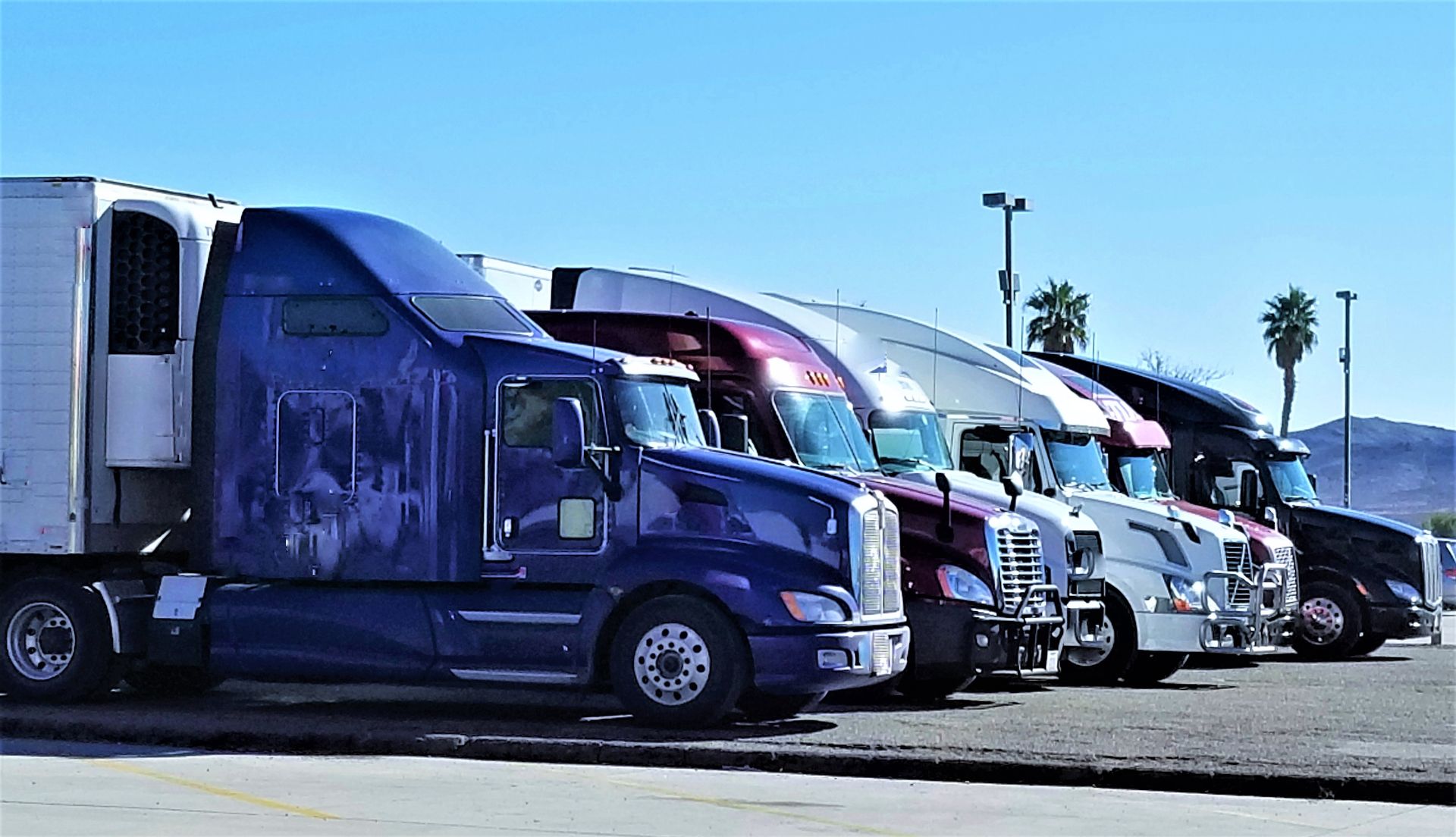
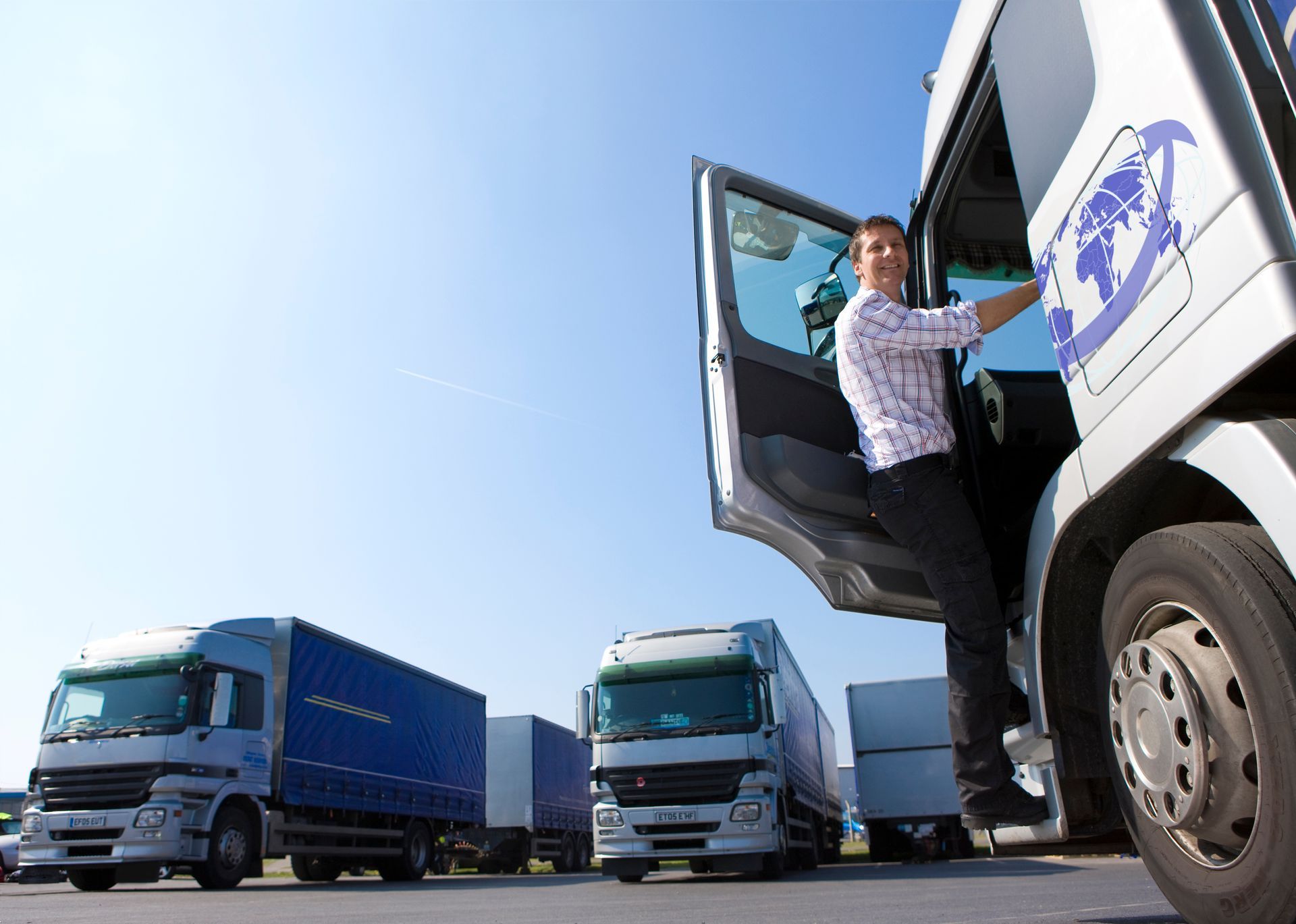
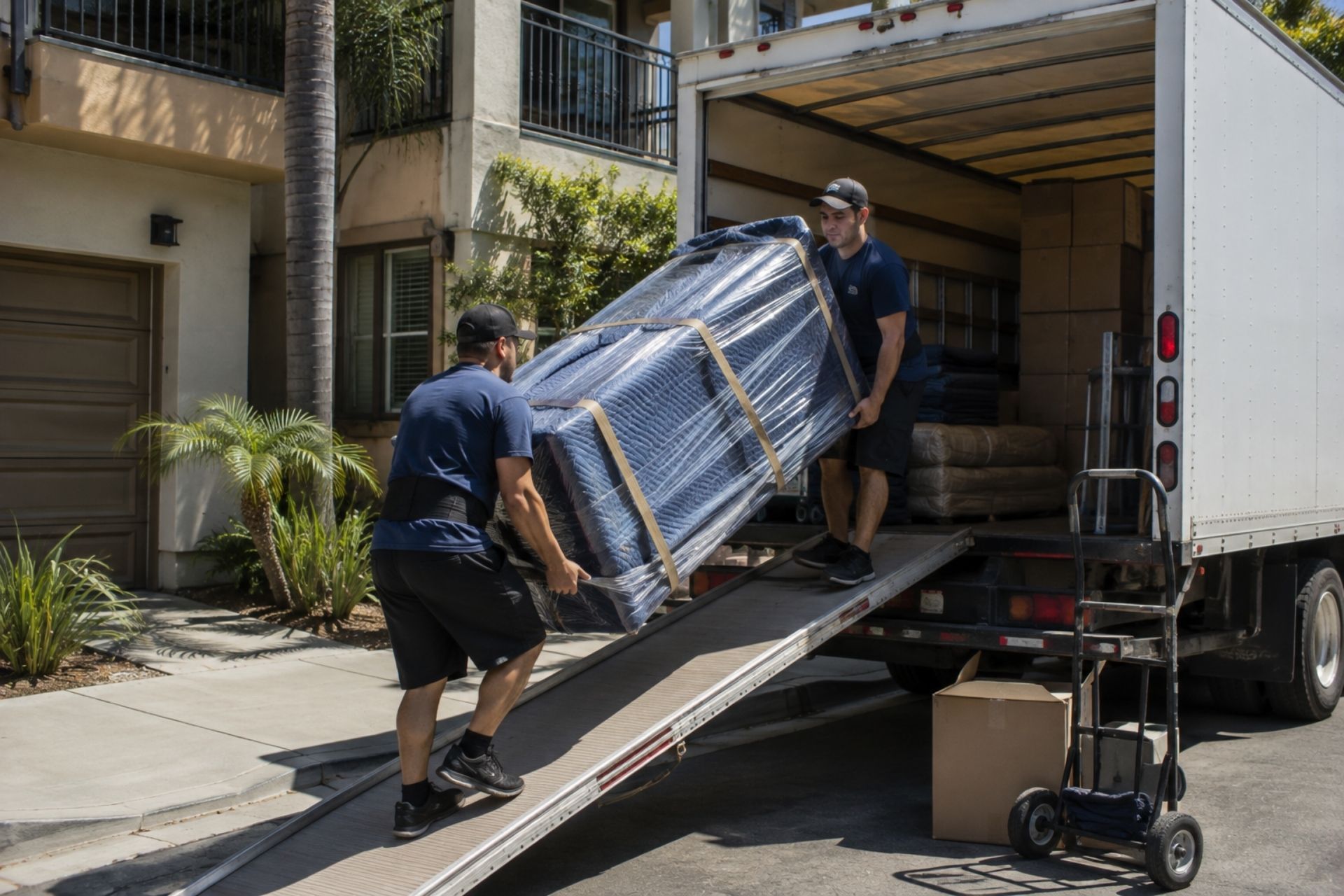
Protection for your fleet including box trucks, moving vans, and trailers. Covers liability, collision, physical damage, and hired or non-owned vehicles used in your operations.
Motor Truck Cargo
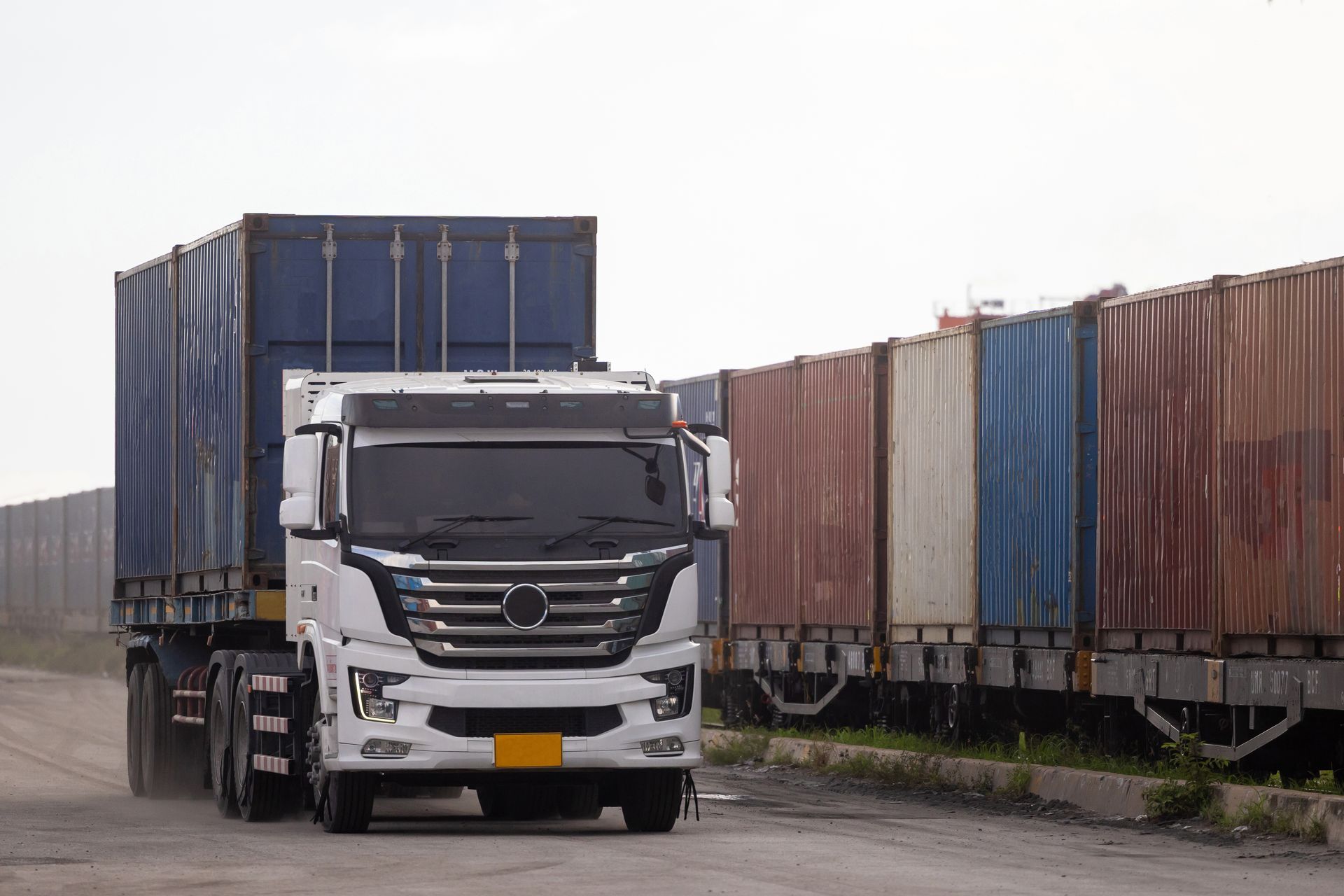
Covers household goods and freight during transport from pickup to delivery. Protects against damage, theft, mysterious disappearance, and weather-related losses while cargo is in your care.

General Liability
Protection from third-party claims for bodily injury and property damage at customer homes, job sites, and your own facility. Essential coverage for every transportation operation
Warehouse Legal Liability
Coverage for customer property while stored in your facility. Protects against damage, theft, fire, and water damage to goods in your care, custody, or control.

Workers' Compensation
Medical care and wage replacement for employees injured on the job. Required in most states for transportation and warehouse work where physical labor creates higher injury risk.

Umbrella & Excess Liability
Higher liability limits stacked on top of your primary policies. Helps meet large contract requirements and protects your business assets against major claims and lawsuits.
Specialized Knowledge
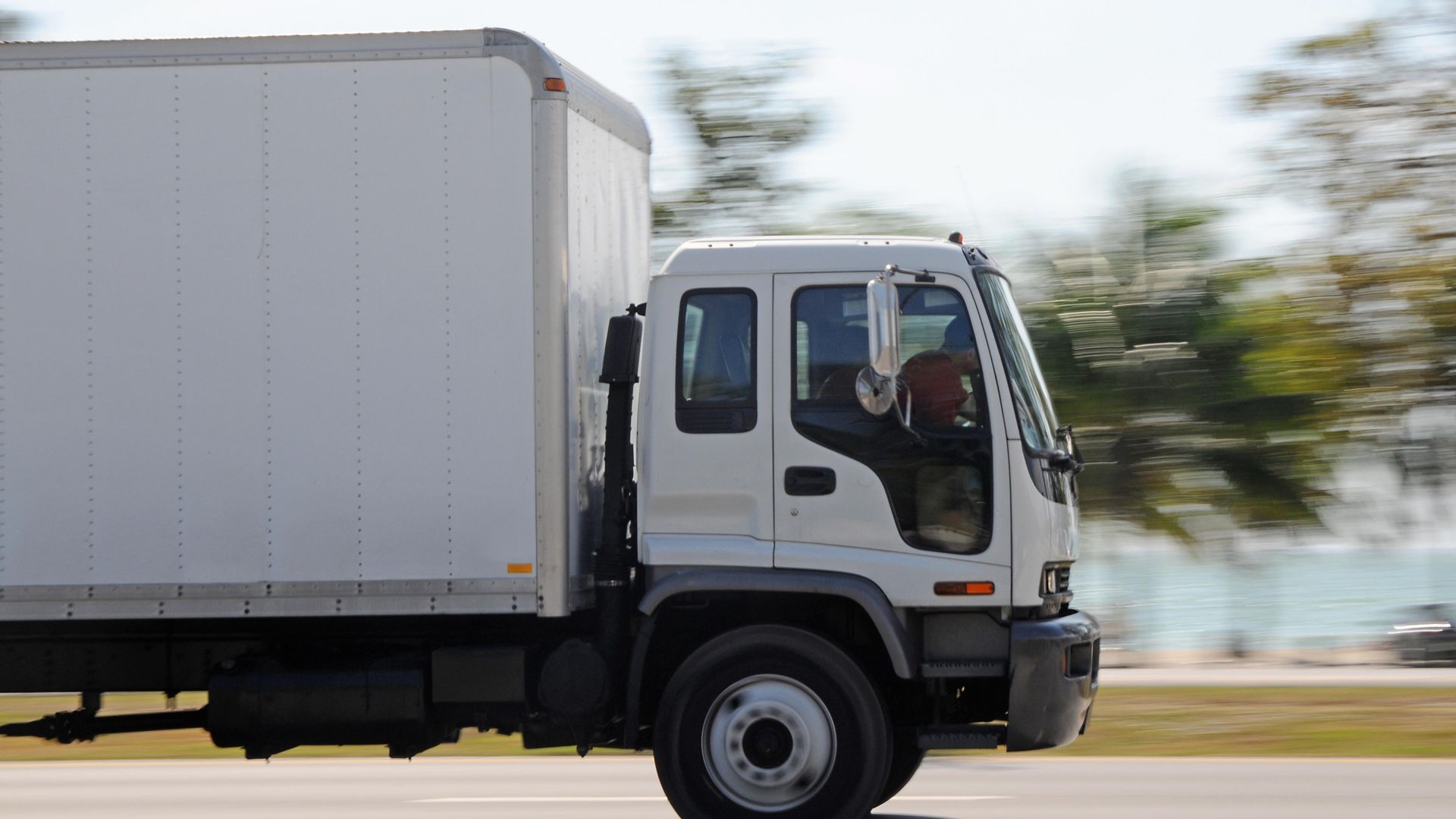
Industries We Protect
Focused coverage for transportation and logistics businesses

Simple and Clear
How Our Process Works
Our process to get you covered
Connect With Us
Reach out through our form or by phone to share your business needs and current coverage situation.
Get Coverage Options
We review your risks, compare carriers, and present clear quotes with plain-language explanations.
Stay Protected
You choose your plan, and we provide ongoing support for certificates, claims, and renewals.
Trusted by Businesses
Feedback That Reflects Service and Reliability
What our clients say about working with Champion Risk
Answers You Need
Frequently Asked Questions
Common questions about transportation and logistics insurance



What insurance does a transportation company need to operate legally?
Motor carriers that cross state lines must meet FMCSA requirements. You need a minimum of $750,000 in liability coverage, plus a BMC-91 filing that proves your insurance to the federal government. Cargo coverage is also required, with minimums that depend on the type of goods you transport.
Intrastate operators follow state-specific rules. California, Texas, and Florida each have different requirements. Champion Risk handles both federal and state filings. We make sure your coverage meets legal minimums and your certificates reach the right agencies.
How much does commercial transportation insurance cost?
Premiums depend on your fleet size, driving records, cargo values, and claims history. A small operation with two trucks might pay $8,000 to $15,000 per year. A larger carrier with ten trucks could pay $50,000 to $100,000 or more.
The best way to control costs is working with a broker who knows transportation insurance. We find carriers that specialize in your exact operation type. This often results in better rates than going direct or using a general agent who doesn't understand the industry.
What is a BMC-91 filing and why do I need one?
A BMC-91 is a form your insurance company files with the FMCSA. It proves you carry the required liability coverage to operate as a for-hire motor carrier. Without an active BMC-91, your operating authority can be revoked.
Champion Risk works with carriers who file electronically. Your BMC-91 typically posts within 24 to 48 hours of binding coverage. We monitor your filing status and alert you if anything needs attention.
Does my warehouse or storage facility need different insurance than a trucking operation?
Yes. Storage facilities need warehouse legal liability coverage. This protects you when customer property is damaged or stolen while in your care. Standard general liability policies exclude this exposure.
You may also need property coverage for your building, equipment breakdown protection, and business income coverage if a fire or disaster shuts down operations. Champion Risk builds storage facility programs that address all these risks in one package.
Can you insure last-mile delivery drivers who use their own vehicles?
Yes. We offer hired and non-owned auto coverage for delivery operations that use independent contractors or employees driving personal vehicles. This fills gaps that personal auto policies don't cover during commercial use.
We also provide occupational accident coverage for 1099 drivers who aren't eligible for workers' comp. This protects your drivers and limits your liability exposure when accidents happen.
How fast can I get proof of insurance for a new contract?
Same day in most cases. Once we bind your policy, we issue certificates of insurance within hours. If your contract requires specific additional insured language or special endorsements, we coordinate directly with the carrier.
Rush requests happen often in this industry. General contractors and corporate clients demand certificates before they let you on site. Champion Risk prioritizes fast turnaround because we know your revenue depends on it.

Answers You Need
Transportation & Logistics Insurance Resources
Articles designed to inform and support your business
Contact Us
Phone Number:
Email Address:
Location:
12264 El Camino Real, Suite 350
San Diego, CA 92130
Hours:
Monday – Friday: 8:00 AM – 6:00 PM PT