
A single catastrophic accident can wipe out years of profit for a moving and storage company. Picture this: one of your trucks causes a multi-vehicle pileup on the interstate, injuring several people seriously. Your commercial auto policy covers the first $1 million, but medical bills, legal fees, and settlements quickly climb to $2.5 million. Without umbrella insurance, that $1.5 million gap comes directly from your business assets.
Moving and storage operations face liability exposures that most businesses never encounter. Your crews handle irreplaceable family heirlooms. Your trucks share highways with other motorists daily. Your warehouses store millions of dollars in customer property. Each of these activities creates potential claims that can exceed standard policy limits faster than most owners realize.
As LogiMove.ai notes, "Umbrella insurance provides an additional layer of liability protection that goes beyond standard business insurance policies...It's considered essential for moving and storage companies due to the significant risks involved." This protection isn't optional for serious operators. If you're handling military relocations, federal requirements mandate specific coverage levels. Even without government contracts, commercial clients increasingly demand proof of substantial liability limits before signing agreements.
Understanding the coverage requirements, cost factors, and underwriting standards for umbrella policies helps you make informed decisions about protecting your operation.
The Role of Commercial Umbrella Insurance in Logistics
Commercial umbrella insurance functions as a financial safety net that activates when your primary policies reach their limits. For logistics companies, this extra layer often makes the difference between surviving a major claim and closing the doors permanently.
Bridging the Gap Between Primary Liability Limits
Your primary policies have caps. Commercial auto might cover $1 million per occurrence. General liability typically maxes out at $1 million or $2 million. These limits seemed adequate when you purchased them, but jury awards and medical costs have skyrocketed over the past decade.
An umbrella policy sits above these primary coverages and kicks in once they're exhausted. If a $3 million judgment comes down against your company and your auto policy pays its $1 million limit, the umbrella covers the remaining $2 million. This structure keeps your business assets, equipment, and personal guarantees protected from devastating verdicts.
Why Standard General Liability Isn't Enough for Movers
Moving companies face unique risk profiles that standard general liability wasn't designed to handle. Your employees enter dozens of private homes weekly, creating countless opportunities for property damage claims. Your trucks travel thousands of miles monthly through varying traffic conditions. Your warehouses hold customer belongings for extended periods.
A single claim involving serious bodily injury can easily exceed $1 million when you factor in medical expenses, lost wages, pain and suffering, and legal defense costs.
Some real estate portfolios have seen umbrella pricing triplein recent years, reflecting the increased frequency and severity of claims across the industry.


By: Mark Raby
Chief Executive Officer at Champion Risk & Insurance Services
Critical Coverage Areas for Moving and Storage Providers
Umbrella policies extend protection across multiple liability categories, creating comprehensive coverage that addresses the diverse risks moving companies face daily.
Auto Liability Extensions for Fleet Operations
Fleet operations represent the most significant liability exposure for most moving companies. Your vehicles are larger, heavier, and harder to maneuver than passenger cars. Accidents involving moving trucks often result in severe injuries and substantial property damage.
Your commercial auto policy provides the first layer of protection, but umbrella coverage extends those limits significantly. This extension applies to owned vehicles, hired vehicles, and non-owned autos used in your operations. The policy responds to bodily injury claims from other motorists, property damage to other vehicles and structures, and passenger injuries when employees ride together.
Protecting Against Warehouse Legal Liability Claims
Storage operations create different but equally serious exposures. Warehouse legal liability covers damage to customer property while in your care, custody, or control. Fire, theft, water damage, and pest infestations can destroy stored goods worth hundreds of thousands of dollars.
An umbrella policy extends these limits when claims exceed your primary warehouse coverage. Climate-controlled storage facilities face particular risks from HVAC failures that can damage temperature-sensitive items. Champion Risk works with storage operators to structure coverage that addresses these specific vulnerabilities.
Employer's Liability and Workplace Injury Overages
Workers' compensation covers most workplace injuries, but employer's liability claims fall outside that system. These claims arise when employees sue for negligence beyond the workers' comp framework, often involving allegations of unsafe working conditions or inadequate training.
Moving company employees face high injury rates due to heavy lifting, awkward positions, and repetitive motions. When employer's liability claims exceed your primary limits, umbrella coverage responds to protect your business.
Umbrella insurance pricing varies significantly based on your specific risk profile. Understanding the factors that drive premiums helps you budget appropriately and identify areas where improved practices might reduce costs.
Fleet Size and Vehicle Safety Records
The number and type of vehicles in your fleet directly impacts umbrella premiums. More trucks mean more exposure, and larger trucks carry higher risk profiles than smaller vehicles. Insurers examine your fleet composition carefully during underwriting.
Your safety record matters enormously. Companies with clean MVR histories and few claims pay substantially less than operators with multiple accidents. A $1 million umbrella policy can cost around $150–$200 per year for personal coverage, but commercial umbrella insurance averages around $75 per month, or $900 annually. Moving companies with larger fleets or poor safety records should expect premiums well above these averages.
Revenue Volume and Geographic Service Area
Higher revenue generally means more customer interactions, more miles traveled, and more opportunities for claims. Insurers use revenue as a proxy for exposure when calculating premiums.
Geographic factors also influence pricing. Companies operating in litigation-heavy states like California, Florida, or New York face higher premiums than those in more conservative jurisdictions. Urban operations with dense traffic and frequent loading zone challenges typically cost more to insure than rural movers.
| Factor | Lower Premium Impact | Higher Premium Impact |
|---|---|---|
| Fleet Size | Under 10 vehicles | 25+ vehicles |
| Safety Record | No claims in 3 years | Multiple at-fault accidents |
| Service Area | Rural/suburban | Major metropolitan |
| Revenue | Under $2 million | Over $10 million |
| Years in Business | 10+ years | Under 3 years |

Underwriting Requirements and Eligibility Standards
Securing umbrella coverage requires meeting specific underwriting criteria. Insurers evaluate your existing coverage structure, safety practices, and operational history before offering terms.
Underlying Policy Minimums and Concurrent Dates
Umbrella insurers require minimum limits on your primary policies before extending coverage. Typical requirements include $1 million commercial auto liability, $1 million general liability per occurrence, and $500,000 employer's liability. Some carriers require higher minimums depending on your risk profile.
Policy dates must align across your coverage portfolio. Your umbrella policy should share inception and expiration dates with underlying policies to prevent gaps. Champion Risk helps coordinate these dates when structuring comprehensive programs for moving companies.
Safety Protocols and Employee Training Mandates
Underwriters want evidence of formal safety programs. This includes documented driver training, regular vehicle maintenance schedules, and proper lifting technique instruction for crew members. Companies without established safety protocols may face declinations or significantly higher premiums.
Moving and storage companies wishing to assist military personnel must carry a $3 million umbrella insurance policy. Meeting these requirements demonstrates operational maturity that benefits your underwriting profile even for non-military contracts.
Contractual Obligations and Client Requirements
Beyond protecting your assets, umbrella coverage often satisfies contractual requirements from clients, landlords, and business partners.
Meeting Commercial Lease and Vendor Agreements
Commercial landlords increasingly require tenants to carry umbrella coverage as a lease condition. Property owners want assurance that catastrophic claims won't exhaust your liability limits and expose them to litigation.
Corporate relocation clients often mandate specific umbrella limits before approving vendor relationships.
Most TechInsurance customers purchase a $1 million/$2 million umbrella insurance policy, but enterprise clients frequently require $5 million or higher. Without adequate coverage, you lose access to lucrative corporate accounts.
Best Practices for Selecting an Umbrella Policy
Choosing the right umbrella policy requires balancing coverage limits, premium costs, and carrier financial strength. Start by evaluating your actual exposure based on fleet size, revenue, and service area.
Request quotes from multiple carriers through an experienced broker who understands moving and storage operations. In Q1 2025, the average renewal rate for personal umbrella policies climbed about 9.3%, and commercial rates have followed similar trends. Shopping the market ensures competitive pricing.
Review policy exclusions carefully. Some umbrella policies exclude specific activities common to moving operations. Verify that your coverage extends to all aspects of your business without unexpected gaps.
Frequently Asked Questions
How much umbrella insurance does a moving company actually need? Most small to mid-size movers carry $1 million to $2 million in umbrella coverage. Companies pursuing military contracts need $3 million minimum. Large operators or those serving corporate clients often carry $5 million or more.
Does umbrella insurance cover damage to customer belongings? Umbrella coverage extends warehouse legal liability limits for stored items. Damage during transit typically falls under motor truck cargo coverage, which may also have umbrella extensions depending on policy structure.
Can I get umbrella coverage with a poor safety record? Yes, but expect higher premiums and potentially lower limits. Some carriers specialize in harder-to-place risks, though coverage will cost significantly more than for companies with clean histories.
What happens if my primary policy doesn't cover a claim? Umbrella policies only respond when underlying coverage applies. If your primary policy excludes a particular claim type, the umbrella won't cover it either. This makes proper primary coverage selection critical.
How quickly can I add umbrella coverage to my existing policies? Coverage can typically bind within days once underwriting information is submitted. Complex risks or higher limits may require additional review time.
Making the Right Coverage Decision
Umbrella insurance represents a cost-effective way to protect your moving and storage business from catastrophic claims. The relatively modest premiums provide millions in additional protection that could save your company from financial ruin.
Evaluate your current exposure honestly. Consider your fleet size, revenue, service area, and contractual requirements. Then work with a knowledgeable broker to structure coverage that addresses your specific risk profile without overpaying for limits you don't need.
Champion Risk specializes in helping moving and storage companies navigate these coverage decisions. Reach out to discuss your umbrella insurance needs and get quotes tailored to your operation.
About the Author:
Mark Raby
I am a seasoned insurance professional with over 30 years of experience in the industry. I lead Champion Risk & Insurance Services, a San Diego-based brokerage with nationwide reach and strong influence in the insurance marketplace. My core competencies include insurance agency M&A deals, captives and alternative risk structures, and commercial property and casualty insurance for clients in the transportation and logistics industries. I am a former president of IIAB San Diego and hold a Bachelor of Science in Finance from Western Michigan University’s Haworth College of Business.
Protection for Transportation Operations
Business Insurance for Transportation & Logistics Companies
Coverage designed specifically for transportation businesses
Commercial Auto & Trucking
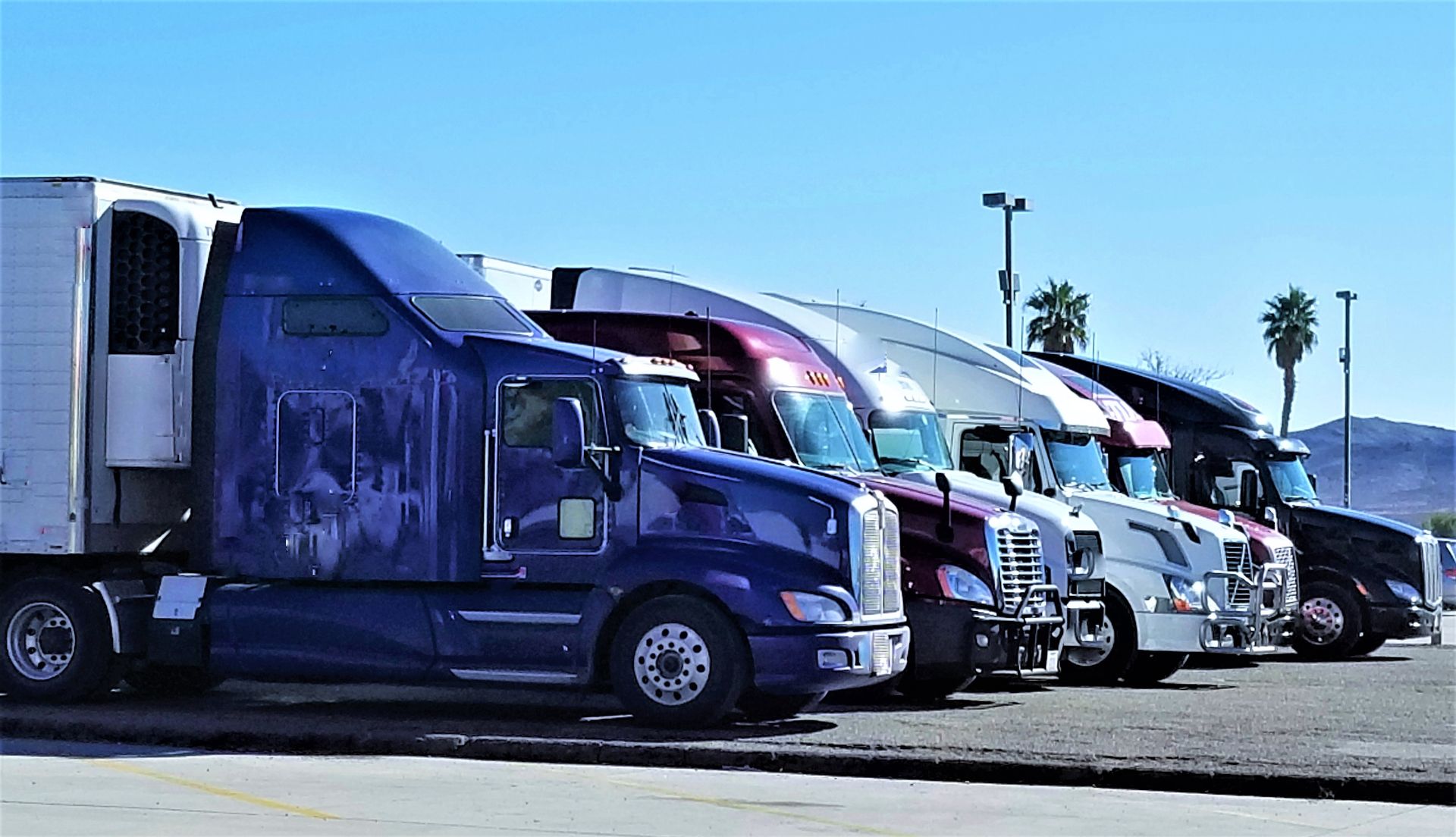
Protection for your fleet including box trucks, moving vans, and trailers. Covers liability, collision, physical damage, and hired or non-owned vehicles used in your operations.
Motor Truck Cargo
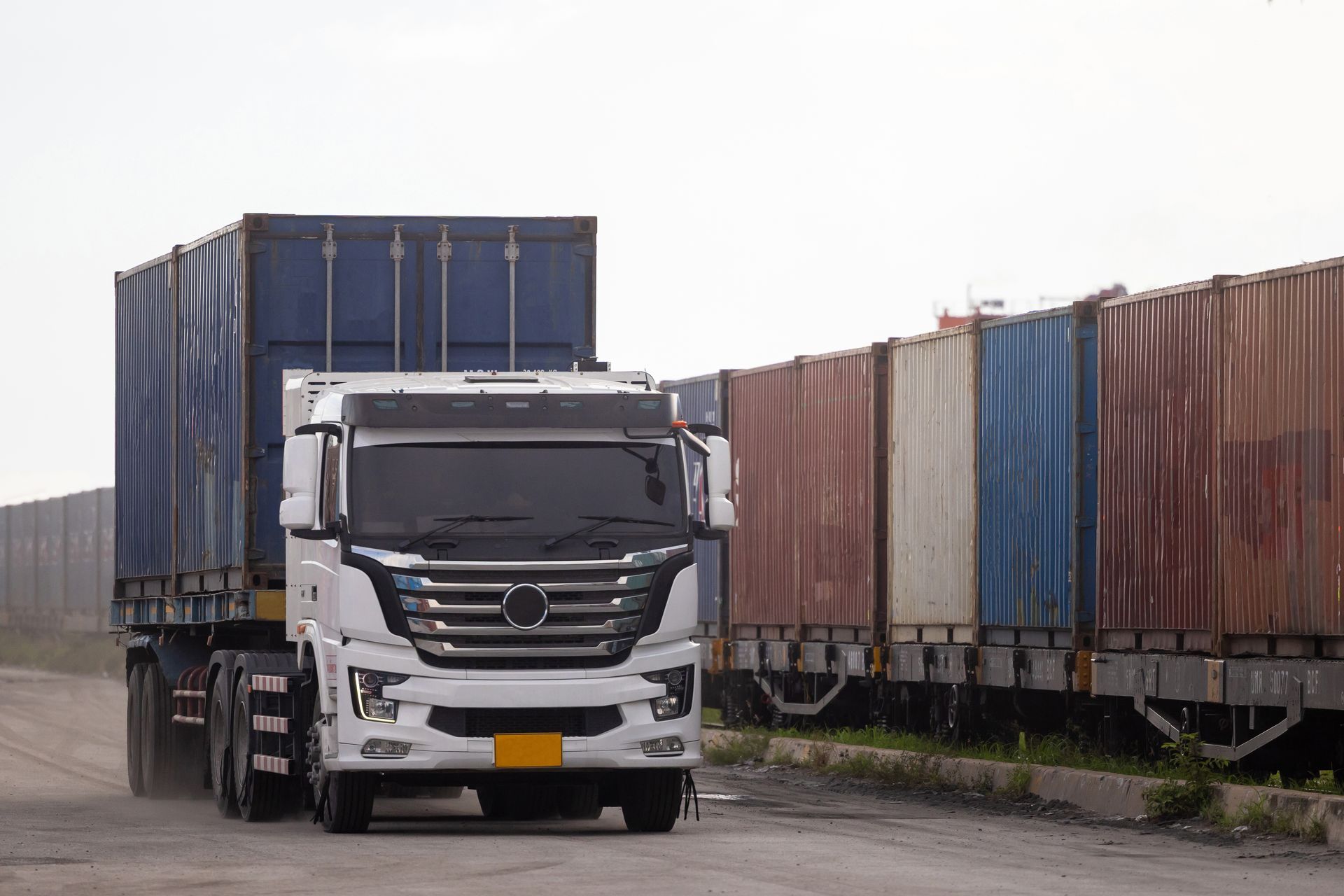
Covers household goods and freight during transport from pickup to delivery. Protects against damage, theft, mysterious disappearance, and weather-related losses while cargo is in your care.

General Liability
Protection from third-party claims for bodily injury and property damage at customer homes, job sites, and your own facility. Essential coverage for every transportation operation

Warehouse Legal Liability
Coverage for customer property while stored in your facility. Protects against damage, theft, fire, and water damage to goods in your care, custody, or control.

Workers' Compensation
Medical care and wage replacement for employees injured on the job. Required in most states for transportation and warehouse work where physical labor creates higher injury risk.

Umbrella & Excess Liability
Higher liability limits stacked on top of your primary policies. Helps meet large contract requirements and protects your business assets against major claims and lawsuits.
Specialized Knowledge
Industries We Protect
Focused coverage for transportation and logistics businesses


Simple and Clear
How Our Process Works
Our process to get you covered
Connect With Us
Reach out through our form or by phone to share your business needs and current coverage situation.
Get Coverage Options
We review your risks, compare carriers, and present clear quotes with plain-language explanations.
Stay Protected
You choose your plan, and we provide ongoing support for certificates, claims, and renewals.
Trusted by Businesses
Feedback That Reflects Service and Reliability
What our clients say about working with Champion Risk
Answers You Need
Frequently Asked Questions
Common questions about transportation and logistics insurance




What insurance does a transportation company need to operate legally?
Motor carriers that cross state lines must meet FMCSA requirements. You need a minimum of $750,000 in liability coverage, plus a BMC-91 filing that proves your insurance to the federal government. Cargo coverage is also required, with minimums that depend on the type of goods you transport.
Intrastate operators follow state-specific rules. California, Texas, and Florida each have different requirements. Champion Risk handles both federal and state filings. We make sure your coverage meets legal minimums and your certificates reach the right agencies.
How much does commercial transportation insurance cost?
Premiums depend on your fleet size, driving records, cargo values, and claims history. A small operation with two trucks might pay $8,000 to $15,000 per year. A larger carrier with ten trucks could pay $50,000 to $100,000 or more.
The best way to control costs is working with a broker who knows transportation insurance. We find carriers that specialize in your exact operation type. This often results in better rates than going direct or using a general agent who doesn't understand the industry.
What is a BMC-91 filing and why do I need one?
A BMC-91 is a form your insurance company files with the FMCSA. It proves you carry the required liability coverage to operate as a for-hire motor carrier. Without an active BMC-91, your operating authority can be revoked.
Champion Risk works with carriers who file electronically. Your BMC-91 typically posts within 24 to 48 hours of binding coverage. We monitor your filing status and alert you if anything needs attention.
Does my warehouse or storage facility need different insurance than a trucking operation?
Yes. Storage facilities need warehouse legal liability coverage. This protects you when customer property is damaged or stolen while in your care. Standard general liability policies exclude this exposure.
You may also need property coverage for your building, equipment breakdown protection, and business income coverage if a fire or disaster shuts down operations. Champion Risk builds storage facility programs that address all these risks in one package.
Can you insure last-mile delivery drivers who use their own vehicles?
Yes. We offer hired and non-owned auto coverage for delivery operations that use independent contractors or employees driving personal vehicles. This fills gaps that personal auto policies don't cover during commercial use.
We also provide occupational accident coverage for 1099 drivers who aren't eligible for workers' comp. This protects your drivers and limits your liability exposure when accidents happen.
How fast can I get proof of insurance for a new contract?
Same day in most cases. Once we bind your policy, we issue certificates of insurance within hours. If your contract requires specific additional insured language or special endorsements, we coordinate directly with the carrier.
Rush requests happen often in this industry. General contractors and corporate clients demand certificates before they let you on site. Champion Risk prioritizes fast turnaround because we know your revenue depends on it.

Answers You Need
Transportation & Logistics Insurance Resources
Articles designed to inform and support your business
Contact Us
Phone Number:
Email Address:
Location:
12264 El Camino Real, Suite 350
San Diego, CA 92130
Hours:
Monday – Friday: 8:00 AM – 6:00 PM PT