A ransomware attack hits your moving company at 2 AM on the busiest weekend of the month. By morning, your dispatch system is locked, customer addresses are inaccessible, and the attackers are demanding $50,000 in Bitcoin. Your crews are standing around with loaded trucks and nowhere to go. This scenario plays out more often than most people realize, and the financial damage extends far beyond the ransom itself.
Moving and storage companies handle a surprising amount of sensitive data: credit card numbers, home addresses, detailed inventories of personal belongings, even information about when homes will be vacant. That makes you an attractive target. According to The Hartford, 43% of cyberattacks target small and midsize businesses, and logistics firms are increasingly in the crosshairs. Doeren Insurance projects that cyberattacks aimed at logistics companies will double by 2026.
Cyber insurance for moving and storage operations provides financial protection when digital threats disrupt your business. The coverage, cost, and requirements vary significantly based on your company's size, security practices, and the volume of customer records you handle. Understanding these factors helps you secure appropriate protection without overpaying for coverage you don't need.
Why Moving and Storage Companies Need Cyber Insurance
The moving industry has digitized rapidly over the past decade. Online booking systems, GPS fleet tracking, digital inventory management, and electronic payment processing have replaced paper manifests and cash transactions. Each digital touchpoint creates potential vulnerability.
Protecting Sensitive Customer PII and Payment Data
Your customer database contains everything a criminal needs for identity theft. Names, current and future addresses, phone numbers, email addresses, and payment card information sit in your systems. For storage customers, you might also have copies of driver's licenses and detailed inventories of valuable possessions.
A breach exposing this information triggers notification requirements in all 50 states. You're responsible for credit monitoring services, legal defense costs, and potential regulatory fines. The average small business breach costs between $120,000 and $200,000 when you factor in forensic investigation, notification, legal fees, and business interruption. Most moving companies don't have that kind of cash sitting around.
Vulnerabilities in Digital Inventory and Fleet Management Systems
Your operational technology creates additional exposure. GPS tracking systems, warehouse management software, and automated inventory systems all connect to networks. Attackers who compromise these systems can halt operations entirely.
I've seen a
storage facility lose access to its electronic gate and unit access system for three weeks. Customers couldn't retrieve their belongings, the company faced breach of contract claims, and the reputational damage lingered for months. The technical fix cost $15,000, but the total financial impact exceeded $180,000.


By: Mark Raby
Chief Executive Officer at Champion Risk & Insurance Services
Core Coverage Components for the Logistics Industry
Cyber policies for moving companies typically combine several coverage types. Understanding what each component protects helps you evaluate whether a policy meets your actual risk profile.
First-Party Coverage: Ransomware and Business Interruption
First-party coverage pays for your direct losses. This includes:
- Ransom payments (when advisable and legal)
- Forensic investigation to determine breach scope
- Data restoration and system recovery costs
- Lost income during downtime
- Extra expenses to maintain operations during recovery
Business interruption coverage matters enormously for moving companies. Your revenue stops immediately when systems go down, but your payroll, lease payments, and truck financing continue. A policy that covers lost income during a two-week recovery period can mean the difference between surviving an attack and closing permanently.
Third-Party Liability: Data Breach Lawsuits and Regulatory Fines
Third-party coverage protects you when others suffer harm from your breach. This includes defense costs and settlements from customer lawsuits, regulatory investigations and fines, and contractual liability to business partners.
If your commercial moving division handles corporate relocations, your contracts likely include data protection requirements. A breach that exposes your client's employee information could trigger contractual indemnification obligations. Third-party coverage responds to these claims.
Cyber Extortion and Social Engineering Protection
Social engineering attacks target your employees rather than your systems. A bookkeeper receives an email that appears to come from the owner, requesting an urgent wire transfer. By the time anyone realizes the email was fraudulent, $40,000 has disappeared.
Standard cyber policies often exclude or sublimit social engineering losses. Champion Risk helps clients identify these coverage gaps before they become expensive lessons. If your company handles significant funds transfers, make sure your policy explicitly covers social engineering fraud with adequate limits.
The global cyber insurance market reached approximately $15 billion in 2024 and is projected to reach $29 billion by 2027, according to Security.org. That growth reflects both increasing demand and rising claims costs.
Factors Influencing Rates: Revenue, Record Volume, and Security Posture
Insurers evaluate several factors when pricing your policy:
| Factor | Impact on Premium |
|---|---|
| Annual revenue | Higher revenue = higher premium |
| Number of customer records | More records = more exposure |
| Payment card processing volume | High volume increases risk |
| Security controls in place | Strong controls reduce premium |
| Prior claims history | Previous claims increase rates |
| Industry segment | Commercial movers may pay more |
Your security posture significantly affects pricing. Companies with multi-factor authentication, encrypted backups, and documented incident response plans typically pay 15-30% less than comparable companies without these controls.
Average Premium Ranges for Small to Mid-Sized Movers
According to Insureon, small businesses pay an average of $145 per month, or about $1,740 annually, for cyber insurance. Costs can range from $1,200 to $7,000 per year depending on your specific risk profile.
For a moving company with $2 million in annual revenue and 5,000 customer records, expect premiums between $2,000 and $4,500 annually for $1 million in coverage. Companies processing higher volumes of credit card transactions or storing customer data longer will fall toward the higher end.
Jumpcloud reports that cyber insurance premiums jumped by 50% in 2023 due to rising ransomware claims. The market has stabilized somewhat, but rates remain elevated compared to pre-pandemic levels.

Essential Requirements for Securing Coverage
Insurers have tightened underwriting requirements significantly. Applications that would have sailed through approval in 2019 now face detailed security questionnaires and sometimes technical verification.
Mandatory Security Controls: MFA and Encrypted Backups
Most insurers now require these baseline controls:
- Multi-factor authentication on email, remote access, and administrative accounts
- Encrypted, offline, or air-gapped backups tested regularly
- Endpoint detection and response software on all systems
- Regular software patching and updates
- Privileged access management for administrative accounts
Missing any of these controls can result in coverage denial or significant premium surcharges. Some insurers will offer coverage with exclusions for specific attack types if you lack corresponding controls. That defeats the purpose of buying insurance.
Employee Training and Incident Response Planning
Technical controls only go so far when an employee clicks a malicious link. Insurers increasingly require documented security awareness training, conducted at least annually and ideally quarterly.
You'll also need a written incident response plan that identifies who to contact, what steps to take, and how to communicate during a breach. Champion Risk recommends testing this plan annually through tabletop exercises. Walking through a simulated breach scenario reveals gaps before a real incident exposes them.
Implementing a Risk Management Strategy
As Doeren Insurance notes, "Cyber insurance helps logistics providers recover more quickly and ensures that the financial impact of an attack does not jeopardize long-term stability." That recovery depends on having both appropriate coverage and solid security practices.
Start by inventorying your digital assets and data flows. Know where customer information lives, who has access, and how it moves through your systems. This exercise often reveals forgotten databases, shadow IT systems, and excessive access privileges.
Work with a broker who understands logistics operations. Generic cyber policies may exclude coverage for operational technology failures or provide inadequate business interruption limits for your actual exposure. Champion Risk specializes in helping moving and storage companies match coverage to their specific operational risks.
Review your policy annually. Your business changes, your systems change, and the threat landscape changes. A policy that fit perfectly two years ago may have dangerous gaps today.
Frequently Asked Questions
How quickly does cyber insurance pay out after an attack? Most policies provide access to breach response resources within hours. Actual claim payments typically process within 30-60 days after documentation is complete, though emergency expenses often receive faster approval.
Does cyber insurance cover attacks on third-party software we use? Generally yes, if the attack affects your operations. Coverage typically extends to incidents involving cloud providers, software vendors, and other service providers whose systems you depend on.
What's the difference between cyber liability and errors and omissions coverage? Cyber liability covers data breaches and technology failures. E&O covers professional mistakes in your services. Some overlap exists, but they address different risks.
Can we get coverage if we've had a previous breach? Yes, though you'll face additional underwriting scrutiny. Insurers want to see what remediation steps you took and what controls you implemented afterward.
Do we need separate coverage for our storage facility versus moving operations?
Most policies cover your entire business operation, but make sure your application accurately describes all business activities. Undisclosed operations could create coverage disputes later.
Cyber threats to moving and storage companies are real and increasing. The right insurance policy provides financial protection, but the requirements and costs vary dramatically based on your security practices and business profile. Evaluate your current exposure, implement the security controls insurers require, and work with a specialist broker who understands logistics operations. The time to secure coverage is before you need it.
About the Author:
Mark Raby
I am a seasoned insurance professional with over 30 years of experience in the industry. I lead Champion Risk & Insurance Services, a San Diego-based brokerage with nationwide reach and strong influence in the insurance marketplace. My core competencies include insurance agency M&A deals, captives and alternative risk structures, and commercial property and casualty insurance for clients in the transportation and logistics industries. I am a former president of IIAB San Diego and hold a Bachelor of Science in Finance from Western Michigan University’s Haworth College of Business.
Protection for Transportation Operations
Business Insurance for Transportation & Logistics Companies
Coverage designed specifically for transportation businesses
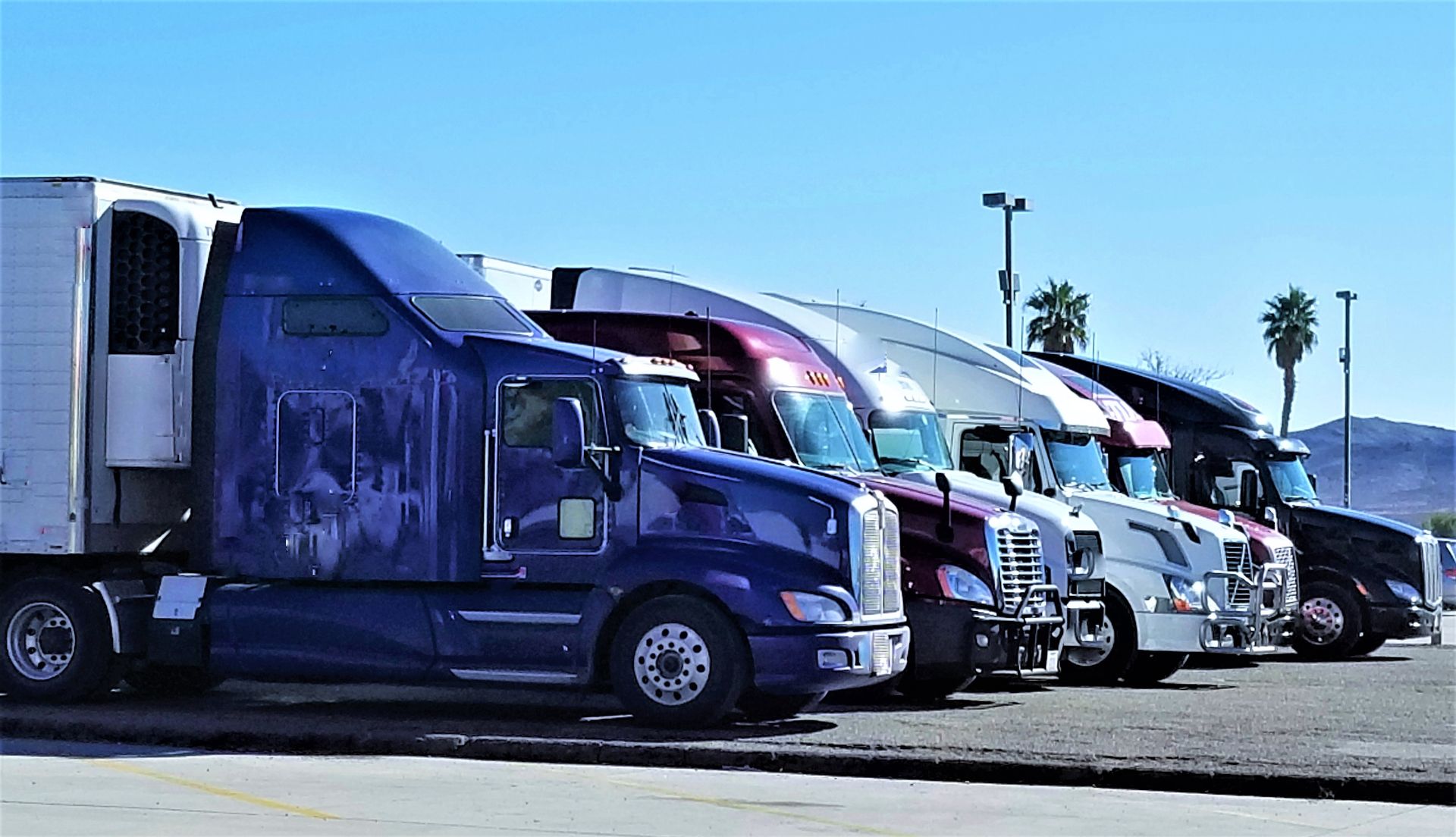
Commercial Auto & Trucking
Protection for your fleet including box trucks, moving vans, and trailers. Covers liability, collision, physical damage, and hired or non-owned vehicles used in your operations.
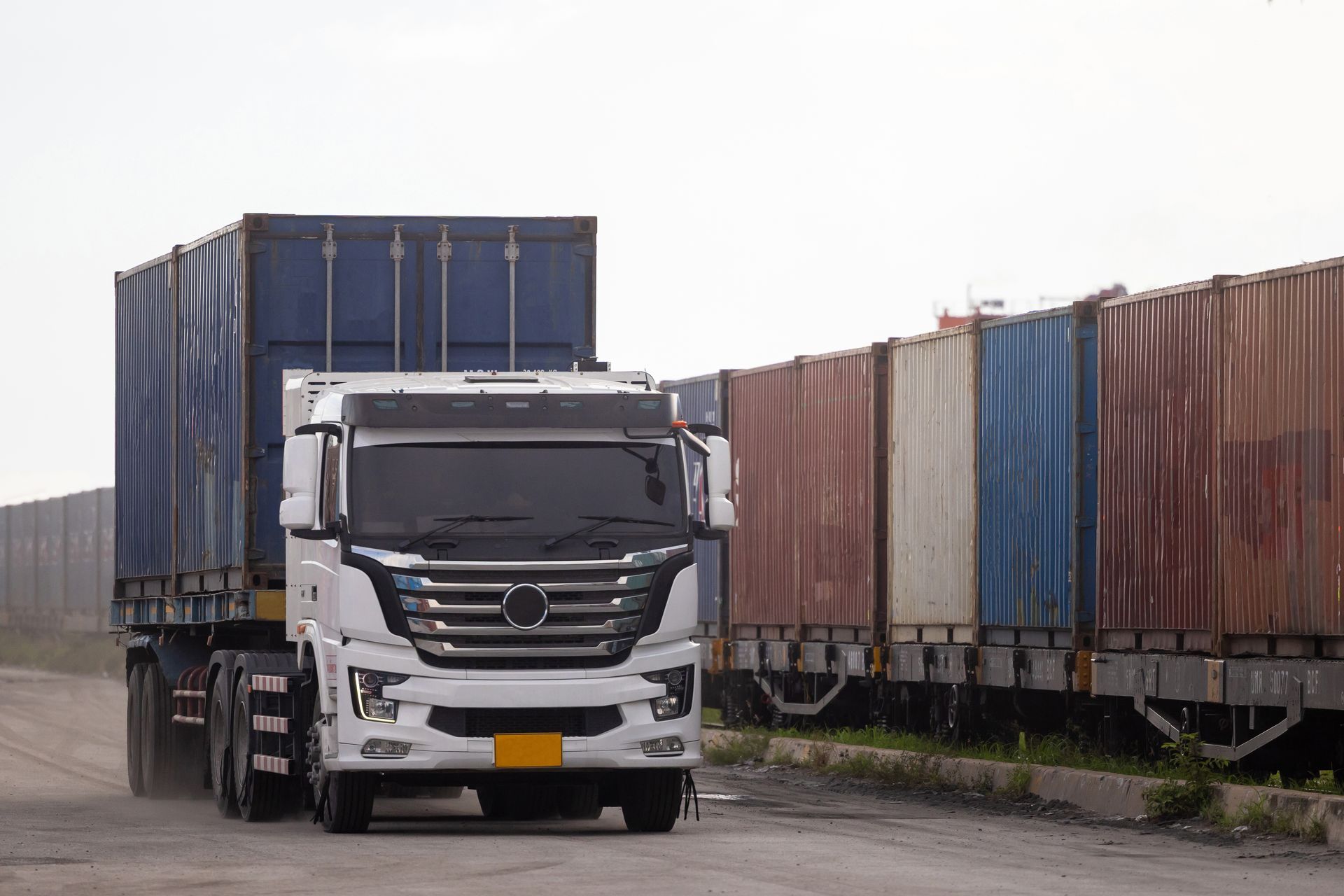
Motor Truck Cargo
Covers household goods and freight during transport from pickup to delivery. Protects against damage, theft, mysterious disappearance, and weather-related losses while cargo is in your care.

General Liability
Protection from third-party claims for bodily injury and property damage at customer homes, job sites, and your own facility. Essential coverage for every transportation operation

Warehouse Legal Liability
Coverage for customer property while stored in your facility. Protects against damage, theft, fire, and water damage to goods in your care, custody, or control.

Workers' Compensation
Medical care and wage replacement for employees injured on the job. Required in most states for transportation and warehouse work where physical labor creates higher injury risk.

Umbrella & Excess Liability
Higher liability limits stacked on top of your primary policies. Helps meet large contract requirements and protects your business assets against major claims and lawsuits.
Specialized Knowledge
Industries We Protect
Focused coverage for transportation and logistics businesses



Simple and Clear
How Our Process Works
Our process to get you covered
Connect With Us
Reach out through our form or by phone to share your business needs and current coverage situation.
Get Coverage Options
We review your risks, compare carriers, and present clear quotes with plain-language explanations.
Stay Protected
You choose your plan, and we provide ongoing support for certificates, claims, and renewals.
Trusted by Businesses
Feedback That Reflects Service and Reliability
What our clients say about working with Champion Risk
Answers You Need
Frequently Asked Questions
Common questions about transportation and logistics insurance




What insurance does a transportation company need to operate legally?
Motor carriers that cross state lines must meet FMCSA requirements. You need a minimum of $750,000 in liability coverage, plus a BMC-91 filing that proves your insurance to the federal government. Cargo coverage is also required, with minimums that depend on the type of goods you transport.
Intrastate operators follow state-specific rules. California, Texas, and Florida each have different requirements. Champion Risk handles both federal and state filings. We make sure your coverage meets legal minimums and your certificates reach the right agencies.
How much does commercial transportation insurance cost?
Premiums depend on your fleet size, driving records, cargo values, and claims history. A small operation with two trucks might pay $8,000 to $15,000 per year. A larger carrier with ten trucks could pay $50,000 to $100,000 or more.
The best way to control costs is working with a broker who knows transportation insurance. We find carriers that specialize in your exact operation type. This often results in better rates than going direct or using a general agent who doesn't understand the industry.
What is a BMC-91 filing and why do I need one?
A BMC-91 is a form your insurance company files with the FMCSA. It proves you carry the required liability coverage to operate as a for-hire motor carrier. Without an active BMC-91, your operating authority can be revoked.
Champion Risk works with carriers who file electronically. Your BMC-91 typically posts within 24 to 48 hours of binding coverage. We monitor your filing status and alert you if anything needs attention.
Does my warehouse or storage facility need different insurance than a trucking operation?
Yes. Storage facilities need warehouse legal liability coverage. This protects you when customer property is damaged or stolen while in your care. Standard general liability policies exclude this exposure.
You may also need property coverage for your building, equipment breakdown protection, and business income coverage if a fire or disaster shuts down operations. Champion Risk builds storage facility programs that address all these risks in one package.
Can you insure last-mile delivery drivers who use their own vehicles?
Yes. We offer hired and non-owned auto coverage for delivery operations that use independent contractors or employees driving personal vehicles. This fills gaps that personal auto policies don't cover during commercial use.
We also provide occupational accident coverage for 1099 drivers who aren't eligible for workers' comp. This protects your drivers and limits your liability exposure when accidents happen.
How fast can I get proof of insurance for a new contract?
Same day in most cases. Once we bind your policy, we issue certificates of insurance within hours. If your contract requires specific additional insured language or special endorsements, we coordinate directly with the carrier.
Rush requests happen often in this industry. General contractors and corporate clients demand certificates before they let you on site. Champion Risk prioritizes fast turnaround because we know your revenue depends on it.


Answers You Need
Transportation & Logistics Insurance Resources
Articles designed to inform and support your business
Contact Us
Phone Number:
Email Address:
Location:
12264 El Camino Real, Suite 350
San Diego, CA 92130
Hours:
Monday – Friday: 8:00 AM – 6:00 PM PT