
A single claim can cost a Georgia moving company more than an entire year's revenue. One damaged antique, one injured crew member, one totaled box truck on I-285, and suddenly you're staring at five or six figures in liability. The state knows this, which is why Georgia maintains some of the strictest insurance requirements for household goods movers in the Southeast.
Getting the right coverage for your moving and storage operation in Georgia isn't just about checking regulatory boxes. It's about protecting the business you've built from the risks that come with handling strangers' belongings and putting employees behind the wheel every day. The Georgia Department of Public Safety doesn't mess around with enforcement, and neither do plaintiffs' attorneys when something goes wrong during a move.
Here's what I've seen trip up moving companies repeatedly: they buy the minimum required coverage, think they're protected, and then discover massive gaps when a claim hits.
Basic carrier liability in Georgia may only provide up to $300 for lost or damaged items, which means one broken television could exceed your protection. Understanding what Georgia actually requires, what additional coverage makes sense, and how to manage costs separates thriving moving companies from those that fold after their first serious incident.
Georgia State Requirements for Moving Companies
Georgia Department of Public Safety (DPS) Regulations
The Georgia Department of Public Safety oversees household goods movers through the Motor Carrier Compliance Division. Before you load your first couch, you need a Georgia Intrastate Motor Carrier (GIMC) certificate. This isn't optional, and operating without one exposes you to fines, vehicle impoundment, and personal liability.
Georgia requires household goods movers to maintain $350,000 in Combined Single Limits (CSL) for liability coverage. That's significantly higher than many neighboring states, and it applies to every vehicle in your fleet. The state also mandates a minimum of $25,000 in cargo insurance, which protects customer belongings during transport.
The Georgia Movers Association takes verification seriously. They check a mover's GADMVS certificate, workers' compensation, liability insurance coverage, and reputation before accepting them as a member. That membership matters because many customers specifically look for GMA-certified movers.
Intrastate vs. Interstate Licensing Needs
If your trucks never cross state lines, the GIMC certificate covers your operation. But the moment you take a job moving someone from Atlanta to Nashville or Chattanooga, federal requirements kick in. Interstate movers need USDOT registration and must meet Federal Motor Carrier Safety Administration (FMCSA) standards, which include higher insurance minimums and additional reporting obligations.
Many Georgia moving companies start intrastate and expand into neighboring states as they grow. This transition requires careful planning because federal compliance adds complexity. You'll need to file BOC-3 process agent designations, maintain different insurance filings, and submit to federal audits. Champion Risk works with several movers navigating this exact transition, helping them structure coverage that satisfies both state and federal requirements without paying for duplicate protection.


By: Mark Raby
Chief Executive Officer at Champion Risk & Insurance Services
Essential Insurance Coverages for Movers & Storage Units
Cargo and Bailee's Legal Liability
Cargo insurance protects customer belongings while they're on your truck. Georgia's $25,000 minimum sounds reasonable until you realize a single household can easily contain $50,000 or more in furniture, electronics, and personal items. Most established moving companies carry $100,000 to $250,000 in cargo coverage.
Bailee's legal liability kicks in when you're storing customer property. The moment belongings leave your truck and enter your warehouse, different coverage applies. This distinction catches many movers off guard. Standard cargo policies typically exclude items in storage, meaning you need separate bailee coverage for anything sitting in your facility overnight or longer.
Commercial Auto and Fleet Insurance
Your trucks are probably your biggest assets, and Georgia's roads are hard on them. Commercial auto insurance covers collision damage, liability when your driver causes an accident, and comprehensive protection against theft or weather damage.
Rising commercial auto insurance rates have hit Georgia businesses hard. According to Josh Leykam, VP of Underwriting at MiniCo, "From an underwriting standpoint, we're facing more socially inflated cost profiles than we were several years ago. Carriers have to offset that risk somehow, and that's being reflected in rising insurance rates." Fleet size, driver experience, and vehicle age all factor into your premiums.
Warehouse Legal Liability for Storage Facilities
If you operate storage units alongside your moving business,
warehouse legal liability coverage protects you when stored items are damaged, destroyed, or stolen while in your care. This coverage differs from bailee's liability in scope and typically covers larger inventories over longer periods.
| Coverage Type | What It Protectsost | When It Applies |
|---|---|---|
| Cargo Insurance | Customer belongings | During transport |
| Bailee's Legal Liability | Customer property | Short-term storage |
| Warehouse Legal Liability | Stored inventory | Long-term facility storage |
| Commercial Auto | Vehicles and third parties | Vehicle operation |
Protecting the Business with Liability and Workers' Comp
General Liability for Property Damage and Bodily Injury
General liability covers claims when your operations damage someone else's property or injure a third party. Picture a mover scratching hardwood floors while moving a dresser, or a dolly rolling into a homeowner's car in the driveway. These incidents happen weekly in the moving industry.
General liability insurance for moving companies averages $120-$125 per month or $1,440-$1,499 annually. That's a reasonable investment considering a single slip-and-fall claim can easily exceed $50,000 in medical expenses and legal fees. Most commercial leases and customer contracts require proof of general liability before you can start work.
Georgia Workers' Compensation Laws for Moving Crews
Georgia requires workers' compensation insurance for any business with three or more employees. Moving companies face particular exposure because the work involves heavy lifting, repetitive motion, and working in unfamiliar environments. Back injuries, dropped items on feet, and falls from truck ramps account for most claims.
Workers' comp in Georgia operates on a no-fault basis, meaning employees receive benefits regardless of who caused the injury. In exchange, they typically can't sue the employer for workplace injuries. This trade-off protects both parties, but only if you maintain proper coverage. Operating without required workers' comp exposes owners to personal liability and criminal penalties.
A comprehensive insurance bundle covering general liability, workers' compensation, and professional liability
costs an average of $526 per month or $6,312 yearlyfor moving companies. Champion Risk often helps clients structure these bundles to avoid coverage gaps while keeping premiums manageable.

Factors Influencing Insurance Costs in Georgia
Claims History and Safety Ratings
Your loss history follows you. Every claim filed against your policy appears in industry databases that insurers check before quoting coverage. Three or more claims in a five-year period can make you nearly uninsurable through standard markets, forcing you into high-risk pools with significantly higher premiums.
Safety ratings matter too. If you operate interstate, your FMCSA safety scores directly impact what carriers will charge. Even intrastate operations benefit from documented safety programs, driver training records, and vehicle maintenance logs. Underwriters want evidence that you're actively managing risk, not just buying insurance to cover inevitable losses.
Coverage Limits and Deductible Options
Higher deductibles mean lower premiums, but only if you can actually pay that deductible when a claim occurs. A $5,000 deductible might save you $200 monthly, but can your business absorb $5,000 unexpectedly? Many smaller movers choose lower deductibles to maintain cash flow predictability.
Coverage limits work the opposite direction. The state minimum $350,000 CSL might satisfy regulators, but a serious accident with injuries can easily exceed that amount. Many established moving companies carry $1 million or more in liability coverage, especially those handling high-value residential moves in Atlanta's wealthier neighborhoods.
Risk Management and Securing the Best Rates
The cheapest insurance isn't always the best value. Policies with numerous exclusions or slow claims processing can cost far more in the long run than slightly higher premiums from a carrier that actually pays claims promptly.
Start by documenting everything. Photograph items before loading, maintain detailed inventories, and keep signed customer acknowledgments. This documentation becomes invaluable when disputes arise. Many claims that would otherwise be paid can be successfully defended with proper records.
Invest in driver training and vehicle maintenance. Telematics systems that monitor driving behavior can reduce premiums by 10-15% with some carriers. Regular drug testing and background checks demonstrate to underwriters that you're serious about safety.
Shop your coverage annually, but don't chase the lowest price. Work with a broker who understands the moving industry's specific risks. Champion Risk specializes in commercial coverage for complex industries like moving and storage, helping clients identify gaps in their current programs and negotiate better terms with carriers who actually want this business.
Frequently Asked Questions
What's the minimum insurance required to operate a moving company in Georgia? Georgia requires $350,000 in Combined Single Limits liability coverage and $25,000 in cargo insurance for household goods movers.
Does my cargo insurance cover items in storage? Typically no. Cargo insurance covers items during transport, while bailee's legal liability or warehouse legal liability covers stored items.
How much does moving company insurance cost in Georgia? General liability averages $1,440-$1,499 annually. A comprehensive bundle including workers' comp and professional liability runs about $6,312 yearly.
Do I need different insurance for interstate moves? Yes. Interstate operations require USDOT registration and must meet federal insurance minimums, which differ from Georgia's intrastate requirements.
Can I operate with just the state minimum coverage? Legally yes, but basic carrier liability may only cover $300 for damaged items. Most successful movers carry significantly higher limits.
Making the Right Coverage Decision
Getting insurance right for your Georgia moving and storage company means understanding what the state requires, what risks you actually face, and where gaps could sink your business. The regulatory minimums exist for a reason, but they represent floors rather than ceilings for adequate protection.
Take time to review your current coverage against actual exposure. If you're storing customer items, verify you have appropriate bailee or warehouse coverage. If your fleet is growing, ensure your commercial auto limits keep pace. And if you're considering interstate expansion, start planning for federal compliance early.
The right broker makes this process significantly easier. Contact Champion Risk to review your current program and identify opportunities to strengthen coverage while managing costs effectively.
About the Author:
Mark Raby
I am a seasoned insurance professional with over 30 years of experience in the industry. I lead Champion Risk & Insurance Services, a San Diego-based brokerage with nationwide reach and strong influence in the insurance marketplace. My core competencies include insurance agency M&A deals, captives and alternative risk structures, and commercial property and casualty insurance for clients in the transportation and logistics industries. I am a former president of IIAB San Diego and hold a Bachelor of Science in Finance from Western Michigan University’s Haworth College of Business.
Protection for Transportation Operations
Business Insurance for Transportation & Logistics Companies
Coverage designed specifically for transportation businesses
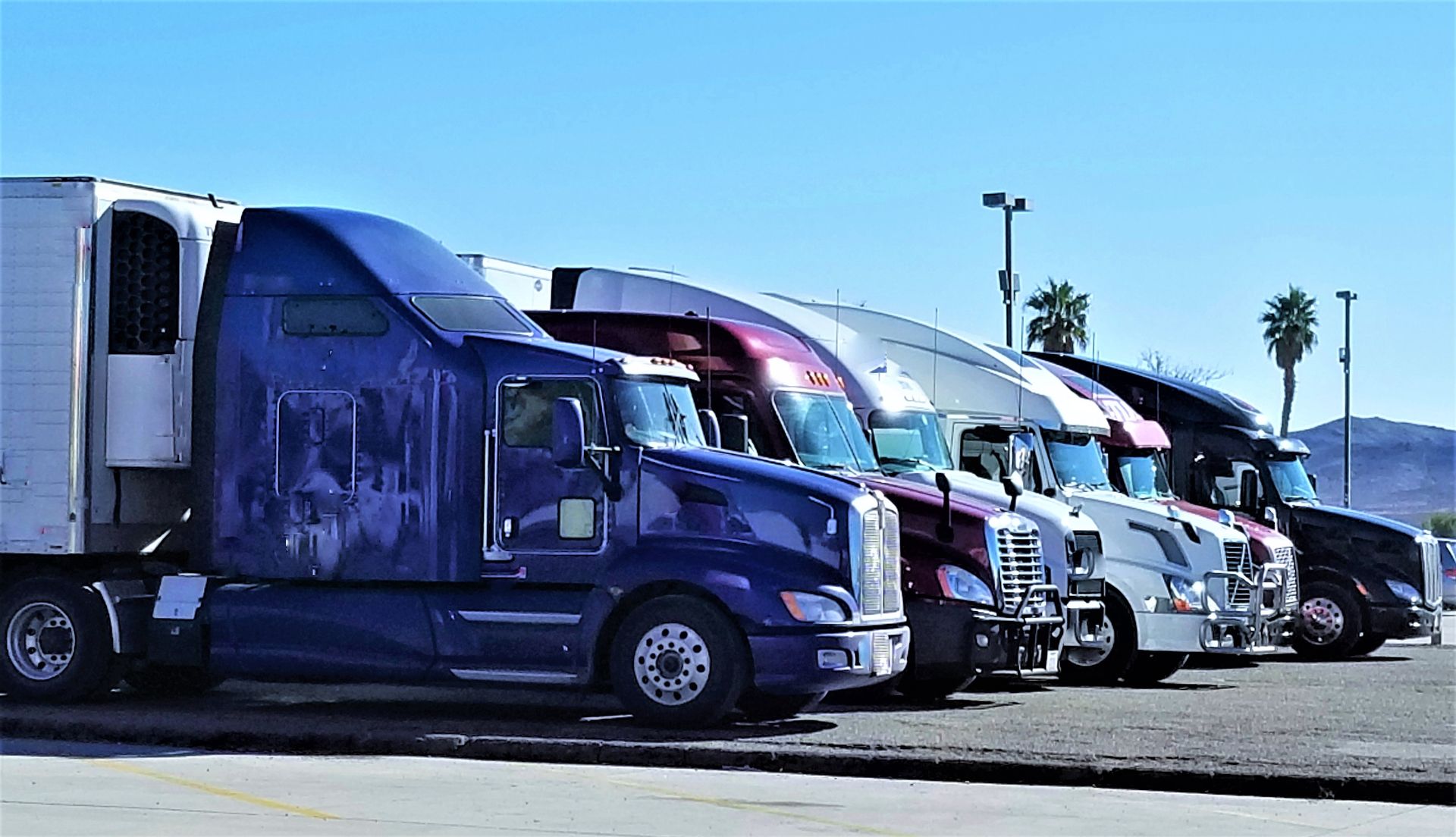
Commercial Auto & Trucking
Protection for your fleet including box trucks, moving vans, and trailers. Covers liability, collision, physical damage, and hired or non-owned vehicles used in your operations.

Motor Truck Cargo
Covers household goods and freight during transport from pickup to delivery. Protects against damage, theft, mysterious disappearance, and weather-related losses while cargo is in your care.

General Liability
Protection from third-party claims for bodily injury and property damage at customer homes, job sites, and your own facility. Essential coverage for every transportation operation

Warehouse Legal Liability
Coverage for customer property while stored in your facility. Protects against damage, theft, fire, and water damage to goods in your care, custody, or control.

Workers' Compensation
Medical care and wage replacement for employees injured on the job. Required in most states for transportation and warehouse work where physical labor creates higher injury risk.

Umbrella & Excess Liability
Higher liability limits stacked on top of your primary policies. Helps meet large contract requirements and protects your business assets against major claims and lawsuits.
Specialized Knowledge
Industries We Protect
Focused coverage for transportation and logistics businesses



Simple and Clear
How Our Process Works
Our process to get you covered
Connect With Us
Reach out through our form or by phone to share your business needs and current coverage situation.
Get Coverage Options
We review your risks, compare carriers, and present clear quotes with plain-language explanations.
Stay Protected
You choose your plan, and we provide ongoing support for certificates, claims, and renewals.
Trusted by Businesses
Feedback That Reflects Service and Reliability
What our clients say about working with Champion Risk
Answers You Need
Frequently Asked Questions
Common questions about transportation and logistics insurance




What insurance does a transportation company need to operate legally?
Motor carriers that cross state lines must meet FMCSA requirements. You need a minimum of $750,000 in liability coverage, plus a BMC-91 filing that proves your insurance to the federal government. Cargo coverage is also required, with minimums that depend on the type of goods you transport.
Intrastate operators follow state-specific rules. California, Texas, and Florida each have different requirements. Champion Risk handles both federal and state filings. We make sure your coverage meets legal minimums and your certificates reach the right agencies.
How much does commercial transportation insurance cost?
Premiums depend on your fleet size, driving records, cargo values, and claims history. A small operation with two trucks might pay $8,000 to $15,000 per year. A larger carrier with ten trucks could pay $50,000 to $100,000 or more.
The best way to control costs is working with a broker who knows transportation insurance. We find carriers that specialize in your exact operation type. This often results in better rates than going direct or using a general agent who doesn't understand the industry.
What is a BMC-91 filing and why do I need one?
A BMC-91 is a form your insurance company files with the FMCSA. It proves you carry the required liability coverage to operate as a for-hire motor carrier. Without an active BMC-91, your operating authority can be revoked.
Champion Risk works with carriers who file electronically. Your BMC-91 typically posts within 24 to 48 hours of binding coverage. We monitor your filing status and alert you if anything needs attention.
Does my warehouse or storage facility need different insurance than a trucking operation?
Yes. Storage facilities need warehouse legal liability coverage. This protects you when customer property is damaged or stolen while in your care. Standard general liability policies exclude this exposure.
You may also need property coverage for your building, equipment breakdown protection, and business income coverage if a fire or disaster shuts down operations. Champion Risk builds storage facility programs that address all these risks in one package.
Can you insure last-mile delivery drivers who use their own vehicles?
Yes. We offer hired and non-owned auto coverage for delivery operations that use independent contractors or employees driving personal vehicles. This fills gaps that personal auto policies don't cover during commercial use.
We also provide occupational accident coverage for 1099 drivers who aren't eligible for workers' comp. This protects your drivers and limits your liability exposure when accidents happen.
How fast can I get proof of insurance for a new contract?
Same day in most cases. Once we bind your policy, we issue certificates of insurance within hours. If your contract requires specific additional insured language or special endorsements, we coordinate directly with the carrier.
Rush requests happen often in this industry. General contractors and corporate clients demand certificates before they let you on site. Champion Risk prioritizes fast turnaround because we know your revenue depends on it.


Answers You Need
Transportation & Logistics Insurance Resources
Articles designed to inform and support your business
Contact Us
Phone Number:
Email Address:
Location:
12264 El Camino Real, Suite 350
San Diego, CA 92130
Hours:
Monday – Friday: 8:00 AM – 6:00 PM PT