
Contingent Liability Insurance for Transportation & Logistics Company
Or Call Us:
(800) 829-0807
A single catastrophic accident involving a carrier you brokered freight through can wipe out years of profit in one lawsuit. That's not hypothetical: it happens every year to freight brokers and logistics companies who assumed their contracted carriers' insurance would handle everything. The reality is messier and more expensive than most people realize.
Contingent liability insurance exists specifically for this gap. It protects transportation and logistics companies when the primary coverage of a contracted carrier fails, lapses, or proves insufficient. With the freight brokerage industry adding roughly 1,000 new entrants annually, competition is fierce, margins are thin, and the temptation to cut corners on risk management grows stronger. That's precisely when exposure becomes most dangerous.
Here's what most brokers get wrong: they treat contingent coverage as a backup plan rather than a core business protection. The carriers you work with carry their own policies, sure. But when a shipper's cargo gets destroyed or a third party gets injured, guess who the attorneys come after first? The broker with the deep pockets and the contractual relationship with the shipper. Your contingent policy is what stands between your business and a lawsuit that could close your doors. Understanding the coverage components, cost factors, and underwriting requirements isn't just smart: it's survival.
Understanding Contingent Liability in the Logistics Chain
The logistics chain creates a web of interconnected relationships where liability can flow in unexpected directions. Shippers hire brokers, brokers contract carriers, and carriers move freight. When something goes wrong, the legal finger-pointing begins immediately.
Defining the Role of Freight Brokers and Forwarders
Freight brokers operate as intermediaries who arrange transportation without owning trucks or employing drivers. This arms-length relationship sounds like it should provide legal protection, but courts increasingly disagree. When a broker selects a carrier that causes damage or injury, plaintiffs argue the broker bears responsibility for that selection.
Freight forwarders take on even more direct liability because they often take possession of cargo and issue their own bills of lading. This creates a principal relationship with shippers that makes forwarders directly answerable for cargo outcomes. The distinction matters enormously when claims arise.
Champion Risk works with both brokers and forwarders to structure coverage that matches their actual operational exposure, not some generic template that misses critical gaps.
Vicarious Liability and the Risk of Negligent Entrustment
Vicarious liability holds one party responsible for the actions of another. In transportation, this means a broker can face liability for a carrier's negligent driving, poor maintenance, or safety violations. The legal theory of negligent entrustment goes further: if you hired a carrier you knew or should have known was unsafe, you're on the hook.
Courts examine whether brokers conducted adequate vetting before tendering loads. Did you check the carrier's safety scores? Verify their insurance was active? Review their inspection history? If the answer is no, or if your documentation is sloppy, negligent entrustment claims become much easier to prove.


By: Mark Raby
Chief Executive Officer at Champion Risk & Insurance Services
Core Coverage Components of Contingent Insurance Policies
Contingent policies aren't monolithic: they contain distinct coverage components that address different risk categories. Understanding what each piece protects helps you evaluate whether your current limits match your actual exposure.
Contingent Auto Liability for Third-Party Bodily Injury
This coverage activates when a carrier's auto liability policy fails to cover injuries caused during transportation operations. Industry experts recommend that freight brokers purchase at least $1 million in contingent auto liability coverage as a baseline. High-value shipments or hazmat operations often require significantly more.
The coverage typically responds when the carrier's policy is exhausted, the carrier's insurer denies the claim, or the carrier's policy has lapsed without the broker's knowledge. Each trigger has specific documentation requirements that must be satisfied before your contingent policy pays.
Contingent Cargo Coverage for Freight Loss or Damage
Cargo coverage protects against physical loss or damage to goods being transported. As one industry expert notes, "Cargo insurance isn't just a compliance checkbox: it's a risk management tool. To determine adequate coverage limits, brokers should assess their clients' shipment values and frequency" according to Logistiq.
Some specialized insurers offer in-house policies with $1,500 minimum premiums for freight broker contingent cargo needs. This coverage becomes critical when a carrier's cargo policy excludes certain commodities, contains lower sublimits than expected, or when the carrier simply disappears after a loss.
Legal Defense Costs and Professional Indemnity
Legal defense costs accumulate rapidly in transportation litigation. A single wrongful death lawsuit can generate six-figure defense costs before any settlement discussion begins. Quality contingent policies include defense cost coverage that sits outside your liability limits, preserving the full policy amount for actual damages.
Professional indemnity components cover errors and omissions in your brokerage operations. Misquoting rates, booking incorrect equipment, or failing to communicate special handling requirements can all trigger claims that professional indemnity addresses.
Premium calculations for contingent liability insurance reflect your specific risk profile. Understanding these factors helps you manage costs strategically rather than simply shopping for the cheapest quote.
Annual Gross Revenue and Freight Volume Impacts
Insurers use gross revenue as a primary rating factor because it correlates with exposure. A broker moving $50 million in freight annually faces more potential claims than one handling $5 million. Volume matters too: more shipments mean more opportunities for something to go wrong.
| Factor | Low Risk Profile | High Risk Profile |
|---|---|---|
| Annual Revenue | Under $5M | Over $25M |
| Average Load Value | Under $50K | Over $200K |
| Carrier Vetting | Formal process documented | Informal or inconsistent |
| Claims History | Clean 3+ years | Multiple claims |
| Typical Deductible | $2,500-$5,000 | $10,000-$25,000 |
Champion Risk helps clients identify which risk factors they can control and develop strategies to improve their rating profile over time.
The Effect of Specialized Cargo and High-Value Commodities
Hauling pharmaceuticals, electronics, or fine art carries different risk than moving bulk commodities. Specialized cargo often requires higher limits, specific coverage endorsements, and sometimes separate policies entirely.
Temperature-sensitive goods add spoilage risk. Hazardous materials create environmental liability exposure. High-value electronics attract theft. Each specialty requires underwriters to price additional risk, which shows up in your premium.

Underwriting Requirements and Compliance Standards
Getting approved for contingent liability coverage requires demonstrating that you manage carrier relationships responsibly. Underwriters want evidence that you're not simply passing loads to whoever answers the phone.
Carrier Vetting Processes and Safety Rating Monitoring
Underwriters examine your carrier qualification procedures closely. They want to see documented processes for verifying operating authority, insurance certificates, safety scores, and inspection results. Many require ongoing monitoring rather than just point-in-time checks at onboarding.
The FMCSA requires all licensed property brokers to maintain a $75,000 surety bond, but this represents the bare minimum compliance threshold. Sophisticated underwriters look well beyond bond requirements to evaluate how thoroughly you screen carriers before tendering loads.
Automated monitoring services that flag carrier safety deterioration or insurance lapses demonstrate proactive risk management. This documentation often translates directly into better coverage terms and pricing.
Contractual Documentation and Broker-Carrier Agreements
Your broker-carrier agreements establish the legal framework for liability allocation. Underwriters review these contracts to understand what indemnification provisions exist, whether insurance requirements are clearly stated, and how disputes get resolved.
Weak contracts create coverage gaps. If your agreement doesn't require carriers to maintain specific insurance limits, name you as additional insured, or provide certificates before load acceptance, underwriters see elevated risk. Some may decline coverage entirely; others will charge significantly higher premiums.
Strategic Risk Management for Long-Term Protection
Building sustainable protection requires more than buying a policy and hoping you never need it. The most resilient logistics companies integrate risk management into daily operations.
Cyber threats deserve particular attention. Cyberattacks targeting logistics operations rose 61% in 2025, with hackers exploiting shared networks between brokers and carriers. Your contingent liability program should coordinate with cyber coverage to address these emerging exposures.
Regular policy reviews catch coverage gaps before claims expose them. As your business grows, your limits should grow proportionally. Champion Risk recommends annual coverage audits that examine changes in freight volume, commodity mix, and carrier relationships.
Frequently Asked Questions
What's the difference between a carrier's primary insurance and my contingent policy? The carrier's policy responds first. Your contingent coverage only activates when theirs fails, is exhausted, or doesn't apply to the specific claim circumstances.
How much contingent auto liability coverage do I actually need? Most experts recommend at least $1 million as a starting point. Brokers handling high-value freight or hazmat should consider $2-5 million or higher.
Will my contingent policy cover a claim if I didn't properly vet the carrier? Possibly not. Many policies contain exclusions for claims arising from negligent carrier selection. Your vetting documentation matters.
Does contingent cargo insurance cover all types of freight? Standard policies often exclude certain commodities like live animals, currency, or hazardous materials. Review exclusions carefully and add endorsements as needed.
How often should I update my contingent liability limits?
Review annually at minimum, and immediately after significant changes in revenue, freight volume, or commodity types handled.
Contingent liability insurance protects logistics companies from the failures of carriers they cannot fully control. The coverage, cost, and requirements vary based on your specific operations, but the underlying principle remains constant: when primary coverage fails, your contingent policy stands between your business and financial disaster.
Start by auditing your current carrier vetting processes and contract documentation. These operational elements directly impact both your insurability and your premium costs. Then work with a specialist like Champion Risk who understands transportation exposures to structure coverage that matches your actual risk profile. The freight you move tomorrow depends on the protection you secure today.
About the Author:
Mark Raby
I am a seasoned insurance professional with over 30 years of experience in the industry. I lead Champion Risk & Insurance Services, a San Diego-based brokerage with nationwide reach and strong influence in the insurance marketplace. My core competencies include insurance agency M&A deals, captives and alternative risk structures, and commercial property and casualty insurance for clients in the transportation and logistics industries. I am a former president of IIAB San Diego and hold a Bachelor of Science in Finance from Western Michigan University’s Haworth College of Business.
Protection for Transportation Operations
Business Insurance for Transportation & Logistics Companies
Coverage designed specifically for transportation businesses
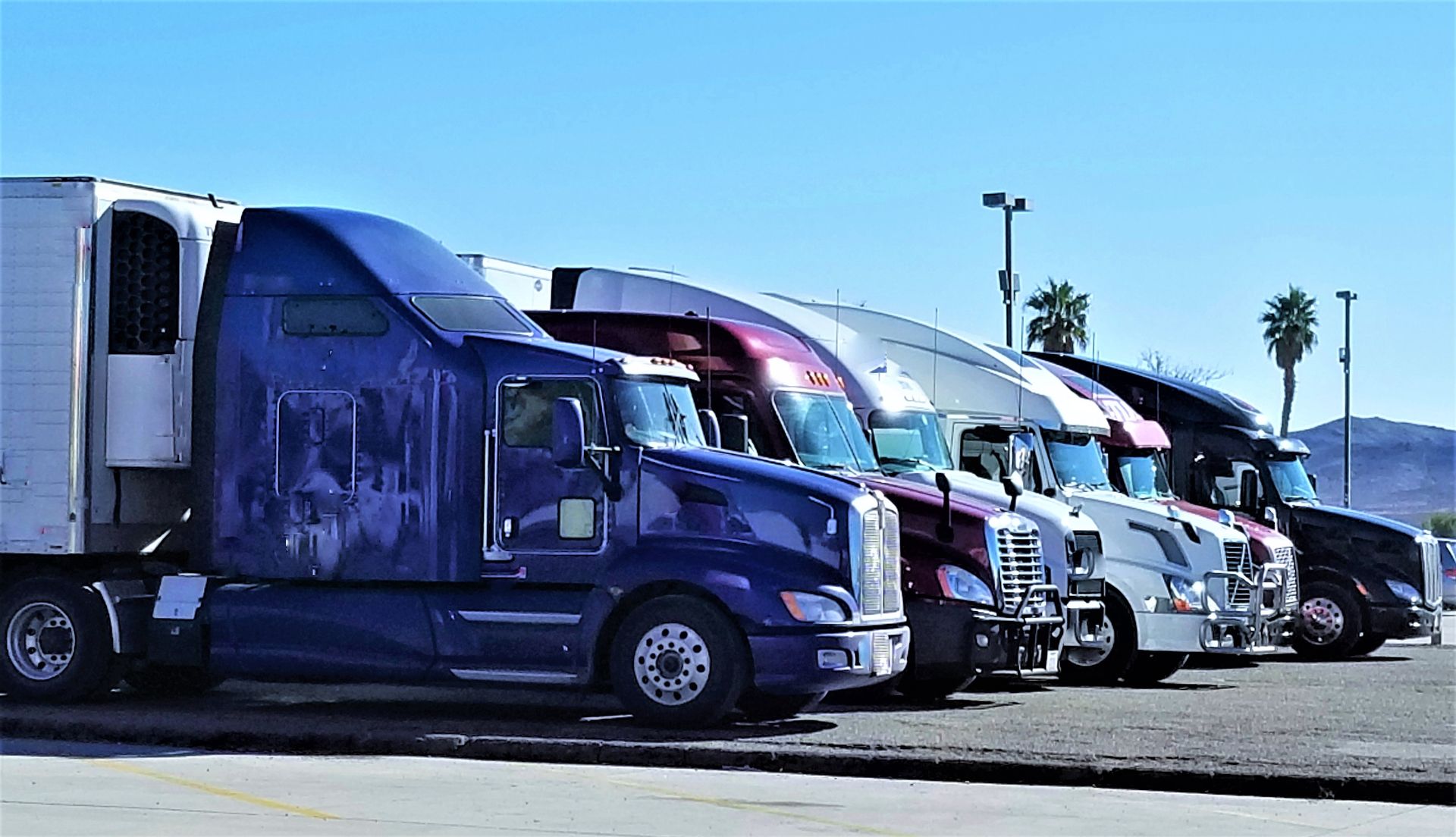
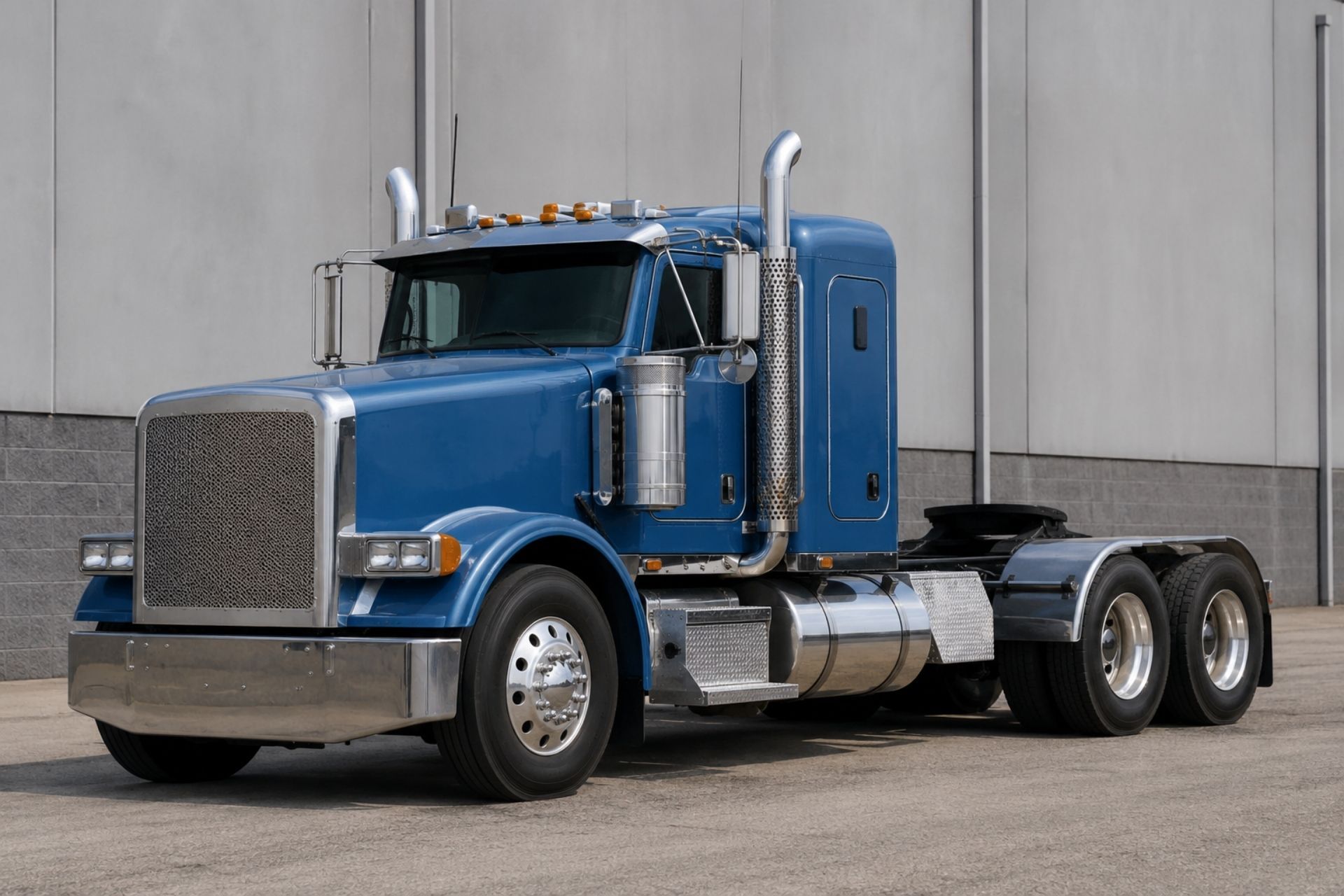
Commercial Auto & Trucking
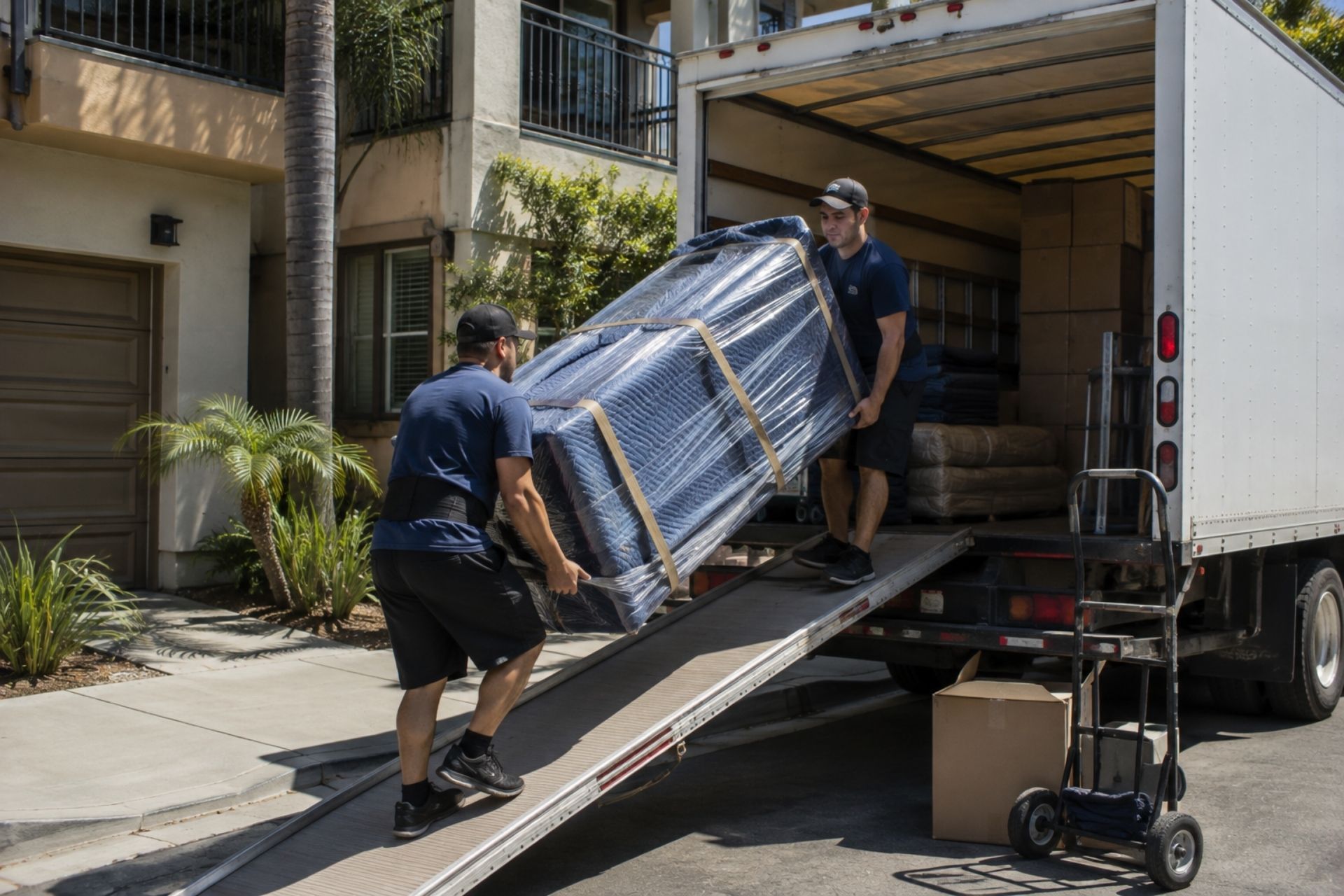
Protection for your fleet including box trucks, moving vans, and trailers. Covers liability, collision, physical damage, and hired or non-owned vehicles used in your operations.
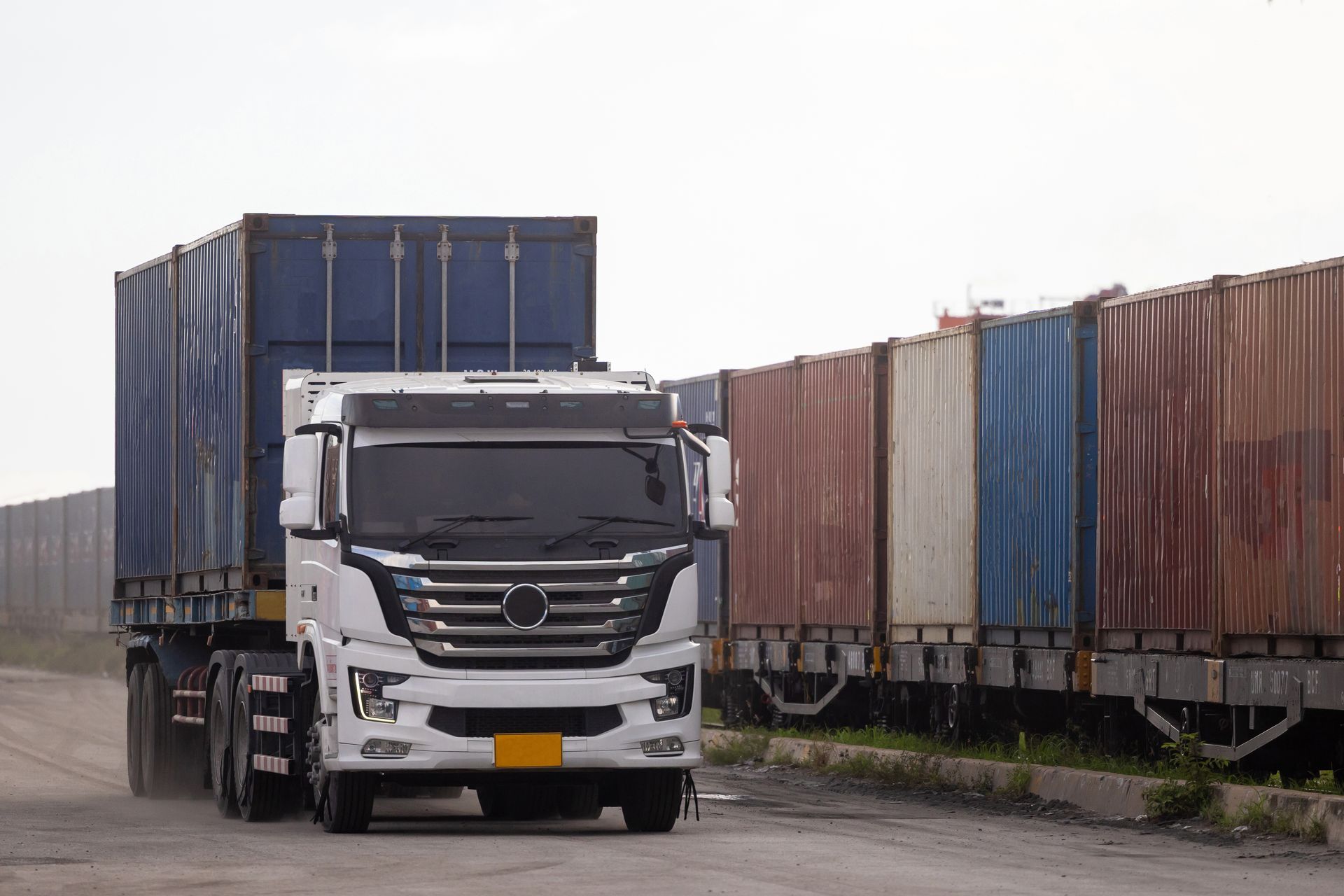
Motor Truck Cargo
Covers household goods and freight during transport from pickup to delivery. Protects against damage, theft, mysterious disappearance, and weather-related losses while cargo is in your care.

General Liability
Protection from third-party claims for bodily injury and property damage at customer homes, job sites, and your own facility. Essential coverage for every transportation operation

Warehouse Legal Liability
Coverage for customer property while stored in your facility. Protects against damage, theft, fire, and water damage to goods in your care, custody, or control.

Workers' Compensation
Medical care and wage replacement for employees injured on the job. Required in most states for transportation and warehouse work where physical labor creates higher injury risk.

Umbrella & Excess Liability
Higher liability limits stacked on top of your primary policies. Helps meet large contract requirements and protects your business assets against major claims and lawsuits.
Specialized Knowledge
Industries We Protect
Focused coverage for transportation and logistics businesses


Simple and Clear
How Our Process Works
Our process to get you covered
Connect With Us
Reach out through our form or by phone to share your business needs and current coverage situation.
Get Coverage Options
We review your risks, compare carriers, and present clear quotes with plain-language explanations.
Stay Protected
You choose your plan, and we provide ongoing support for certificates, claims, and renewals.
Trusted by Businesses
Feedback That Reflects Service and Reliability
What our clients say about working with Champion Risk
Answers You Need
Frequently Asked Questions
Common questions about transportation and logistics insurance



What insurance does a transportation company need to operate legally?
Motor carriers that cross state lines must meet FMCSA requirements. You need a minimum of $750,000 in liability coverage, plus a BMC-91 filing that proves your insurance to the federal government. Cargo coverage is also required, with minimums that depend on the type of goods you transport.
Intrastate operators follow state-specific rules. California, Texas, and Florida each have different requirements. Champion Risk handles both federal and state filings. We make sure your coverage meets legal minimums and your certificates reach the right agencies.
How much does commercial transportation insurance cost?
Premiums depend on your fleet size, driving records, cargo values, and claims history. A small operation with two trucks might pay $8,000 to $15,000 per year. A larger carrier with ten trucks could pay $50,000 to $100,000 or more.
The best way to control costs is working with a broker who knows transportation insurance. We find carriers that specialize in your exact operation type. This often results in better rates than going direct or using a general agent who doesn't understand the industry.
What is a BMC-91 filing and why do I need one?
A BMC-91 is a form your insurance company files with the FMCSA. It proves you carry the required liability coverage to operate as a for-hire motor carrier. Without an active BMC-91, your operating authority can be revoked.
Champion Risk works with carriers who file electronically. Your BMC-91 typically posts within 24 to 48 hours of binding coverage. We monitor your filing status and alert you if anything needs attention.
Does my warehouse or storage facility need different insurance than a trucking operation?
Yes. Storage facilities need warehouse legal liability coverage. This protects you when customer property is damaged or stolen while in your care. Standard general liability policies exclude this exposure.
You may also need property coverage for your building, equipment breakdown protection, and business income coverage if a fire or disaster shuts down operations. Champion Risk builds storage facility programs that address all these risks in one package.
Can you insure last-mile delivery drivers who use their own vehicles?
Yes. We offer hired and non-owned auto coverage for delivery operations that use independent contractors or employees driving personal vehicles. This fills gaps that personal auto policies don't cover during commercial use.
We also provide occupational accident coverage for 1099 drivers who aren't eligible for workers' comp. This protects your drivers and limits your liability exposure when accidents happen.
How fast can I get proof of insurance for a new contract?
Same day in most cases. Once we bind your policy, we issue certificates of insurance within hours. If your contract requires specific additional insured language or special endorsements, we coordinate directly with the carrier.
Rush requests happen often in this industry. General contractors and corporate clients demand certificates before they let you on site. Champion Risk prioritizes fast turnaround because we know your revenue depends on it.

Answers You Need
Transportation & Logistics Insurance Resources
Articles designed to inform and support your business
Contact Us
Phone Number:
Email Address:
Location:
12264 El Camino Real, Suite 350
San Diego, CA 92130
Hours:
Monday – Friday: 8:00 AM – 6:00 PM PT