Cincinnati sits at the crossroads of American commerce, where I-71, I-75, and I-74 converge to create one of the Midwest's most active freight corridors. If you operate a trucking company, freight brokerage, or logistics firm here, you already know the stakes: one uninsured accident or cargo claim can devastate a business that took years to build.
Transportation and logistics insurance in Cincinnati requires understanding both Ohio's specific regulations and the federal requirements that govern interstate hauling. The FMCSA requires a minimum of $750,000 in liability coverage for general freight carriers, but that's just the starting point. Local carriers face unique exposures tied to Cincinnati's geography, weather patterns, and the sheer volume of goods moving through the region daily.
I've watched too many owner-operators learn expensive lessons about coverage gaps. A trucker assumes his auto liability covers stolen cargo. A freight broker discovers her contingent coverage doesn't apply because she didn't verify the carrier's insurance. These mistakes happen constantly, and they're preventable with the right guidance.
This breakdown covers what Cincinnati-area transportation businesses actually need: the specific coverages that matter, Ohio's regulatory requirements, realistic cost expectations, and practical strategies for keeping premiums manageable without sacrificing protection.
The Evolving Logistics Landscape in Cincinnati
Cincinnati's Role as a Midwest Transportation Hub
The numbers tell the story. Cincinnati's transportation and warehousing sector has added over 20,000 new jobs in the past five years, reflecting the region's growing importance in national supply chains. The Cincinnati metro area reached a GDP peak of $135.5 billion in 2019, with logistics playing a substantial role in that economic output.
Amazon's massive air hub at CVG, DHL's Americas headquarters, and dozens of regional distribution centers have transformed Greater Cincinnati into a logistics powerhouse. This growth creates opportunity, but it also intensifies competition and raises the stakes for risk management.
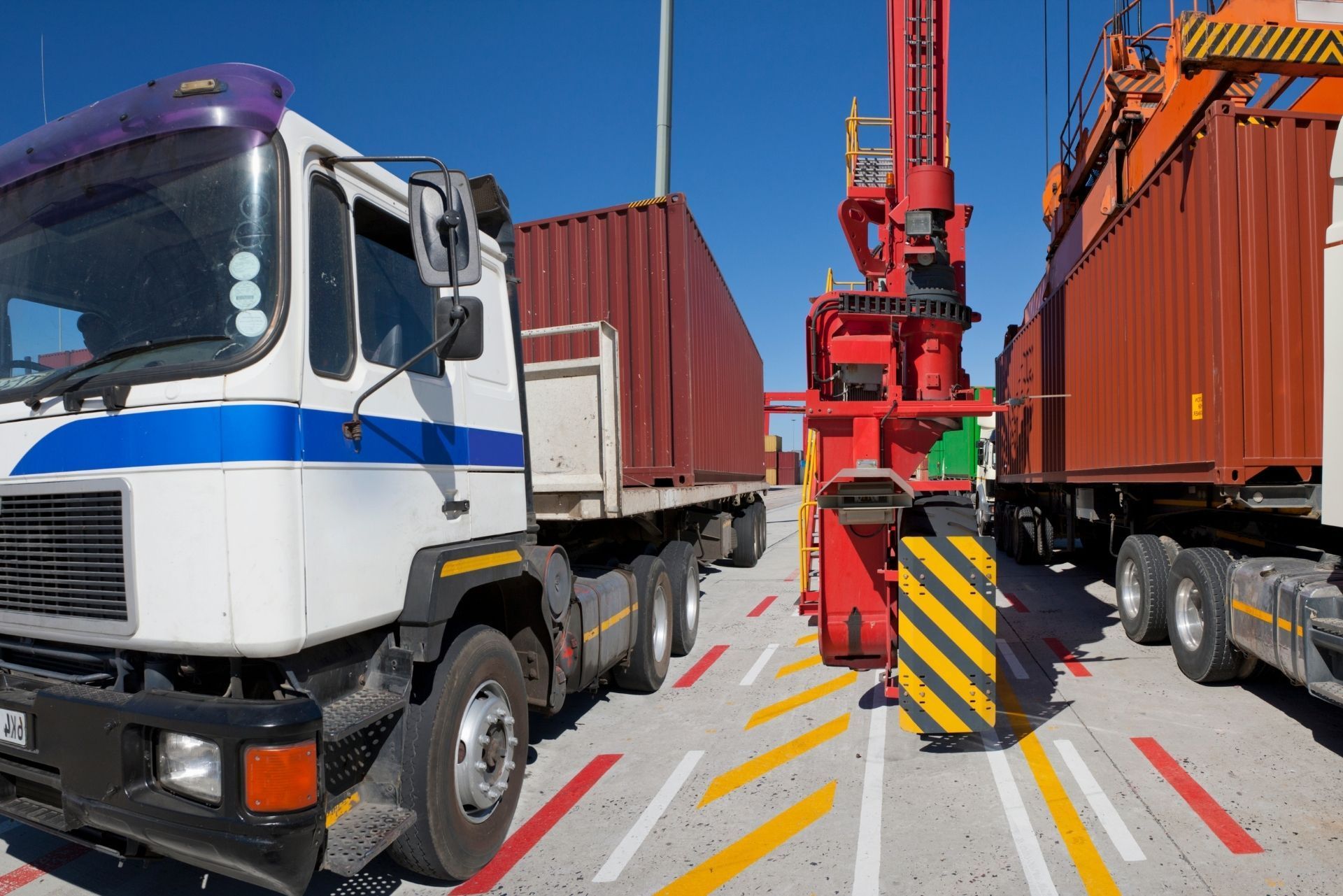
The Ohio River provides barge access for heavy freight. Three major interstates feed trucks into the region from every direction. Rail connections through Norfolk Southern and CSX add another layer to the multimodal network. For carriers and brokers, this means constant movement, tight delivery windows, and exposure to claims from multiple sources.
Unique Risks for Local Trucking and Freight Forwarding
Cincinnati's geography creates specific hazards that affect insurance considerations. The Ohio River valley generates fog that can reduce visibility to near-zero during fall and spring months. The hilly terrain around the city, particularly in Kentucky suburbs, leads to brake failures and rollover accidents when drivers unfamiliar with the routes misjudge grades.
Winter weather adds another layer of complexity. Ice storms that shut down I-75 can leave cargo sitting for days, creating spoilage claims for refrigerated loads and delay penalties for time-sensitive freight. Carriers operating in this environment need coverage that accounts for these regional realities, not generic policies designed for flatland hauling.

By: Mark Raby
Chief Executive Officer at Champion Risk & Insurance Services
Essential Insurance Coverages for Ohio Carriers
Primary Auto Liability and Motor Truck Cargo
Auto liability forms the foundation of any trucking insurance program. Ohio requires this coverage for all commercial vehicles, and federal regulations set minimums based on what you're hauling. Trucks under 10,001 lbs. require a minimum of $300,000 in liability insurance, while larger vehicles hauling general freight need that $750,000 minimum mentioned earlier.
Motor truck cargo insurance protects the goods you're transporting. Standard policies cover theft, collision damage, and fire, but exclusions matter. Refrigeration breakdown, improper loading, and mysterious disappearance often require endorsements. If you're hauling high-value electronics through Cincinnati's distribution network, make sure your cargo limits reflect actual load values, not minimums.
General Liability and Physical Damage Protection
General liability covers your business operations beyond the truck itself. A driver damages a loading dock. A forklift operator injures a warehouse worker. Your company gets named in a lawsuit over cargo that arrived contaminated. These scenarios fall under general liability, not auto coverage.
Physical damage insurance protects your equipment: tractors, trailers, and attached components. Collision and comprehensive coverage work similarly to personal auto insurance but with commercial valuations. For newer equipment, agreed value policies prevent depreciation disputes after a total loss. Older trucks might warrant actual cash value coverage to keep premiums reasonable.
Contingent Cargo for Logistics Brokers
Freight brokers face a specific exposure that confuses many newcomers to the industry. When you arrange transportation but don't operate trucks yourself, you're betting that your contracted carriers maintain adequate insurance. Contingent cargo coverage kicks in when a carrier's policy fails to respond, whether due to lapsed coverage, exclusions, or insufficient limits.
Champion Risk works with numerous Cincinnati-area brokers who learned this lesson the hard way. A carrier's insurance denied a claim, the shipper sued the broker, and suddenly a six-figure judgment threatened the business. Contingent coverage isn't cheap, but it's essential protection for any brokerage operation.
Ohio State and Federal Compliance Requirements
PUCO Regulations and Financial Responsibility
The Public Utilities Commission of Ohio oversees intrastate carriers operating exclusively within state borders. PUCO registration requires proof of insurance meeting state minimums, and carriers must maintain current filings or face authority suspension.
As one industry expert notes, "Navigating Ohio's trucking regulations and laws is crucial, and local regulatory knowledge is essential when choosing truck insurance". This isn't bureaucratic box-checking. PUCO actively monitors compliance, and operating without proper authority can result in fines, impounded vehicles, and personal liability for company owners.
Ohio's financial responsibility requirements include both liability coverage and cargo insurance for certain commodity classes. Hazmat haulers face additional bonding requirements. Working with an agent who understands these state-specific rules prevents costly compliance gaps.
FMCSA Filings and Interstate Authority
Interstate carriers answer to federal regulations through the FMCSA. Your operating authority, whether motor carrier or freight broker, requires specific insurance filings. Form BMC-91 or BMC-91X proves liability coverage. Form BMC-84 establishes cargo insurance. Brokers need a $75,000 surety bond filed on Form BMC-84.
These filings must remain current with the FMCSA. A lapsed filing can suspend your authority within days, leaving you unable to legally operate. Champion Risk handles these filings for clients, ensuring paperwork stays current even when policies renew or coverage changes.
Factors Influencing Insurance Costs in the Queen City
Impact of Fleet Size and Radius of Operation
Commercial truck insurance in Ohio can range from $8,000 to $18,000 per year for experienced owner-operators. That's a wide range, and your specific premium depends on several factors.
| Factor | Lower Premium | Higher Premium |
|---|---|---|
| Fleet Size | 10+ trucks with volume discounts | Single truck, no negotiating leverage |
| Operating Radius | Local/regional (under 250 miles) | Long-haul interstate |
| Cargo Type | Dry van general freight | Hazmat, oversized, high-value |
| Years in Business | 3+ years with clean history | New venture, no track record |
Radius of operation significantly affects rates. A carrier running exclusively within 100 miles of Cincinnati pays less than one hauling coast-to-coast. The exposure calculation considers miles driven, states traveled, and time spent in high-risk urban areas.
Safety Scores and Driver Experience Levels
Your CSA scores directly impact premiums. Carriers with poor safety ratings pay substantially more, sometimes 30-50% above standard rates. Some insurers won't quote businesses with certain violations regardless of price.
Driver experience matters equally. A fleet of drivers with 10+ years of clean records represents lower risk than newly licensed CDL holders. Insurance companies review MVRs, employment history, and accident records when calculating rates. Investing in experienced drivers pays dividends through lower insurance costs.
Implementing Telematics and Dashcam Technology
Telematics systems track speed, braking patterns, hours of service, and location. Insurers increasingly offer discounts for carriers using this technology because it reduces accidents and provides evidence when claims arise.
Dashcams serve a different purpose: liability protection. When another driver causes an accident, footage proves your driver wasn't at fault. Nuclear verdicts, those multi-million dollar jury awards against trucking companies, often hinge on perception. Video evidence showing professional driving behavior can prevent or reduce these catastrophic judgments.
The investment typically runs $500-1,500 per truck for quality systems. Premium discounts of 5-15% make the technology pay for itself within two years for most fleets.
Selecting a Specialized Local Insurance Partner
Generic insurance agencies sell trucking policies, but they rarely understand the nuances of transportation coverage. A broker who specializes in commercial trucking knows which carriers offer competitive rates for your specific operation, which exclusions to watch for, and how to structure coverage that actually protects your business.
Champion Risk focuses exclusively on commercial insurance for transportation and logistics companies. That specialization means faster quotes, better coverage recommendations, and advocacy when claims arise. A generalist agent might sell you a policy; a specialist helps you build a risk management program.
Frequently Asked Questions
How much liability coverage do I actually need beyond the federal minimum? Most experienced carriers carry $1 million in liability coverage. Shippers increasingly require this limit in contracts, and the additional premium over $750,000 is typically modest.
Does my auto liability policy cover cargo damage? No. Auto liability covers injuries and property damage to others. Cargo insurance is separate coverage protecting the goods you transport.
What happens if my insurance filing lapses with the FMCSA? Your operating authority can be suspended within 10 days. You cannot legally haul freight until coverage is reinstated and new filings are processed.
Can I get insurance as a new trucking company with no experience? Yes, but expect higher premiums and fewer carrier options. Some insurers specialize in new ventures. Rates typically decrease after 12-24 months of clean operation.
Do I need non-trucking liability if I'm leased to a motor carrier? Usually yes. Non-trucking liability, also called bobtail coverage, protects you when operating outside the lease agreement. Your lease should specify insurance requirements.
Making the Right Coverage Decision
Transportation insurance in Cincinnati isn't about finding the cheapest policy. It's about matching coverage to your actual exposures while meeting regulatory requirements and keeping premiums sustainable.
Start by understanding what you're legally required to carry. Layer additional coverage based on your cargo types, operating radius, and contract requirements from shippers. Review your program annually as your business evolves.
The right insurance partner makes this process manageable. Champion Risk works with Cincinnati-area carriers and brokers to build coverage programs that protect against real-world risks without paying for unnecessary extras. Reach out for a coverage review that addresses your specific operation.
About the Author:
Mark Raby
I am a seasoned insurance professional with over 30 years of experience in the industry. I lead Champion Risk & Insurance Services, a San Diego-based brokerage with nationwide reach and strong influence in the insurance marketplace. My core competencies include insurance agency M&A deals, captives and alternative risk structures, and commercial property and casualty insurance for clients in the transportation and logistics industries. I am a former president of IIAB San Diego and hold a Bachelor of Science in Finance from Western Michigan University’s Haworth College of Business.
Protection for Transportation Operations
Business Insurance for Transportation & Logistics Companies
Coverage designed specifically for transportation businesses
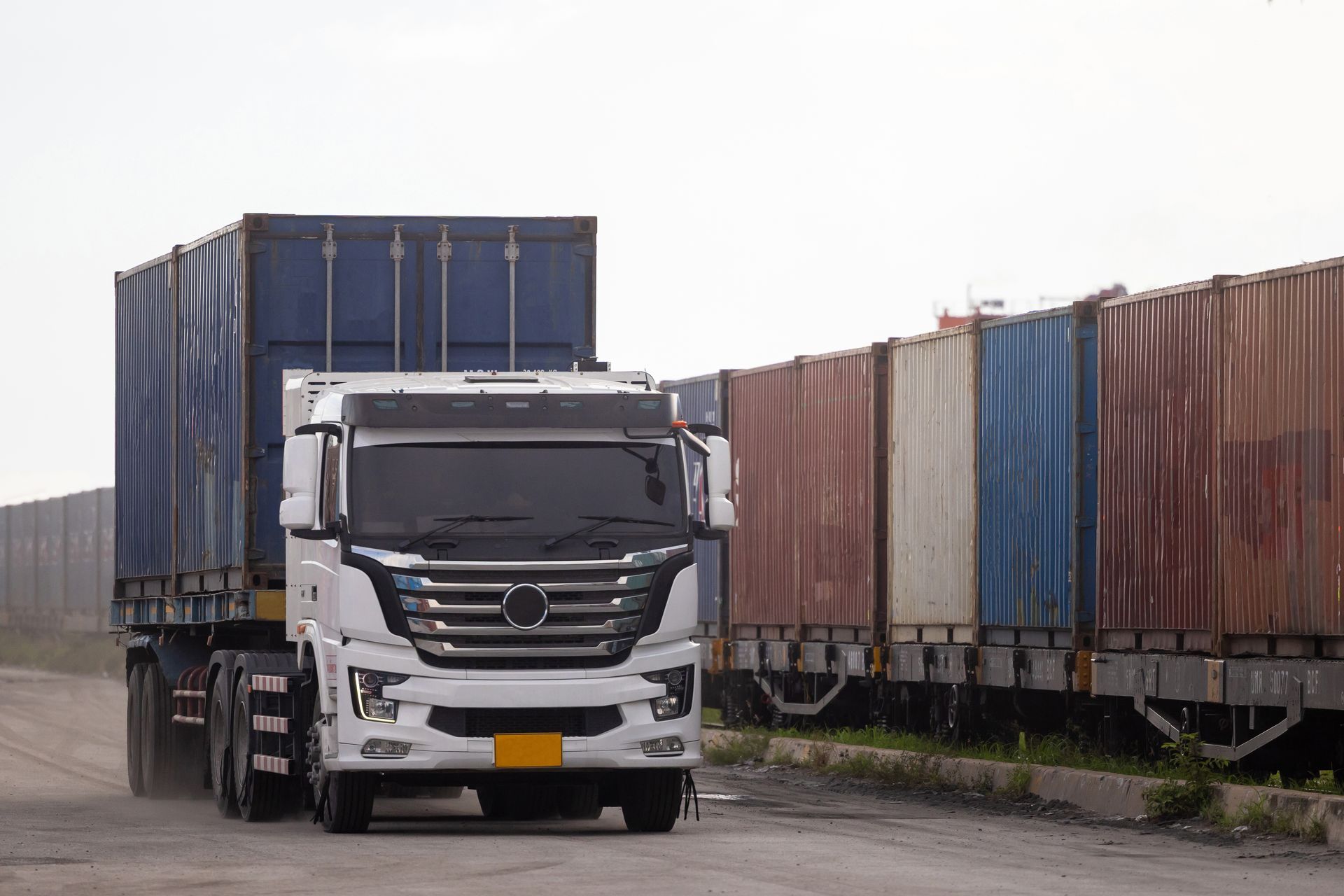
Commercial Auto & Trucking
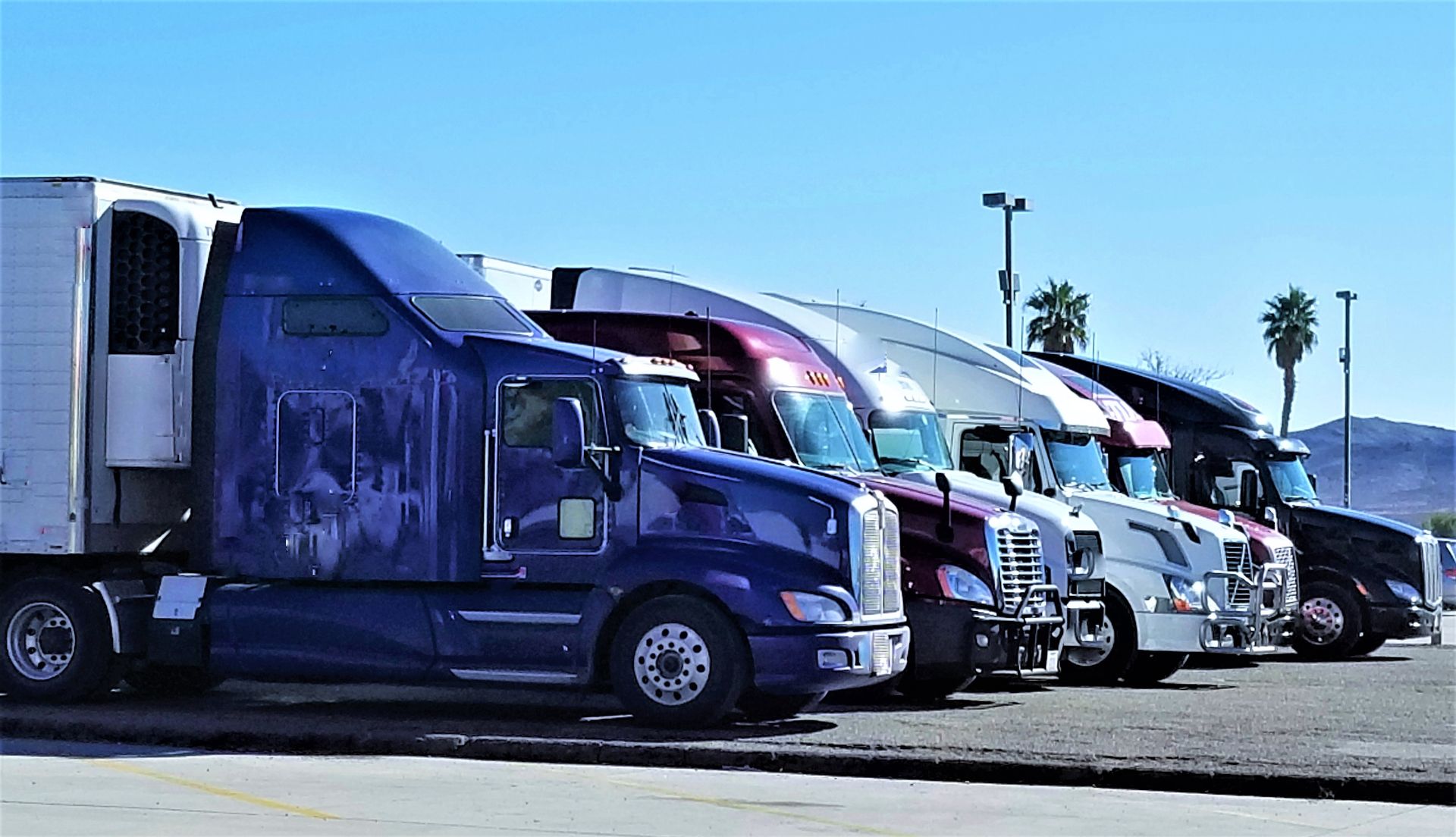
Protection for your fleet including box trucks, moving vans, and trailers. Covers liability, collision, physical damage, and hired or non-owned vehicles used in your operations.
Motor Truck Cargo
Covers household goods and freight during transport from pickup to delivery. Protects against damage, theft, mysterious disappearance, and weather-related losses while cargo is in your care.

General Liability
Protection from third-party claims for bodily injury and property damage at customer homes, job sites, and your own facility. Essential coverage for every transportation operation

Warehouse Legal Liability
Coverage for customer property while stored in your facility. Protects against damage, theft, fire, and water damage to goods in your care, custody, or control.

Workers' Compensation
Medical care and wage replacement for employees injured on the job. Required in most states for transportation and warehouse work where physical labor creates higher injury risk.

Umbrella & Excess Liability
Higher liability limits stacked on top of your primary policies. Helps meet large contract requirements and protects your business assets against major claims and lawsuits.
Specialized Knowledge
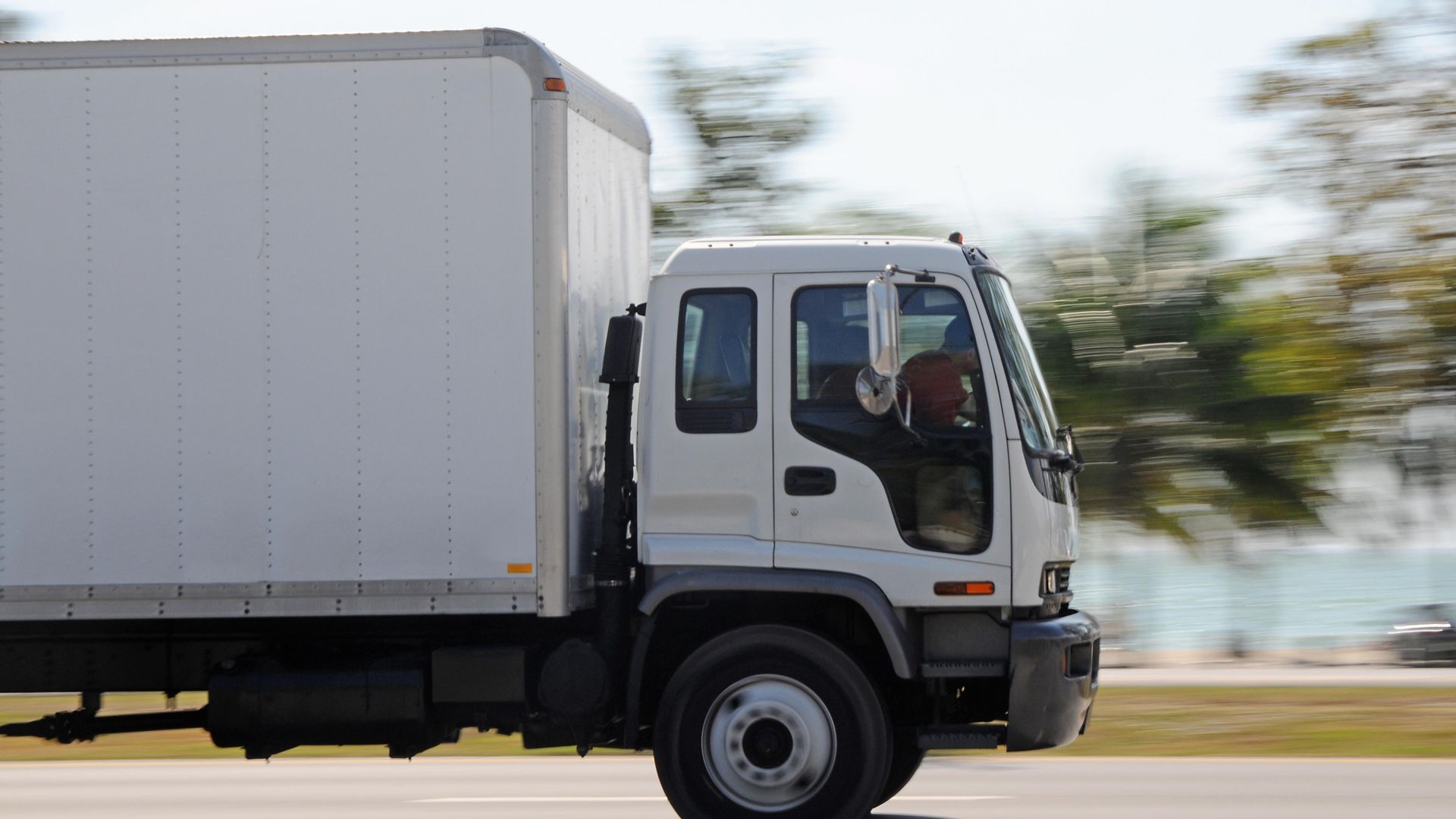
Industries We Protect
Focused coverage for transportation and logistics businesses


Simple and Clear
How Our Process Works
Our process to get you covered
Connect With Us
Reach out through our form or by phone to share your business needs and current coverage situation.
Get Coverage Options
We review your risks, compare carriers, and present clear quotes with plain-language explanations.
Stay Protected
You choose your plan, and we provide ongoing support for certificates, claims, and renewals.
Trusted by Businesses
Feedback That Reflects Service and Reliability
What our clients say about working with Champion Risk
Answers You Need
Frequently Asked Questions
Common questions about transportation and logistics insurance



What insurance does a transportation company need to operate legally?
Motor carriers that cross state lines must meet FMCSA requirements. You need a minimum of $750,000 in liability coverage, plus a BMC-91 filing that proves your insurance to the federal government. Cargo coverage is also required, with minimums that depend on the type of goods you transport.
Intrastate operators follow state-specific rules. California, Texas, and Florida each have different requirements. Champion Risk handles both federal and state filings. We make sure your coverage meets legal minimums and your certificates reach the right agencies.
How much does commercial transportation insurance cost?
Premiums depend on your fleet size, driving records, cargo values, and claims history. A small operation with two trucks might pay $8,000 to $15,000 per year. A larger carrier with ten trucks could pay $50,000 to $100,000 or more.
The best way to control costs is working with a broker who knows transportation insurance. We find carriers that specialize in your exact operation type. This often results in better rates than going direct or using a general agent who doesn't understand the industry.
What is a BMC-91 filing and why do I need one?
A BMC-91 is a form your insurance company files with the FMCSA. It proves you carry the required liability coverage to operate as a for-hire motor carrier. Without an active BMC-91, your operating authority can be revoked.
Champion Risk works with carriers who file electronically. Your BMC-91 typically posts within 24 to 48 hours of binding coverage. We monitor your filing status and alert you if anything needs attention.
Does my warehouse or storage facility need different insurance than a trucking operation?
Yes. Storage facilities need warehouse legal liability coverage. This protects you when customer property is damaged or stolen while in your care. Standard general liability policies exclude this exposure.
You may also need property coverage for your building, equipment breakdown protection, and business income coverage if a fire or disaster shuts down operations. Champion Risk builds storage facility programs that address all these risks in one package.
Can you insure last-mile delivery drivers who use their own vehicles?
Yes. We offer hired and non-owned auto coverage for delivery operations that use independent contractors or employees driving personal vehicles. This fills gaps that personal auto policies don't cover during commercial use.
We also provide occupational accident coverage for 1099 drivers who aren't eligible for workers' comp. This protects your drivers and limits your liability exposure when accidents happen.
How fast can I get proof of insurance for a new contract?
Same day in most cases. Once we bind your policy, we issue certificates of insurance within hours. If your contract requires specific additional insured language or special endorsements, we coordinate directly with the carrier.
Rush requests happen often in this industry. General contractors and corporate clients demand certificates before they let you on site. Champion Risk prioritizes fast turnaround because we know your revenue depends on it.

Answers You Need
Transportation & Logistics Insurance Resources
Articles designed to inform and support your business
Contact Us
Phone Number:
Email Address:
Location:
12264 El Camino Real, Suite 350
San Diego, CA 92130
Hours:
Monday – Friday: 8:00 AM – 6:00 PM PT