
Los Angeles, California Transportation & Logistics Insurance
Or Call Us:
(800) 829-0807
Los Angeles sits at the heart of American commerce. The Ports of Los Angeles and Long Beach together handle roughly 40% of all containerized cargo entering the United States, and the trucks, warehouses, and distribution networks surrounding them form one of the most complex logistics ecosystems anywhere in the world. The California freight and logistics market is estimated at $185.11 billion in 2025, expected to grow to nearly $224 billion by 2030.
Running a trucking company, freight brokerage, or warehouse operation here means dealing with challenges that carriers in other regions simply don't face. You've got congested freeways that turn a 20-mile haul into a two-hour ordeal. You've got cargo theft hotspots along the I-710 corridor. You've got port access requirements, California-specific emissions standards, and workers' compensation rates that make other states look cheap.
Getting the right insurance coverage isn't just about checking regulatory boxes. It's about protecting your business from the specific risks that come with operating in Southern California. A policy designed for a trucking company in Nebraska won't cut it here. The traffic patterns, theft rates, cargo values, and regulatory requirements are fundamentally different. Understanding what coverage you actually need, what it costs, and how to structure your policies can mean the difference between surviving a major claim and shutting your doors.
Essential Insurance Coverages for LA Carriers
Auto Liability and Motor Truck Cargo
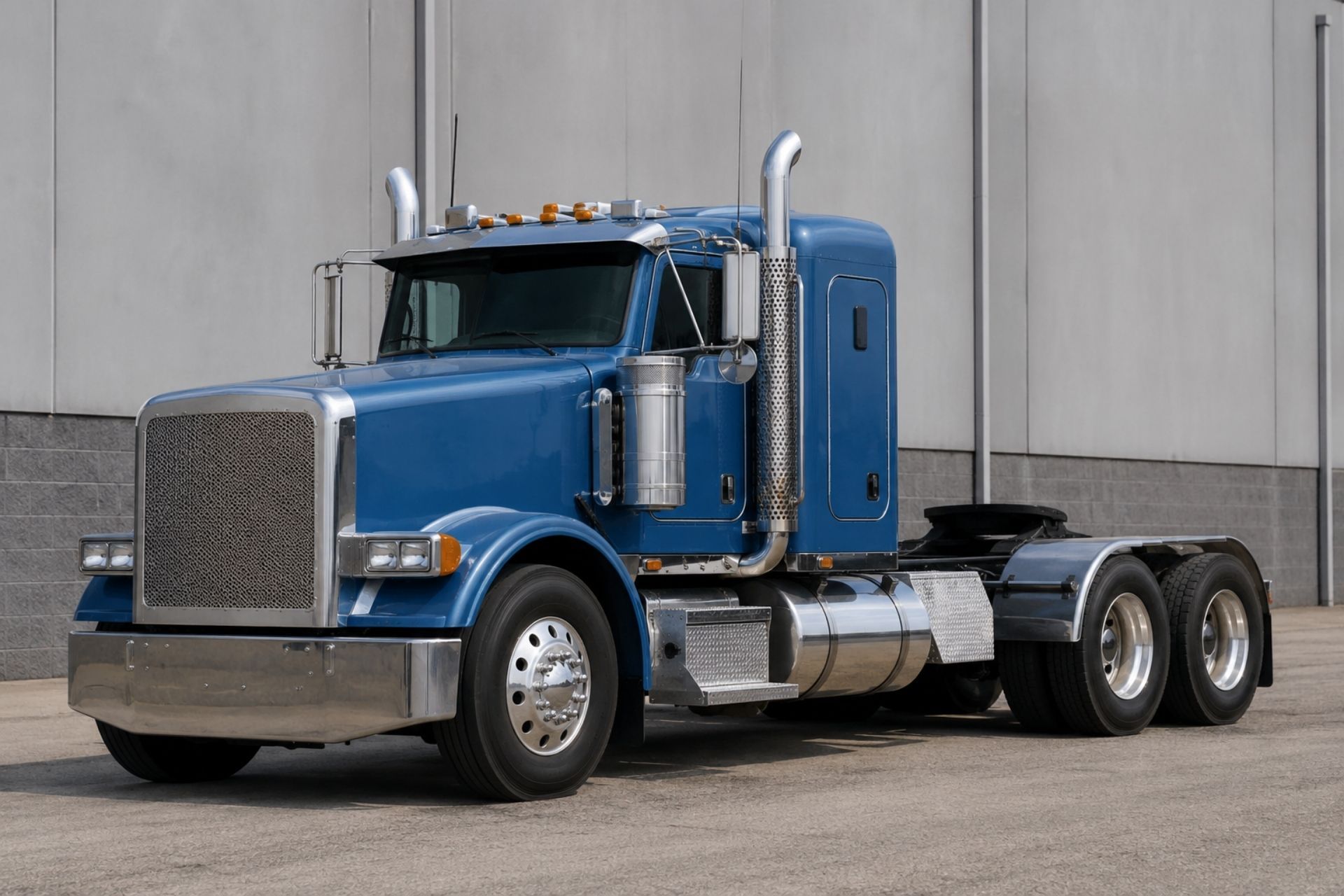
Every commercial carrier operating in Los Angeles needs two foundational coverages: auto liability and motor truck cargo insurance. Auto liability protects you when your truck causes an accident, covering bodily injury and property damage to others. The FMCSA requires a minimum of $750,000 in liability coverage for general freight haulers, though carriers transporting hazardous materials need significantly higher limits.
Motor truck cargo insurance covers the freight you're hauling when it's damaged, stolen, or destroyed. In LA, cargo theft is a genuine concern. The areas around the ports and major distribution centers see some of the highest cargo theft rates in the country. Standard cargo policies typically cover $100,000 per occurrence, but high-value loads may require higher limits or specialized endorsements.
Warehouse Legal Liability and Terminal Coverage
If you operate a warehouse, distribution center, or truck terminal in Los Angeles, you need warehouse legal liability coverage. This protects you when goods in your care are damaged or stolen due to your negligence. Standard property insurance won't cover goods you don't own, which is why this specialized coverage exists.
Terminal coverage extends protection to your physical facilities and equipment. Forklifts, loading docks, conveyor systems, and the building itself all need protection. Given Southern California's earthquake risk, you'll want to discuss seismic coverage with your broker, as standard policies typically exclude earthquake damage.
Contingent Cargo for Freight Brokers
Freight brokers face a unique exposure. When you arrange transportation but don't haul the freight yourself, you're relying on the carrier's insurance to cover any losses. Contingent cargo insurance kicks in when the carrier's policy doesn't respond, whether due to coverage gaps, policy exclusions, or the carrier simply not having adequate insurance.
Champion Risk works with many LA-area freight brokers who've learned the hard way that contingent cargo isn't optional. One broker we've helped had a carrier's policy denied due to an excluded commodity, leaving them holding a $180,000 claim. Contingent coverage would have handled it.


By: Mark Raby
Chief Executive Officer at Champion Risk & Insurance Services
California State and Federal Regulatory Requirements
CA DMV Filings and MCP Requirements
California requires motor carriers to file proof of insurance with the DMV through the Motor Carrier Permit (MCP) program. You'll need to submit a Form MCP 65 or MCP 67 depending on your operation type. These filings must stay current, and lapses can result in permit suspension.
The MCP program applies to any vehicle operating for-hire with a gross vehicle weight rating over 10,000 pounds. Intrastate carriers need at least $750,000 in liability coverage for general freight, while hazmat haulers need higher limits. Your insurance carrier must be authorized to write commercial auto in California and willing to file on your behalf.
Port of Los Angeles and Long Beach Access Permits
Accessing the ports requires additional credentials and insurance verification. The Transportation Worker Identification Credential (TWIC) is mandatory for anyone entering secure port areas. Beyond personal credentials, your trucks must meet the Clean Truck Program requirements, which mandate 2014 or newer model year engines.
Port drayage carriers also face additional insurance scrutiny. Many terminal operators require proof of coverage before allowing access, and minimum limits may exceed state requirements. Container traffic through the Port of Los Angeles dropped 12% in January 2026, but the compliance requirements haven't eased.
California Workers' Compensation for Trucking
California has some of the highest workers' compensation rates in the country, and trucking operations face particularly steep premiums. The classification codes for truck drivers carry experience modification factors that can dramatically increase costs if you've had claims.
Every California employer must carry workers' comp, with no exceptions for small operations. Owner-operators can exempt themselves if they're truly independent contractors, but misclassification is a serious risk. The state aggressively pursues companies that classify employees as contractors to avoid coverage requirements.
Factors Influencing Transportation Insurance Costs in Southern California
Impact of LA Traffic and High-Theft Corridors
Insurance underwriters price policies based on where you operate, and Los Angeles presents elevated risks on multiple fronts. The average commercial truck insurance cost in California ranges from $8,000 to $14,000 per truck annually, but LA-based carriers often pay at the higher end of that range.
Congested traffic increases accident frequency. More time on the road means more exposure, and stop-and-go conditions lead to rear-end collisions. Cargo theft adds another layer of risk. The I-710 corridor, warehouse districts near the ports, and truck stops along major routes are all known hotspots. Underwriters factor these geographic risks into their pricing models.
Driver Safety Records and ELD Compliance
Your drivers' safety records have an outsized impact on premiums. Carriers with clean CSA scores and no major violations can negotiate significantly better rates than those with safety issues. Electronic logging device compliance isn't just a federal requirement; it's also something underwriters examine when assessing risk.
Owner-operators in Los Angeles can expect to pay between $15,000 and $30,000 annually for commercial truck insurance. That wide range reflects differences in driving records, equipment age, cargo types, and coverage limits. A driver with a clean record hauling general freight pays far less than someone with accidents on their record hauling high-value electronics.

Specialized Risks: Last-Mile Delivery and Intermodal Drayage
The explosion of e-commerce has created massive demand for last-mile delivery services in the LA metro area. These operations face different risks than long-haul trucking. Frequent stops, residential street navigation, and package theft create unique exposures.
Last-mile carriers need hired and non-owned auto coverage if drivers use personal vehicles. They also need to consider coverage for goods in transit, which may require different policy forms than traditional motor truck cargo insurance. The high turnover in delivery operations creates additional risk, as new drivers have higher accident rates.
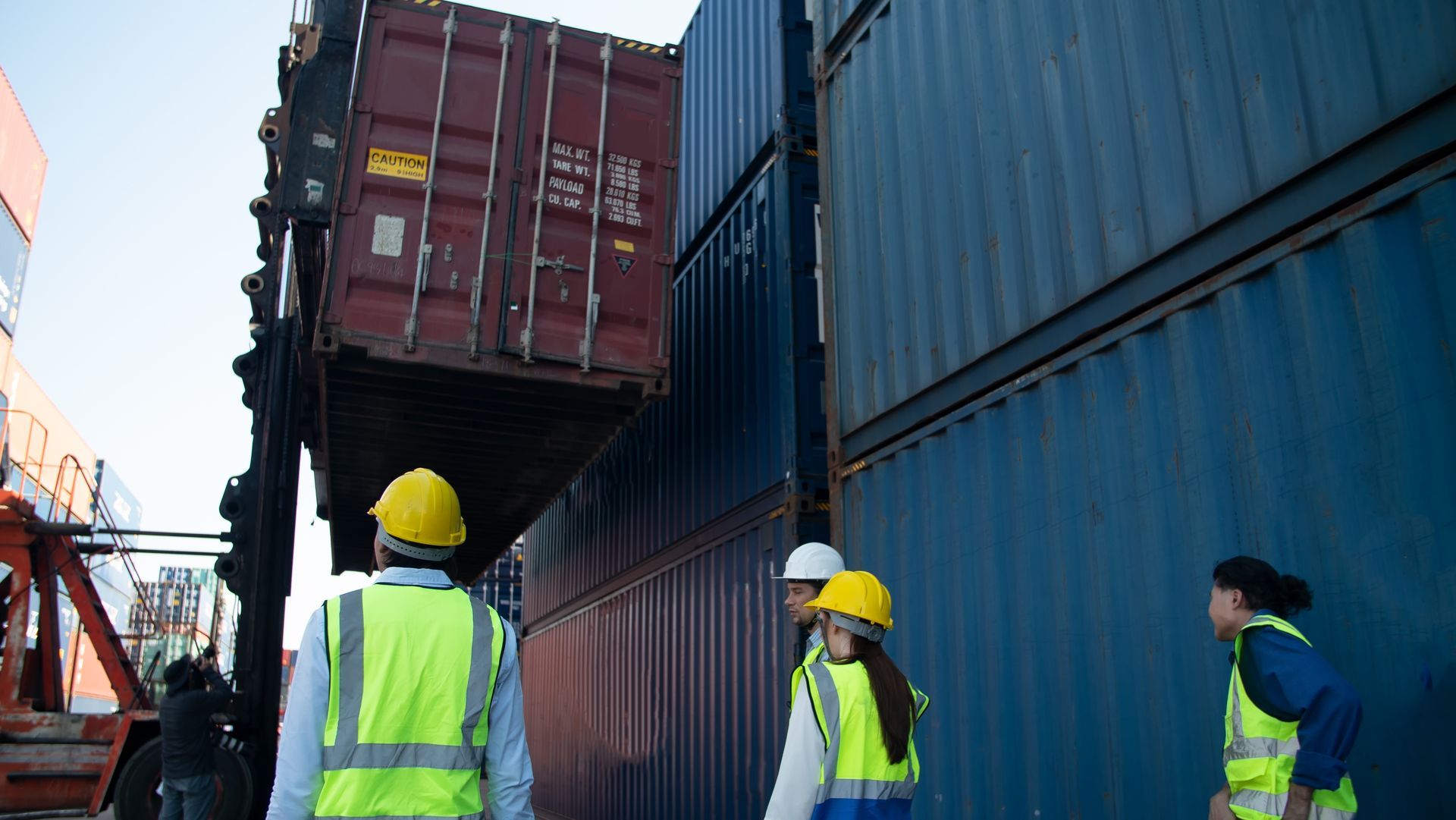
Intermodal drayage, moving containers between the ports and rail yards or distribution centers, involves specialized equipment and concentrated geographic exposure. Chassis damage, container handling incidents, and port congestion delays all create claims. Champion Risk has seen drayage operators struggle to find coverage after multiple chassis damage claims, making loss prevention essential for long-term insurability.
Premium reduction starts with loss control. Installing dash cameras, implementing driver training programs, and maintaining equipment properly all demonstrate to underwriters that you're serious about preventing claims. Some carriers have reduced premiums by 15-20% simply by installing forward-facing cameras and implementing a formal safety program.
Higher deductibles can lower premiums, but you need to balance savings against your ability to absorb losses. A $5,000 deductible might save $2,000 annually in premium, but can you handle multiple deductible payments in a bad year?
| Strategy | Potential Savings | Implementation Difficulty |
|---|---|---|
| Dash cameras | 5-15% | Low |
| Formal safety program | 10-20% | Medium |
| Higher deductibles | 10-25% | Low |
| Driver screening improvements | 5-10% | Medium |
| Telematics monitoring | 5-15% | Medium |
Working with a broker who specializes in transportation insurance, rather than a generalist, often yields better results. Specialists understand which carriers are competitive for your specific operation type and can present your risk in the best light.
Frequently Asked Questions
How much does commercial truck insurance cost in Los Angeles? Expect to pay $8,000 to $14,000 per truck annually for fleet operations, while owner-operators typically pay $15,000 to $30,000 depending on driving record and cargo type.
What's the minimum liability coverage required for trucking in California? The FMCSA requires $750,000 minimum liability for general freight haulers. Hazmat carriers need $1 million to $5 million depending on the materials transported.
Do I need separate insurance for port access? Your standard commercial auto policy covers port operations, but terminal operators may require higher limits or additional certificates of insurance before granting access.
What's the difference between cargo insurance and contingent cargo? Cargo insurance covers freight you're hauling directly. Contingent cargo covers freight brokers when a carrier's policy fails to respond to a claim.
Does California require workers' compensation for owner-operators?
Legitimate owner-operators can exempt themselves, but misclassifying employees as contractors carries severe penalties. Get legal advice before assuming exemption applies.
Transportation and logistics insurance in Los Angeles requires understanding both the regulatory requirements and the real-world risks specific to Southern California operations. The port access requirements, high-theft corridors, and California's workers' compensation system all create complexity that carriers in other regions don't face.
Start by assessing your current coverage against the requirements outlined here. Make sure your liability limits meet both state and federal minimums, verify your cargo coverage matches your actual freight values, and confirm your workers' compensation policy is properly structured for California.
If you're unsure whether your current coverage adequately protects your operation, Champion Risk can review your policies and identify gaps before they become expensive lessons. The cost of proper coverage is always less than the cost of an uninsured claim.
About the Author:
Mark Raby
I am a seasoned insurance professional with over 30 years of experience in the industry. I lead Champion Risk & Insurance Services, a San Diego-based brokerage with nationwide reach and strong influence in the insurance marketplace. My core competencies include insurance agency M&A deals, captives and alternative risk structures, and commercial property and casualty insurance for clients in the transportation and logistics industries. I am a former president of IIAB San Diego and hold a Bachelor of Science in Finance from Western Michigan University’s Haworth College of Business.
Protection for Transportation Operations
Business Insurance for Transportation & Logistics Companies
Coverage designed specifically for transportation businesses
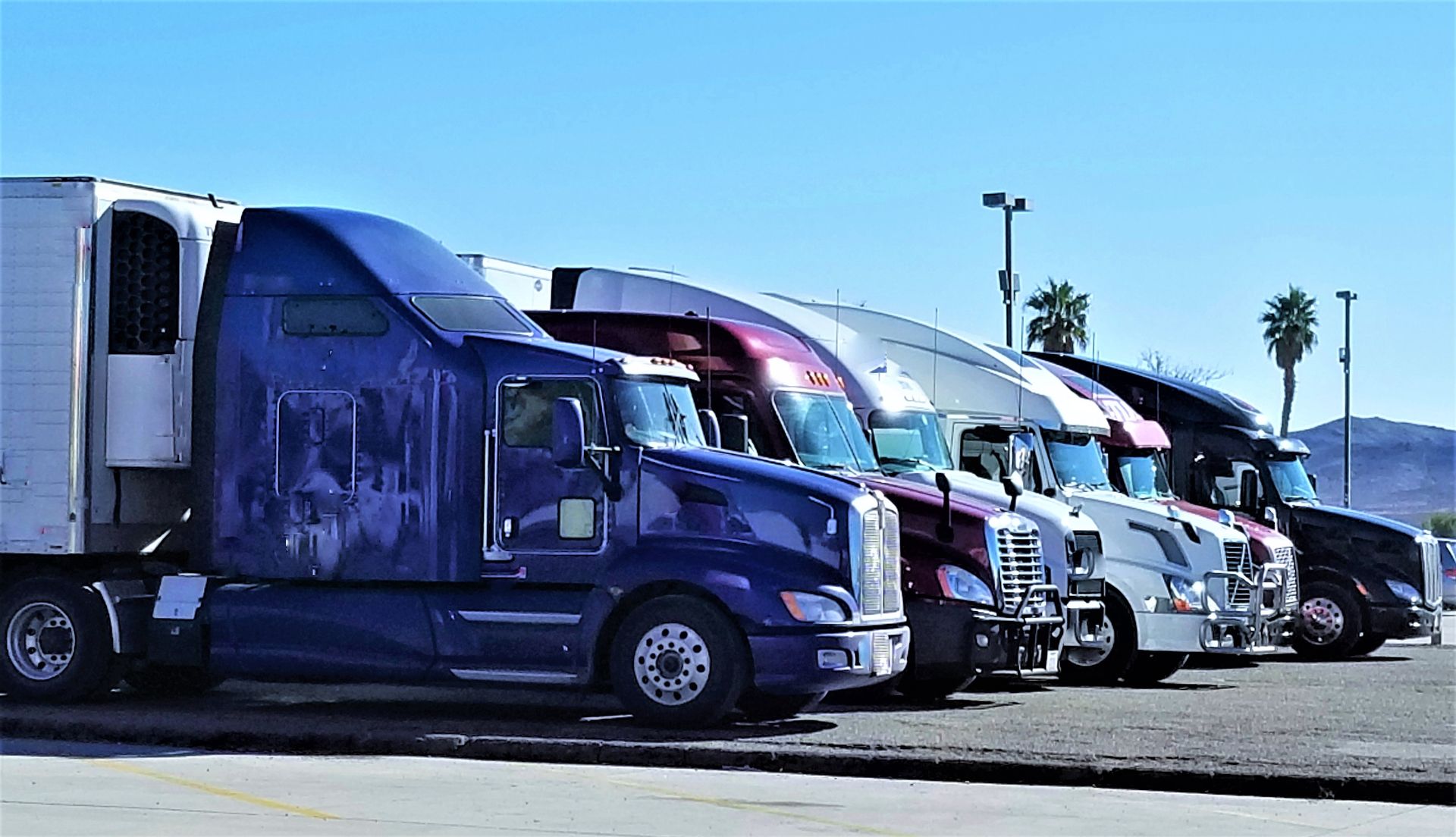
Commercial Auto & Trucking
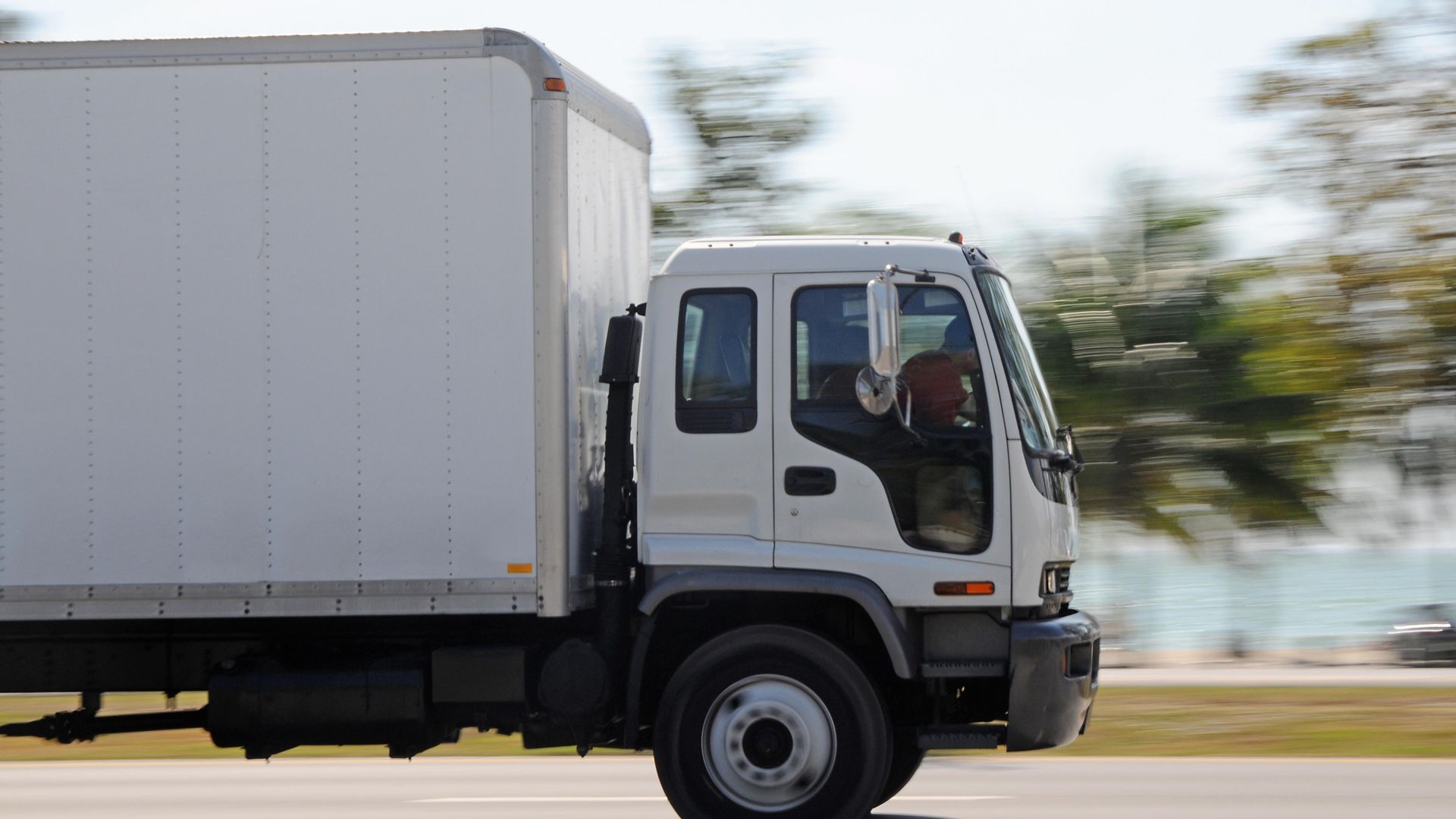
Protection for your fleet including box trucks, moving vans, and trailers. Covers liability, collision, physical damage, and hired or non-owned vehicles used in your operations.
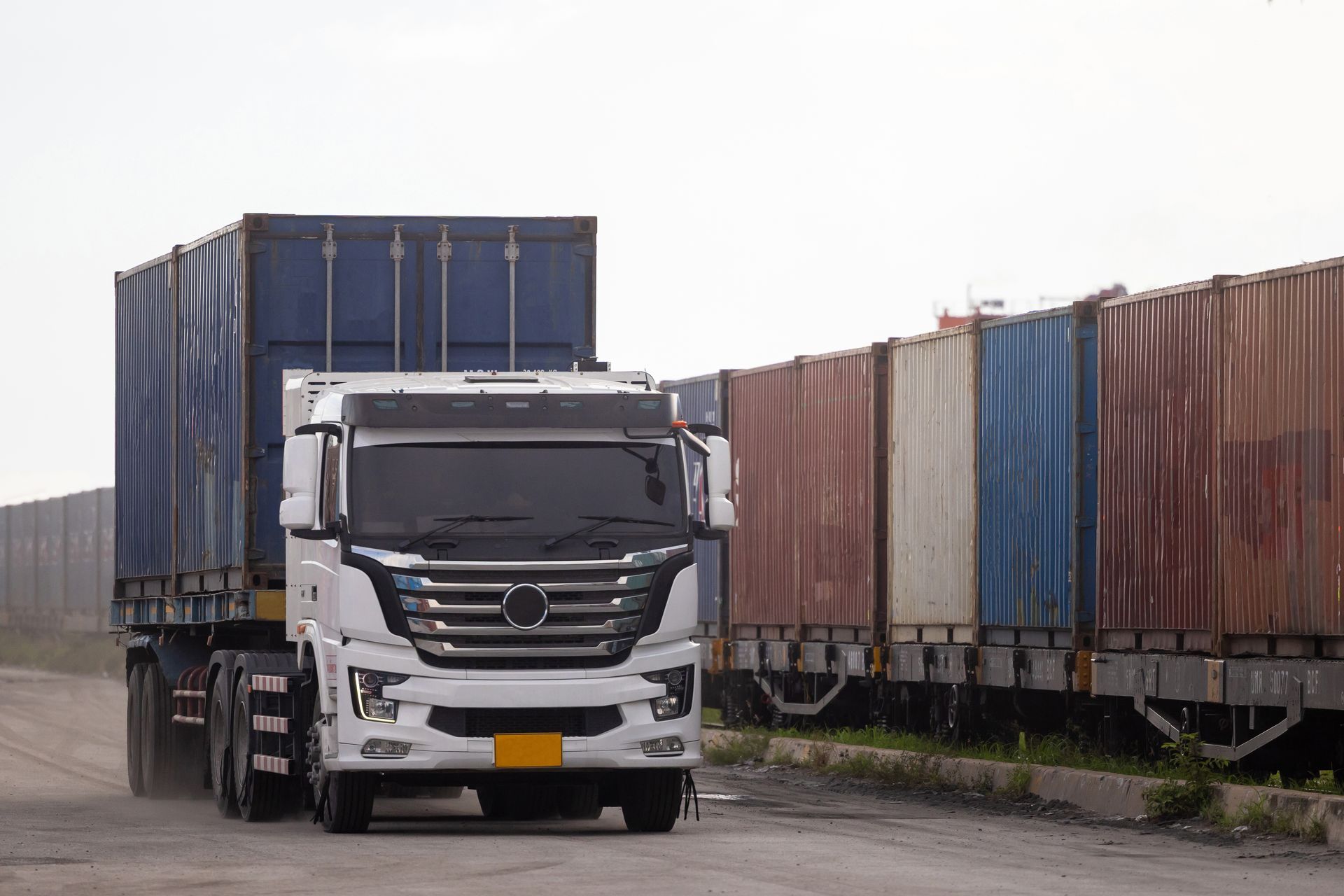
Motor Truck Cargo
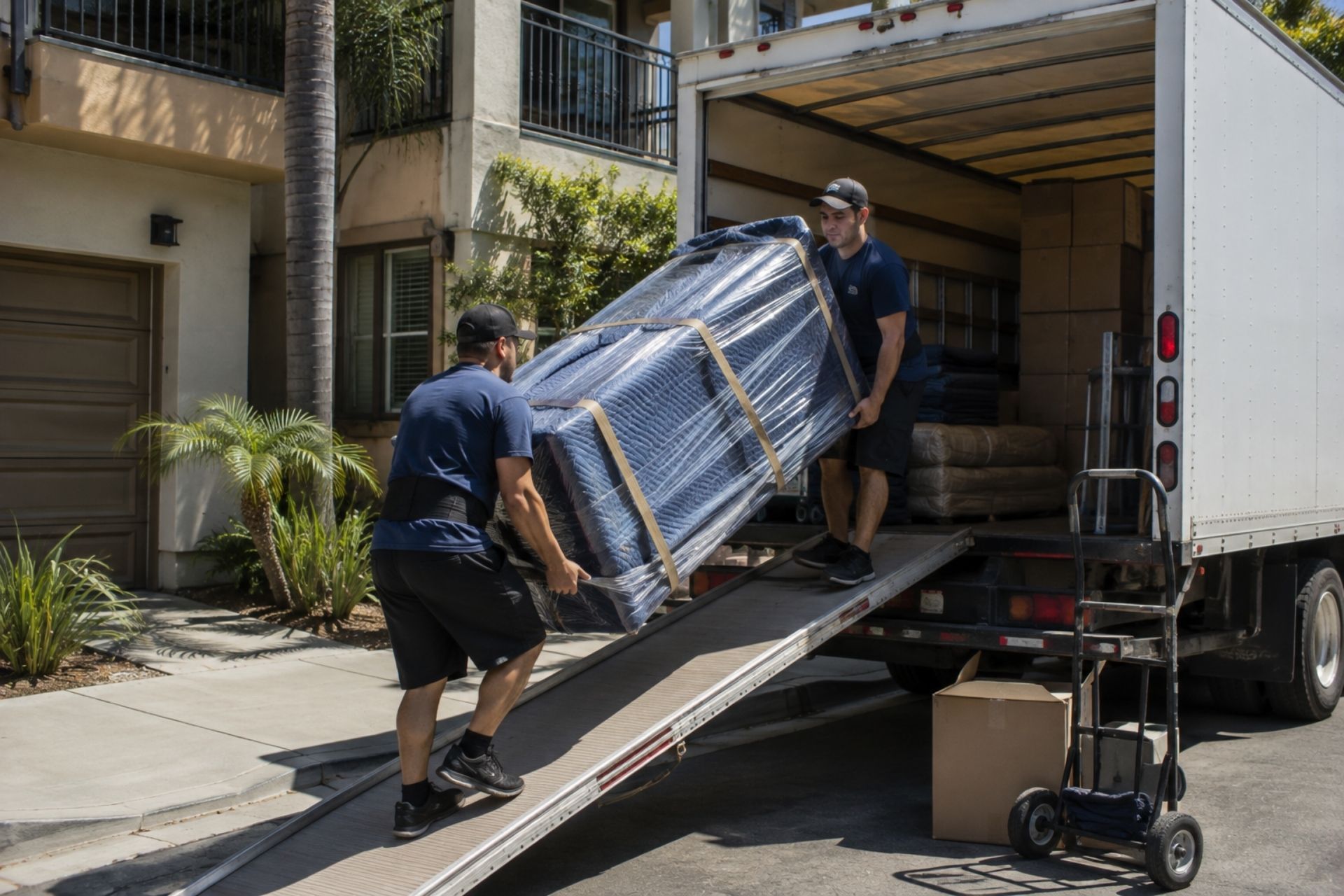
Covers household goods and freight during transport from pickup to delivery. Protects against damage, theft, mysterious disappearance, and weather-related losses while cargo is in your care.

General Liability
Protection from third-party claims for bodily injury and property damage at customer homes, job sites, and your own facility. Essential coverage for every transportation operation
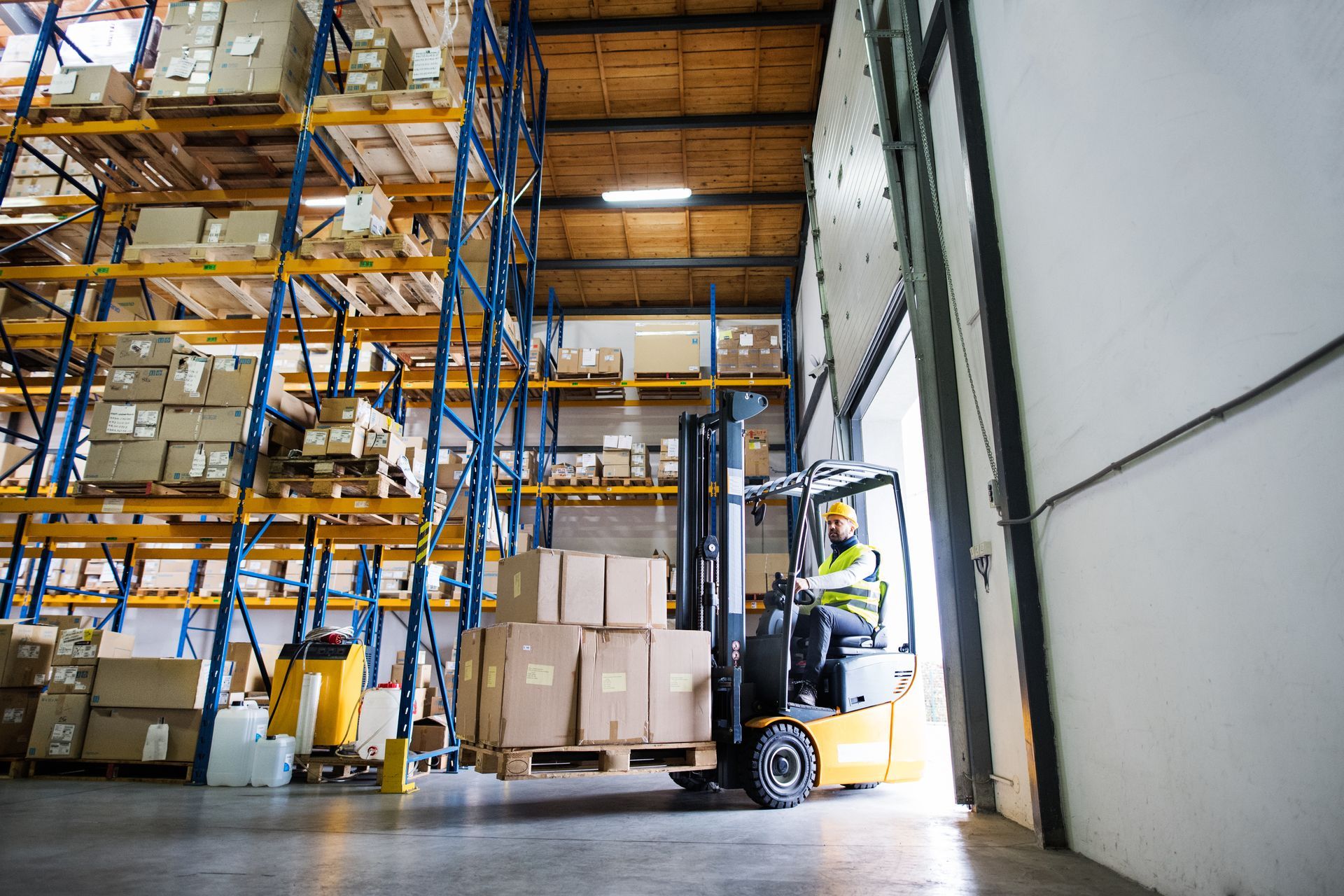
Warehouse Legal Liability
Coverage for customer property while stored in your facility. Protects against damage, theft, fire, and water damage to goods in your care, custody, or control.

Workers' Compensation
Medical care and wage replacement for employees injured on the job. Required in most states for transportation and warehouse work where physical labor creates higher injury risk.

Umbrella & Excess Liability
Higher liability limits stacked on top of your primary policies. Helps meet large contract requirements and protects your business assets against major claims and lawsuits.
Specialized Knowledge
Industries We Protect
Focused coverage for transportation and logistics businesses

Simple and Clear
How Our Process Works
Our process to get you covered
Connect With Us
Reach out through our form or by phone to share your business needs and current coverage situation.
Get Coverage Options
We review your risks, compare carriers, and present clear quotes with plain-language explanations.
Stay Protected
You choose your plan, and we provide ongoing support for certificates, claims, and renewals.
Trusted by Businesses
Feedback That Reflects Service and Reliability
What our clients say about working with Champion Risk
Answers You Need
Frequently Asked Questions
Common questions about transportation and logistics insurance



What insurance does a transportation company need to operate legally?
Motor carriers that cross state lines must meet FMCSA requirements. You need a minimum of $750,000 in liability coverage, plus a BMC-91 filing that proves your insurance to the federal government. Cargo coverage is also required, with minimums that depend on the type of goods you transport.
Intrastate operators follow state-specific rules. California, Texas, and Florida each have different requirements. Champion Risk handles both federal and state filings. We make sure your coverage meets legal minimums and your certificates reach the right agencies.
How much does commercial transportation insurance cost?
Premiums depend on your fleet size, driving records, cargo values, and claims history. A small operation with two trucks might pay $8,000 to $15,000 per year. A larger carrier with ten trucks could pay $50,000 to $100,000 or more.
The best way to control costs is working with a broker who knows transportation insurance. We find carriers that specialize in your exact operation type. This often results in better rates than going direct or using a general agent who doesn't understand the industry.
What is a BMC-91 filing and why do I need one?
A BMC-91 is a form your insurance company files with the FMCSA. It proves you carry the required liability coverage to operate as a for-hire motor carrier. Without an active BMC-91, your operating authority can be revoked.
Champion Risk works with carriers who file electronically. Your BMC-91 typically posts within 24 to 48 hours of binding coverage. We monitor your filing status and alert you if anything needs attention.
Does my warehouse or storage facility need different insurance than a trucking operation?
Yes. Storage facilities need warehouse legal liability coverage. This protects you when customer property is damaged or stolen while in your care. Standard general liability policies exclude this exposure.
You may also need property coverage for your building, equipment breakdown protection, and business income coverage if a fire or disaster shuts down operations. Champion Risk builds storage facility programs that address all these risks in one package.
Can you insure last-mile delivery drivers who use their own vehicles?
Yes. We offer hired and non-owned auto coverage for delivery operations that use independent contractors or employees driving personal vehicles. This fills gaps that personal auto policies don't cover during commercial use.
We also provide occupational accident coverage for 1099 drivers who aren't eligible for workers' comp. This protects your drivers and limits your liability exposure when accidents happen.
How fast can I get proof of insurance for a new contract?
Same day in most cases. Once we bind your policy, we issue certificates of insurance within hours. If your contract requires specific additional insured language or special endorsements, we coordinate directly with the carrier.
Rush requests happen often in this industry. General contractors and corporate clients demand certificates before they let you on site. Champion Risk prioritizes fast turnaround because we know your revenue depends on it.

Answers You Need
Transportation & Logistics Insurance Resources
Articles designed to inform and support your business
Contact Us
Phone Number:
Email Address:
Location:
12264 El Camino Real, Suite 350
San Diego, CA 92130
Hours:
Monday – Friday: 8:00 AM – 6:00 PM PT