Running a trucking or logistics operation in South Dakota means dealing with unpredictable weather, vast distances between major hubs, and regulatory requirements that differ depending on whether your trucks stay within state lines or cross into neighboring states. I've seen too many fleet owners get caught off guard by coverage gaps they didn't know existed, often after a claim gets denied or a DOT audit reveals compliance issues.
The reality is that transportation and logistics insurance in South Dakota involves a patchwork of state minimums, federal mandates, and specialized coverage options that vary based on what you haul, where you haul it, and who's behind the wheel. South Dakota's commercial trucking corridor along I-90 and I-29 sees everything from agricultural equipment to refrigerated goods, and each cargo type brings its own risk profile. According to
Commercial Truck Insurance HQ, the average cost for commercial truck insurance in South Dakota runs around $13,792 annually, with premiums ranging from $11,037 to $15,071 for single-truck operations needing liability, cargo, and physical damage coverage. That's a significant operating expense, and understanding exactly what you're paying for can mean the difference between adequate protection and expensive surprises.
The South Dakota Logistics Landscape and Insurance Essentials
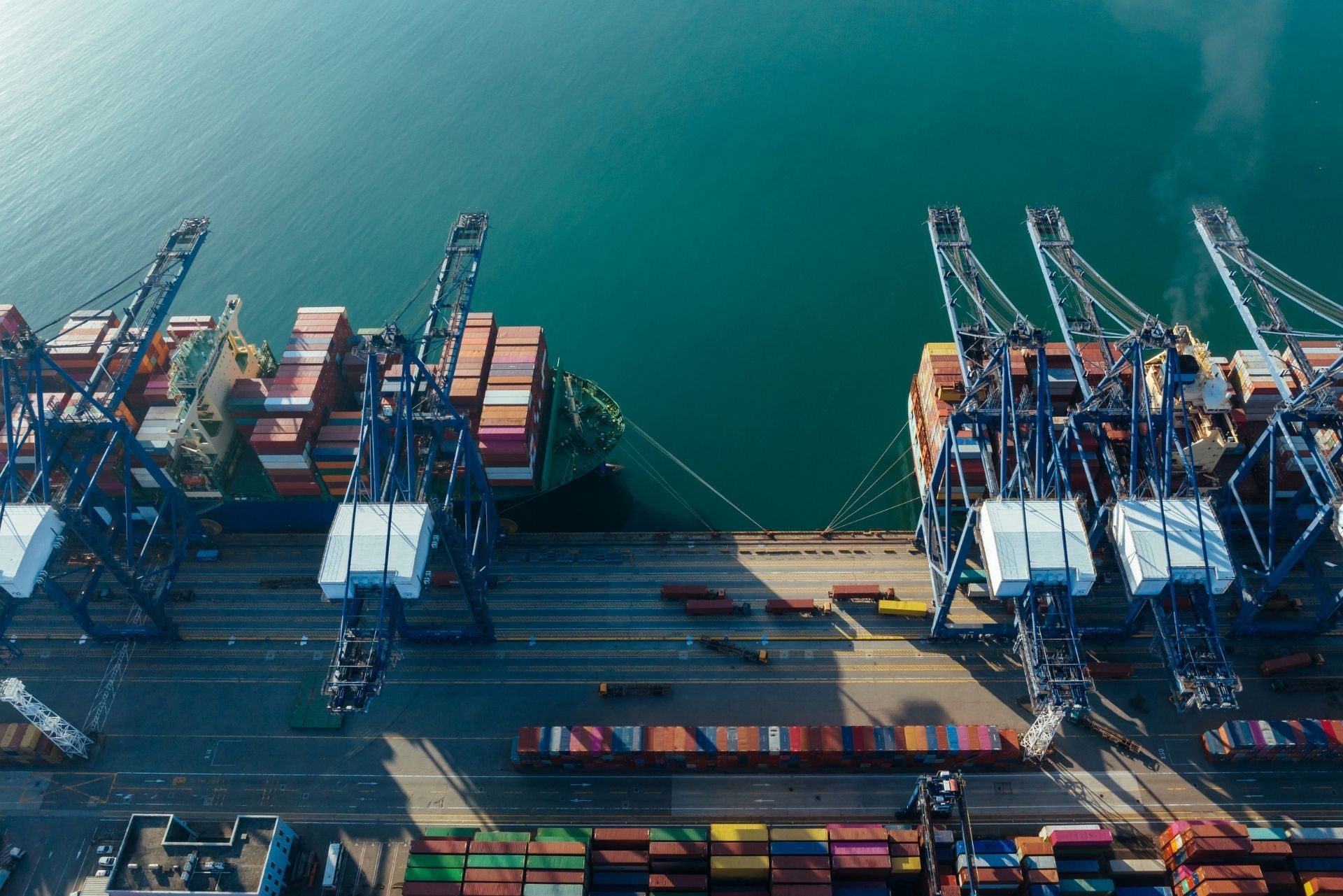
South Dakota's transportation industry operates in a unique environment. The state serves as a critical corridor for agricultural products moving from farms to processing facilities, manufactured goods heading to distribution centers, and retail freight destined for communities across the Northern Plains. Winter conditions regularly create hazardous driving situations, with ice storms and blizzards increasing accident risk from November through March.
The insurance market here reflects these realities. Carriers pricing policies factor in South Dakota's extreme temperature swings, rural road conditions, and the long distances between population centers that can delay emergency response times. The IBISWorld reports that the Insurance Brokers & Agencies industry in South Dakota has grown at an average annual rate of 0.8% from 2020 to 2025, indicating a stable but competitive market for commercial coverage.
What makes South Dakota distinct is the high percentage of owner-operators and small fleets serving agricultural clients. These operations often need flexible coverage that adapts to seasonal demand, particularly during harvest when trucking activity spikes dramatically.

By: Mark Raby
Chief Executive Officer at Champion Risk & Insurance Services
Mandatory State and Federal Coverage Requirements
South Dakota Minimum Liability and Intrastate Filings
Every commercial vehicle operating in South Dakota must carry minimum liability coverage. According to Insureon, state law mandates minimum limits of $25,000 per person and $50,000 per accident for bodily injury, plus $25,000 for property damage (commonly written as 25/50/25). These minimums apply to commercial auto policies, though most carriers and shippers require substantially higher limits before they'll work with you.
Intrastate carriers, those operating only within South Dakota, must file proof of insurance with the South Dakota Public Utilities Commission. The filing requirements vary based on whether you're hauling general freight, hazardous materials, or passengers. Missing these filings can result in operating authority suspension, which effectively shuts down your business until compliance is restored.
FMCSA Regulations and Federal DOT Compliance
The picture changes significantly once your trucks cross state lines. Trucking Ins Pros notes that drivers crossing state lines must meet FMCSA semi-truck insurance requirements, with typical federal liability limits between $750,000 and $1,000,000. Hazmat haulers face even higher requirements, often needing $5 million in coverage.
Federal compliance also means maintaining proper MCS-90 endorsements, which guarantee payment of liability claims even if other policy provisions might exclude coverage. Your insurer must file Form BMC-91 or BMC-91X with the FMCSA to prove you carry adequate coverage.
Workers' Compensation Laws for SD Transport Companies
South Dakota requires workers' compensation coverage for most employees, including drivers. The state operates a competitive market, meaning you can purchase coverage from private insurers rather than a state fund. Premiums are based on payroll and job classification codes, with long-haul trucking typically carrying higher rates than local delivery operations due to increased injury risk.
Owner-operators working as independent contractors often fall outside mandatory workers' comp requirements, but many motor carriers require them to carry occupational accident coverage as a condition of lease agreements.
Specialized Coverage for Transportation and Logistics Operations
Motor Truck Cargo and Inland Marine Insurance
Your liability policy covers damage you cause to others, but cargo insurance protects the freight you're hauling. Standard motor truck cargo policies cover theft, collision damage, and weather-related losses to goods in transit. Coverage limits typically range from $25,000 to $250,000 per load, depending on what you haul.
Inland marine insurance extends protection to goods stored temporarily at terminals, warehouses, or during intermodal transfers. This matters for South Dakota logistics companies handling agricultural commodities that may sit in grain elevators or cold storage facilities between transport legs.
General Liability and Warehouse Legal Liability
General liability covers third-party bodily injury and property damage claims that occur outside of vehicle operation. If a customer slips at your terminal or your forklift damages a client's loading dock, general liability responds. Most policies start at $1 million per occurrence with $2 million aggregate limits.
Warehouse legal liability specifically protects logistics companies that store customer goods. Standard property insurance doesn't cover customer inventory in your care, custody, and control. Champion Risk works with South Dakota logistics operators to identify these coverage gaps before they become expensive lessons.
Bobtail and Non-Trucking Liability for Independent Contractors
Owner-operators leased to motor carriers face a coverage gap when they're not under dispatch. The carrier's insurance covers the truck during loaded hauls, but what happens when you're driving home after dropping a trailer? Bobtail coverage fills this gap for trucks operating without trailers, while non-trucking liability covers personal use of commercial vehicles.
These policies typically cost $300 to $600 annually, a small price compared to the liability exposure of driving uninsured.
Impact of Safety Ratings and CDL Experience
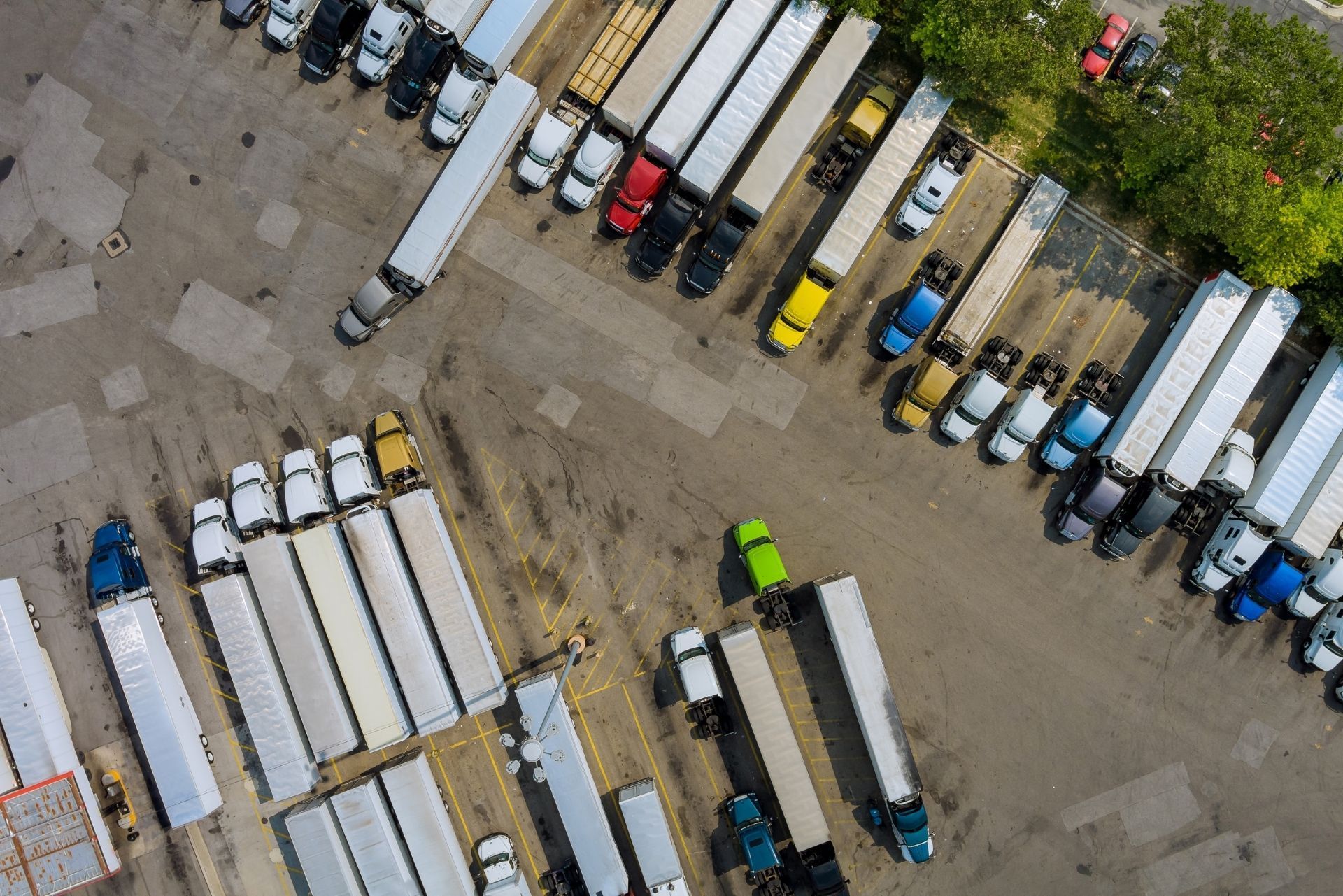
Insurers scrutinize your safety record more than almost any other factor. A poor CSA score or multiple DOT violations can double your premiums or make coverage difficult to find at any price. Carriers with favorable safety ratings often qualify for preferred programs with significantly lower rates.
Driver experience matters equally. Insurers typically want drivers with at least two years of CDL experience and clean MVRs. Operations using drivers with less experience or recent accidents face surcharges that can add 25% to 50% to base premiums.
Regional Routes vs. Long-Haul Operations
Where your trucks operate affects pricing substantially. Local and regional operations staying within South Dakota and neighboring states generally pay less than long-haul carriers running coast-to-coast. The logic is straightforward: more miles mean more exposure.
Route characteristics also matter. Trucks regularly traveling mountain passes or congested urban corridors face higher rates than those running flat, rural highways. South Dakota's I-90 corridor is generally considered favorable territory, though winter weather adjustments apply.
| Coverage Type | Typical Annual Cost | Key Factors |
|---|---|---|
| Primary Liability | $5,000 - $12,000 | Fleet size, safety record, limits |
| Cargo Insurance | $1,500 - $3,000 | Commodity type, limit amount |
| Physical Damage | $2,000 - $5,000 | Vehicle value, deductible choice |
| General Liability | $800 - $2,500 | Revenue, operations scope |
Impact of Safety Ratings and CDL Experience
Insurers scrutinize your safety record more than almost any other factor. A poor CSA score or multiple DOT violations can double your premiums or make coverage difficult to find at any price. Carriers with favorable safety ratings often qualify for preferred programs with significantly lower rates.
Driver experience matters equally. Insurers typically want drivers with at least two years of CDL experience and clean MVRs. Operations using drivers with less experience or recent accidents face surcharges that can add 25% to 50% to base premiums.
Regional Routes vs. Long-Haul Operations
Where your trucks operate affects pricing substantially. Local and regional operations staying within South Dakota and neighboring states generally pay less than long-haul carriers running coast-to-coast. The logic is straightforward: more miles mean more exposure.
Route characteristics also matter. Trucks regularly traveling mountain passes or congested urban corridors face higher rates than those running flat, rural highways. South Dakota's I-90 corridor is generally considered favorable territory, though winter weather adjustments apply.
Strategies for Reducing Logistics Insurance Costs
Implementing Telematics and Fleet Safety Programs
Telematics systems that monitor driver behavior, speed, and hours of service compliance can earn premium discounts of 5% to 15% with participating insurers. The data also helps identify risky drivers before they cause accidents, reducing claims over time.
Formal safety programs with documented training, regular vehicle inspections, and drug testing protocols demonstrate commitment to loss prevention. Champion Risk often helps clients develop these programs and present them effectively to underwriters during the renewal process.
Policy Bundling and Higher Deductible Options
Purchasing multiple coverages from a single insurer typically generates package discounts. Bundling your auto liability, cargo, general liability, and physical damage with one carrier can reduce total premiums by 10% to 20% compared to buying each policy separately.
Higher deductibles trade lower premiums for increased out-of-pocket costs when claims occur. For well-capitalized operations with strong safety records, choosing a $2,500 or $5,000 deductible instead of $1,000 can meaningfully reduce annual costs. Just ensure you can actually afford the deductible if needed.
Frequently Asked Questions
What's the minimum insurance required for intrastate trucking in South Dakota? State law requires 25/50/25 liability coverage, though most commercial operations carry substantially higher limits to meet shipper requirements and protect against serious claims.
How much does commercial truck insurance cost in South Dakota? Single-truck operations typically pay between $11,037 and $15,071 annually for comprehensive coverage including liability, cargo, and physical damage.
Do I need different insurance for interstate versus intrastate operations? Yes. Interstate carriers must meet federal FMCSA requirements with minimum liability limits of $750,000 to $1,000,000, significantly higher than state minimums.
Does my motor carrier's insurance cover me when I'm not under dispatch? No. Owner-operators need separate bobtail or non-trucking liability coverage for periods when they're not hauling loads under the carrier's authority.
How can I lower my trucking insurance premiums? Maintain clean safety records, install telematics, bundle policies with one insurer, and consider higher deductibles if your cash flow supports them.
Securing the Right Policy for Your South Dakota Fleet
Getting transportation and logistics insurance right in South Dakota requires understanding both state requirements and federal mandates, then layering specialized coverages based on your specific operations. The stakes are high: inadequate coverage can mean denied claims, regulatory penalties, or personal liability that threatens your entire business.
For comparison, Experian reports that average personal auto insurance in South Dakota runs $2,265 annually. Commercial coverage costs several times more because the risks are proportionally greater.
Work with specialists who understand trucking operations and can identify coverage gaps before they become problems. Champion Risk provides South Dakota fleet operators with policy reviews and competitive quotes from carriers who actually want to write trucking business. The right coverage protects your investment and keeps your trucks moving.
About the Author:
Mark Raby
I am a seasoned insurance professional with over 30 years of experience in the industry. I lead Champion Risk & Insurance Services, a San Diego-based brokerage with nationwide reach and strong influence in the insurance marketplace. My core competencies include insurance agency M&A deals, captives and alternative risk structures, and commercial property and casualty insurance for clients in the transportation and logistics industries. I am a former president of IIAB San Diego and hold a Bachelor of Science in Finance from Western Michigan University’s Haworth College of Business.
Protection for Transportation Operations
Business Insurance for Transportation & Logistics Companies
Coverage designed specifically for transportation businesses
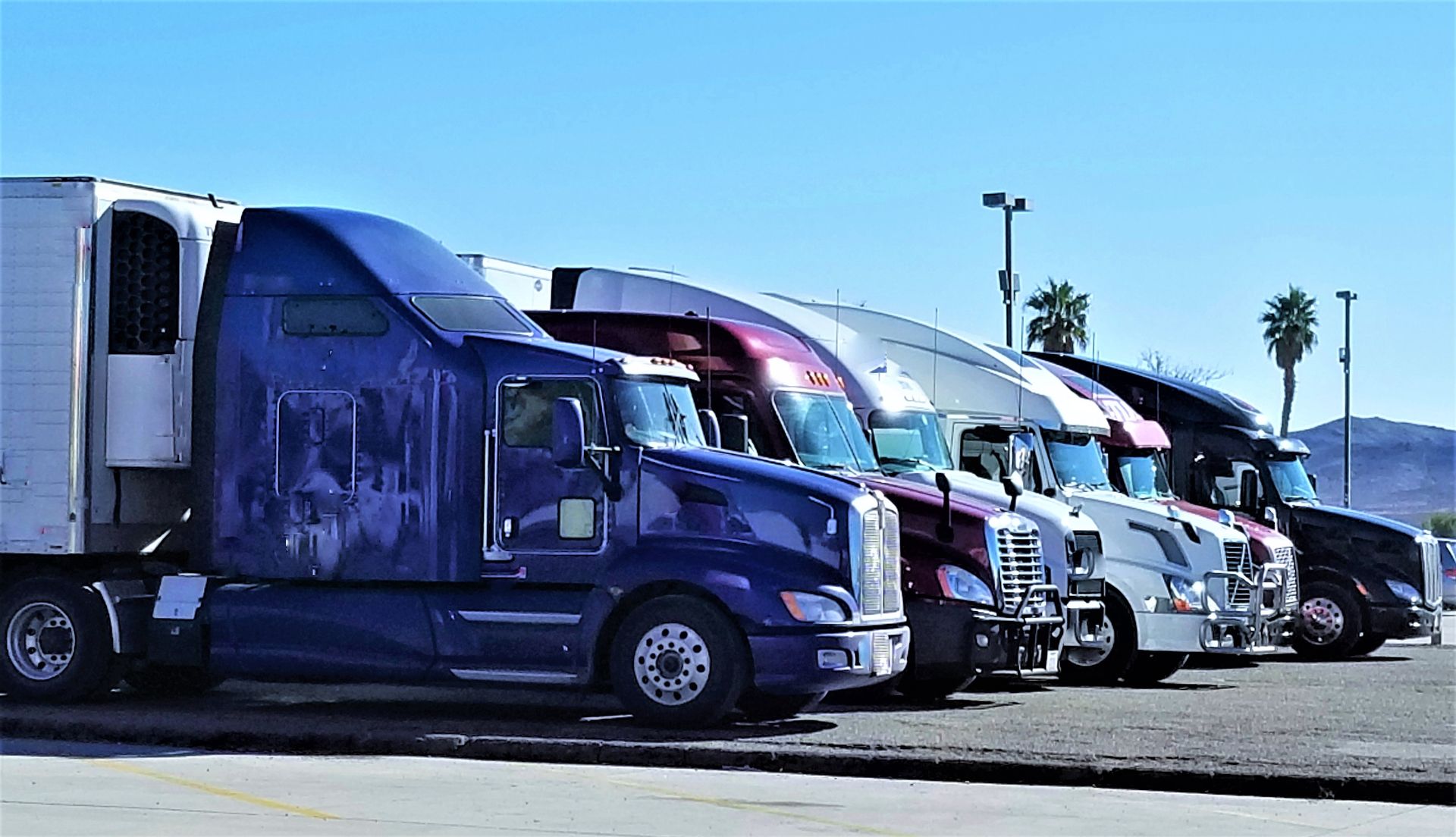
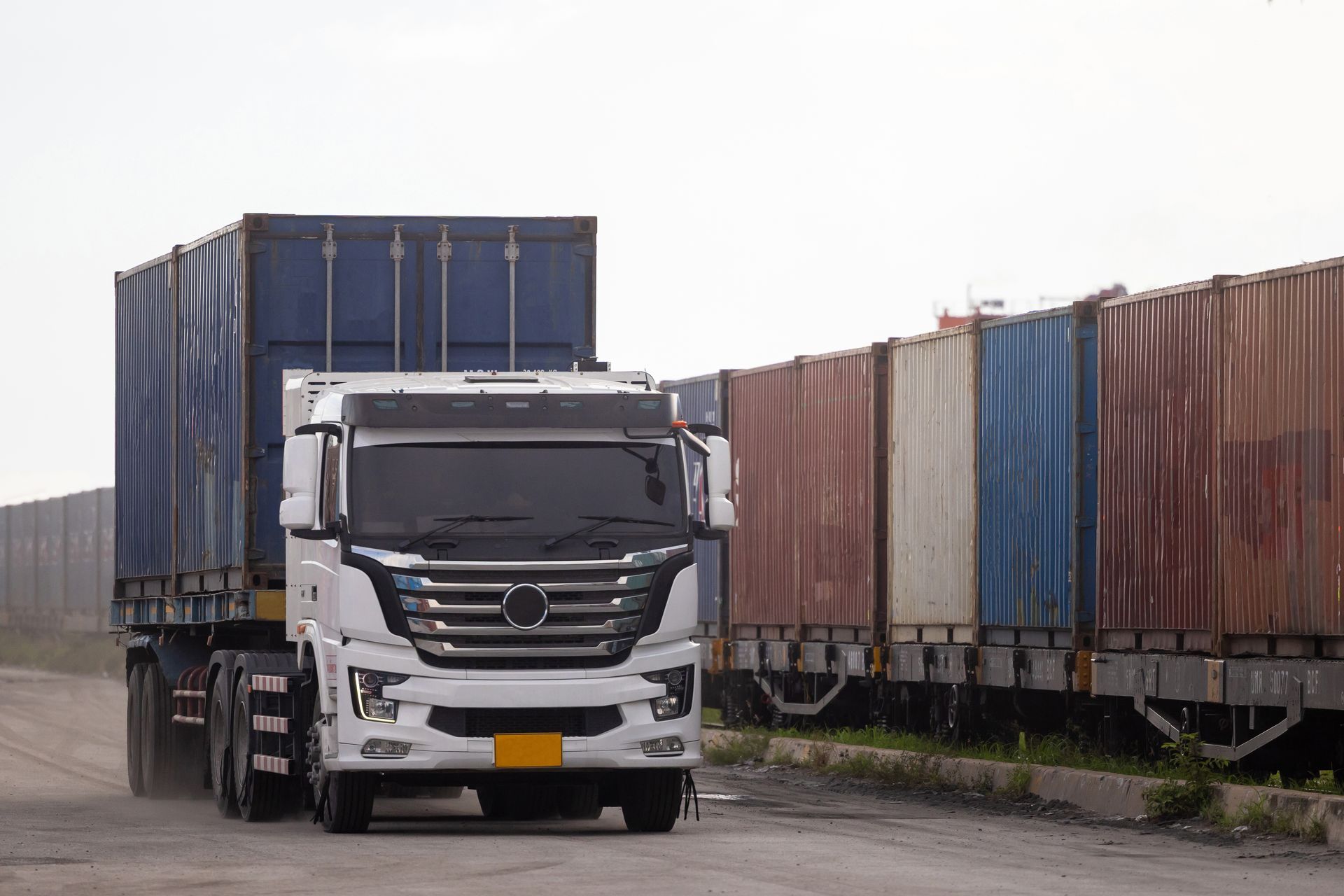
Commercial Auto & Trucking
Protection for your fleet including box trucks, moving vans, and trailers. Covers liability, collision, physical damage, and hired or non-owned vehicles used in your operations.
Motor Truck Cargo
Covers household goods and freight during transport from pickup to delivery. Protects against damage, theft, mysterious disappearance, and weather-related losses while cargo is in your care.

General Liability
Protection from third-party claims for bodily injury and property damage at customer homes, job sites, and your own facility. Essential coverage for every transportation operation
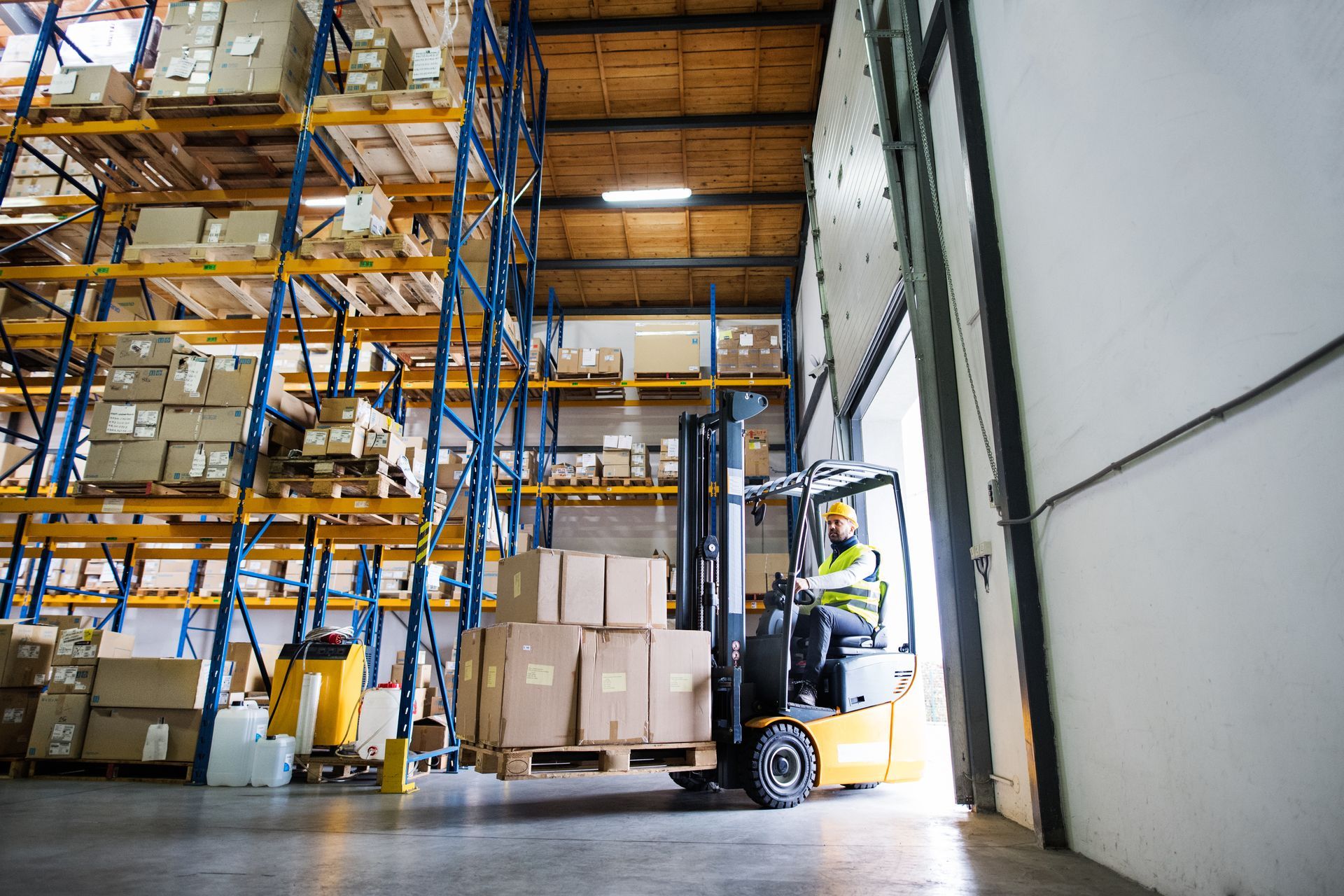
Warehouse Legal Liability
Coverage for customer property while stored in your facility. Protects against damage, theft, fire, and water damage to goods in your care, custody, or control.

Workers' Compensation
Medical care and wage replacement for employees injured on the job. Required in most states for transportation and warehouse work where physical labor creates higher injury risk.

Umbrella & Excess Liability
Higher liability limits stacked on top of your primary policies. Helps meet large contract requirements and protects your business assets against major claims and lawsuits.
Specialized Knowledge
Industries We Protect
Focused coverage for transportation and logistics businesses

Simple and Clear
How Our Process Works
Our process to get you covered
Connect With Us
Reach out through our form or by phone to share your business needs and current coverage situation.
Get Coverage Options
We review your risks, compare carriers, and present clear quotes with plain-language explanations.
Stay Protected
You choose your plan, and we provide ongoing support for certificates, claims, and renewals.
Trusted by Businesses
Feedback That Reflects Service and Reliability
What our clients say about working with Champion Risk
Answers You Need
Frequently Asked Questions
Common questions about transportation and logistics insurance



What insurance does a transportation company need to operate legally?
Motor carriers that cross state lines must meet FMCSA requirements. You need a minimum of $750,000 in liability coverage, plus a BMC-91 filing that proves your insurance to the federal government. Cargo coverage is also required, with minimums that depend on the type of goods you transport.
Intrastate operators follow state-specific rules. California, Texas, and Florida each have different requirements. Champion Risk handles both federal and state filings. We make sure your coverage meets legal minimums and your certificates reach the right agencies.
How much does commercial transportation insurance cost?
Premiums depend on your fleet size, driving records, cargo values, and claims history. A small operation with two trucks might pay $8,000 to $15,000 per year. A larger carrier with ten trucks could pay $50,000 to $100,000 or more.
The best way to control costs is working with a broker who knows transportation insurance. We find carriers that specialize in your exact operation type. This often results in better rates than going direct or using a general agent who doesn't understand the industry.
What is a BMC-91 filing and why do I need one?
A BMC-91 is a form your insurance company files with the FMCSA. It proves you carry the required liability coverage to operate as a for-hire motor carrier. Without an active BMC-91, your operating authority can be revoked.
Champion Risk works with carriers who file electronically. Your BMC-91 typically posts within 24 to 48 hours of binding coverage. We monitor your filing status and alert you if anything needs attention.
Does my warehouse or storage facility need different insurance than a trucking operation?
Yes. Storage facilities need warehouse legal liability coverage. This protects you when customer property is damaged or stolen while in your care. Standard general liability policies exclude this exposure.
You may also need property coverage for your building, equipment breakdown protection, and business income coverage if a fire or disaster shuts down operations. Champion Risk builds storage facility programs that address all these risks in one package.
Can you insure last-mile delivery drivers who use their own vehicles?
Yes. We offer hired and non-owned auto coverage for delivery operations that use independent contractors or employees driving personal vehicles. This fills gaps that personal auto policies don't cover during commercial use.
We also provide occupational accident coverage for 1099 drivers who aren't eligible for workers' comp. This protects your drivers and limits your liability exposure when accidents happen.
How fast can I get proof of insurance for a new contract?
Same day in most cases. Once we bind your policy, we issue certificates of insurance within hours. If your contract requires specific additional insured language or special endorsements, we coordinate directly with the carrier.
Rush requests happen often in this industry. General contractors and corporate clients demand certificates before they let you on site. Champion Risk prioritizes fast turnaround because we know your revenue depends on it.

Answers You Need
Transportation & Logistics Insurance Resources
Articles designed to inform and support your business
Contact Us
Phone Number:
Email Address:
Location:
12264 El Camino Real, Suite 350
San Diego, CA 92130
Hours:
Monday – Friday: 8:00 AM – 6:00 PM PT