
Ocean Marine Insurance for Transportation & Logistics Company
Or Call Us:
(800) 829-0807
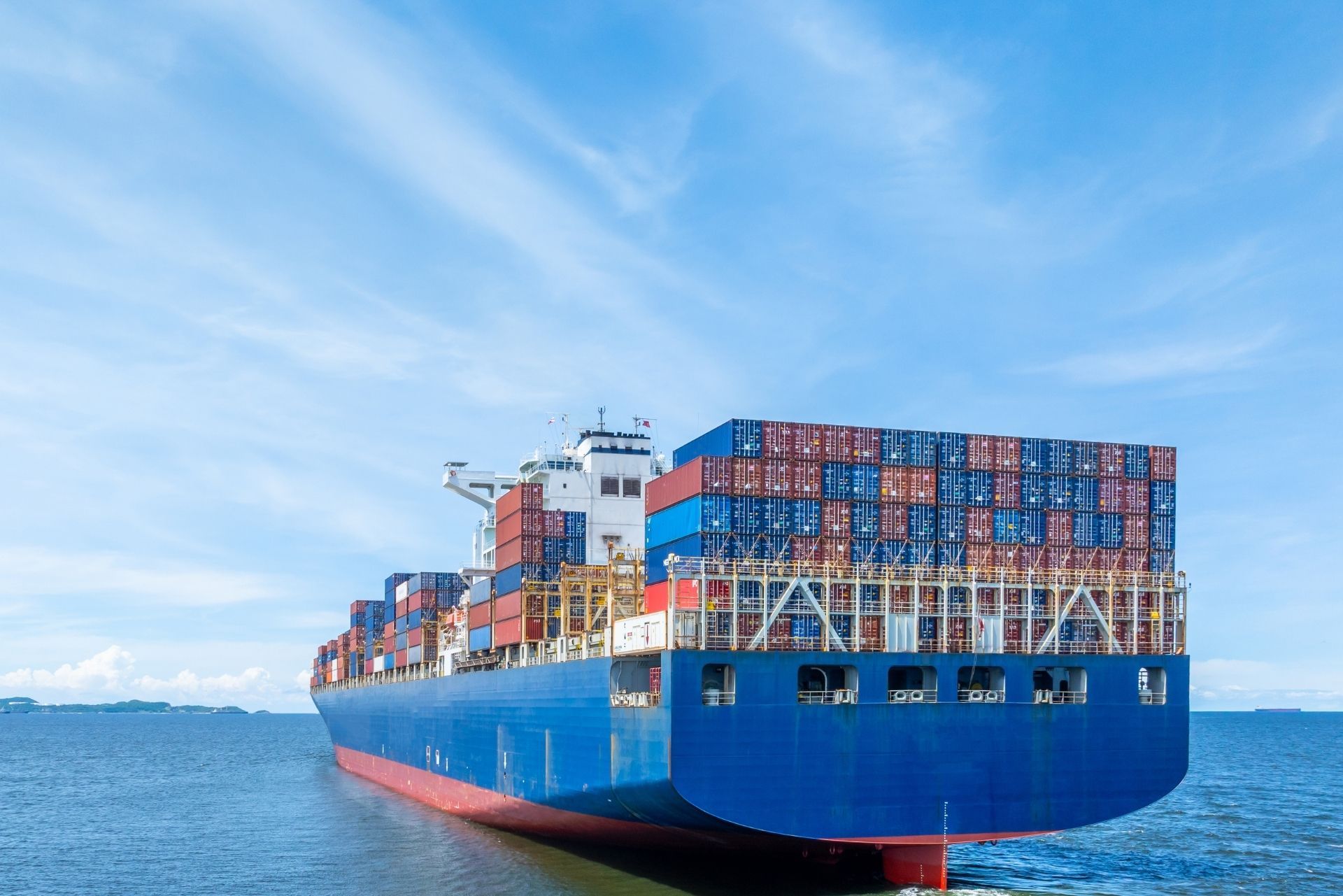
A container ship carrying $2.3 million worth of electronics hits rough weather in the South China Sea. Three containers go overboard. Another arrives at port with water damage from a compromised seal. The shipper assumed their freight forwarder's insurance covered everything. It didn't. Now they're facing a six-figure loss with no clear path to recovery.
This scenario plays out more often than most logistics professionals want to admit. With over 80% of global merchandise trade moving by sea, ocean marine insurance isn't optional for transportation and logistics companies. It's the difference between a manageable incident and a business-ending catastrophe.
The
global marine insurance market hit $38.9 billion in 2023, reflecting just how much money moves through these policies. Yet many companies remain underinsured or carry the wrong coverage types entirely. Understanding what protection you actually need, what it costs, and what underwriters require before they'll quote you can save hundreds of thousands when something goes wrong at sea.
Understanding Ocean Marine Insurance for Global Logistics
The Role of Marine Insurance in the Supply Chain
Marine insurance functions as the financial backbone of international trade. Every vessel, every container, and every pallet of goods crossing an ocean represents concentrated risk. A single voyage might expose cargo to storms, piracy, port delays, mechanical failures, and theft, sometimes all on the same journey.
The coverage does more than reimburse losses. It enables trade itself. Banks financing international transactions often require proof of marine insurance before releasing letters of credit. Suppliers won't ship high-value goods without knowing they're protected. Buyers won't pay for merchandise that might never arrive.
Who Needs Coverage: Freight Forwarders, Carriers, and Shippers
The answer is simpler than most realize: if you touch cargo that crosses water, you need coverage. Freight forwarders face liability when they arrange shipments, even without owning vessels or goods. Ocean carriers bear responsibility for cargo in their care, though limitations under the Carriage of Goods by Sea Act cap their exposure at frustratingly low amounts. Shippers, the actual owners of goods, often discover too late that carrier liability limits leave massive gaps.
Champion Risk works with logistics companies across all three categories, and the most common mistake we see is assuming someone else's policy covers your exposure. It rarely does.


By: Mark Raby
Chief Executive Officer at Champion Risk & Insurance Services
Ocean Cargo Insurance vs. Marine General Liability
These two coverage types protect completely different things, and confusing them creates dangerous gaps.
Ocean cargo insurance protects the physical goods being transported. If your shipment of medical equipment arrives damaged or doesn't arrive at all, cargo insurance responds. Policies typically cover perils like sinking, fire, collision, and theft, though the specific covered events depend on which clause form you select.
Marine general liability protects against third-party claims arising from your operations. If your stevedoring crew damages a client's vessel during loading, or a pallet falls and injures a dock worker, this coverage responds. It's about liability to others, not your own property losses.
| Coverage Type | What It Protects | Common Claims |
|---|---|---|
| Ocean Cargo | Physical goods in transit | Water damage, theft, total loss |
| Marine General Liability | Third-party bodily injury and property damage | Dock worker injuries, vessel damage during loading |
| Hull and Machinery | Vessel itself | Collision damage, mechanical breakdown |
| P&I Insurance | Shipowner liability to third parties | Multiple violations |
Hull and Machinery Coverage for Vessel Owners
Companies owning or operating vessels need hull and machinery coverage, which functions like comprehensive auto insurance for ships. This protects the vessel's physical structure, engines, and onboard equipment against damage from collisions, groundings, fire, and other marine perils.
Policies typically include collision liability coverage, protecting owners when their vessel damages another ship. Without this, a single accident could generate claims exceeding the vessel's value.
Protection and Indemnity (P&I) for Third-Party Risks
P&I insurance covers liabilities that hull policies exclude. This includes crew injuries, passenger claims, cargo damage, pollution liability, and wreck removal costs. Most vessel operators obtain P&I coverage through mutual insurance associations called P&I Clubs, which pool risk among members.
The coverage limits can reach $1 billion or more through club reinsurance arrangements, essential given that a major pollution incident can generate cleanup costs in the hundreds of millions.
Key Clauses and Common Endorsements
Institute Cargo Clauses (A, B, and C)
These standardized clause sets, developed by the Institute of London Underwriters, define exactly which perils your cargo policy covers. Understanding the differences prevents nasty surprises at claim time.
Clause A provides all-risks coverage, protecting against any external cause of loss except specifically excluded perils. This is the broadest protection available and what Champion Risk typically recommends for high-value or fragile cargo.
Clause B covers named perils including fire, explosion, collision, overturning of conveyance, discharge at a port of distress, earthquake, and washing overboard. It excludes theft and pilferage.
Clause C offers the narrowest protection, covering major casualties like vessel sinking, collision, and fire, but excluding theft, water damage from heavy weather, and many other common loss causes.
General Average and Salvage Charges
General average remains one of maritime law's oldest and most misunderstood concepts. When a vessel sacrifices cargo or incurs extraordinary expenses to save the ship and remaining cargo, all cargo interests share those costs proportionally.
Here's what that means practically: if the captain jettisons containers to stabilize a listing vessel, owners of the surviving cargo must contribute to compensating owners of the sacrificed goods. Without insurance covering general average contributions, you might owe hundreds of thousands even though your cargo arrived safely.
Cargo theft incidents jumped 27% in 2024, with average losses exceeding $202,000 per incident. Salvage charges add another layer of potential exposure when vessels require emergency assistance.
Commodity Type and Cargo Vulnerability
What you're shipping matters enormously. Electronics and pharmaceuticals command higher premiums than steel coils or lumber. Perishables require temperature-controlled coverage that adds cost. Hazardous materials bring specialized requirements and elevated rates.
Cargo insurance typically costs around 0.5% of cargo value, but that baseline varies significantly. A $1 million shipment of consumer electronics might cost $7,500 to insure, while the same value in industrial machinery might run $3,500.
Packaging quality affects pricing too. Underwriters review how goods are containerized, whether they're palletized properly, and whether packaging meets industry standards for ocean transport.
Shipping Routes and Geopolitical Risk Zones
Not all sea lanes carry equal risk. Transits through the Gulf of Aden, certain West African waters, or the South China Sea trigger higher premiums due to piracy, political instability, or territorial disputes.
As Elsie Tau of Aon South Africa notes, "Geopolitical risks remain a significant concern for businesses, especially where they rely on supply chains with exposures to volatile regions and sea lanes."
The
U.S. marine insurance market reached $7.9 billion in 2024, reflecting the substantial premiums flowing through domestic and international trade routes. Route selection directly impacts what you'll pay.
Underwriting Requirements and Compliance
Documentation Needed for Accurate Quotes
Underwriters can't price risk they don't understand. Expect requests for commercial invoices showing cargo values, bills of lading detailing shipping arrangements, packing lists describing how goods are containerized, and loss history from the past three to five years.
For vessel coverage, underwriters want classification society reports, maintenance records, crew certification documentation, and inspection reports. Incomplete submissions delay quotes and often result in higher premiums due to uncertainty loading.
Loss Control Measures and Risk Mitigation Strategies
Companies demonstrating strong risk management secure better rates. This includes GPS tracking on high-value containers, temperature monitoring for perishables, security protocols at origin and destination facilities, and documented procedures for selecting carriers and routes.
Champion Risk helps clients develop loss control programs that satisfy underwriter requirements while genuinely reducing exposure. The premium savings often exceed the implementation costs within the first policy year.
Maritime claims operate under specialized legal frameworks that differ significantly from standard commercial insurance. The Carriage of Goods by Sea Act, various international conventions, and centuries of admiralty law precedent all influence how claims resolve.
Time limits matter critically. Many policies require written notice within days of discovering damage, with detailed proof of loss documentation following within weeks. Missing these deadlines can void coverage entirely.
Document everything before cargo leaves your control. Photographs, inspection reports, and contemporaneous notes become essential evidence if disputes arise. Carriers will argue damage occurred before loading or after discharge, and your documentation must establish otherwise.
Frequently Asked Questions
How quickly can I get ocean cargo coverage for an urgent shipment? Single-shipment certificates can often be issued within 24 hours if you have an existing open cargo policy. New policies typically take three to five business days for underwriting review.
Does my freight forwarder's insurance cover my cargo? Usually not adequately. Forwarder liability policies cover their negligence, not all causes of loss. Your goods need separate cargo insurance for comprehensive protection.
What's the difference between CIF and FOB insurance responsibility? Under CIF terms, the seller purchases insurance covering transit to the destination port. Under FOB, insurance responsibility transfers to the buyer when goods cross the ship's rail at origin.
Are there exclusions I should know about? Standard exclusions include inherent vice, inadequate packing, delay, loss of market, war, strikes, and nuclear events. War and strikes coverage is available through separate endorsements.
How do I determine the right coverage amount?
Insure for the full CIF value plus 10% to cover anticipated profit. Underinsuring saves minimal premium while creating proportional claim reductions.
Making the Right Coverage Decision
Ocean marine insurance for transportation and logistics operations isn't a commodity you purchase on price alone. The wrong policy structure leaves gaps that surface only when you're filing a claim, which is the worst possible time to discover coverage problems.
Work with specialists who understand maritime exposures, not generalist agents treating marine coverage as an afterthought. Champion Risk focuses specifically on transportation and logistics risks, bringing the expertise needed to structure coverage that actually protects your business.
Get your marine insurance program reviewed before your next major shipping season. The cost of proper coverage is always less than the cost of being wrong.
About the Author:
Mark Raby
I am a seasoned insurance professional with over 30 years of experience in the industry. I lead Champion Risk & Insurance Services, a San Diego-based brokerage with nationwide reach and strong influence in the insurance marketplace. My core competencies include insurance agency M&A deals, captives and alternative risk structures, and commercial property and casualty insurance for clients in the transportation and logistics industries. I am a former president of IIAB San Diego and hold a Bachelor of Science in Finance from Western Michigan University’s Haworth College of Business.
Protection for Transportation Operations
Business Insurance for Transportation & Logistics Companies
Coverage designed specifically for transportation businesses
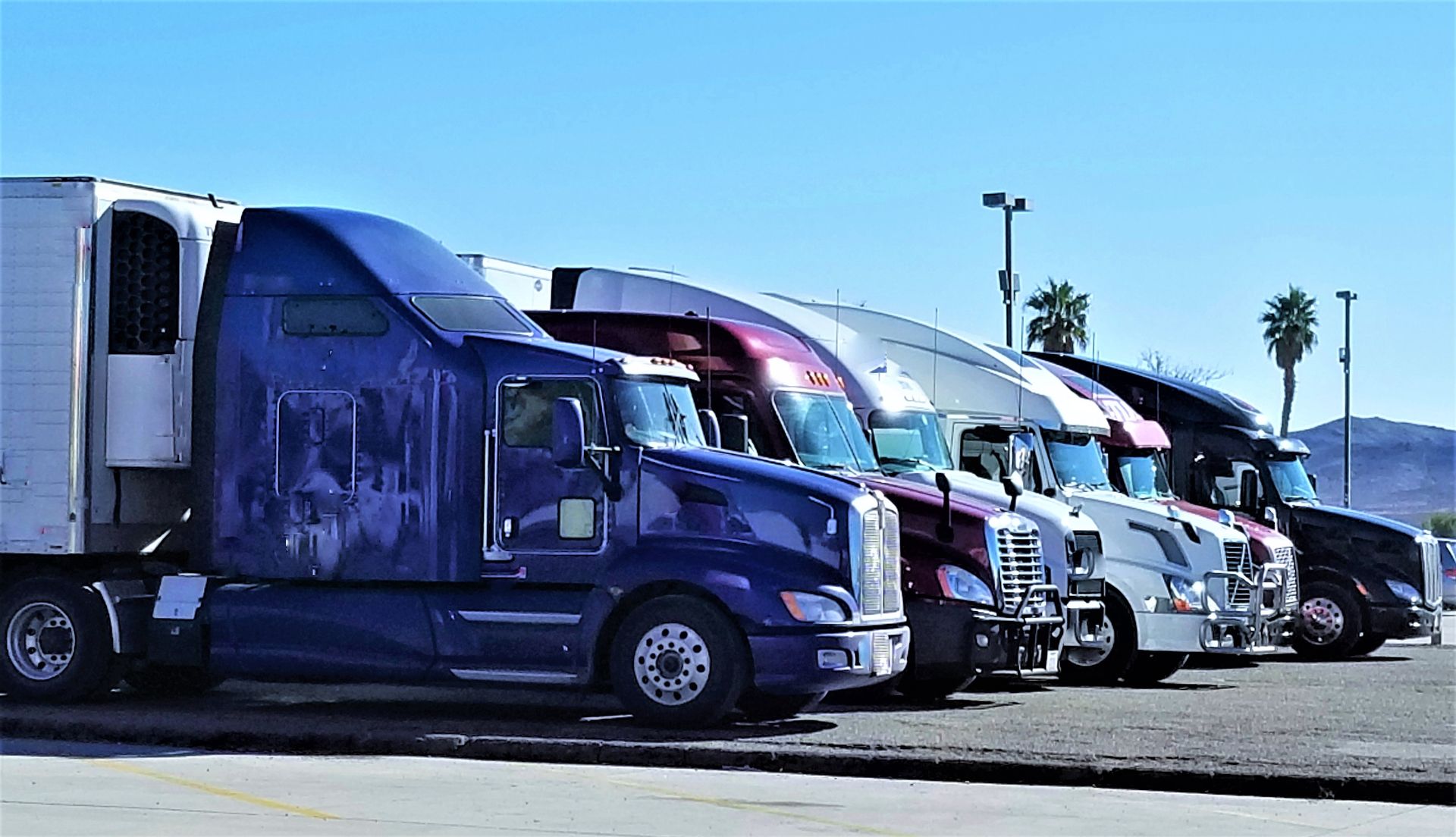
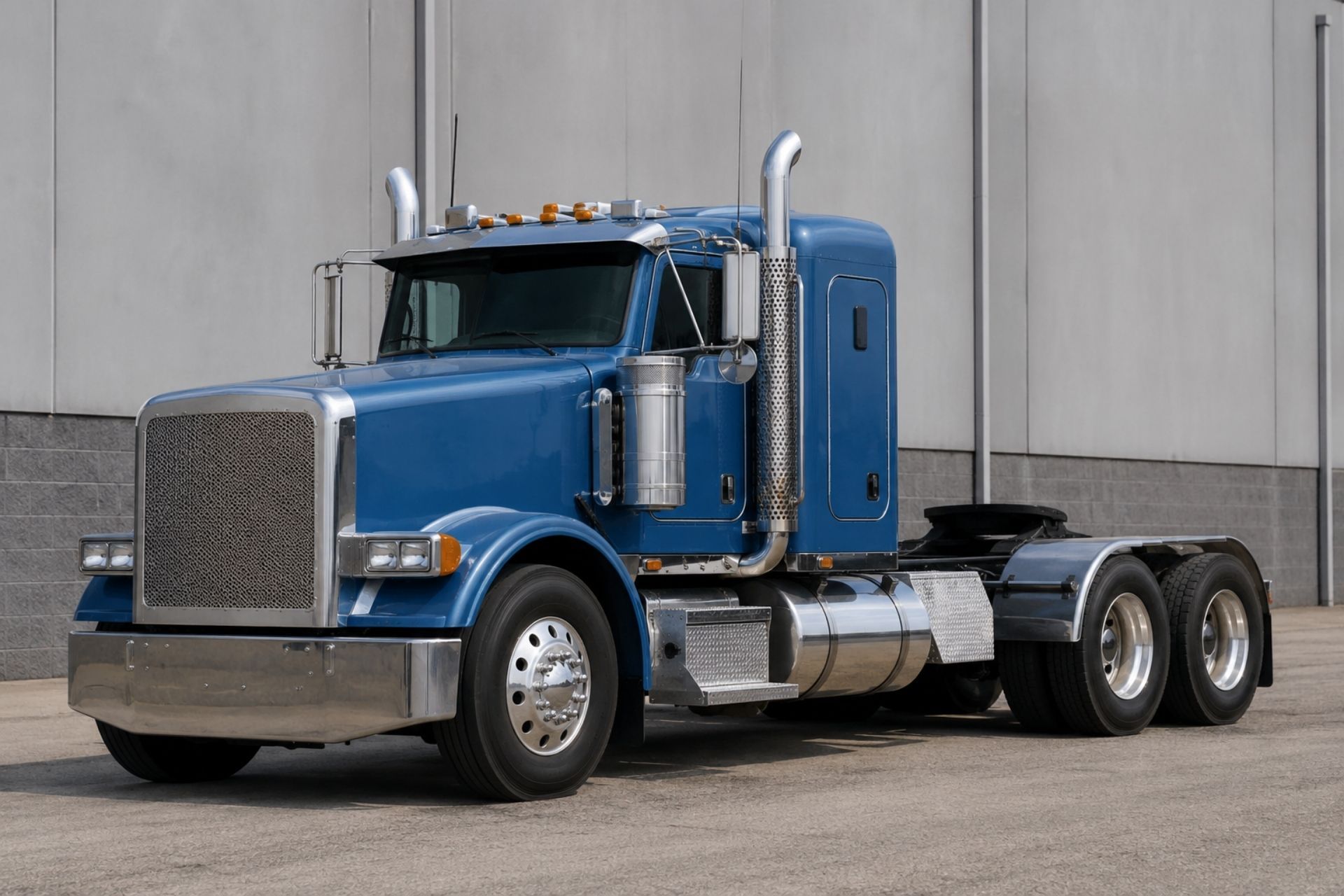
Commercial Auto & Trucking
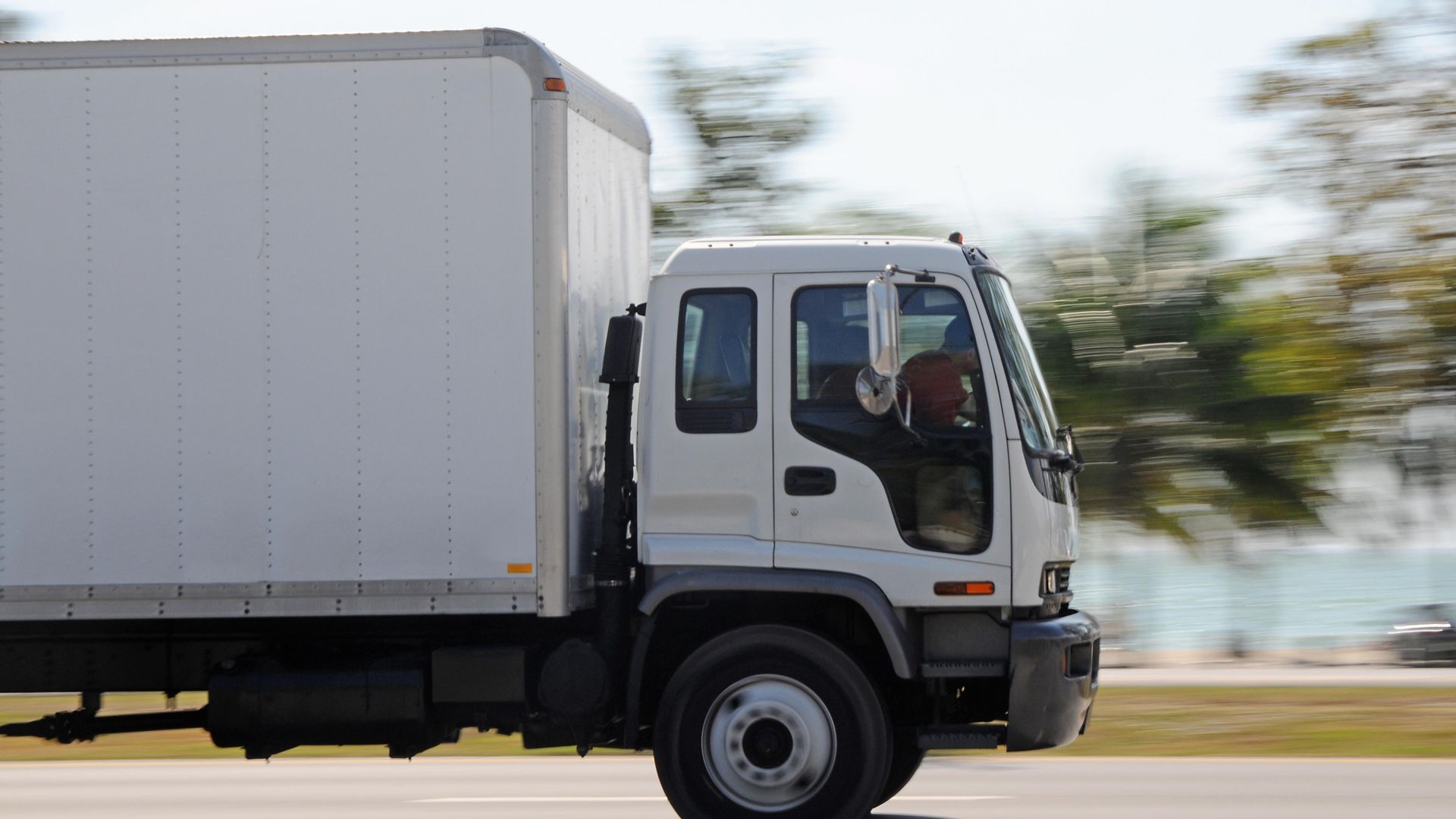
Protection for your fleet including box trucks, moving vans, and trailers. Covers liability, collision, physical damage, and hired or non-owned vehicles used in your operations.
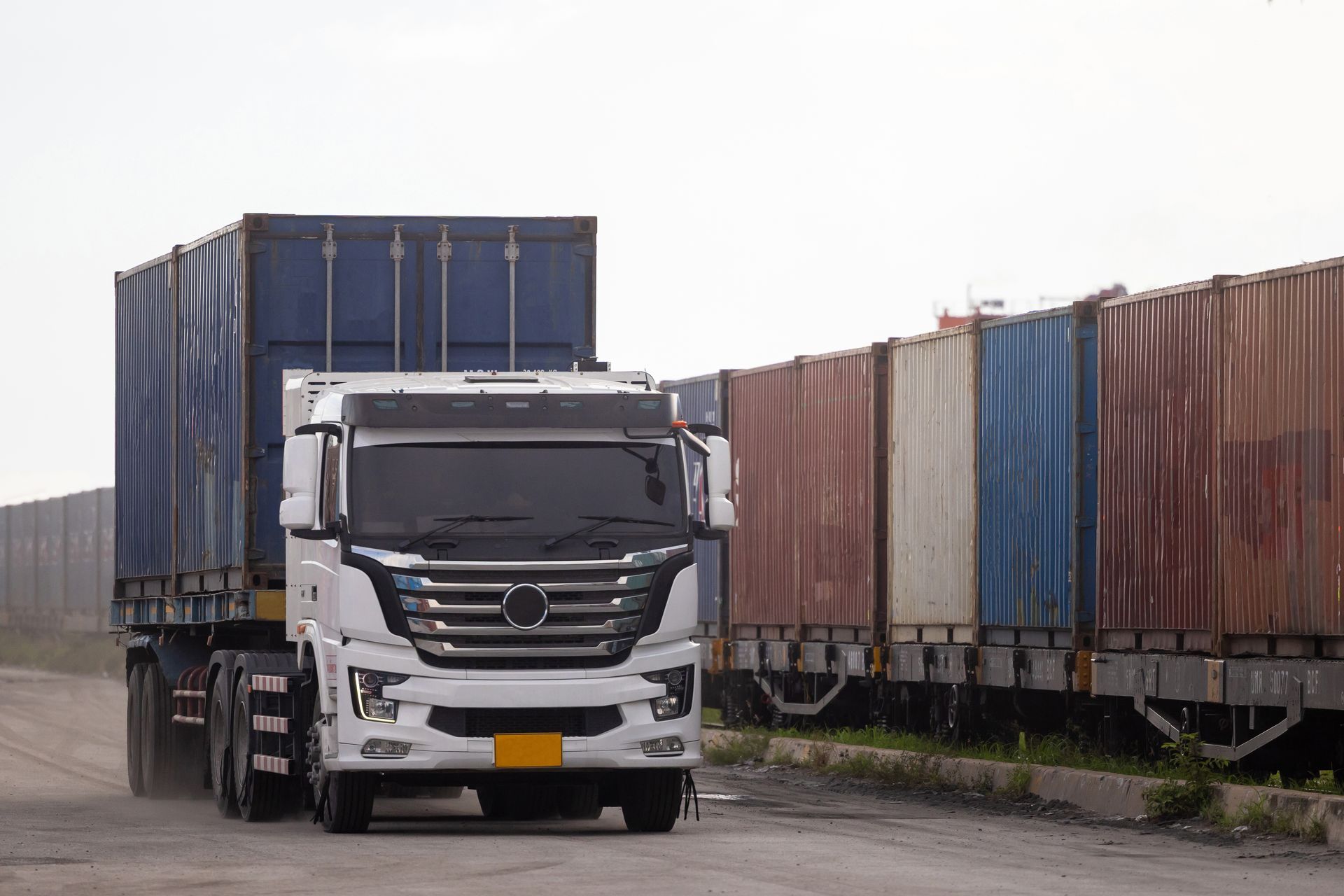
Motor Truck Cargo
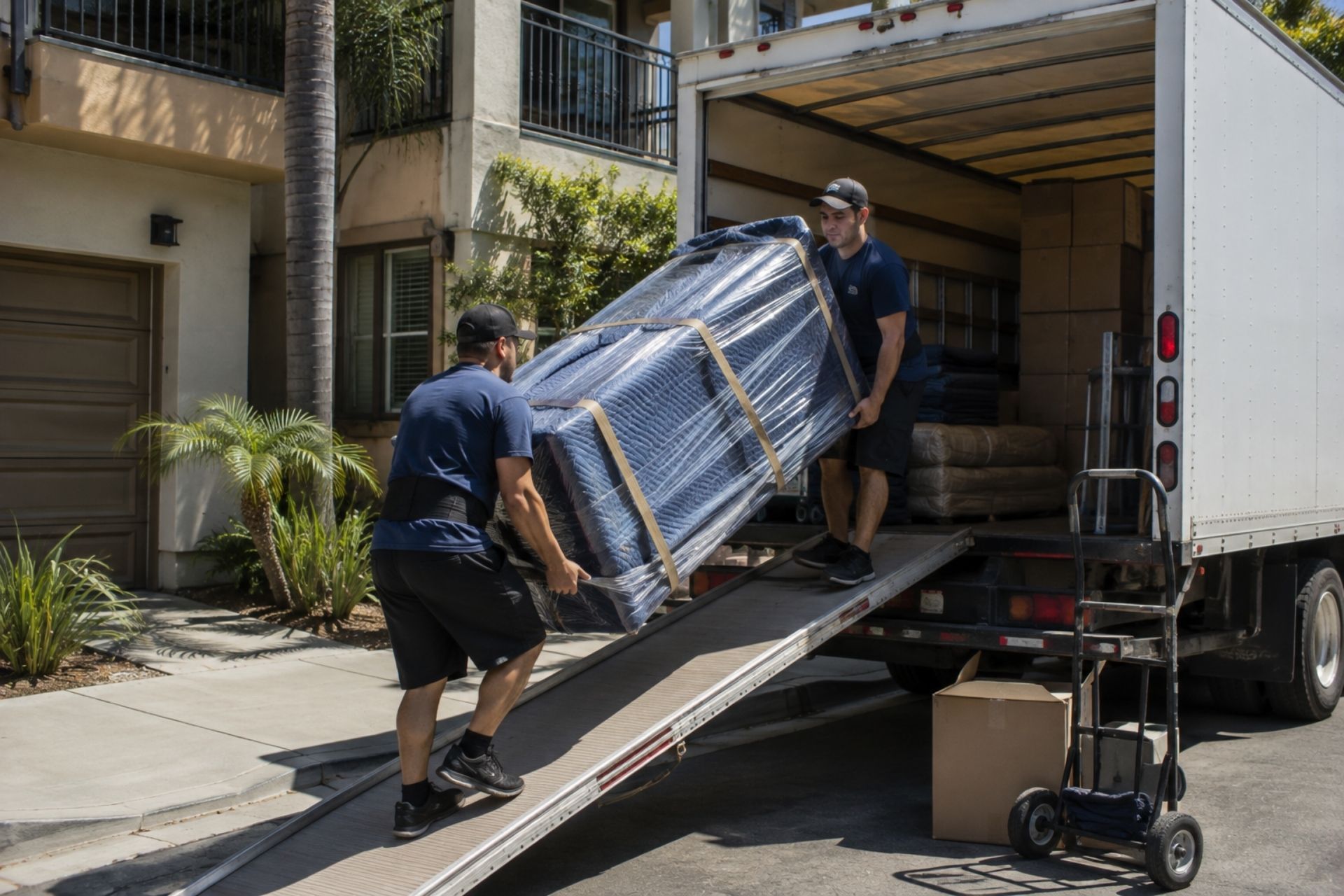
Covers household goods and freight during transport from pickup to delivery. Protects against damage, theft, mysterious disappearance, and weather-related losses while cargo is in your care.

General Liability
Protection from third-party claims for bodily injury and property damage at customer homes, job sites, and your own facility. Essential coverage for every transportation operation
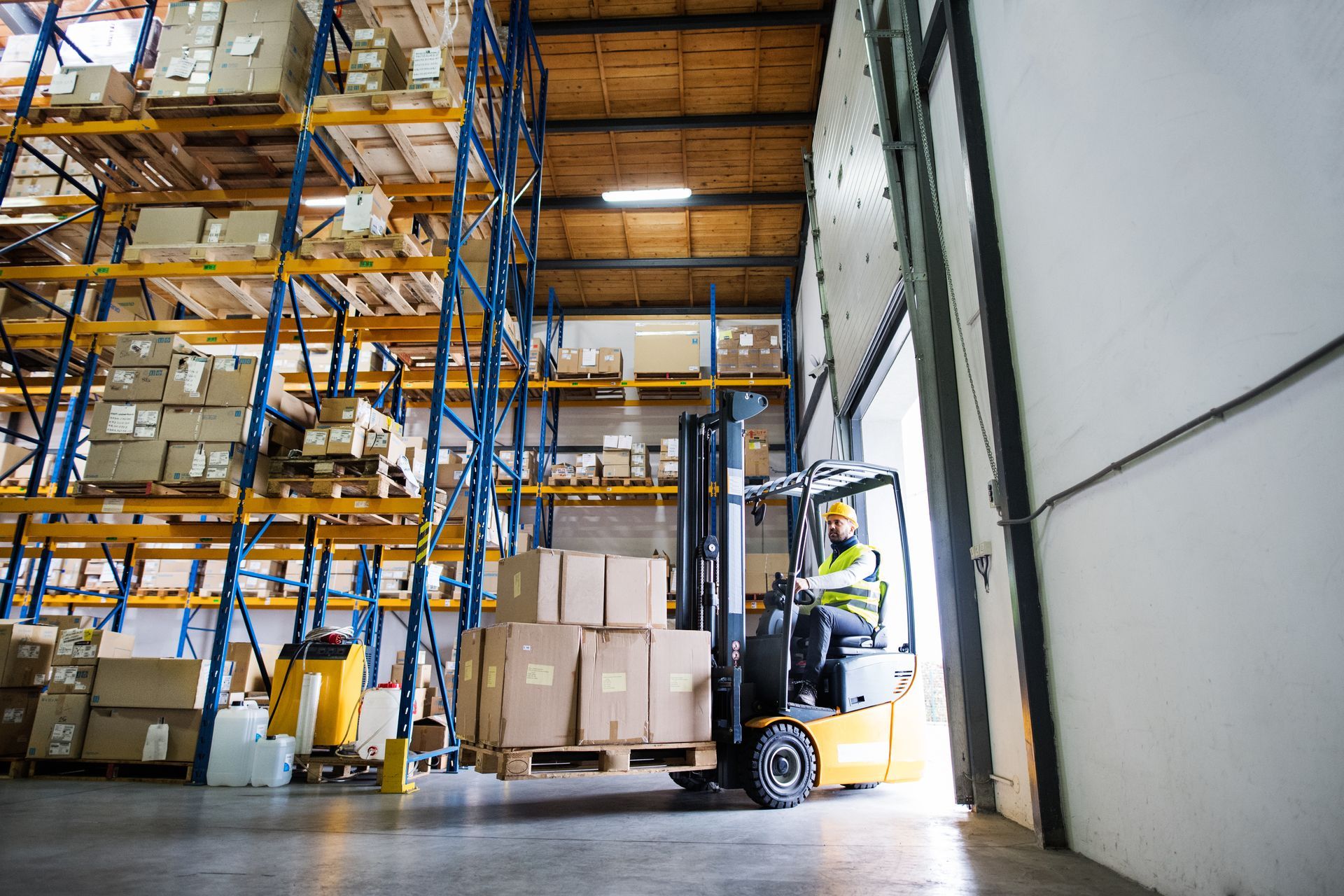
Warehouse Legal Liability
Coverage for customer property while stored in your facility. Protects against damage, theft, fire, and water damage to goods in your care, custody, or control.

Workers' Compensation
Medical care and wage replacement for employees injured on the job. Required in most states for transportation and warehouse work where physical labor creates higher injury risk.

Umbrella & Excess Liability
Higher liability limits stacked on top of your primary policies. Helps meet large contract requirements and protects your business assets against major claims and lawsuits.
Specialized Knowledge
Industries We Protect
Focused coverage for transportation and logistics businesses


Simple and Clear
How Our Process Works
Our process to get you covered
Connect With Us
Reach out through our form or by phone to share your business needs and current coverage situation.
Get Coverage Options
We review your risks, compare carriers, and present clear quotes with plain-language explanations.
Stay Protected
You choose your plan, and we provide ongoing support for certificates, claims, and renewals.
Trusted by Businesses
Feedback That Reflects Service and Reliability
What our clients say about working with Champion Risk
Answers You Need
Frequently Asked Questions
Common questions about transportation and logistics insurance



What insurance does a transportation company need to operate legally?
Motor carriers that cross state lines must meet FMCSA requirements. You need a minimum of $750,000 in liability coverage, plus a BMC-91 filing that proves your insurance to the federal government. Cargo coverage is also required, with minimums that depend on the type of goods you transport.
Intrastate operators follow state-specific rules. California, Texas, and Florida each have different requirements. Champion Risk handles both federal and state filings. We make sure your coverage meets legal minimums and your certificates reach the right agencies.
How much does commercial transportation insurance cost?
Premiums depend on your fleet size, driving records, cargo values, and claims history. A small operation with two trucks might pay $8,000 to $15,000 per year. A larger carrier with ten trucks could pay $50,000 to $100,000 or more.
The best way to control costs is working with a broker who knows transportation insurance. We find carriers that specialize in your exact operation type. This often results in better rates than going direct or using a general agent who doesn't understand the industry.
What is a BMC-91 filing and why do I need one?
A BMC-91 is a form your insurance company files with the FMCSA. It proves you carry the required liability coverage to operate as a for-hire motor carrier. Without an active BMC-91, your operating authority can be revoked.
Champion Risk works with carriers who file electronically. Your BMC-91 typically posts within 24 to 48 hours of binding coverage. We monitor your filing status and alert you if anything needs attention.
Does my warehouse or storage facility need different insurance than a trucking operation?
Yes. Storage facilities need warehouse legal liability coverage. This protects you when customer property is damaged or stolen while in your care. Standard general liability policies exclude this exposure.
You may also need property coverage for your building, equipment breakdown protection, and business income coverage if a fire or disaster shuts down operations. Champion Risk builds storage facility programs that address all these risks in one package.
Can you insure last-mile delivery drivers who use their own vehicles?
Yes. We offer hired and non-owned auto coverage for delivery operations that use independent contractors or employees driving personal vehicles. This fills gaps that personal auto policies don't cover during commercial use.
We also provide occupational accident coverage for 1099 drivers who aren't eligible for workers' comp. This protects your drivers and limits your liability exposure when accidents happen.
How fast can I get proof of insurance for a new contract?
Same day in most cases. Once we bind your policy, we issue certificates of insurance within hours. If your contract requires specific additional insured language or special endorsements, we coordinate directly with the carrier.
Rush requests happen often in this industry. General contractors and corporate clients demand certificates before they let you on site. Champion Risk prioritizes fast turnaround because we know your revenue depends on it.

Answers You Need
Transportation & Logistics Insurance Resources
Articles designed to inform and support your business
Contact Us
Phone Number:
Email Address:
Location:
12264 El Camino Real, Suite 350
San Diego, CA 92130
Hours:
Monday – Friday: 8:00 AM – 6:00 PM PT