
Orlando's logistics sector is booming, and with that growth comes a complicated web of insurance requirements that can make or break a trucking operation. The Florida Freight and Logistics Market is projected to reach
$97.10 billion by 2030, growing at a 4.45% CAGR, which means more trucks on I-4, more warehouse space coming online, and more exposure for carriers who don't have their coverage dialed in. Understanding transportation and logistics insurance requirements in Orlando isn't just about checking compliance boxes. It's about protecting your business from the specific risks that Central Florida throws at you: hurricane season, notorious traffic corridors, high cargo theft rates, and a regulatory environment that hits harder than most states. Florida commercial truck insurance premiums run
15-30% higher than the national average, with basic coverage for a standard tractor-trailer costing $12,000 to $25,000 annually. That's real money, and getting the wrong policy means you're either overpaying or dangerously underinsured. Here's what Orlando carriers actually need to know.
The Evolving Landscape of Logistics in Orlando
Orlando as a Central Florida Distribution Hub
Orlando has quietly become one of the Southeast's most important distribution centers. The city sits at the intersection of major highways connecting ports in Tampa, Jacksonville, and Miami to markets across the eastern United States. As HiDeliver notes, "Florida's strategic location makes it an ideal entry point for goods moving between the U.S., Latin America, and the Caribbean."
The warehouse market tells the story clearly. Orlando experienced 2 million square feet of positive net absorption in Q3 2025, reflecting demand from e-commerce fulfillment centers, cold storage operations, and traditional distribution facilities. This expansion creates opportunities for local carriers but also intensifies competition and risk exposure.
Emerging Risks for Local Freight and Last-Mile Delivery
Last-mile delivery has exploded in Orlando, driven by consumer expectations for same-day and next-day shipping. These operations face unique challenges: residential area accidents, package theft claims, and vehicle wear from constant stop-and-go driving. The risk profile differs substantially from long-haul trucking, and your insurance needs to reflect that reality.
Temperature-sensitive cargo presents another growing concern. With Florida's pharmaceutical distribution network expanding and food logistics becoming more complex, carriers handling refrigerated goods face spoilage claims that can devastate a small operation. A single reefer unit failure during a summer haul can generate losses exceeding $100,000.

By: Mark Raby
Chief Executive Officer at Champion Risk & Insurance Services
Essential Insurance Coverages for Orlando Carriers
Commercial Auto and Motor Truck Cargo Liability
Commercial auto liability forms the foundation of any trucking insurance program. Florida requires minimum liability coverage of $750,000 for general freight, though most shippers and brokers demand $1 million or higher before they'll load your trucks. This isn't optional: without adequate limits, you won't get contracts.
Motor truck cargo liability protects the goods you're hauling. Coverage typically ranges from $100,000 to $500,000, depending on what you transport. Champion Risk works with Orlando carriers to match cargo limits with actual exposure, because a carrier hauling electronics needs different coverage than one moving construction materials.
General Liability and Warehouse Legal Liability
General liability covers third-party bodily injury and property damage that occurs outside vehicle operations. If a driver damages a loading dock or a customer trips over equipment at your facility, this policy responds. Standard limits start at $1 million per occurrence with $2 million aggregate.
For carriers operating warehousing facilities, warehouse legal liability becomes essential. Industrial space asking rents in Orlando averaged $11.18 psf/NNN in Q3 2025, representing significant investment. Protecting stored goods against fire, theft, and handling damage requires dedicated coverage beyond standard property policies.
Workers' Compensation for Florida Logistics Staff
Florida mandates workers' compensation for construction businesses with one or more employees and non-construction businesses with four or more employees. The logistics industry sees frequent claims from loading dock injuries, repetitive motion conditions, and vehicle accidents. Premiums vary based on job classifications, with drivers typically classified differently than warehouse workers.
Experience modification ratings significantly impact costs. A carrier with clean claims history might pay 20-30% less than one with multiple injuries. Champion Risk helps Orlando logistics companies implement return-to-work programs that keep mod rates favorable.
Florida State Requirements and Regulatory Compliance
Minimum Liability Limits and PIP Requirements
Florida's no-fault insurance system requires Personal Injury Protection for all registered vehicles, including commercial trucks. This covers medical expenses and lost wages regardless of fault, up to $10,000. The PIP requirement applies even when you're carrying the federally mandated liability minimums.
Liability requirements vary by cargo type and operating authority:
| Cargo Type | Minimum Liability |
|---|---|
| General Freight | $750,000 |
| Household Goods | $300,000 |
| Hazardous Materials | $1,000,000 - $5,000,000 |
| Oil Transport | $1,000,000 |
Florida Department of Transportation (FDOT) Filings
Intrastate carriers operating solely within Florida must register with FDOT and maintain proof of insurance on file. The state requires Form E (proof of insurance) and Form K (cancellation notice) filings from your insurance carrier. Missing these filings can result in suspended operating authority.
Interstate carriers answer to FMCSA requirements, which include BMC-91 or BMC-91X filings for liability coverage. The bureaucratic overlap between state and federal requirements trips up many new carriers. Working with an agent who understands both systems prevents costly compliance gaps.

Factors Influencing Transportation Insurance Costs in Orlando
Impact of I-4 Traffic and Local Accident Trends
I-4 between Orlando and Tampa consistently ranks among America's deadliest highway corridors. Insurance carriers know this, and they price accordingly. A fleet operating primarily on I-4 will pay more than one running rural routes, sometimes 20% or higher premiums for the same equipment and drivers.
Local accident frequency affects everyone's rates. Orange County sees thousands of commercial vehicle accidents annually, and each one contributes to the loss data that insurers use for pricing. Even if your fleet has a clean record, you're paying for the regional risk pool.
Fleet Safety Records and ELD Compliance
Your CSA scores directly impact insurance availability and pricing. Carriers with poor scores in categories like unsafe driving or crash indicator may find themselves limited to non-standard markets where premiums double or triple. Maintaining clean scores isn't just about avoiding fines: it's about insurance economics.
ELD compliance has become table stakes. Insurers want to see that you're tracking hours of service accurately, both because it demonstrates professionalism and because fatigued driving remains a leading cause of severe accidents. Carriers still running paper logs face significant underwriting scrutiny.
Implementing Telematics and Driver Training Programs
Telematics systems that monitor speed, braking, and following distance can reduce premiums by 10-15% with participating insurers. The data serves dual purposes: identifying risky driving behavior before it causes accidents and providing evidence in disputed claims. Champion Risk connects Orlando carriers with telematics programs that integrate with insurance requirements.
Formal driver training programs demonstrate commitment to safety. Quarterly safety meetings, defensive driving courses, and new-hire orientation protocols all factor into underwriting decisions. Document everything: insurers want to see written policies and training records, not just verbal assurances.
Navigating High-Value Cargo and Theft Prevention
Central Florida sees significant cargo theft activity, particularly for electronics, pharmaceuticals, and consumer goods. Insurers may require specific security measures for high-value loads: GPS tracking, team drivers, secured parking, and background-checked personnel. Meeting these requirements isn't just about getting coverage, it's about getting claims paid when losses occur.
Theft prevention protocols should include:
- Pre-trip verification of consignee information
- Avoiding unsecured parking within 250 miles of pickup
- Real-time load tracking with geofencing alerts
- Driver training on fictitious pickup schemes
Securing the Right Policy for Your Orlando Business
Finding appropriate logistics insurance coverage in Orlando requires balancing state requirements, customer demands, and actual risk exposure. The carriers who succeed long-term treat insurance as a strategic investment rather than a grudging expense. They work with specialists who understand Florida's regulatory environment and can structure programs that protect against real threats.
Champion Risk specializes in helping Orlando transportation and logistics companies build insurance programs that match their operations. Whether you're running a three-truck last-mile operation or managing a regional fleet, the right coverage structure makes the difference between surviving a major claim and closing your doors.
Frequently Asked Questions
What's the minimum insurance required for a trucking company in Florida? General freight carriers need $750,000 in liability coverage, plus PIP coverage. Most contracts require $1 million, making the state minimum effectively irrelevant for working carriers.
Why is Florida truck insurance so expensive compared to other states? Higher accident rates, no-fault PIP requirements, and aggressive litigation environment all contribute. Expect premiums 15-30% above national averages.
Does my commercial auto policy cover cargo damage? No. Commercial auto covers vehicle damage and third-party liability. You need separate motor truck cargo coverage to protect freight you're hauling.
How do CSA scores affect my insurance rates? Poor scores can double or triple premiums and limit you to non-standard markets. Some insurers won't quote carriers with certain violations regardless of price.
What happens if my insurance filing lapses with FDOT? Your operating authority gets suspended. You cannot legally operate until filings are restored, and gaps in coverage history affect future underwriting.
About the Author:
Mark Raby
I am a seasoned insurance professional with over 30 years of experience in the industry. I lead Champion Risk & Insurance Services, a San Diego-based brokerage with nationwide reach and strong influence in the insurance marketplace. My core competencies include insurance agency M&A deals, captives and alternative risk structures, and commercial property and casualty insurance for clients in the transportation and logistics industries. I am a former president of IIAB San Diego and hold a Bachelor of Science in Finance from Western Michigan University’s Haworth College of Business.
Protection for Transportation Operations
Business Insurance for Transportation & Logistics Companies
Coverage designed specifically for transportation businesses
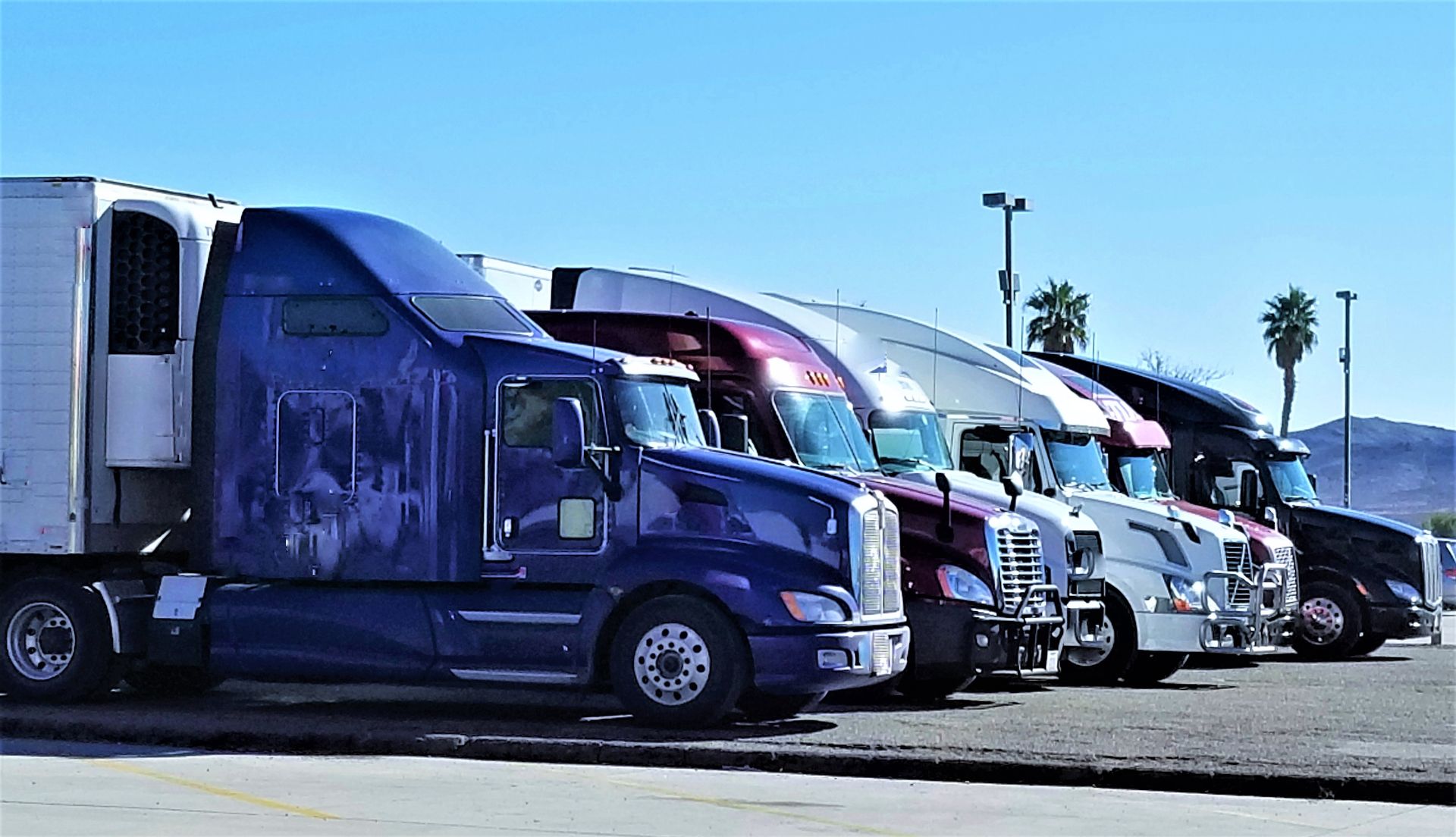
Commercial Auto & Trucking
Protection for your fleet including box trucks, moving vans, and trailers. Covers liability, collision, physical damage, and hired or non-owned vehicles used in your operations.
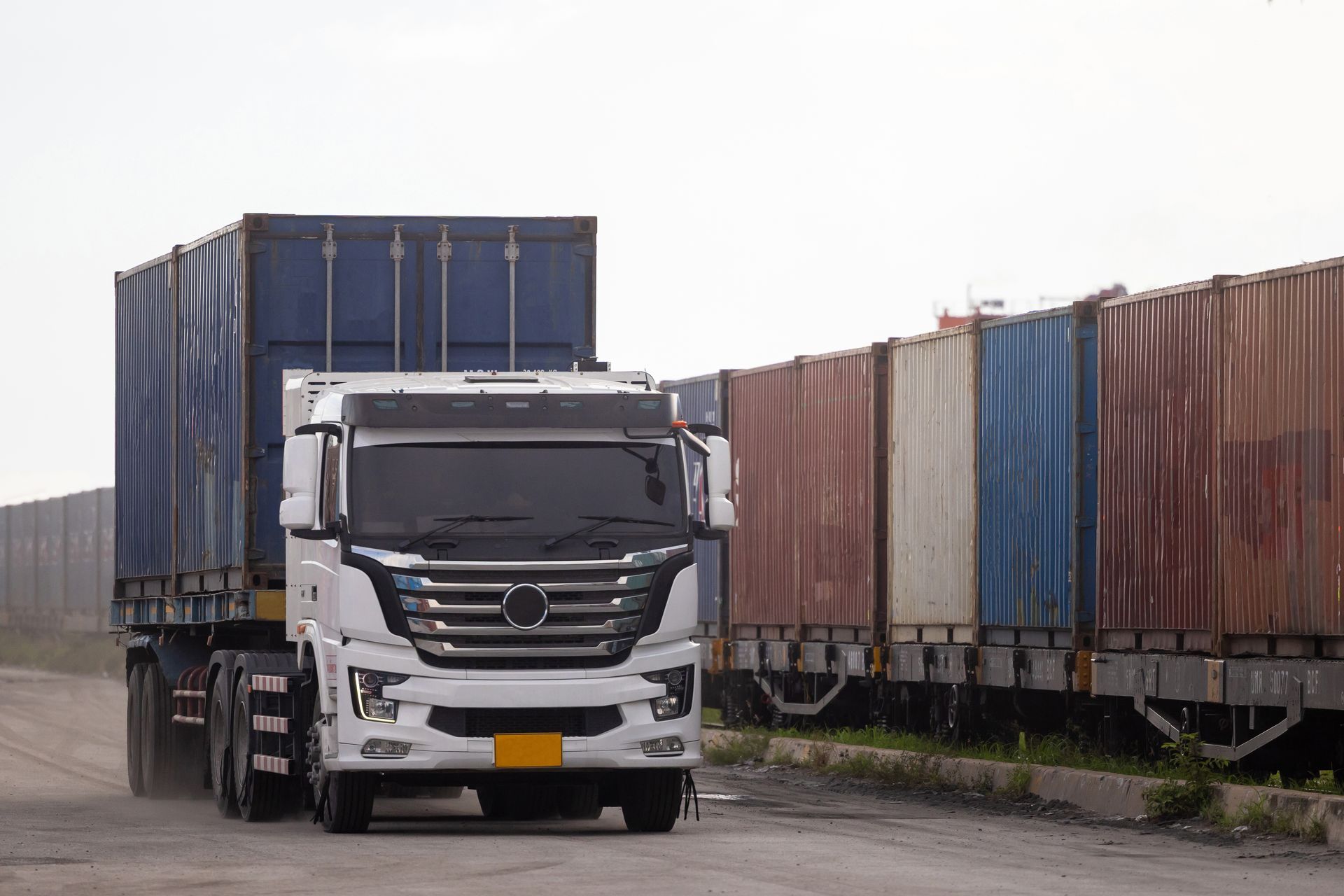
Motor Truck Cargo
Covers household goods and freight during transport from pickup to delivery. Protects against damage, theft, mysterious disappearance, and weather-related losses while cargo is in your care.

General Liability
Protection from third-party claims for bodily injury and property damage at customer homes, job sites, and your own facility. Essential coverage for every transportation operation

Warehouse Legal Liability
Coverage for customer property while stored in your facility. Protects against damage, theft, fire, and water damage to goods in your care, custody, or control.

Workers' Compensation
Medical care and wage replacement for employees injured on the job. Required in most states for transportation and warehouse work where physical labor creates higher injury risk.

Umbrella & Excess Liability
Higher liability limits stacked on top of your primary policies. Helps meet large contract requirements and protects your business assets against major claims and lawsuits.
Specialized Knowledge
Industries We Protect
Focused coverage for transportation and logistics businesses


Simple and Clear
How Our Process Works
Our process to get you covered
Connect With Us
Reach out through our form or by phone to share your business needs and current coverage situation.
Get Coverage Options
We review your risks, compare carriers, and present clear quotes with plain-language explanations.
Stay Protected
You choose your plan, and we provide ongoing support for certificates, claims, and renewals.
Trusted by Businesses
Feedback That Reflects Service and Reliability
What our clients say about working with Champion Risk
Answers You Need
Frequently Asked Questions
Common questions about transportation and logistics insurance



What insurance does a transportation company need to operate legally?
Motor carriers that cross state lines must meet FMCSA requirements. You need a minimum of $750,000 in liability coverage, plus a BMC-91 filing that proves your insurance to the federal government. Cargo coverage is also required, with minimums that depend on the type of goods you transport.
Intrastate operators follow state-specific rules. California, Texas, and Florida each have different requirements. Champion Risk handles both federal and state filings. We make sure your coverage meets legal minimums and your certificates reach the right agencies.
How much does commercial transportation insurance cost?
Premiums depend on your fleet size, driving records, cargo values, and claims history. A small operation with two trucks might pay $8,000 to $15,000 per year. A larger carrier with ten trucks could pay $50,000 to $100,000 or more.
The best way to control costs is working with a broker who knows transportation insurance. We find carriers that specialize in your exact operation type. This often results in better rates than going direct or using a general agent who doesn't understand the industry.
What is a BMC-91 filing and why do I need one?
A BMC-91 is a form your insurance company files with the FMCSA. It proves you carry the required liability coverage to operate as a for-hire motor carrier. Without an active BMC-91, your operating authority can be revoked.
Champion Risk works with carriers who file electronically. Your BMC-91 typically posts within 24 to 48 hours of binding coverage. We monitor your filing status and alert you if anything needs attention.
Does my warehouse or storage facility need different insurance than a trucking operation?
Yes. Storage facilities need warehouse legal liability coverage. This protects you when customer property is damaged or stolen while in your care. Standard general liability policies exclude this exposure.
You may also need property coverage for your building, equipment breakdown protection, and business income coverage if a fire or disaster shuts down operations. Champion Risk builds storage facility programs that address all these risks in one package.
Can you insure last-mile delivery drivers who use their own vehicles?
Yes. We offer hired and non-owned auto coverage for delivery operations that use independent contractors or employees driving personal vehicles. This fills gaps that personal auto policies don't cover during commercial use.
We also provide occupational accident coverage for 1099 drivers who aren't eligible for workers' comp. This protects your drivers and limits your liability exposure when accidents happen.
How fast can I get proof of insurance for a new contract?
Same day in most cases. Once we bind your policy, we issue certificates of insurance within hours. If your contract requires specific additional insured language or special endorsements, we coordinate directly with the carrier.
Rush requests happen often in this industry. General contractors and corporate clients demand certificates before they let you on site. Champion Risk prioritizes fast turnaround because we know your revenue depends on it.

Answers You Need
Transportation & Logistics Insurance Resources
Articles designed to inform and support your business
Contact Us
Phone Number:
Email Address:
Location:
12264 El Camino Real, Suite 350
San Diego, CA 92130
Hours:
Monday – Friday: 8:00 AM – 6:00 PM PT